Osteora
Osteora
Osteora
Advanced cementless and cemented modular joint solutions engineered to restore anatomical load pathways and optimize orthopedic surgical outcomes.
Osteora Medical Devices Co., Ltd. is a leading orthopedic implant and surgical solution developer, focusing on trauma, spine, and joint reconstruction systems. Under our global brand Osteora, we design, manufacture, and export high-performance joint replacement systems to meet the demands of global healthcare buyers.
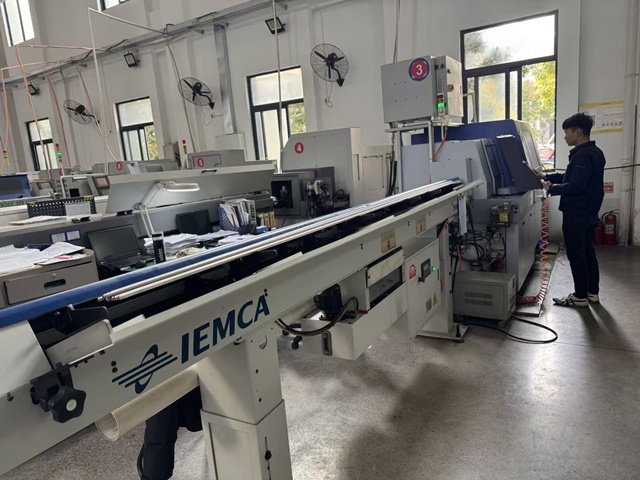
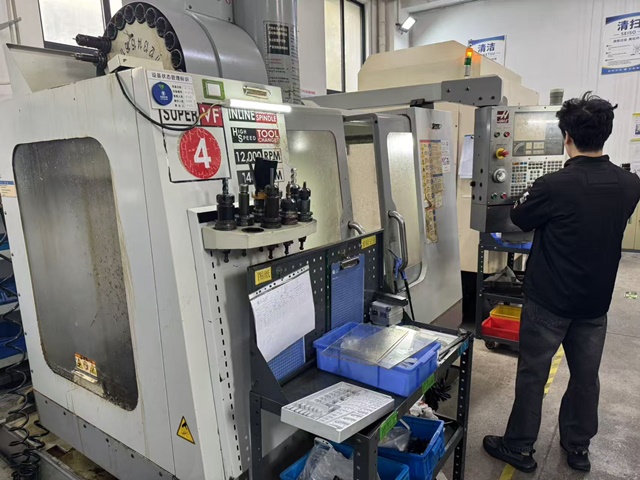
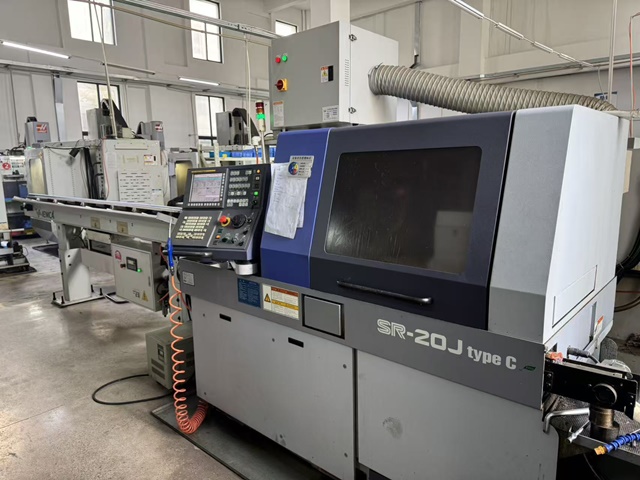
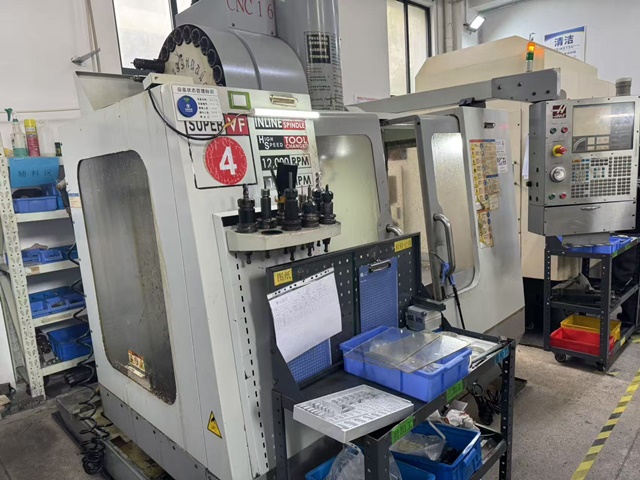
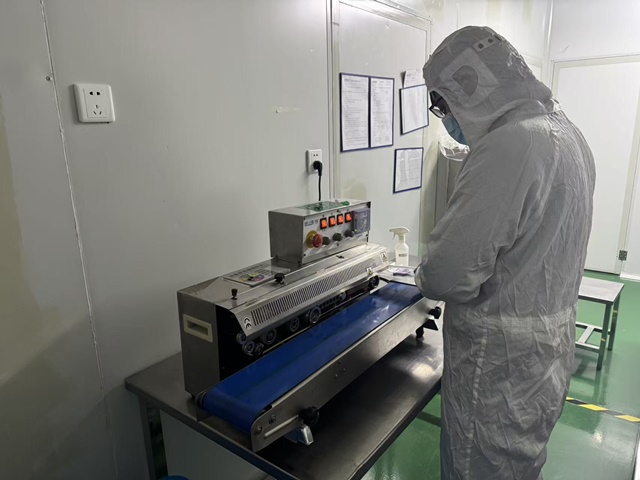
Founded in 2016, Osteora has earned an international reputation for material stability, manufacturing precision, and clinical adaptability. Our integrated 18,500㎡ facility houses Swiss-type lathe systems, HAAS CNC milling centers, cleanroom packaging units, and modern biomechanical laboratories. This end-to-end production loop allows us to guarantee structural reliability and consistent supply lines for critical surgical operations.
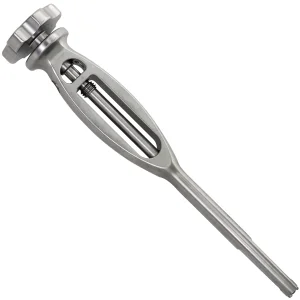
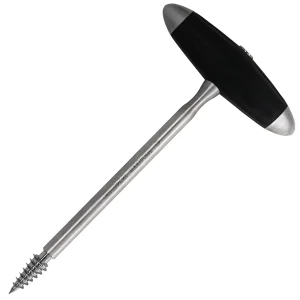
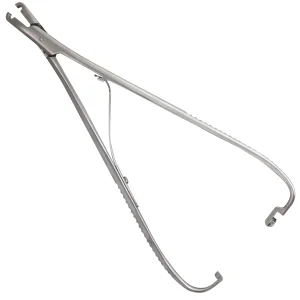
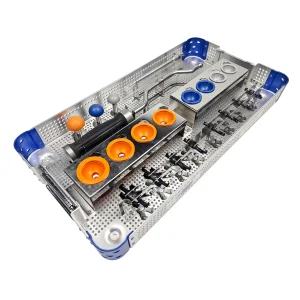
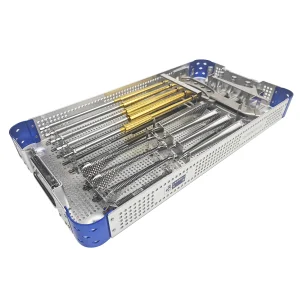
Through our dedicated OEM/ODM division, we provide custom sizes, advanced biocompatible coatings (such as titanium plasma spray and hydroxyapatite), and custom-label surgical instrument sets to meet regional clinical protocols.
Osteora's export business reaches major healthcare networks and distribution partners across Europe, Southeast Asia, the Middle East, and South America. With 8 years of dedicated export experience, we manage complex medical supply logistics, ensuring safe and regulatory-compliant delivery of medical hardware.
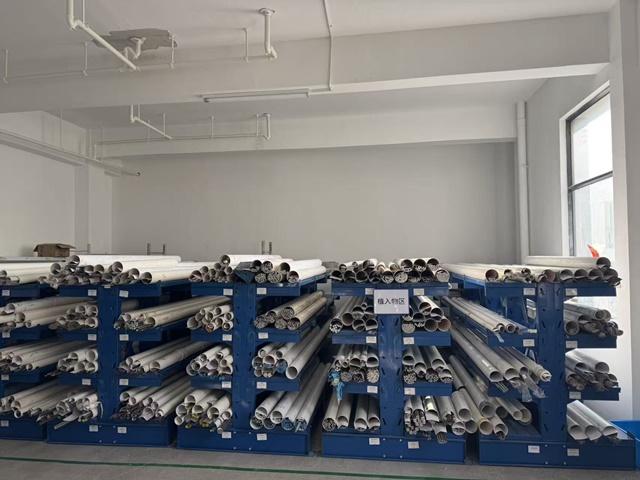
Our annual export revenue of USD 6 million to 14 million demonstrates our stable commercial viability and continuous growth in the reconstruction market. By managing a network of over 1,200 audited supply partners, we secure high-grade raw materials (including ISO 5832-3 Titanium alloys and CoCrMo formulations) to prevent supply bottlenecks and support high-volume hospital tenders.
Helping medical device distributors, purchasing managers, and large hospital networks solve critical supply challenges in joint reconstruction.
The global joint reconstruction sector is experiencing significant demand driven by an aging global population and rising expectations for post-surgical mobility. However, distributors and hospital groups face major purchasing challenges, including:
Navigating the transition from MDD to MDR in Europe and satisfying complex local FDA rules requires meticulous documentation, product testing data, and traceablity.
Variations in alloy purity and coating consistency can lead to premature aseptic loosening or high revision rates, creating significant liabilities for distributors.
Extended delivery times and production delays hamper surgical planning, leaving clinical teams without essential sizing options during procedures.
Osteora's Strategic Industrial Countermeasures:
We address these industry issues through robust quality systems and streamlined logistics. Our 42 specialized quality inspectors execute rigorous raw material analysis, in-process dimensional audits, and final batch testing. This keeps our clinical performance uniform across all shipments.
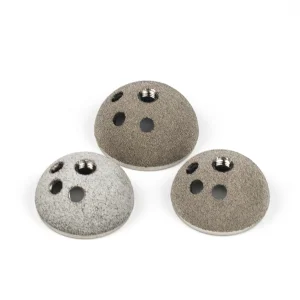
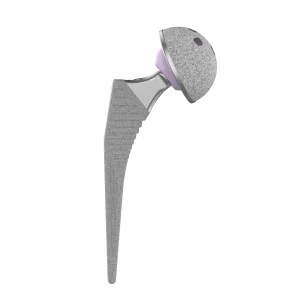
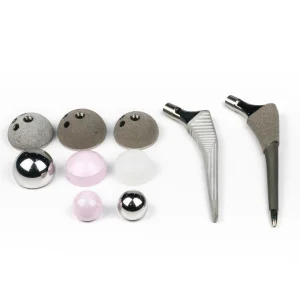
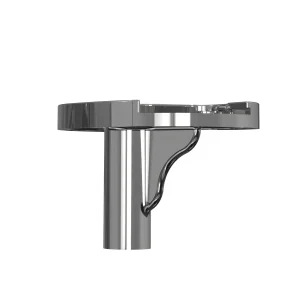
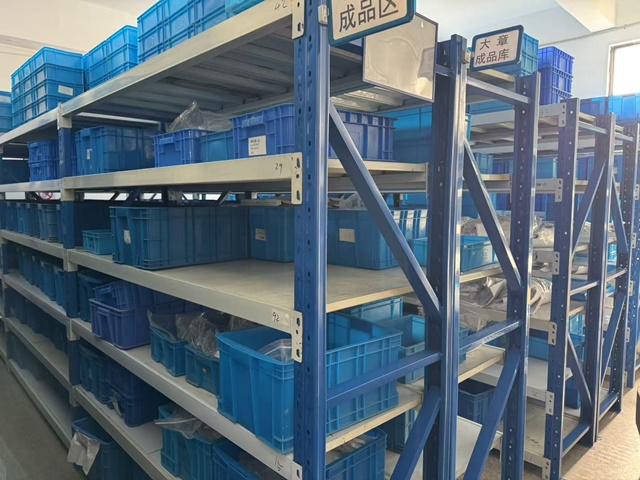
Additionally, we maintain buffer stocks of high-demand primary hip stems, acetabular cups, and tibial base plates. This strategy reduces lead times from months to weeks, allowing our partners to bid confidently on regional healthcare tenders.
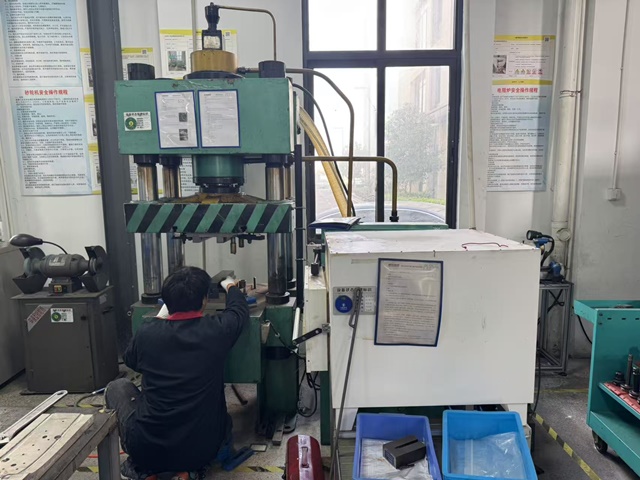
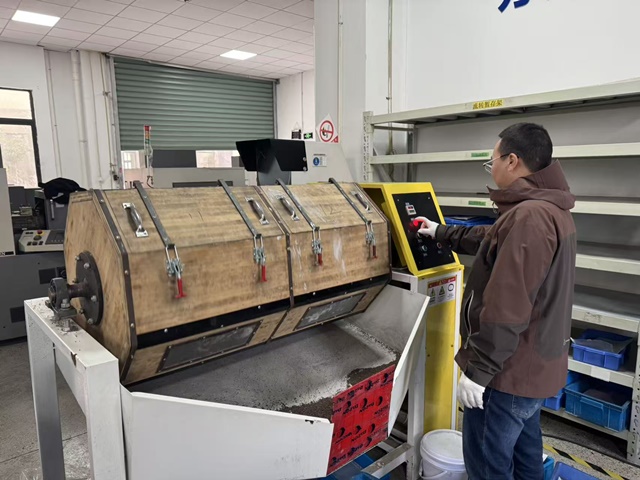
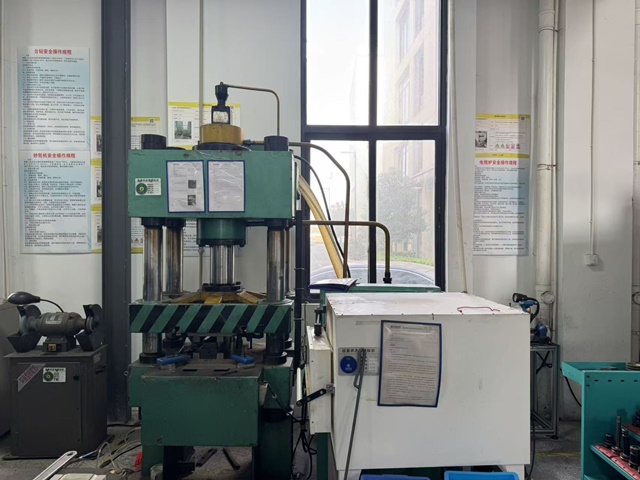
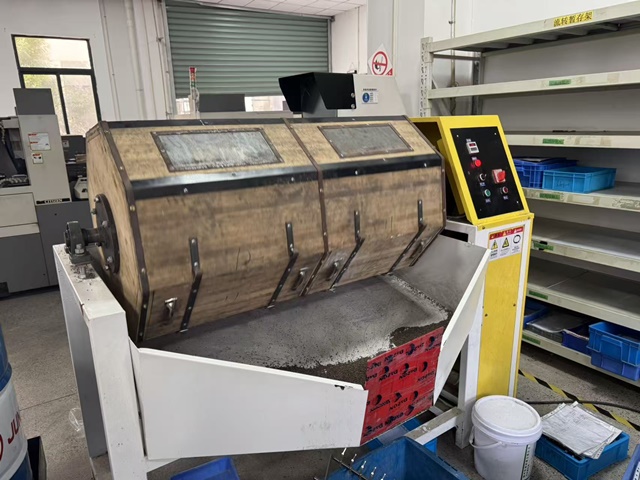
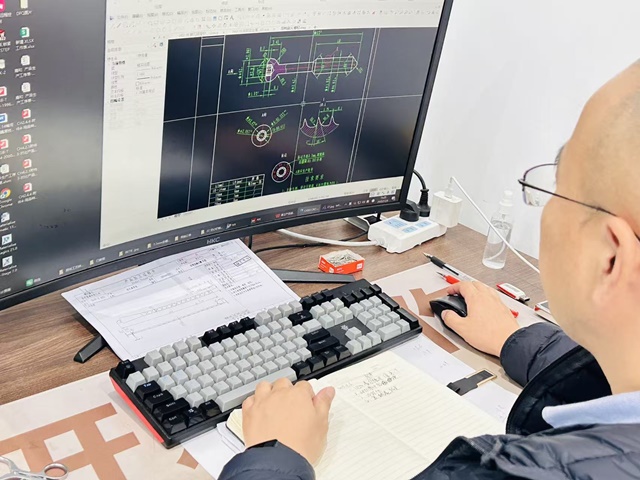
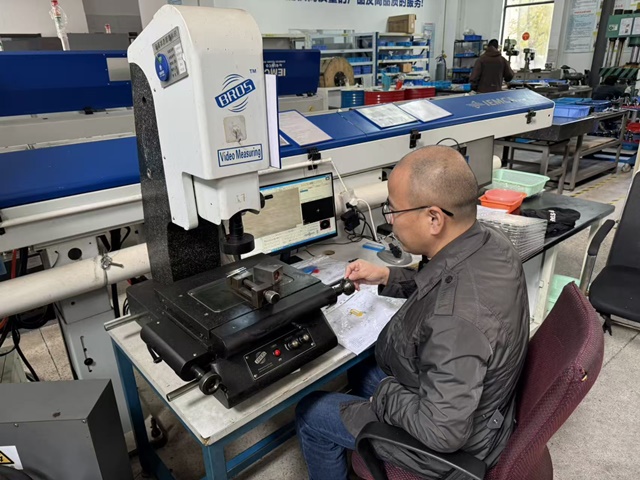
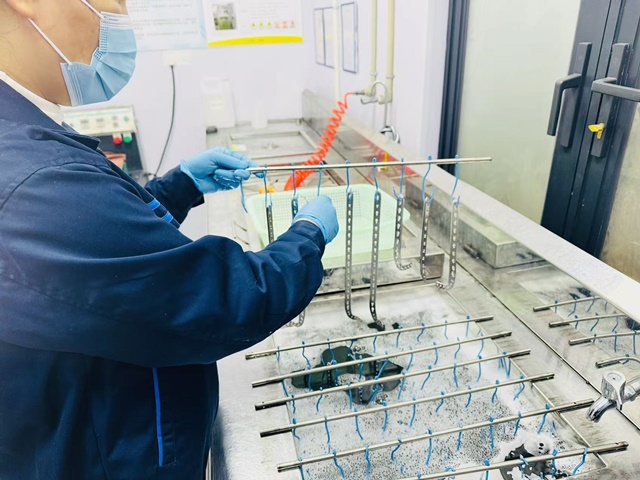
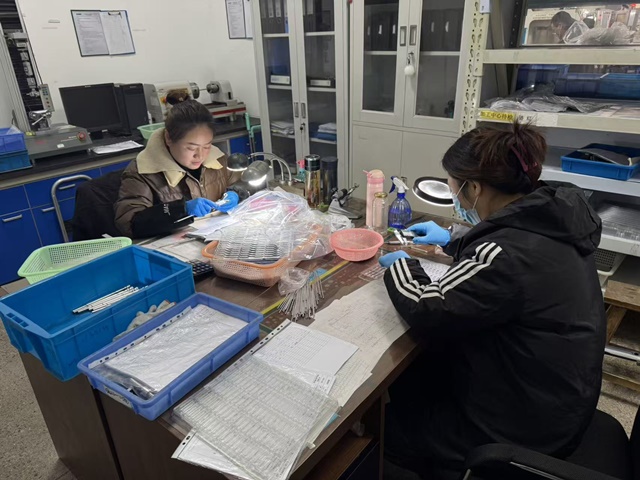
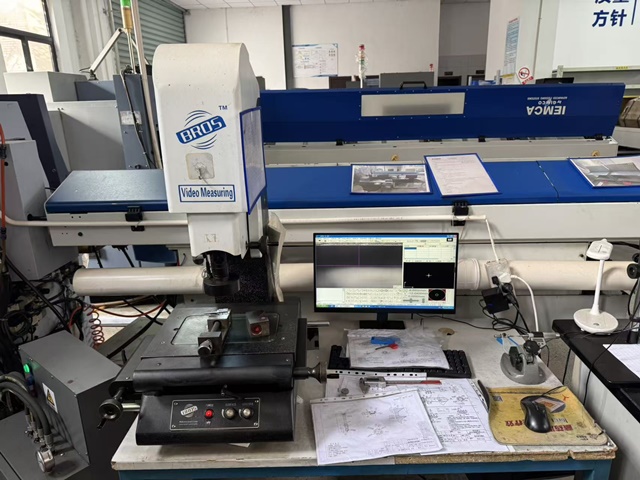
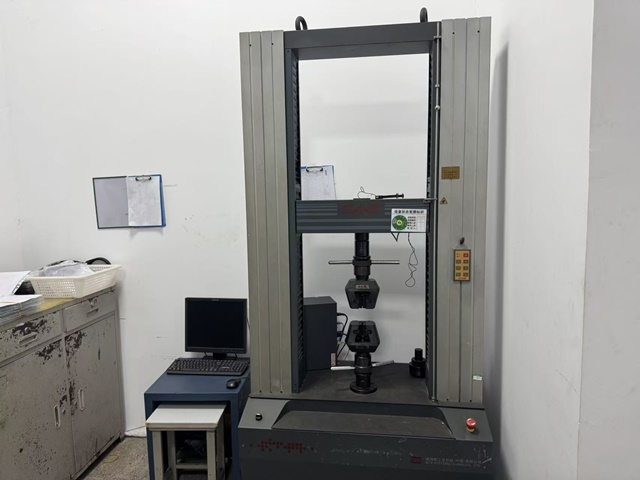
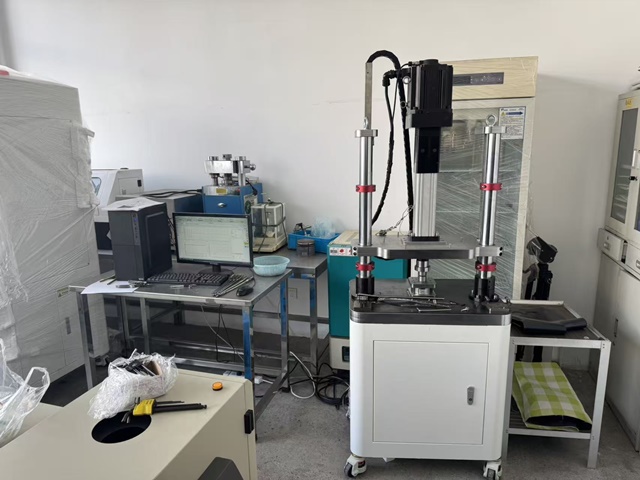
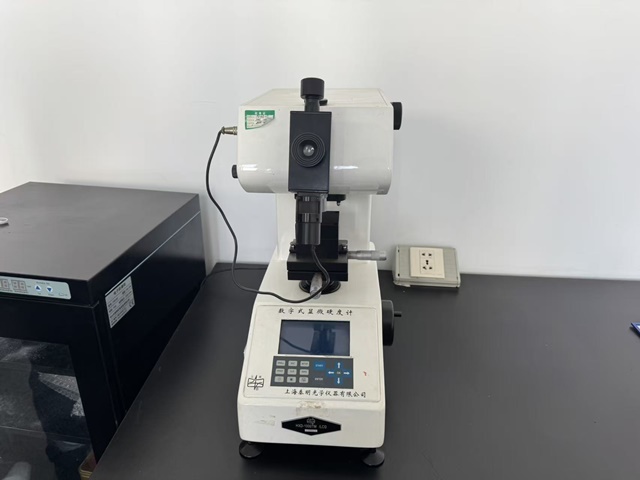
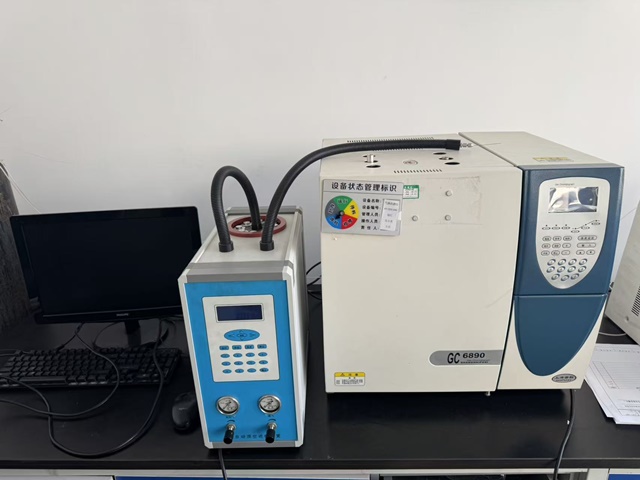
Inside Osteora's manufacturing lines: Visualizing our end-to-end orthopedic production, dimensional verification, and biomechanical validation.
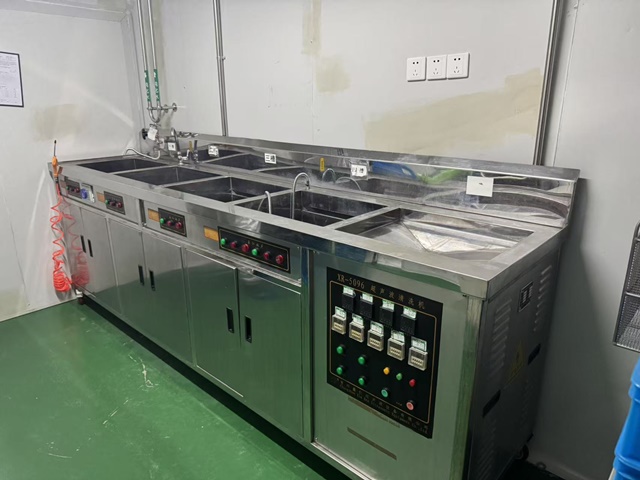
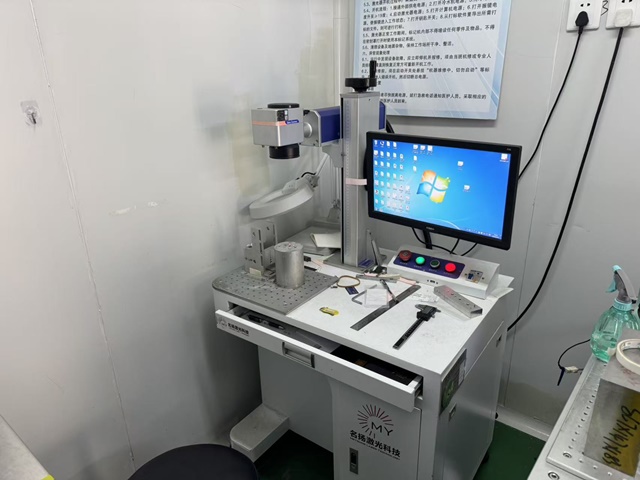
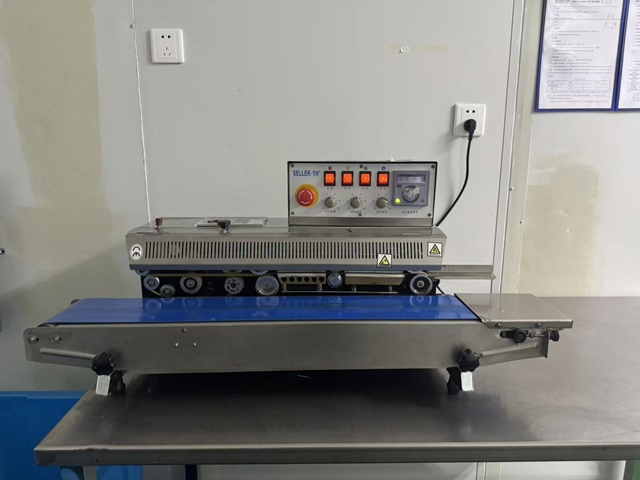
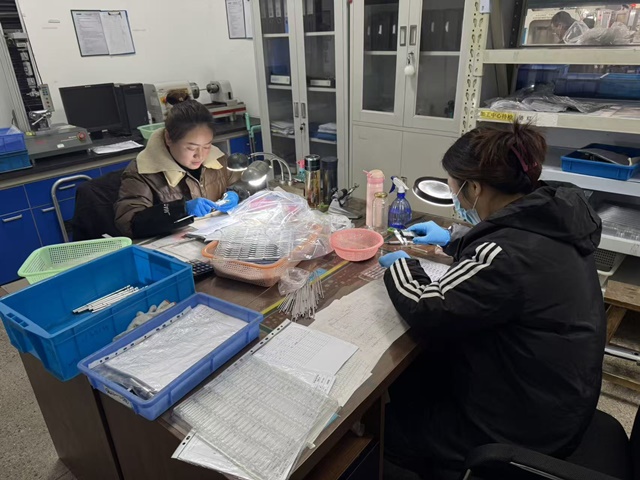
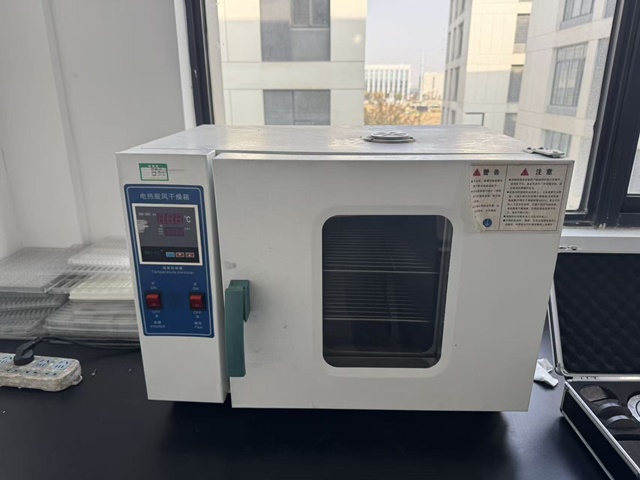
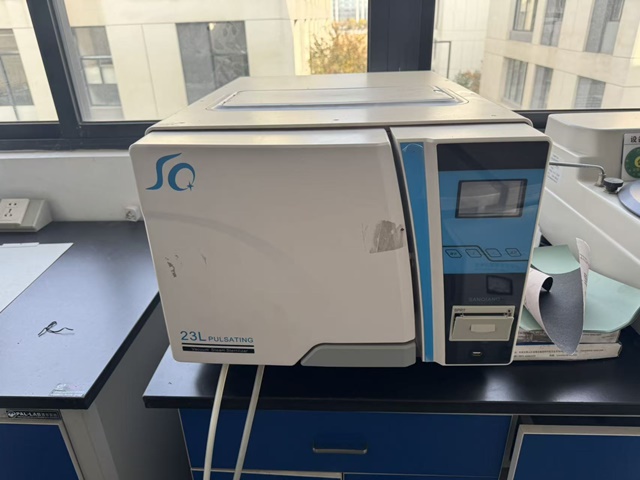
How Osteora's 85 R&D engineers develop modern biomaterials to improve joint longevity and surgical accuracy.
Our research and development program focuses on addressing the primary cause of joint implant failure: wear debris and subsequent osteolysis. By coordinating closely with clinicians and material science institutes, we continue to upgrade our implant portfolio.
Developing advanced polymer liners that demonstrate up to 90% reduction in long-term wear rates compared to standard UHMWPE components.
Transitioning from plasma-sprayed coatings to additive manufactured trabecular metal surfaces. This architecture mimics natural cancellous bone, encouraging rapid biological fixation.
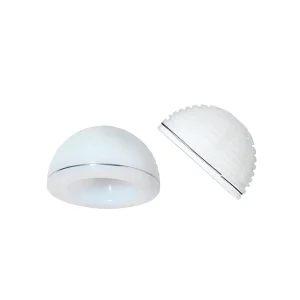
Expanding our modular dual-mobility acetabular cup offerings to improve stability and prevent dislocation in high-risk revision patients.
Clinical Performance Verification Standards:
Each new design iteration undergoes rigorous testing inside our mechanical laboratories. We utilize multi-station joint simulators to evaluate wear behavior, alongside gas spectrometers for alloy chemical verification. In the past year alone, we introduced 120 new products, demonstrating our commitment to keeping pace with evolving surgical techniques.
Osteora's research is driven by clinical data, working to ensure that every modular stem taper, femoral head finish, and tibial plate locking mechanism meets international standards.
To operate successfully in global markets, orthopedic implants must satisfy stringent quality, safety, and traceability standards. Osteora implements an ISO 13485-certified quality management system to cover every step of our manufacturing pipeline.
Our quality assurance program includes 100% inspection of critical tolerances using vision measuring instruments, surface finish testing, and Vickers hardness verification. We verify that every implant package contains complete batch code documentation, allowing for full materials traceability from raw bar stock to the operating theater.
Support Framework for Importers:
We provide comprehensive support packages designed to help international distributors secure local regulatory approvals:
Technical answers regarding raw materials, customization capabilities, and global distribution logistics for joint reconstruction systems.
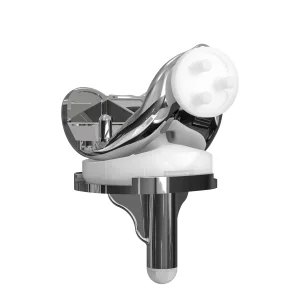
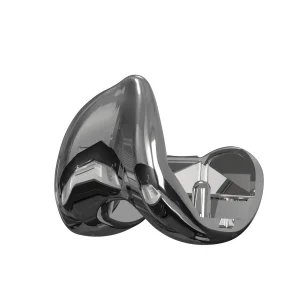
High-flexion knee systems and modular components designed to achieve physiological load distribution and joint stability.