Osteora Osteora

Spinal Implants Factories & Exporters

Premium Clinical-Grade Spine Stabilization Systems & Dynamic Fusion Devices

Osteora Medical Devices Co., Ltd.

Osteora Medical Devices Co., Ltd. is a premier professional orthopedic implant and surgical solution manufacturer specializing in trauma, spine, and joint reconstruction systems. Under our globally recognized brand Osteora, we serve medical distributors, hospitals, and surgical groups by delivering advanced engineering and uncompromising bio-compatibility.

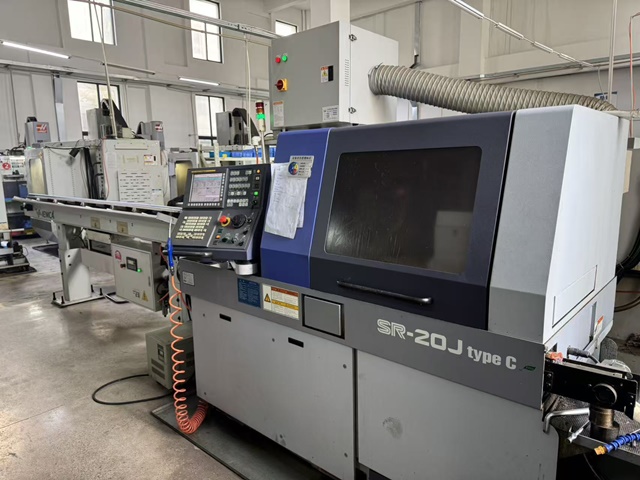
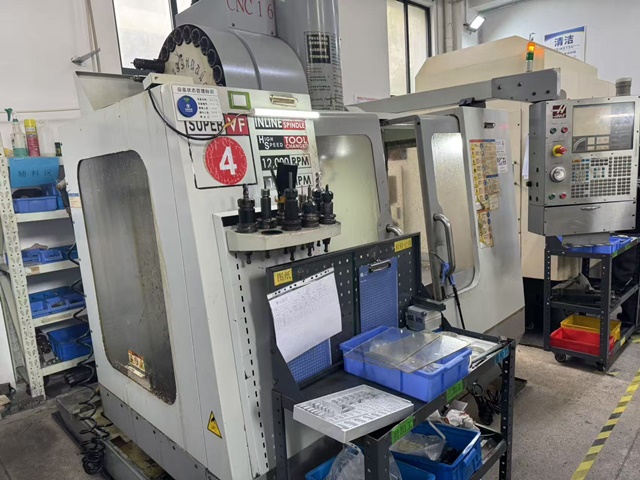
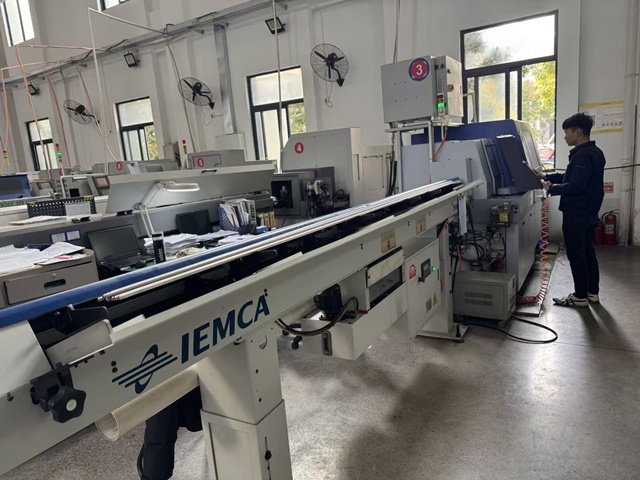
Founded in 2016, the company has integrated high-precision Swiss-type lathes, HAAS CNC machinery, and ISO-certified class III packaging cleanrooms. The modern facility covers approximately 18,500㎡, fully optimized for scalable production, rapid prototyping, and rigorous quality testing.

R&D

85 R&D Engineers

Continuous device innovation, customized design adjustments, and OEM engineering.

QC

42 QC Inspectors

Complete compliance tracking from chemical analysis to dynamic fatigue testing.

GL

12+ Years Expertise

In-depth alignment with global import requirements and localized market demand.

EXP

$6M - $14M Export

Stable logistics and international custom routes serving over 30 countries.

18,500㎡
Integrated Manufacturing Facility
120+
New Products Launched Annually
1,200+
Supply Chain Network Partners
ISO 13485
Class III Certified Quality Systems

White Paper: Clinical Biomechanics, Material Engineering & Manufacturing Protocols of Modern Spinal Implants

Executive Summary: The clinical demand for spinal stabilization implants has transitioned from rigid fixation to dynamic load-sharing structures that support physiological motion and rapid osteointegration. As a prime global exporter, Osteora explores the optimization methods of PEEK (Polyetheretherketone) and Titanium (ASTM F136) implants, detailing advanced 3D porous titanium printing, high-precision machining, and the quality assurance framework needed to support clinical trials and commercial distribution.

1. Material Engineering: Titanium vs. PEEK in Spinal Arthrodesis

The choice of material defines the mechanical integrity and long-term biological success of spinal implants. In interbody fusion and pedicle stabilization systems, two major biomaterial standards dominate:

  • Medical-Grade Titanium Alloy (Ti-6Al-4V ELI / ASTM F136): Favored for high tensile strength, extreme fatigue resistance, and natural biocompatibility. The surface oxide film (TiO2) promotes bone cells attachment. However, titanium's elastic modulus is higher than human cortical bone, which can sometimes lead to stress shielding. We address this using 3D printed porous lattices to match human bone density and mechanical properties.
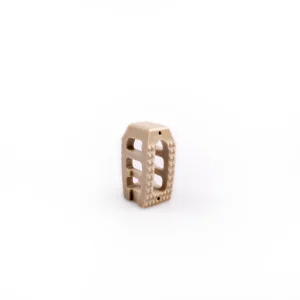
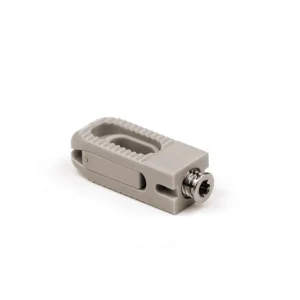
  • Implant-Grade PEEK (Polyetheretherketone): Known for having an elastic modulus extremely close to human cortical bone. PEEK reduces stress shielding and is radiolucent, allowing surgeons to clearly monitor fusion progress via X-ray without metal artifacts. To improve bone cell growth on PEEK, we integrate osteoconductive structures and hybrid designs.

2. Technology Roadmap & Future Outlook: 3D Printing and Bio-active Coatings

Osteora's research division is mapping out the next generation of spinal orthopedics, focusing on three major technology routes:

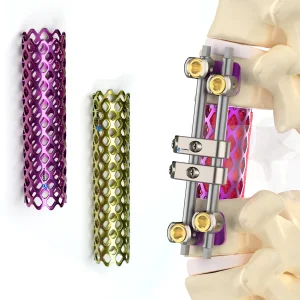
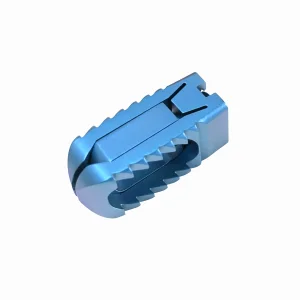
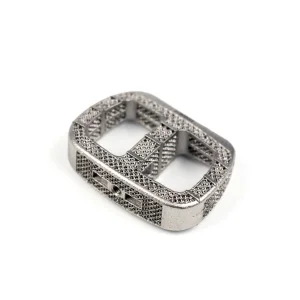
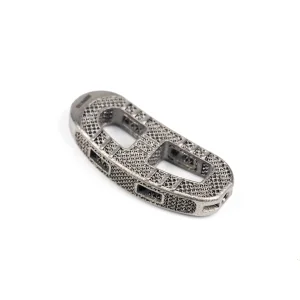
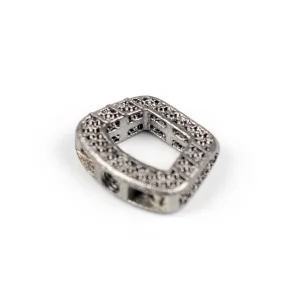
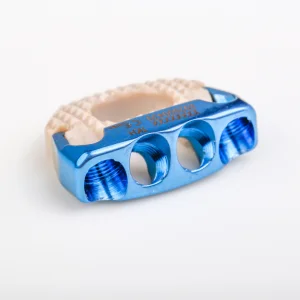
A. 3D-Printed Porous Titanium Structures: Our CV-I series utilizes laser powder bed fusion (LPBF) to build cages with interconnected pore networks (sizes ranging from 300 to 500 microns). This structure mimics trabecular bone, encouraging rapid bone growth within the implant.

B. Bio-active Coatings & Surface Modification: Applying thin-film hydroxyapatite (HA) or titanium plasma spray (TPS) coatings onto PEEK structures combines the radiolucent benefits of PEEK with the osteointegrating benefits of titanium.

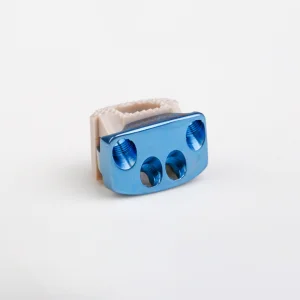
C. Zero-Profile Minimally Invasive Solutions: Modern spine surgery prioritizes smaller incisions. Our stand-alone cervical and lumbar cages with integrated locking fixation mechanisms eliminate the need for anterior plating, reducing operating times and post-surgical discomfort.

3. Macro Industry Solutions: Optimizing Hospital and Distributor Sourcing

Managing spinal implant logistics requires precision and regulatory compliance. Osteora helps international distributors and hospital groups streamline their sourcing:

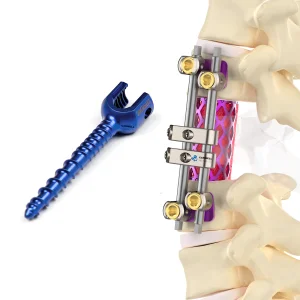
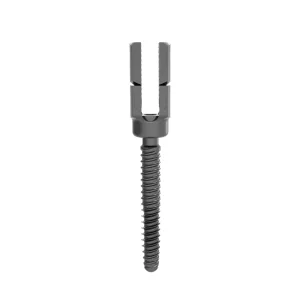
  • Consolidated Surgical Kits: We supply implants alongside precise instrument kits (such as our PKP Kyphoplasty and MIS pedicle screw instrumentation sets) to ensure surgeons have everything they need for the operating theater.
  • Flexible Customization: We offer comprehensive OEM/ODM options to adjust implant dimensions, thread pitches, and material specifications, accommodating the anatomical variations of different patient populations.
  • Scalable Production: Supported by over 1,200 supply chain partners, we ensure stable material pricing and steady delivery timelines, mitigating risk in volatile international markets.

4. China Industry 4.0: Supply Chain Resilience & Precision Tooling

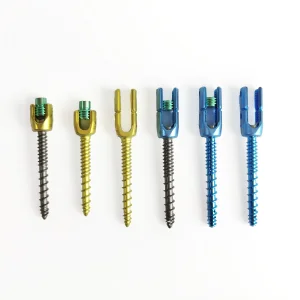
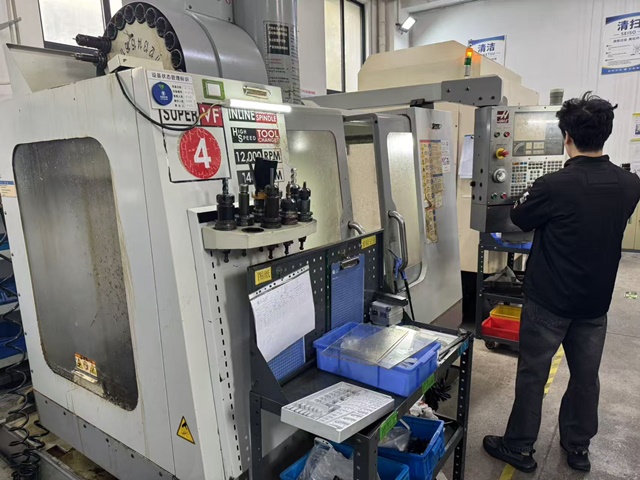
Our manufacturing facility relies on advanced automation and digital tracking to maintain high consistency and throughput. Utilizing high-efficiency Swiss-type lathes and Haas CNC machining centers, we are able to manufacture pedicle screws with tolerances as tight as ±0.005mm. Automated cleanrooms and robotic packaging lines ensure each implant is clean and sterile, protecting patient safety.

State-of-the-Art Production & Testing Facilities

Every step of our process—from raw material inspection to mechanical testing—adheres strictly to ISO 13485 standards.
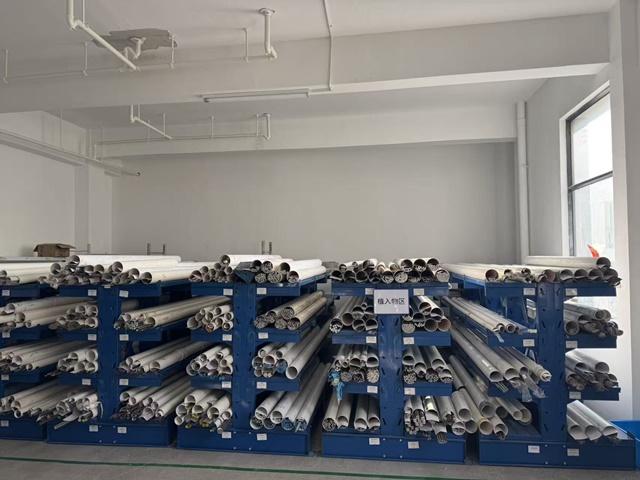
Raw Material
Raw Material
Finishing Process
Finishing Process
Finishing Process
Finishing Process
Stamping Process
Stamping Process
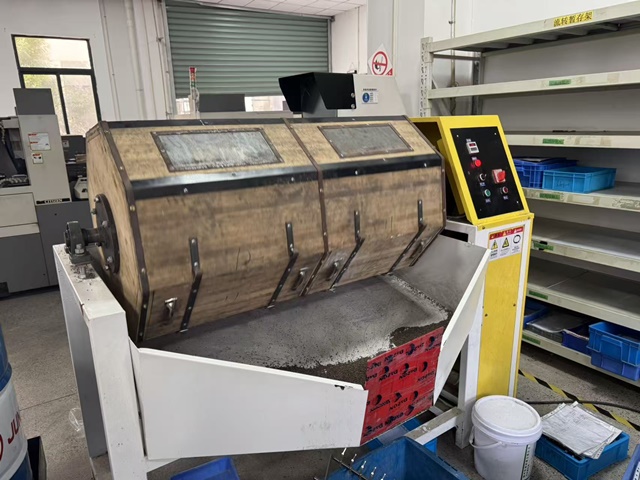
Grinding Process
Grinding Process
Checking Process
Checking Process
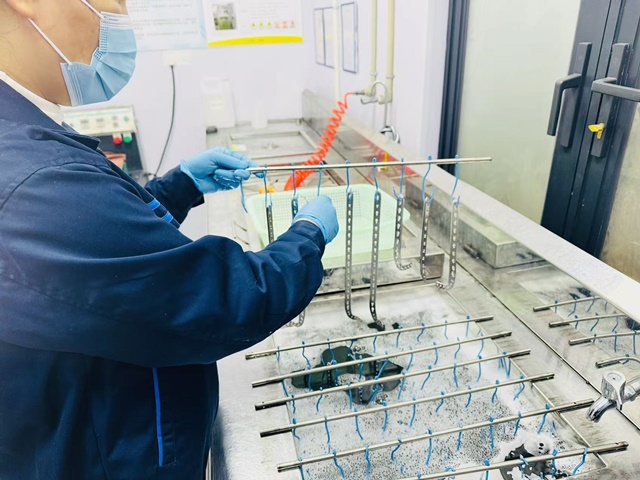
Cleaning Process
Cleaning Process
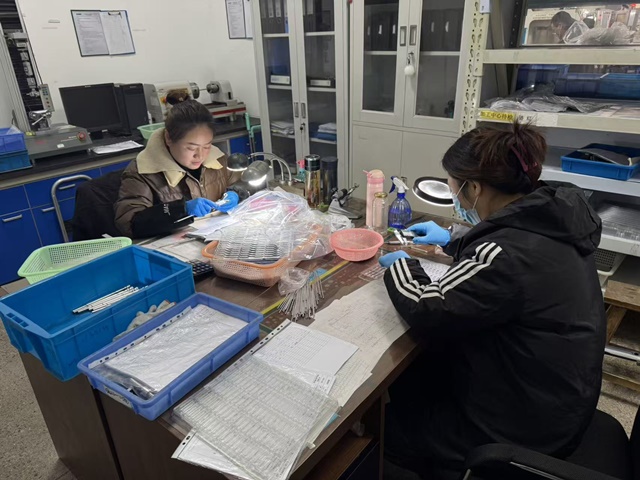
Inspecting Process
Inspecting Process
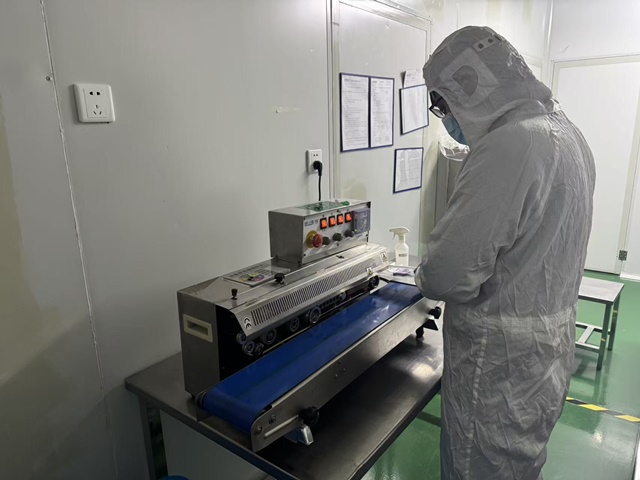
Packing Process
Packing Process
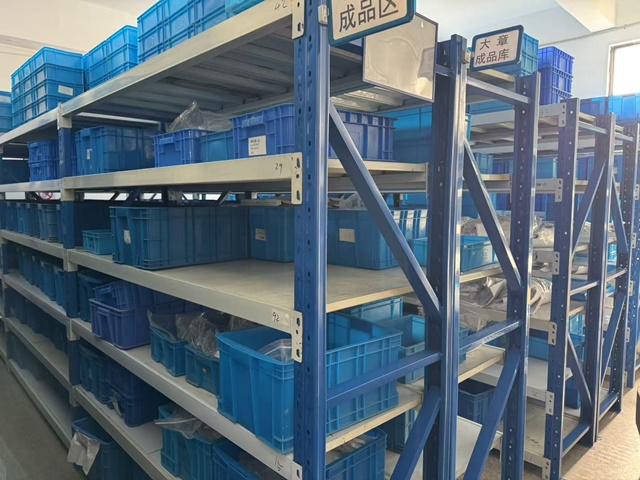
Storehouse
Storehouse
Swiss-type Lathe Equipment
HAAS CNC
HAAS CNC
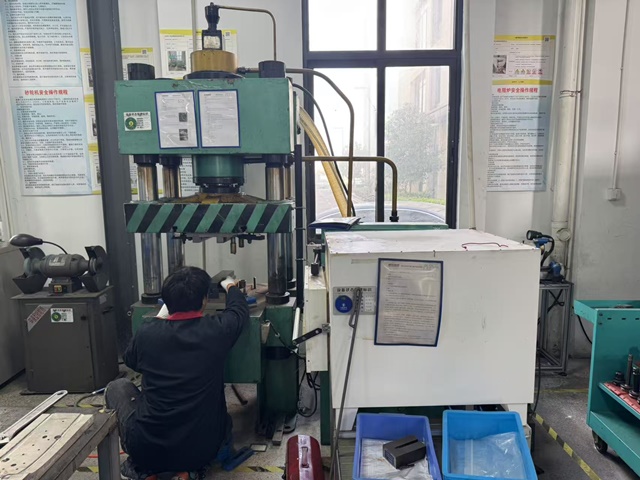
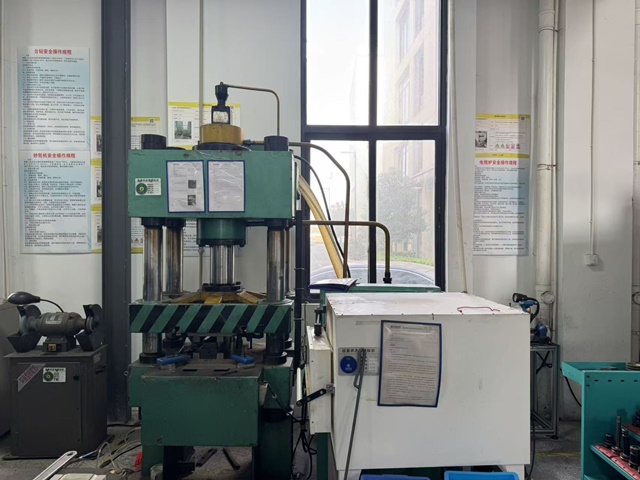
Stamping Machine
Stamping Machine
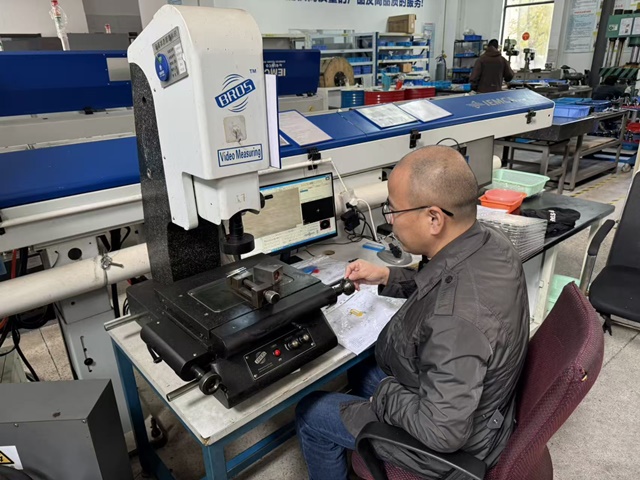
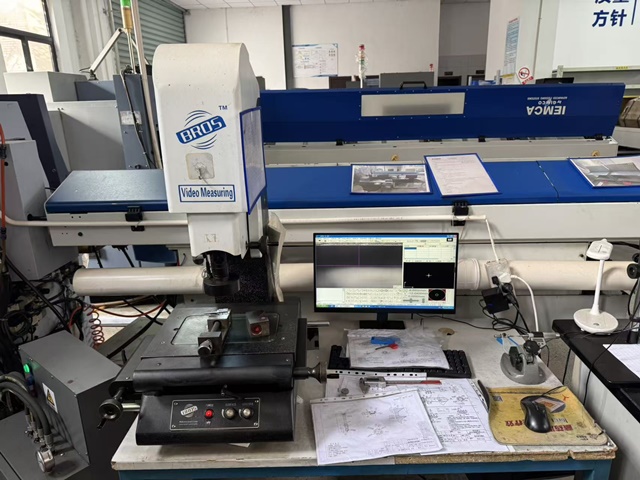
Vision Measuring Instrument
Grinding Machine
Grinding Machine
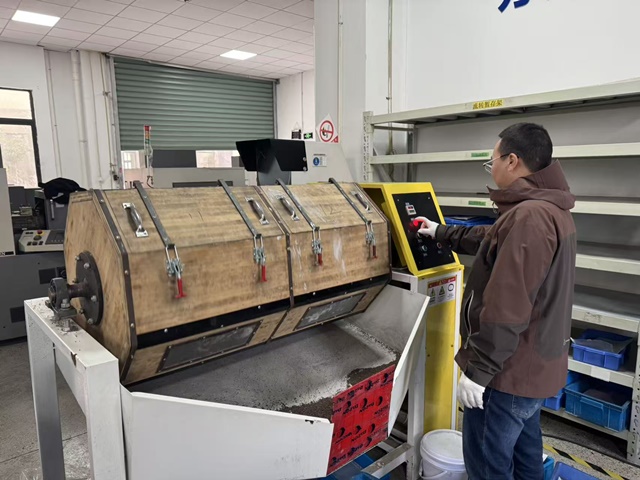
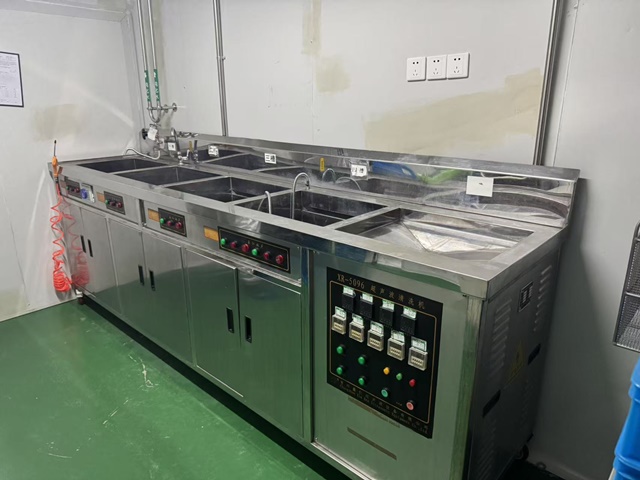
Cleaning Machine
Cleaning Machine
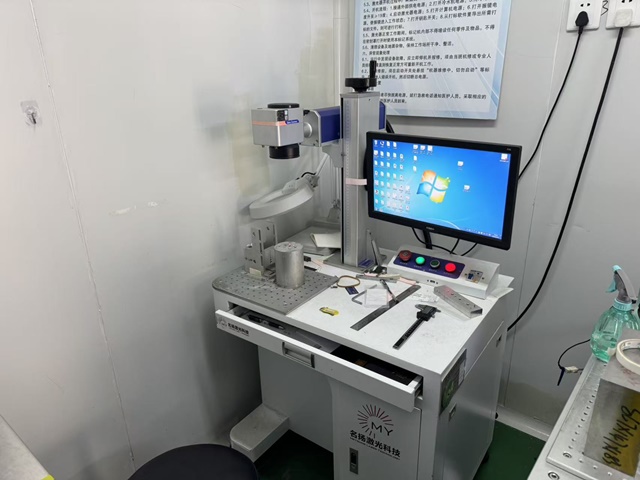
Laser Marking Machine
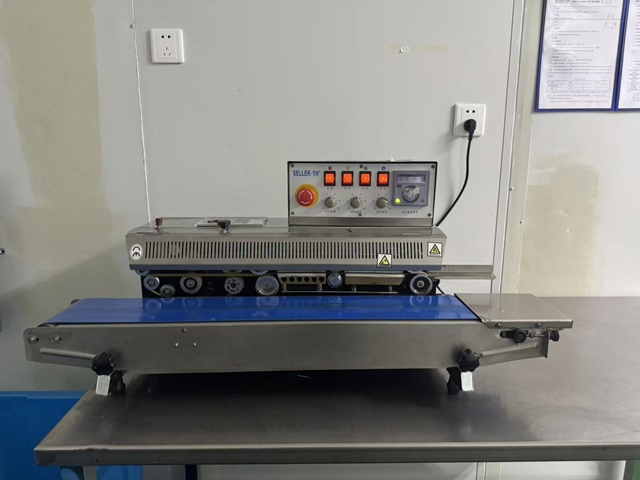
Packing Machine
Packing Machine
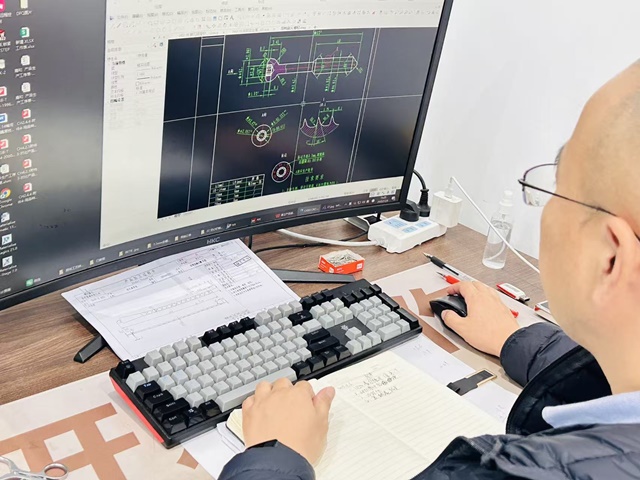
Designer Drawing
Designer Drawing
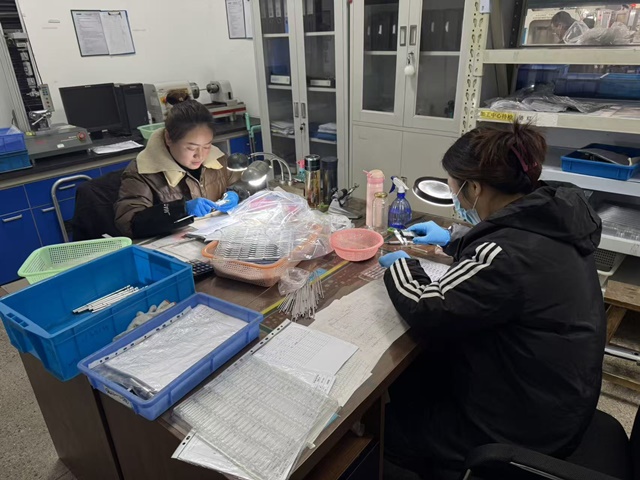
Final Inspection Room
Final Inspection (2 Inspectors)
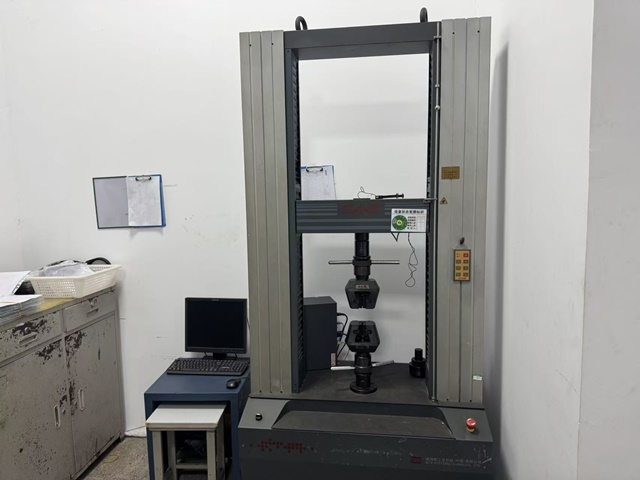
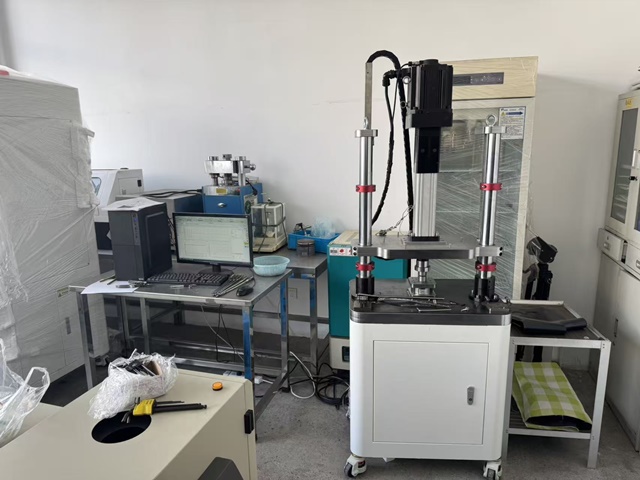
Multifunctional Mechanical Testing Machine
Mechanical Testing Machine
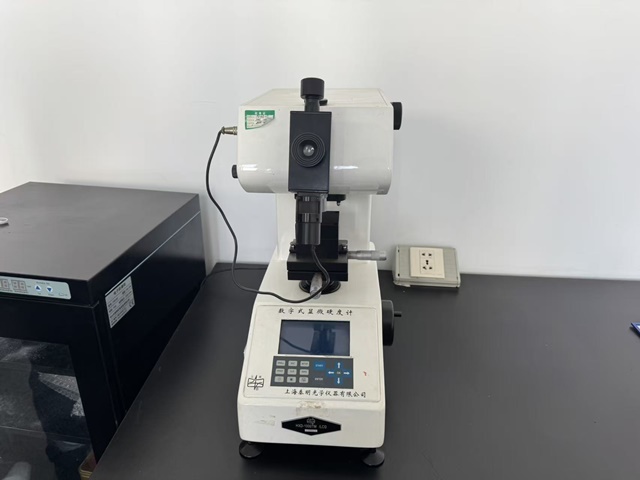
Vickers Hardness Tester
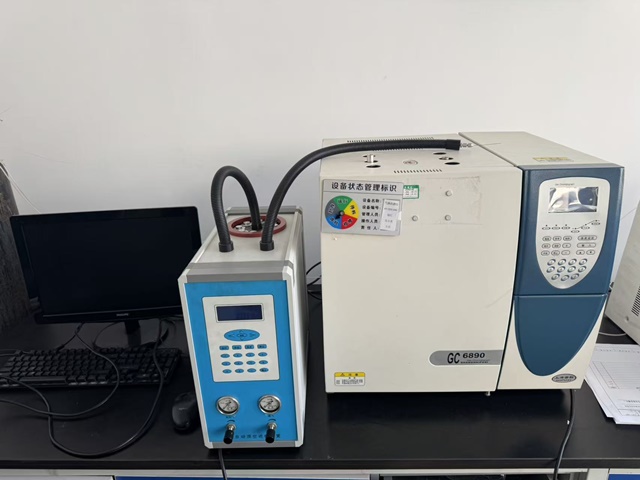
Gas Spectrometer
Gas Spectrometer
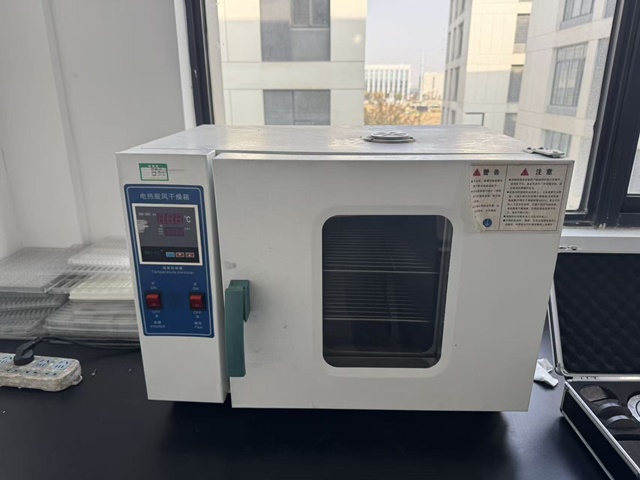
Drying Oven
Drying Oven
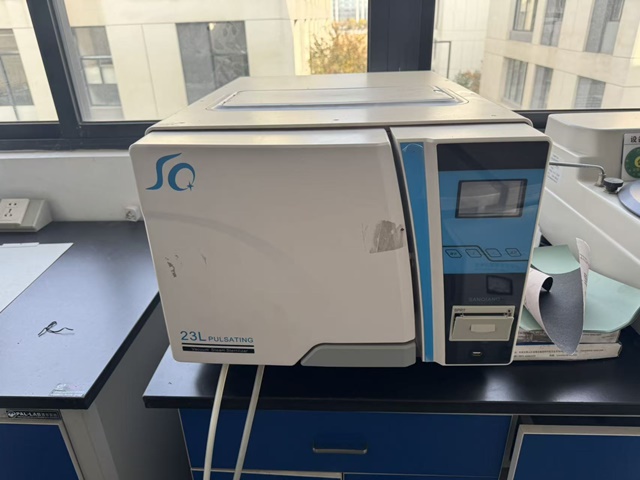
Pulsating Machine
Pulsating Machine

5. Quality Assurance Protocols: ISO 13485 & Dynamic Mechanical Validation

Orthopedic implants operate under extreme cyclic loads within the human body. To prevent structural failure or revision surgery, our QC department employs 42 specialized inspectors carrying out three core verification steps:

  • Material Traceability: Every batch of raw titanium or PEEK is tested using our Gas Spectrometer and Vickers Hardness Tester. We confirm chemical composition, mechanical grade, and structural uniformity before machining starts.
  • Dimensional Precision Testing: Using advanced Vision Measuring Instruments, we confirm screw threads, pitch tolerances, and runout properties, ensuring they align perfectly with patient bone structure.
  • Dynamic Fatigue Validation: Utilizing our Multifunctional Mechanical Testing Machines, we simulate millions of physical load cycles. This validates load capacity and wear resistance, confirming each design is safe for clinical use.

6. Localized Regulatory & Compliance Logistics

Osteora ships worldwide, aligning our documentation with local medical regulations (CE, ISO, and local registrations):

  • Class III Product Registration support: We provide full technical documentation, including raw material certificates, biological safety test reports (ISO 10993), and sterile validation documents.
  • Optimized Shipping & Sterile Packaging: Products are packaged in cleanroom conditions using certified materials to protect sterilization barrier sheets during transit.
  • Double-sterile barriers: Minimizes handling contamination risk, providing sterile products straight to the clinical sterile storage area.

Strategic Sourcing for Global Distributors

Partnering with Osteora provides medical suppliers, OEM partners, and hospitals with transparent supply chain security.

01

Stable Cost Structure

By coordinating material purchasing with our network of over 1,200 partners, we secure bulk-rate medical titanium and PEEK, insulating our clients from raw material market fluctuations.

02

Comprehensive Customization

From custom thread designs to custom-engineered cage shapes, our team of 85 R&D engineers can translate CAD/CAM specifications into clinical-grade products.

03

Flexible OEM Branding

We provide full laser-marking customization, custom box labeling, and regulatory package assembly, allowing you to launch and distribute under your local brand identity.

Technical & Procurement FAQ

Answers to common questions regarding regulatory compliance, manufacturing tolerances, and ordering options.

What raw materials are used for Osteora spinal implants?
We use medical-grade titanium alloy (Ti-6Al-4V ELI conforming to ASTM F136) and implant-grade Polyetheretherketone (PEEK). We source our materials with complete certification, validating biological and mechanical specifications before processing.
How does Osteora handle product quality and certification?
Our facilities run under an ISO 13485-certified quality management system. Implants go through dimensional verification, biocompatibility testing, and dynamic fatigue tests. A dedicated team of 42 QC inspectors oversees all production processes.
What customization (OEM/ODM) options do you provide?
Supported by 85 R&D engineers, we offer adjustments to screw profiles, cage angles, specialized surface coatings, custom surgical instruments, and private label packaging to fit specific market preferences.
What is the typical lead time for international shipments?
Standard stock items are usually ready to ship within 15 days. For custom OEM productions, typical lead times range from 30 to 45 days, depending on geometry complexity, volume requirements, and sterilization protocol specifications.
All Spinal Implants Products