Osteora
Osteora
Osteora
Precision engineered, biocompatible titanium alloy implants designed for extreme biomechanical stability and accelerated osseointegration.
A clinical and biomechanical assessment of modern osteosynthesis systems and global market dynamics.
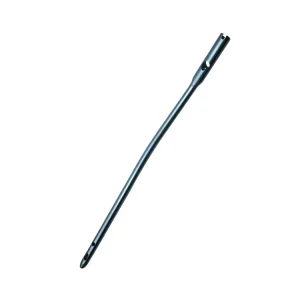
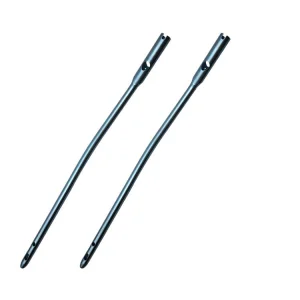
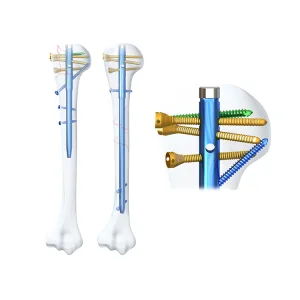
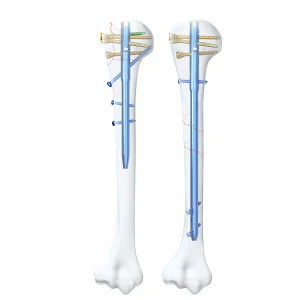
Intramedullary (IM) nailing represents the gold standard for stabilizing diaphyseal fractures of long bones, including the femur, tibia, and humerus. Over the past decade, the global market for load-bearing orthopedic trauma implants has experienced a transition from rigid stainless steel systems to flexible, highly biocompatible titanium alloys (specifically Ti-6Al-4V ELI in compliance with ASTM F136).
As demographic trends indicate an aging global population prone to osteoporotic fractures, the demand for specialized proximal femoral anti-rotation (PFNA) locking configurations has surged. These advanced implant designs focus on achieving stable micro-motion at the fracture site to stimulate callus formation, minimizing common post-operative complications such as mechanical cut-outs, screw migrations, and non-unions.
The production of surgical implants requires compliance with complex international regulatory frameworks. Manufacturers must meet rigorous standards, including ISO 13485 quality systems, Class III medical device registrations, and comprehensive biocompatibility testing under ISO 10993.
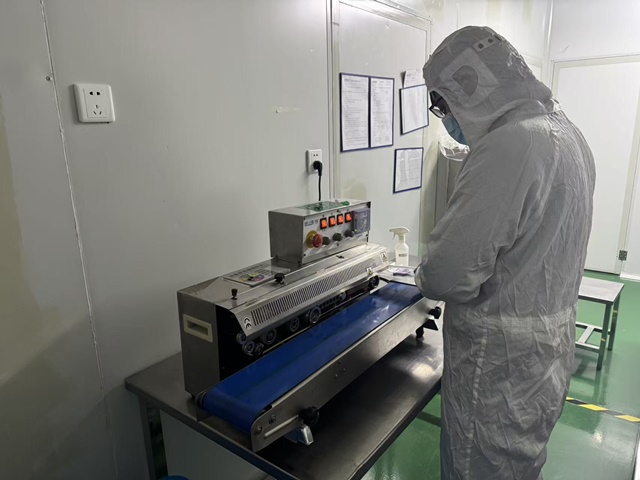
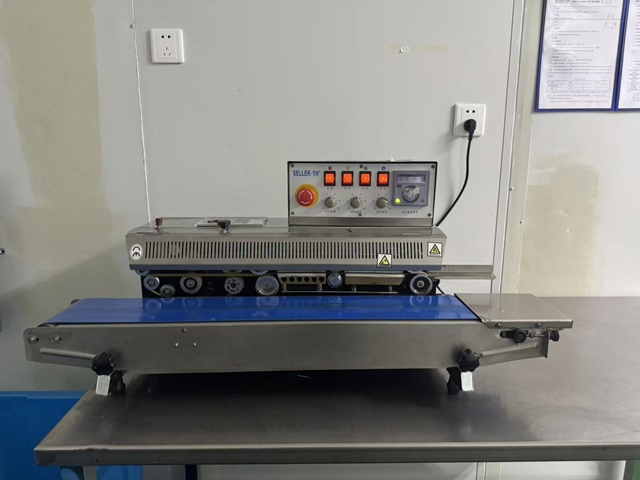
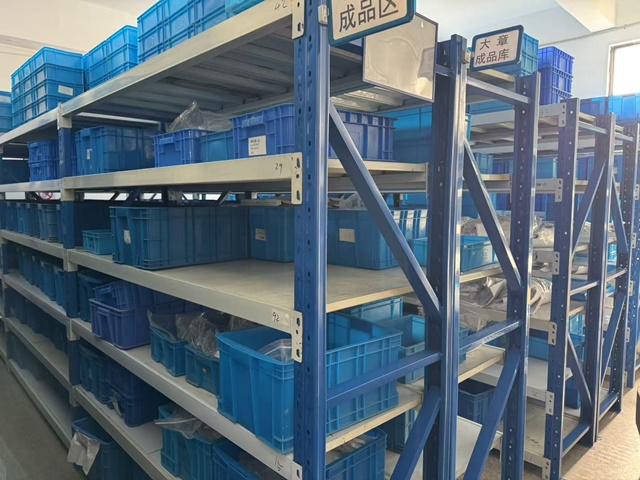
For global distributors and healthcare procurement teams, sourcing from factories that implement full lot traceability—from raw material ingots to final chemical cleanroom packaging—is essential to guarantee patient safety and avoid structural failures.
Engineered precision, global quality compliance, and integrated production scaling.
Osteora Medical Devices Co., Ltd. is a professional orthopedic implant and surgical solution manufacturer specializing in trauma, spine, and joint reconstruction systems under the brand Osteora. Founded in 2016, the company has developed a strong reputation in the global orthopedic industry through continuous innovation and strict quality control standards. The facility covers an area of approximately 18,500㎡, supporting integrated production, assembly, and testing operations.
With 8 years of export experience and 12 years of industry expertise, Osteora has established stable cooperation with international distributors and hospitals across multiple regions. Annual export revenue ranges from USD 6 million to 14 million, reflecting steady global market growth.
The company implements comprehensive quality assurance systems, including ISO 13485 compliance, in-process inspection, and final random sampling testing. Product inspection methods include dimensional measurement, mechanical fatigue testing, and biocompatibility validation. The quality control team consists of 42 specialized inspectors ensuring strict adherence to international medical device standards.
Osteora has a strong trade background in global medical device export and maintains long-term partnerships with distributors in Europe, Southeast Asia, the Middle East, and South America, which are also its primary markets. The company’s supply chain includes approximately 1,200 certified upstream and downstream partners, supporting stable production capacity and reliable delivery performance. Its main customer base consists of hospitals, orthopedic clinics, surgical centers, and medical distributors.
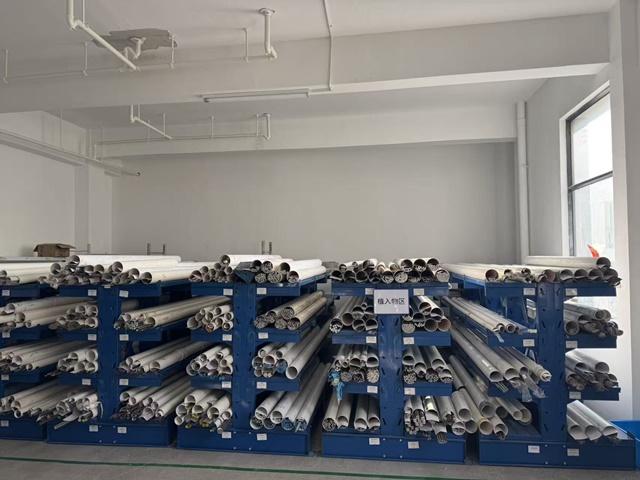
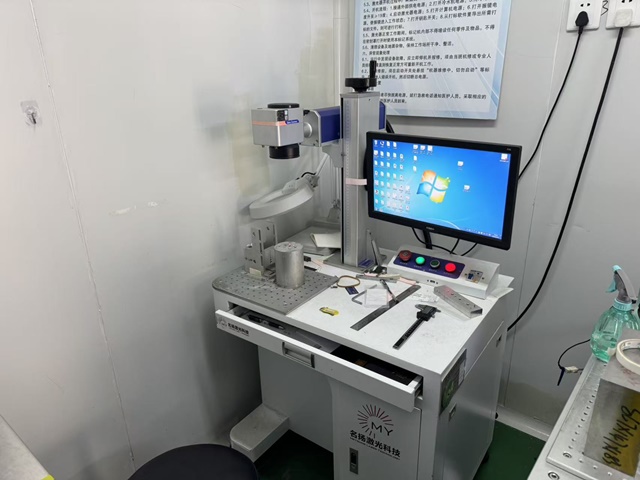
Inside our integrated production lines: From premium grade titanium alloys to verified sterile packaging.
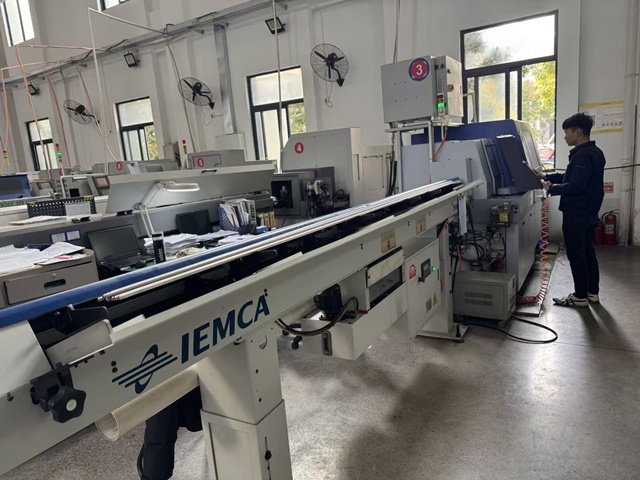
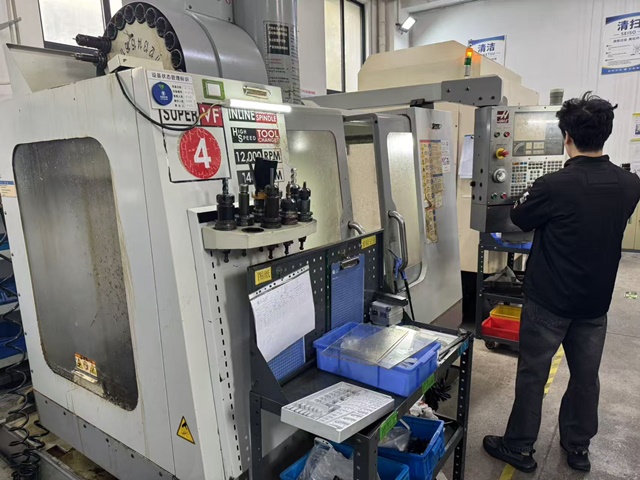
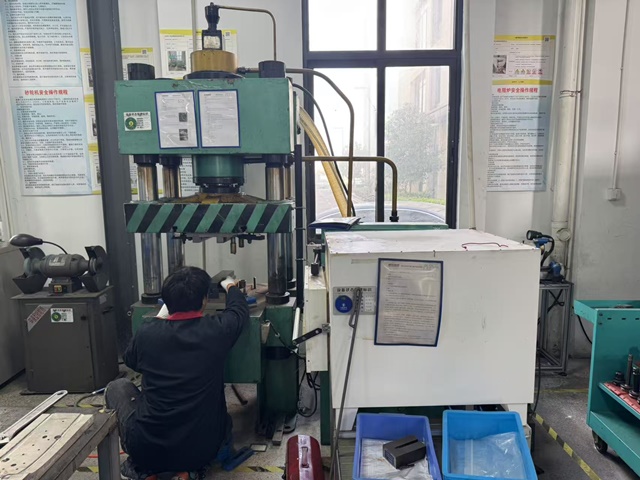
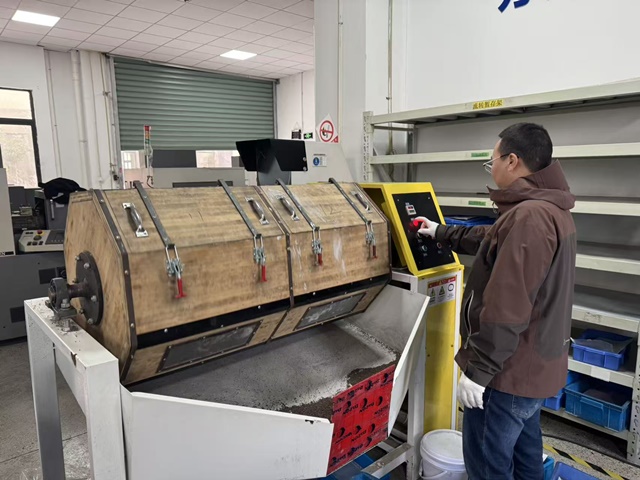
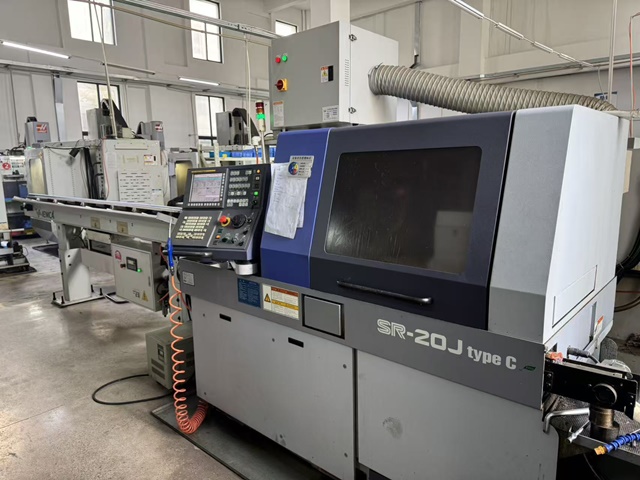
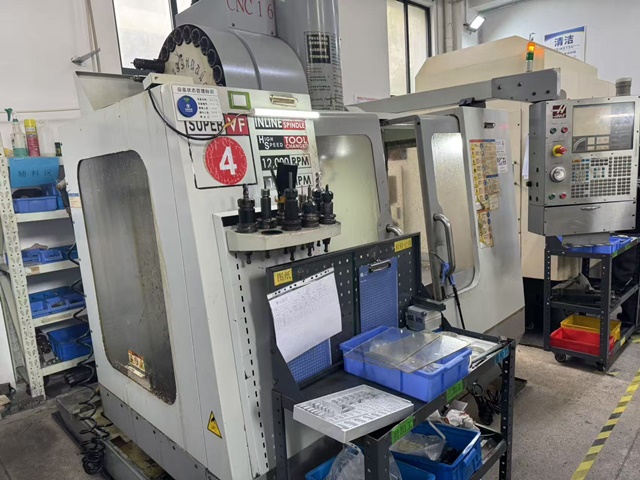
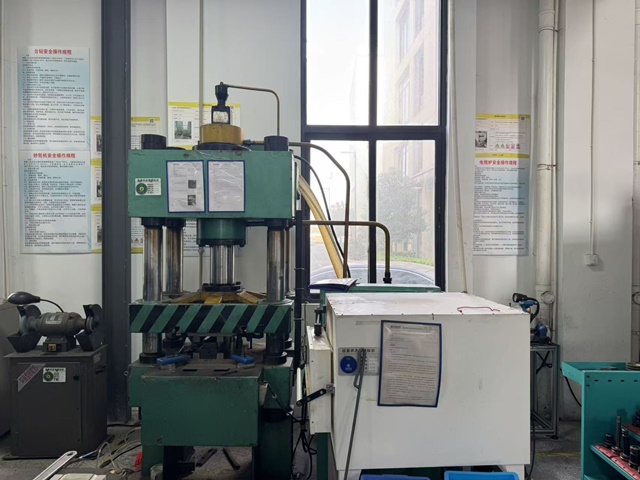
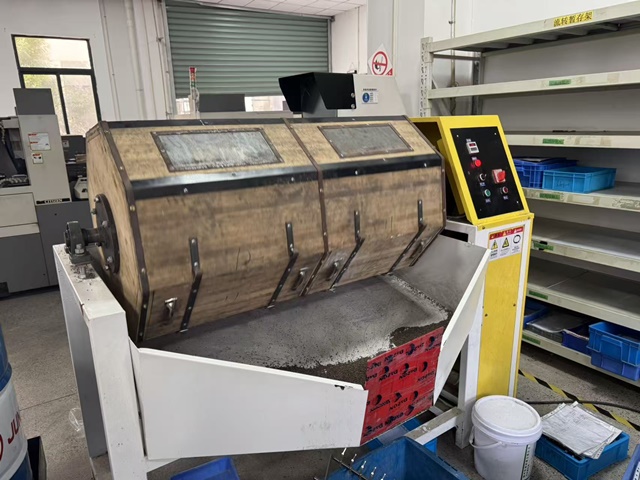
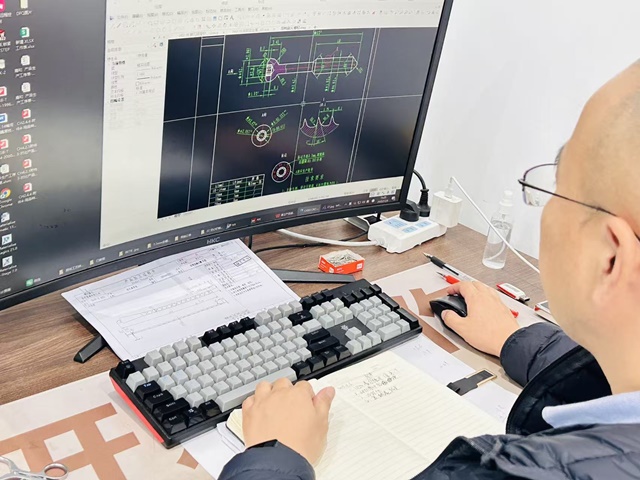
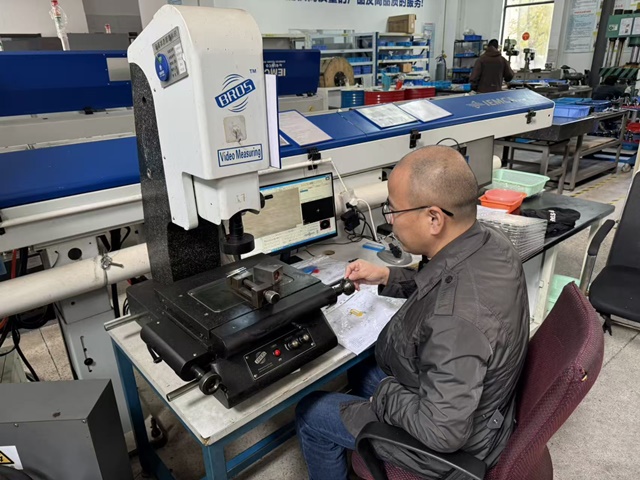
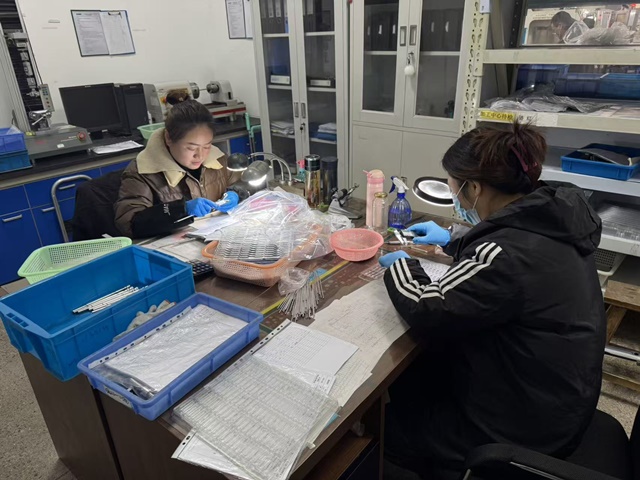
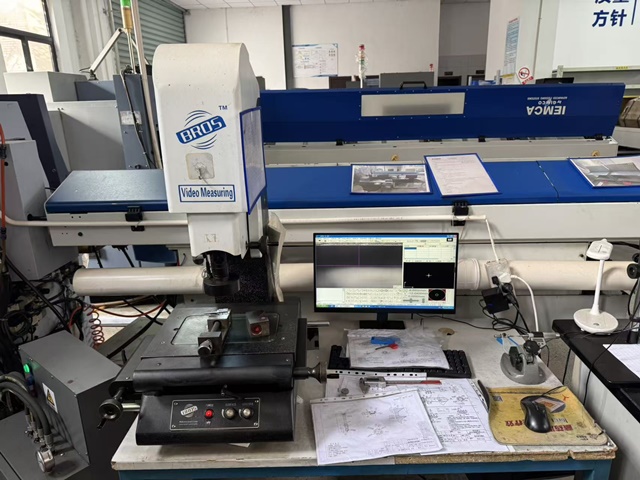
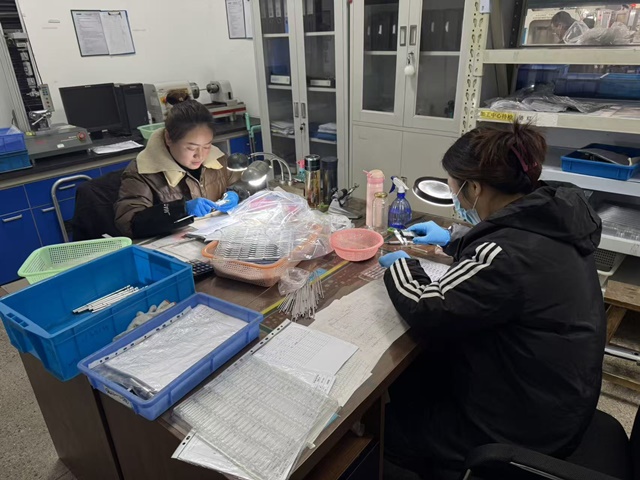
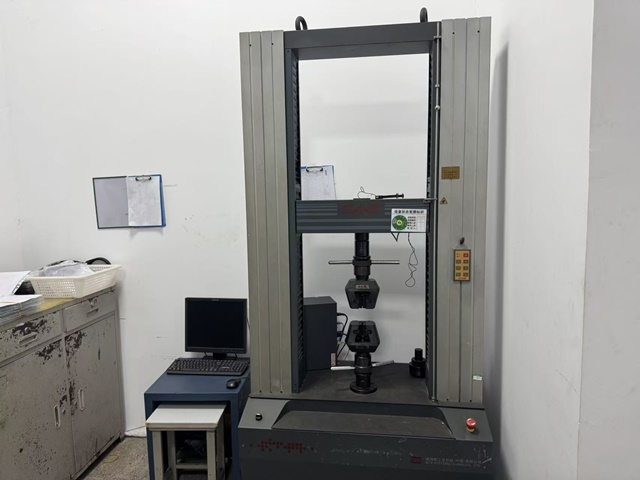
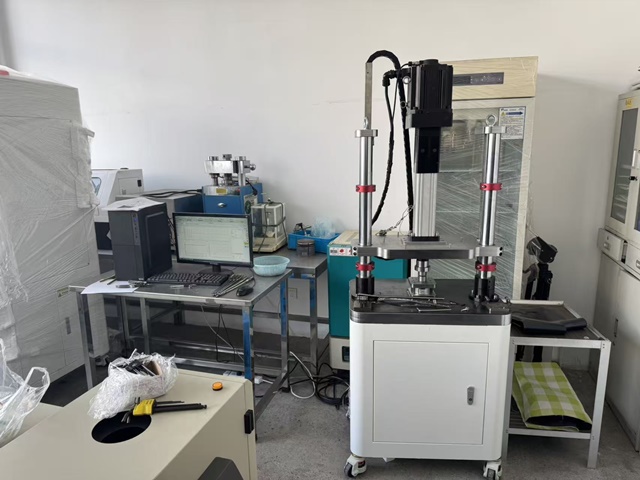
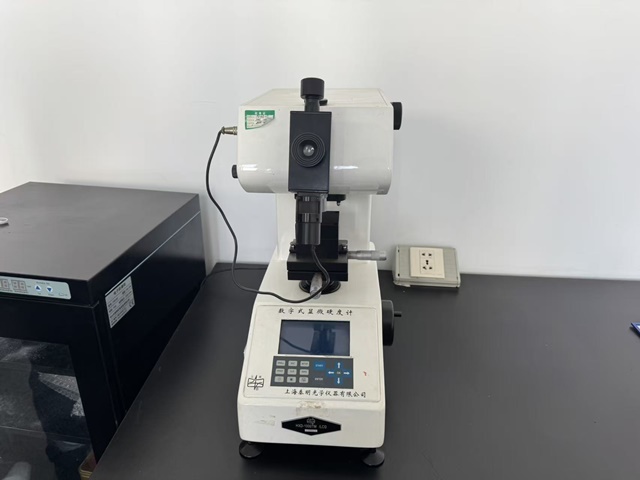
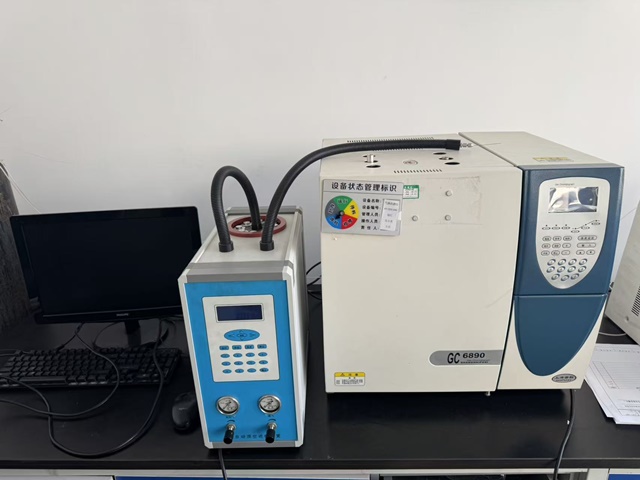
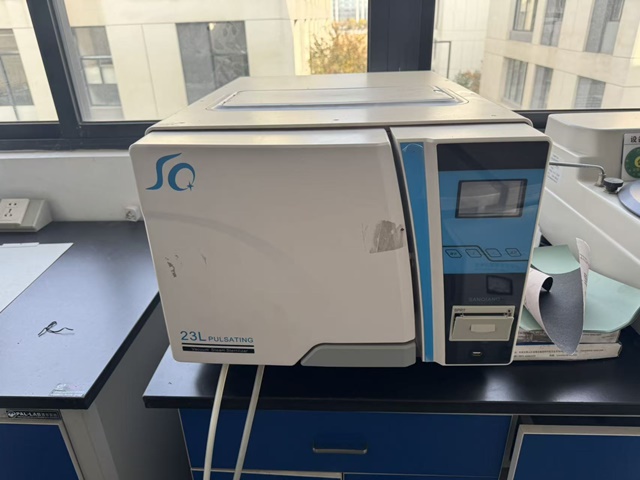
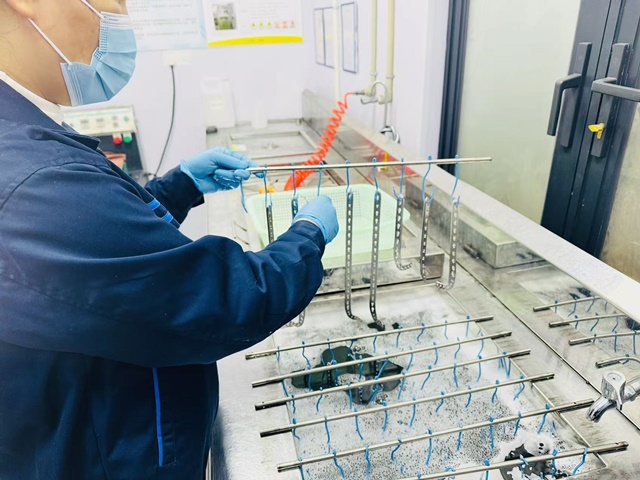

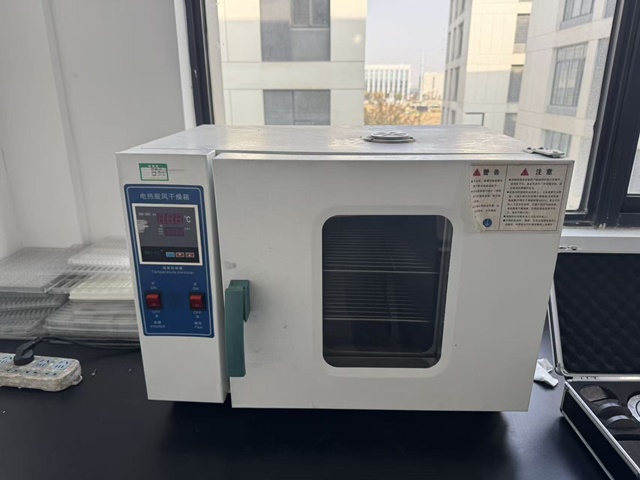
How localized manufacturing advantages and advanced logistics integration optimize orthopedics sourcing.
China's advanced orthopedic medical device manufacturing clusters leverage centralized supply chains, integrating premium titanium processing centers, specialized heat treatment facilities, and anodization workshops. By sourcing biomedical raw materials in bulk and utilizing automated production equipment, such as Swiss-type multi-axis lathe centers and HAAS CNC units, factories reduce processing cycle times.
For instance, Osteora’s R&D and testing labs evaluate metallurgical chemistry, mechanical fatigue parameters, and dimensional tolerances under one roof, using equipment like Vickers hardness testers and gas spectrometers. This vertical integration allows for faster manufacturing timelines without compromising mechanical or dimensional tolerances.
Different medical systems present varying requirements for intramedullary nails. Hospital purchasing specifications in Europe and the Americas typically demand complex multiloc locking systems to secure osteoporotic bone tissue.
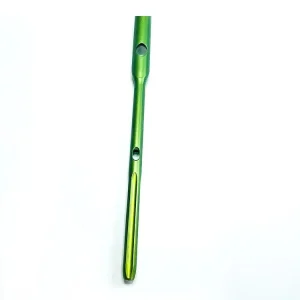
Conversely, emergency trauma units in developing nations may require simplified, robust interlocking configurations to streamline surgical times and reduce sterile setup costs. Chinese manufacturers address these localized needs through OEM/ODM adjustments, adapting parameters such as distal slot geometry, titanium alloy grades, and surgical instrumentation kits to match regional clinical preferences.
Current and future advancements in materials science, surface modifications, and anatomical design.
Modern clinical research highlights the importance of surface properties in preventing implant-related infections and improving osseointegration. Manufacturers are developing and implementing advanced anodization processes (Type II and Type III) to form stable titanium oxide barrier layers.
These coatings enhance fatigue resistance and reduce friction during insertion, minimizing intraoperative micro-fractures. Additionally, research into depositing hydroxyapatite (HA) coatings and antibiotic-eluting surface structures onto distal nail locking apertures aims to lower the rate of post-operative surgical site infections.
A common challenge during intramedullary nail surgery is the precise positioning of distal locking screws. Traditional methods rely on fluoroscopic visualization, which exposes surgeons and patients to radiation.
Innovations in manufacturing focus on designing carbon fiber targeting guides that are transparent to X-rays and electromagnetic targeting sensors. These developments allow manufacturers to produce implants and instrumentation kits that align with computerized surgical navigation systems.
Answers to critical technical, clinical, and regulatory questions for global medical device procurement.
Ti-6Al-4V ELI (Extra Low Interstitial) offers a lower elastic modulus than stainless steel, which matches the biomechanical properties of cortical bone more closely. This reduces stress shielding, promotes faster callus formation, and provides excellent fatigue resistance and biocompatibility, making it suitable for long-term load-bearing applications.
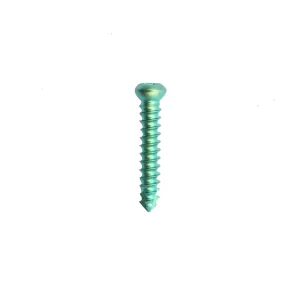
The PFNA design features a helical blade or anti-rotation blade rather than a traditional locking screw. During insertion, the blade compacts the surrounding cancellous bone, which increases mechanical stability. This design helps prevent bone cutout and rotation, particularly in patients with osteoporosis or poor bone density.
Compliance requires comprehensive raw material traceabilty (using batch mill certificates), regular dimensional validation using optical vision measuring systems, mechanical fatigue testing to simulate load cycles (such as ASTM F1264 protocols), surface roughness testing, chemical washing validation, and packaging verification within Class 10,000 cleanrooms.
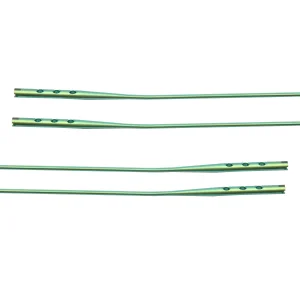
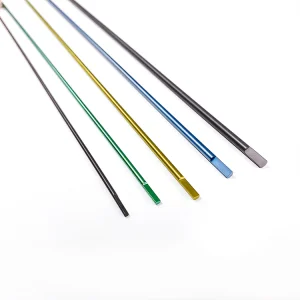
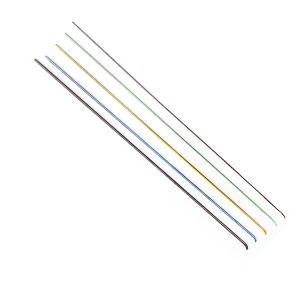
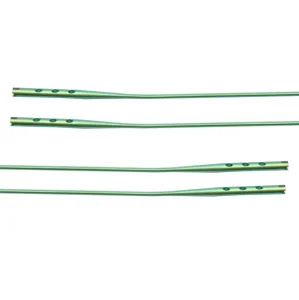
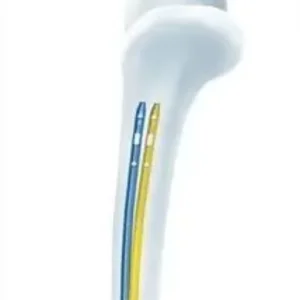
ESIN utilizes two pre-bent titanium elastic nails inserted into the medullary canal. This configuration forms a stable, flexible construct that preserves the periosteum and growth plates, which is essential for pediatric fracture healing.
Yes. With an in-house team of 85 R&D engineers, Osteora provides complete OEM and ODM customization services. This includes adjusting implant dimensions, customizing instruments, applying custom anodized colors, and providing private labeling and packaging under ISO 13485 guidelines.
Additional high-grade implants designed to meet diverse clinical demands and anatomical variations.