 Osteora
Osteora
Osteora
High-quality medical titanium and alloy solutions optimized for traumatic skeletal fixation, anatomical reconstruction, and micro-compression.
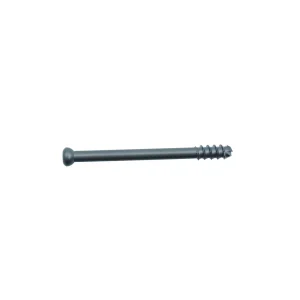
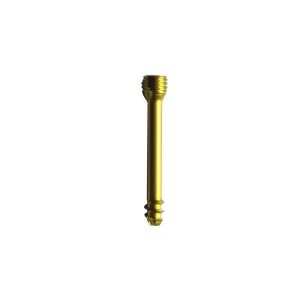
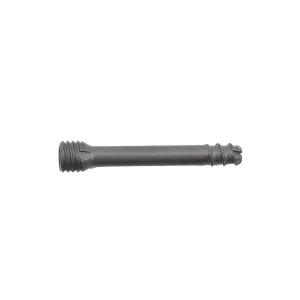
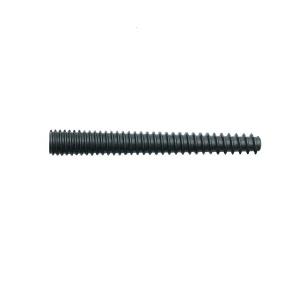
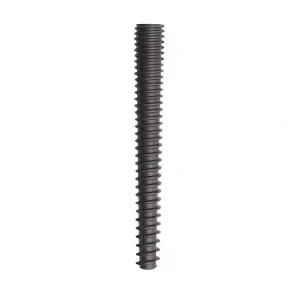
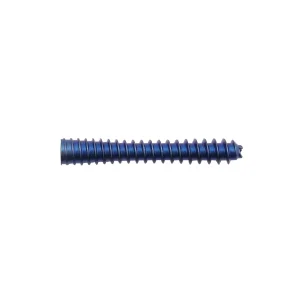
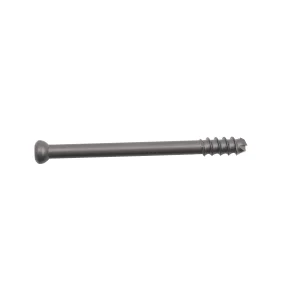
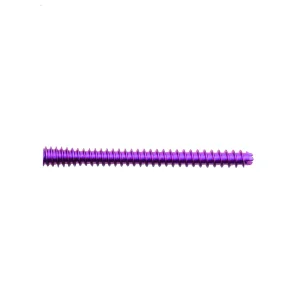
Founded in 2016, Osteora has established a reputation for manufacturing orthopedic implants and surgical solutions under strict quality controls. Operating an 18,500㎡ integrated production, assembly, and testing facility, we support ortho-surgical networks across Europe, Southeast Asia, the Middle East, and South America.
Our annual export volume ranges from USD 6 million to 14 million, serving surgical centers, medical distributors, and general healthcare networks globally with customized OEM/ODM options and certified implants.
A deep technical dive into screw geometry, metallurgical choices, and clinical outcomes for modern trauma surgery.
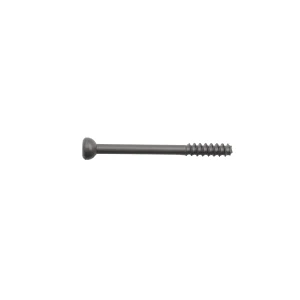
Cannulated fixation is standard in orthopedic trauma. Pre-drilling over a guide wire permits exact placement in minimally invasive percutaneous procedures. Dynamic compression mechanisms, optimized thread layouts, and specialized pitch adjustments reduce joint stiffness risk and accelerate osseous healing.
High-volume medical distributors prioritize dimensional tolerances, fatigue performance, and biocompatibility. Using ISO 5832-3 compliant Medical Grade 5 Titanium (Ti-6Al-4V ELI) ensures the optimal balance of tensile strength and elasticity, reducing risks of hardware migration or mechanical failure under physiological loads.
Headless and countersunk compression designs deliver zero-profile fixation across articular surfaces, avoiding soft tissue impingement. The differential thread pitch pulls bone fragments together during final seating, maintaining consistent interfragmentary compression throughout the recovery period.
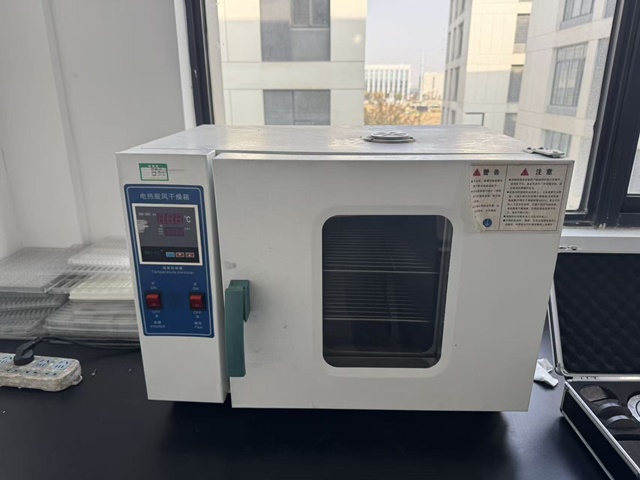
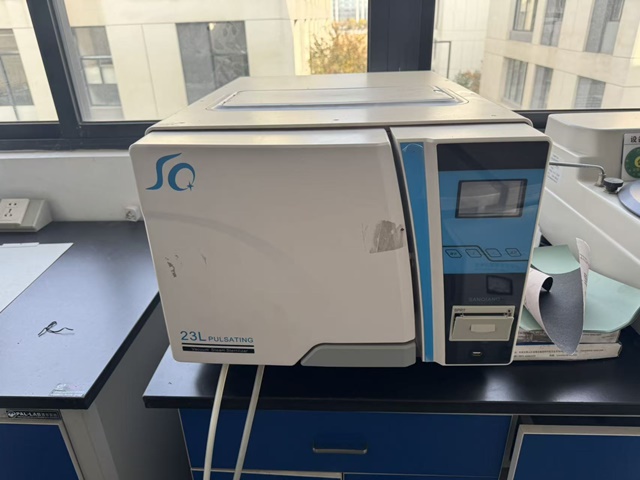
Tour our advanced machining floor and QA laboratory where every batch of cannulated implants undergoes comprehensive validation.
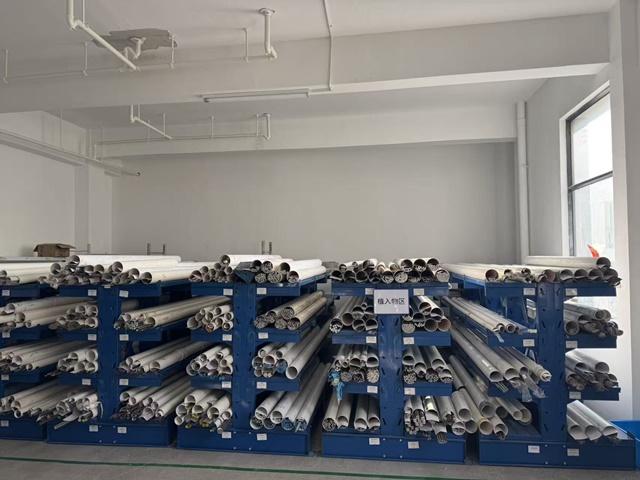
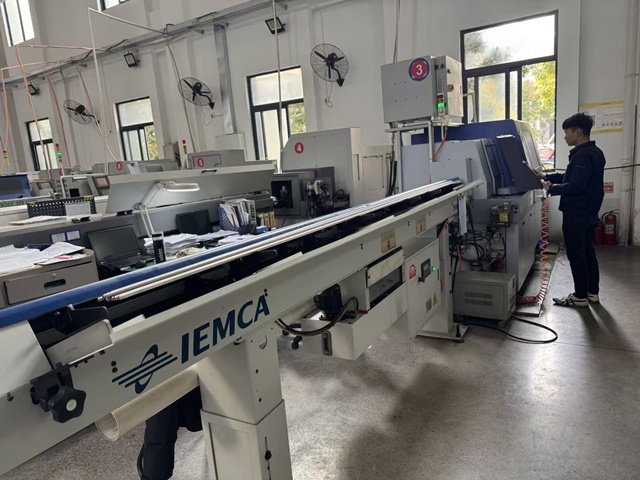
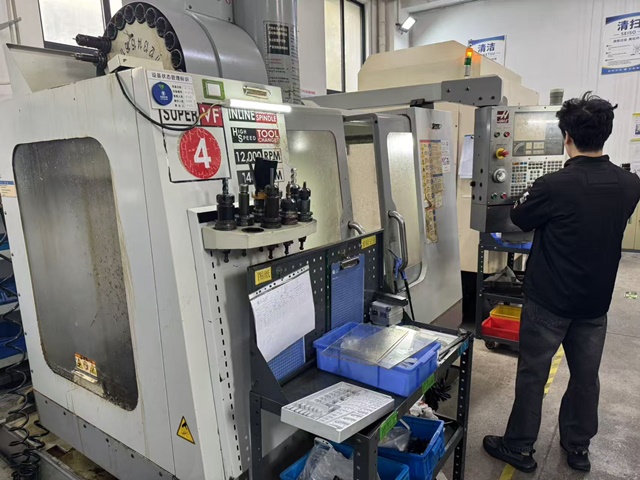
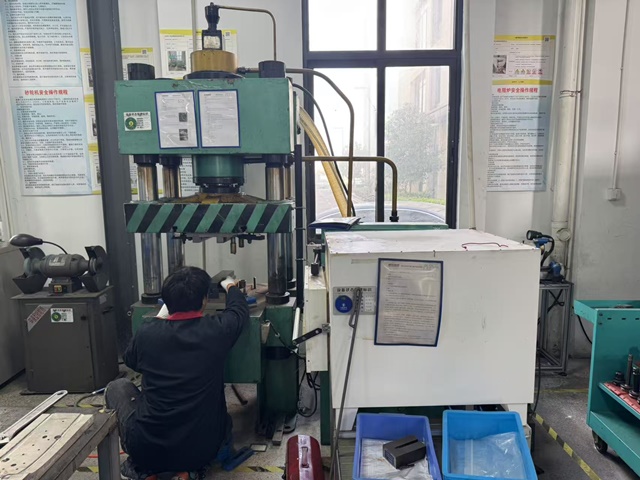
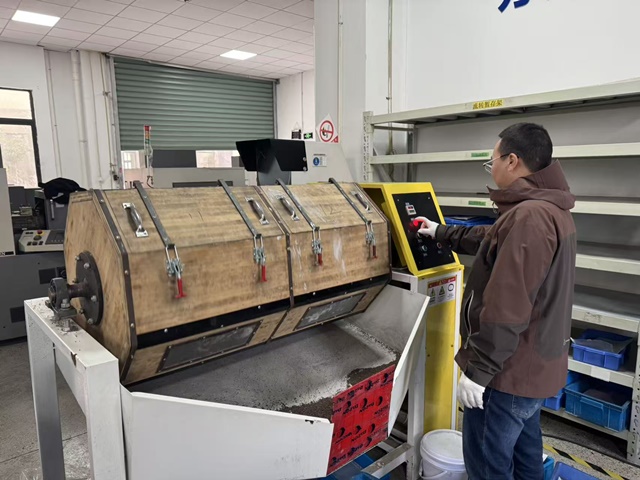
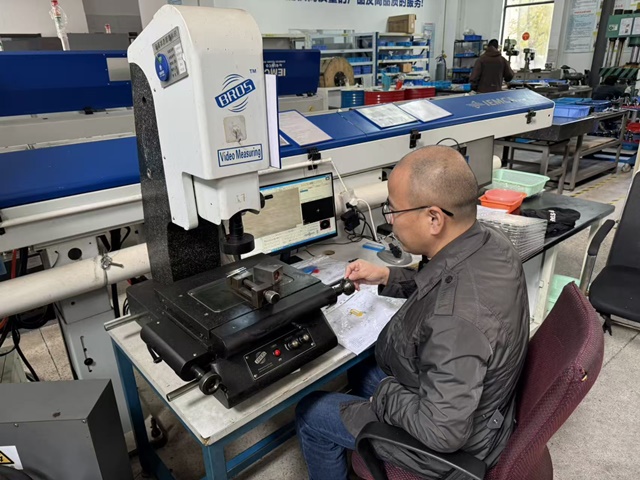
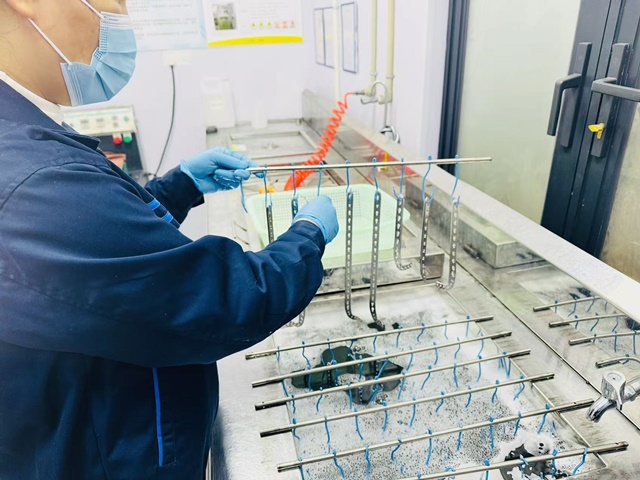
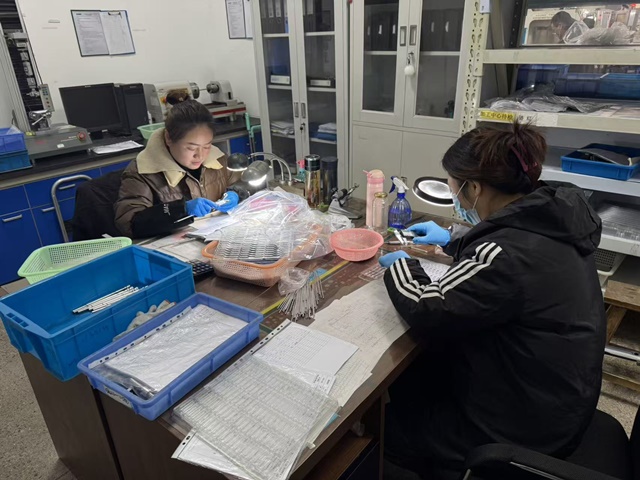
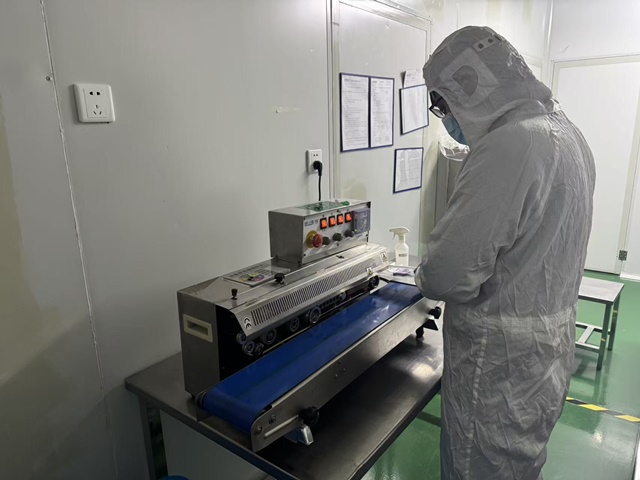
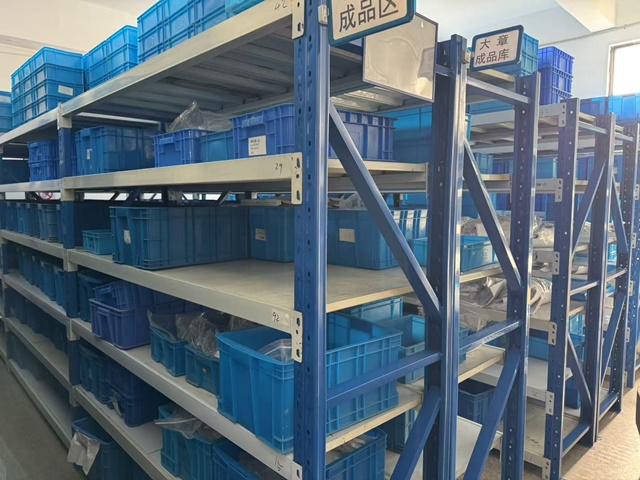
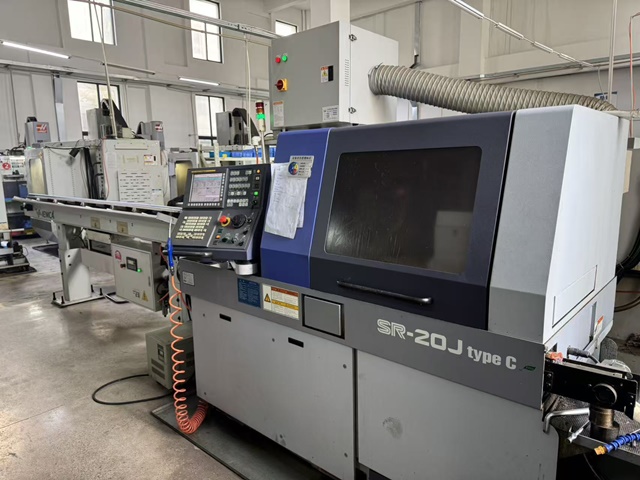
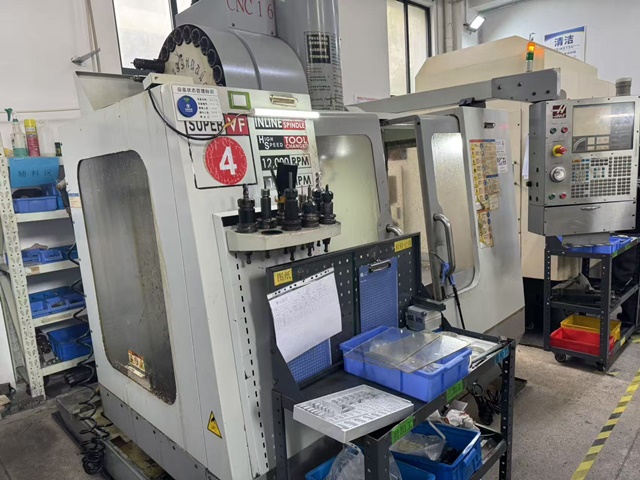
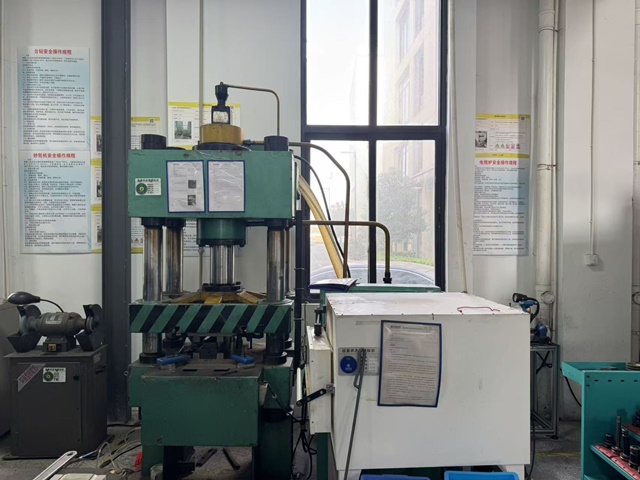
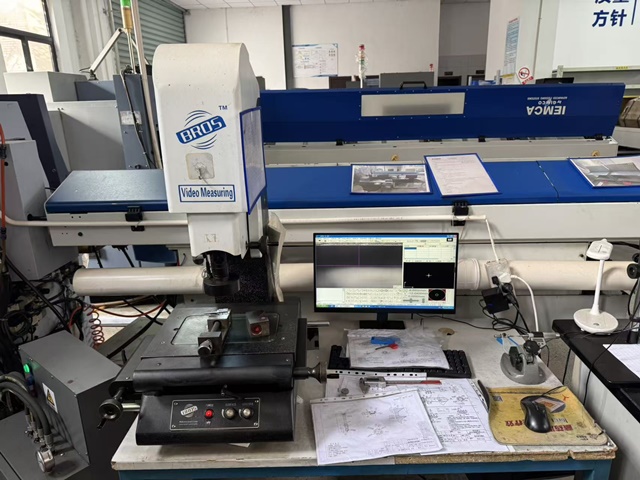
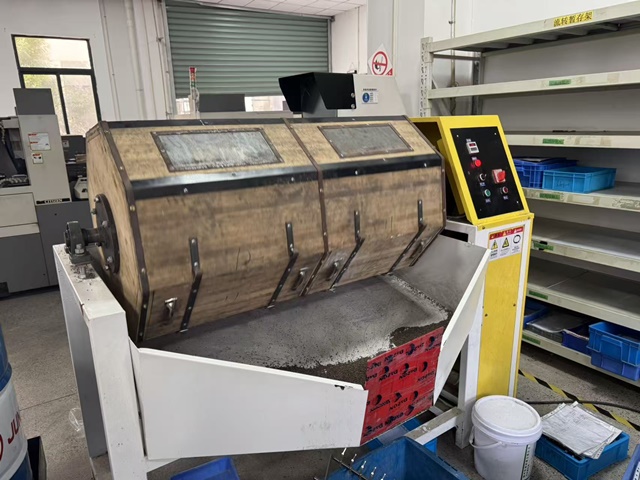
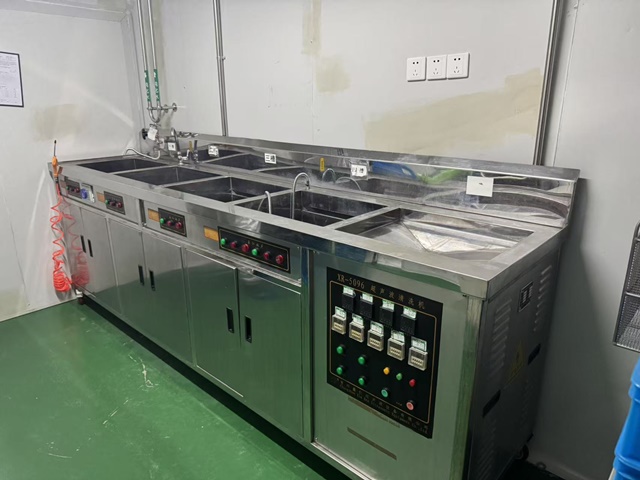
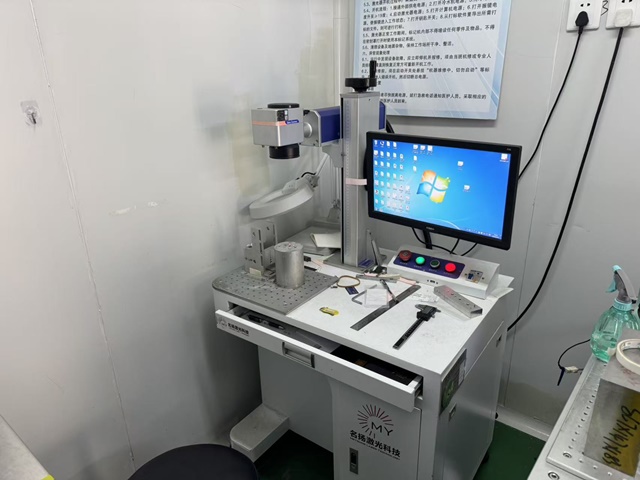
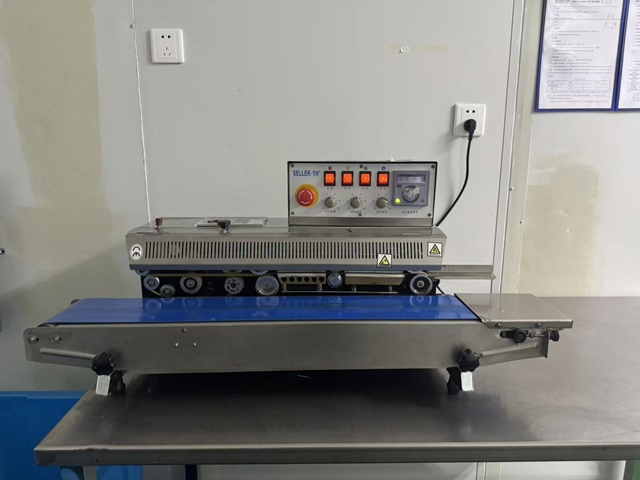
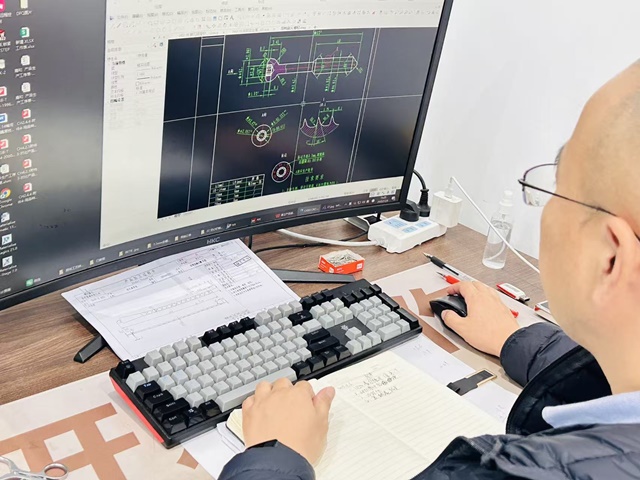
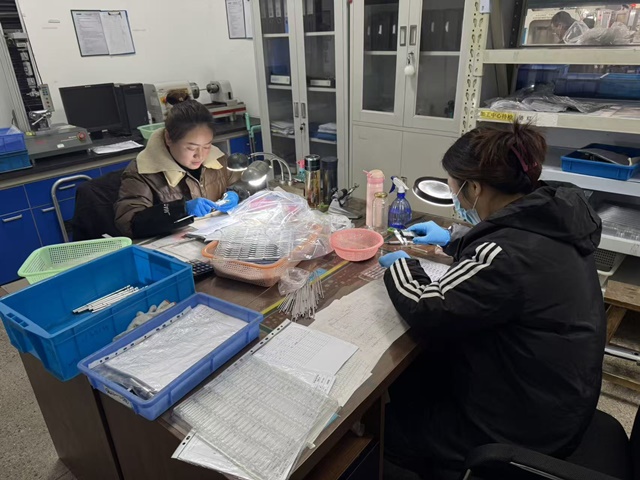
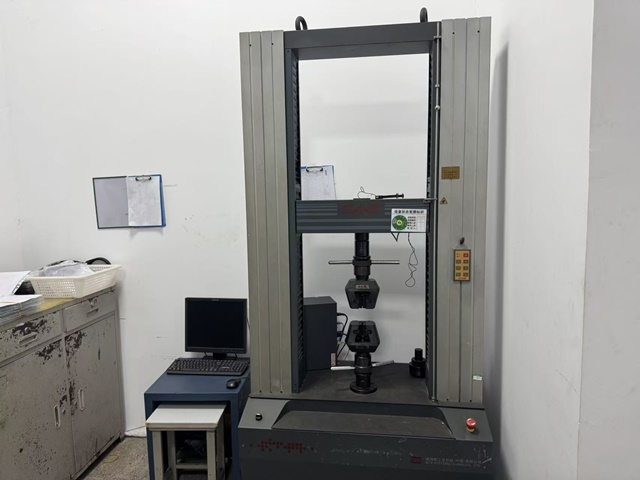
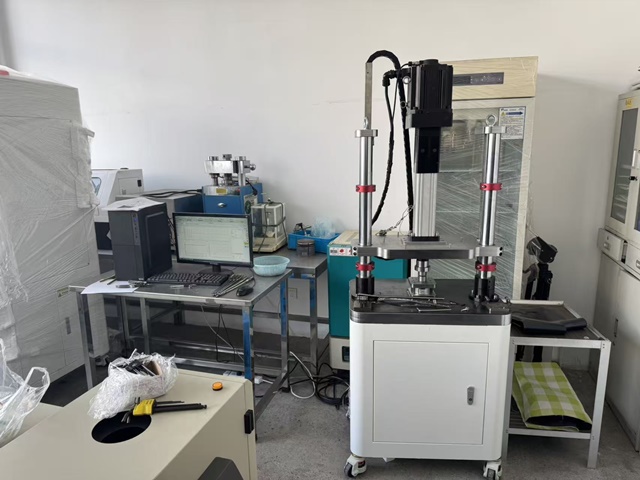
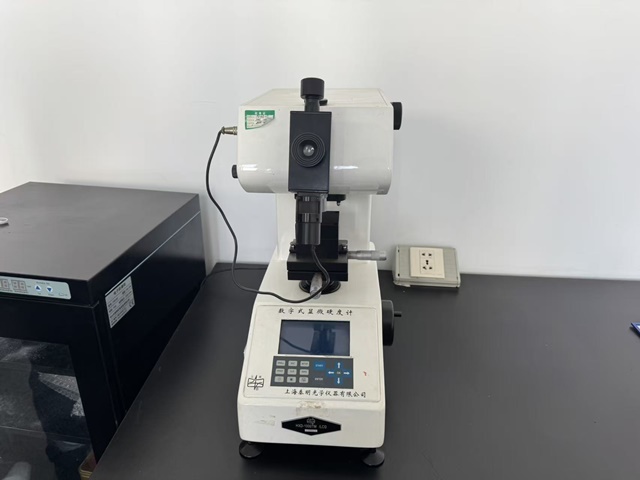
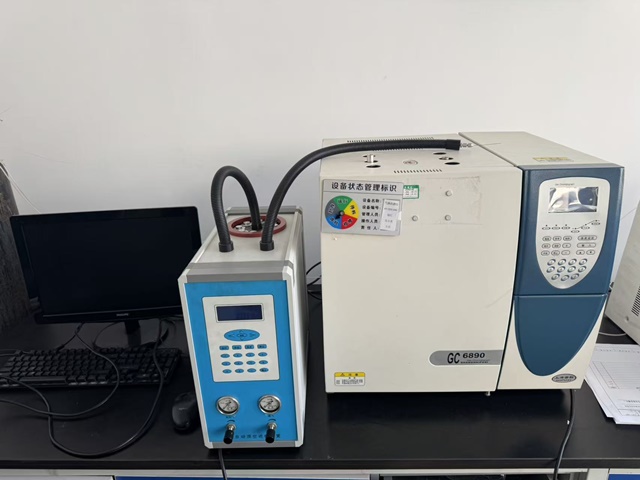
Aligning manufacturing strategies to evolving regulatory frameworks and modern surgical requirements.
The orthopedic implant market shows a shift toward micro-fixation and anatomically contoured implants. Driving factors include:
Under the EU Medical Device Regulation (MDR) and U.S. FDA guidelines, bone screw validation requires comprehensive traceability. We support distribution networks by providing:
Procurement teams faces challenges with raw material price volatility and shipping bottlenecks. Osteora helps mitigate these risks through:
Structured Stock & Safety Inventories
By maintaining raw material reserves in partnership with over 1,200 certified suppliers, we buffer against global logistics changes to ensure steady production and short lead times.
Comprehensive OEM/ODM Adaptability
Our 85-member R&D team provides custom solutions, supporting modifications to thread profile, pitch, drive type (e.g., Star, Hex), and custom packaging formats for target regional markets.
Our technology roadmap focuses on smart and functional implants. Key initiatives include biodegradable magnesium alloys for temporary stabilization, digital identification for tracking, and additive manufacturing (3D printing) to produce customized, porous bone structures that improve osseointegration.
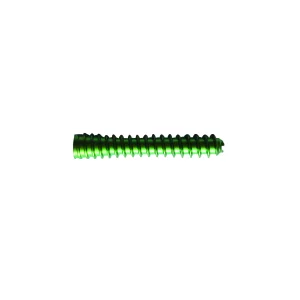
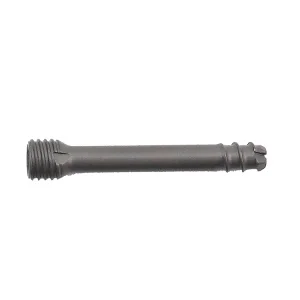
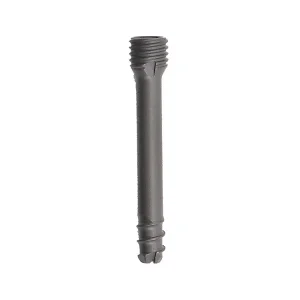
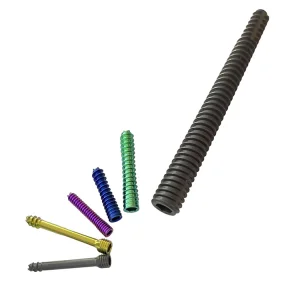
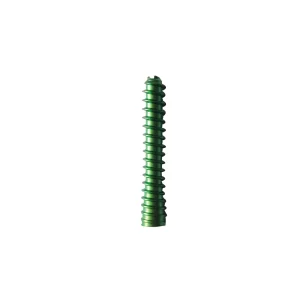
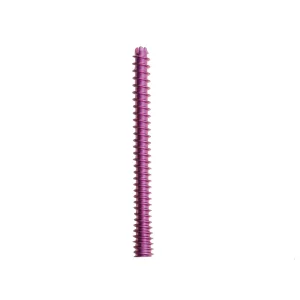
Engineered for orthopedic and trauma surgery, this collection includes cancellous, headless, and locking configurations for anatomical stability.
Answers to common questions regarding specifications, customization, and export processes.
We use medical-grade titanium alloy (Ti-6Al-4V ELI) conforming to ASTM F136 and ISO 5832-3. This material provides high tensile strength, fatigue resistance, and biocompatibility, making it suitable for long-term class III orthopedic implants.
Our quality control facility utilizes multi-functional mechanical testing systems to perform torsional yield, insertion torque, and fatigue limits testing. Every production run undergoes sampling to verify performance under physiological loads.
Yes. Backed by our team of 85 R&D engineers, we provide comprehensive OEM/ODM services. This includes custom thread geometries, pitch revisions, drive recess alterations, and regional regulatory labeling.
All exports are accompanied by ISO 13485 quality management certification, batch test certificates, material traceability reports, and sterilization verification records, supporting registration in Europe, Southeast Asia, South America, and the Middle East.
Our supply chain network includes approximately 1,200 partners. We maintain raw stock buffers and coordinate with established carriers to stabilize production costs and ensure reliable delivery schedules.
Lead times depend on the complexity of specifications and order size. Standard product configurations typically ship within 30 to 45 days, while customized OEM orders requiring special tooling or packaging configurations may require 60 to 75 days.