Osteora
Osteora
Osteora
Clinically-proven trauma implants engineered for precise reduction, structural stability, and optimized recovery timelines.
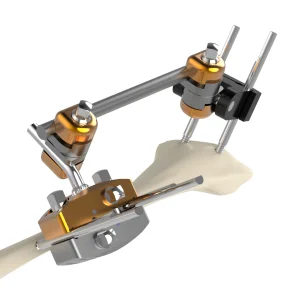
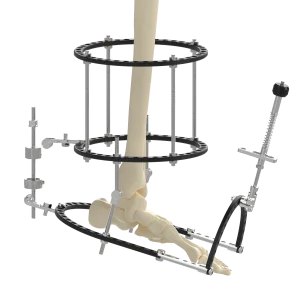
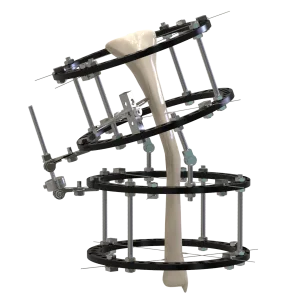
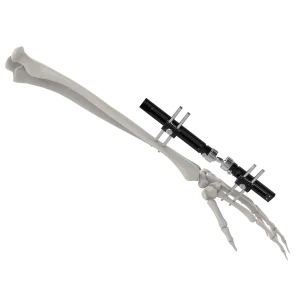
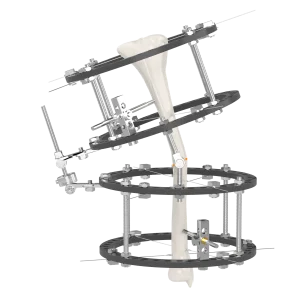
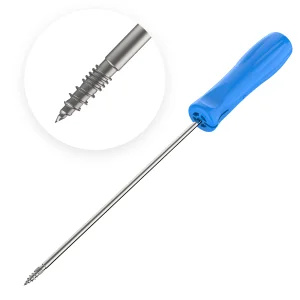
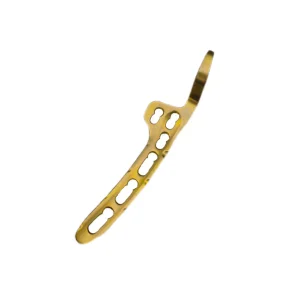
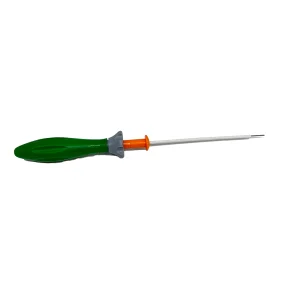
External fixation remains a cornerstone of orthopedic trauma management, particularly when dealing with complex, high-energy open fractures, soft tissue damage, or non-union situations. By establishing a rigid frame structure outside the patient's body using transcutaneous pins and percutaneous wires, surgeons can maintain anatomical alignment without disrupting the localized vascular supply necessary for cellular osteogenesis.
From the biomechanical perspective, the efficiency of an external fixator relies on the balance between stability and relative micromotion. The mechanotransduction theory indicates that axial strain within a controlled limit (typically 10% to 15%) stimulates callus formation and accelerated remodeling. Conversely, excessive shear stress or construct instability leads to hypertrophic non-union and implant failure.
As a specialized manufacturer, Osteora works closely with clinical research teams to engineer fixation rods, pins, and clamps using biocompatible Titanium alloy (Ti-6Al-4V ELI) and medical-grade Carbon Fiber. This selection guarantees superior fatigue limit, low radiographic interference, and full MRI compatibility, maximizing safety for both clinical practitioners and patients.
Our external fixation configurations undergo strict structural analysis. In testing, the pins must resist critical bending and pull-out forces. Variable clamp design permits multi-planar rod positioning, enabling practitioners to choose between unilateral, bilateral, or multiplanar circular frames based on localized injury patterns.
Osteora Medical Devices Co., Ltd. is a professional orthopedic implant and surgical solution manufacturer specializing in trauma, spine, and joint reconstruction systems under the brand Osteora.
Founded in 2016, the company has developed a strong reputation in the global orthopedic industry through continuous innovation and strict quality control standards. The facility covers an area of approximately 18,500㎡, supporting integrated production, assembly, and testing operations.
With 8 years of export experience and 12 years of industry expertise, Osteora has established stable cooperation with international distributors and hospitals across multiple regions. Annual export revenue ranges from USD 6 million to 14 million, reflecting steady global market growth.
Our product portfolio ranges from standard anatomical plates and intramedullary nails to advanced unilateral/circular external fixators. Last year alone, our development teams designed and introduced 120 new products to meet rapidly shifting clinical configurations in global surgical theaters.
Our state-of-the-art facility integrates raw material selection, advanced CNC machining, and comprehensive physical and mechanical validations to guarantee zero-defect implants.
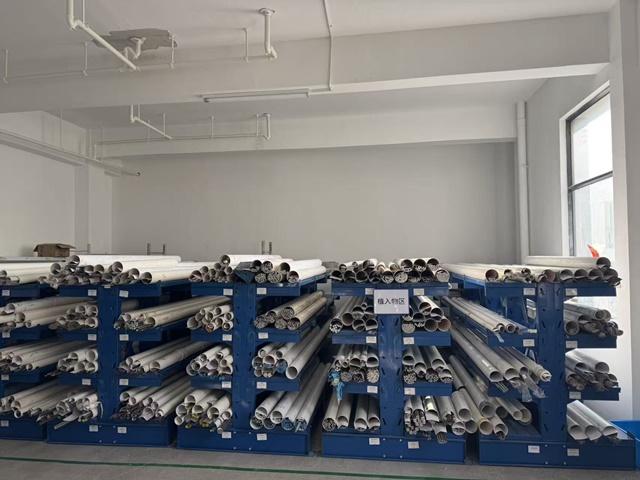
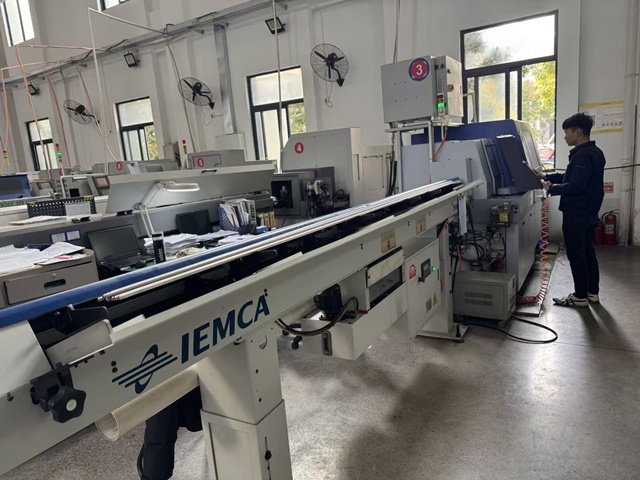
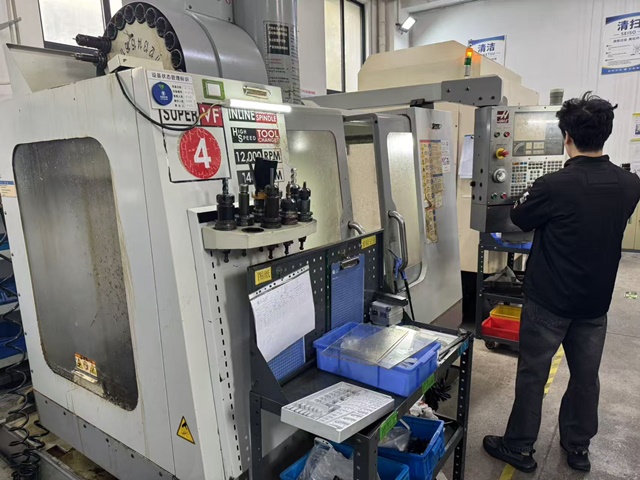
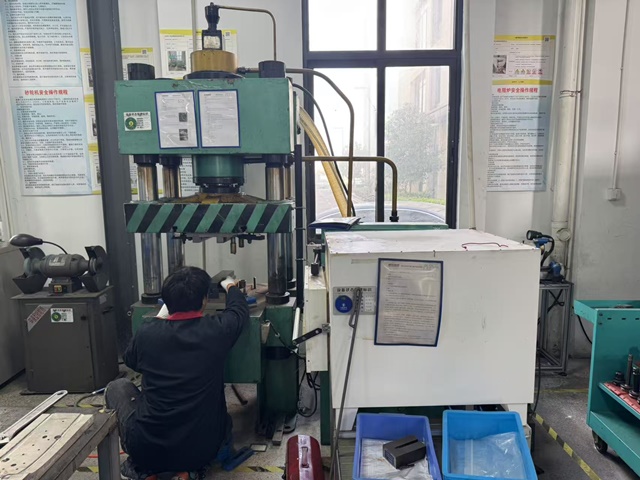
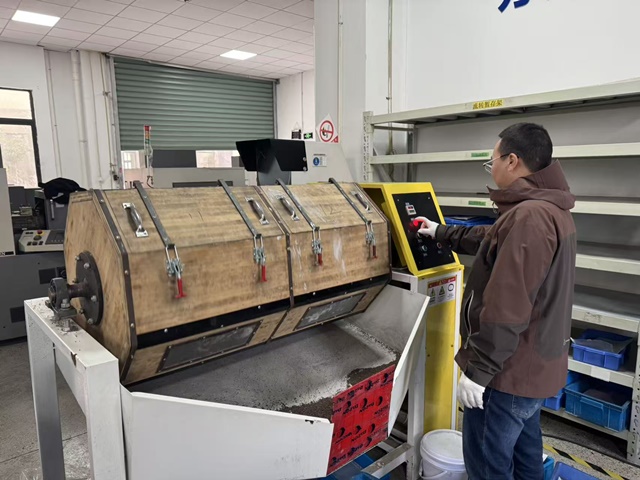
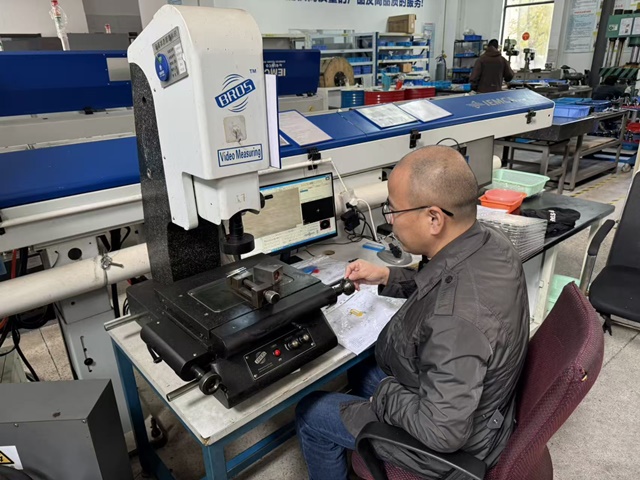
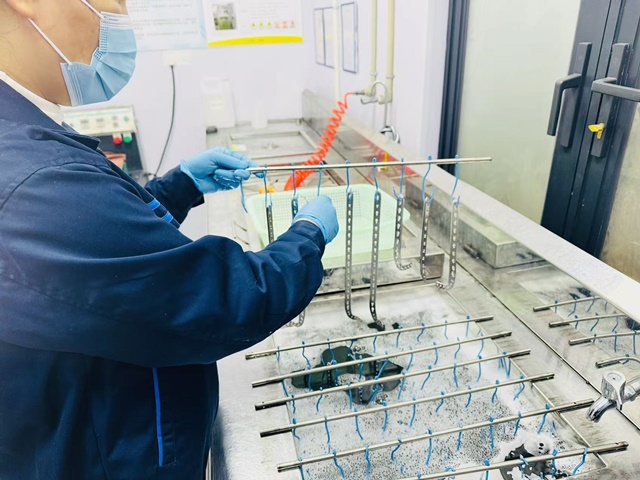
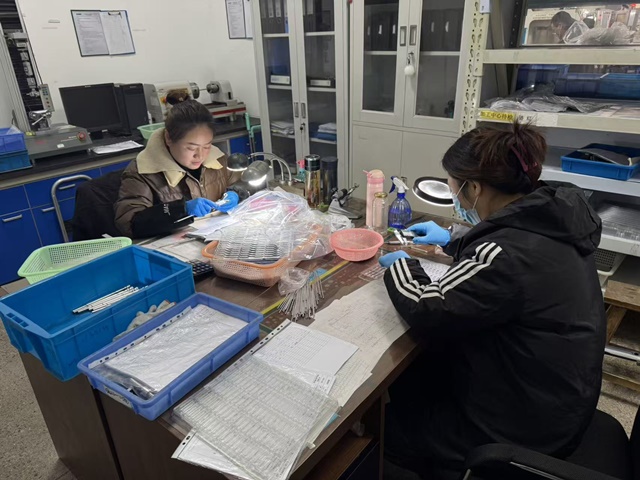
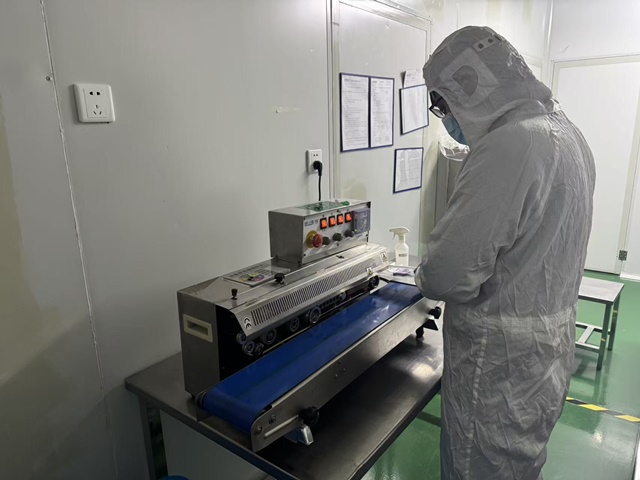
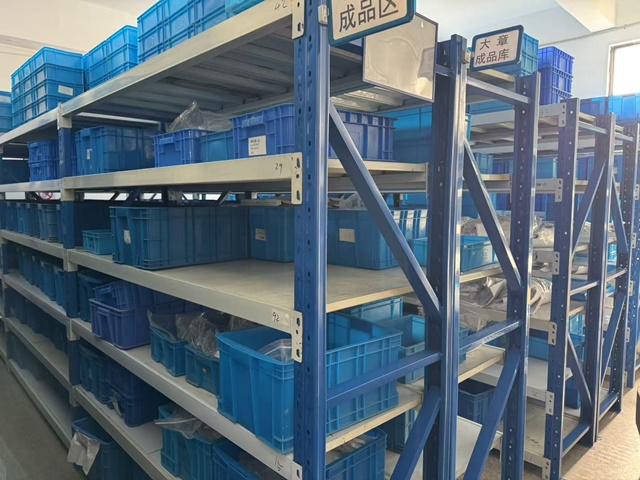
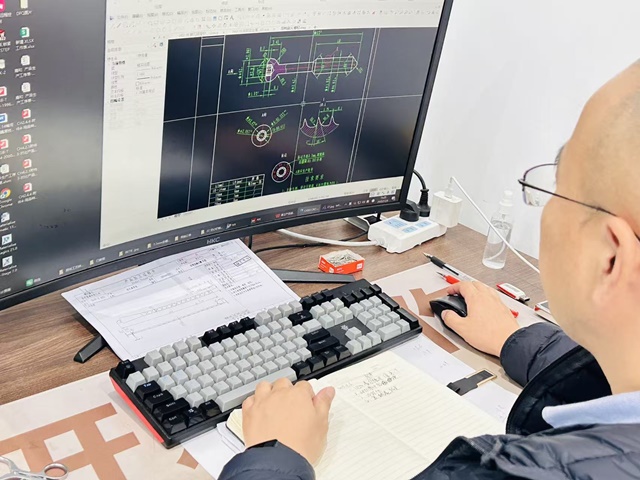
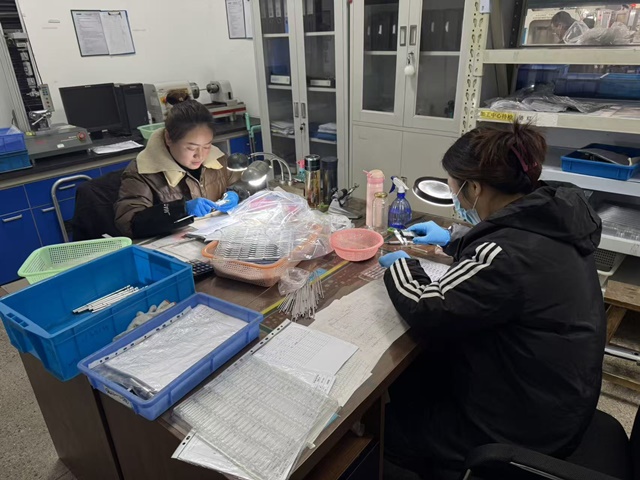
Our machining centers and state-of-the-art testing labs run strict validation loops to satisfy the parameters set under ISO 13485.
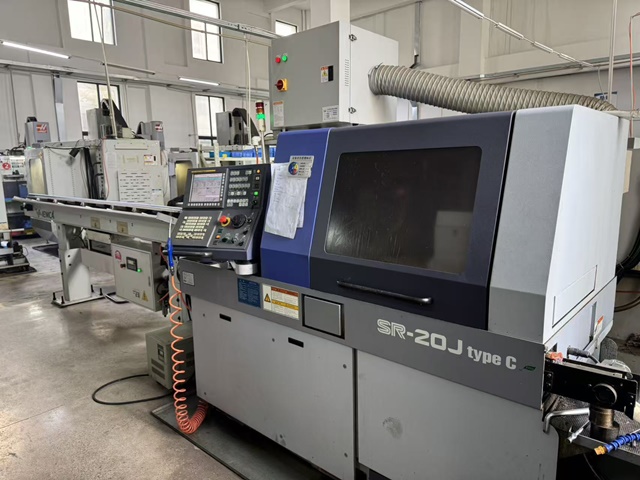
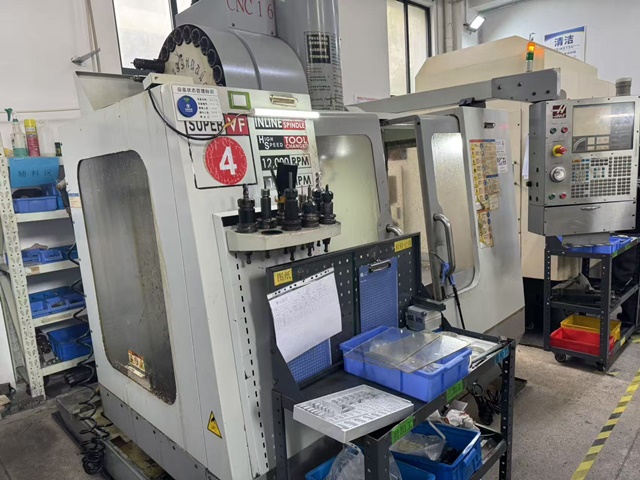
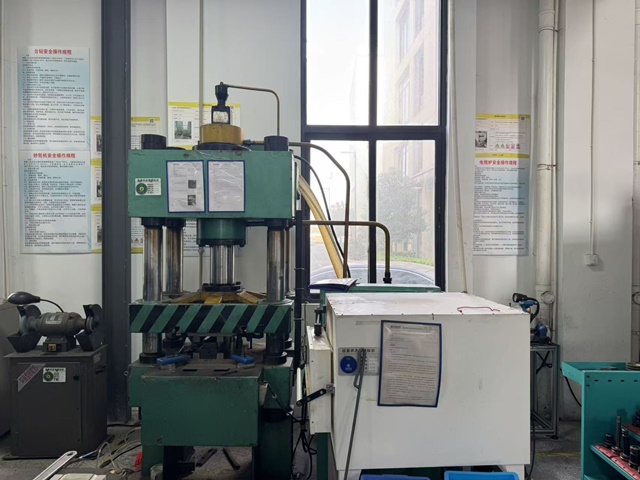
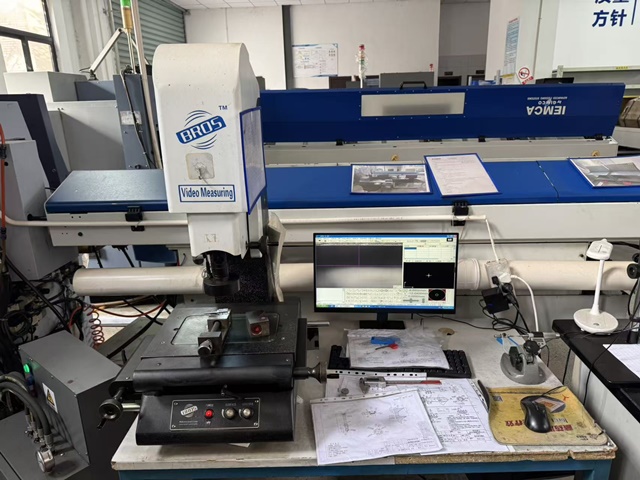
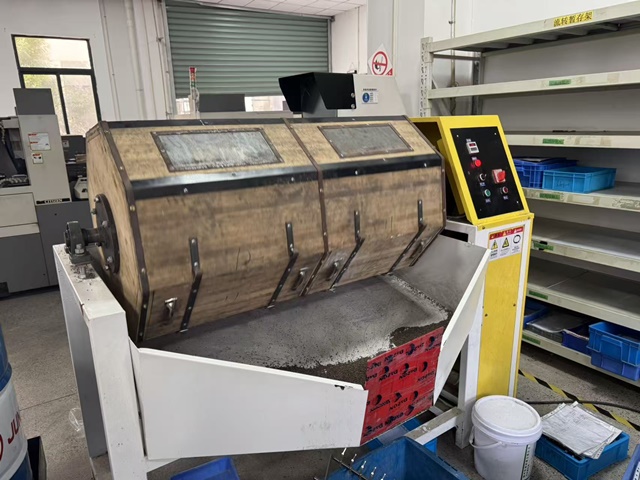
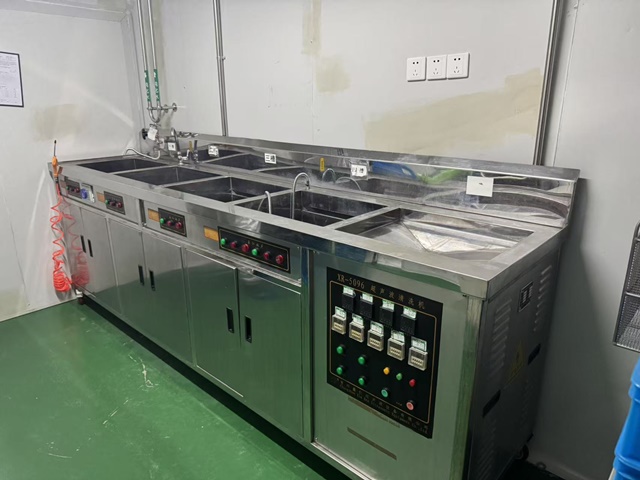
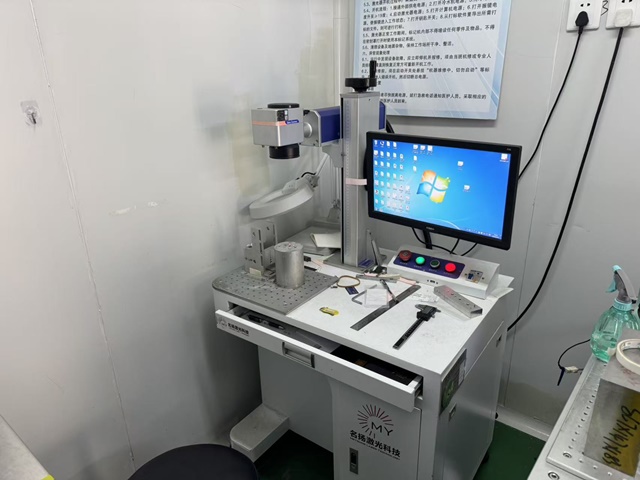
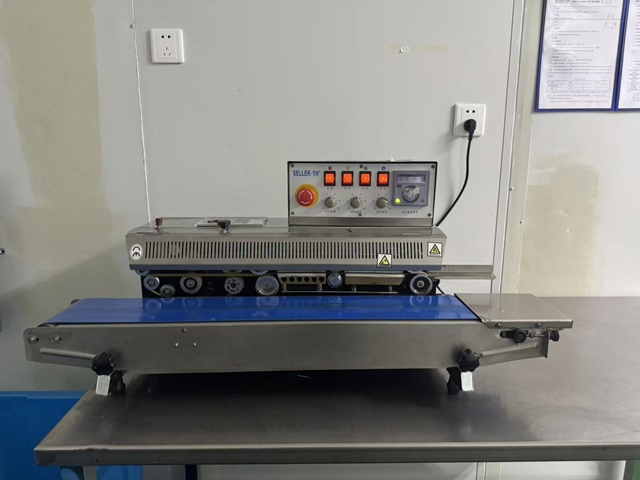
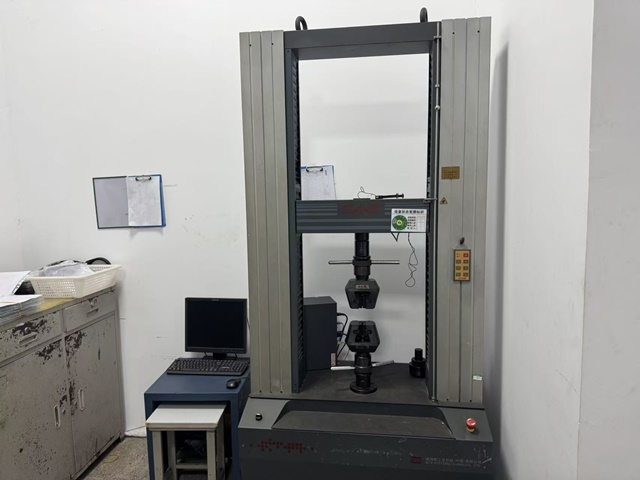
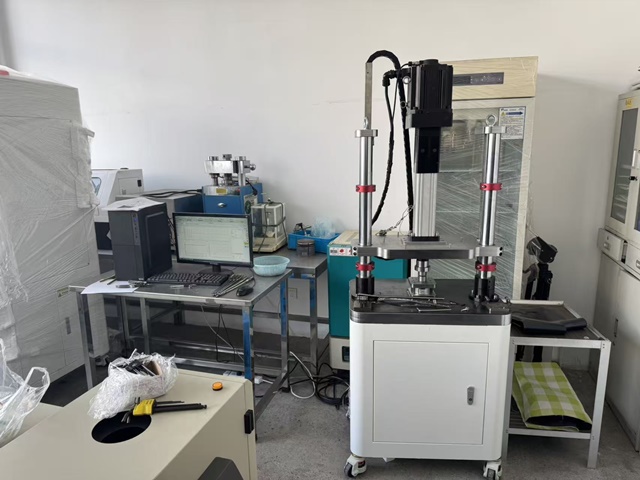
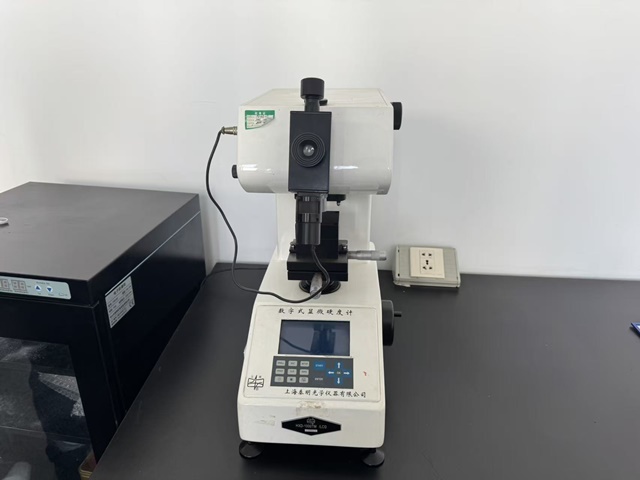
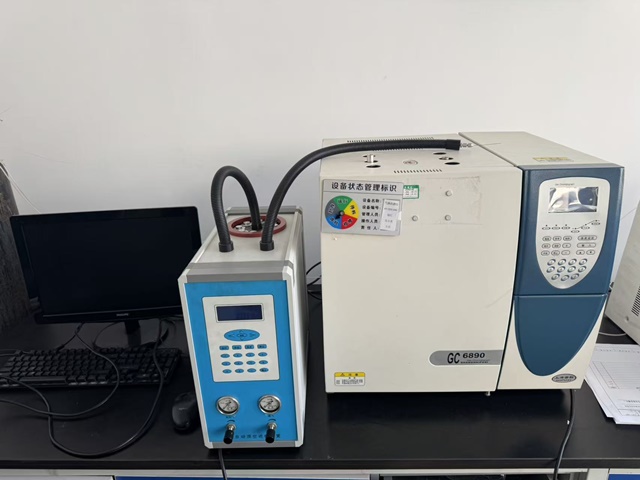
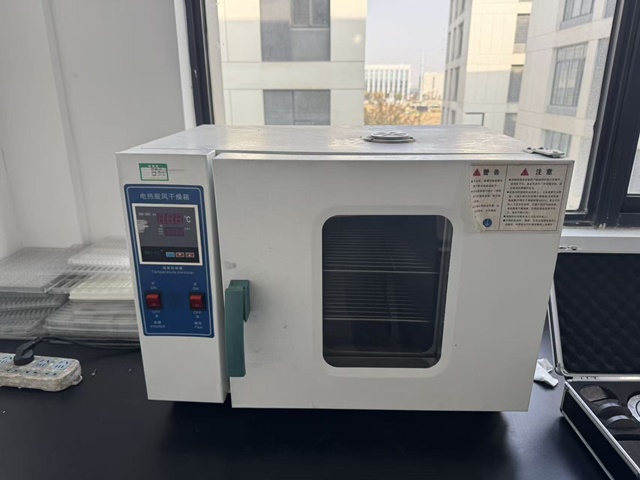
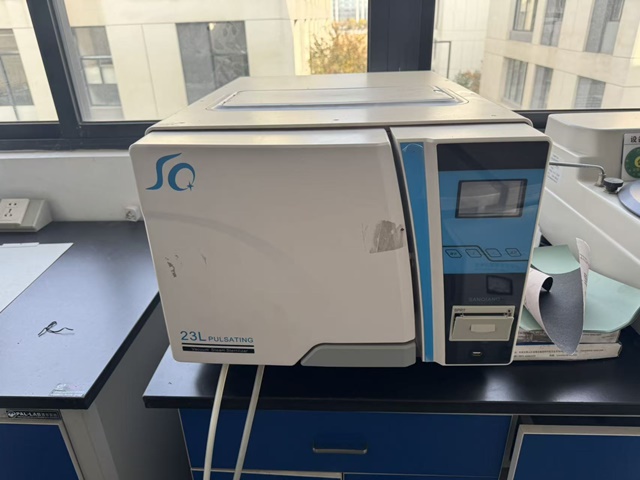
How Osteora combines regional resource clustering with vertical manufacturing integrations to benefit global distributors.
Unlike standard trading intermediaries, Osteora handles everything from CAD blueprinting and raw titanium bar sourcing to machining, micro-abrasive surface finishing, laser coding, and double-barrier sterile packaging. This limits margins and eliminates delivery delays.
Located within China's medical manufacturing corridors, we source certified raw materials (Ti6Al4V, PEEK, 316LVM) and finishing treatments with low lead times. This scale guarantees supply security even in periods of high global demand.
With an in-house engineering team of 85 R&D engineers, we offer extensive customization options, including OEM/ODM services, custom sizes, material adjustments (such as anodized color-coding), and private labeling.
The clinical application of external fixators spans various surgical specialties, each demanding unique mechanical properties from the frame components. Understanding these scenarios is key to optimizing treatment outcomes and choosing the right fixator configuration:
In patients with severe systemic injuries, prolonged open surgeries for internal fixation can trigger a systemic inflammatory response (known as the "second hit"). Temporary external fixators allow rapid stabilization of unstable fractures in under 30 minutes, minimizing blood loss and localized soft-tissue trauma while the patient stabilizes.
High-energy open injuries (Gustilo-Anderson Grade IIIB and IIIC) require frequent wound debridement, vacuum-assisted closure (VAC) therapies, or plastic muscle flaps. External frames keep the fixation components away from the injured area, ensuring easy access to the wound bed while providing structural stability.
Utilizing the principles of distraction osteogenesis (the Ilizarov technique), tensioned circular rings and threaded rods allow gradual bone lengthening (typically 1 mm per day split into four daily steps). This process relies on bone tissue's ability to regenerate under tension, making it ideal for treating congenital discrepancies or post-traumatic bone loss.
For these demanding clinical scenarios, Osteora provides a complete trauma portfolio, including LRS (Limb Reconstruction Systems), Ilizarov Full Ring Fixators, and Hoffmann-compatible ankle/wrist systems. These options allow orthopedic surgeons to customize treatment pathways based on the patient's age, anatomy, and fracture type.
We focus our research and development budget on clinical needs. Our roadmap centers on three key areas:
Modern external fixation is evolving beyond simple mechanical stabilization. Key clinical challenges, such as pin-tract infections and delayed healing, are driving major innovations in materials science and digital integration.
At Osteora, we are investing in materials like PEEK (Polyetheretherketone) and carbon-reinforced composites to create lighter, radiolucent frames that allow clear radiographic imaging of bone healing. At the same time, we are researching bioactive coatings to protect transcutaneous pins from bacterial biofilm formation, which is a major cause of pin loosening and osteomyelitis.
Ensuring seamless international distribution and quality compliance across Europe, Southeast Asia, South America, and the Middle East.
Our quality management system is fully certified to ISO 13485, and our key orthopedic trauma lines hold CE certifications. We maintain comprehensive Traceability Records (MTRs) for every production run, showing the history of raw materials, CNC machining, heat treatment, and sterilization cycles.
With 8 years of export experience, we manage global shipping challenges effectively. We provide documentation including Certificates of Free Sale (CFS), detailed packing lists, Chamber of Commerce authentications, and MSDS reports for titanium implants, ensuring clean customs clearance.
We support medical device brands and hospital networks with custom sizing, material selection, anodized color schemes, and private labeling. All projects are backed by strict non-disclosure agreements (NDAs) to protect your intellectual property.
Detailed answers to common questions about materials, biomechanics, sterile options, and distribution partnership policies.
We use medical-grade Titanium Alloy (Ti-6Al-4V ELI / ASTM F136) and high-strength 316LVM Stainless Steel (ASTM F138). Titanium offers excellent biocompatibility, a lower modulus of elasticity (closer to natural bone), and MRI compatibility. Stainless steel provides high mechanical shear resistance, which is ideal for heavy-duty construct frames in large bone trauma cases.
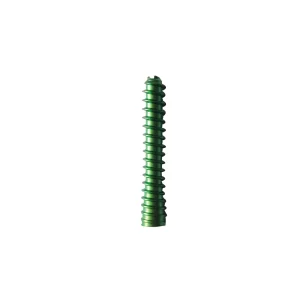
Our self-drilling and self-tapping pins feature precise thread designs that avoid generating excessive heat during insertion, minimizing localized thermal necrosis. We also apply micro-machined surface treatments to improve bone contact at the pin-bone interface, reducing micromotion that can lead to bacterial entry.
We supply products in both configurations depending on distributor requirements. Non-sterile kits are packaged in sterilization-ready aluminum boxes, while pre-sterilized components are sealed in double-barrier Tyvek packaging, validated for a five-year sterile shelf life.
Standard custom orders take 4 to 6 weeks for manufacturing, depending on the complexity of the design. Standard, catalog-compliant products can often be shipped immediately from our warehouse inventory.
Our team of 42 QC inspectors conducts detailed visual and dimensional inspections, mechanical fatigue tests, hardness validations, and chemical composition checks using gas spectrometry. Every batch is traceable back to the raw material melt certification.
Explore our range of internal trauma plates, compression screws, and specialized arthroscopic implants designed to complement external fixation procedures.