Osteora
Osteora
Osteora
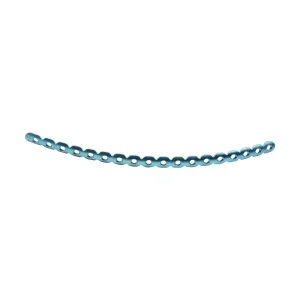
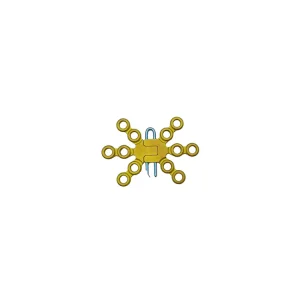
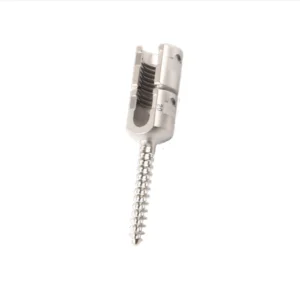
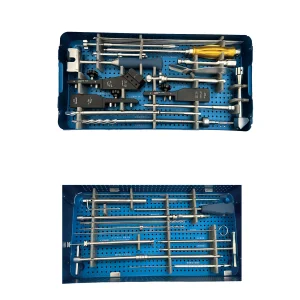
Osteora Medical Devices Co., Ltd. is an industry-leading orthopedic implant and surgical instrument manufacturer. Specializing in advanced trauma, spine, and joint reconstruction systems under our signature brand Osteora, we deliver clinical-grade solutions designed for maximum physiological compatibility and long-term mechanical reliability.
Founded in 2016, our continuous innovation and strict execution of international medical manufacturing protocols have established Osteora as a benchmark of trust across global cardiothoracic and orthopedic surgical communities. Our integrated factory leverages Swiss-type precision machining, comprehensive biocompatibility verification, and automated quality assurance to supply top-tier hospitals and medical distributors worldwide.
Traditional monofilament wire cerclage is increasingly replaced by titanium rigid plate systems. Clinical research confirms that rigid fixation reduces post-sternotomy mediastinitis, shortens patient ICU stays, and limits pain profiles by maintaining structural rigidity under physical stress.
By locking the sternal halves in rigid compression, our titanium plates eliminate shear movement, encouraging rapid primary bone healing and significantly reducing the threat of deep sternal wound infection (DSWI).
Engineered to handle patient respiration, coughing, and thoracic expansion forces. Osteora Sternal Systems prevent screw pull-out and construct failure, supporting immediate post-operative rehabilitation.
By preventing sternal dehiscence and emergency re-operation, our systems reduce overall hospital readmission costs, offering global surgical centers excellent clinical ROI.
Our 18,500㎡ facility hosts a seamless medical-grade manufacturing process. From raw material spectrum validation to high-precision Swiss-type CNC milling, stamping, cleanroom disinfection, and advanced biomechanical fatigue mapping—every step is monitored under strict ISO 13485 guidelines.
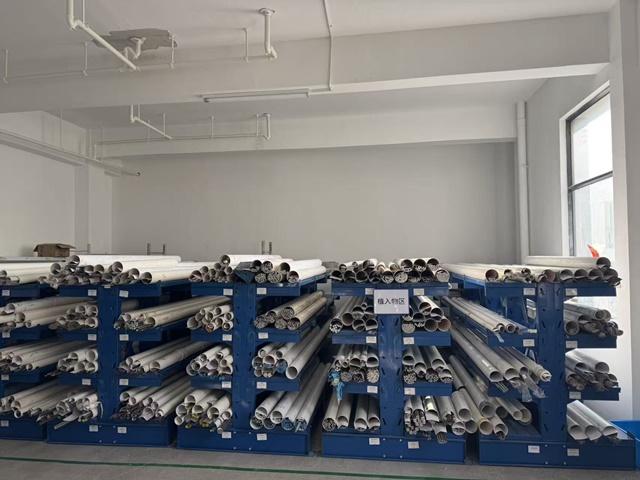
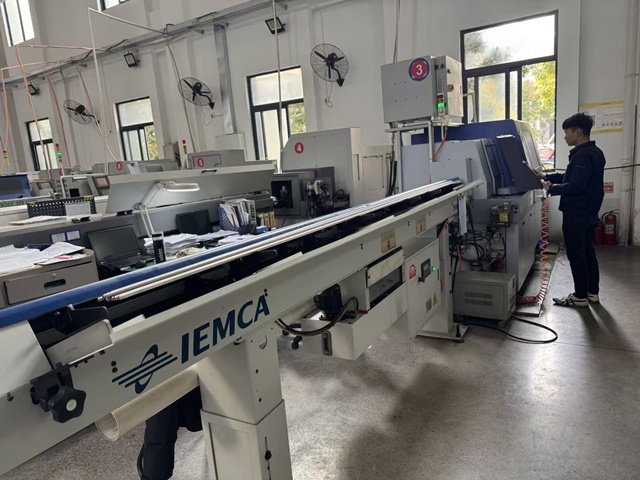
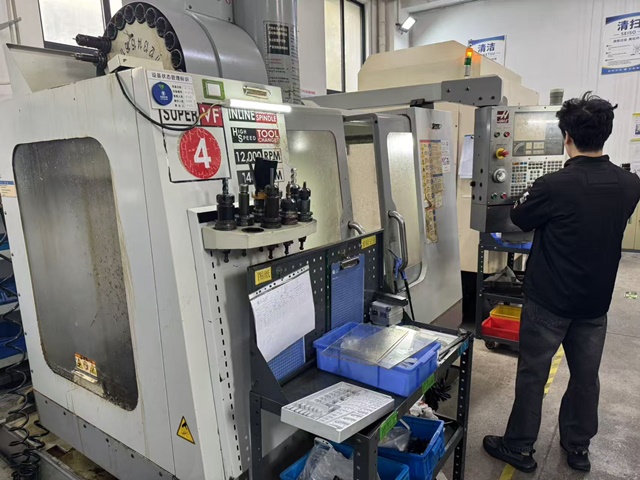
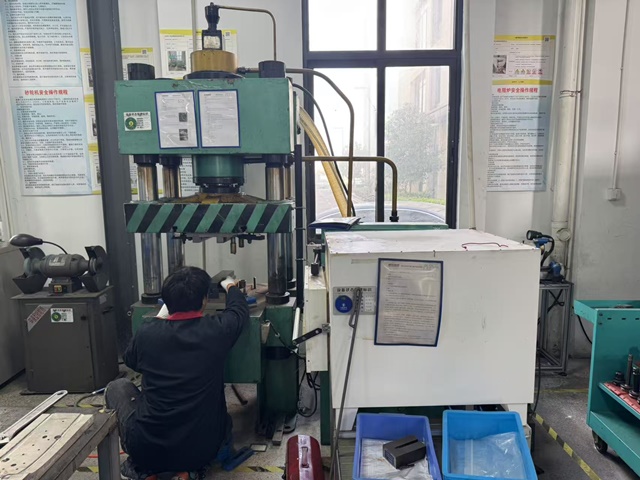
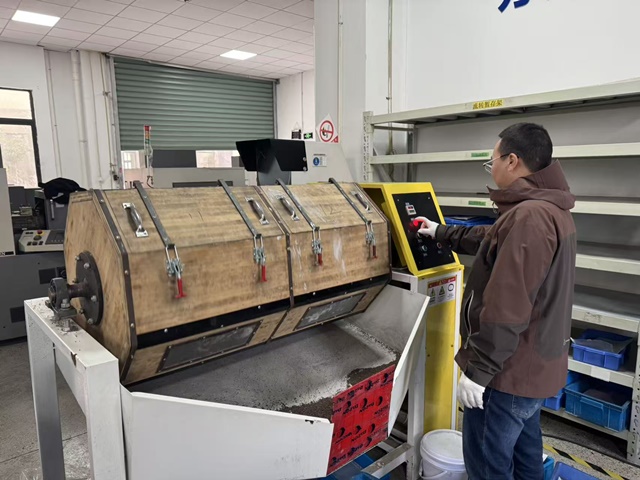
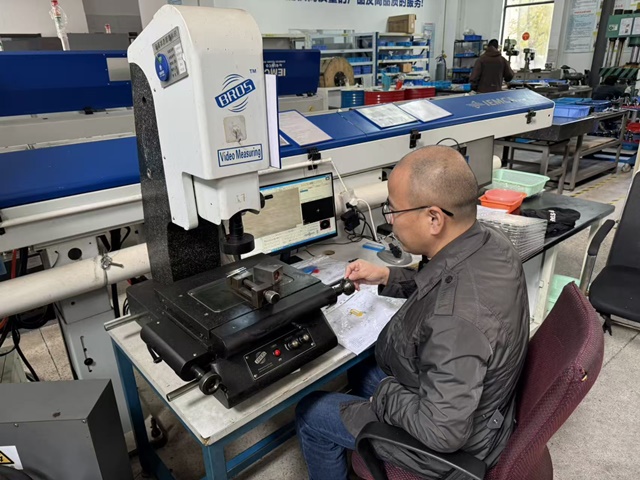
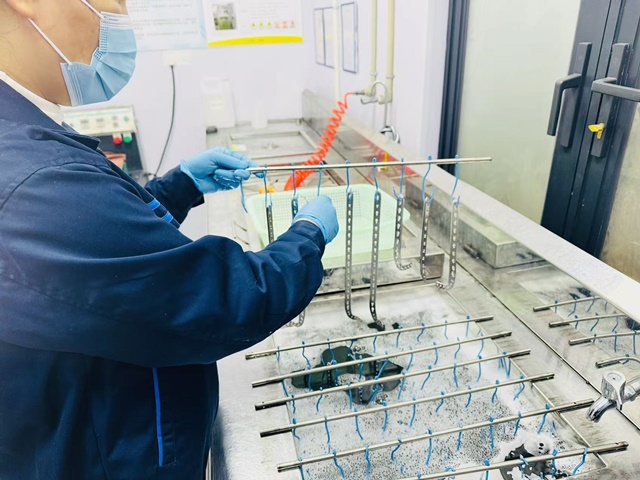
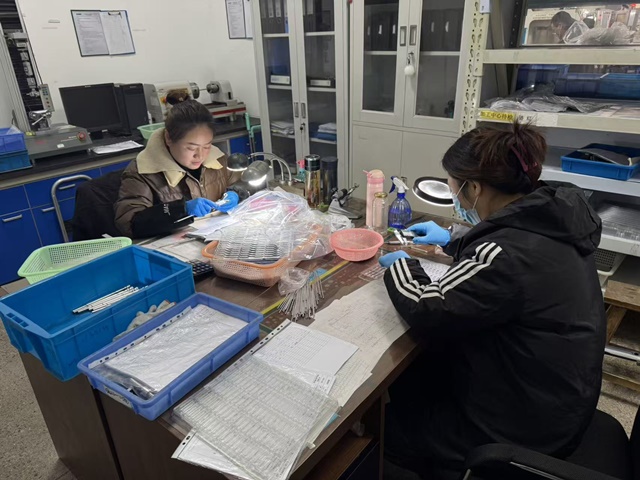
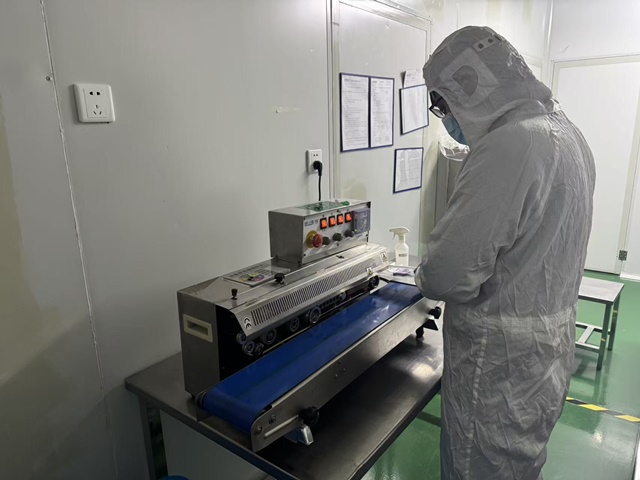
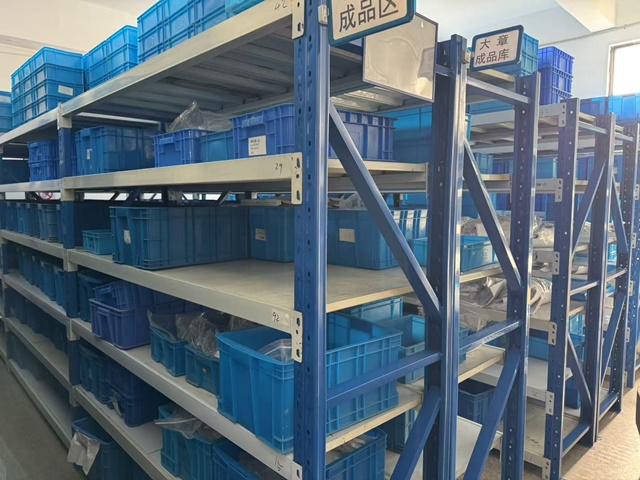
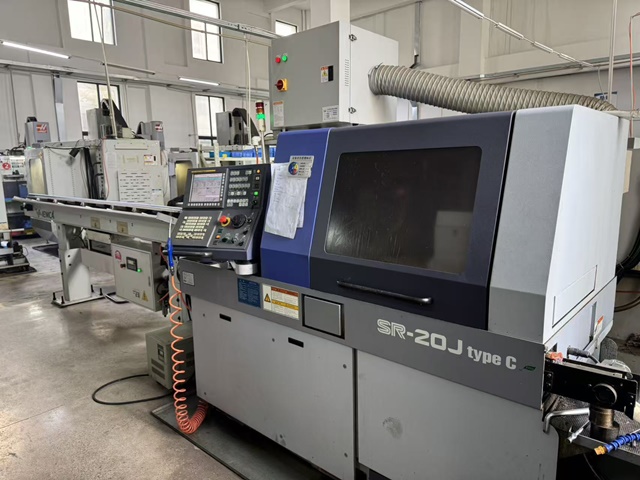
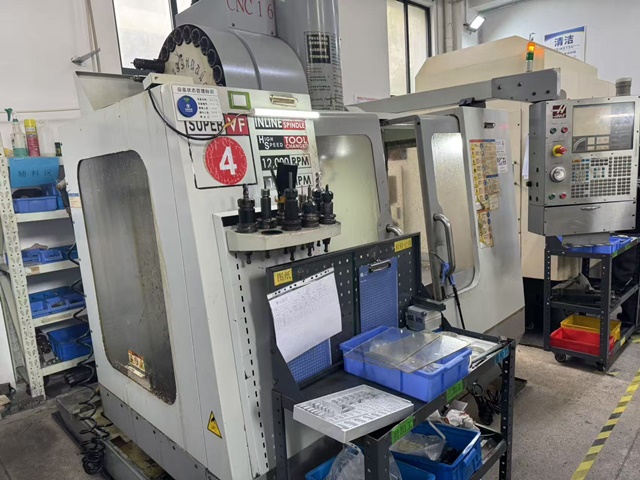
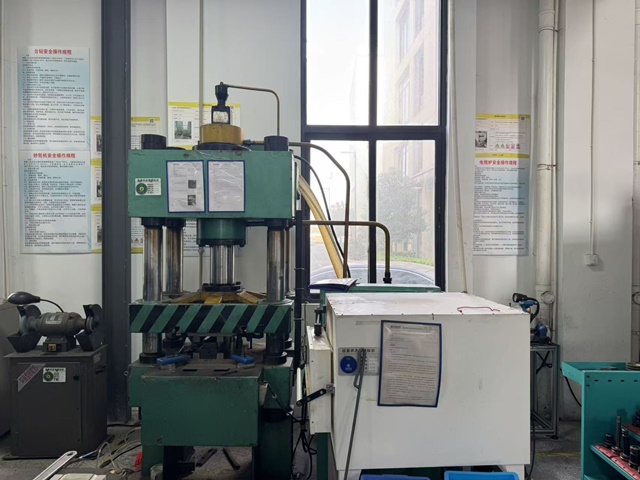
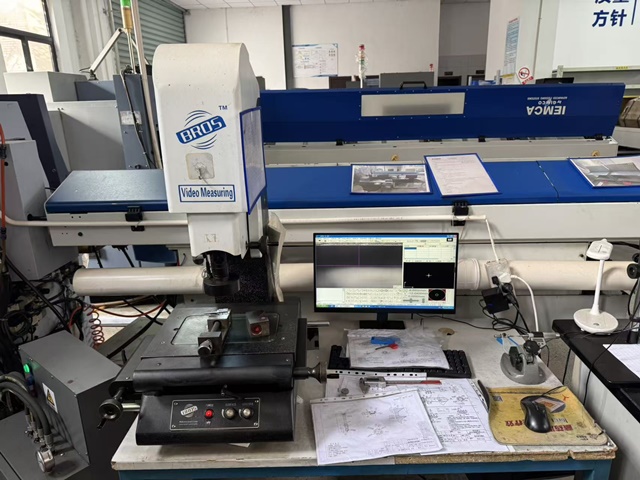
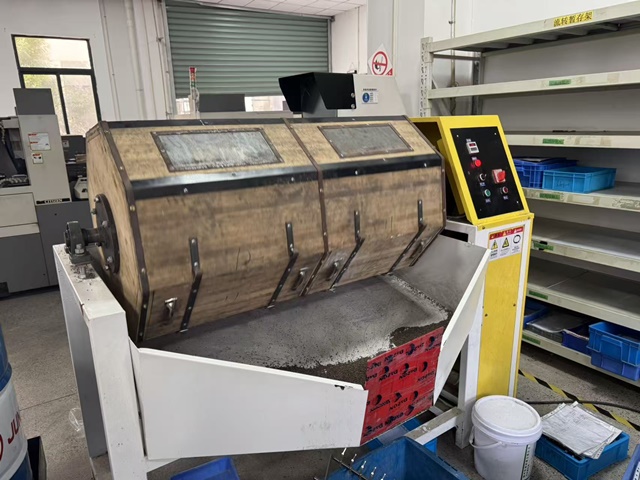
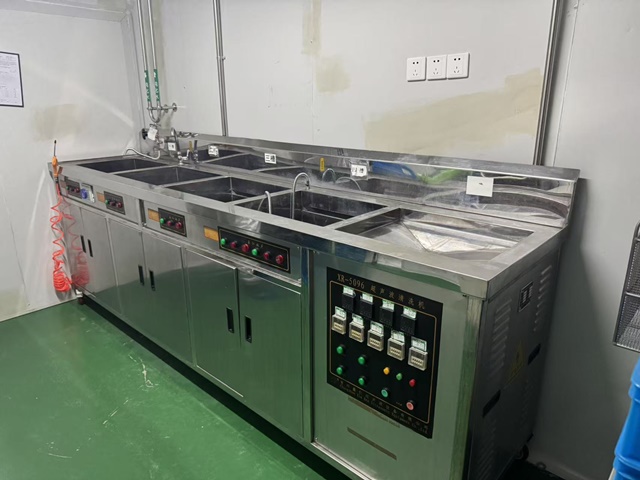
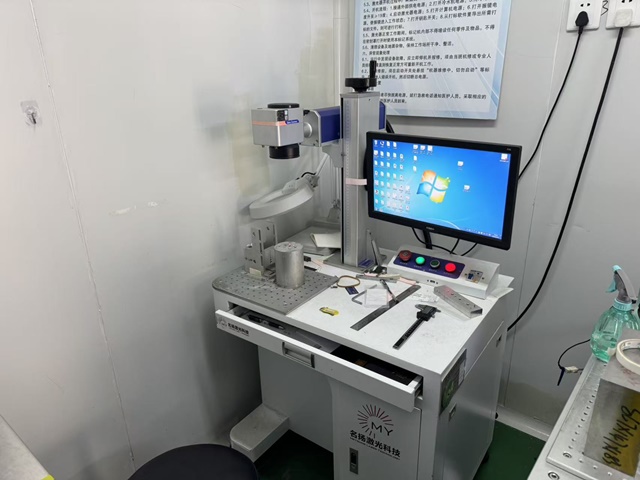
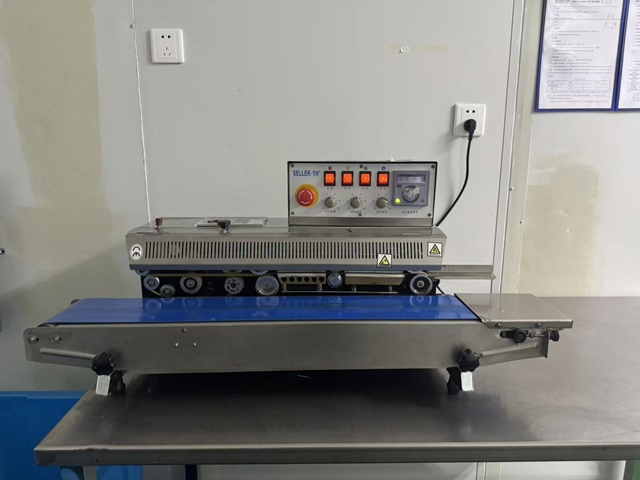
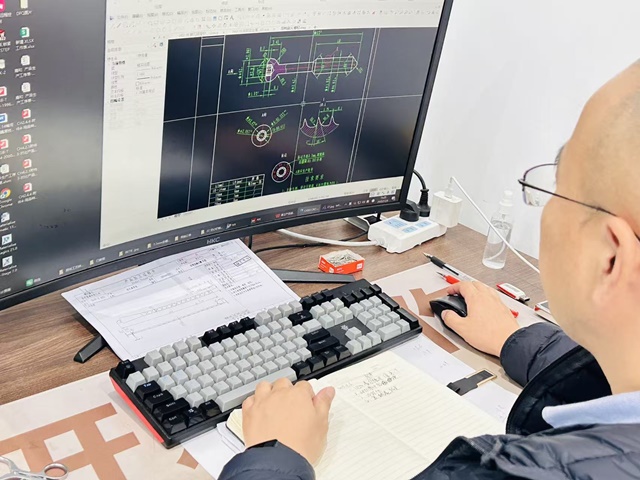
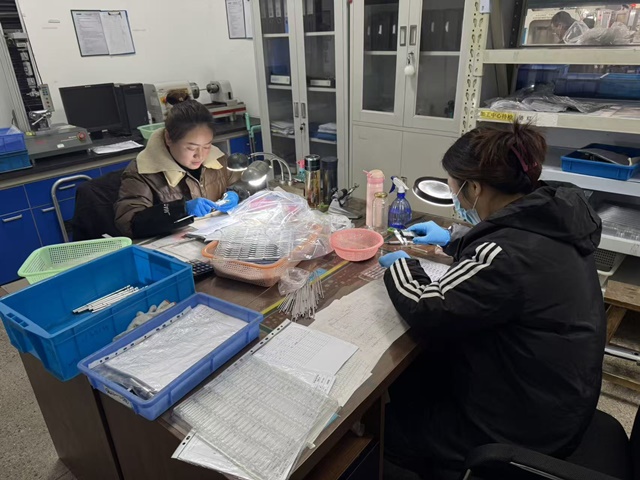
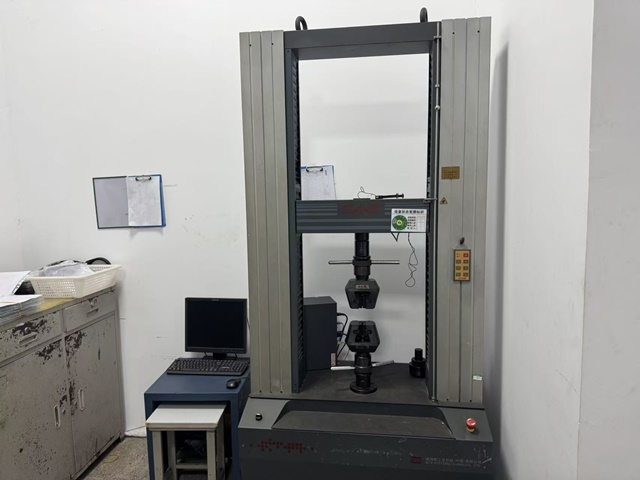
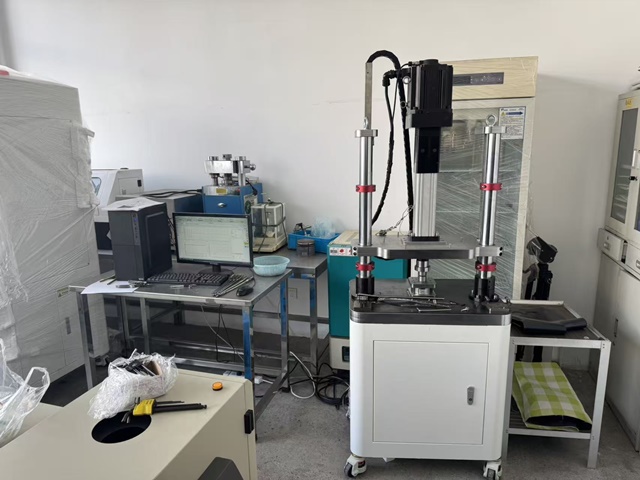
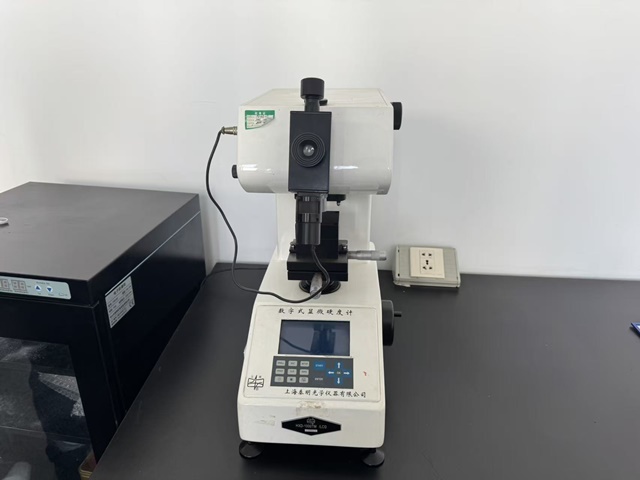
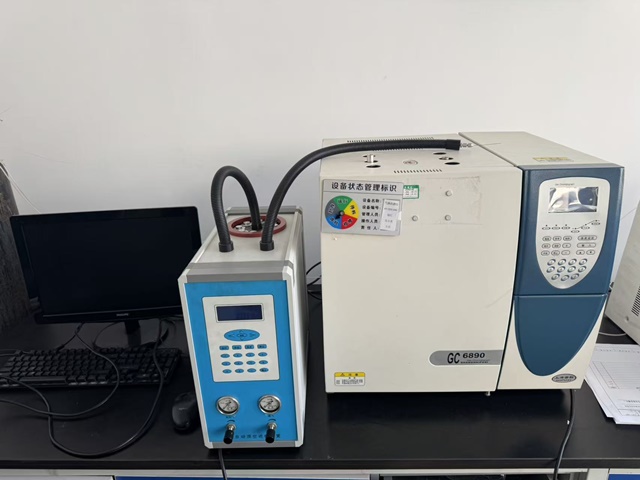
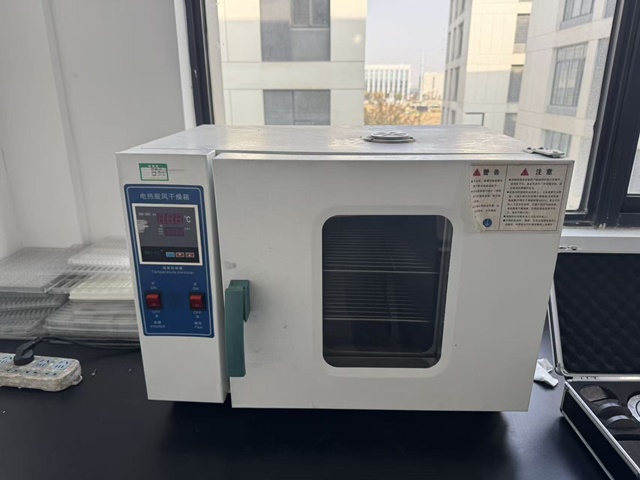
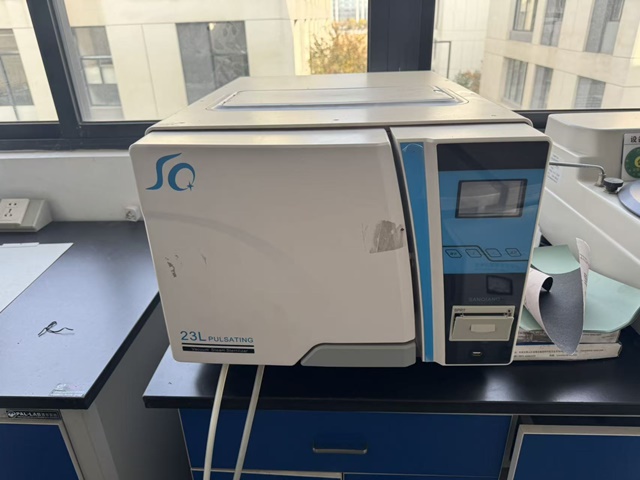
Navigating local regulatory landscapes can be challenging. Osteora streamlines international sourcing by matching manufacturing practices with strict CE MDR requirements and FDA guidelines. Our quality control department is backed by 42 inspectors checking trace metallurgy profiles, fatigue tolerances, and micro-dimensional specifications.
Whether you are registering implants in Latin America, establishing custom tenders for European clinical partnerships, or developing large-scale distribution runs in the Middle East, our technical compliance team provides complete dossier packages, biocompatibility evaluations, and custom labeling to clear customs seamlessly.
| Standard | Scope |
|---|---|
| ISO 13485 | Medical Device Quality Management Systems |
| CE MDR Ready | EU Class IIb Implant Registration Readiness |
| ASTM F136 | Standard Spec for Titanium-6Aluminum-4Vanadium ELI |
| ISO 10993 | Biological Evaluation of Medical Devices |
Rigid plate fixation is recommended for patients with high risk of sternal complications, including obesity, chronic obstructive pulmonary disease (COPD), diabetes mellitus, osteoporosis, or chronic steroid use.
Essential in salvage surgeries following primary wiring failure. When sternal dehiscence occurs, rigid plating stabilizes the remaining bone fragments, preventing pain, structural instability, and subsequent lung restriction.
Designed for complex thoracic wall trauma and sternal fractures. The pre-contoured locking plates adapt to varying anatomical thicknesses, offering immediate load-bearing support for compromised chest walls.
Under the lead of our 85 experienced R&D engineers, Osteora remains committed to the next generation of cardiothoracic fixation devices.
Refining our locking systems to match CT-scanned patient populations, minimizing intraoperative bending and reducing cold-work stress within the titanium matrices.
Deploying ultra-low profile plates under 1.5mm thickness to mitigate tissue irritation and hardware visibility in thin patients, without losing mechanical fatigue limits.
Developing locking interfaces that permit minor physiological breathing expansions while retaining strict lateral shear stabilization, promoting optimized chest wall mechanics.
Long-term R&D focusing on magnesium alloy and bioresorbable polymers. Our goal is to achieve transient structural support that dissolves completely after bone union.