Osteora
Osteora
Osteora
Explore our foundational locking system selection, manufactured in conformity with international healthcare specifications to support osteosynthesis treatment protocols.
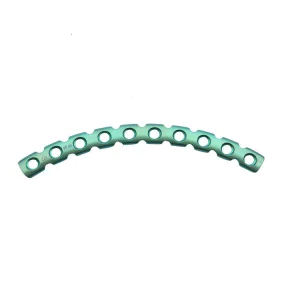
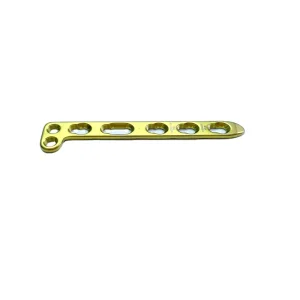
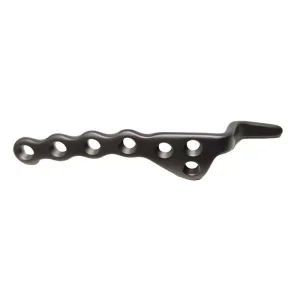
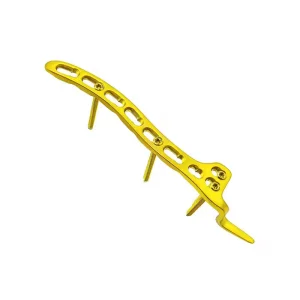
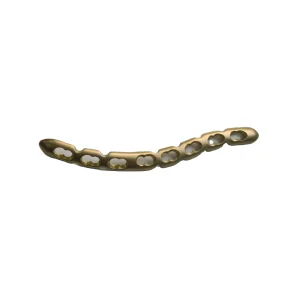
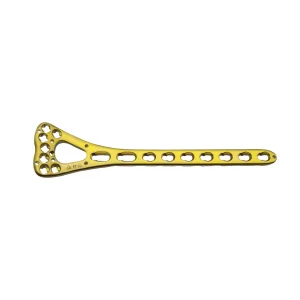
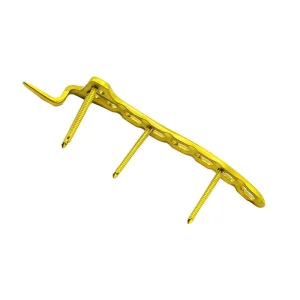
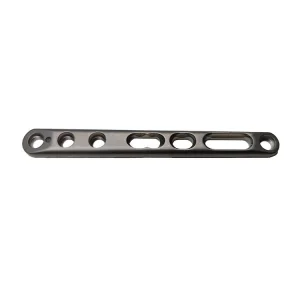
The global orthopedic trauma implant sector is experiencing a monumental transformation driven by aging demographics, rising urbanization, and an increased incidence of road traffic accidents (RTAs) and sports injuries. Orthopedic trauma surgery demands immediate stabilization, anatomical alignment, and early functional rehabilitation, which has elevated the mechanical performance expectations of implant systems globally.
Today's market is shifting from conventional stainless steel stabilization systems to advanced medical-grade titanium alloys (such as Ti-6Al-4V ELI) and high-performance polymers (PEEK) that reduce stress shielding while improving biocompatibility. As global healthcare providers face intensifying budget constraints alongside stricter patient outcome evaluations, the demand for reputable, cost-effective manufacturers that operate under rigorous quality management architectures has never been greater.
Modern plates must adapt dynamically to local anatomical curvatures. Products such as multi-axial locking systems allow surgeons to target screw trajectory angles directly, avoiding osteoporotic zones or existing soft tissue deficits.
Surface finishing methods, including electrochemical anodic oxidation and micro-arc oxidation, are critical to optimize osseointegration rates, minimize bacterial colonization, and suppress heavy metal ion release.
The global consolidation of medical regulations (specifically transitioning from MDD to EU MDR, alongside FDA 510k processes) requires developers to demonstrate clinical safety through extensive, traceably manufactured validation trails.
Osteora Medical Devices Co., Ltd. is a leading, professional orthopedic implant and surgical solution manufacturer specializing in trauma, spine, and joint reconstruction systems under our globally recognized brand Osteora.
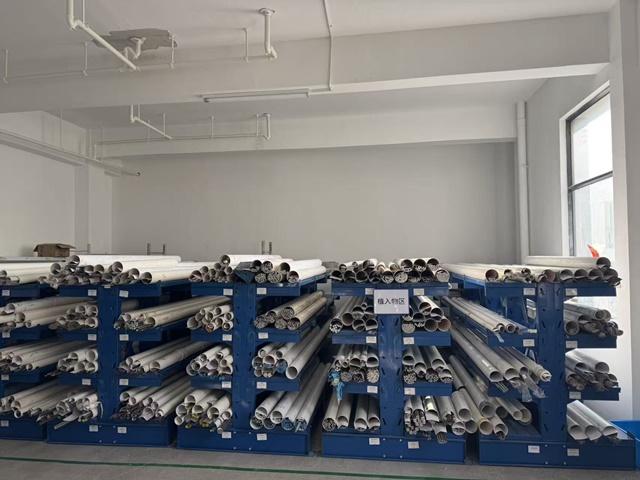
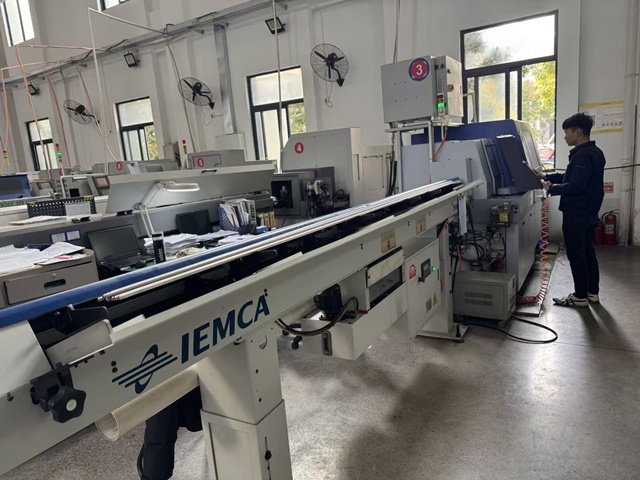
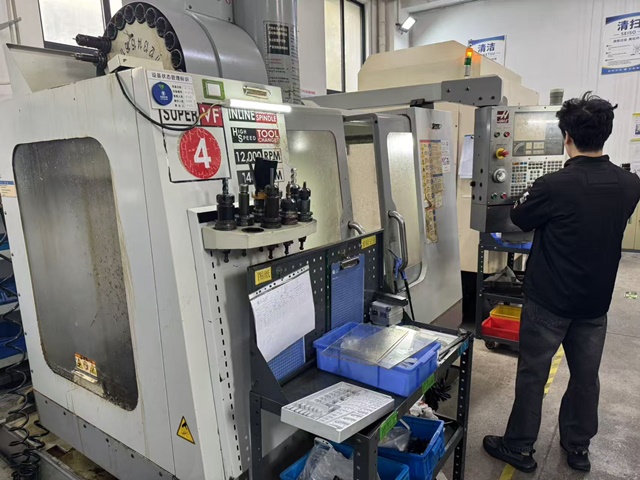
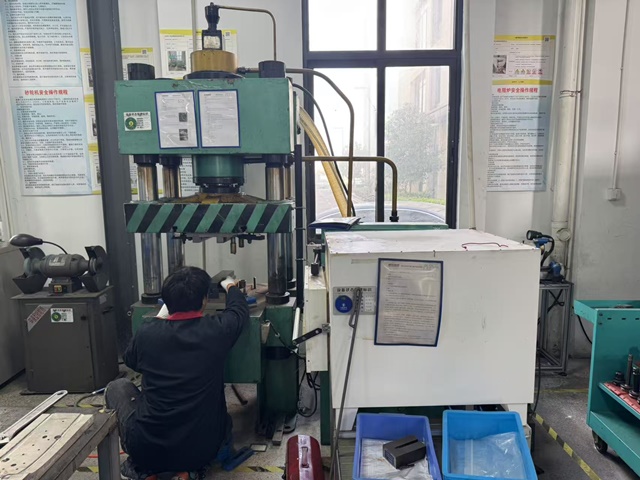
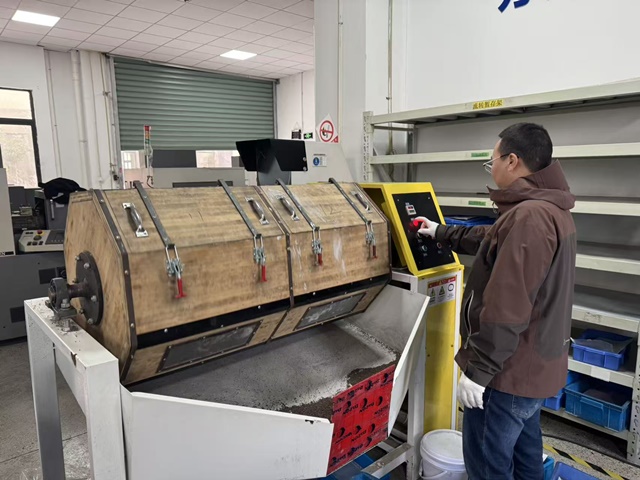
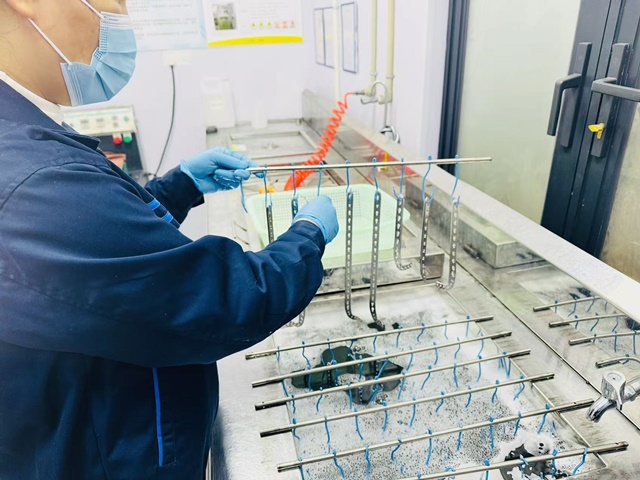
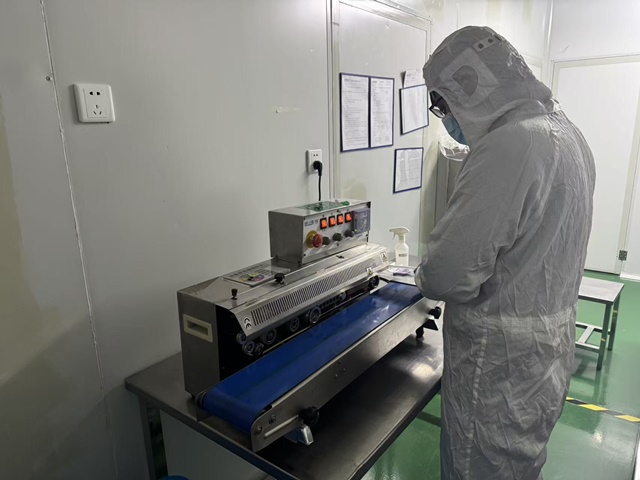
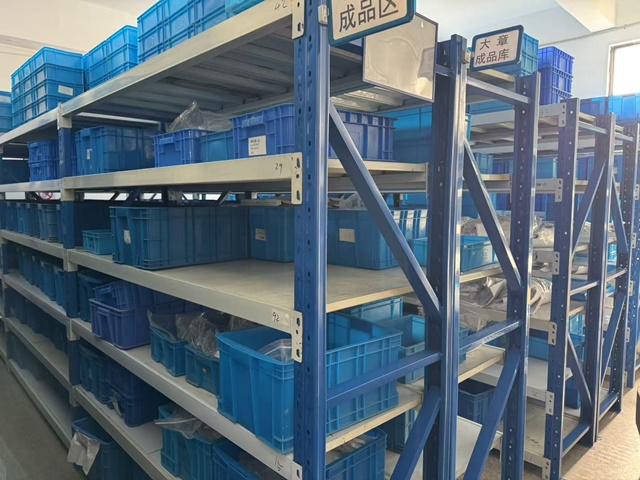
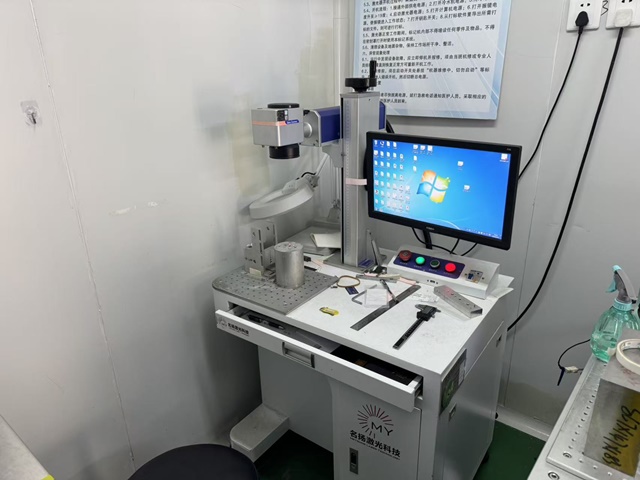
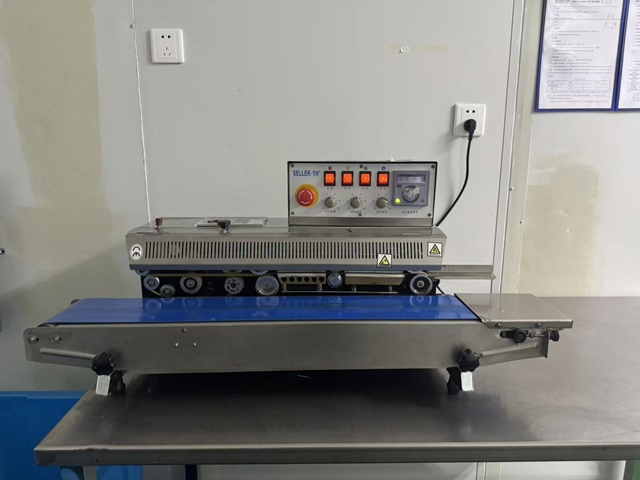
Founded in 2016, we have built a distinguished reputation in the global orthopedic industry by pairing scientific innovation with strict quality management architectures. Operating out of an expansive, state-of-the-art facility covering 18,500㎡, we run fully integrated manufacturing lines that support in-house tooling development, precision component machining, chemical cleaning, cleanroom assembly, and sterile packaging.
With 8 years of export experience and 12 years of industry expertise, Osteora has established deep-rooted partnerships with international medical distributors, surgical centers, and hospitals in multiple regions. Our annual export revenue ranges between USD 6 million and 14 million, representing consistent, sustainable growth in demanding regulatory environments worldwide.
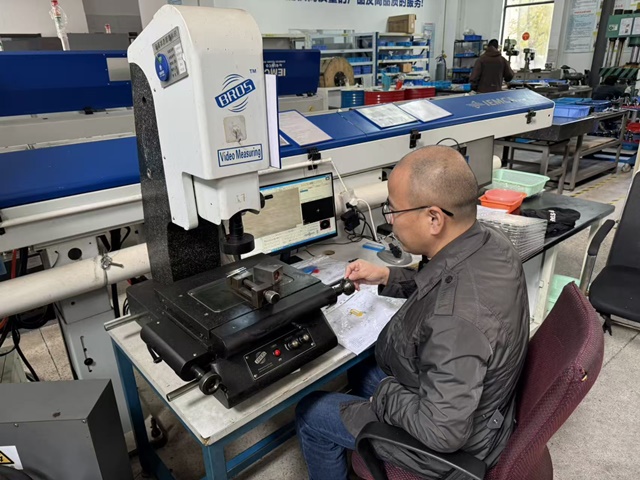
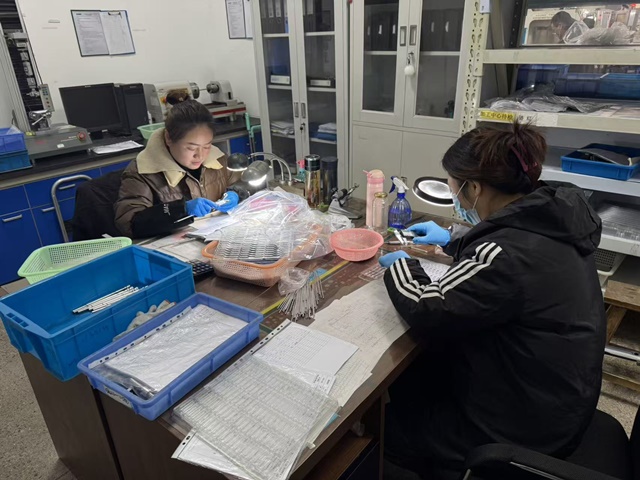
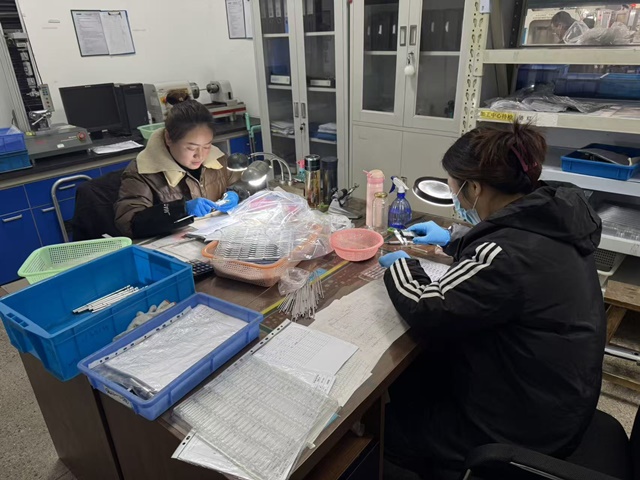
Compliance is the cornerstone of our operations. Osteora maintains strict ISO 13485 certification, employing 42 specialized inspectors who implement in-process inspections and final random sampling protocols. Our validation systems cover dimensional analysis, mechanical fatigue testing, and biocompatibility verification.
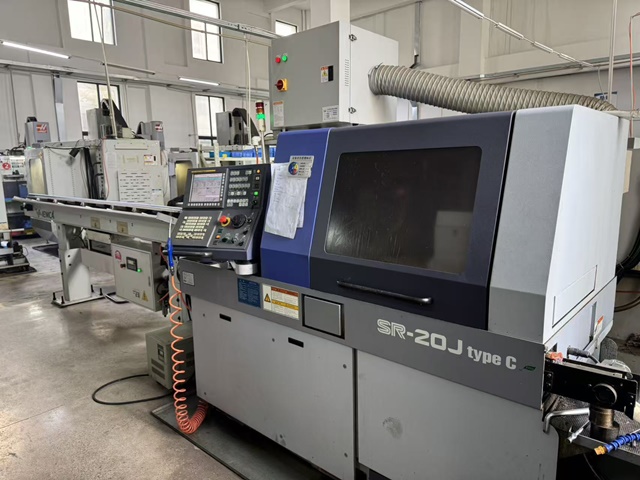
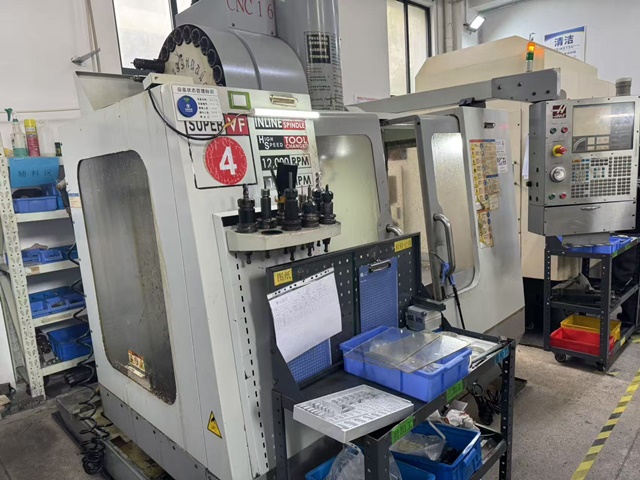
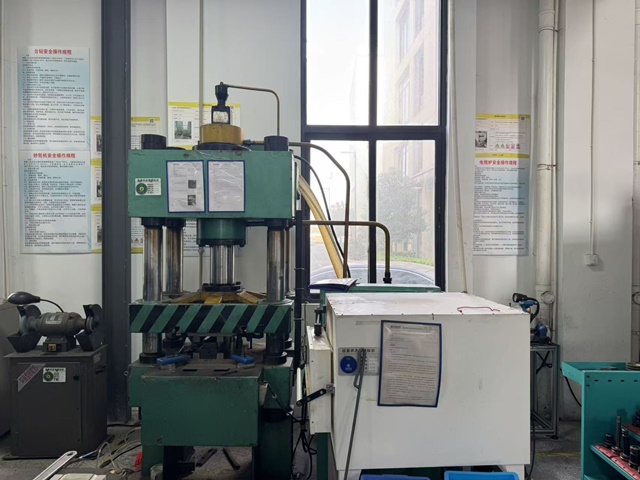
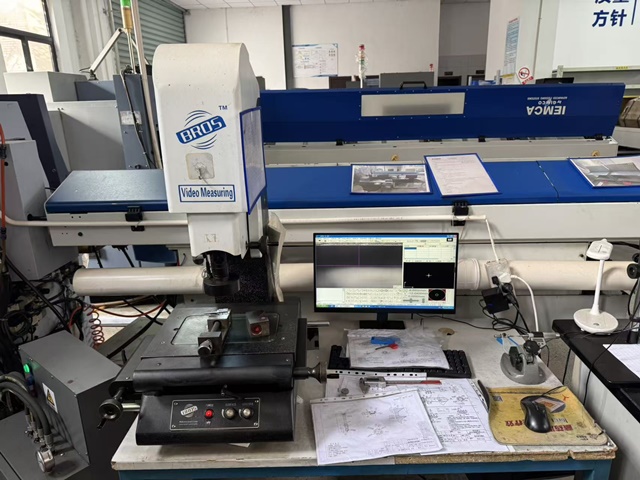
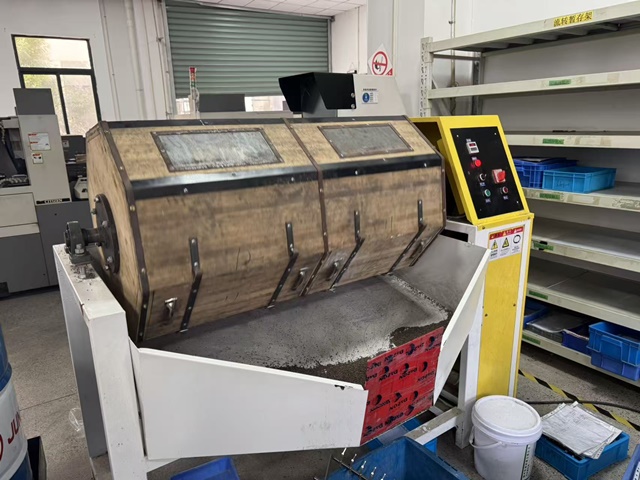
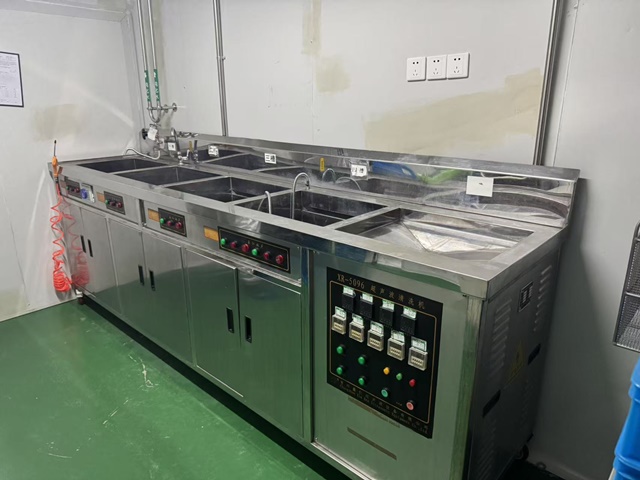
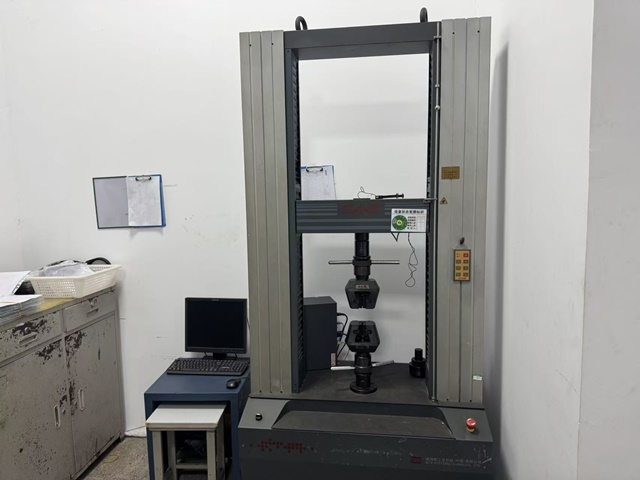
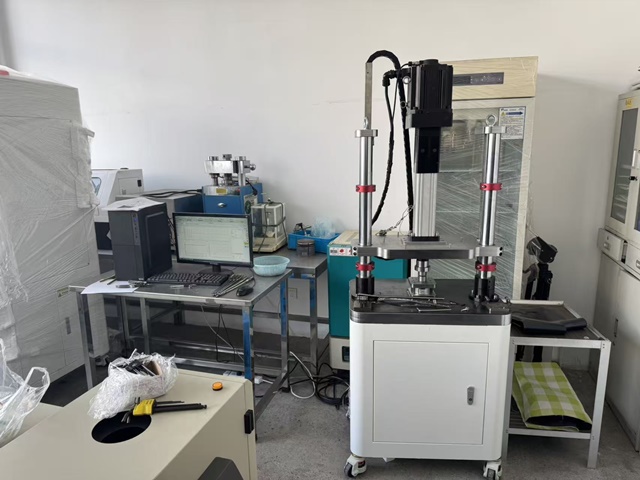
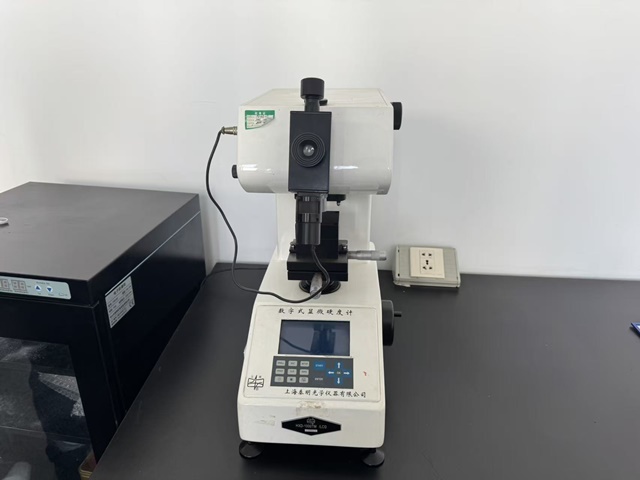
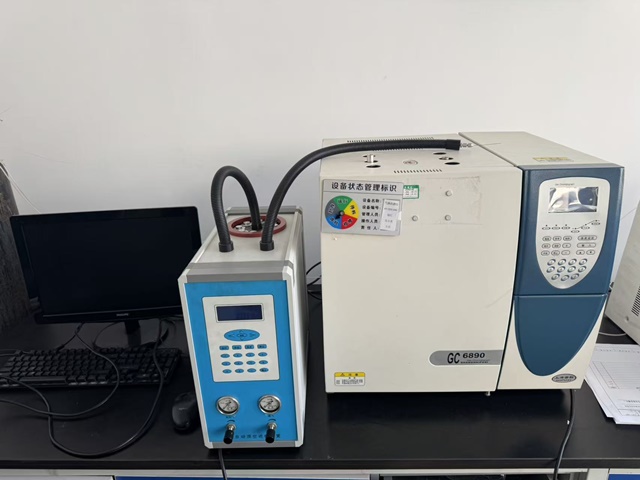
As trauma surgery evolves toward minimally invasive techniques and rapid recovery, the manufacturing technologies behind bone plates must follow suit. Osteora is investing in advanced surface engineering and multi-directional locking capabilities to address the limits of standard fixation products.
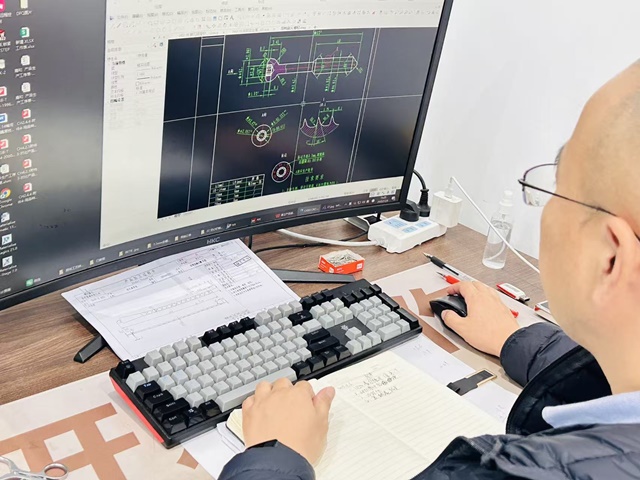
Traditional bone plating required intraoperative manual bending, which could introduce micro-cracks and stress concentrations. Our engineering R&D team utilizes extensive anatomical databases to pre-contour plates to precise bone morphologies, minimizing the need for manual shaping during surgery. Low-profile designs reduce soft tissue interference, particularly in anatomical zones with minimal muscular cover like the distal tibia and clavicle.
Unlike monoaxial screws with fixed entry angles, polyaxial locking mechanisms allow the surgeon to lock screws at variable angles relative to the plate. This capability is crucial for addressing complex intra-articular fractures, enabling precise placement around pre-existing implants, joint components, or compromised bone structures.
Our long-term R&D roadmap focuses on next-generation implant parameters to optimize biomechanical performance:
Managing orthopedic trauma inventory poses unique logistical challenges. Hospitals and surgical centers require a consistent, reliable supply of anatomically matched locking plates, matching cortical and candid screws, and specialized instrument kits. Osteora provides comprehensive, integrated solutions to simplify supply chains for distributors and healthcare networks.
We supply complete surgical sets where implants and matching instruments are organized in modular sterilization trays, facilitating sterile prep and efficient operating room setups.
Our facility offers custom services including specialized sizing, modified plate geometries, private labeling, and custom surgical kit layouts, managed by our 85-member R&D team.
Our regulatory and logistics systems ensure complete traceability. We provide essential documentation, material certificates, and test logs to support local registration processes.
Technical guidance and compliance answers for global healthcare distributors, procurement offices, and clinical staff.
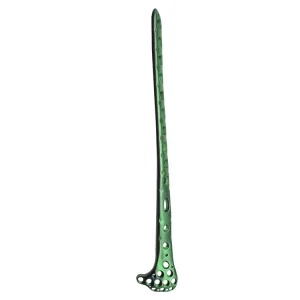
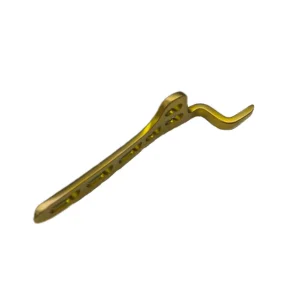
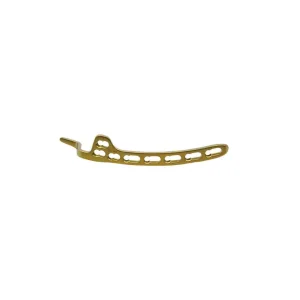
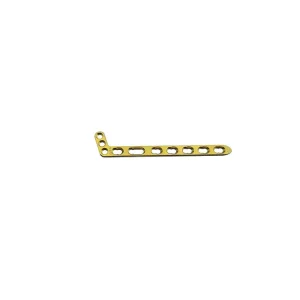
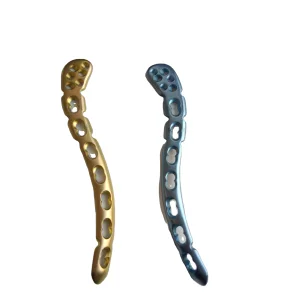
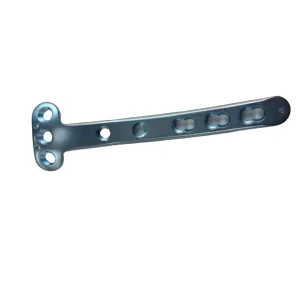
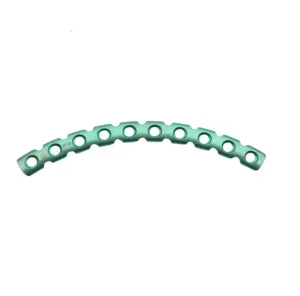
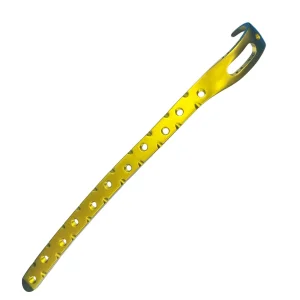
A selection of specialized plate designs, including distal tibia and medial locking systems, engineered for anatomically challenging fracture environments.