Osteora
Osteora
Osteora
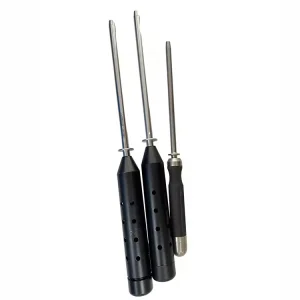
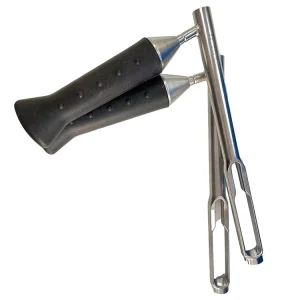
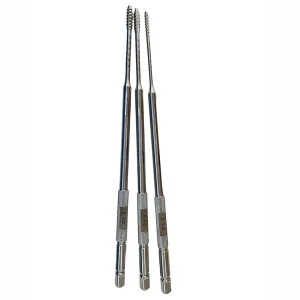
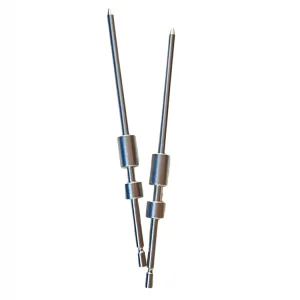
Explore our clinically validated orthopaedic instruments. Crafted from premium surgical-grade stainless steel and biocompatible titanium alloys to ensure tactile feedback and rigid stability during complex spinal procedures.
In the contemporary global medical device ecosystem, the demand for high-precision orthopedic accessories has evolved beyond standard instruments. Surgical techniques like minimally invasive spine surgery (MISS), complex pedicle fixation, and computer-assisted joint reconstructions demand unprecedented dimensional accuracy, mechanical fatigue resistance, and sterile integrity. To meet these specifications, global distributors, hospital networks, and OEMs are migrating from generalized medical suppliers to specialized, vertically integrated orthopedic factories.
This document explores the technical benchmarks, material sciences, and quality validation processes employed at Osteora Medical Devices Co., Ltd., demonstrating how a specialized Chinese manufacturer utilizes robust supply chains and precise machinery to deliver reliable surgical solutions worldwide.
Osteora Medical Devices Co., Ltd. is a professional orthopedic implant and surgical solution manufacturer specializing in trauma, spine, and joint reconstruction systems under the brand Osteora.
Founded in 2016, the company has developed a strong reputation in the global orthopedic industry through continuous innovation and strict quality control standards. Our manufacturing facility covers an area of approximately 18,500㎡, supporting integrated production, assembly, cleaning, and testing operations under one roof.
With 8 years of export experience and 12 years of industry expertise, Osteora has established stable cooperation with international distributors and hospitals across multiple regions. Annual export revenue ranges from USD 6 million to 14 million, reflecting steady global market growth.
Osteora has a strong trade background in global medical device export and maintains long-term partnerships with distributors in Europe, Southeast Asia, the Middle East, and South America, which are also its primary markets.
State-of-the-Art Facility
Industry Expertise
In-House R&D Team
Certified Quality Control
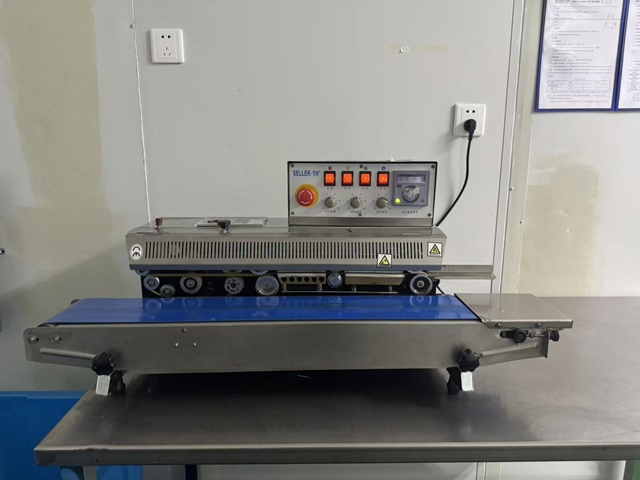
To guarantee that every orthopedic accessory meets the safety limits for human implants and surgical applications, Osteora maintains a rigorous 10-step production workflow. Every stage is documented for end-to-end batch traceability.
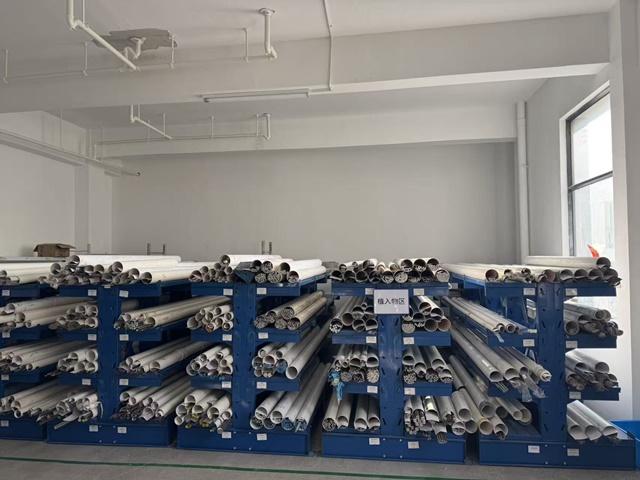
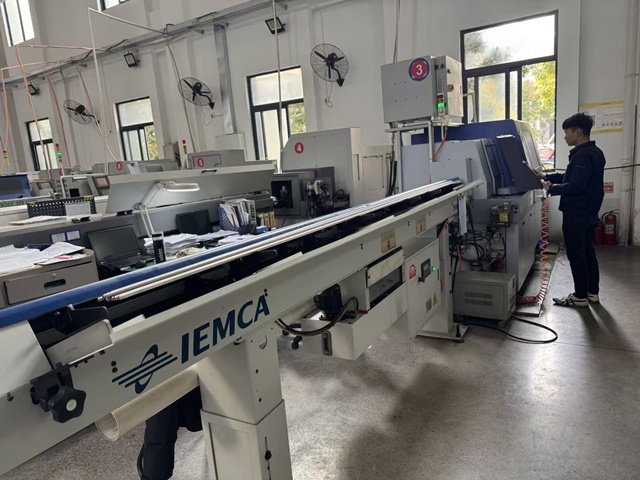
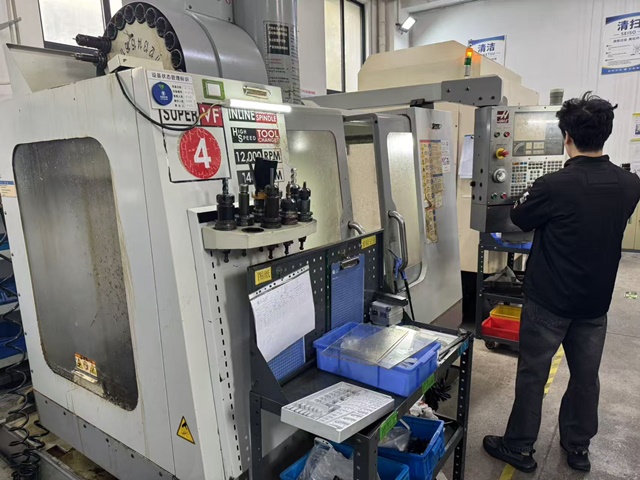
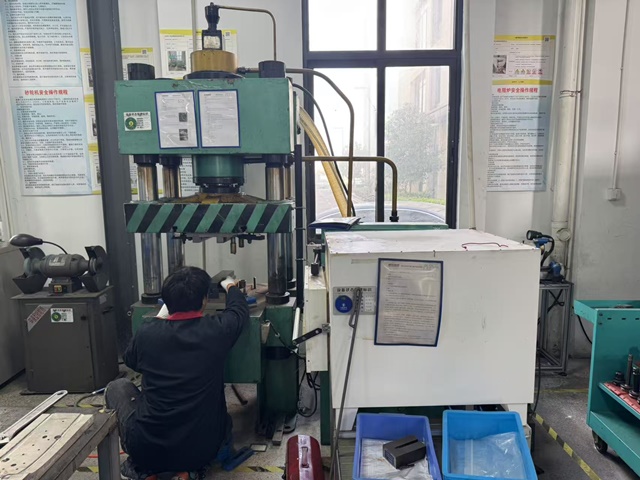
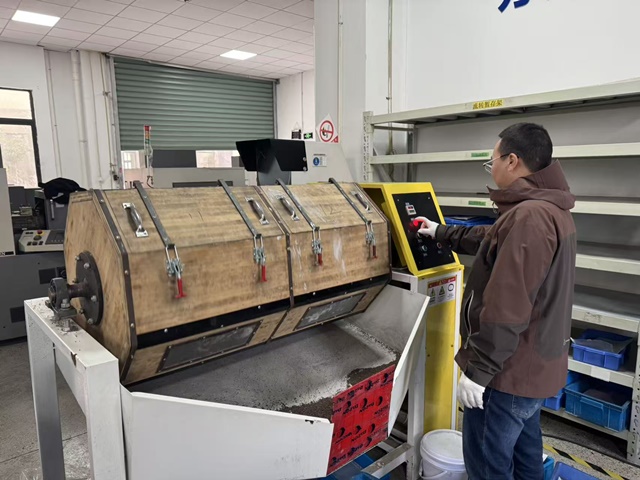
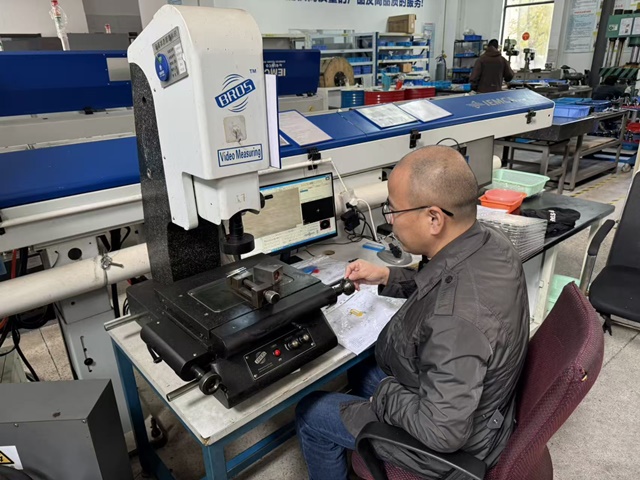
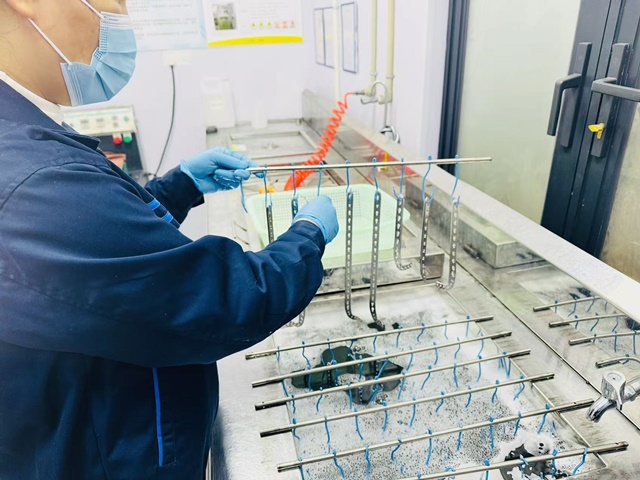
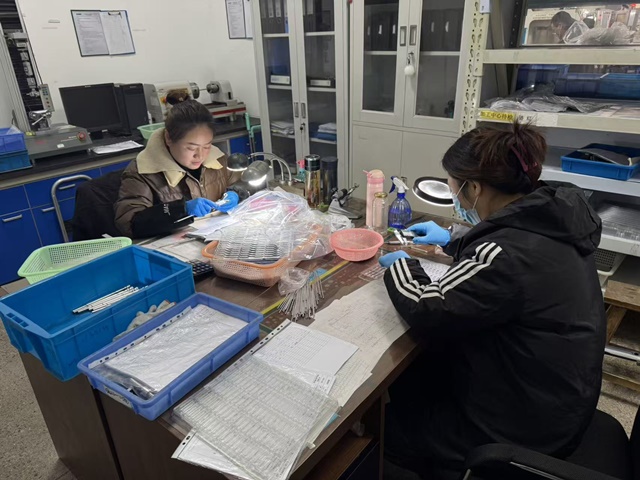
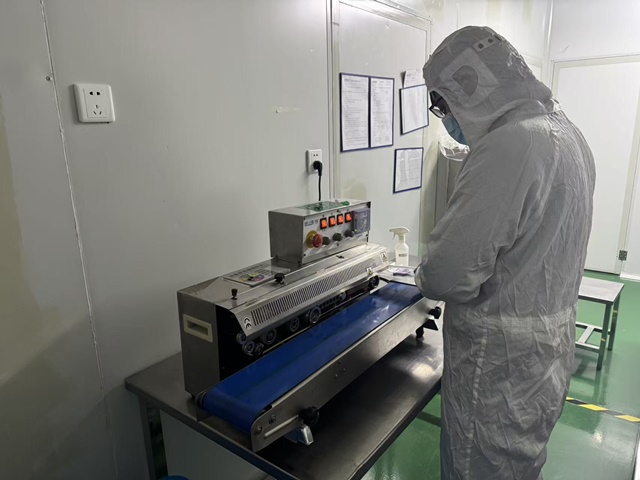
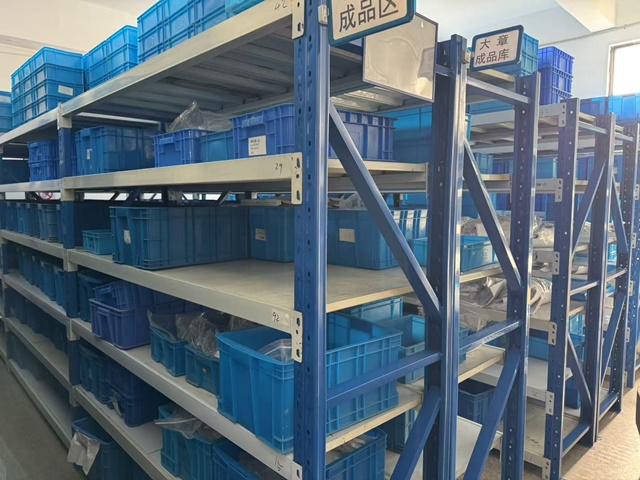
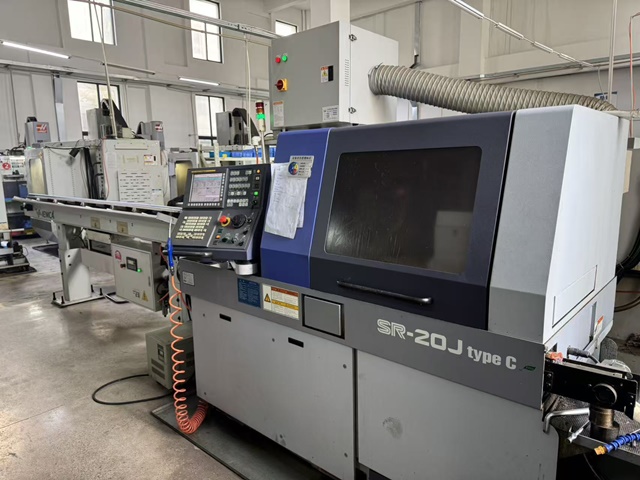
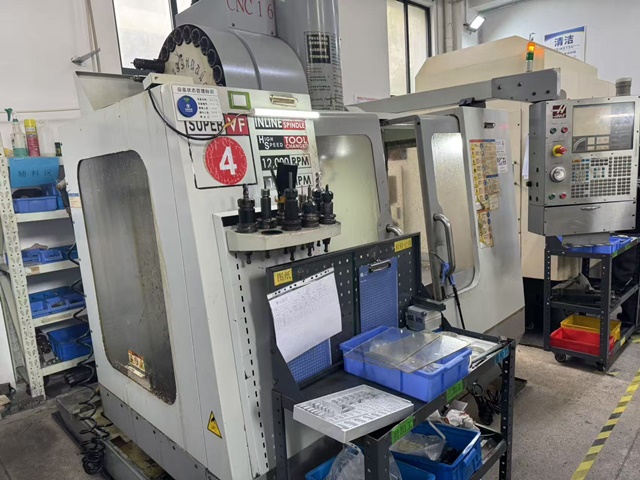
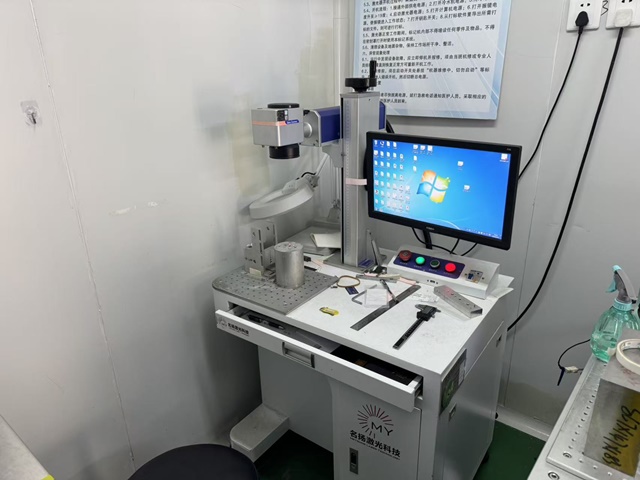
Our production floor features modern Swiss-type lathes, HAAS multi-axis CNC machines, and testing systems to verify the mechanical limits and chemical composition of our products.
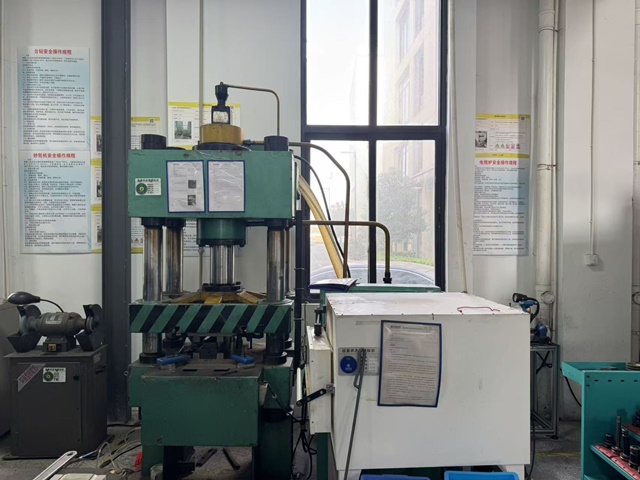
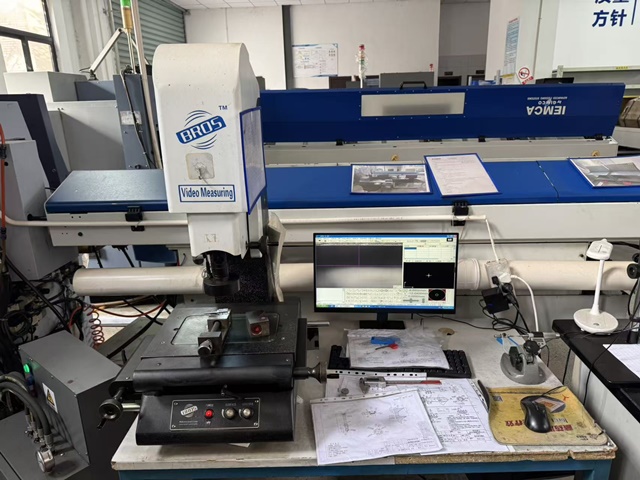
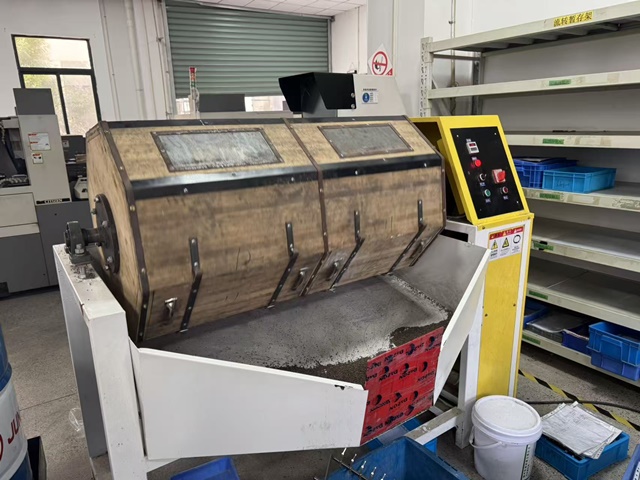
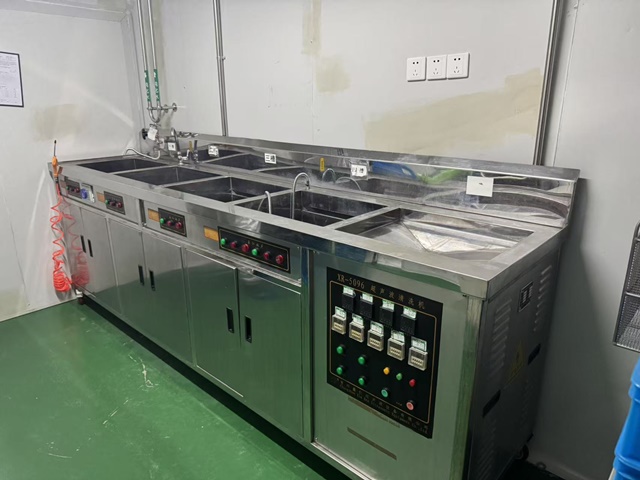
Orthopedic accessories are used across several surgical disciplines, each presenting distinct anatomical challenges and structural requirements:
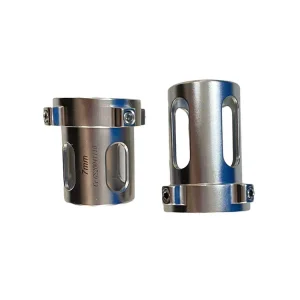
During scoliosis surgery, components such as the Reset Sleeve and the Pedicle Positioning Measuring Device allow surgeons to safely manipulate the spinal column. The instruments must deliver precise force distribution to prevent vertebral fractures while correcting multi-planar deformities.
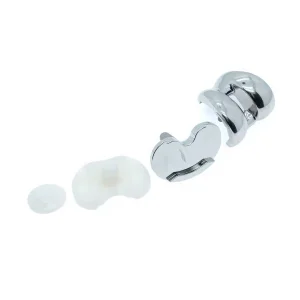
Prosthetic accessories, including titanium femoral condyles and knee inserts, require smooth articulation surfaces (roughness Ra < 0.05 μm) to reduce polyethylene wear and prevent aseptic loosening of the joint over time.
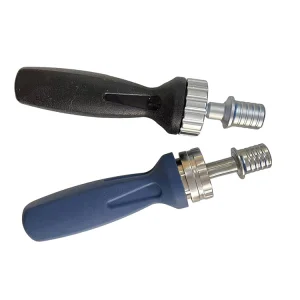
For long bone fractures, locking intramedullary nails and star-shaped torque-limiting screwdrivers are used to secure the bone fragments. Accurate torque application prevents screw stripping and ensures stable fixation under dynamic loading.
As veterinary medicine advances, custom micro-implants, TPLO plates, and small-diameter oscillating saws are designed to accommodate the anatomical variations of small animals, requiring flexible and rapid manufacturing runs.
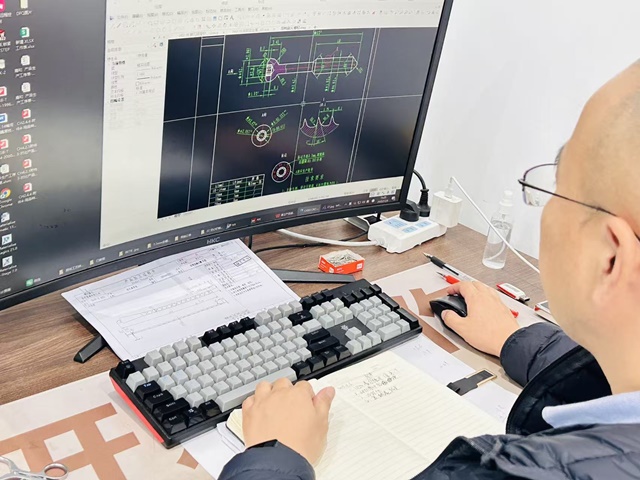
Our 85 R&D engineers translate clinical concepts into functional surgical products. Using CAD/CAM modeling, finite element analysis (FEA), and mechanical testing, we evaluate the durability and safety limits of our designs.
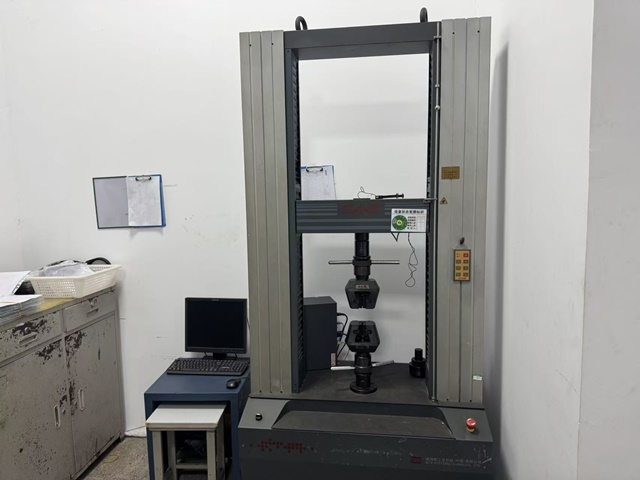
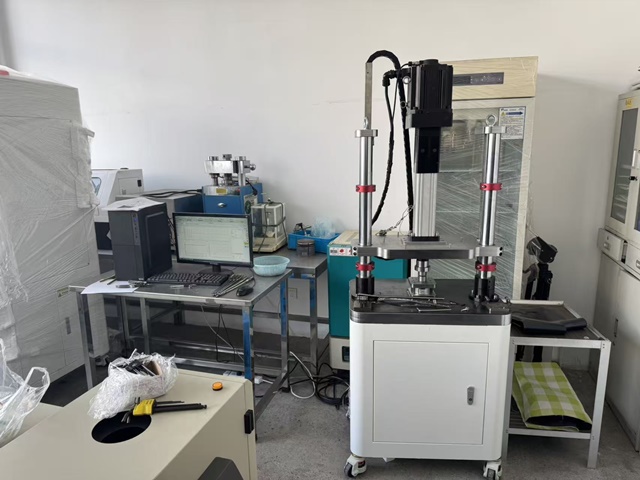
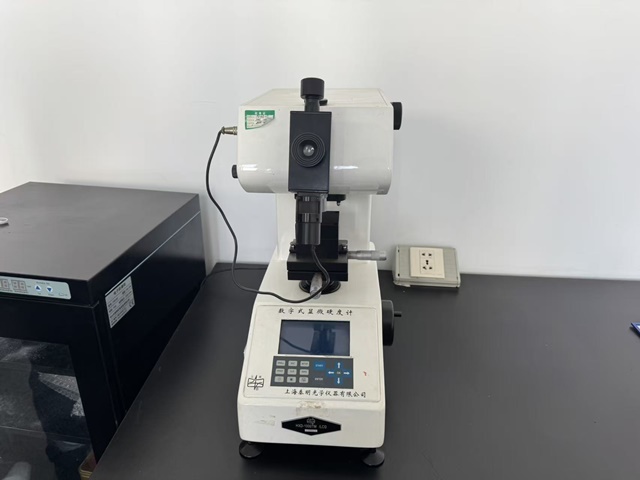
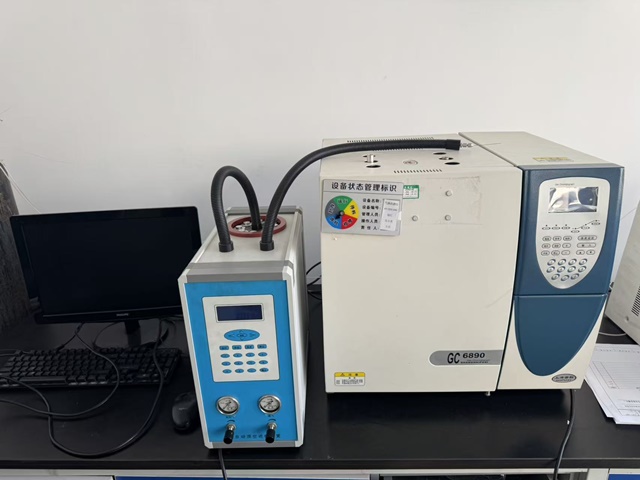
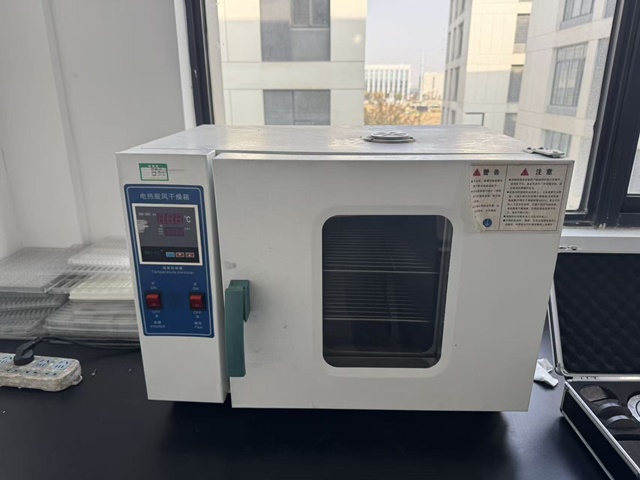
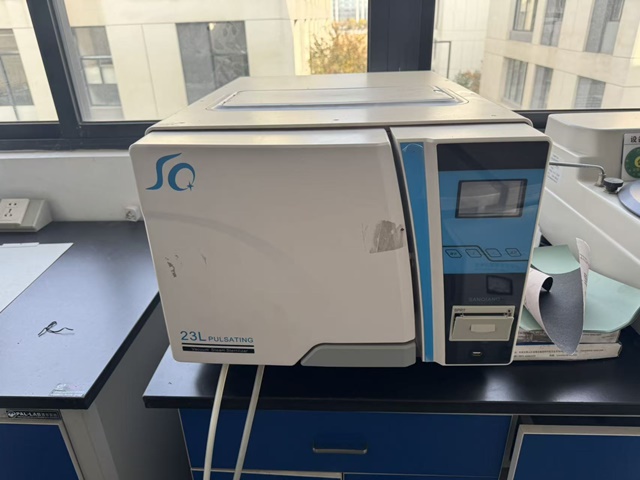
In the medical device supply chain, cost-efficiency must align with high quality. Osteora utilizes China's advanced manufacturing infrastructure to offer several key advantages:
Navigating global healthcare regulations requires strict quality management and comprehensive documentation. Osteora maintains compliance at every level of our operations:
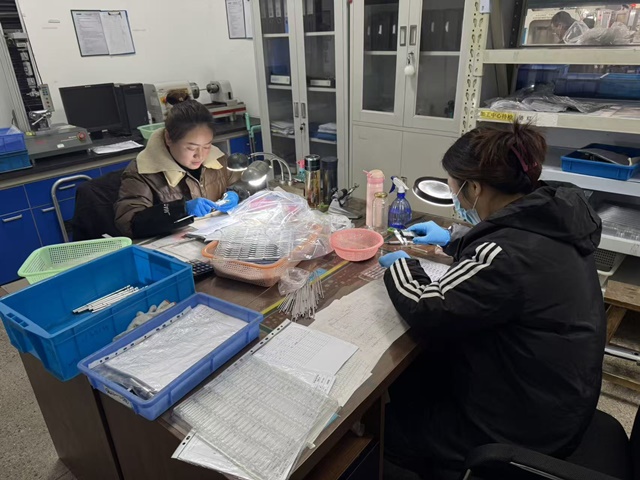
Our quality control program includes:
As orthopaedic surgeries become more personalized and minimally invasive, Osteora is evolving our manufacturing capabilities to meet these changing clinical needs:
Integrating 3D metal printing (Direct Metal Laser Sintering) to create porous titanium structures that mimic human trabecular bone, encouraging faster osseointegration in joint and spinal implants.
Developing structural carbon-fiber reinforced PEEK surgical tools that offer radiolucency, allowing surgeons to verify implant alignment under fluoroscopy without metal interference.
Collaborating with research partners to embed micro-sensors in trial components and screwdrivers, providing real-time feedback on contact pressure and torque during clinical procedures.
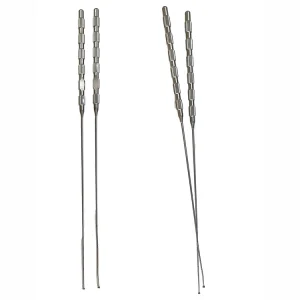
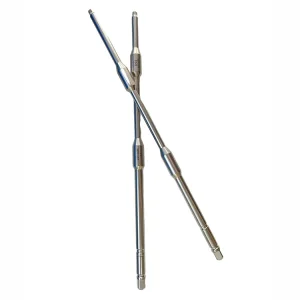
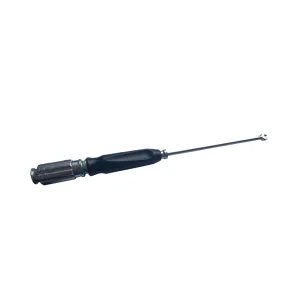
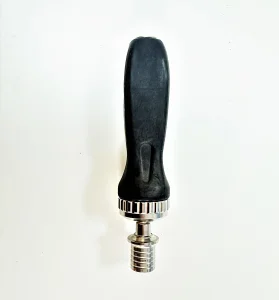
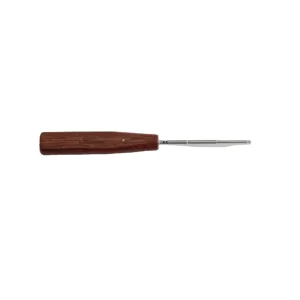
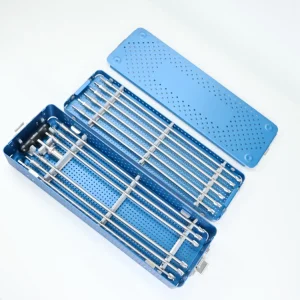
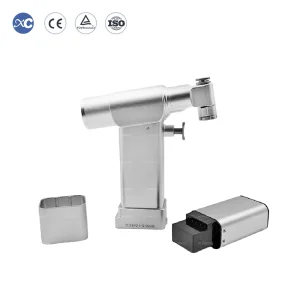
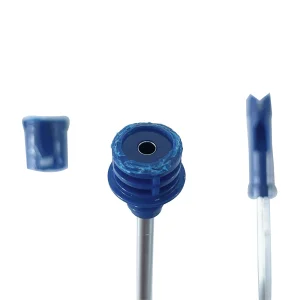
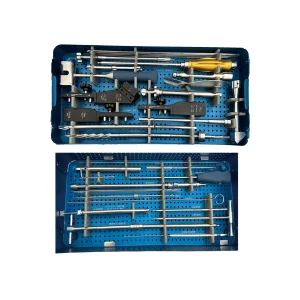
Below is our second selection of orthopedic accessories. This range includes trauma implants, joint replacements, and specialized instrumentation designed to support a wide variety of clinical procedures.