 Osteora
Osteora
Osteora
Engineered to meet stringent orthopedic surgical specifications with proven mechanical properties for femoral, tibial, and humeral fixation.
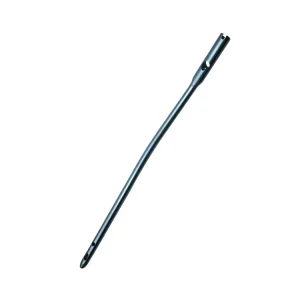
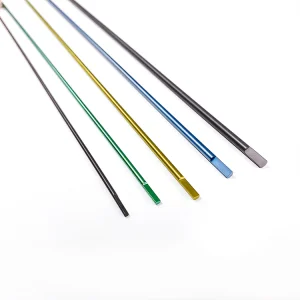
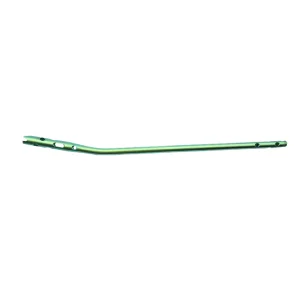
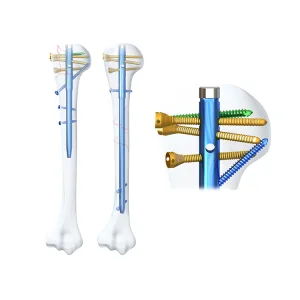
South Africa represents a unique and highly demanding healthcare environment. The country experiences a disproportionately high incidence of musculoskeletal trauma resulting from high-speed motor vehicle accidents, mine industrial injuries, and interpersonal violence. Consequently, public healthcare complexes like Chris Hani Baragwanath Academic Hospital and Steve Biko Academic Hospital, alongside private networks such as Netcare, Mediclinic, and Life Healthcare, process a massive volume of orthopedic cases weekly.
For orthopedic departments, finding reliable suppliers of intramedullary interlocking nails is a critical operational priority. Implants must deliver uncompromising mechanical integrity, anatomical contouring compatibility, and precise instrumentation sets. Our Class III titanium alloy intramedullary systems are designed to withstand high loading forces, minimize post-operative infection risks, and accelerate anatomical fusion.
Medical device procurement officers and distributors in South Africa face unique operational challenges:
How Osteora Medical Devices Co., Ltd. Bridges Advanced Material Science and Global Clinical Demand.
Osteora Medical Devices Co., Ltd. is a professional orthopedic implant and surgical solution manufacturer specializing in trauma, spine, and joint reconstruction systems under the brand Osteora.
Founded in 2016, the company has developed a strong reputation in the global orthopedic industry through continuous innovation and strict quality control standards. The facility covers an area of approximately 18,500㎡, supporting integrated production, assembly, and testing operations.
With 8 years of export experience and 12 years of industry expertise, Osteora has established stable cooperation with international distributors and hospitals across multiple regions. Annual export revenue ranges from USD 6 million to 14 million, reflecting steady global market growth.
The company implements comprehensive quality assurance systems, including ISO 13485 compliance, in-process inspection, and final random sampling testing. Product inspection methods include dimensional measurement, mechanical fatigue testing, and biocompatibility validation. The quality control team consists of 42 specialized inspectors ensuring strict adherence to international medical device standards.
Osteora has a strong trade background in global medical device export and maintains long-term partnerships with distributors in Europe, Southeast Asia, the Middle East, and South America, which are also its primary markets.
The company's supply chain includes approximately 1,200 certified upstream and downstream partners, supporting stable production capacity and reliable delivery performance. Its main customer base consists of hospitals, orthopedic clinics, surgical centers, and medical distributors.
From raw biocompatible titanium to final sterile packaging, we control every micron of the manufacturing process.
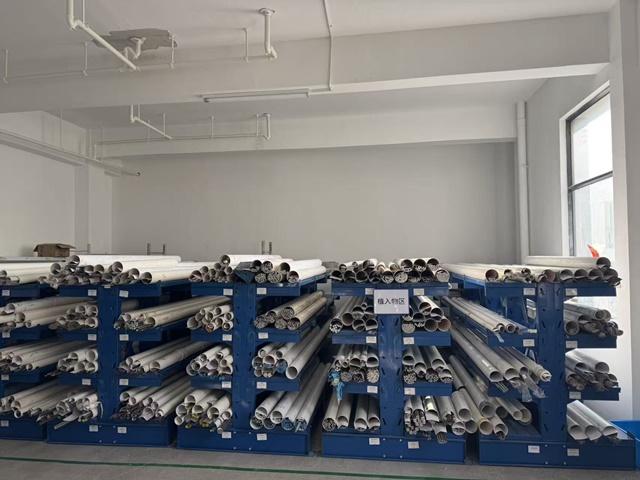
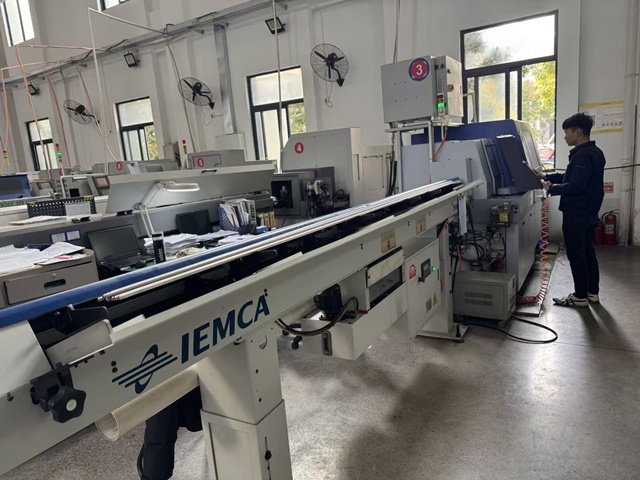
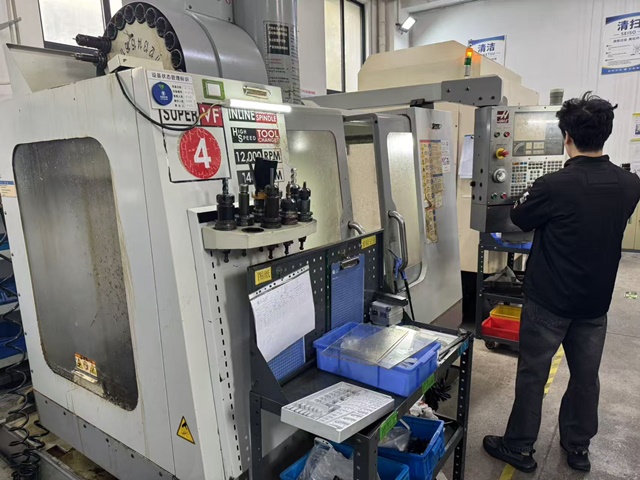
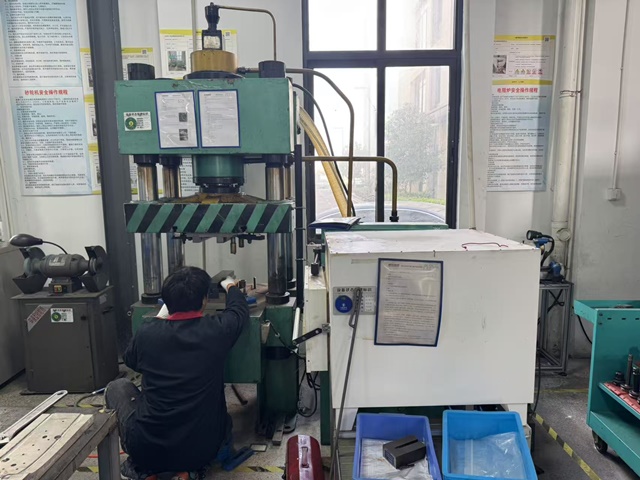
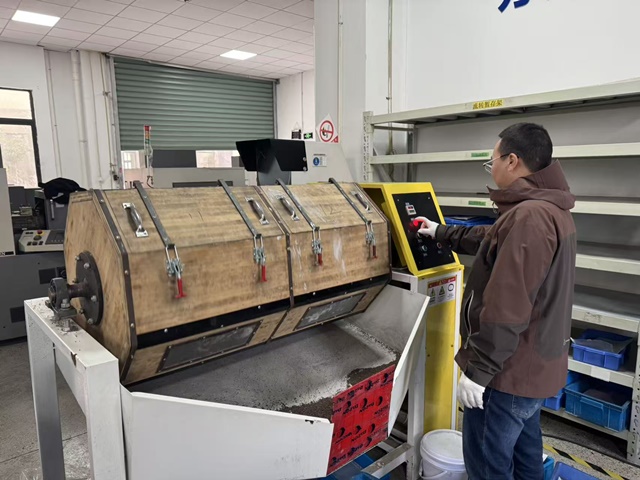
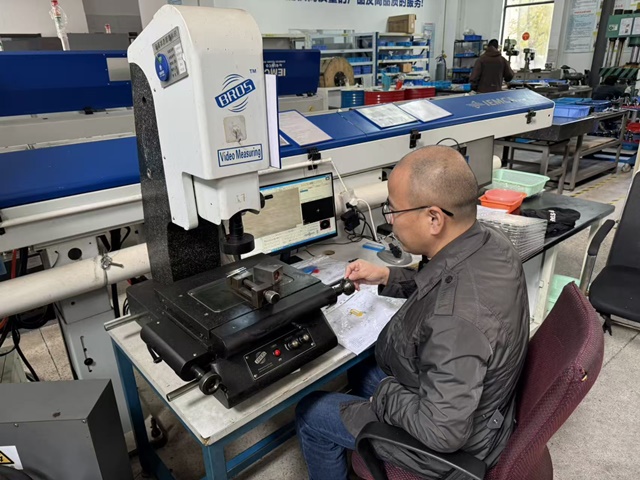
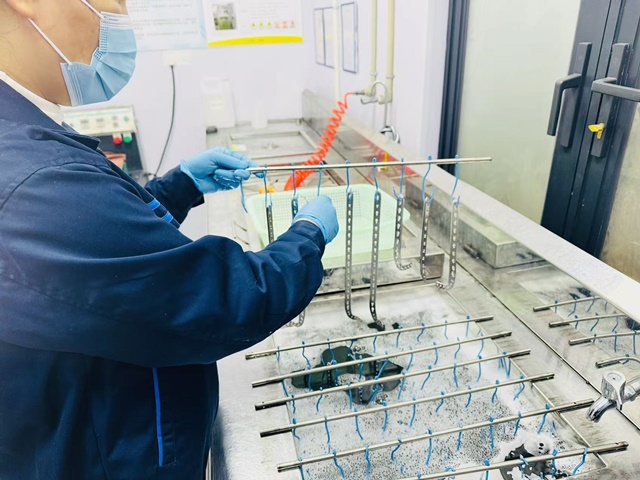
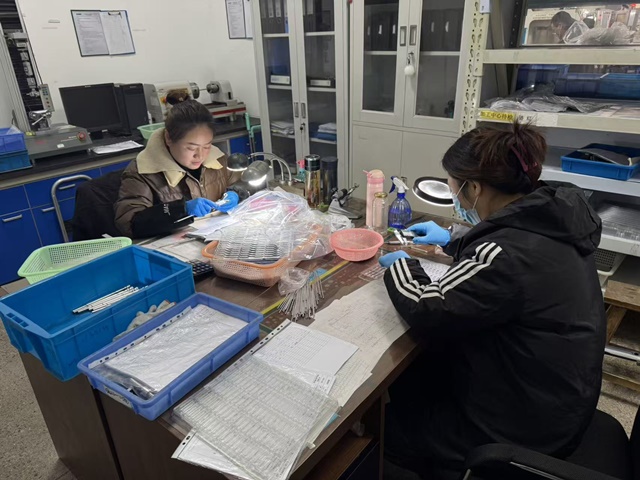
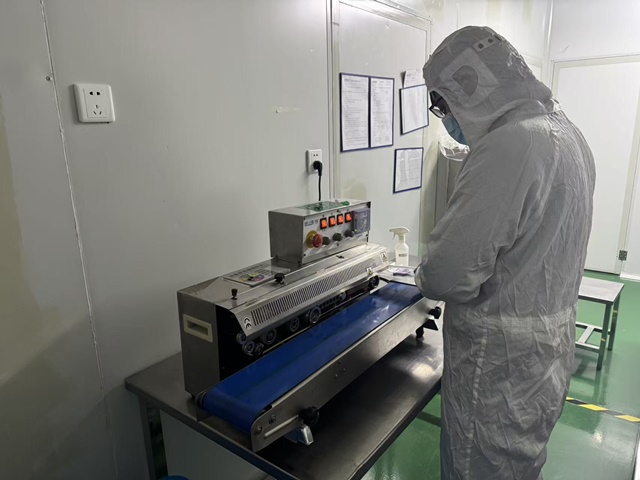
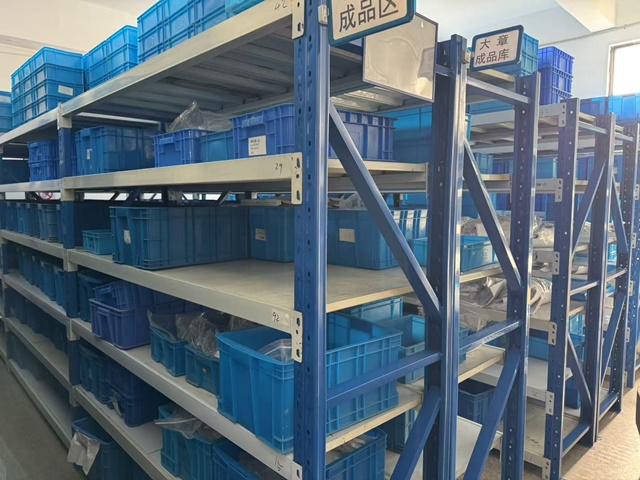
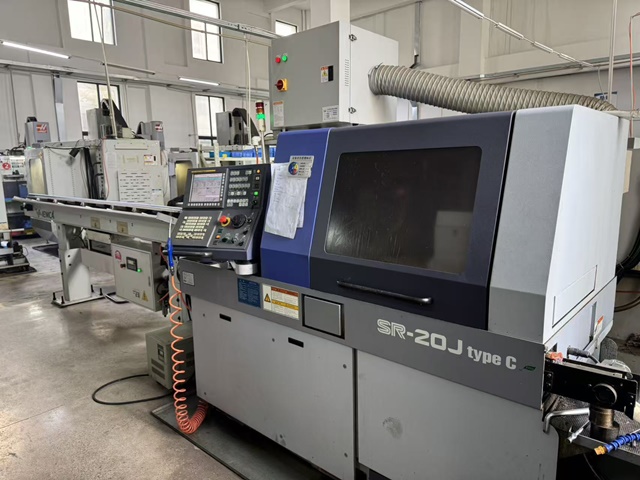
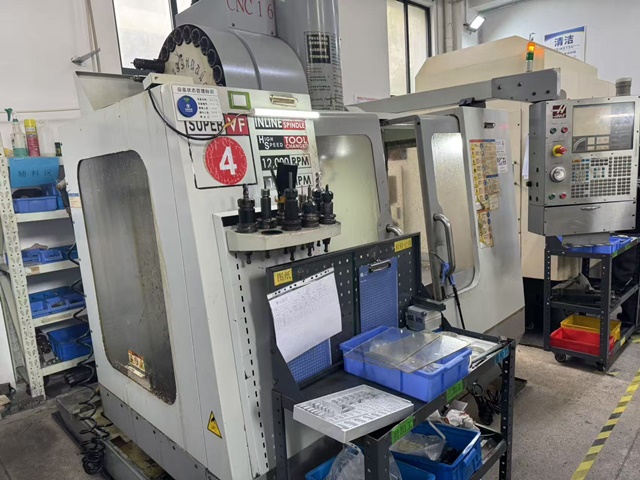
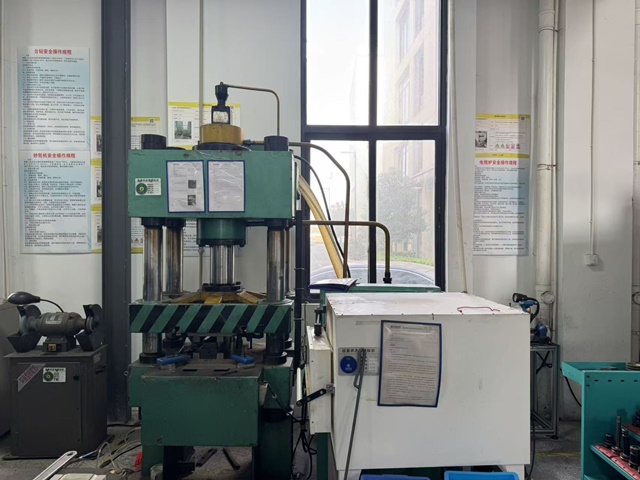
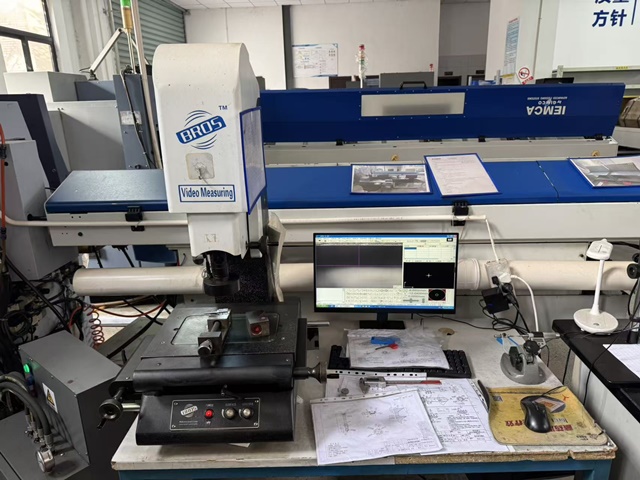
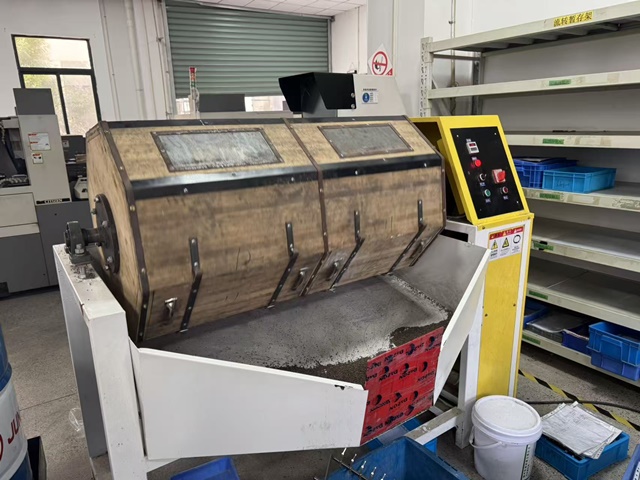
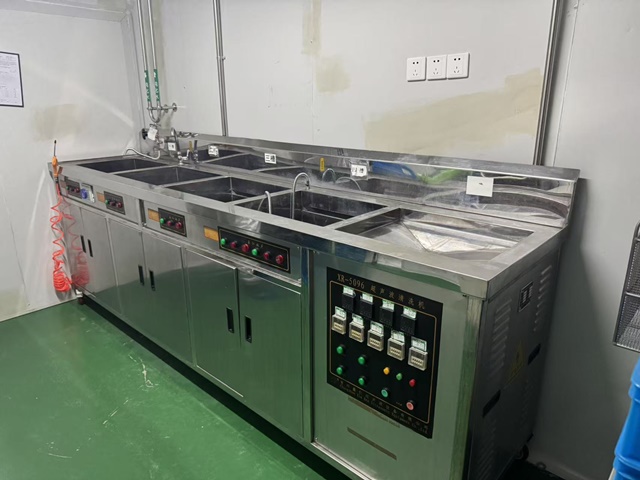
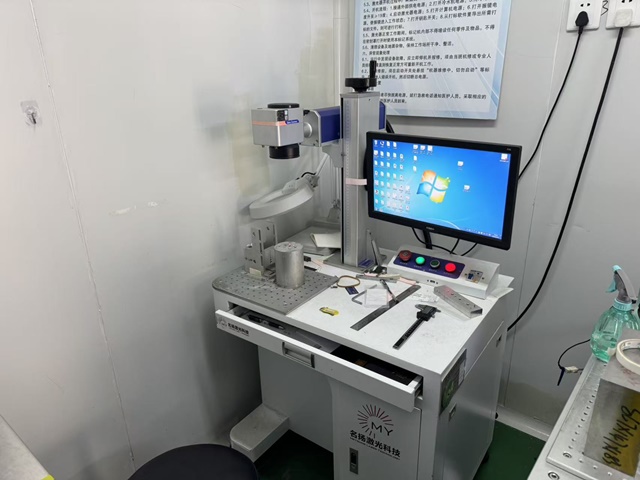
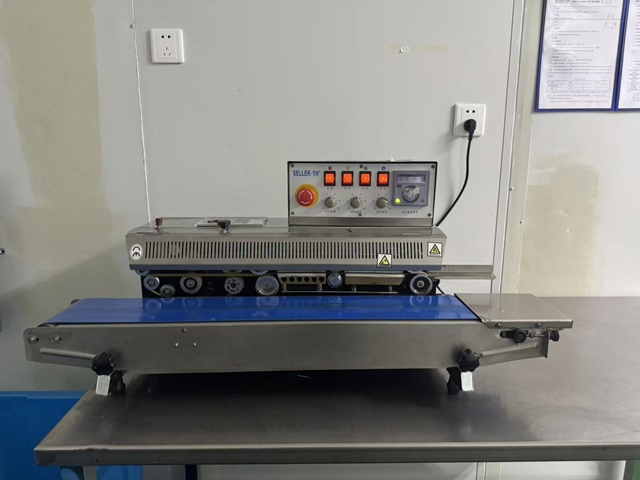
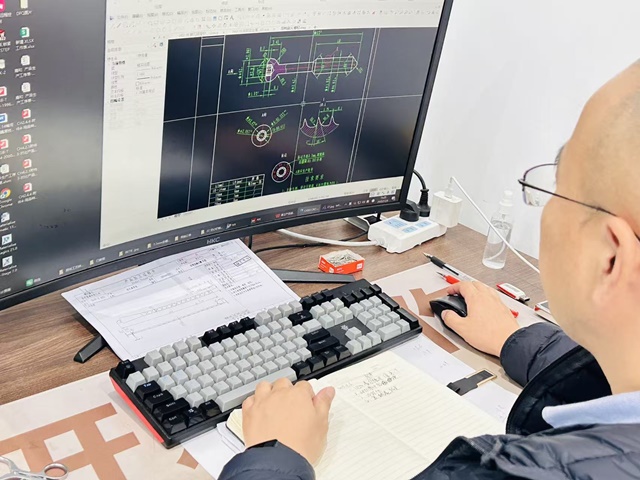
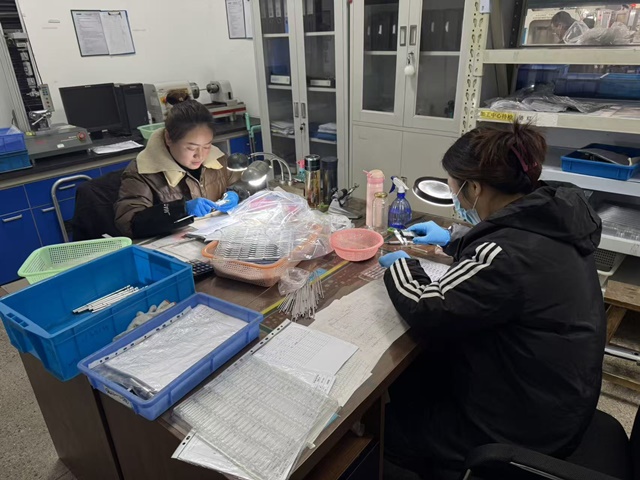
Every production batch undergoes exhaustive mechanical evaluation in our dedicated quality center.
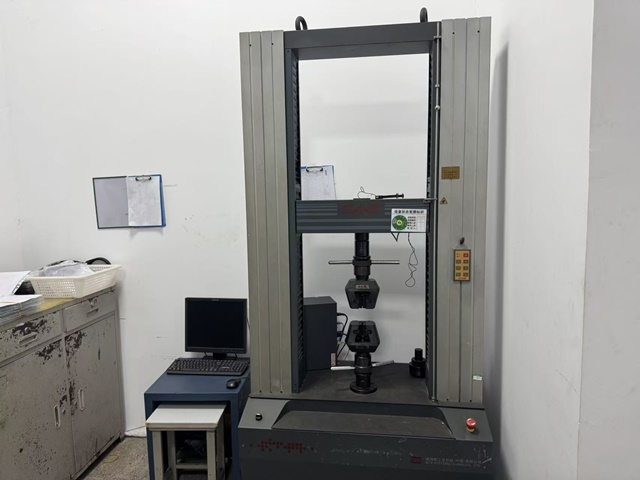
Simulates dynamic load distributions, evaluating torsional stability and yield strengths of our interlocking intramedullary nails.
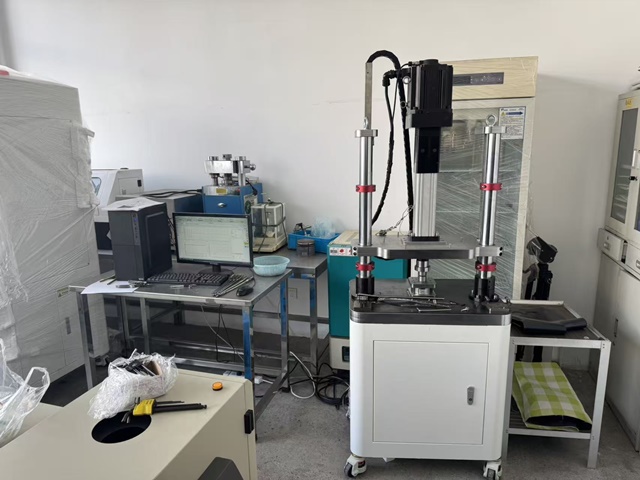
Evaluates structural limits of proximal/distal interlocking apertures under localized stress to prevent implant failure.
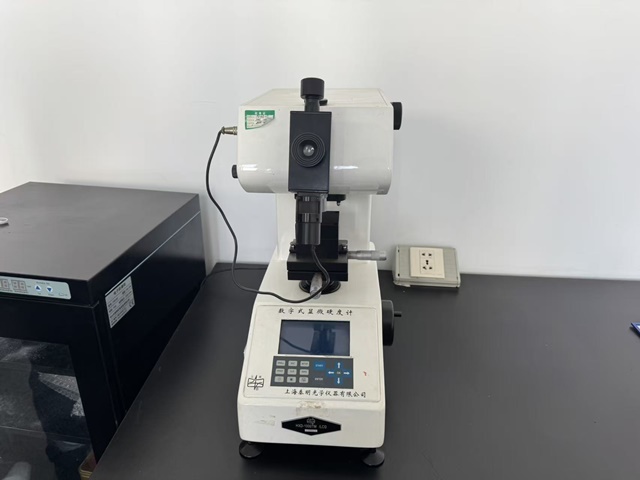
Maintains surface micro-hardness standards, reducing frictional friction debris during nail insertion phases.
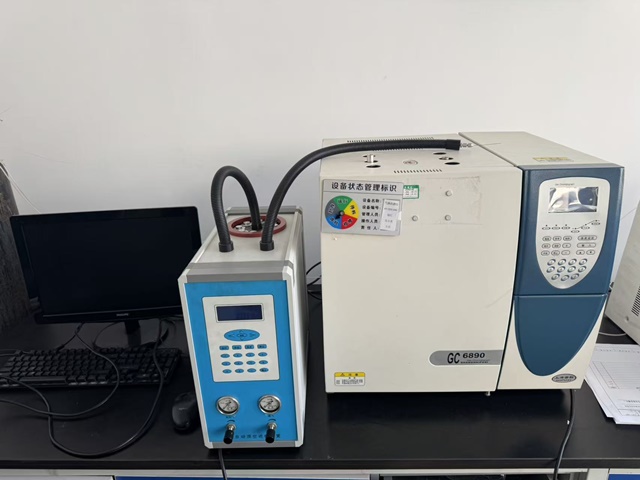
Verifies elemental configuration, confirming raw titanium alloys align with global medical-grade specifications.
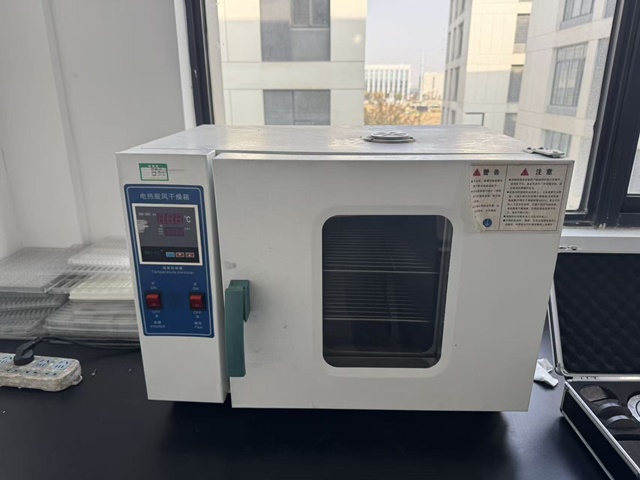
Controlled thermal processing ensures consistent packaging integrity and minimizes post-sterilization contaminants.
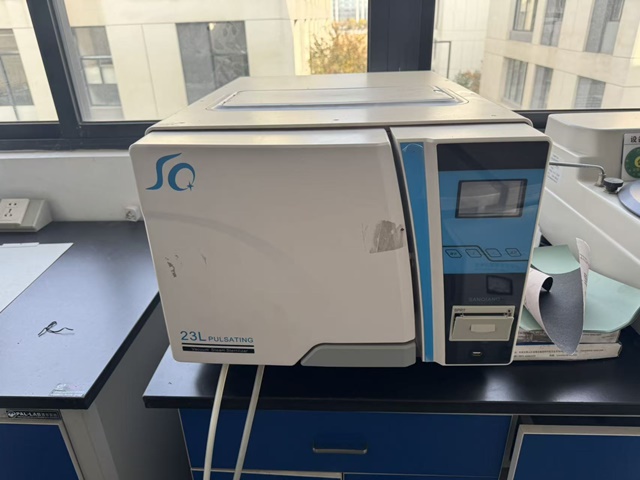
Verifies the seal and sterile barrier configuration of final product packaging, protecting patient health.
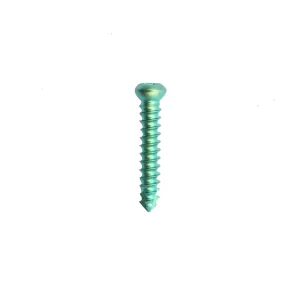
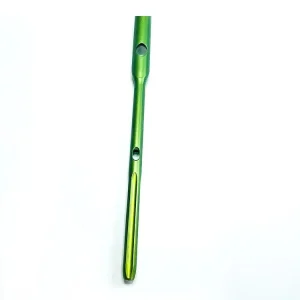
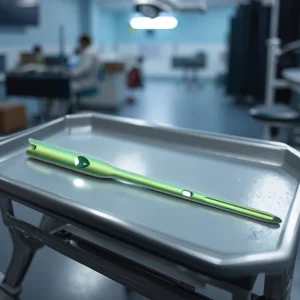
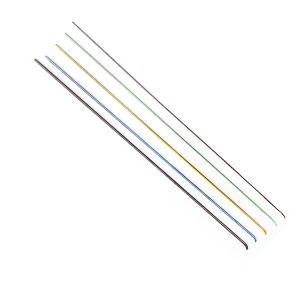
A complete surgical selection covering anatomical systems for proximal/distal fractures.
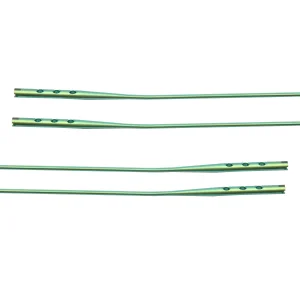
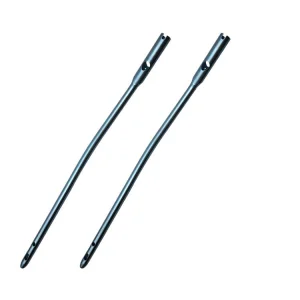
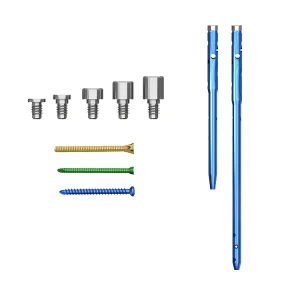
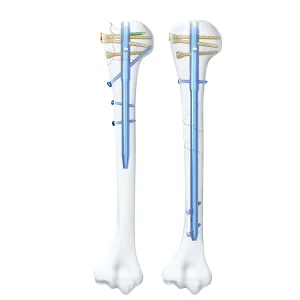
Why technical performance of materials dictates clinical outcomes in high-stress trauma cases.
Early weight-bearing and patient mobilization are key metrics in South African surgical wards, helping reduce hospital bed occupancy. An intramedullary nail must possess an optimal mechanical balance, allowing controlled micro-movement to stimulate callus formation while preventing implant fatigue failure.
Our titanium nails utilize high-grade Ti-6Al-4V ELI (Extra Low Interstitial) alloys. This material features a lower elasticity modulus closer to cortical bone compared to traditional stainless steel, significantly decreasing stress shielding risks and helping to prevent late-stage refractures.
Post-traumatic osteomyelitis presents a major challenge in orthopedic trauma cases. Minimizing microbial adhesion onto the implant surface is crucial. Our finishing process incorporates precision electrochemical anodization, creating a dense, protective titanium oxide barrier.
This biological passivation reduces corrosion rate, restricts the release of metal ions into surrounding tissue, and features a smooth, hydrophobic surface profile that helps inhibit biofilm attachment.
Expert technical answers regarding regulatory approvals, raw materials, manufacturing tolerances, and procurement logistics.
Our manufacturing processes are certified under ISO 13485:2016. We assist our South African import and distribution partners with complete technical documentation, including raw material certificates, mechanical fatigue test reports, clean-room parameters, and sterile validation files, to facilitate the SAHPRA medical device registration process.
We manufacture our intramedullary nail systems using medical-grade Titanium Alloy (Ti-6Al-4V ELI) conforming to ASTM F136 and ISO 5832-3 standards. For specific regional tenders, we also offer high-grade medical Stainless Steel (316LVM) complying with ASTM F138 / ISO 5832-1 specifications.
Our facility utilizes high-precision HAAS CNC centers and Swiss-type multi-axis automatic lathe systems. We maintain machining dimensional tolerances within ±0.01mm. Accuracy is verified using non-contact optical vision coordinate measuring systems and advanced physical gauges by our 42 QC inspectors.
Standard sizes are often kept in inventory. For bulk orders or specific OEM configurations, typical manufacturing timelines are 30 to 45 days. We coordinate with air cargo providers to ensure delivery to O.R. Tambo International Airport in Johannesburg, Durban, or Cape Town within 7 to 10 shipping days after production.
Yes, with a team of 85 R&D engineers, Osteora offers full OEM and ODM services. We can customize locking screw orientations, modify proximal nail angles to accommodate specific demographic patterns, and laser-etch custom branding, part numbers, and unique device identification (UDI) directly onto implants.
Whether managing public hospital tenders, developing private orthopedic supply channels, or requiring high-volume manufacturing capabilities for trauma implants, Osteora provides certified quality and reliable supply chains.
Request Factory Pricing & Samples