 Osteora
Osteora
Osteora
Premium implant sets clinically calibrated for high-energy long bone fracture fixations, designed to support rapid weight-bearing mobilization.
A global leader in standardizing trauma and reconstructive implants to international benchmarks.
Ethiopia, home to over 120 million people, is undergoing rapid infrastructural expansion and urbanization. While this growth propels economic development, it has led to a surge in road traffic injuries (RTIs) along key transit corridors like the Addis Ababa-Adama Expressway and regional arteries linking Hawassa, Bahir Dar, and Mekelle. Consequently, complex long-bone fractures—particularly of the femur, tibia, and humerus—represent a significant proportion of emergency admissions at tertiary referral centers like Tikur Anbessa Specialized Hospital (Black Lion Hospital) and Alert Hospital.
Historically, orthopedic wards in East Africa relied heavily on external fixation and traction. However, contemporary clinical pathways mandate the use of internally locked intramedullary nails (IMNs) due to their load-sharing biomechanical properties and potential for early mobilization, which dramatically lowers the rate of deep vein thrombosis (DVT) and secondary complications. Local health ministries and private healthcare groups are prioritizing the sourcing of ISO-certified, biocompatible titanium and stainless steel orthopedic implants to scale up surgical safety and patient throughput across regional clinical hubs.
Procuring medical implants in Ethiopia involves navigating distinct regulatory and economic conditions. The Ethiopian Food and Drug Authority (EFDA) enforces strict guidelines on Class III medical devices, demanding comprehensive validation dossiers, biocompatibility data (ISO 10993), and proof of international certifications like CE and ISO 13485.
Furthermore, foreign exchange constraints can lead to procurement delays, creating supply shortfalls in public hospitals. To optimize stock levels, medical distributors and purchasing managers are looking to build direct partnerships with manufacturers who offer:
The biomechanical stability of an intramedullary nail is defined by its ability to neutralize bending, torsional, and axial forces. Traditional locking systems sometimes suffered from stress shielding or locking screw failures in osteoporotic patients. Our design iterations utilize advanced geometries to address these clinical concerns:
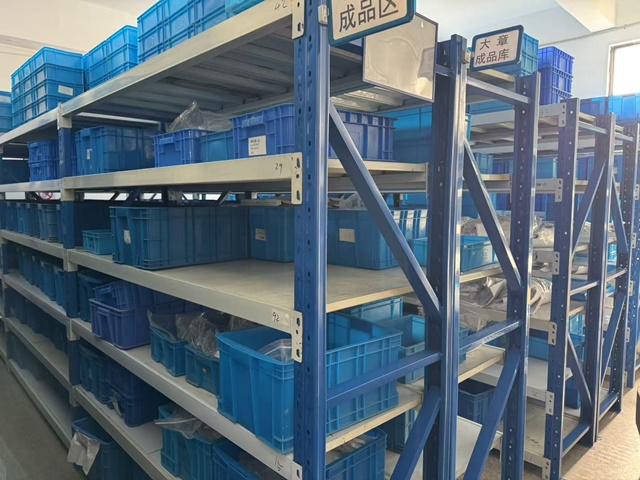
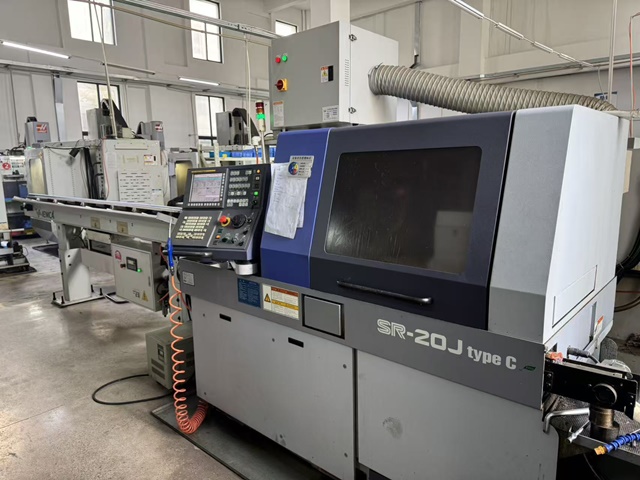
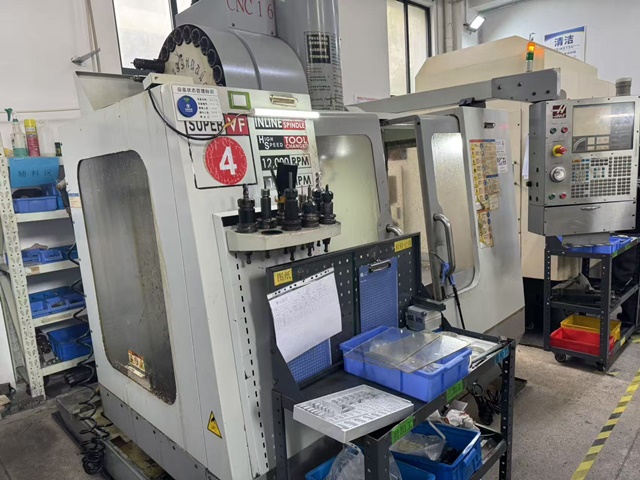
At Osteora Medical Devices Co., Ltd., our production paradigm represents the frontier of Factory 4.0. We integrate automated precision with high-capacity equipment to maintain an unyielding supply chain. By managing over 1,200 upstream and downstream partners, we eliminate resource bottlenecks, securing raw materials at stable costs.
For our partners in Ethiopia, this means minimized lead times, accurate tracking, and consistent quality across bulk shipments. Our processes are standardized to meet ISO 13485 regulations, providing peace of mind to healthcare providers who demand reliability.
A reference guide for clinical purchasing departments and orthopedic trauma surgeons.
| Implant Category | Clinical Indication | Primary Local Deployment Locations | Key Material & Specs |
|---|---|---|---|
| Proximal Femoral Antirotation Nail (PFNA) | Subtrochanteric & Pertrochanteric Femoral Fractures | Addis Ababa, Hawassa, Adama Emergency Centers | Grade 5 ELI Titanium, Helical Locking Blade |
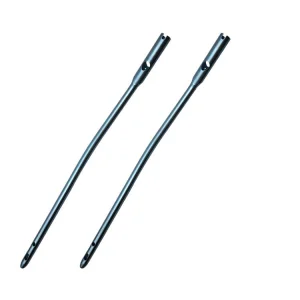
| Interlocking Tibia Nails | Diaphyseal Tibial Fractures, Open Fractures (Type I/II) | Tikur Anbessa, Alert, Bahir Dar Specialized Hospitals | Dynamic and Static locking configurations |
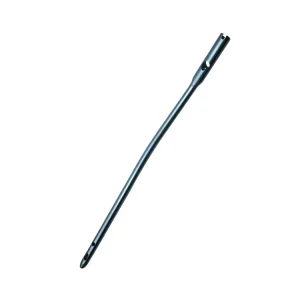
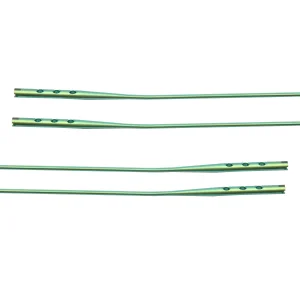
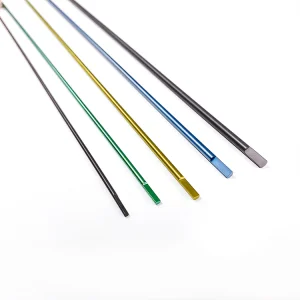
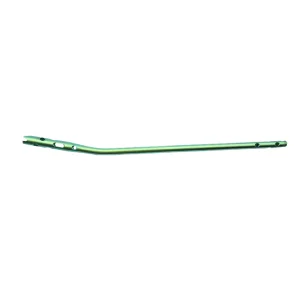
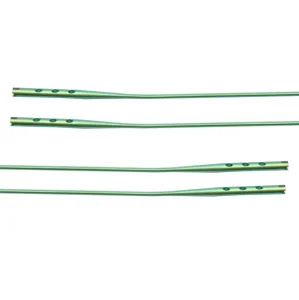
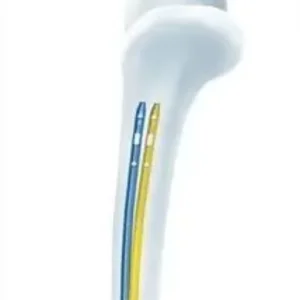
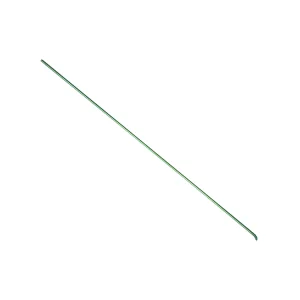
| Ulna & Radius Elastic Nails | Pediatric long bone fracture stabilization | Regional Pediatric Orthopedic Clinics | High-elasticity Titanium, multiple diameters |
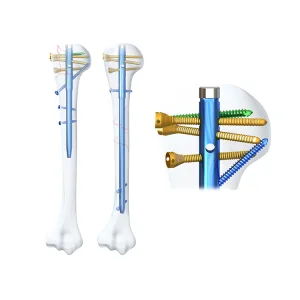
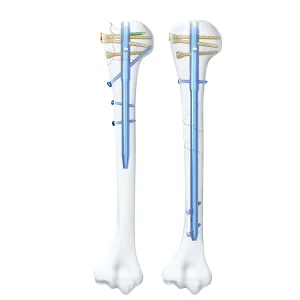
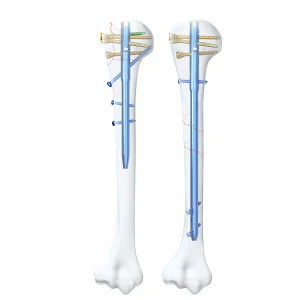
| Multi-Lock Humeral Nails | Proximal and shaft fractures of the humerus | Surgical centers dealing with sports/industrial trauma | Cannulated design, multi-planar locking options |
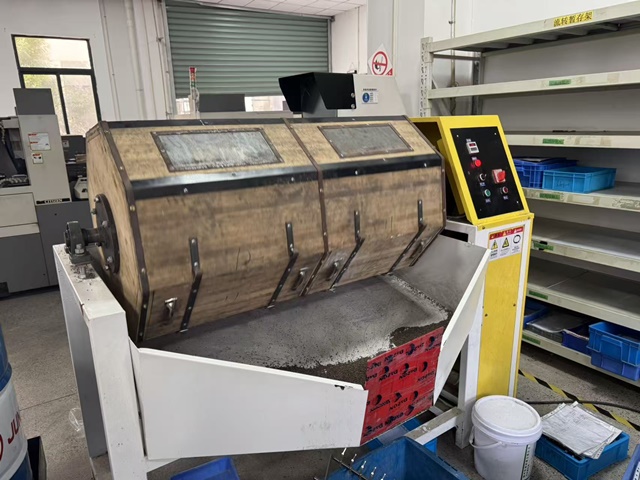
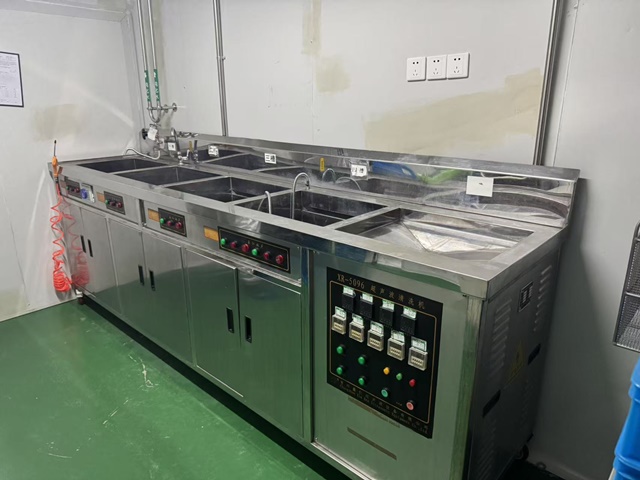
Witness how high-precision engineering and Swiss-type milling technology shape each implant under the strict supervision of 42 specialized inspectors.
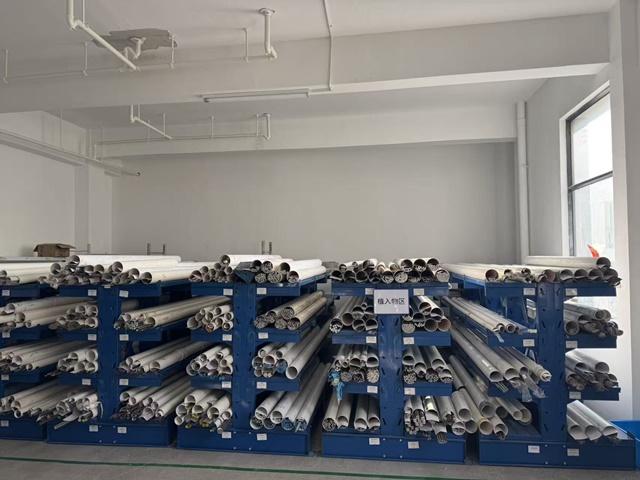
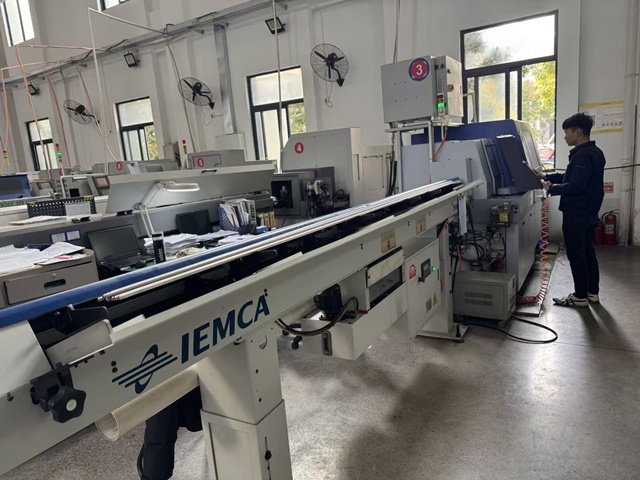
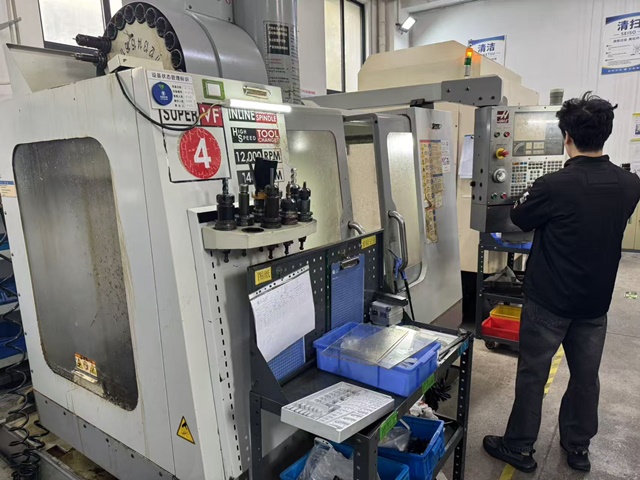
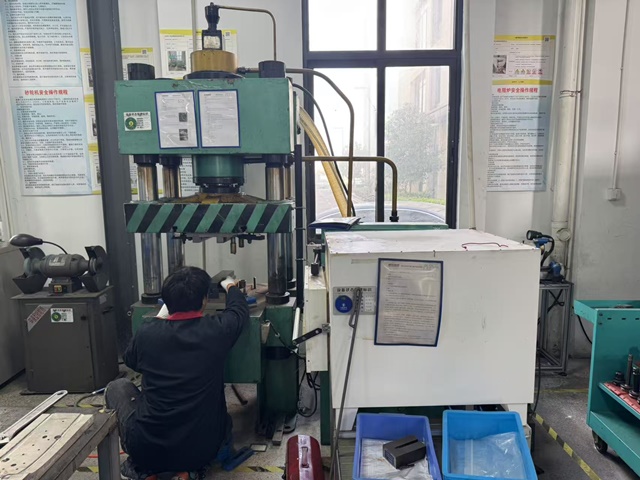
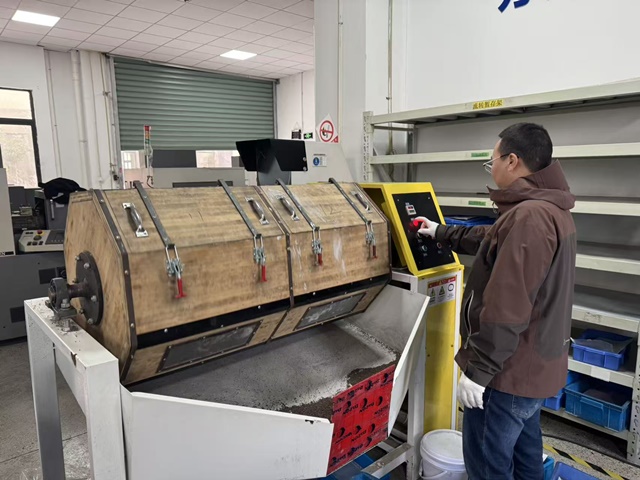
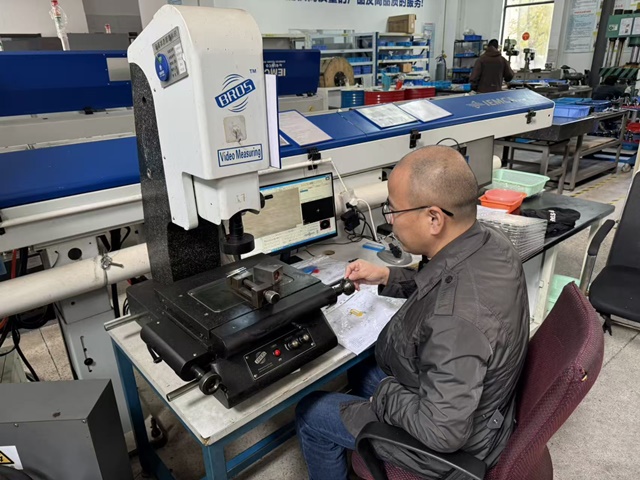
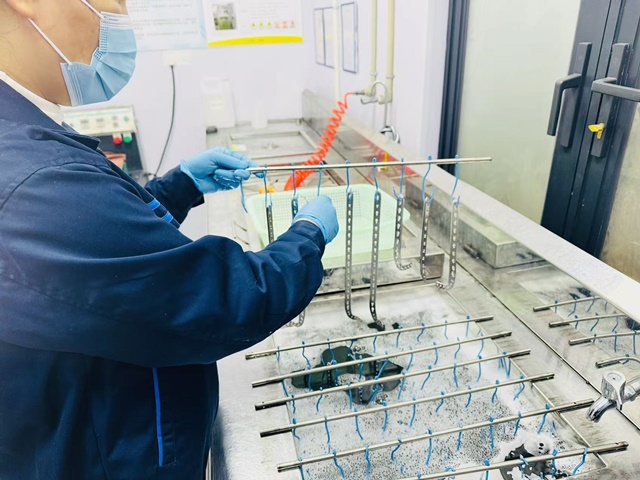
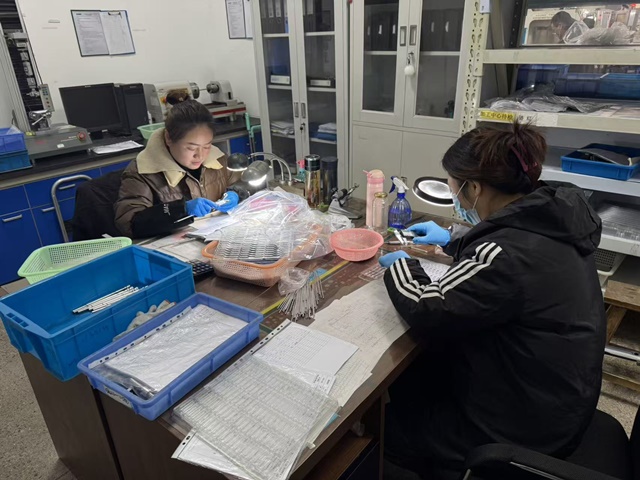
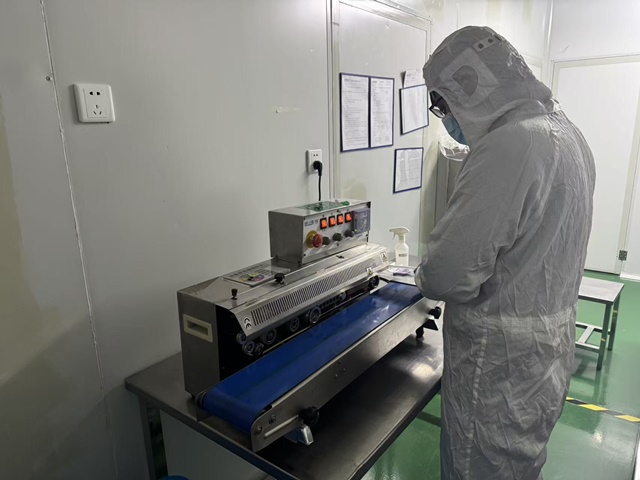
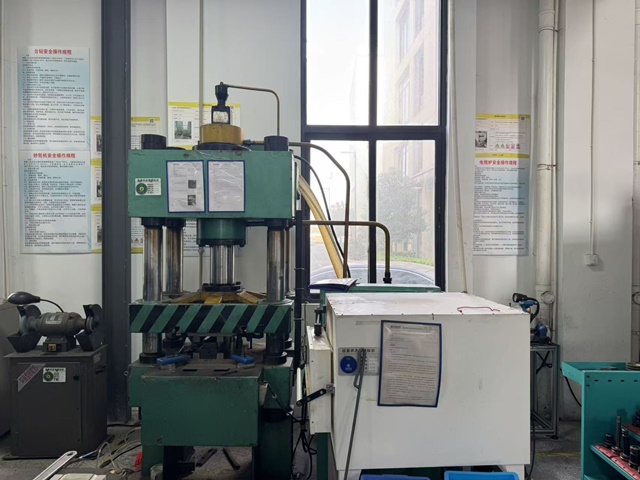
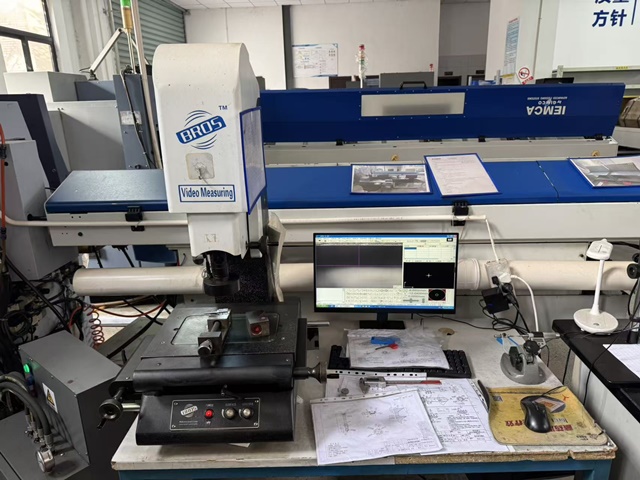
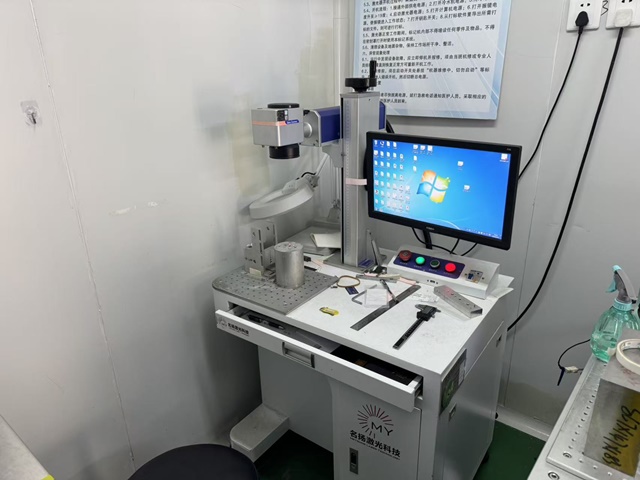
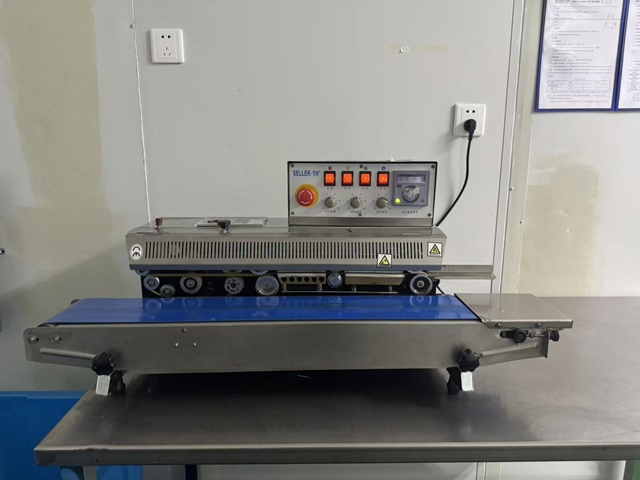
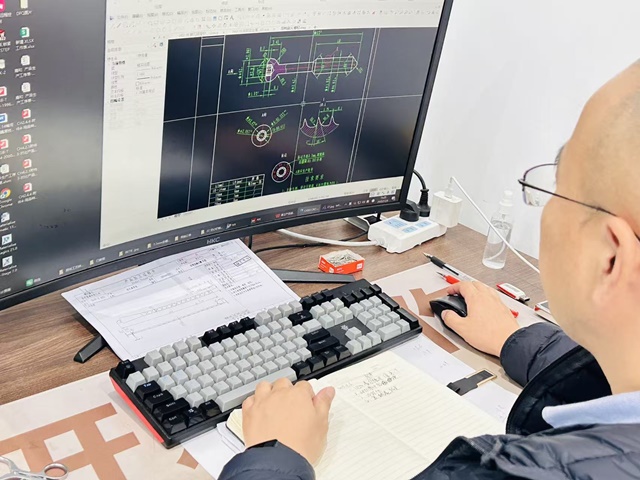
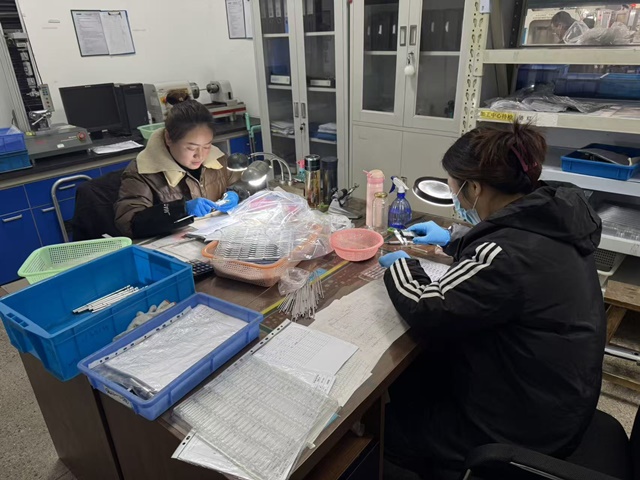
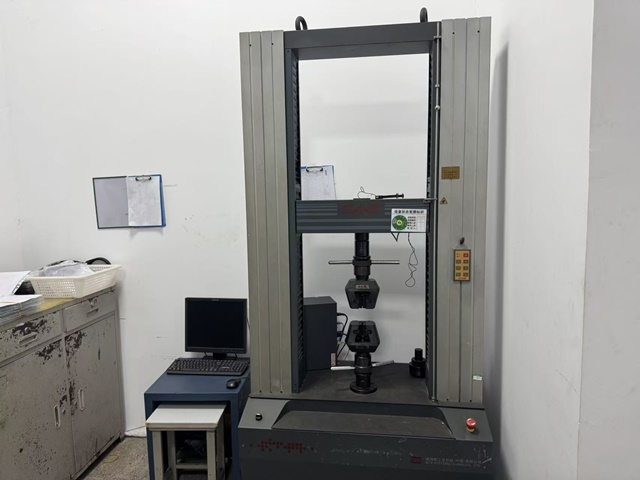
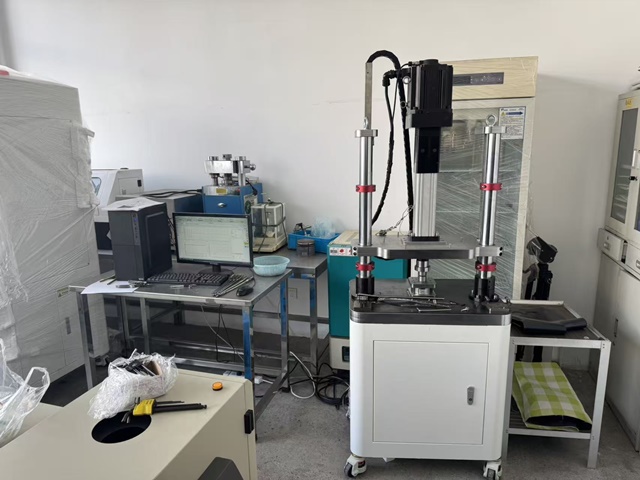
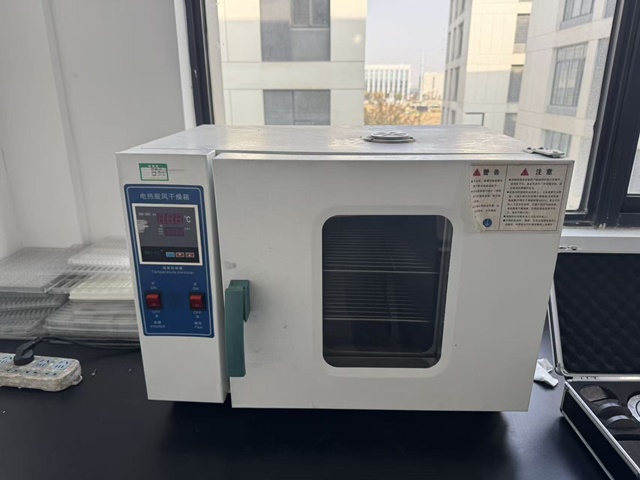
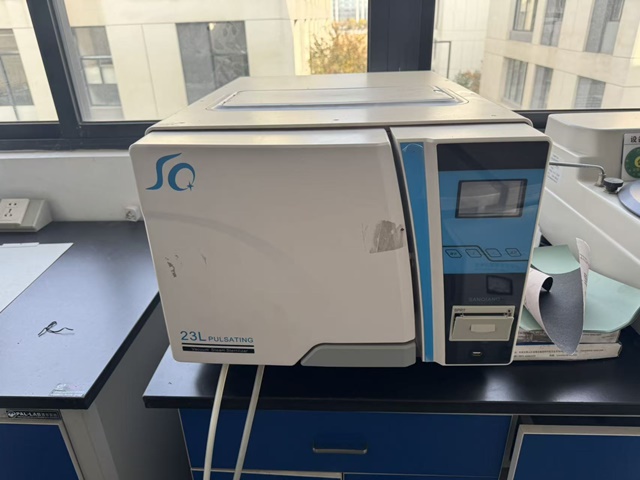
Every batch of Osteora intramedullary implants undergoes a multi-phase testing regimen within our ISO 13485 framework. The biomechanical stability of our interlocking systems is validated on the Multifunctional Mechanical Testing Machine, verifying tensile strength, axial fatigue limit, and structural shear resilience. We simulate up to 5 million gait cycles to confirm that the implant resists plastic deformation under peak physiological loads.
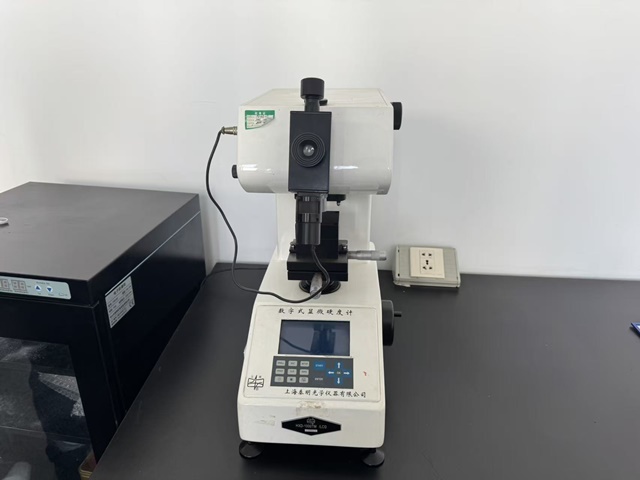
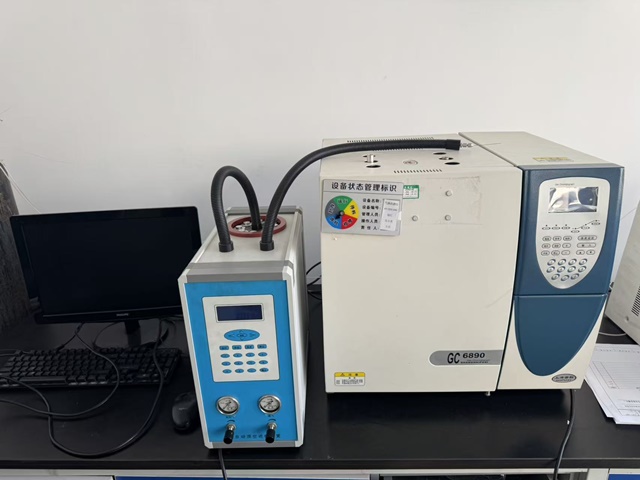
We deploy Vickers Hardness Testers to analyze raw titanium bar structures, alongside Gas Spectrometers to confirm chemical purity and composition limits. These quality procedures protect against intramedullary structural failure, reducing the risk of revision surgeries in trauma centers across Addis Ababa and beyond.
We recognize that clinical needs differ across regional health institutions. Through our engineering office, staffed by 85 dedicated R&D engineers, we deliver comprehensive OEM/ODM custom services:
A comprehensive inventory of CE-certified implants covering pediatric, humeral, tibial, and femoral reconstruction requirements.
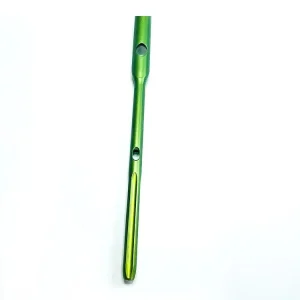
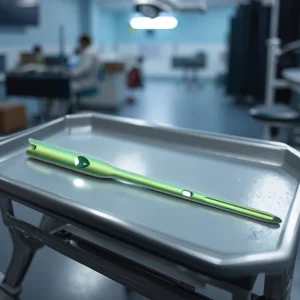
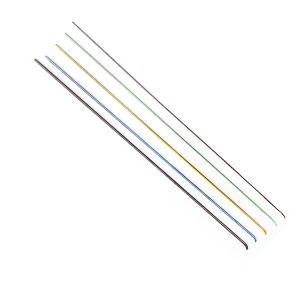
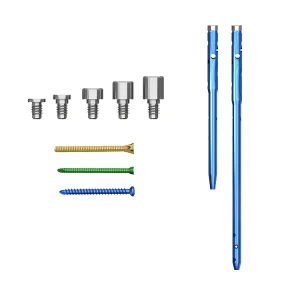
Analyzing the performance of Osteora implants across real-world clinical environments in East Africa.
At Tikur Anbessa Hospital (Addis Ababa), orthopedic surgeons frequently manage open and comminuted tibial shaft fractures resulting from pedestrian and motor vehicle accidents. The titanium interlocking tibia nails are designed to stabilize these unstable fragments while limiting soft tissue dissection. The dynamic locking option allows for controlled collapse and micro-motion at the fracture site, promoting faster bony union. Clinicians can choose dynamic locking configurations to match patient weight and activity level, helping reduce the time to full weight-bearing.
At St. Paul's Hospital Millennium Medical College, geriatric hip fractures represent a growing challenge. The PFNA (Proximal Femoral Nail Antirotation) system provides a reliable option for pertrochanteric fractures in osteoporotic bone. The helical blade compacts the cancellous bone structure, achieving a secure fit that resists cut-out. This design helps surgeons achieve stable fixation, allowing elderly patients to mobilize earlier and minimizing complications related to prolonged bed rest.
Clear, direct answers for procurement teams, clinical directors, and orthopedic importers in Ethiopia.
Partner with an ISO 13485 certified manufacturer offering Swiss precision, mechanical validation, and consistent supply reliability.
Send Inquiry Now