Osteora
Osteora
Osteora
Advanced trauma fixation implants engineered for Bulgarian orthopedic hospitals and trauma networks.
Adapting high-precision trauma hardware to Bulgaria's healthcare architecture and EU regulatory transitions.
Bulgaria's healthcare infrastructure is undergoing a significant transition. With an aging demographic profile—one of the fastest-aging populations in the European Union—the incidence of osteoporotic fractures, particularly proximal femoral fractures, has surged. Orthopedic wards in clinical centers like the Military Medical Academy (Sofia), University Hospital "St. George" (Plovdiv), and UMHAT "St. Marina" (Varna) require continuous, dependable access to Class III trauma implants. Intramedullary nailing remains the gold standard for diaphyseal fractures of long bones due to its minimally invasive nature and accelerated postoperative rehabilitation.
However, Bulgarian distributors and purchasing departments face a challenging procurement balancing act. The National Health Insurance Fund (NHIF) enforces strict cost-control measures, limiting the reimbursement limits for medical consumables. This dynamic creates a direct demand for high-tier medical device manufacturers capable of delivering implants that meet CE and EU Medical Device Regulation (MDR 2017/745) requirements without the prohibitive markups associated with major Western European brands.
Under the EU MDR framework, the compliance documentation for clinical implants is rigorous. Our manufacturing lines prioritize biocompatibility validation and fatigue-resistance tracing. We utilize medical-grade titanium alloy (Ti-6Al-4V ELI) conformant to ASTM F136 specifications, assuring high tensile strength and minimal artifact interference during postoperative MRI/CT scans. For Bulgarian distributors, importing directly from a verified Chinese exporter like Osteora secures an uninterrupted supply chain that accommodates customized instrumentation sets and localized clinical preferences.
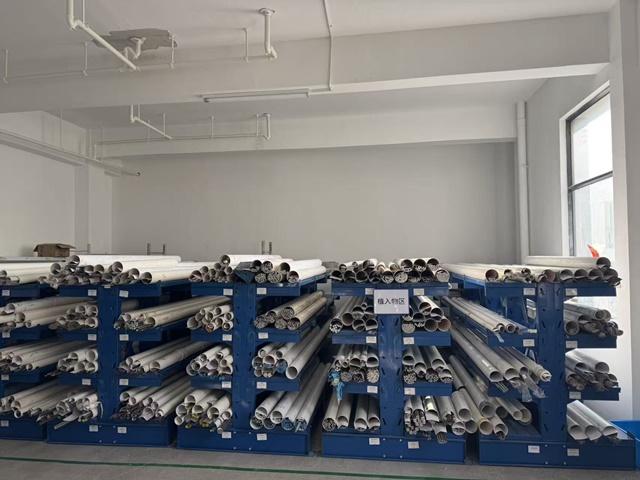
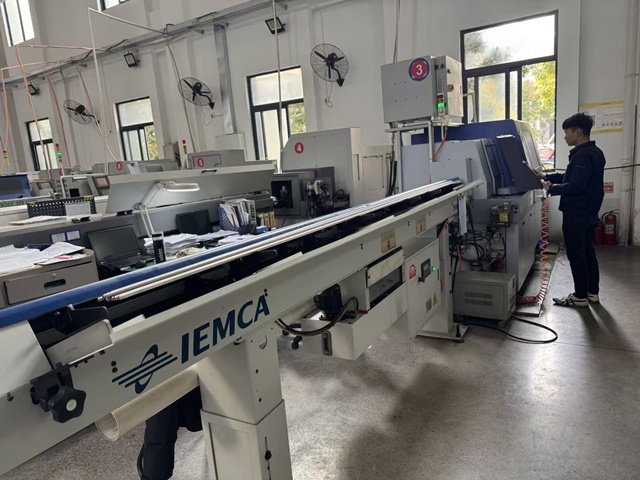
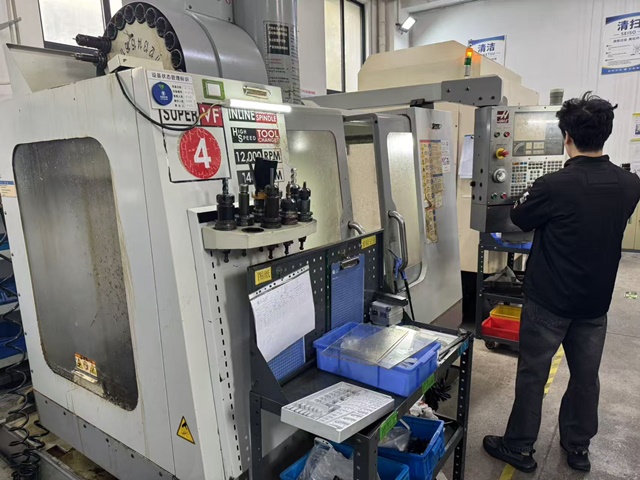
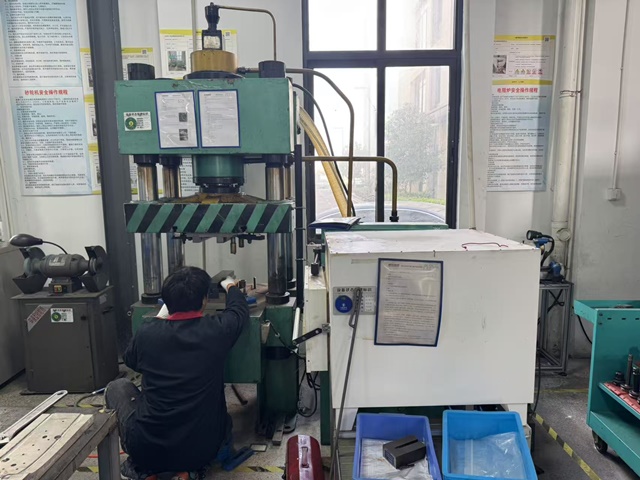
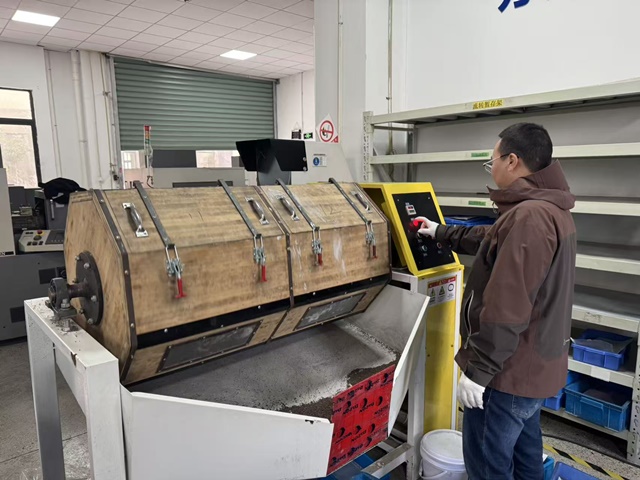
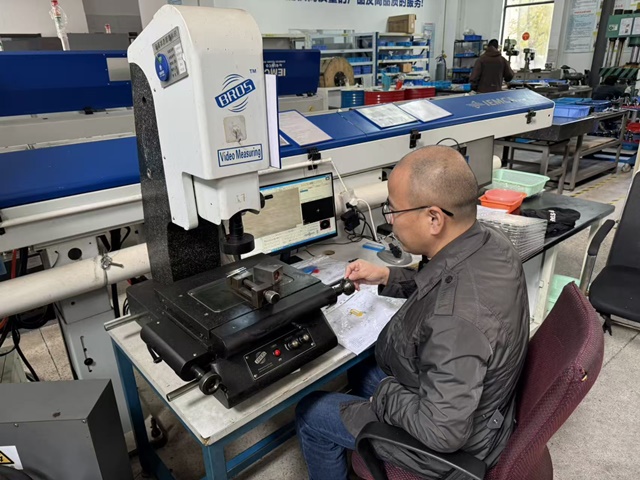
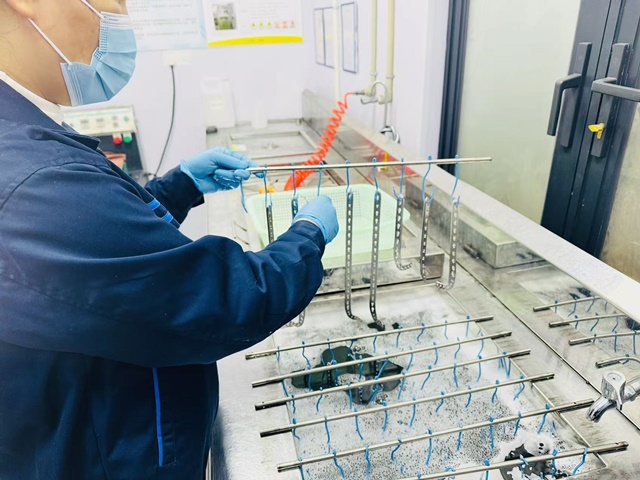
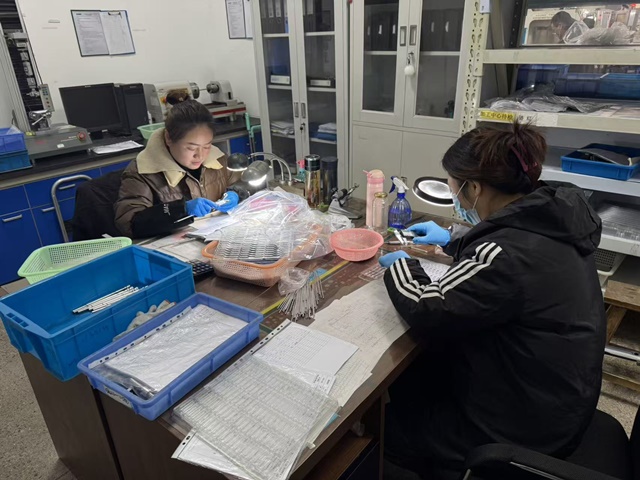
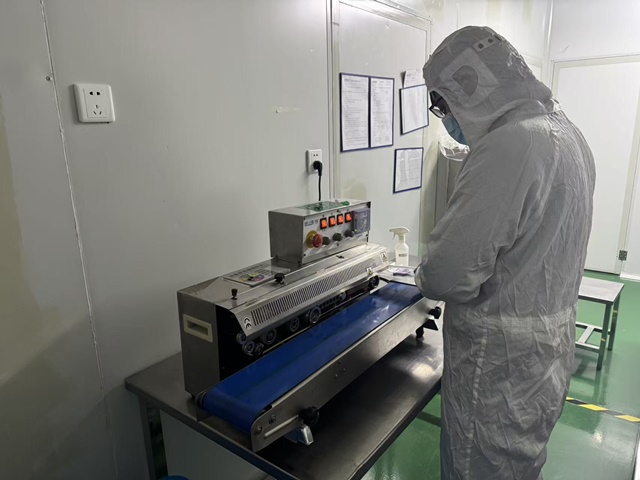
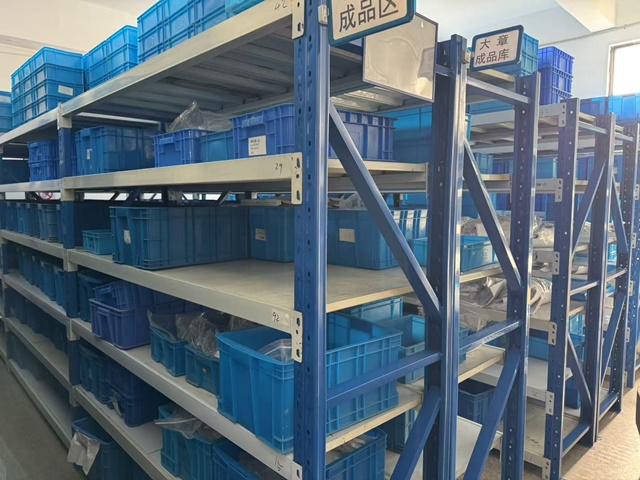
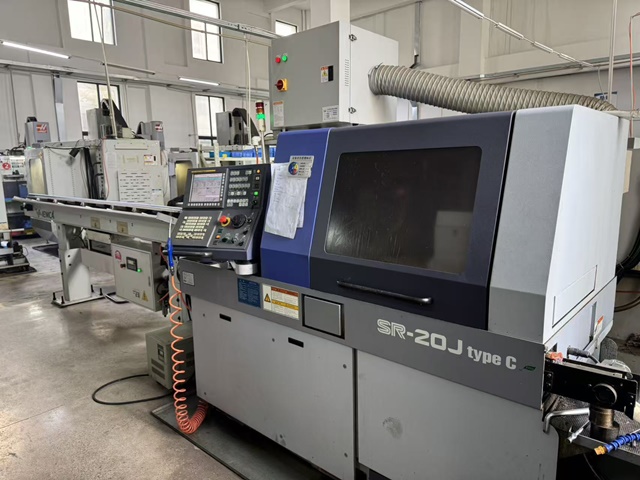
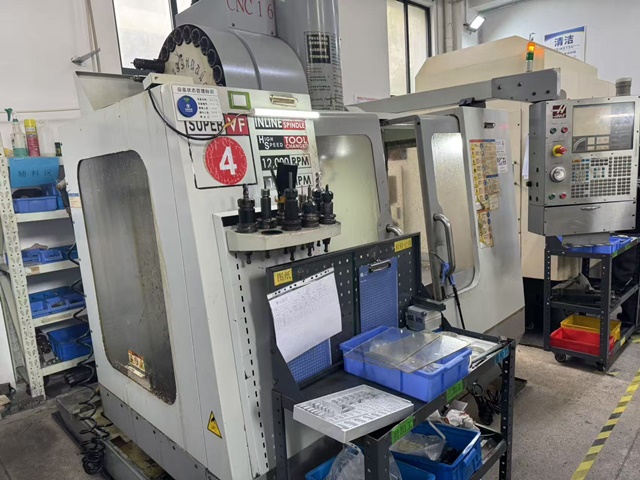
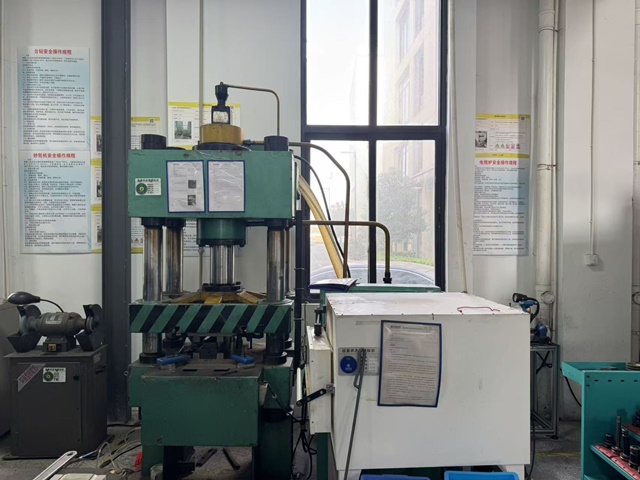
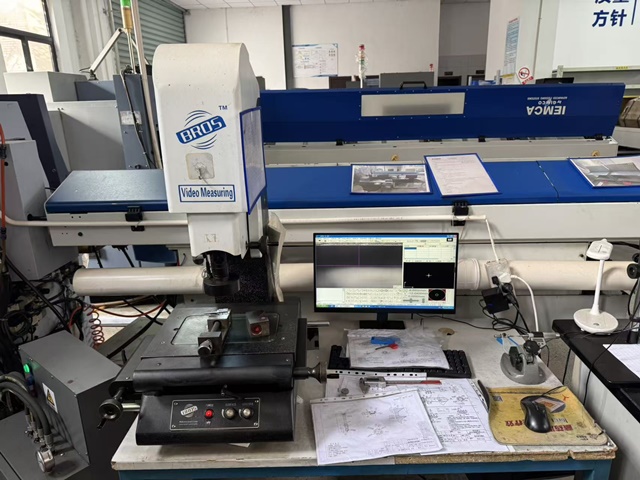
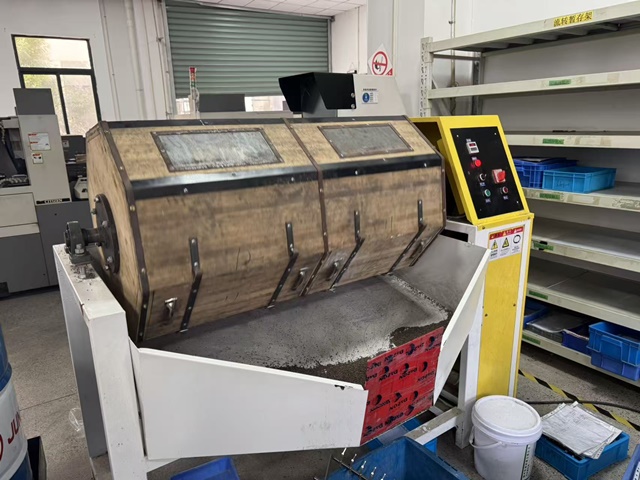
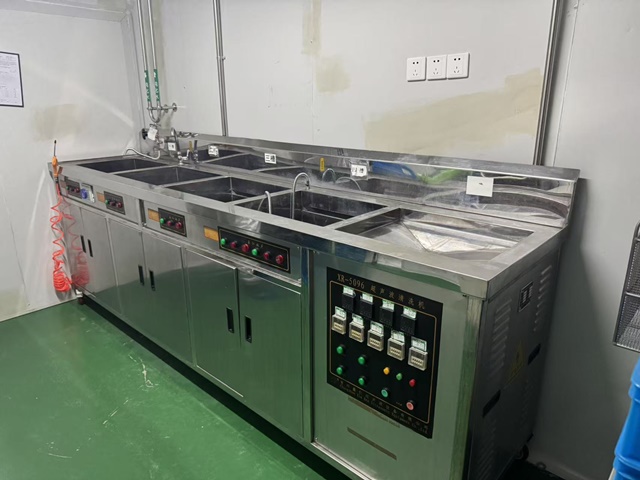
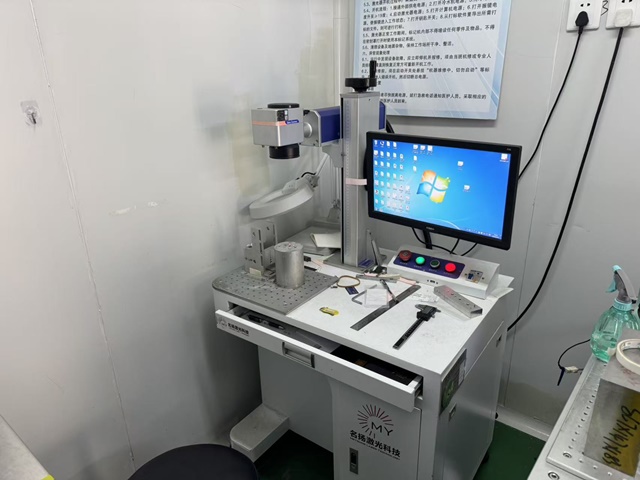
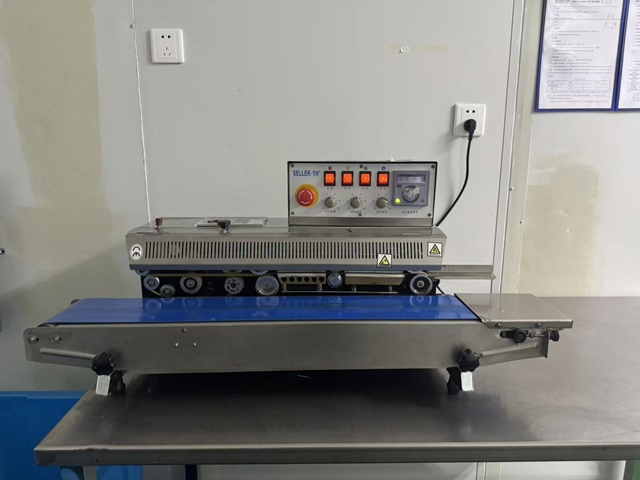
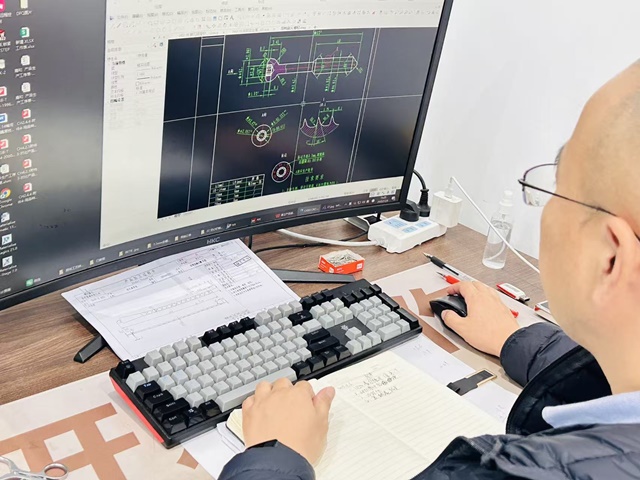
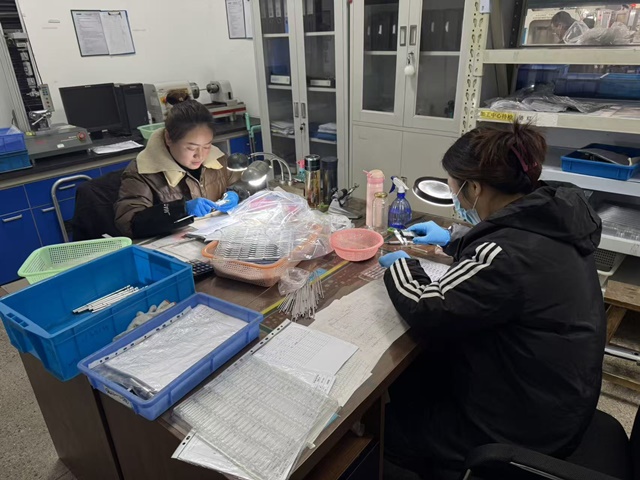
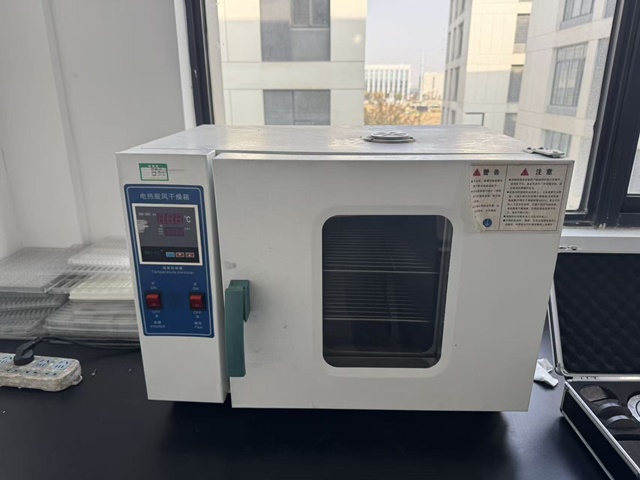
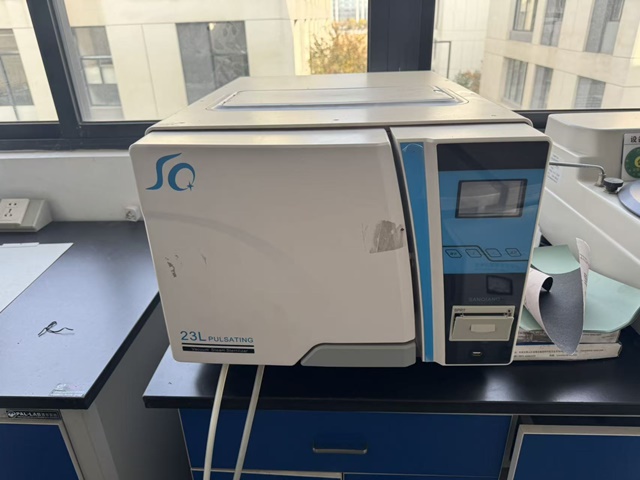
A transparent look inside our state-of-the-art production floors, advanced testing labs, and packaging suites.
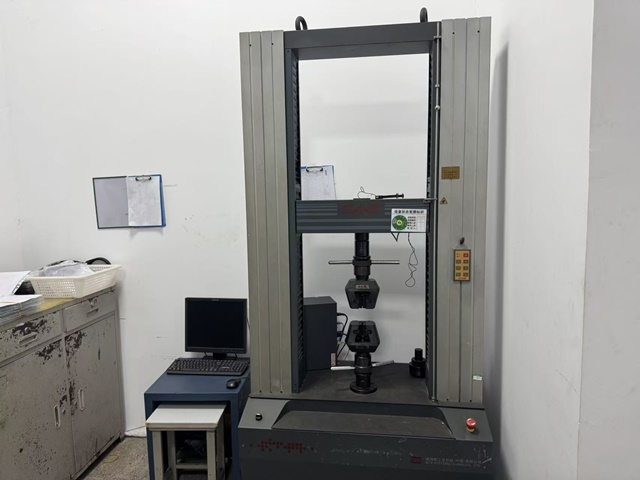
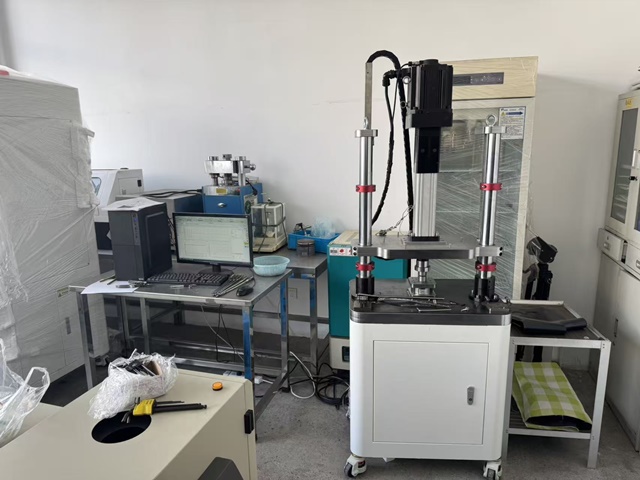
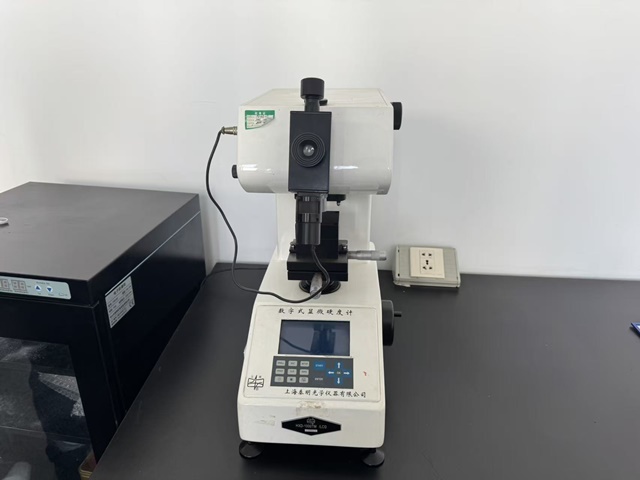
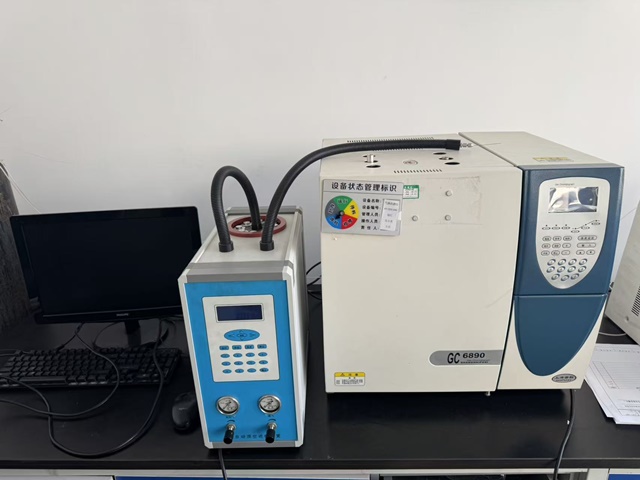
Our infrastructure operates strictly under ISO 13485 quality management systems. In order to achieve the strict mechanical properties required for surgical implants, we use premium raw materials processed through Swiss-type CNC lathes and HAAS machining centers. The quality loop is closed by 42 specialized inspectors performing dimension measurements, Vickers hardness tests, gas spectrometry, and multi-axial fatigue testing.
A comprehensive overview of mechanical properties, anatomical optimization, and procurement parameters.
For load-bearing indications, such as femoral and tibial stabilization, the choice of material directly affects implant longevity and bone remodeling cycles. Osteora utilizing Ti-6Al-4V ELI (Extra Low Interstitials) offers an optimized Young's modulus closer to cortical bone compared to traditional stainless steel implants. This reduces the effect of "stress shielding"—where the implant absorbs all mechanical loads, causing surrounding bone density to decrease. For Bulgarian trauma surgeons, this translates into faster osteosynthesis and lower rates of non-union or secondary hardware failure.
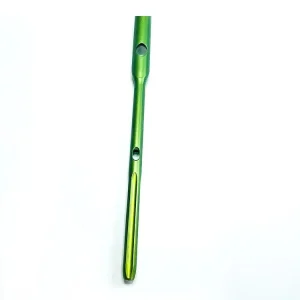
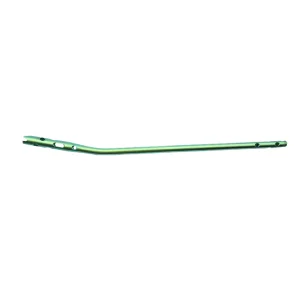
With osteoporotic fractures rising in regional centers like Plovdiv and Varna, the Proximal Femoral Nail Antirotation (PFNA) has become a primary clinical tool. The antirotation blade compresses the cancellous bone during insertion, providing optimal helical locking and significantly higher resistance to varus collapse and cut-out. Our manufacturing processes utilize precision milling to ensure the locking mechanisms deploy smoothly, reducing surgical duration and minimizing intraoperative complications.
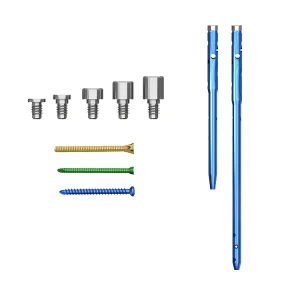
Bulgarian regional clinics often operate with distinct anatomical requirements. Osteora offers customized lengths, diameters, and distal locking designs. With a design team of 85 R&D engineers, we are capable of tailoring targeting instruments and nail geometries to specific clinical requirements, providing comprehensive trauma packages that include targeting jigs, depth gauges, and reamer shafts.
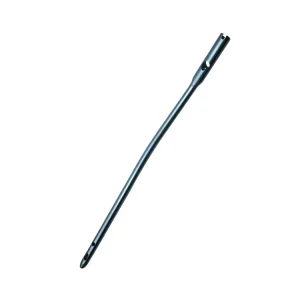
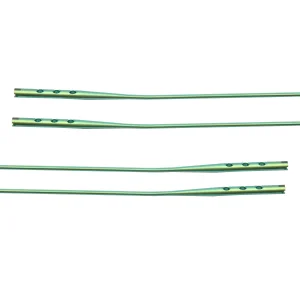
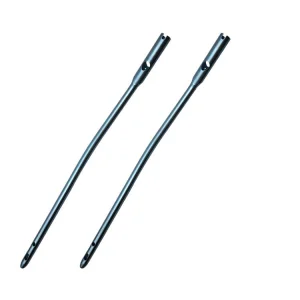
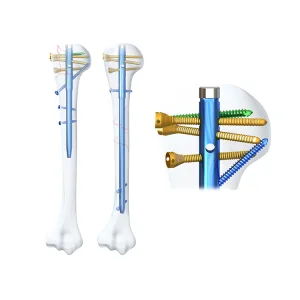
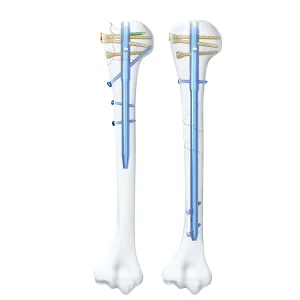
Select implants optimized for pediatric trauma, humeral fixation, and tibia stabilizing procedures.
A trusted manufacturer specializing in trauma, spine, and joint reconstruction technologies.
Osteora Medical Devices Co., Ltd. is a professional orthopedic implant and surgical solution manufacturer specializing in trauma, spine, and joint reconstruction systems under the brand Osteora. Founded in 2016, the company has developed a strong reputation in the global orthopedic industry through continuous innovation and strict quality control standards. The facility covers an area of approximately 18,500㎡, supporting integrated production, assembly, and testing operations.
With 8 years of export experience and 12 years of industry expertise, Osteora has established stable cooperation with international distributors and hospitals across multiple regions. Annual export revenue ranges from USD 6 million to 14 million, reflecting steady global market growth.
The company implements comprehensive quality assurance systems, including ISO 13485 compliance, in-process inspection, and final random sampling testing. Product inspection methods include dimensional measurement, mechanical fatigue testing, and biocompatibility validation. The quality control team consists of 42 specialized inspectors ensuring strict adherence to international medical device standards.
Osteora has a strong trade background in global medical device export and maintains long-term partnerships with distributors in Europe, Southeast Asia, the Middle East, and South America, which are also its primary markets.
The company’s supply chain includes approximately 1,200 certified upstream and downstream partners, supporting stable production capacity and reliable delivery performance. Its main customer base consists of hospitals, orthopedic clinics, surgical centers, and medical distributors.
With strong R&D capabilities, Osteora operates an in-house engineering team of 85 R&D engineers, focusing on innovation in trauma fixation systems, spinal implants, and joint reconstruction technologies. The company offers extensive customization options, including OEM/ODM services, size variations, material customization, and private labeling. In the past year, Osteora launched approximately 120 new products, reflecting its continuous investment in innovation and product development to meet evolving clinical needs.
Answering crucial clinical, logistics, and compliance questions for Bulgarian medical importers.