Osteora
Osteora
Osteora
Discover our high-precision intramedullary nails engineered for trauma, pediatric stabilization, and complex reconstruction across London healthcare networks.
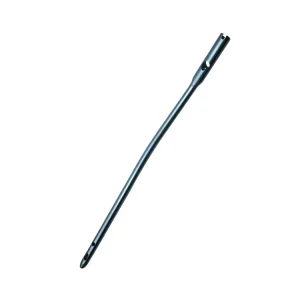
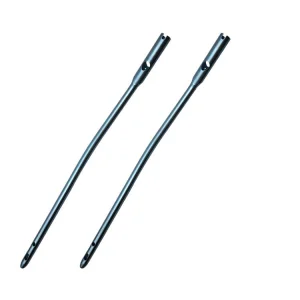
London stands as a global beacon for medical research and clinical excellence. Home to world-renowned Major Trauma Centres (MTCs) such as the Royal London Hospital, St Mary’s Hospital, and King's College Hospital, the clinical demand for advanced fixation hardware is highly sophisticated. In this demanding landscape, orthopedic surgeons require intramedullary (IM) nails that not only exhibit pristine biomechanical properties but also streamline operative workflows.
With the NHS moving steadily towards value-based procurement models, London healthcare procurers face the dual pressure of securing premium-grade implants while maintaining strict cost-efficiency. This creates a critical need for an direct-from-factory manufacturing model: high-end orthopedic implants, designed with anatomical precision using medical-grade titanium alloy, supplied at prices that optimize hospital budgets.
Adapting to shifting clinical requirements and technological advancements worldwide.
The industry has migrated from stainless steel to biocompatible titanium alloys (Ti-6Al-4V ELI). These alloys offer a lower modulus of elasticity, resembling human bone, which reduces stress shielding and promotes micromotion necessary for secondary bone healing.
Modern surgeons favor minimally invasive percutaneous insertions. Intramedullary nails must support this through sophisticated targeting systems, instrumentation sleeves, and self-tapping locking features that prevent excessive soft tissue disruption.
Emerging research focuses on anodization, micro-arc oxidation, and bioactive coatings. These enhancements promote quicker osseointegration at proximal and distal interfaces, while lowering the risk of bacterial biofilm formation.
The global orthopedics market requires a fine balance between cost and premium execution. By basing our integrated production in China, Osteora achieves production efficiencies that are challenging to replicate within Europe. Our 18,500㎡ facility combines localized supply-chain logistics with top-tier international machinery.
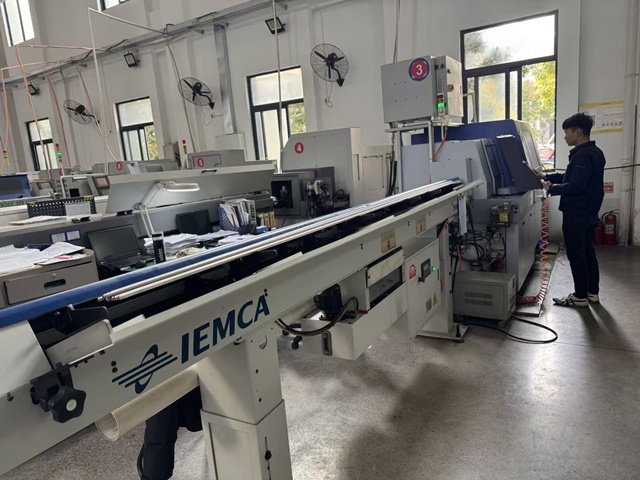
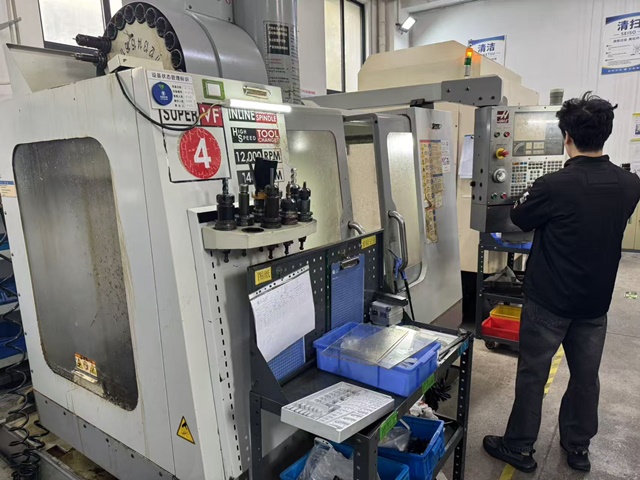
We operate Swiss-type CNC lathes and HAAS vertical machining centers to process complex geometries with micron-level tolerances. Combined with a qualified supplier network of over 1,200 partners, we avoid raw material bottlenecks and retain strict cost controls. This efficiency translates to pricing structures that enable European distributors to expand their profit margins while providing hospitals with high-quality alternatives to historic brand-name suppliers.
Furthermore, our facility is ISO 13485 compliant. Every batch undergoes extensive mechanical evaluation, including dynamic fatigue and torsion testing, ensuring that our implants deliver reliable clinical performance from day one.
Using Swiss-type lathe machinery for flawless interlocking screw threads and nail fluting.
Direct relationships with medical-grade titanium mills ensures constant material traceabilty.
Exporting to Europe, Southeast Asia, and South America, maintaining rigorous customs conformity.
Our 85 R&D engineers construct custom lengths, diameters, and instrument sets on demand.
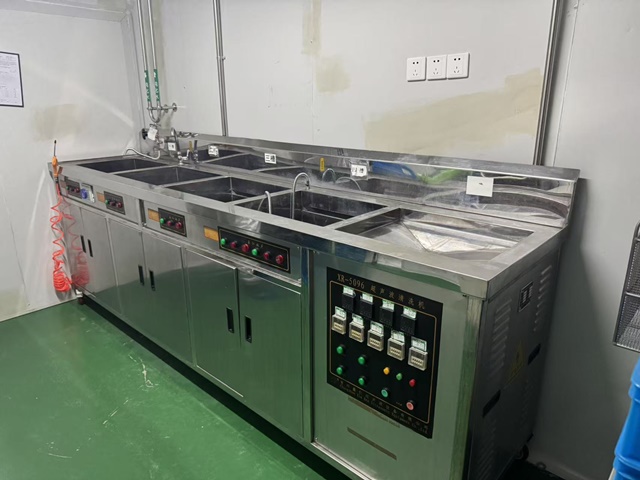
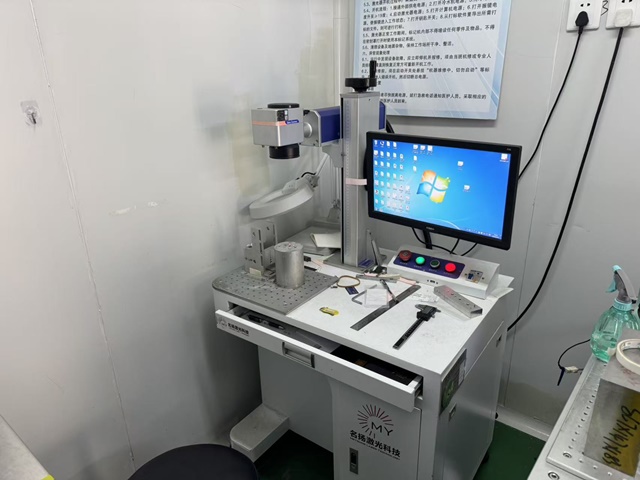
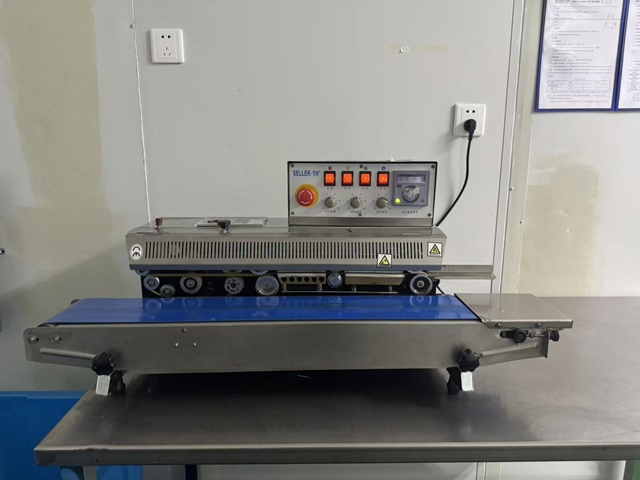
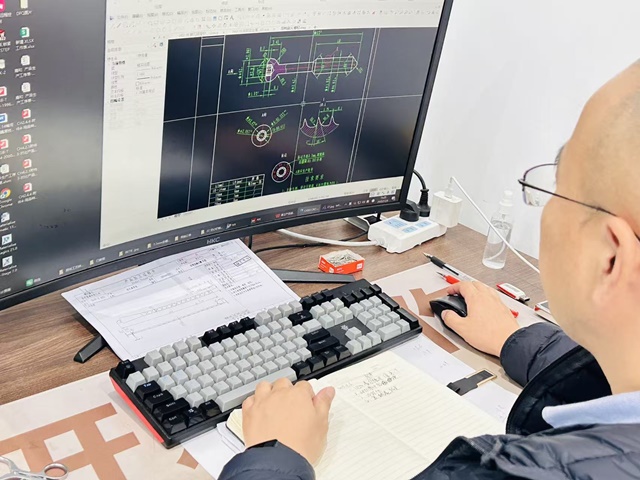
A visual overview of Osteora's internal manufacturing process, quality control testing, and packaging systems.
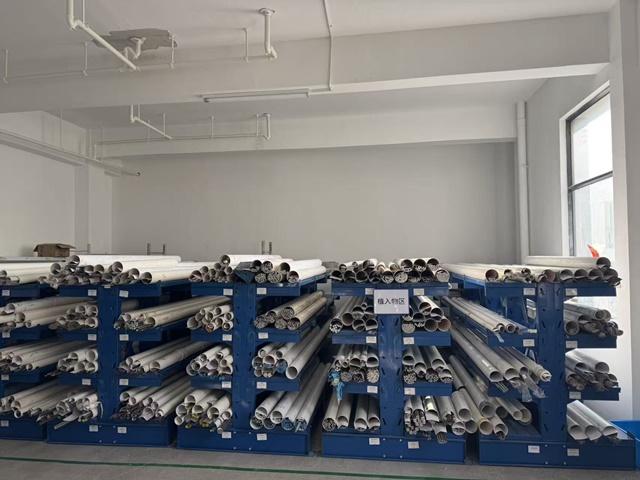
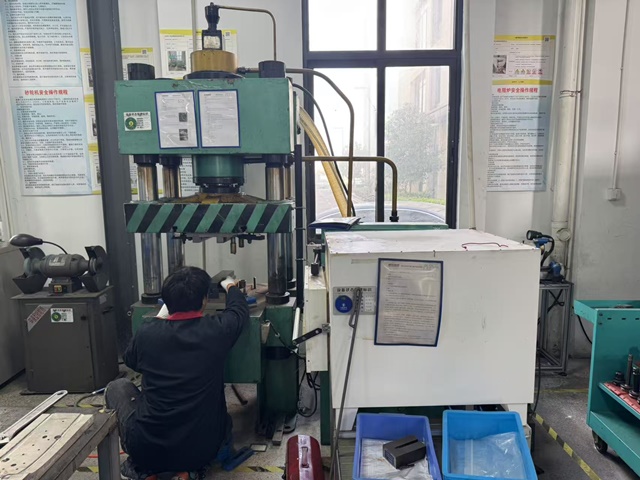
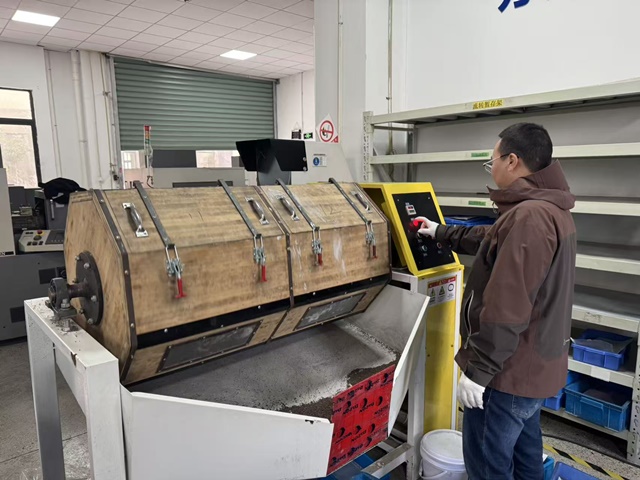
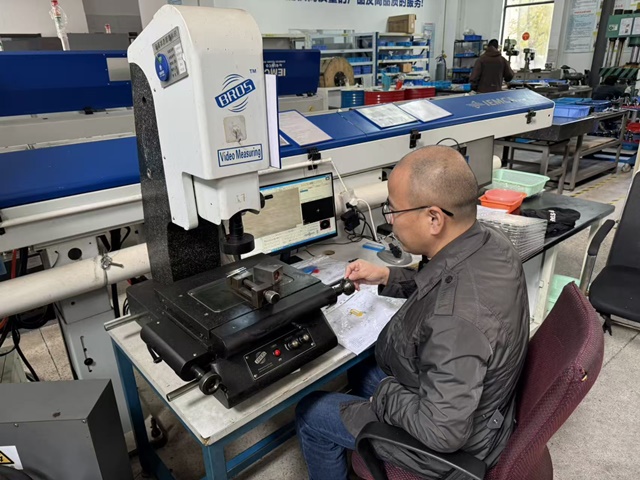
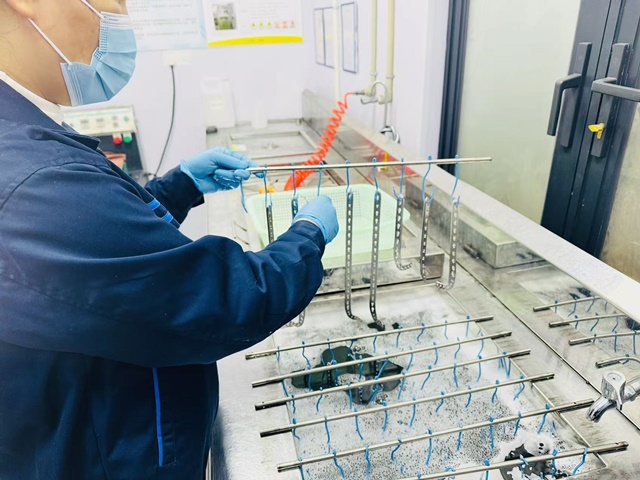
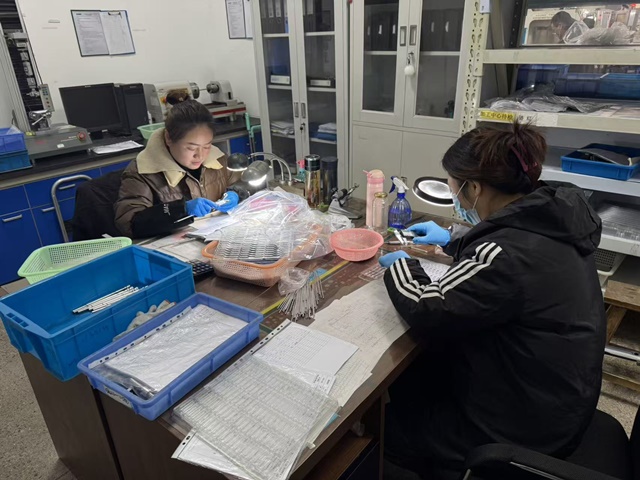
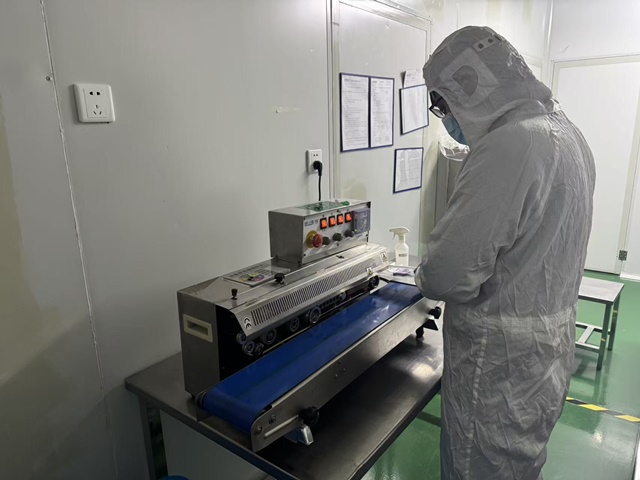
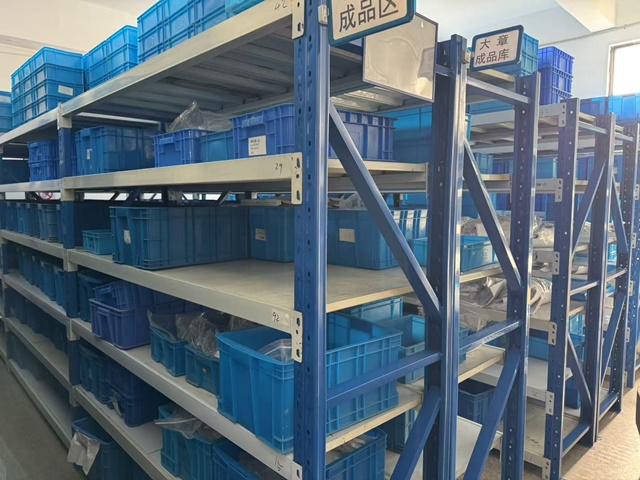
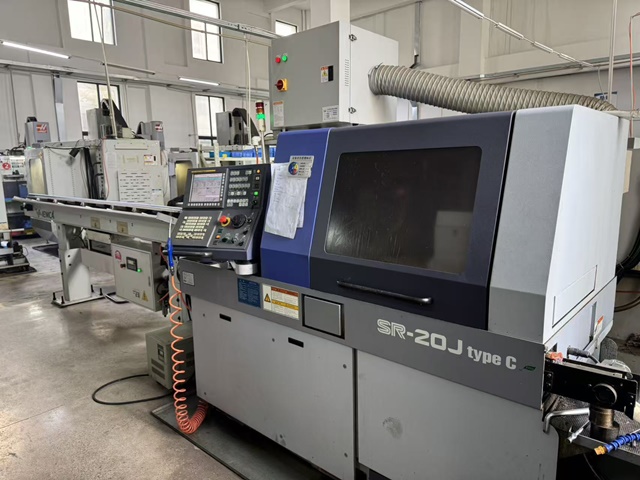
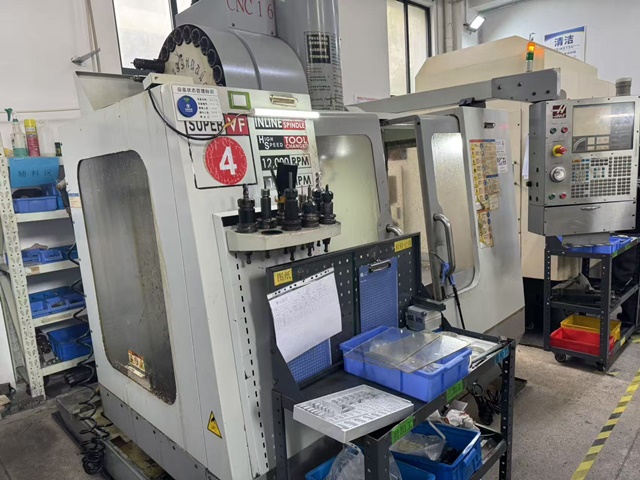
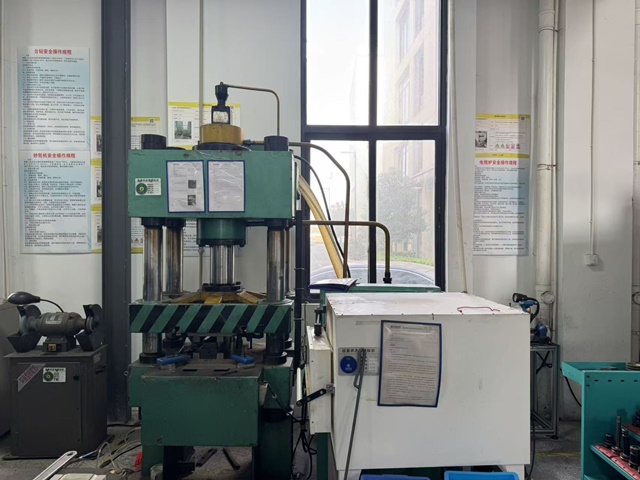
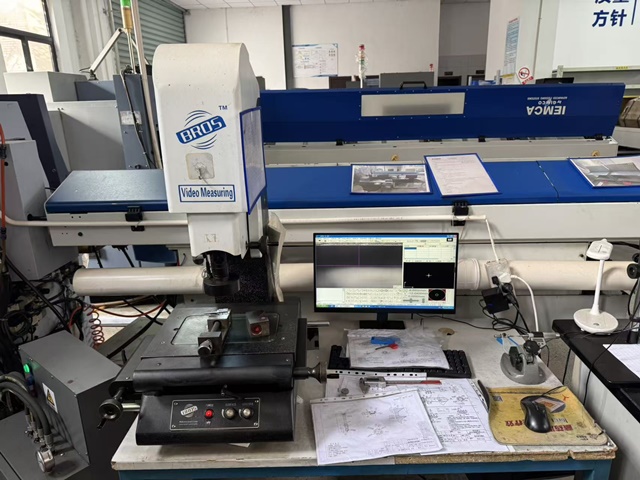
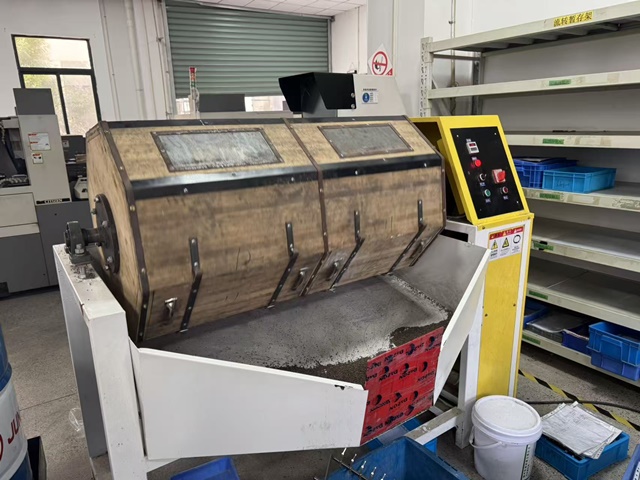
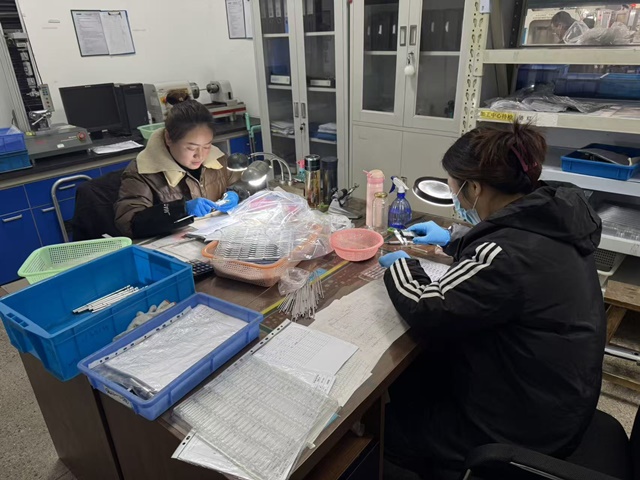
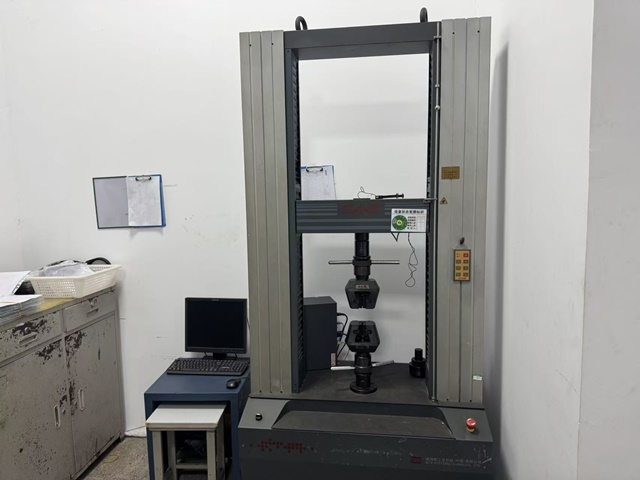
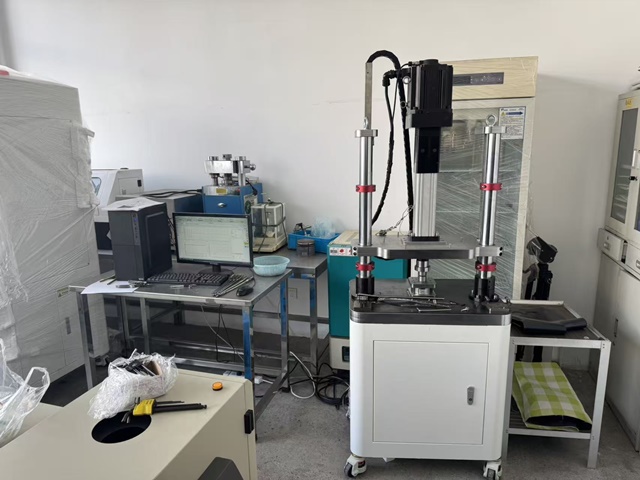
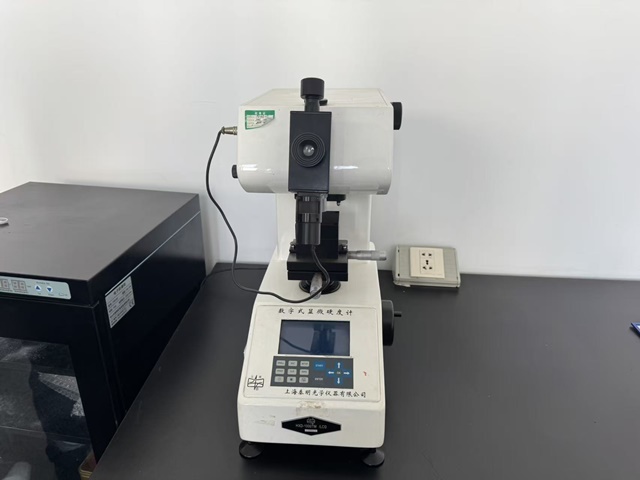
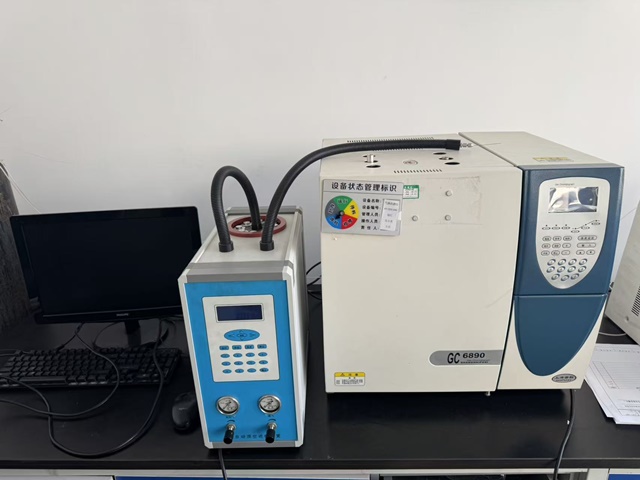
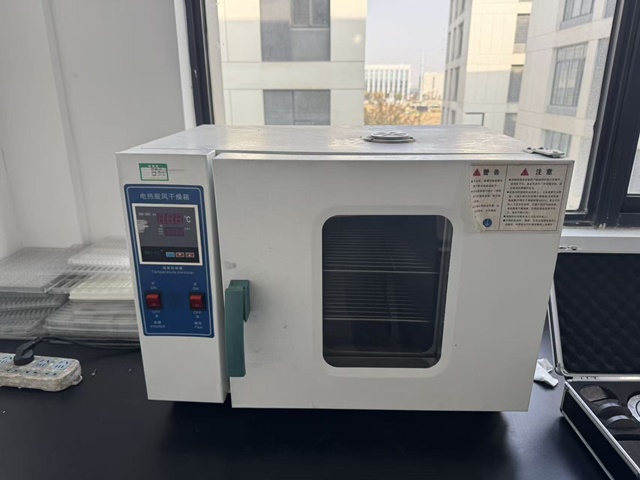
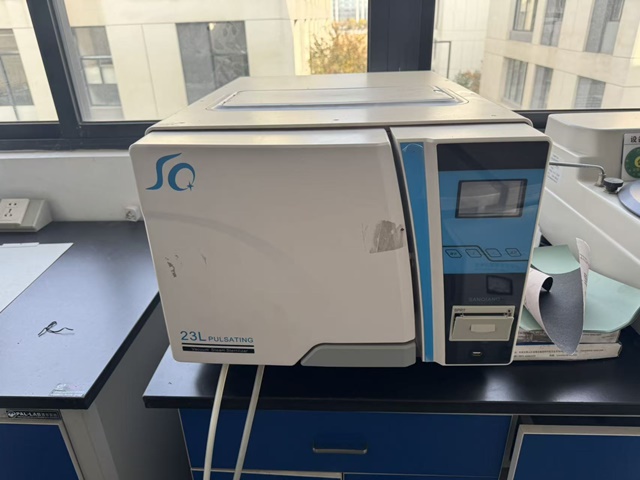
At Osteora, reliability isn’t just a buzzword; it’s an engineered process. The human skeletal system experiences millions of load cycles, demanding that every implant survive intensive dynamic stress.
We analyze materials using the Vickers Hardness Tester. This step confirms the heat-treatment uniformity of titanium alloys, ensuring the balance between core flexibility and surface hardness. It prevents structural deformities under heavy loads.
Using our Gas Spectrometer, we test the chemistry of incoming metal batches. This verifies that interstitial elements like Hydrogen, Nitrogen, Oxygen, and Carbon remain within the limits defined for medical implants.
Our Pulsating Machines subject random samples to millions of load cycles. This process simulates years of postoperative walking, helping ensure that we prevent premature implant failures.
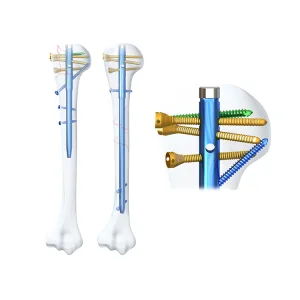
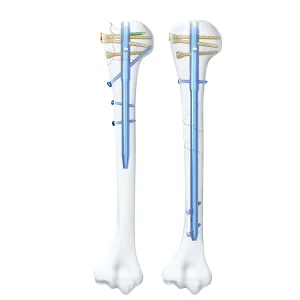
Our broader catalog contains pediatric, humeral, femoral, and tibial systems engineered for complex reconstruction.
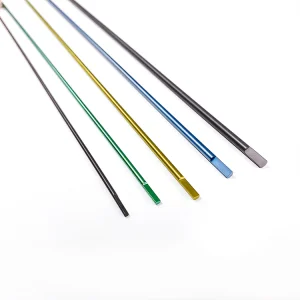
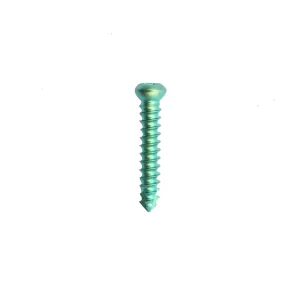
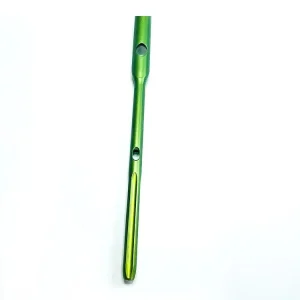
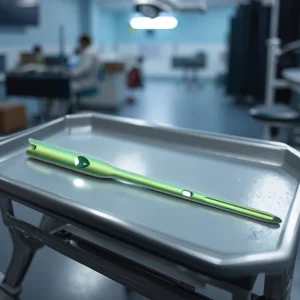
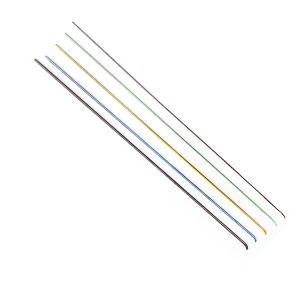
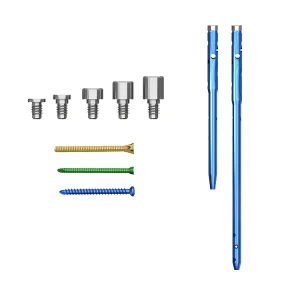
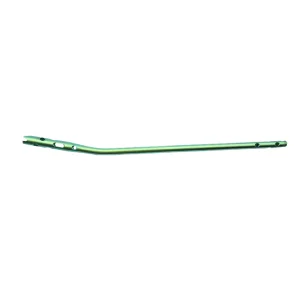
Different clinical demographics require tailored implant designs. Osteora supports surgeons across the UK with a range of specialized solutions:
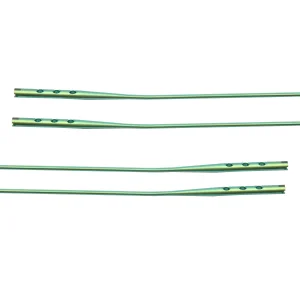
Children's bones are dynamic, demanding fixation that preserves growth plates. Our Titanium Elastic Nails (TEN/ESIN) provide flexible stabilization for pediatric long-bone fractures, encouraging fast healing and minimizing soft-tissue disruption.
An aging population means a rise in osteoporotic hip fractures. Our Proximal Femoral Nails with antirotation blades compress osteoporotic bone, enhancing cut-out resistance and load-bearing performance compared to standard locking screws.
Traffic collisions often cause complex, multi-fragment bone fractures. Our tibial and femoral interlocking systems offer versatile static and dynamic locking holes to help surgeons address challenging bone configurations and secure anatomic alignment.
Key regulatory, technical, and logistical details for UK and international procurers.
Partner with Osteora to deliver reliable, high-performance trauma solutions that combine Chinese manufacturing efficiency with stringent quality compliance.
Send Inquiry Now