 Osteora
Osteora
Osteora
Leading orthopedic implants designed for high anatomical conformity and stable osteosynthesis. Featuring premium medical-grade titanium alloy construction.
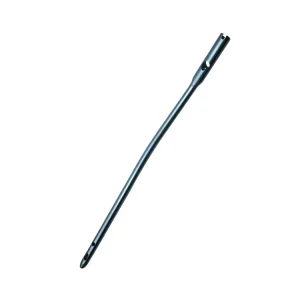
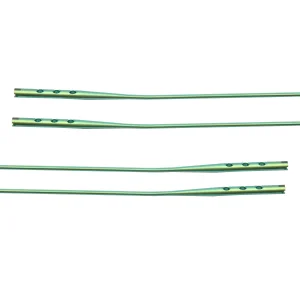
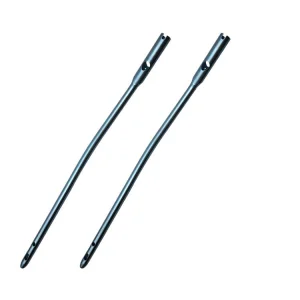
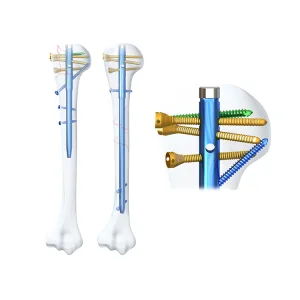
Hanoi, the capital administrative hub of Vietnam, has emerged as a crucial nexus for medical distribution and trauma care solutions in Southeast Asia. Driven by investments in healthcare infrastructure—such as the modernization of the historic Bach Mai Hospital, Saint Paul General Hospital, and Viet Duc University Hospital—there is a soaring clinical demand for high-grade orthopedic implants. Modern traffic dynamics, industrialized labor structures, and demographic trends in the Red River Delta require orthopedists to adopt surgical solutions that prioritize swift, rigid anatomical fixation and early weight-bearing mobilization.
The orthopedic landscape in Hanoi is largely shaped by road-traffic accidents and occupational injuries, leading to complex comminuted diaphyseal fractures. Traditional plate osteosynthesis, while historically common, is increasingly replaced by minimally invasive intramedullary nailing (IMN). IMN acts as an internal load-sharing device that preserves the periosteal blood supply, significantly reducing surgical site infection (SSI) rates and acceleration times for osteosynthesis. For Hanoi’s specialized orthopedic surgical centers, this shift minimizes overall hospital stays and alleviates the pressure on critical care beds.
Globally, the orthosynthesis market is expanding at a CAGR of 6.2%, fueled by an aging population prone to osteoporotic fractures and the rise of high-energy sports injuries. Within this space, the intramedullary nail has become the gold standard for long bone stabilization (femur, tibia, and humerus). The transition from standard 316L medical stainless steel to grade-5 titanium alloys (Ti-6Al-4V ELI) has defined the modern standard of clinical safety.
Titanium alloys demonstrate a lower modulus of elasticity, aligning more closely with human cortical bone. This reduces the risk of "stress shielding"—a biomechanical phenomenon where the implant absorbs all mechanical loads, causing local bone resorption. Advanced designs, such as the Proximal Femoral Antirotation Nail (PFNA), incorporate helical blades instead of locking screws. This compacts the cancellous bone structure inside the osteoporotic femoral head, achieving superior cutout resistance in geriatric patients.
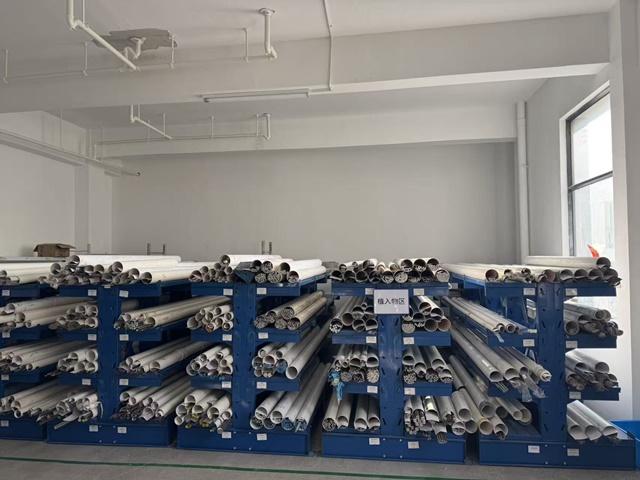
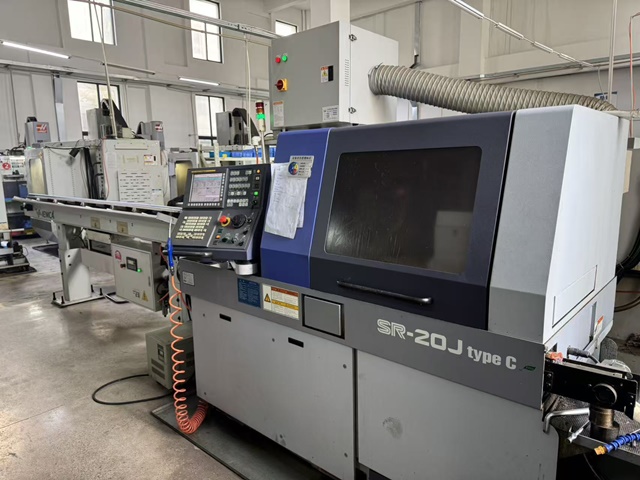
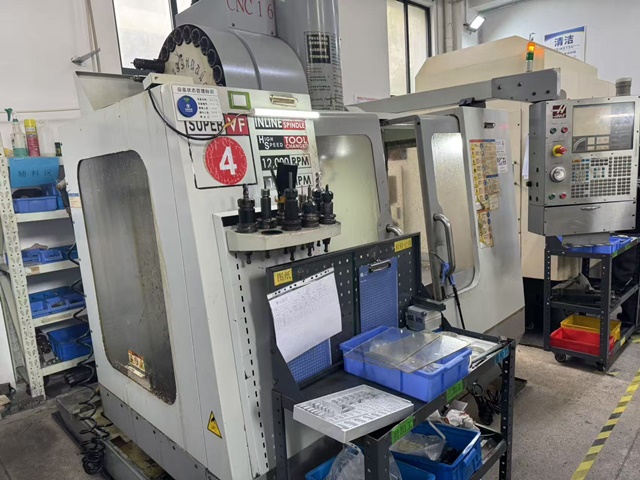
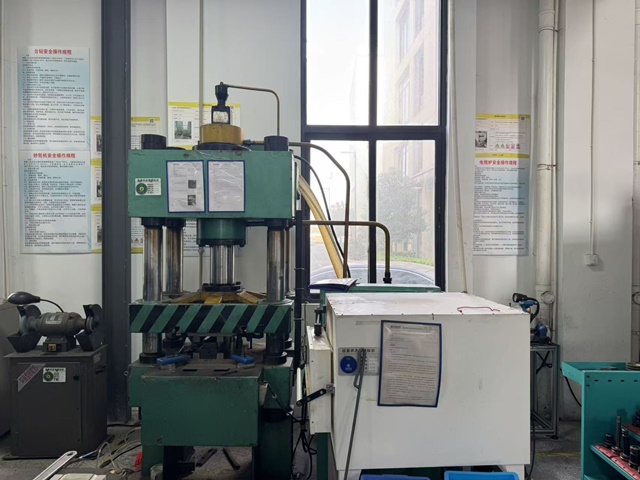
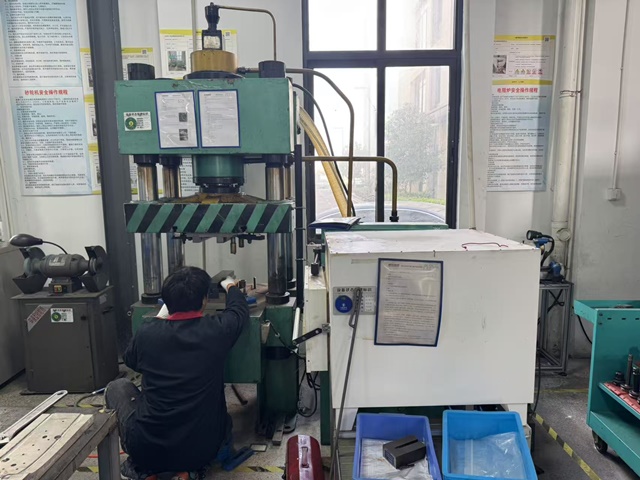
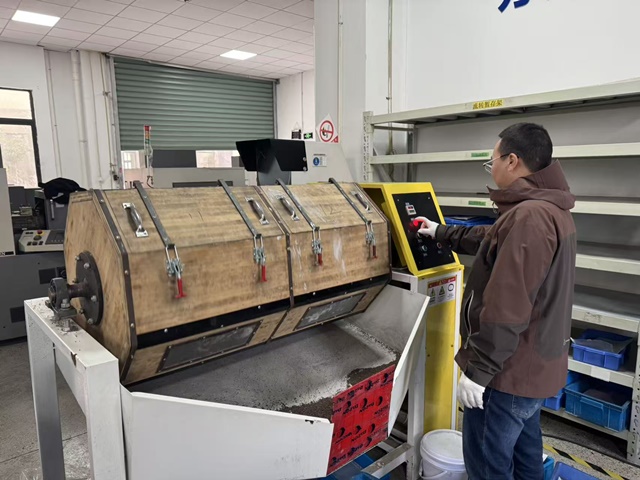
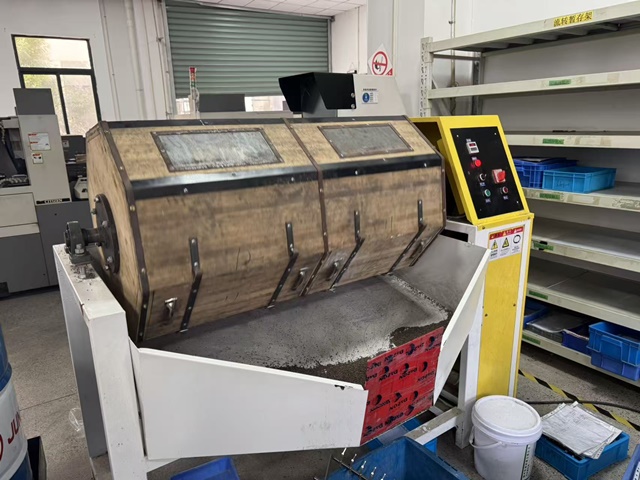
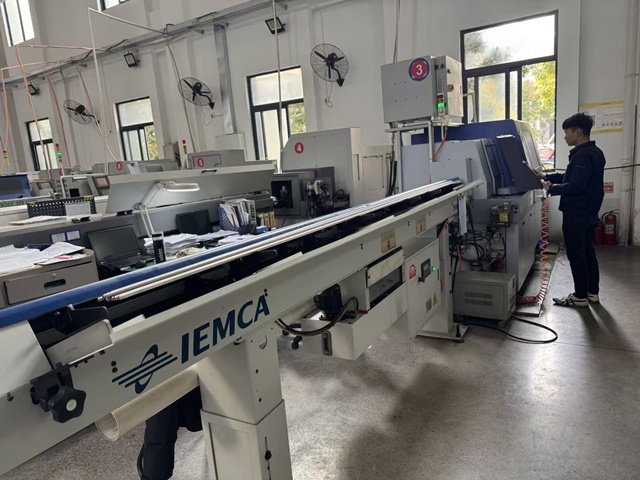
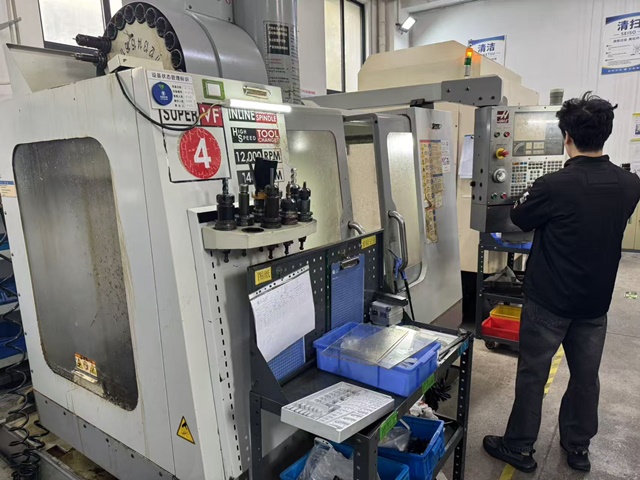
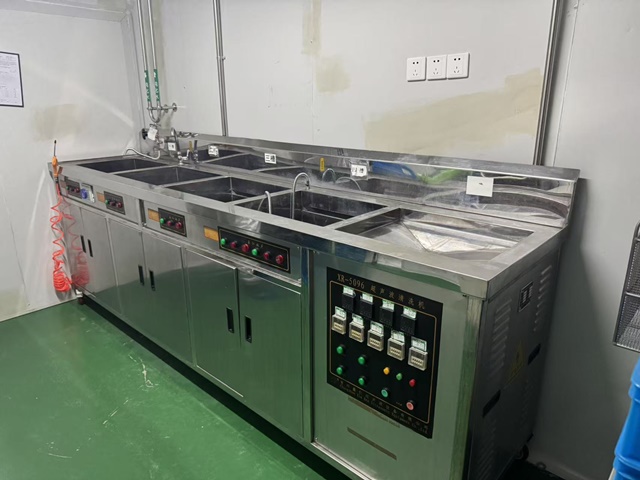
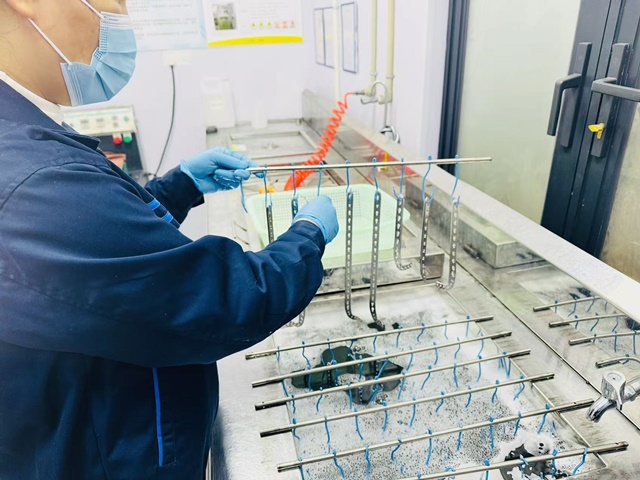
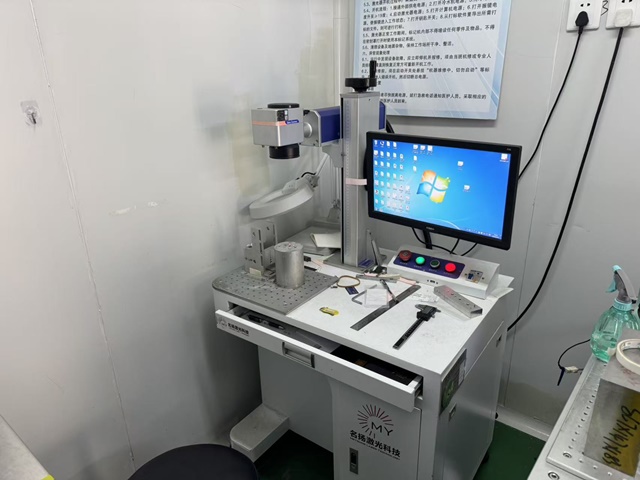
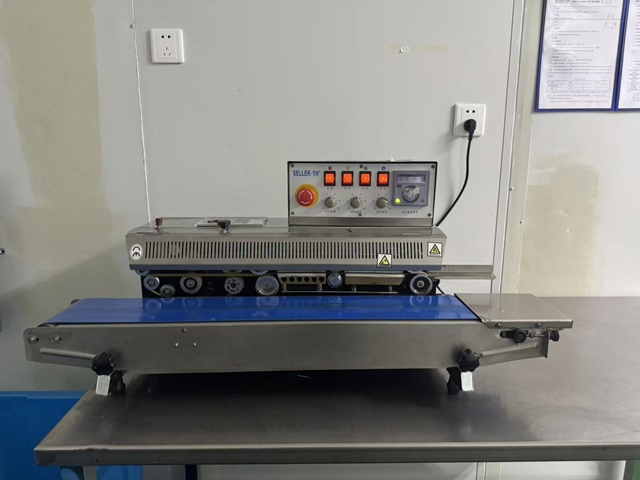
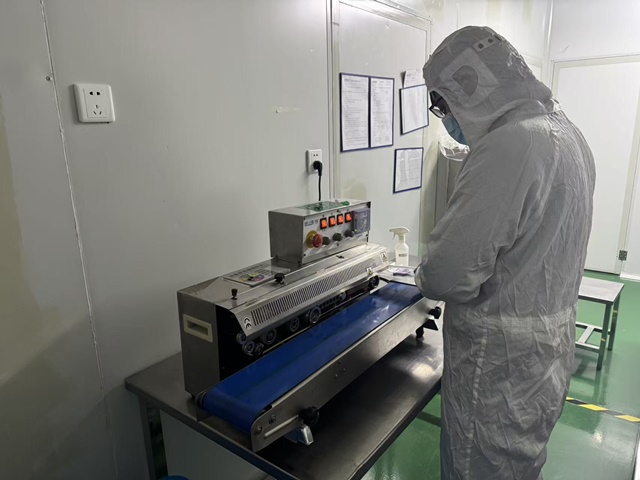
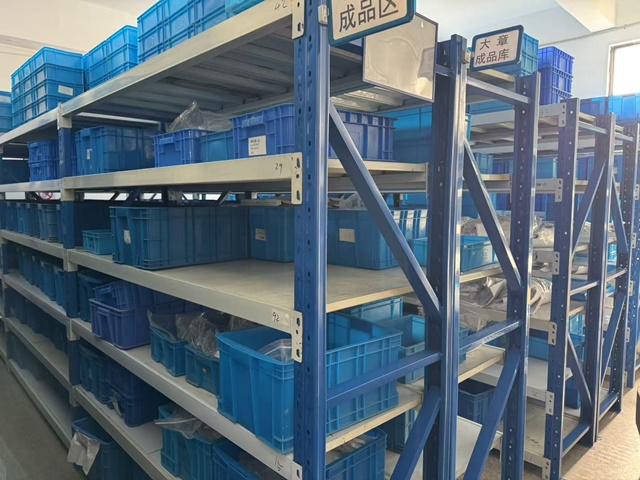
Under the brand Osteora, Osteora Medical Devices Co., Ltd. operates a high-capacity production facility designed to meet the rigorous standards of global markets. Since our establishment in 2016, our facility has integrated advanced manufacturing technology with stringent quality assurance processes, managing everything from raw materials to final packaging.
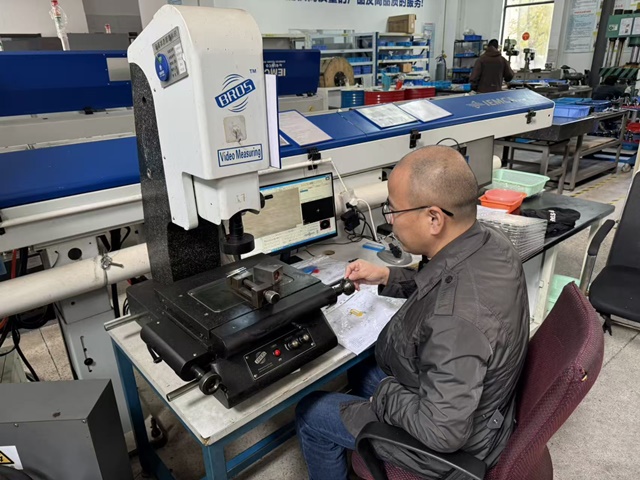
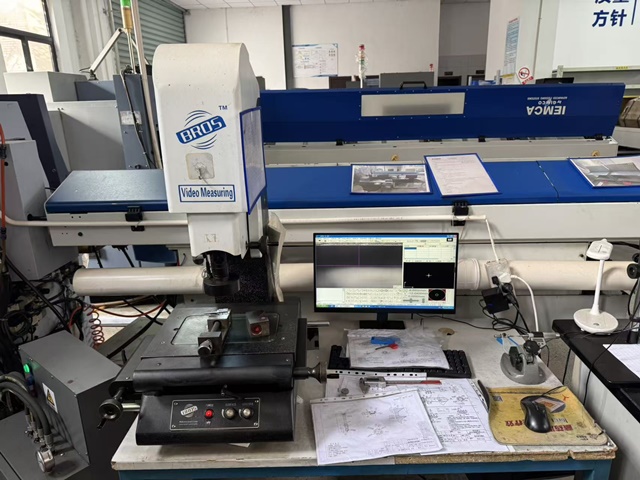
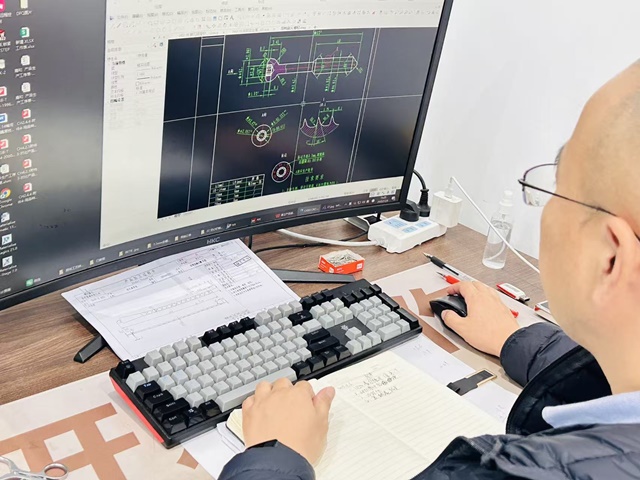
Integrated Operations Blueprint: With 12 years of industry experience and 8 years of export operations, Osteora operates an 18,500㎡ facility. Driven by a specialized QC team of 42 inspectors, our manufacturing process achieves strict micro-dimensional accuracy (+/- 0.01mm) and high mechanical fatigue resistance.
Engineered for anatomical alignment, surgical ease, and reliable clinical outcomes.
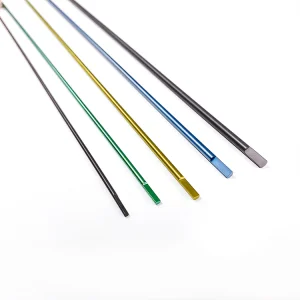
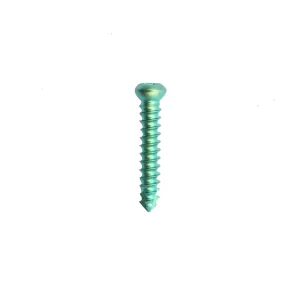
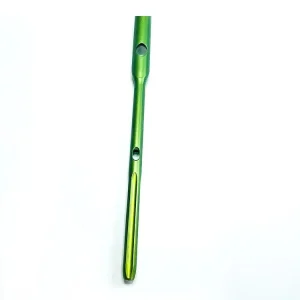
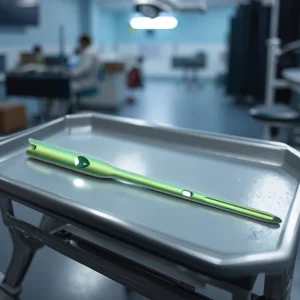
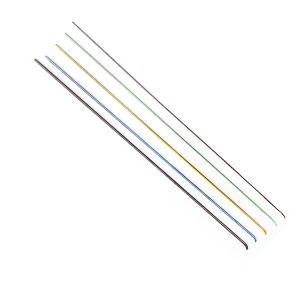
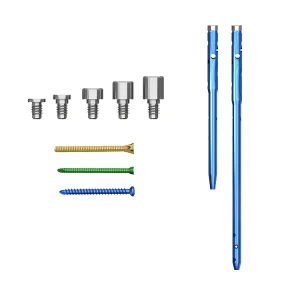
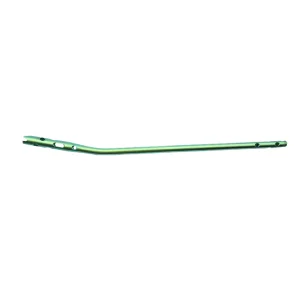
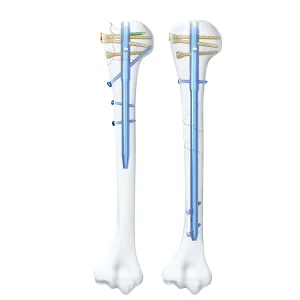
Focused designs addressing unique anatomical configurations, micro-fracture fixations, and pediatric clinical cases.
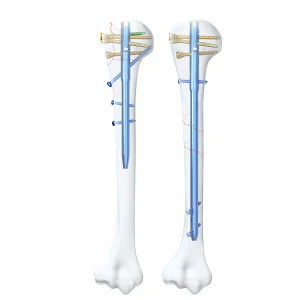
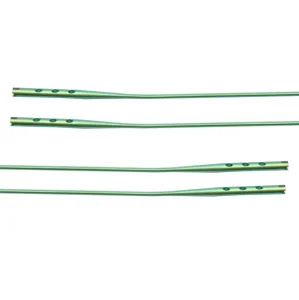

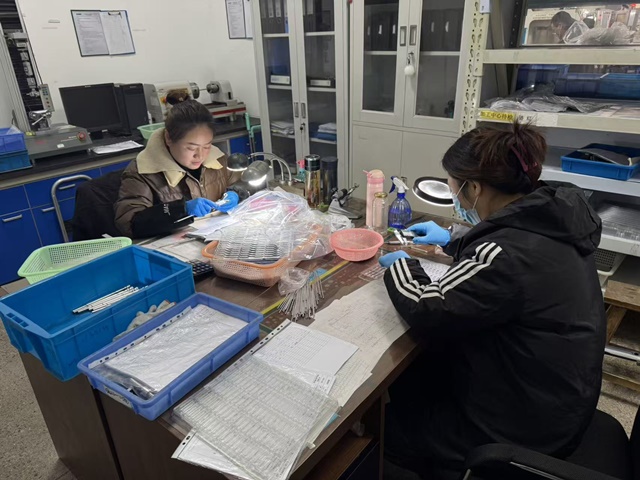
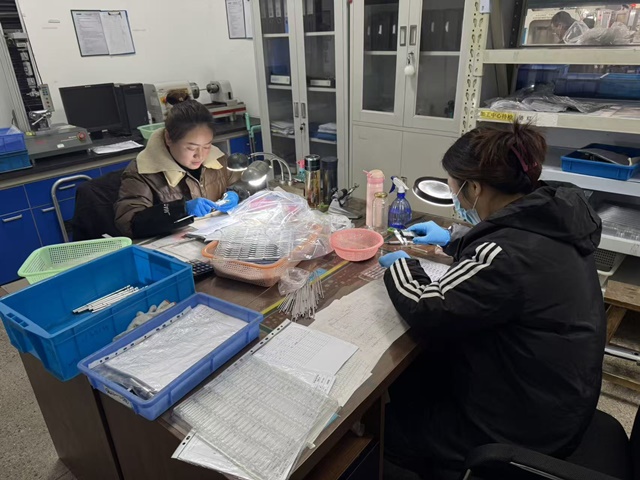
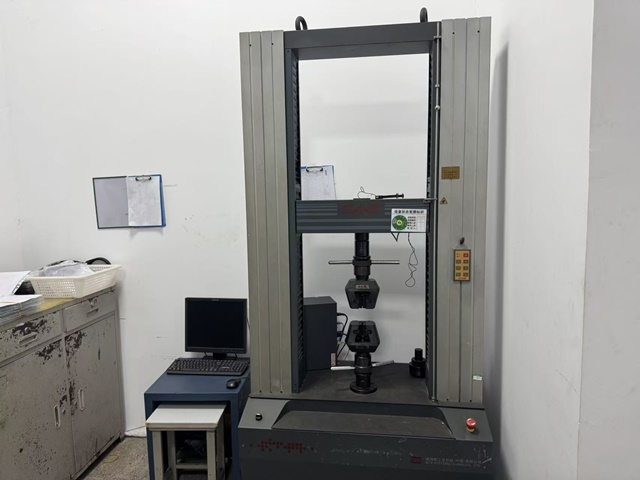
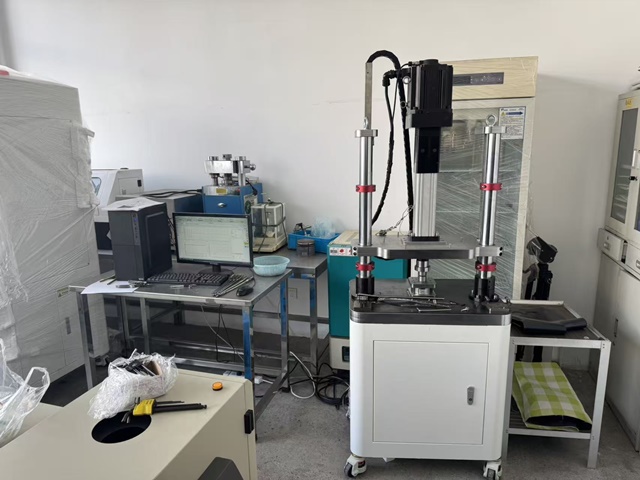
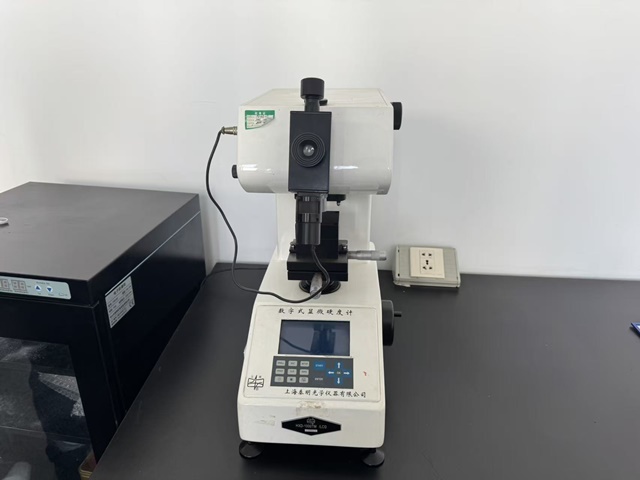
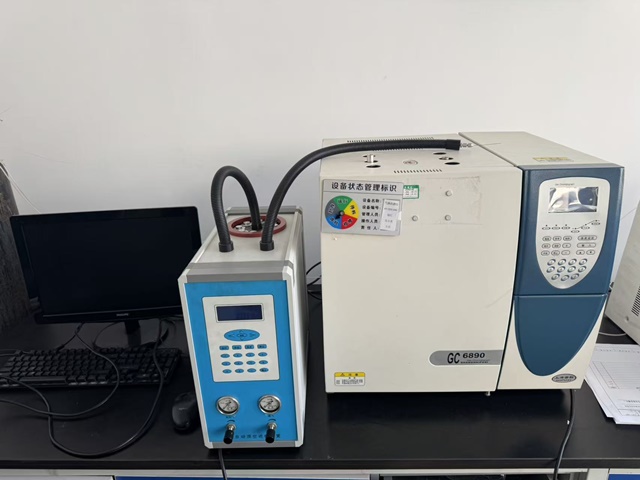
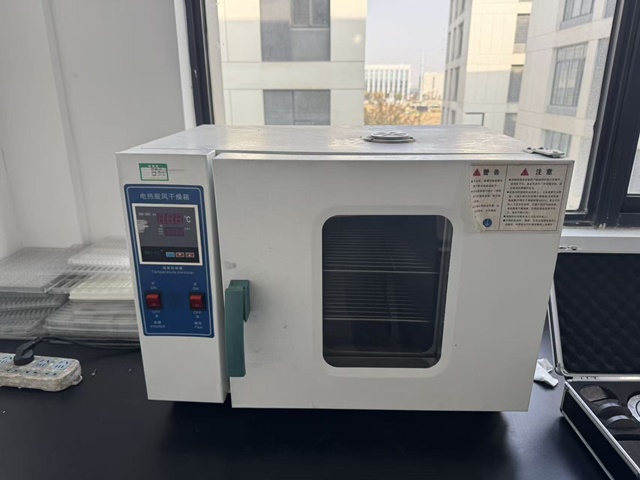
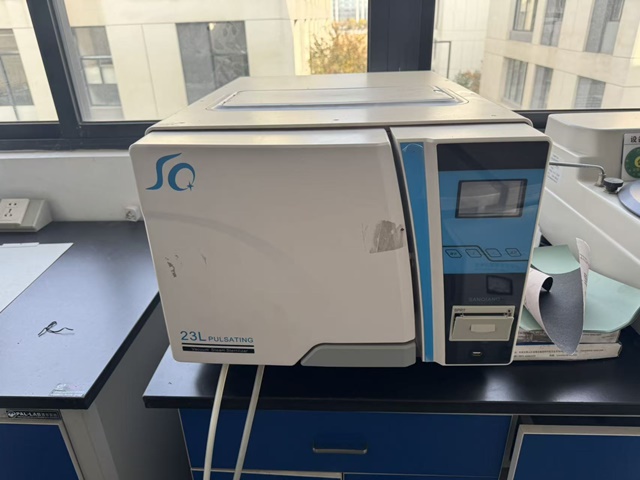
Building trust in medical devices requires strict compliance with international manufacturing and material standards. At Osteora, we run mechanical and metallurgical assessments to verify that our implants perform reliably under dynamic load conditions inside the human body.
Our quality assurance protocol includes:
With an annual export value between USD 6 million and 14 million, Osteora has built reliable supply networks reaching Europe, Southeast Asia, the Middle East, and South America. In Vietnam, we support distributors, hospitals, and specialized trauma centers in Hanoi and across the country with responsive shipping timelines and complete technical documentation.
As trauma care evolves, next-generation implants are shifting from purely structural supports to active, biological systems that help guide the bone-healing process. Osteora's R&D team works to integrate advanced materials and surface designs into our future product lines, helping surgeons improve patient care.
We are refining electrochemical anodization techniques to create nanoscale textures on titanium surfaces. These micro-structured surfaces help promote early protein absorption and osteoblast adhesion, which can lead to faster bone integration.
Using clinical CT scan databases, we analyze regional differences in bone shapes across various populations. This data helps us design implants with curvatures that better match patients' natural anatomy, helping to reduce the need for manual shaping during surgery.
Over the next five years, Osteora aims to expand its trauma care line by developing patient-specific implants and exploring biodegradable alloy technologies, ensuring we continue to provide dependable solutions for clinical needs globally.
Answers to technical and commercial inquiries from medical distributors, procurement teams, and orthopedic surgeons.