Osteora
Osteora
Osteora
Optimized Internal Fixation Implants Readily Available for Medical Procurement Across the Gilbert, Line, and Phoenix Islands
As a remote, equatorial Pacific nation composed of 33 coral atolls and islands, the Republic of Kiribati presents distinct epidemiological and structural constraints for orthopedic surgery. The primary center for specialized surgical operations is Tungaru Central Hospital (TCH) in South Tarawa. Long-bone fractures, predominantly resulting from vehicular accidents, falls from coconut trees, and offshore commercial fishing activities, require robust intramedullary (IM) nail solutions that minimize intraoperative complications and eliminate the risk of long-term failure.
Under the clinical supervision of the Ministry of Health and Medical Services (MHMS), local surgeons face complex logistical challenges. The high ambient relative humidity (frequently exceeding 80%) combined with high atmospheric salinity creates an aggressively corrosive environment for medical implant storage. Standard stainless steel implants are vulnerable to crevice and pitting corrosion under these circumstances, making the procurement of premium, high-grade Ti-6Al-4V ELI (Extra Low Interstitial) Titanium Alloy implants not merely an option, but a clinical imperative to guarantee long-term implant biocompatibility and mechanical structural integrity.
How Global Advances in Orthopedic Implants Benefit remote Healthcare Providers
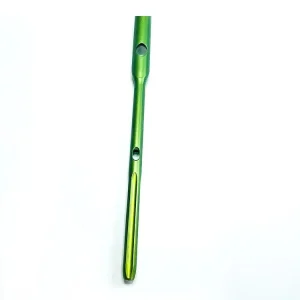
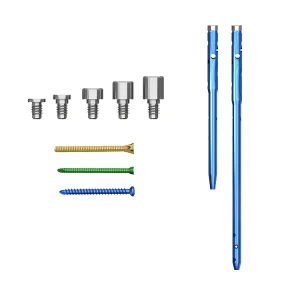
Osteora's intramedullary nails are processed exclusively from certified titanium alloy (Ti-6Al-4V ELI). This material has an exceptional strength-to-weight ratio and a low modulus of elasticity that closely mirrors human cortical bone, reducing stress shielding and promoting accelerated callus formation.
Our Type II electrochemical anodization process thickens the natural titanium oxide passive layer. This increases surface hardness, minimizes friction during insertion, reduces metal ion release, and provides superior resistance to organic and inorganic corrosive elements present in tropical environments.
All intramedullary implant systems undergo rigorous multi-million cycle dynamic fatigue testing in compliance with ASTM F382. This ensures that the implants can withstand physiological loading cycles during prolonged non-union scenarios, which are common in remote island locations.
Founded in 2016, Osteora Medical Devices Co., Ltd. has established a formidable global footprint in orthopedic implant manufacture. Driven by 12 years of industry expertise and 8 years of dedicated export operations, we provide certified trauma and joint reconstruction solutions to hospitals and medical distributors worldwide. Our supply chain features over 1,200 verified upstream and downstream partners, supporting a highly resilient delivery infrastructure designed for remote destinations like Kiribati.
Direct visual documentation of our production workflow, quality assurance, and mechanical verification facilities
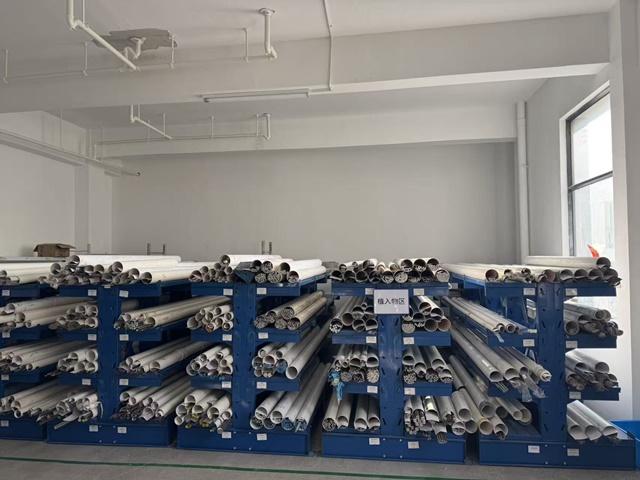
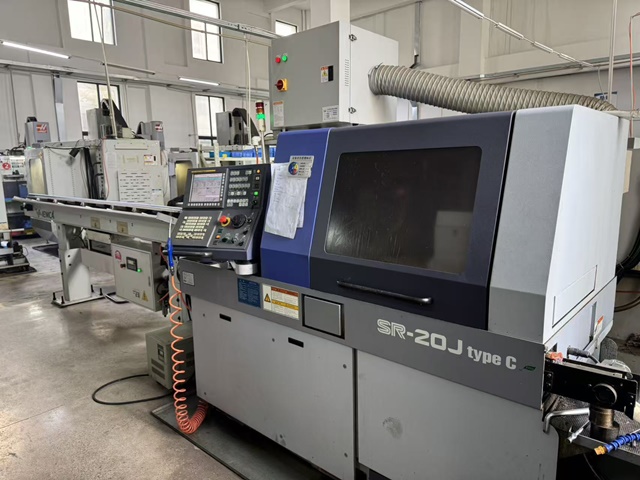
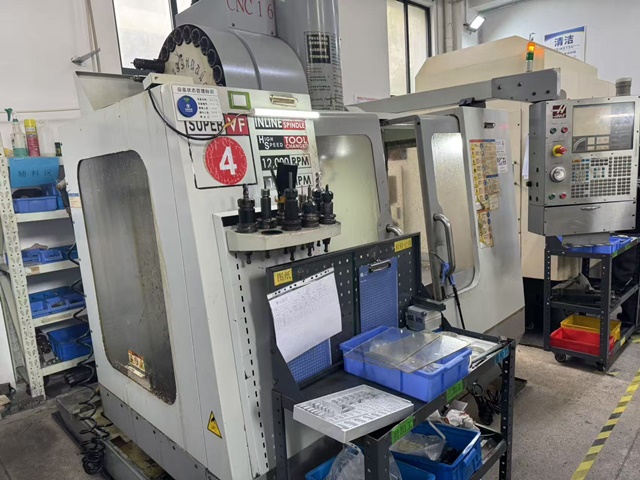
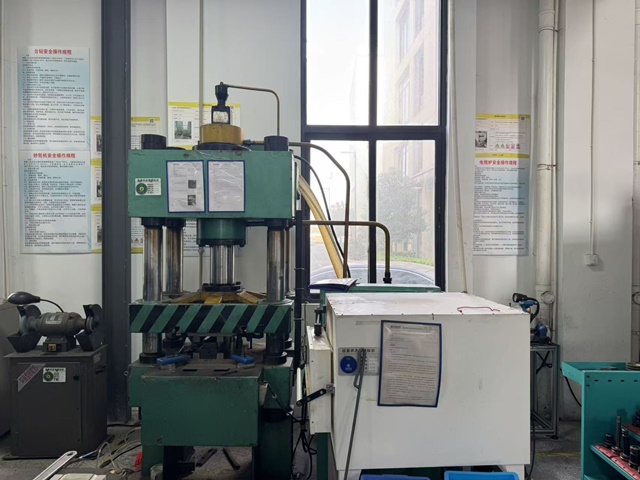
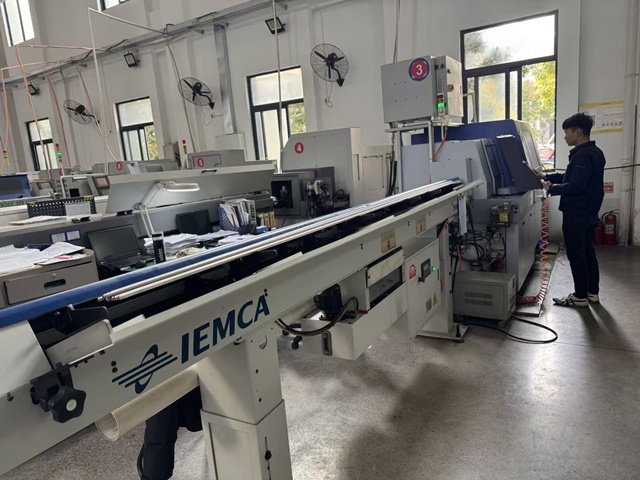
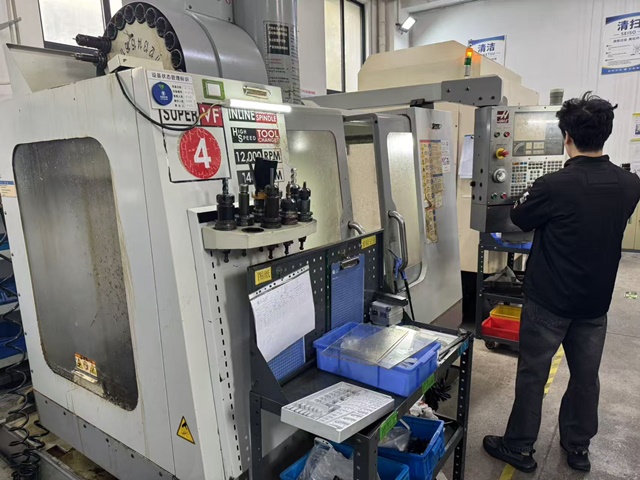
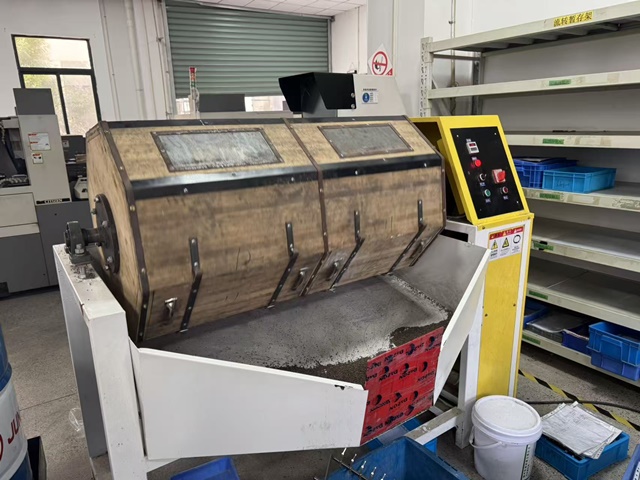
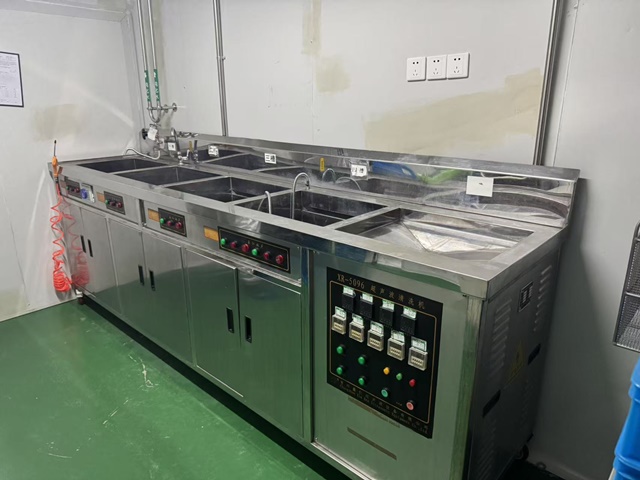
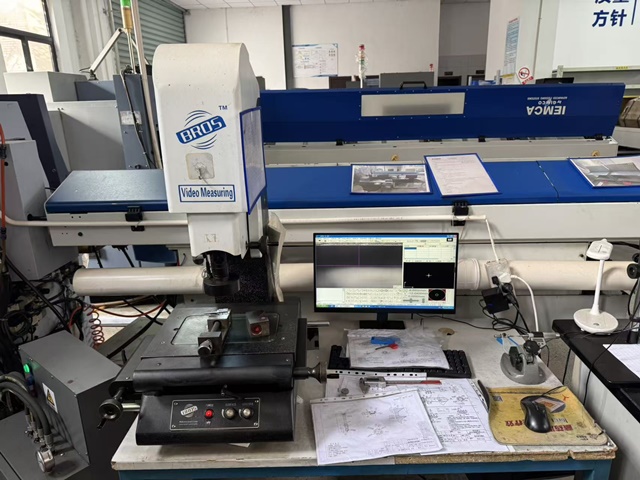
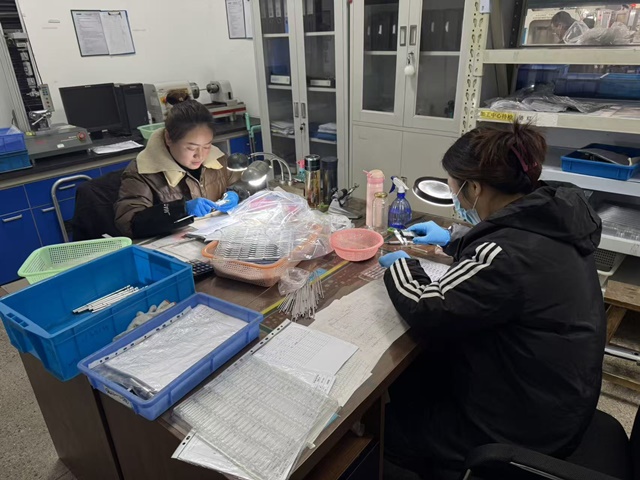
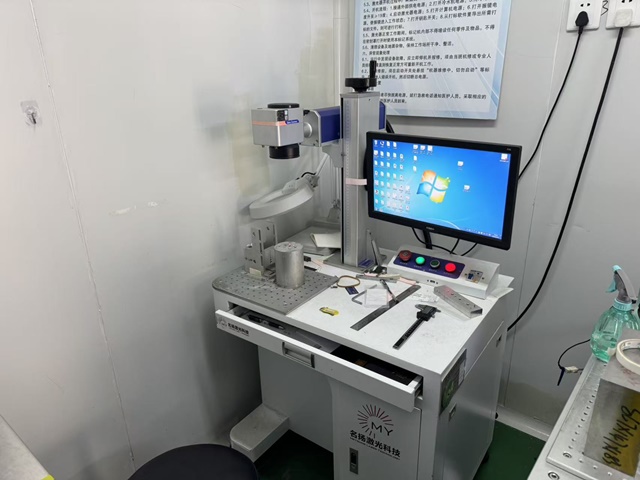
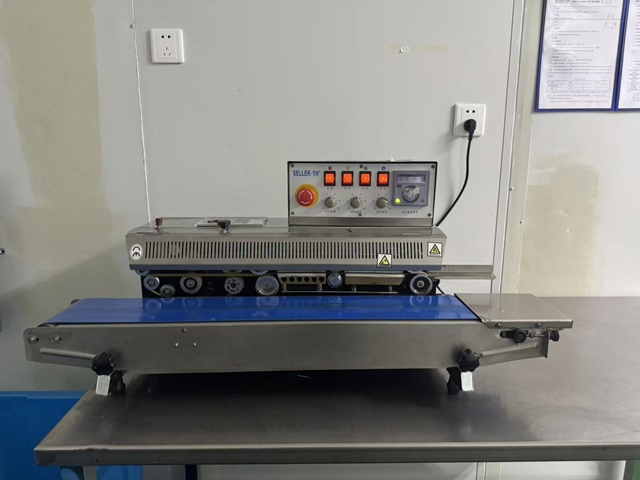
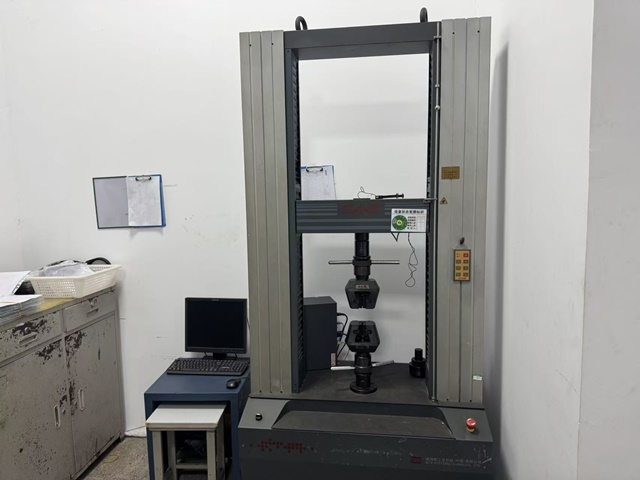
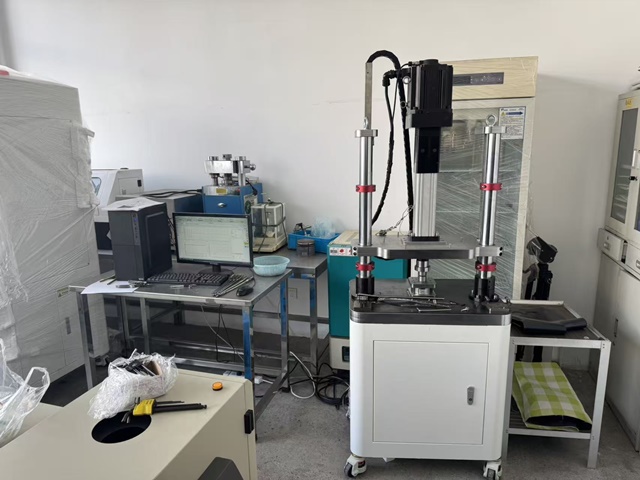
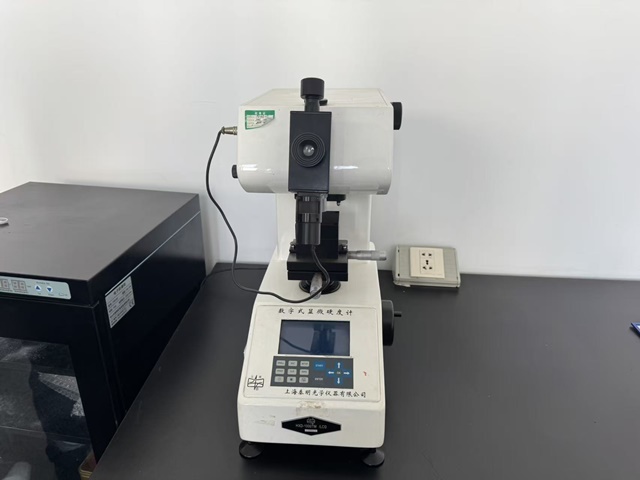
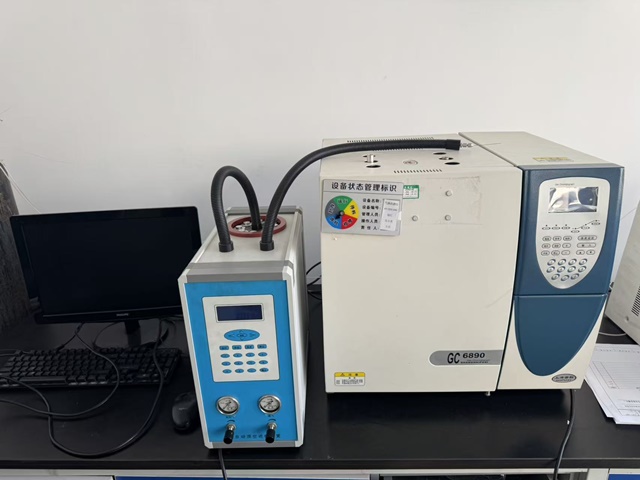
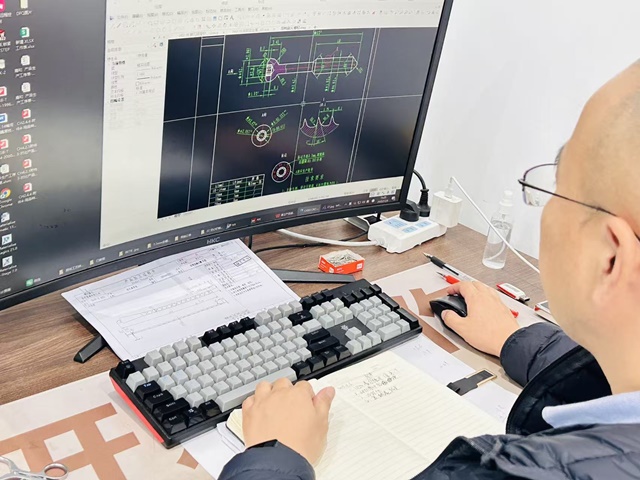
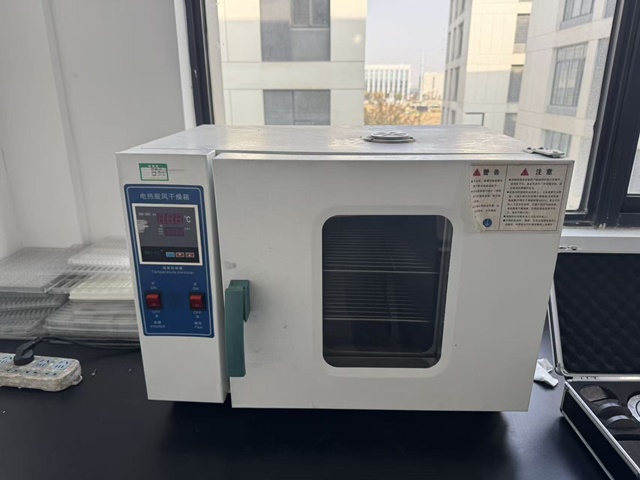
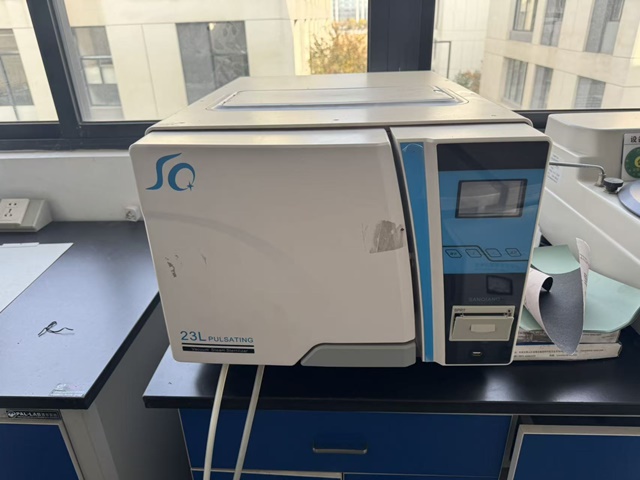
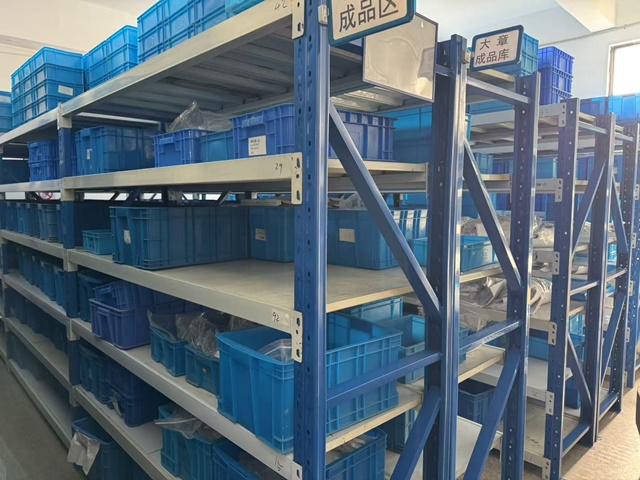
By controlling every stage—from the verification of alloy chemistry using raw gas spectrometry to the final packaging in ISO-certified cleanrooms—we ensure that every orthopedic implant arriving in Tarawa is structurally sound, traceably serialized, and clinically reliable.
Anticipating the future of orthopedic trauma care under resource-constrained clinical settings
Surgical site infections (SSIs) pose a significant challenge in hot, humid tropical marine climates. Osteora's R&D department is currently engineering silver-doped and copper-doped titanium dioxide coating technologies. This surface treatment provides local bactericidal properties to reduce implant colonization without compromising systemic biocompatibility, lowering patient complication rates in rural clinics.
Recognizing the limited availability of high-end image intensifiers in developing regions, we are investigating high-performance carbon-PEEK composite materials. These radiolucent implants will allow surgeons to easily verify fracture alignment using standard plain film radiographs, reducing total reliance on real-time fluoroscopic imaging.
Oceanic logistics to destinations like Tarawa (Bonriki International Airport) or the outer islands of Kiribati require careful planning. Standard delivery pipelines are often interrupted by transit delays, custom clearances, and shipping irregularities. To address this, Osteora offers tailored consignment models and customized sterile packaging strategies.
Our Consignment Stock Optimization Protocol analyzes clinical requirements at hospitals like Tungaru Central Hospital, ensuring a reserve of standard implant lengths, locking bolts, and instrument guides are kept on-site. This proactive approach helps reduce the clinical impact of supply delays, ensuring surgeons have access to the correct implant configurations when needed.
Addressing clinical, metallurgical, and logistics inquiries from Kiribati medical institutions and procurement officers
We supply both configurations based on client requirements. For remote facilities in Kiribati, we recommend our double-sealed sterile Tyvek® barrier packaging, sterilized via Ethylene Oxide (EO) or Gamma irradiation. This preserves sterility for 5 years, protecting the implant from ambient humidity during storage. We also offer non-sterile implants, which can be sterilized using local hospital autoclaves prior to surgery.
Ti-6Al-4V ELI (Grade 23) offers excellent resistance to localized pitting and crevice corrosion. Unlike stainless steel implants (such as 316L), which can degrade when exposed to salt-laden air, titanium alloys form a highly stable, self-healing oxide passivation layer. This ensures the mechanical integrity of the implant remains uncompromised during storage and after patient insertion.
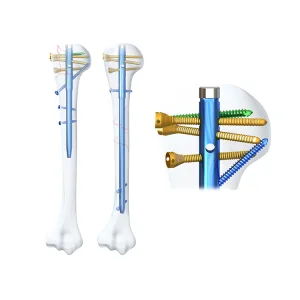
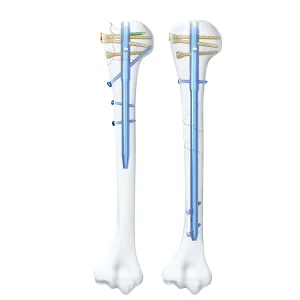
Yes. In clinics where real-time fluoroscopic C-arms are unavailable, our humeral, tibial, and femoral nail systems can be positioned using mechanical proximal and distal targeting jigs. These calibrated mechanical alignment guides assist the surgeon in placing locking bolts accurately, reducing the need for continuous radiographic visualization.
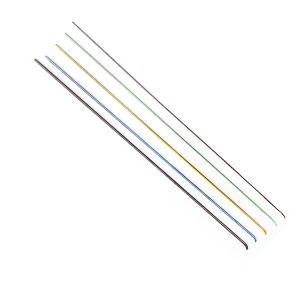
Yes, we manufacture pediatric-specific titanium alloy elastic nails (TEN) and mini interlocking nails. These implants are designed for younger patients, helping manage trauma cases locally and reducing the need for medical evacuation to overseas clinics.
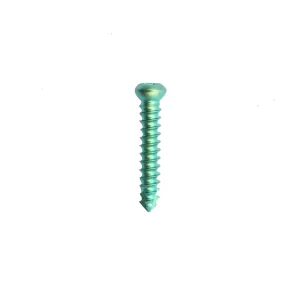
We use automated HAAS CNC centers and Swiss-type lathes to maintain tight dimensional tolerances. Our quality control team utilizes vision measuring systems and mechanical thread go/no-go gauges to verify that every locking screw matches the corresponding intramedullary nail, ensuring smooth assembly in the operating room.
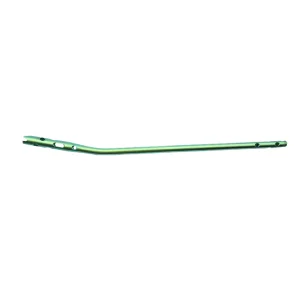
Our team of 85 R&D engineers supports comprehensive OEM/ODM customization. We can adjust lengths, distal bend angles, locking configurations, and surface treatments to match local tender specifications. Private labeling, custom laser marking, and dedicated surgical kit layout designs are available for larger public procurements.
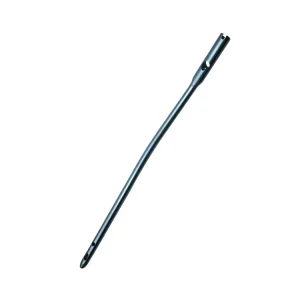
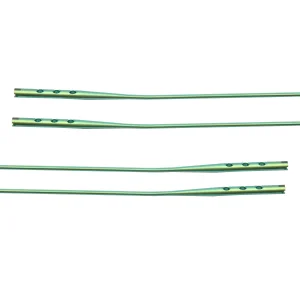
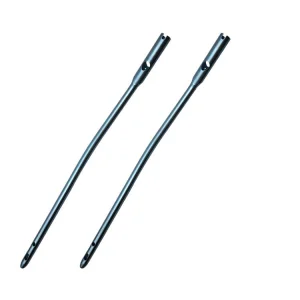
Select Implant Profiles Engineered for Traumatic Reconstruction and Specialized Anatomical Fixation
Partner with Osteora to optimize orthopedic trauma supplies for public health clinics and hospitals. Access reliable direct factory pricing, ISO 13485-certified manufacturing standards, and logistics support tailored for the Micronesia region.
Contact Our Technical Sales Team