Osteora
Osteora
Osteora
Our premier selection of orthopedic trauma fixation systems, tailored to comply with local medical device standards in South Korea, offering optimized biomechanical load sharing for rapid patient mobilization.
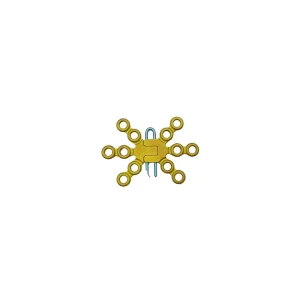
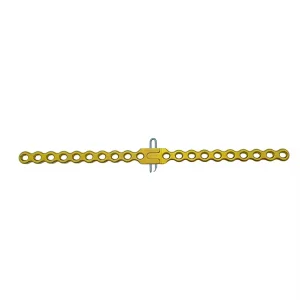
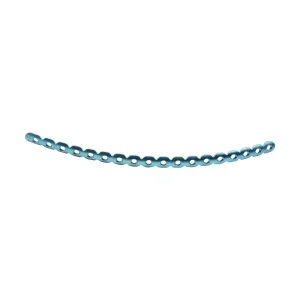
South Korea is experiencing an unprecedented demographic shift, rapidly transitioning into a super-aged society. As a direct consequence, the incidence of cardiovascular diseases, complex coronary artery bypass grafts (CABG), and valve replacement surgeries has escalated significantly. Traditionally, sternal closure post-median sternotomy relied almost exclusively on wire cerclage. However, clinical researchers at leading Korean institutions—including the Asan Medical Center, Seoul National University Hospital (SNUH), and Samsung Medical Center—have highlighted the limitations of stainless-steel wires, particularly in high-risk patients. For patients with osteoporosis, chronic obstructive pulmonary disease (COPD), diabetes mellitus, or elevated body mass index (BMI), traditional wires are prone to the "cutting effect," leading to sternal instability, nonunion, and catastrophic deep sternal wound infections (DSWI).
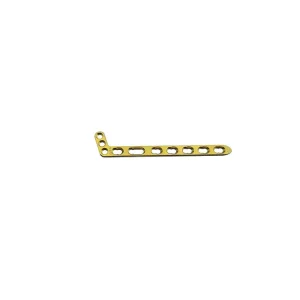
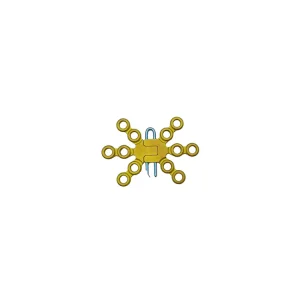
To mitigate these risks, South Korea's medical landscape has rapidly embraced Rigid Sternal Fixation (RSF) Systems. By using anatomically contoured titanium locking plates and low-profile monocortical screws, surgeons can distribute physiological loads uniformly across the sternum. This structural stability facilitates immediate thoracic wall synchronization, reduces postoperative pain, promotes rapid bone healing, and dramatically reduces intensive care unit (ICU) stays. Consequently, the Ministry of Food and Drug Safety (MFDS) has established rigorous criteria for importing and registering these high-risk orthopedic implants, prioritizing suppliers who can provide extensive mechanical fatigue testing data and biocompatibility validations.
Clinical Insight: Comparative studies indicate that rigid titanium sternal plating reduces sternal complications by up to 60% in patients with osteopenic bone compared to traditional wire closure techniques.
On a global scale, the sternal closure market is valued at hundreds of millions of USD, driven by a growing demand for minimally invasive cardiothoracic procedures and hybrid operating room technologies. The global medical community is establishing new clinical guidelines that recommend rigid fixation as the primary standard of care for high-risk sternotomies. Simultaneously, global healthcare procurement managers are facing severe supply chain disruptions, prompting a diversification of supplier portfolios. Buyers from the United States, Western Europe, and highly regulated Asian markets (such as South Korea and Japan) are shifting their sourcing strategies toward manufacturers who possess comprehensive vertical integration—from raw material ingots to sterile packaging.
As the parent manufacturer of high-precision orthopedic implants, Osteora Medical Devices Co., Ltd. (founded in 2016) has pioneered cost-effective, high-yield production models that bridge the gap between premium quality and competitive pricing. Operating from our state-of-the-art 18,500㎡ facility, we integrate German-engineered HAAS CNC machinery and Swiss-type precision lathes to achieve dimensional tolerances of less than ±5 microns.
With a comprehensive network of 1,200 certified partners and 85 dedicated R&D engineers, we execute high-volume OEM/ODM orders with rapid lead times, ensuring steady supply lines to Korean distributors.
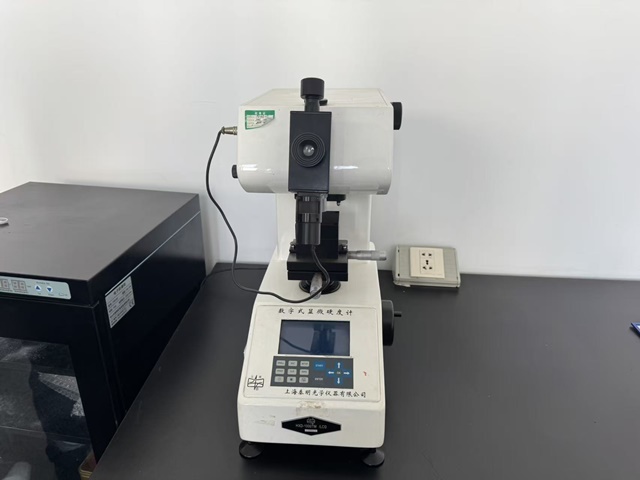
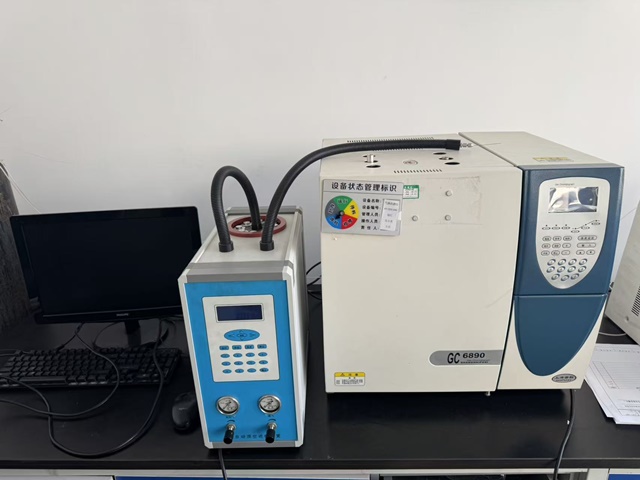
Supported by 42 specialized inspectors, we deploy mechanical fatigue testing, Vickers hardness testing, and gas spectrometry. Every batch is traceable back to the medical-grade raw titanium ingot.
We provide full technical documentation dossiers (including ISO 13485 test protocols, biocompatibility studies, and sterilization validations) crucial for smooth MFDS approval processes in Korea.
Supply Chain Security: Our annual export revenue of USD 6 million to 14 million testifies to our stable, highly regulated export structures, making us the partner of choice for regional distributors in Busan, Incheon, and Seoul.
Our commitment to clinical excellence is reflected in our fully integrated, step-by-step manufacturing and inspection procedures. We control every variable to deliver implants that surgeons can trust implicitly.
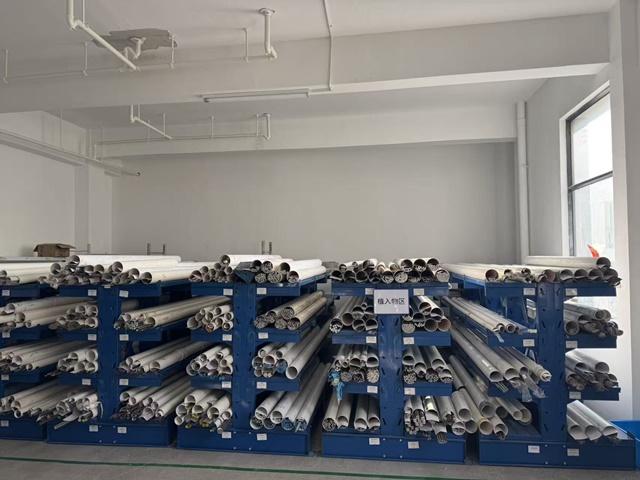
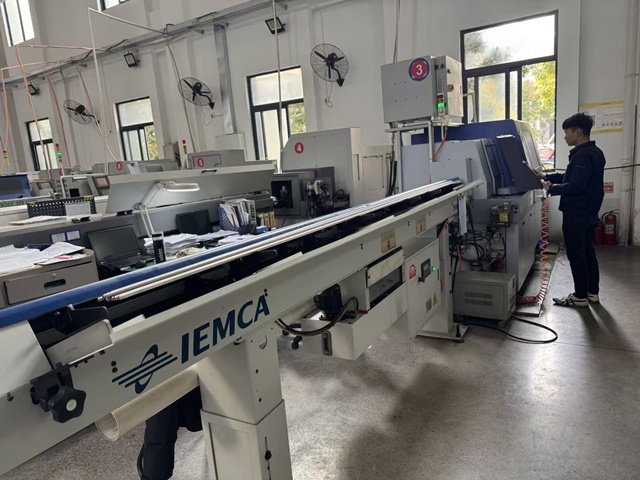
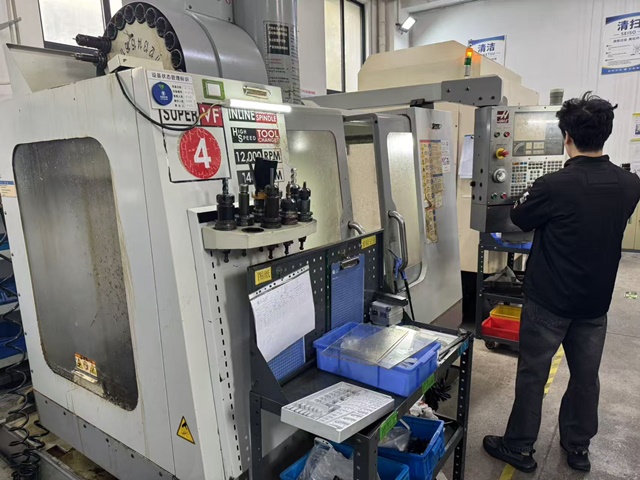
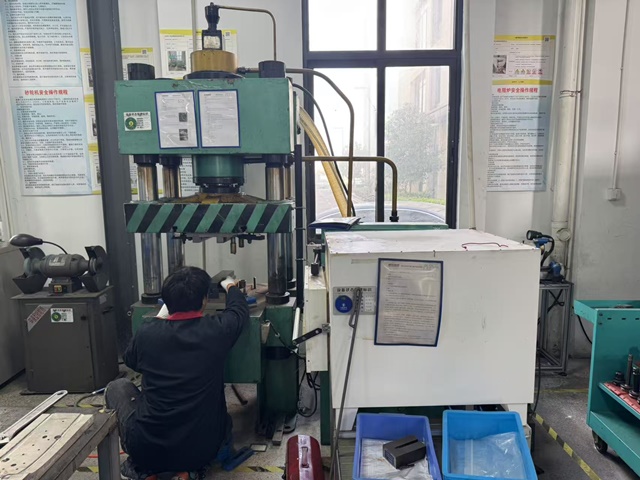
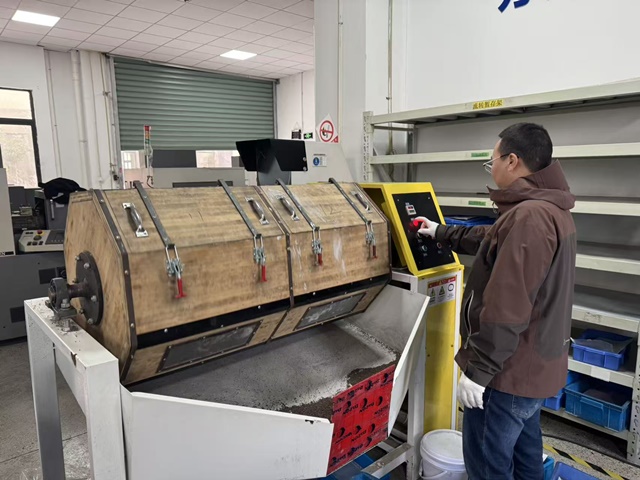
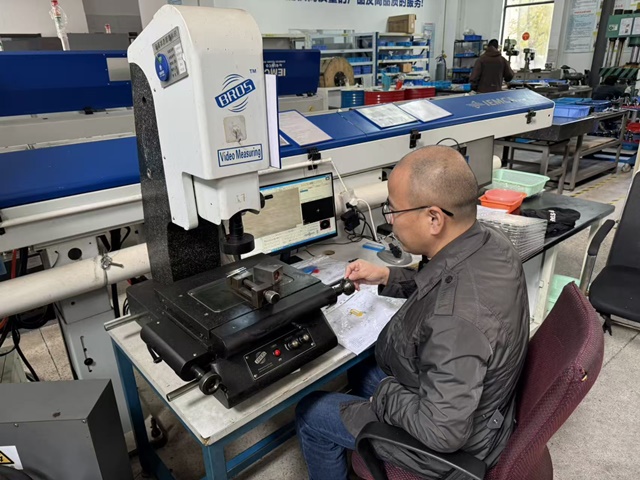
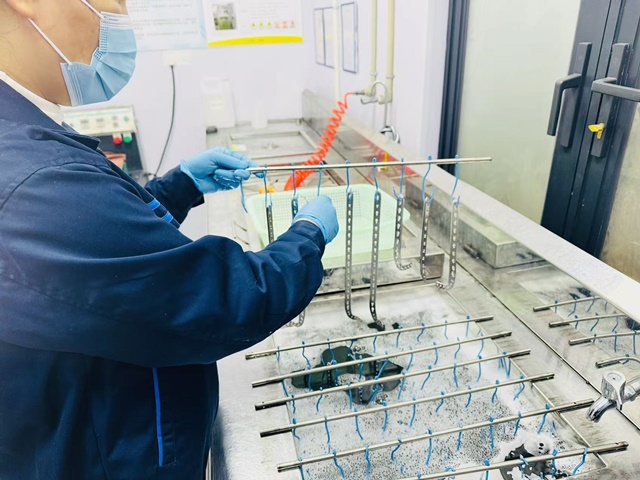
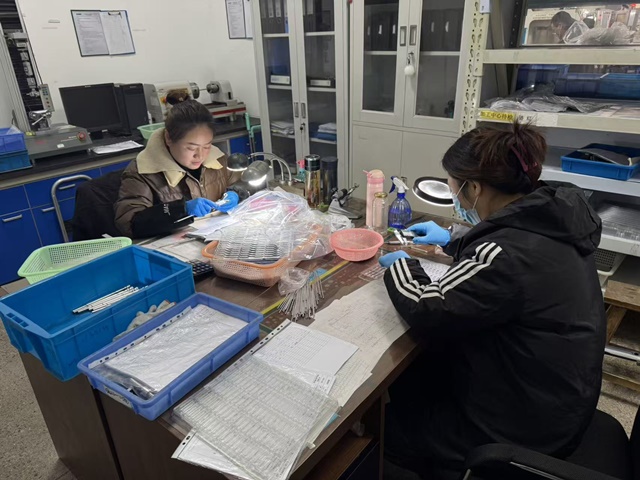
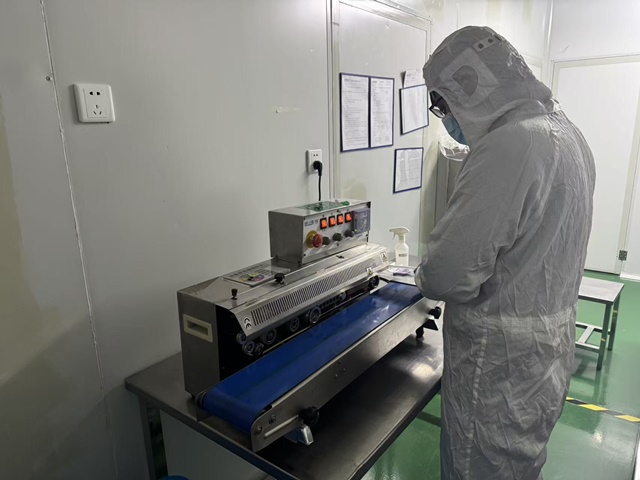
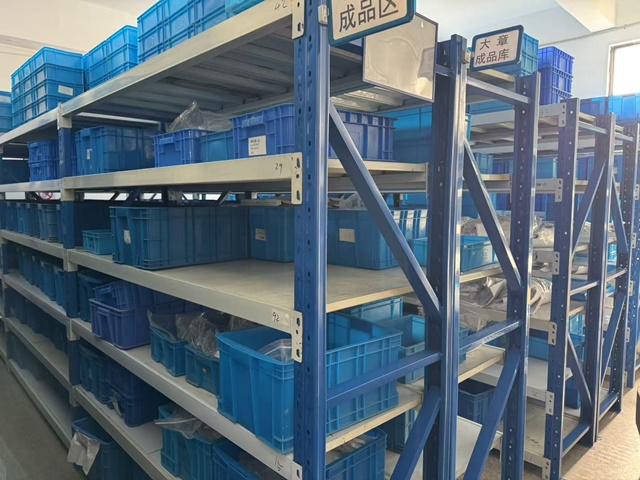
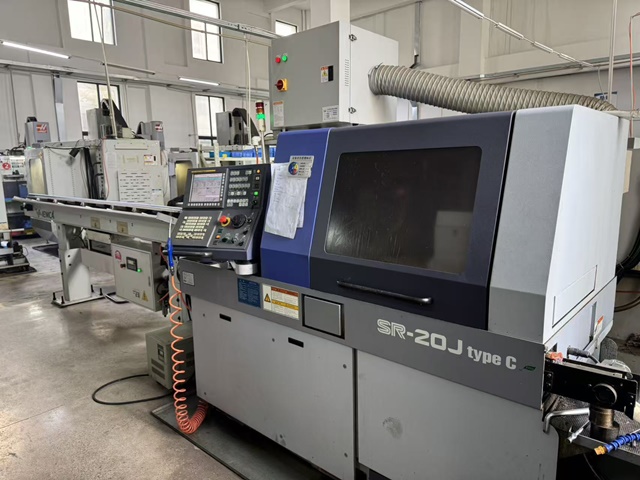
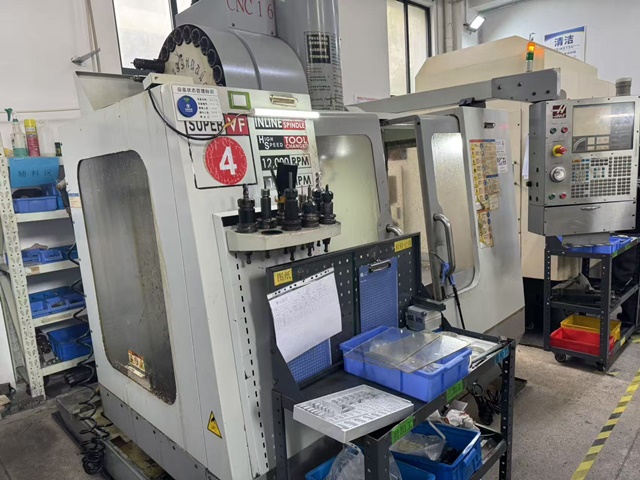
In South Korea's highly advanced medical centers, rigid sternal fixation systems have found specific clinical pathways where they are deemed indispensable:
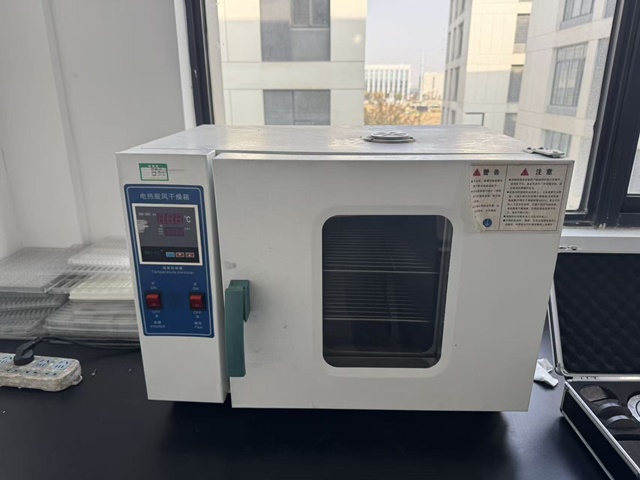
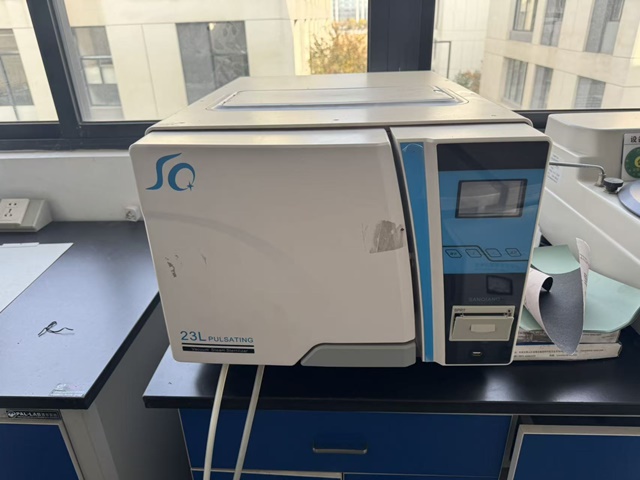
Our commitment to regulatory compliance for the South Korean National Health Insurance Service (NHIS) requires high-end analytical equipment. Every batch of our sternal implants undergo thorough testing to match international biomechanical benchmarks.
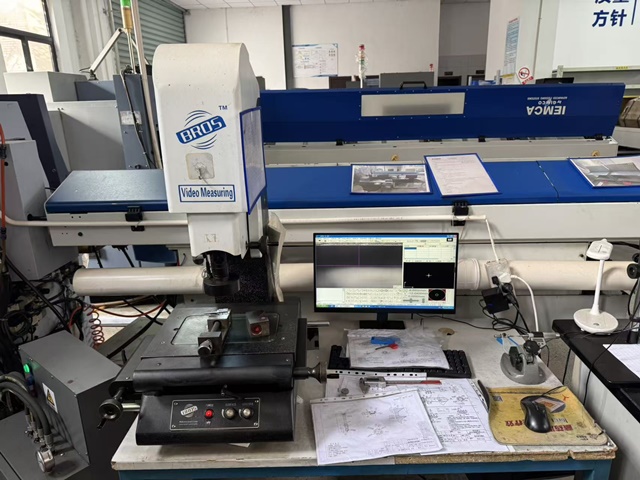
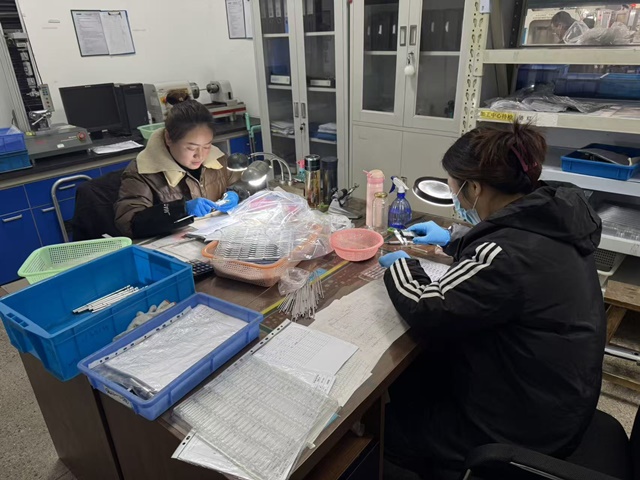
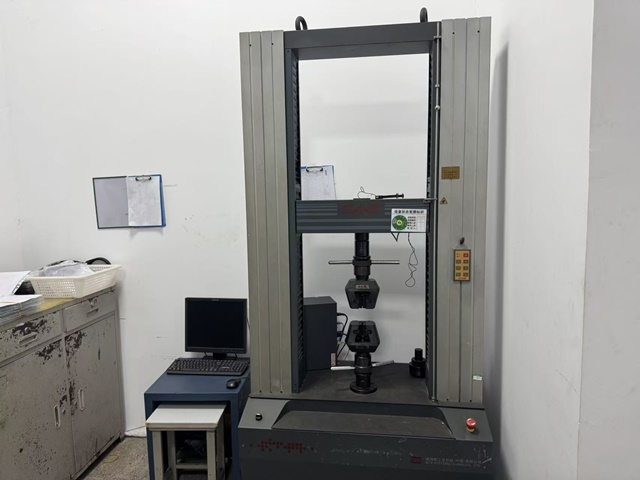
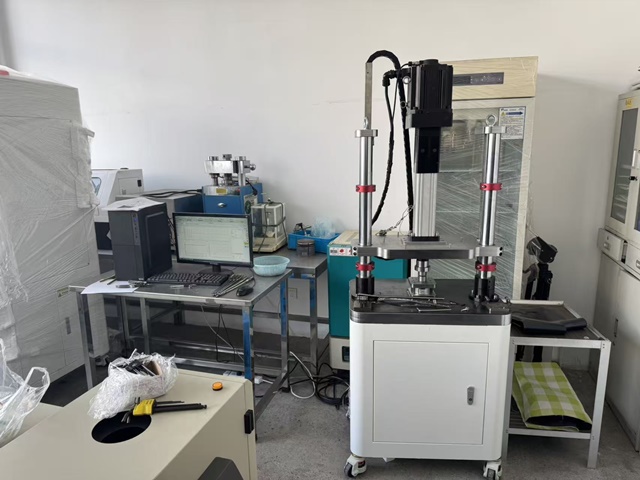
Procuring surgical implants for a hospital network or distributor network in Korea demands meticulous verification of mechanical stability and anatomical compatibility. When evaluating partners, keep the following priorities in mind:
Clinical data indicates that rigid sternal plating systems demonstrate significantly lower rates of deep sternal wound infection (DSWI) and sternal dehiscence compared to wire cerclage. By maintaining rigid fixation, the plates prevent movement and friction between the bone halves, which is the primary cause of sternal instability, bone necrosis, and secondary bacterial contamination.
Our manufacturing processes are fully ISO 13485 compliant, and our testing protocols are designed to align with MFDS guidelines. We actively collaborate with Korean distributors by providing technical dossiers, raw material certifications (ASTM F136), fatigue test data, and biological safety evaluations to facilitate smooth registration and NHIS reimbursement listings.
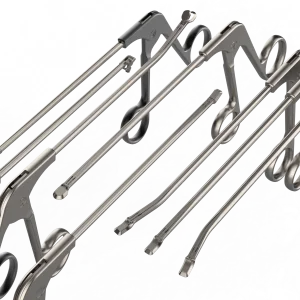
Yes. Our sternal fixation system includes specialized instrumentation, including a rapid-response emergency plate cutter. The plates are designed with dedicated cutting zones, allowing cardiac surgical teams to sever the plates and access the mediastinum within 60 seconds during acute emergencies.
We provide full-scale OEM/ODM support, including customized plate profiles, variations in screw thread pitches, unique surface anodization colors, custom-curved rib plates, and specialized surgical instrument containers. Our in-house R&D team of 85 engineers can translate 2D drafts into finished sterile-ready titanium implants.
Typical lead times for standard implant orders range from 3 to 5 weeks. Every production run undergoes rigorous statistical sampling. Testing includes Vickers hardness testing to verify alloy temper, gas spectrometry to verify molecular purity, and precision optical inspection. 42 QA inspectors supervise our facility to guarantee 100% traceabilty of surgical-grade products.
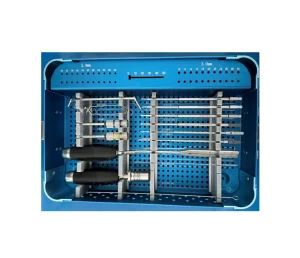
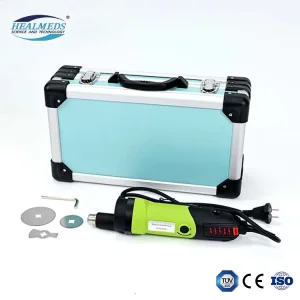
Beyond sternal plates, we manufacture a comprehensive selection of orthopedic trauma fixation systems, spinal implants, and high-performance surgical instruments. All items are produced under strict international quality controls.