Osteora
Osteora
Osteora
Engineered for immediate arthroscopic intervention in high-impact sports trauma cases across Fiji's regional hospitals.

Fiji, as the pivotal healthcare hub of the South Pacific, is experiencing a transformative phase in clinical orthopedic intervention. The confluence of a highly active sporting population—most notably in professional and amateur Rugby Union and Rugby League—with the growing demands of modern trauma care has created a profound clinical imperative for high-performance orthopedic implants.
However, the geographic isolation of the Fijian archipelago poses significant supply chain challenges. Hospital networks, including the Colonial War Memorial Hospital (CWMH) in Suva, Lautoka Hospital, and Nadi Hospital, require implant systems that demonstrate not only clinical efficacy but also exceptional structural reliability and predictable logistical pathways. This whitepaper analyzes the current macroeconomic climate of sports medicine, details global material trends, and demonstrates how Osteora Medical Devices Co., Ltd. addresses these demands with specialized manufacturing protocols.
"For remote medical centers in the South Pacific, the true cost of an implant is not simply the purchase price, but the total clinical cost including revision rates, instrumentation availability, and sterilization complexity."
Epidemiological data from local regional clinics shows that soft tissue injuries—primarily Anterior Cruciate Ligament (ACL) ruptures, meniscus tears, and acromioclavicular (AC) joint separations—comprise over 65% of sports-related admissions. Because rugby is played intensely across all age demographics in Fiji, orthopedic surgeons are faced with highly complex multi-ligament instability cases daily. To minimize long-term morbidity and facilitate a faster return-to-play, local medical institutions are pivoting from traditional open reconstruction to advanced arthroscopic interventions.
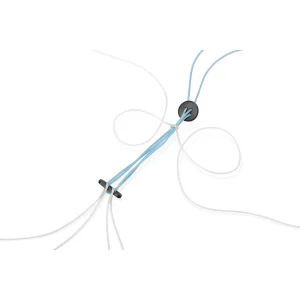
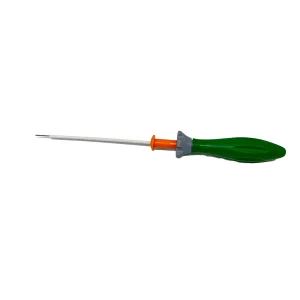
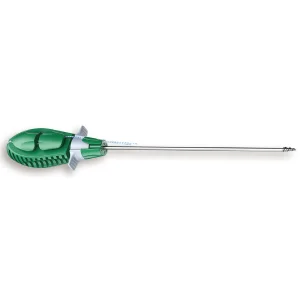
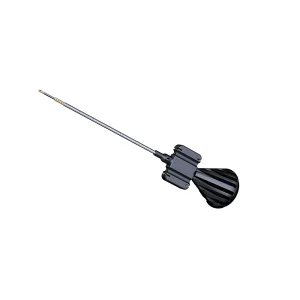
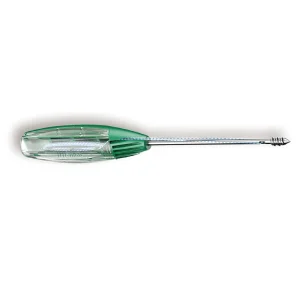
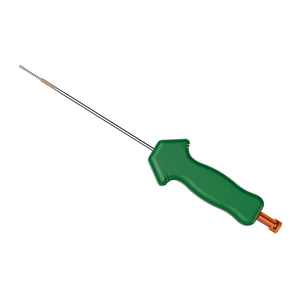
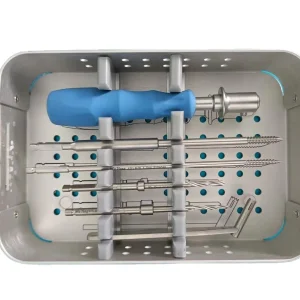
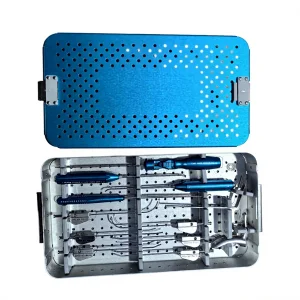
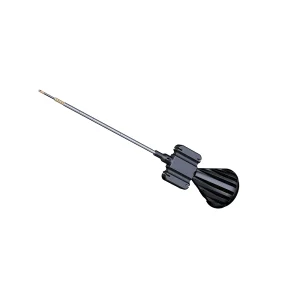
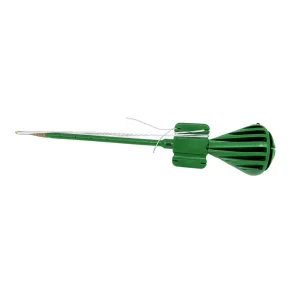
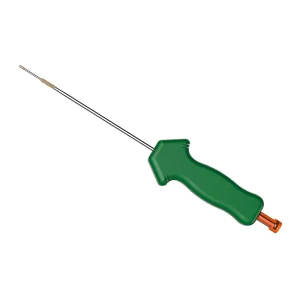
This shift highlights the critical need for advanced surgical kits, such as the Double Needle Meniscal Repair System and PEEK Suture Anchors, which allow surgeons to perform precise, minimally invasive reconstructions. Minimizing incision sizes and operating time is crucial in tropical environments where surgical site infections (SSIs) pose a higher risk.
Founded in 2016, Osteora Medical Devices Co., Ltd. is a professional orthopedic implant and surgical solution manufacturer specializing in trauma, spine, and joint reconstruction systems. Under the brand Osteora, we have earned a global reputation by aligning our operations with strict international standards (ISO 13485).
With over 12 years of industry expertise and 8 years of dedicated export operations, we generate an annual export revenue of USD 6 million to 14 million. We actively supply and support orthopedic networks across Europe, Southeast Asia, the Middle East, South America, and the Pacific region.
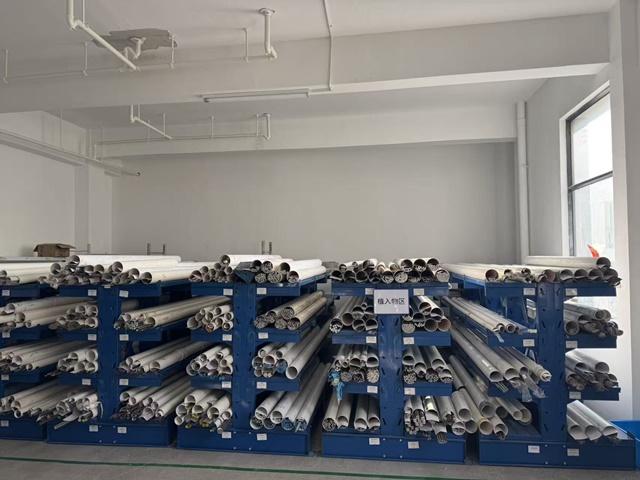
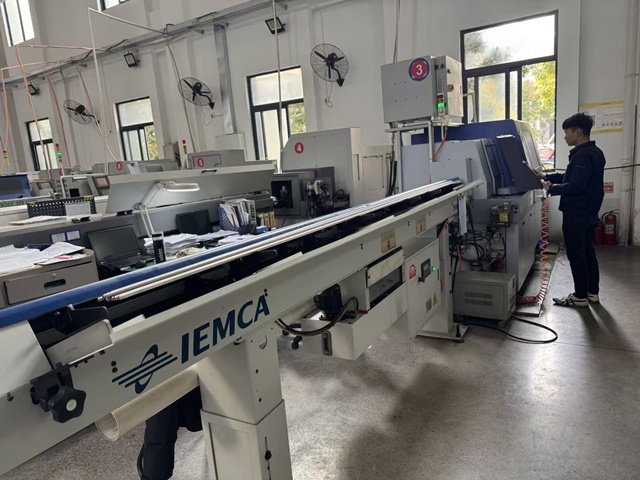
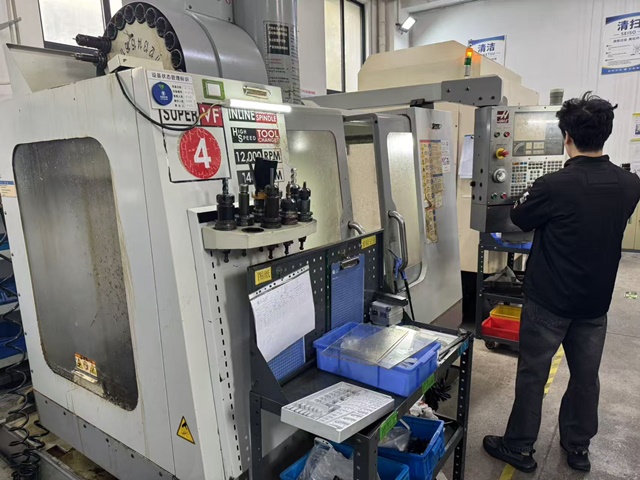
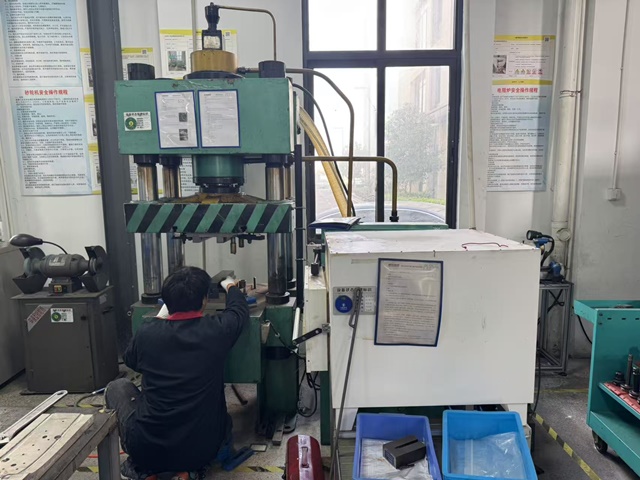
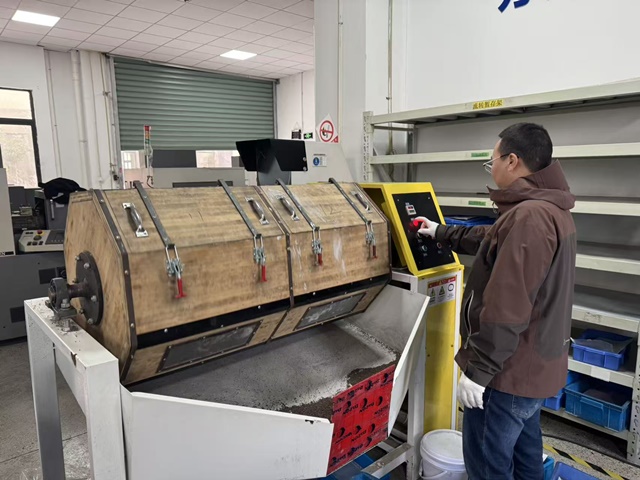
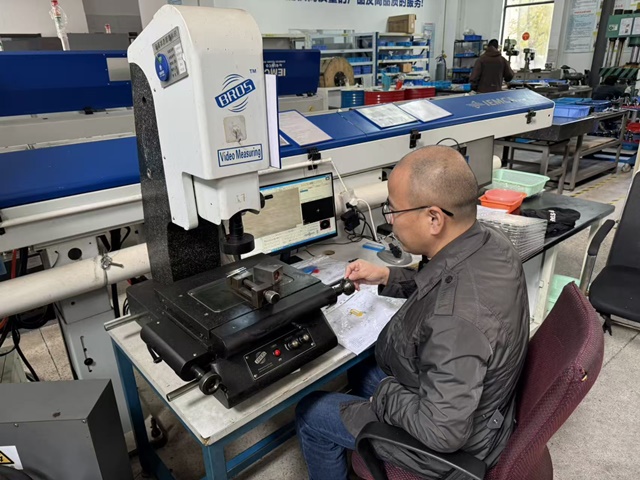
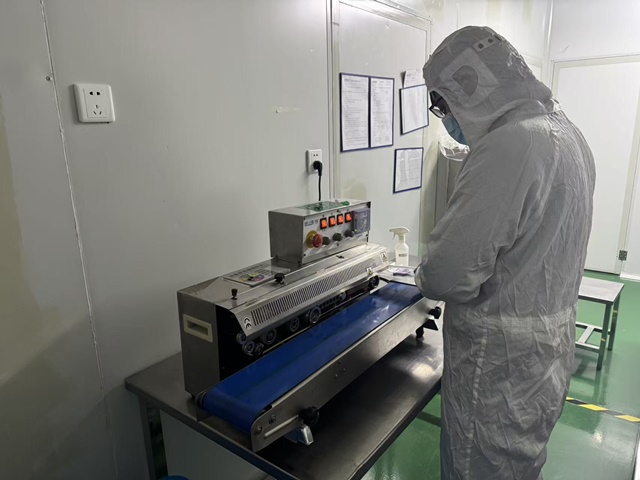
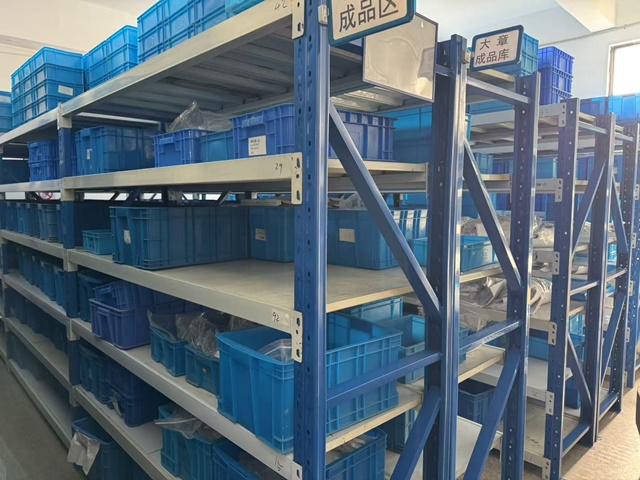
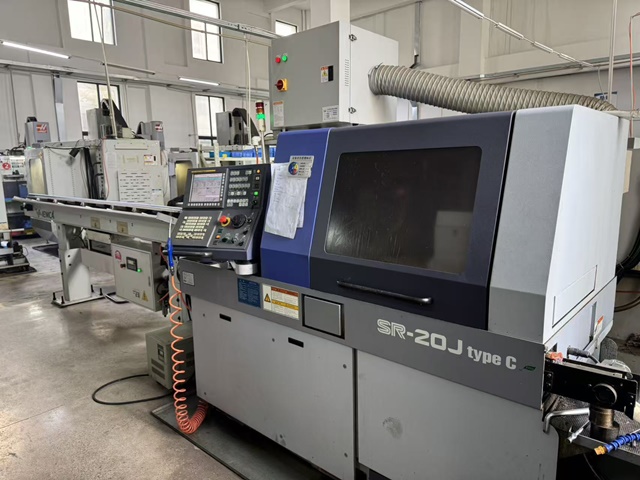
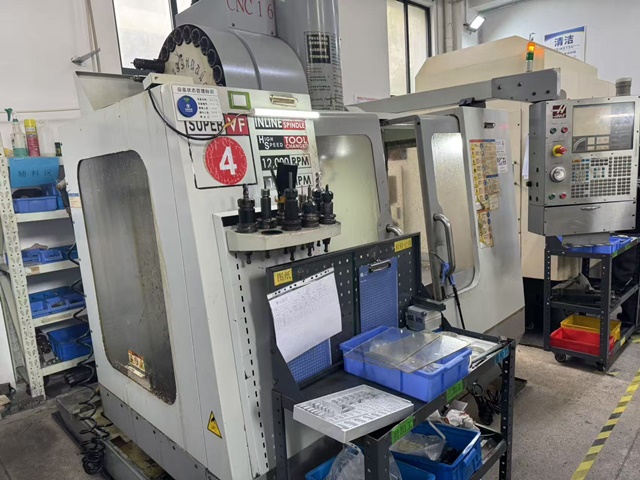
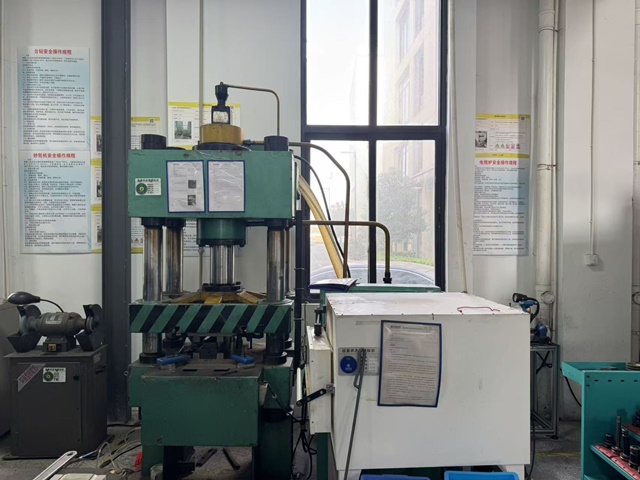
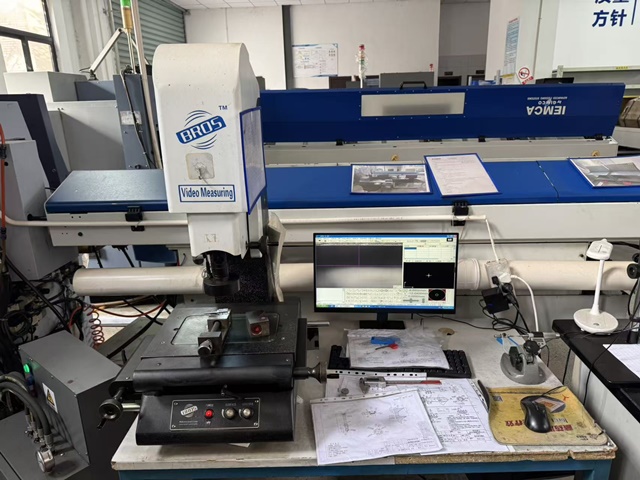
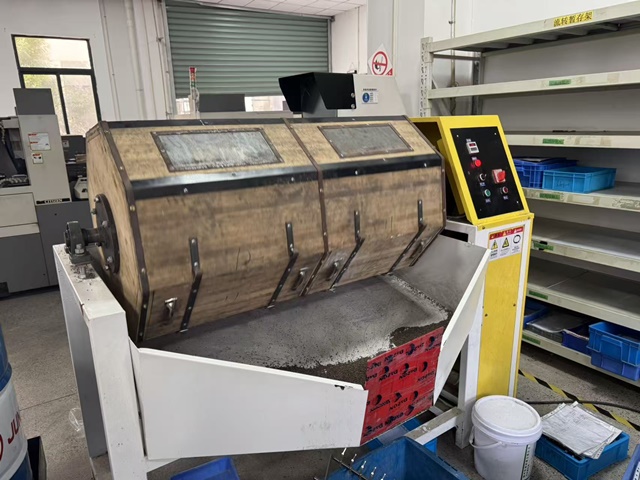
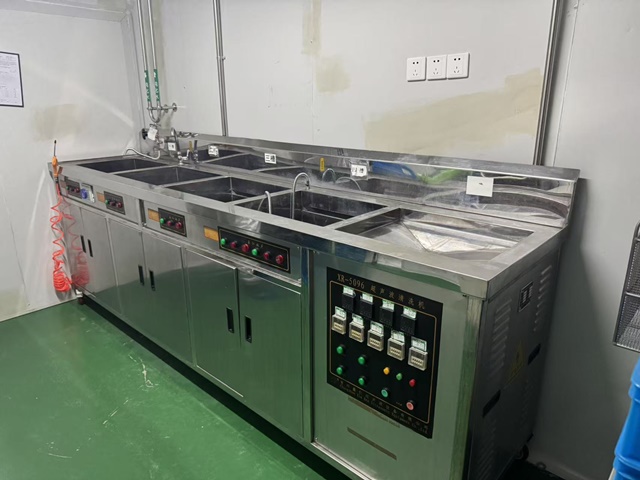
Our advanced manufacturing facility utilizes high-precision Swiss-type lathes and CNC centers to ensure implant tolerances are held to micrometer levels.
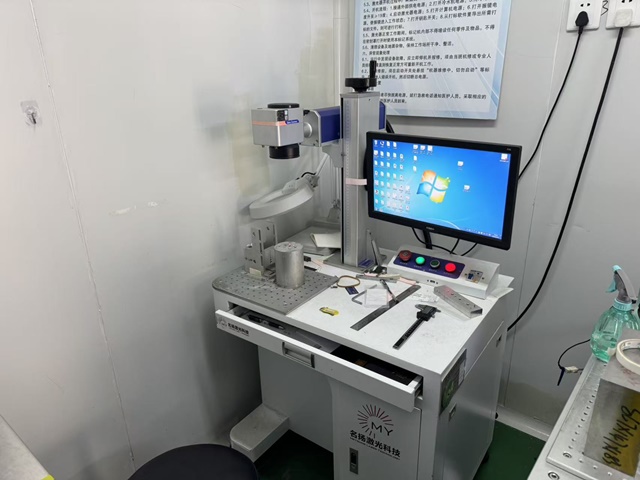
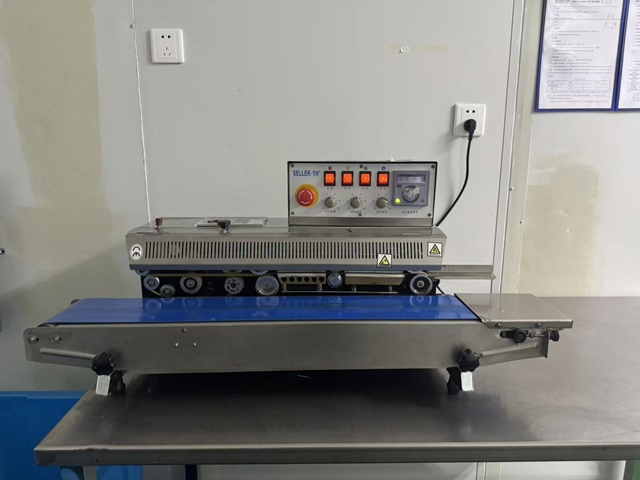
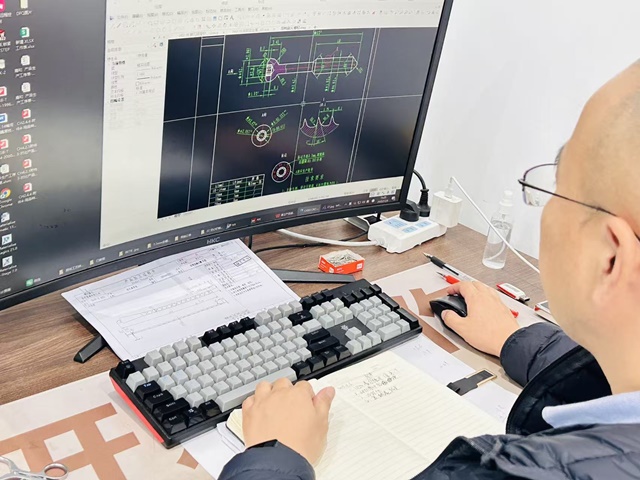
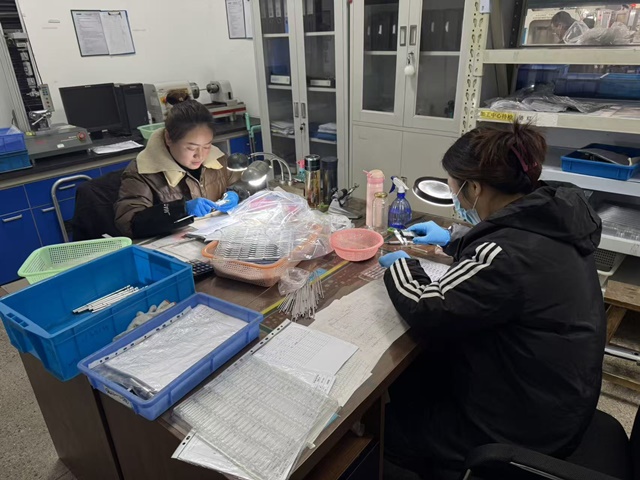
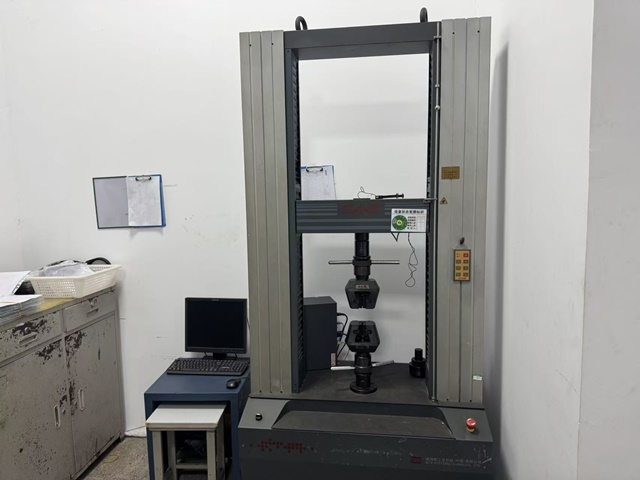
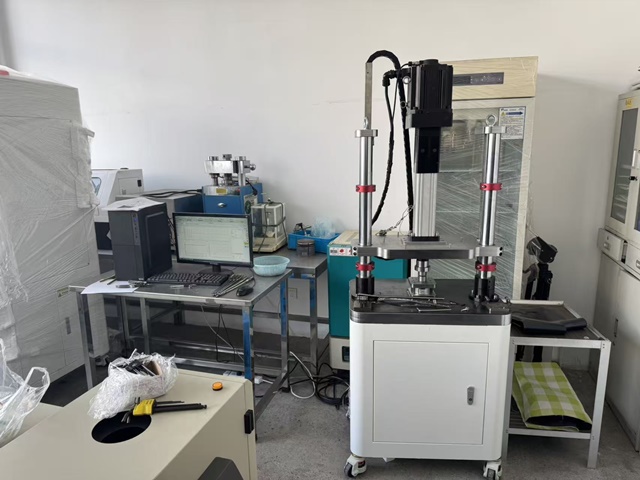
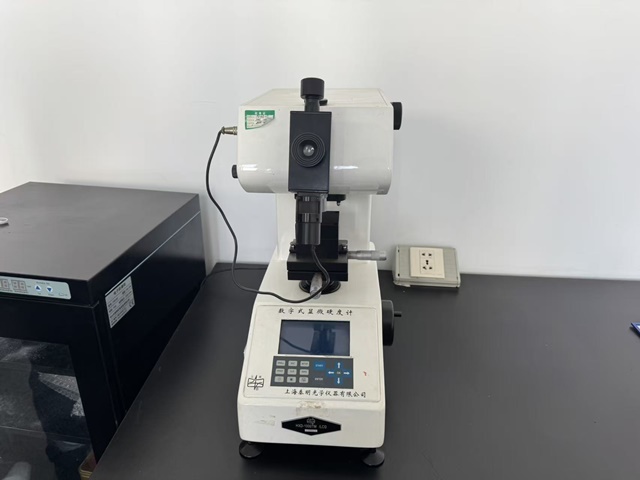
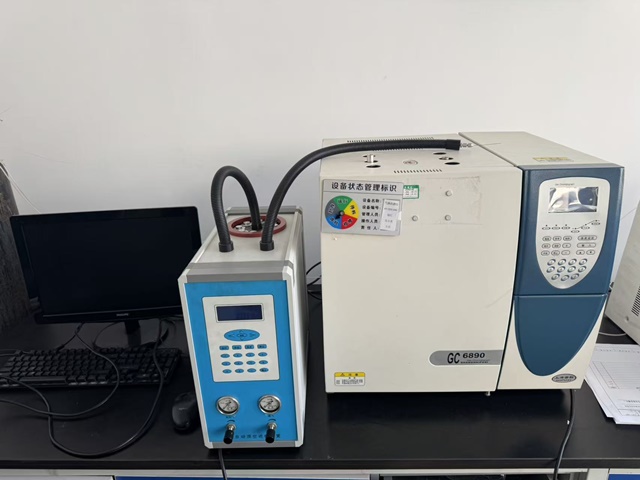
Choosing the optimal anchor material: Exploring bio-absorbable polymers and high-performance polyetheretherketone (PEEK) for soft-tissue fixation.
The global sports medicine market is projected to reach USD 9.5 billion by 2028, growing at a CAGR of 6.2%. This growth is driven by a shift toward outpatient arthroscopy, biological fixation strategies, and personalized knee reconstruction. Within the South Pacific, the demand is particularly focused on:
Osteora's product line leverages two primary advanced biomaterials:
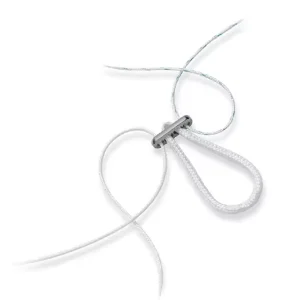
For fixation plates, we utilize Ti-6Al-4V Grade 5 Titanium Alloy. This alloy provides the tensile strength required to withstand the high loads generated during sudden acceleration and contact sports, making it ideal for acromioclavicular (AC) joint and ligament reconstructions.
Engineered to meet the exact mechanical requirements for major soft tissue and ligament reconstruction procedures in Fiji.