Osteora
Osteora
Osteora

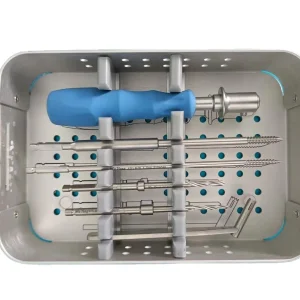
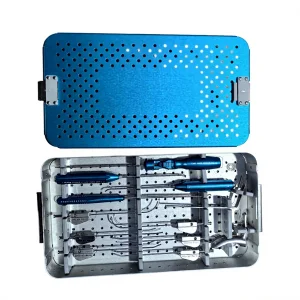
Ireland has established itself as one of the premier global clusters for Medical Technology, hosting major international players and a sophisticated ecosystem of specialized clinical practitioners. The Irish healthcare delivery model, comprised of the public Health Service Executive (HSE) system and a growing network of private hospitals (such as the Bon Secours Health System and the Beacon Hospital), requires an uninterrupted supply of class-leading orthopedic and sports medicine implants. With high participation rates in demanding contact sports like Gaelic Football, Hurling, and Rugby, Irish orthopedic surgeons face a disproportionately high volume of soft tissue injuries, including anterior cruciate ligament (ACL) ruptures, meniscal tears, and lateral ankle ligament instability.
To serve this clinical landscape, medical device distributors in Dublin, Galway, and Cork are actively transitioning their sourcing strategies to manufacturers that can provide significant Information Gain and technical compliance under the EU Medical Device Regulation (EU MDR 2017/745). Cost containment combined with clinical safety drives the current purchasing criteria. Sourcing directly from certified facilities with integrated R&D infrastructures enables Irish procurement teams to bypass costly intermediary markups while maintaining strict adherence to mechanical tolerances and biocompatibility benchmarks.
Modern sports medicine is undergoing a paradigm shift towards tissue preservation and accelerated post-operative rehabilitation. The evolution of fixation devices from traditional metallic configurations to polyether ether ketone (PEEK) and biocomposite materials has changed clinical outcomes. PEEK materials mimic the elasticity of human cortical bone, reducing stress shielding at the insertion site, while biocomposite materials (specifically combining polylactic-co-glycolic acid [PLGA] and beta-tricalcium phosphate [β-TCP]) facilitate progressive bone ingrowth and eventual resorption, eliminating long-term foreign body presence.
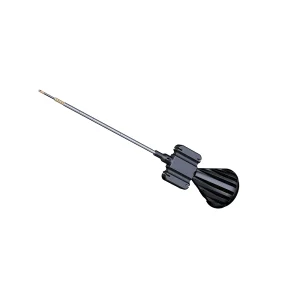
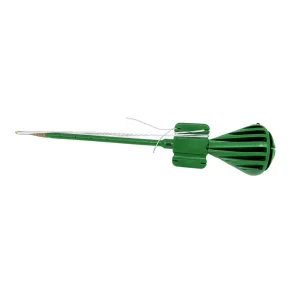
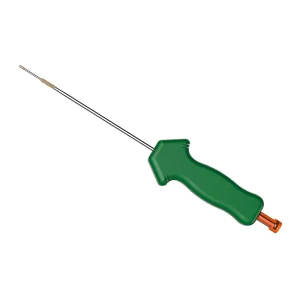
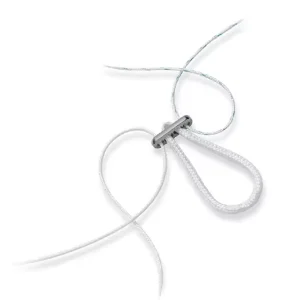
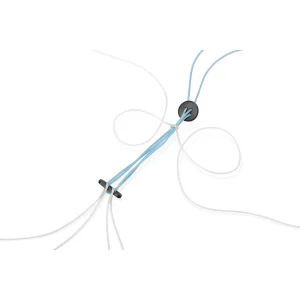
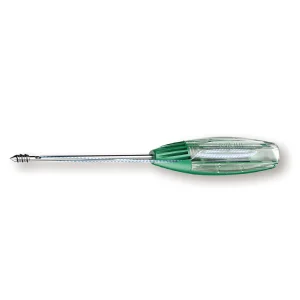
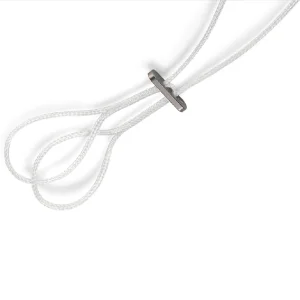
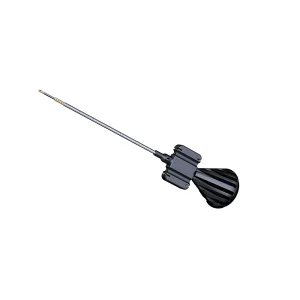
Additionally, instrument design is focusing on low-profile, single-use, and modular delivery systems. Knotless suture anchor technologies and all-inside meniscal repair staplers enable orthopedic surgeons to complete reconstructions through keyhole portals with minimal joint trauma. This shift directly supports Irish ambulatory surgical centers aiming to optimize outpatient throughput and lower hospital readmission rates due to post-operative infections.
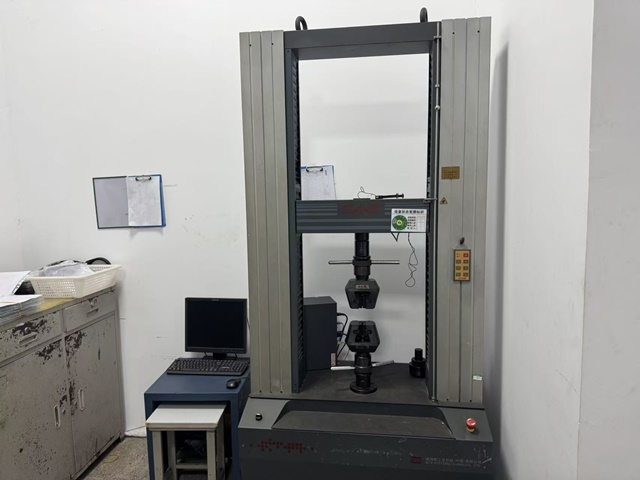
In sport-related reconstructions, suture slip and bone anchor pull-out represent primary mechanical failure modes. Our engineering team designs anchors utilizing advanced cyclic loading testing under physiological conditions, ensuring that pull-out forces exceed 350 Newtons. This reliability translates directly to a reduction in revision surgeries across patient cohorts in high-demand contact sports.
Recent global macroeconomic disruptions have highlighted the vulnerabilities of traditional medical supply chains. For Irish buyers, lead times from domestic or regional European consolidators have extended, causing orthopedic surgical backlogs. Consequently, strategic sourcing is shifting towards advanced China Factory 4.0 production environments. Modern medical manufacturing in China has moved beyond high-volume production to embrace precision engineering, digitized quality management, and vertically integrated supply chains.
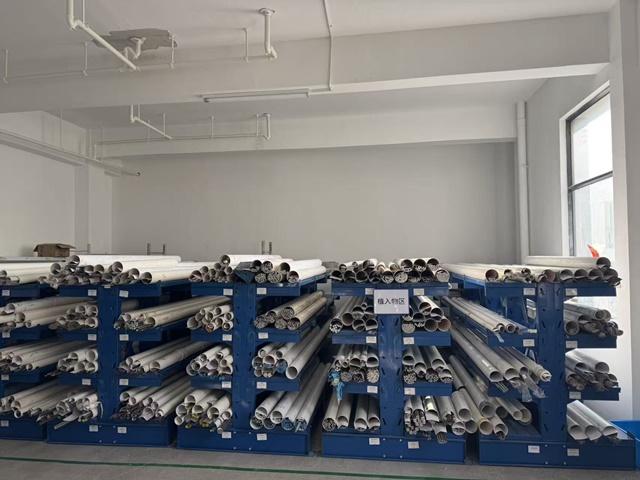
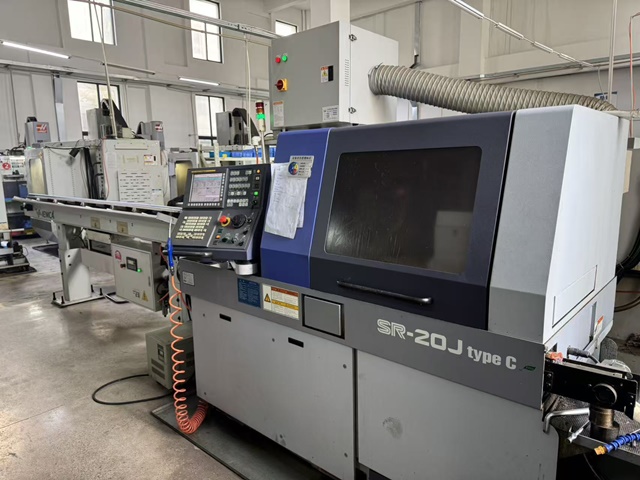
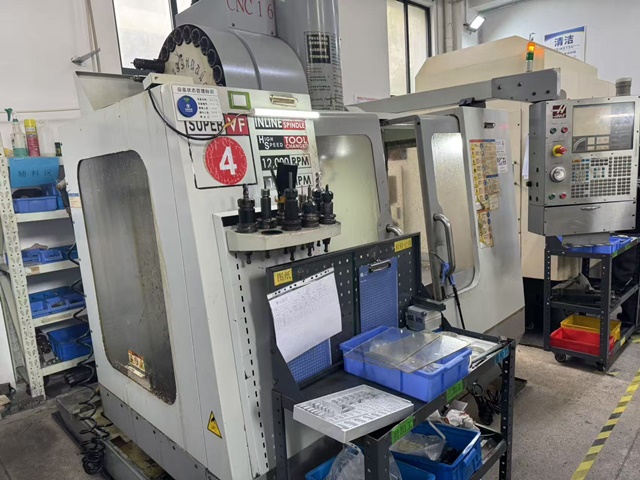
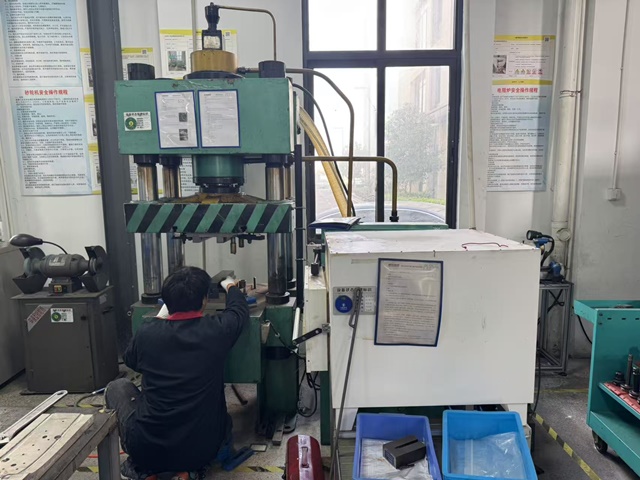
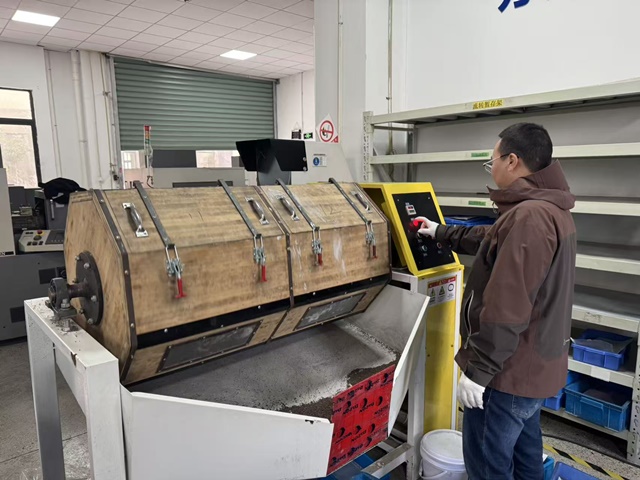
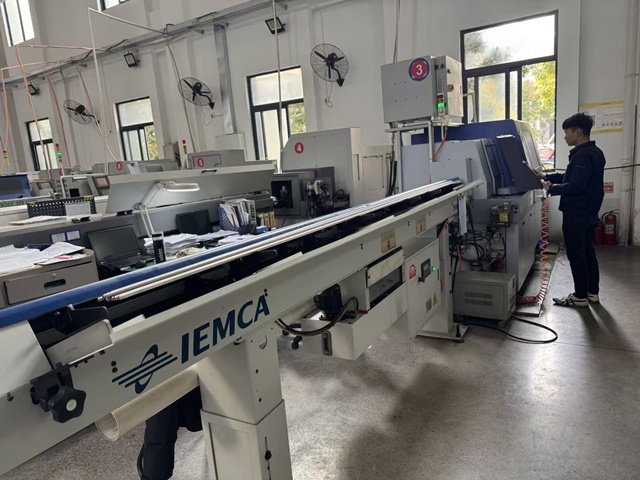
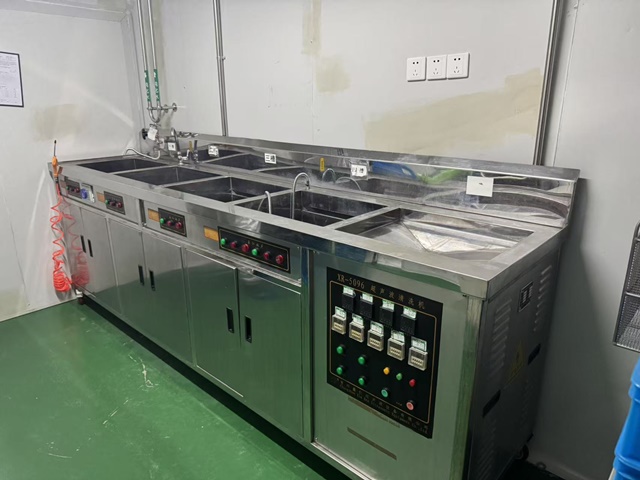
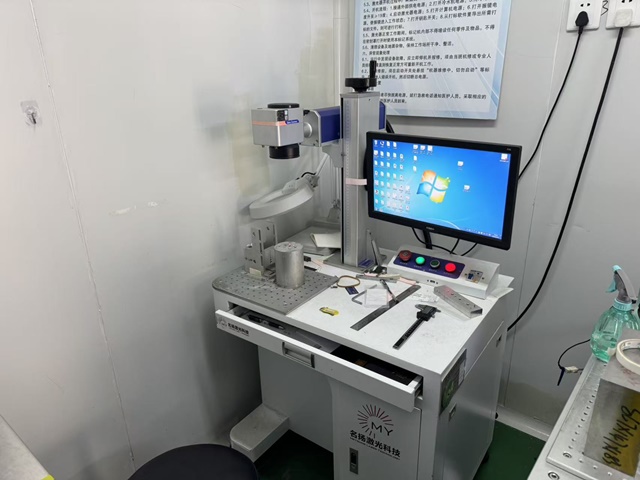
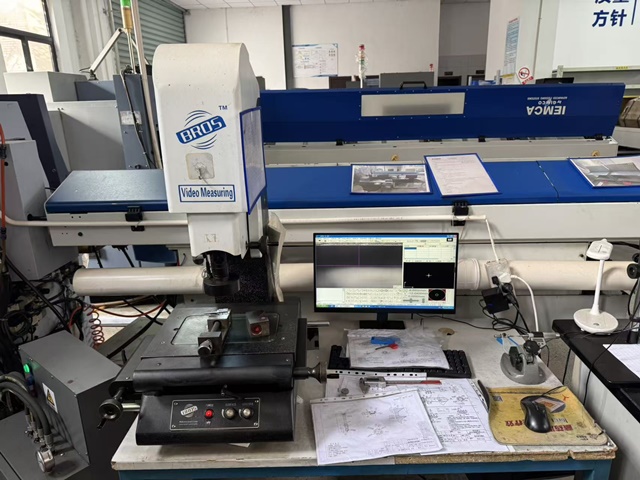
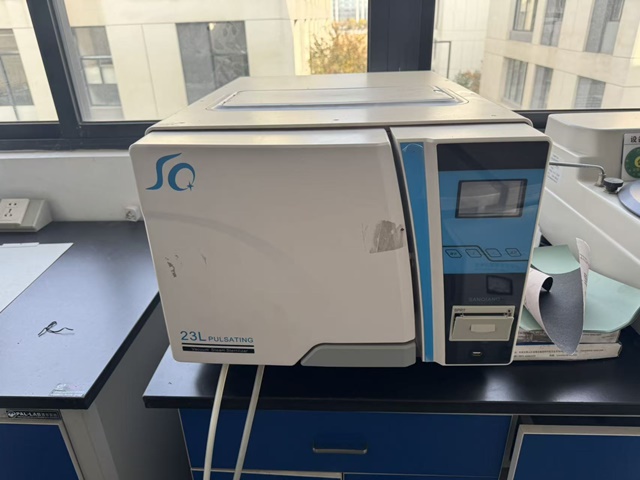
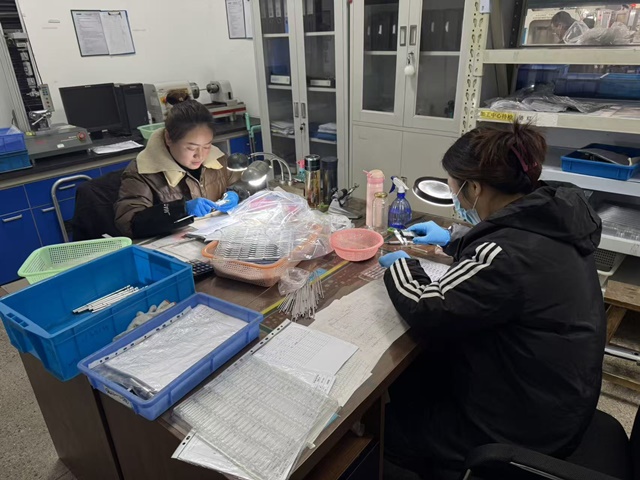
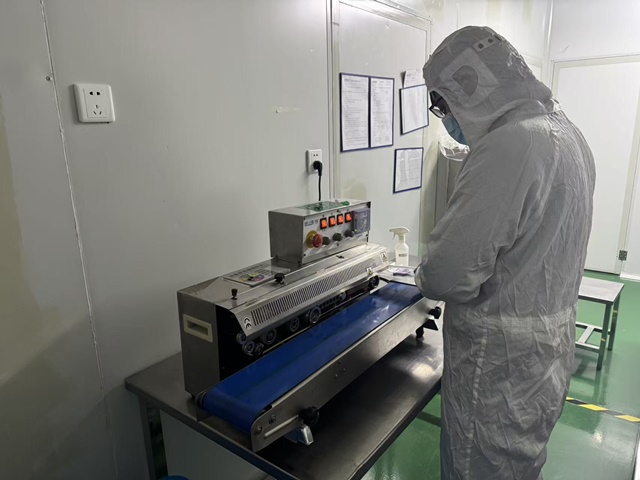
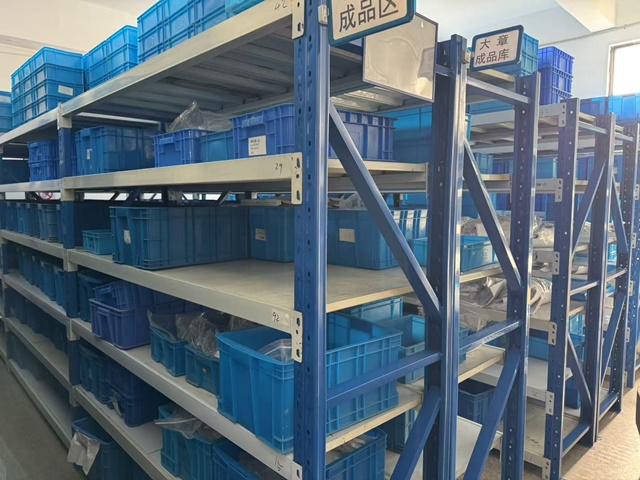
At Osteora Medical Devices Co., Ltd., this operational model is demonstrated in our 18,500㎡ state-of-the-art facility. Founded in 2016, we have combined over 12 years of core industry expertise with a robust export profile spanning Europe, Southeast Asia, the Middle East, and South America. By coordinating production lines featuring Swiss-type CNC lathes, HAAS machining centers, and automated passivation and cleaning stages, Osteora offers Irish distributors predictable supply lines, high manufacturing precision, and substantial cost advantages. Our network of 1,200 certified partners ensures that raw materials—such as medical-grade Titanium Alloy (Ti-6Al-4V ELI) and PEEK—remain stocked to prevent production delays.
The practical application of sports medicine implants in Ireland requires addressing specific anatomical and cultural contexts. For example, Gaelic games demand rapid twisting, jumping, and physical deceleration, putting immense strain on the knee and ankle complexes. Our Irish-Spec ATFL Repair System is designed for the high-impact demands of Gaelic footballers, providing anatomical ligament reattachment to the talus and fibula. In Dublin’s sports injury clinics, where the goal is returning athletes to play within 6 to 9 months, the use of our Knotless PEEK Suture Anchors ensures a low-profile construction that reduces joint friction and the risk of localized synovitis. For meniscal tears—frequently treated in regional hospitals in Galway and Cork—our All-Inside Meniscal Staplers provide surgeons with a rapid, reliable mechanism to secure the meniscus close to the vascularized zone, optimizing the healing response.