Osteora
Osteora
Osteora
Explore our top-performing orthopedic implant systems and clinical surgical instruments built for accuracy and long-term mechanical reliability.
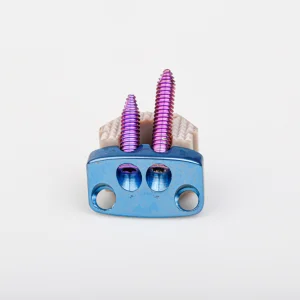
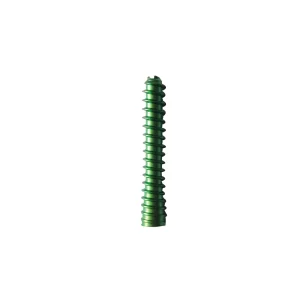
Posterior pedicle screw systems represent the gold standard in modern spinal arthrodesis. These systems achieve multi-segmental stabilization by anchoring screws through the pedicles into the vertebral bodies, connecting them with rigid longitudinal rods. From biomechanical loading to fatigue failure resistance, posterior systems are engineered to withstand severe torque, bending, and shear stress inside the human body.
Sourcing orthopedic implants demands high regulatory compliance and manufacturer pedigree. Global distributors and surgical groups prioritize manufacturers showing proven biocompatibility, fatigue resistance data, and strict traceability. Under the EU Medical Device Regulation (MDR) and FDA guidelines, pedicle screws must be fully traceable to ensure clinical efficacy and minimize revision surgeries.
Advanced OEM setups allow for custom options spanning material changes (Ti6Al4V ELI, PEEK, carbon-reinforced plastics), specific thread patterns (dual-lead, cortical-cancellous transition), and ergonomic instrumentation. These customized modifications optimize bone purchase, reduce the risk of implant loosening, and accommodate varying patient anatomies in complex spinal corrections.
A professional orthopedic implant and surgical solution manufacturer specializing in trauma, spine, and joint reconstruction systems under the brand Osteora.
Founded in 2016, the company has developed a strong reputation in the global orthopedic industry through continuous innovation and strict quality control standards. Our manufacturing facility covers an area of approximately 18,500㎡, supporting integrated production, assembly, and testing operations.
With 8 years of export experience and 12 years of industry expertise, Osteora has established stable cooperation with international distributors and hospitals across multiple regions. Our annual export revenue ranges from USD 6 million to 14 million, reflecting steady global market growth.
Osteora implements comprehensive quality assurance systems, including ISO 13485 compliance, in-process inspection, and final random sampling testing. Product inspection methods include dimensional measurement, mechanical fatigue testing, and biocompatibility validation. The quality control team consists of 42 specialized inspectors ensuring strict adherence to international medical device standards.
With a strong trade background in global medical device export, Osteora maintains long-term partnerships with distributors in Europe, Southeast Asia, the Middle East, and South America, which are also its primary markets.
The company’s supply chain includes approximately 1,200 certified upstream and downstream partners, supporting stable production capacity and reliable delivery performance. Its main customer base consists of hospitals, orthopedic clinics, surgical centers, and medical distributors.
Backed by strong R&D capabilities, Osteora operates an in-house engineering team of 85 R&D engineers, focusing on innovation in trauma fixation systems, spinal implants, and joint reconstruction technologies. The company offers extensive customization options, including OEM/ODM services, size variations, material customization, and private labeling. In the past year, Osteora launched approximately 120 new products, reflecting its continuous investment in innovation and product development to meet evolving clinical needs.
Combining industrial clusters, raw material partnerships, and high-precision machining technology, Chinese orthopedic manufacturers provide key advantages for global distributors.
Using imported Swiss-type CNC lathes and Haas 5-axis machining centers ensures micrometric tolerance control (down to ±0.005mm). This is essential for the threading and polyaxial head alignment of posterior pedicle screws, ensuring smooth intraoperative adjustment and secure locking mechanism performance.
We source medical-grade titanium alloys (Ti-6Al-4V ELI / ASTM F136) and biocompatible PEEK exclusively from certified global steel and polymer suppliers. Every material batch undergoes gas spectrometer analysis and mechanical testing before entering production lines.
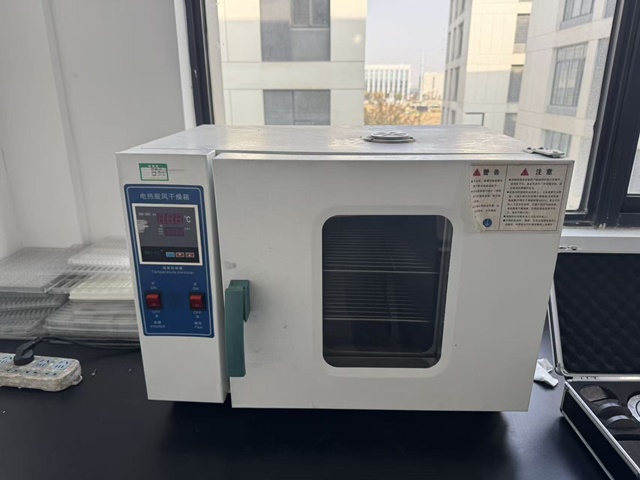
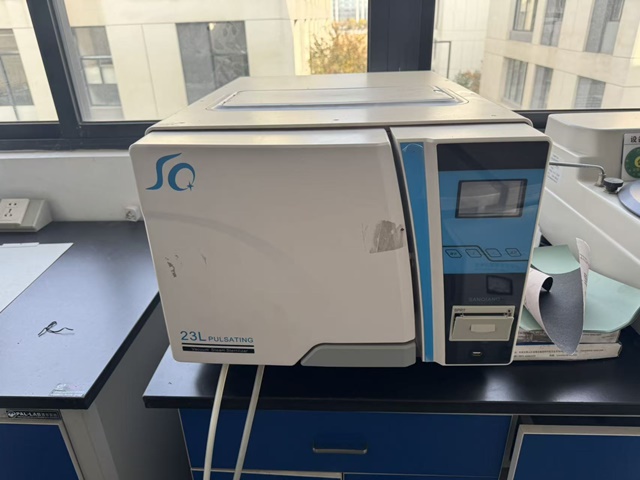
From initial design drawings and tool path programming to surface treatments (anodizing, sandblasting, acid etching), mechanical fatigue validation (ASTM F1717 / ASTM F543), and cleanroom sterile packaging, every process is conducted within our 18,500㎡ facility.
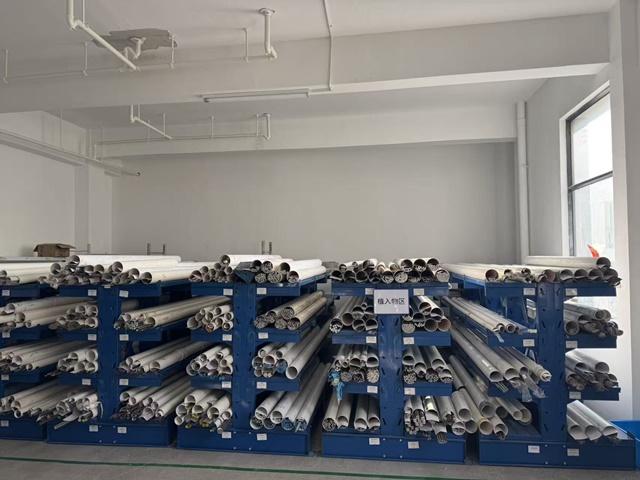
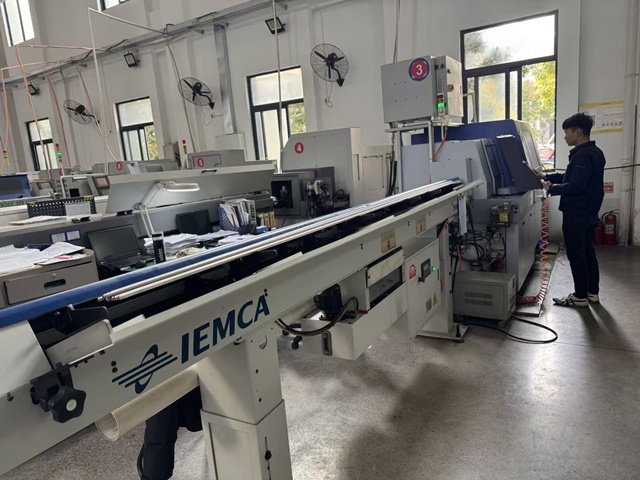
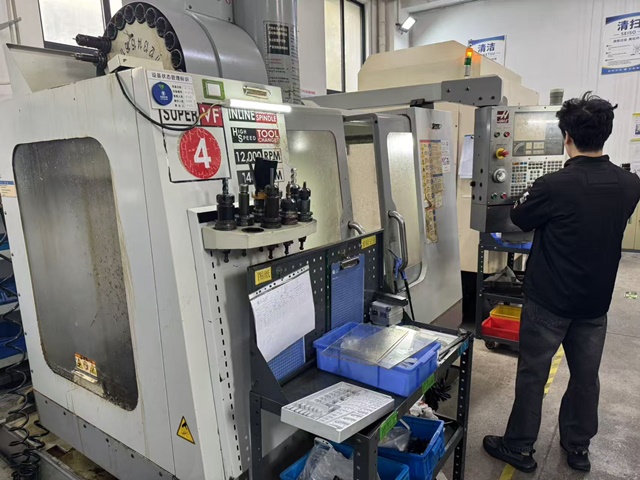
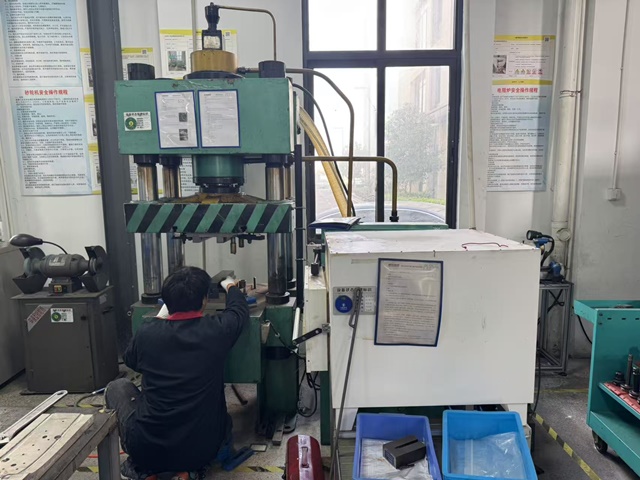
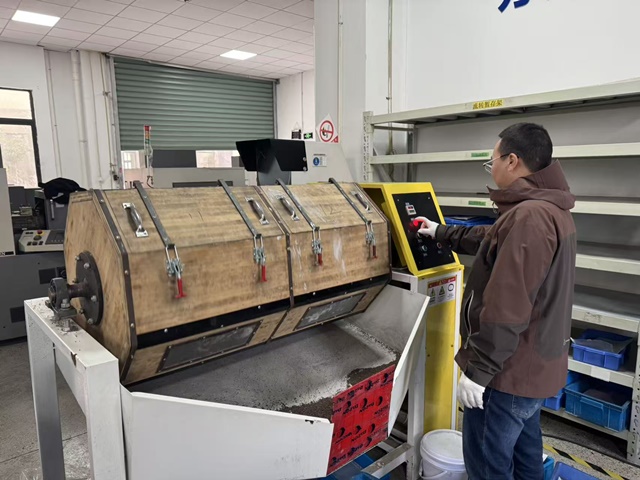
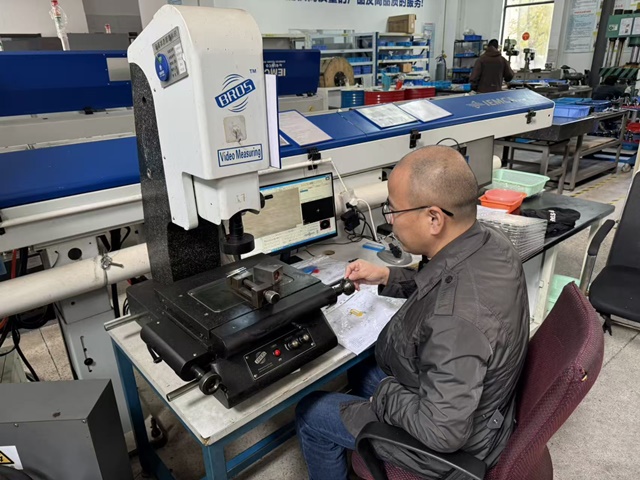
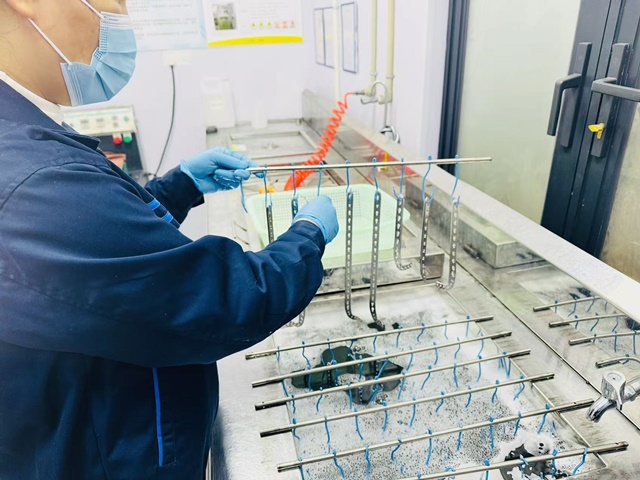
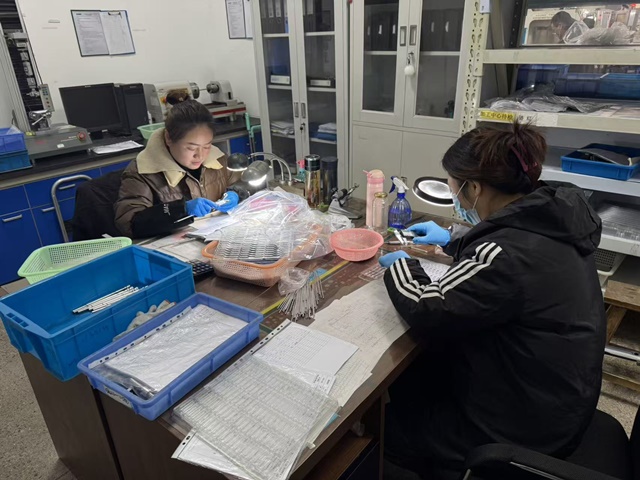
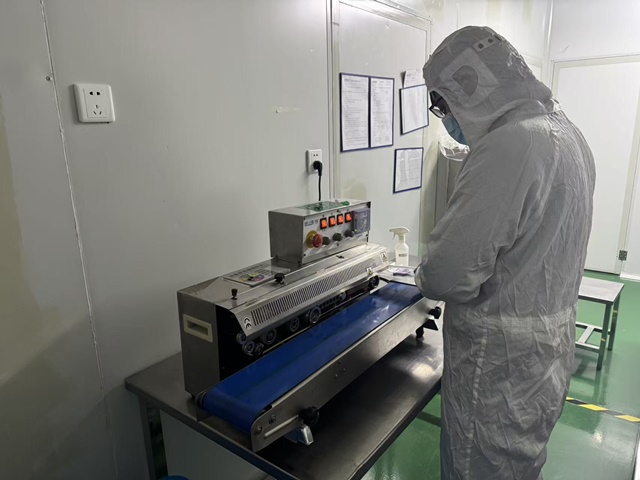
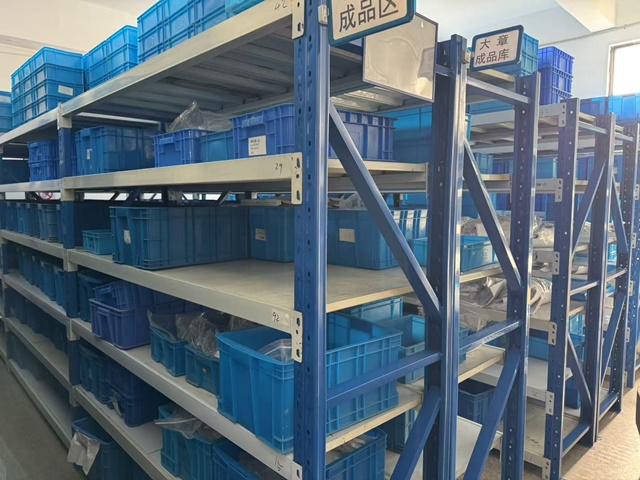
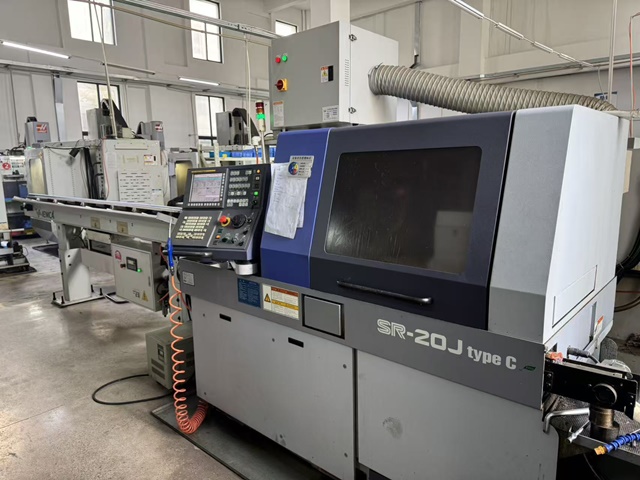
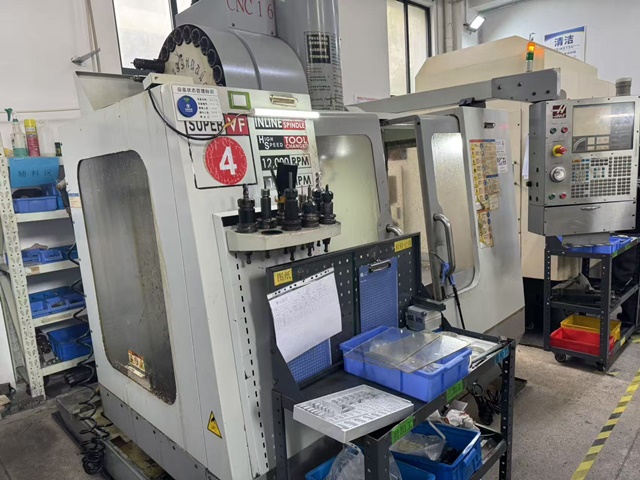
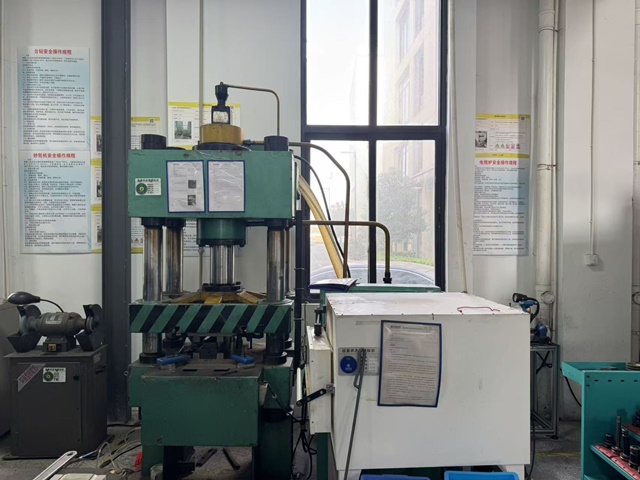
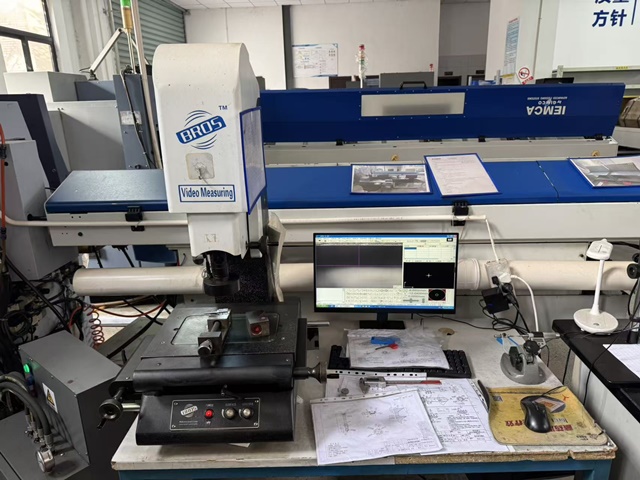
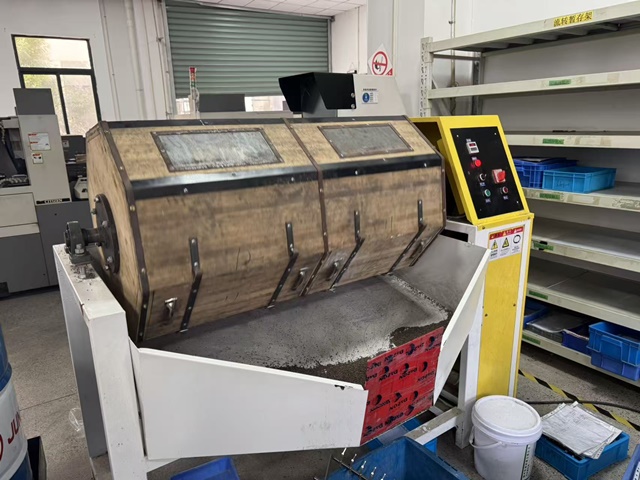
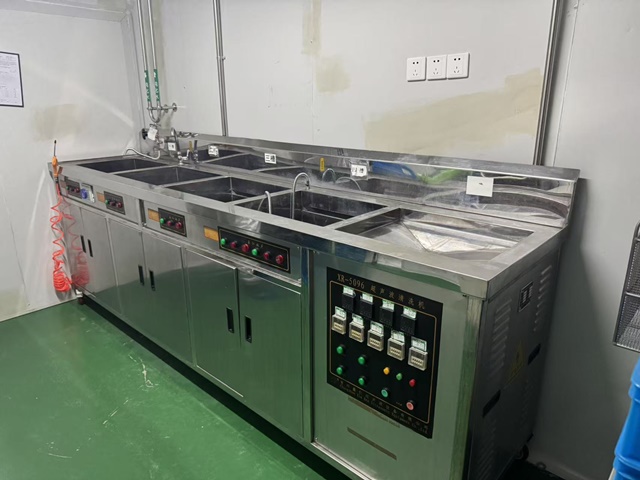
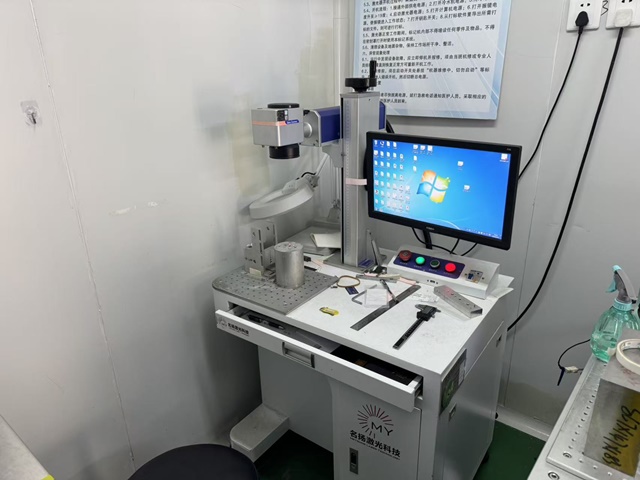
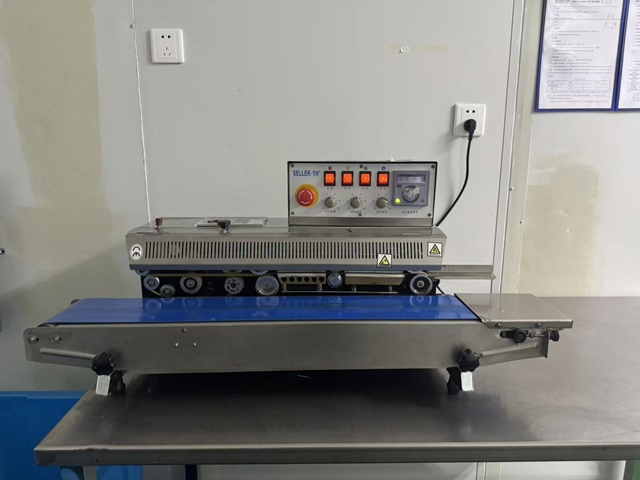
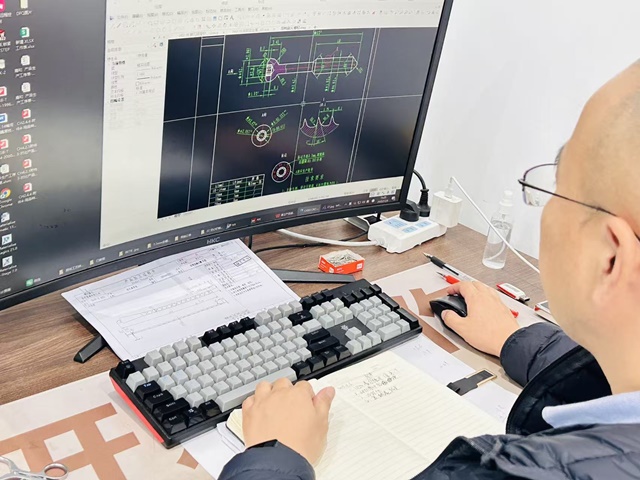
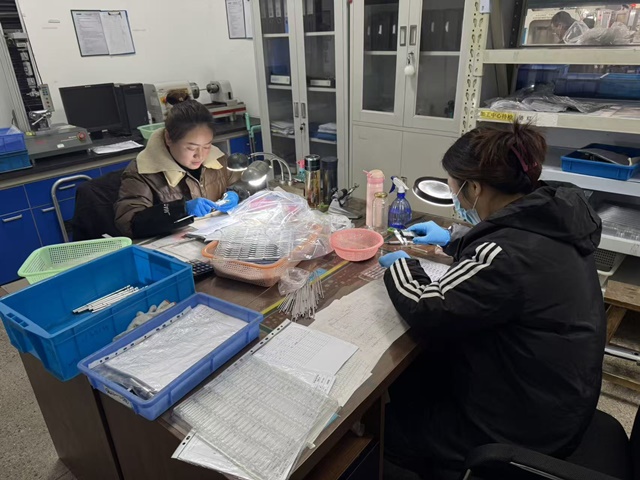
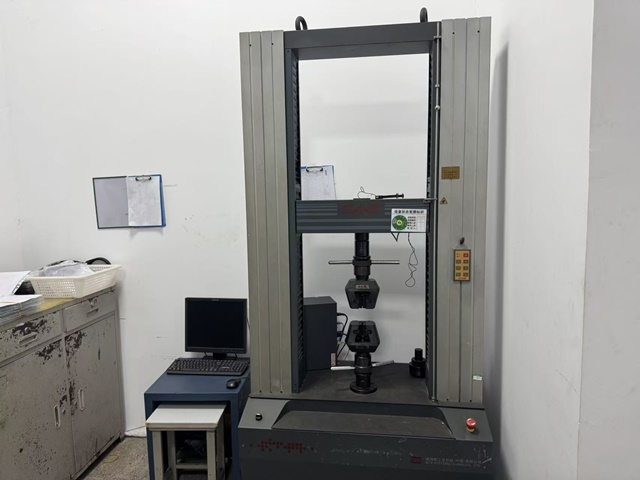
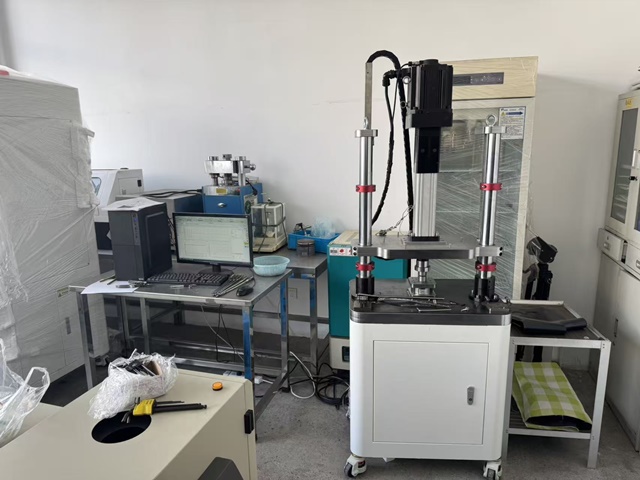
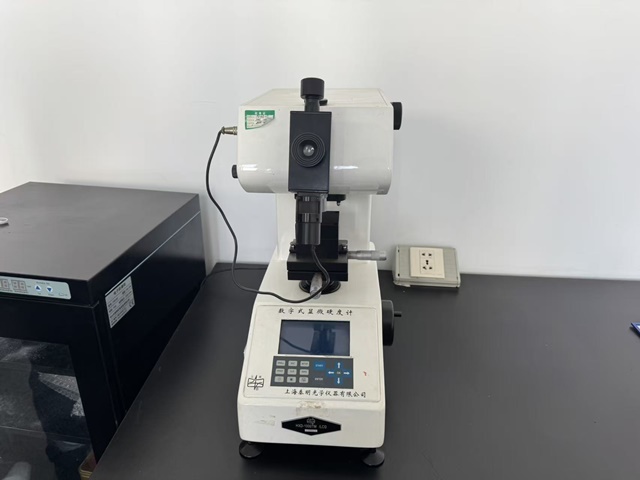
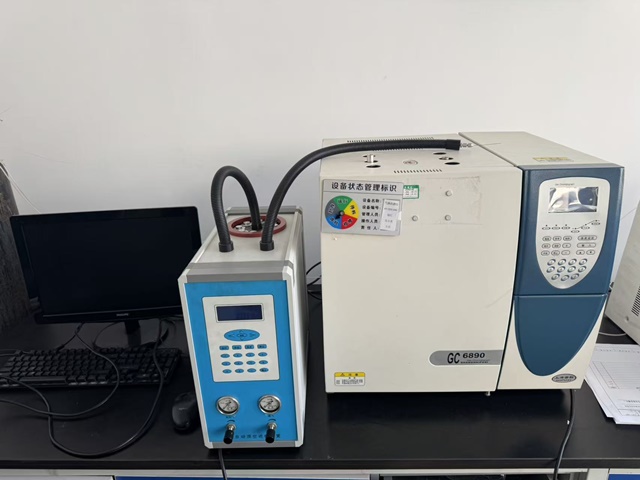
Medical device procurement teams look for more than just low unit prices. High-performing supply chains require regulatory compliance, manufacturing consistency, and clinical compatibility.
We supply comprehensive technical dossiers (IMDS, biocompatibility reports, cleanroom sterilization validations) to assist distributors in getting local registration approvals (FDA, CE MDR, ANVISA, NMPA).
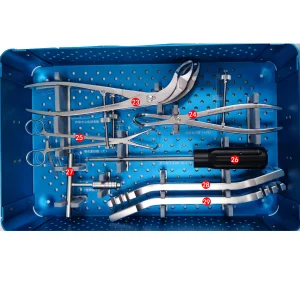
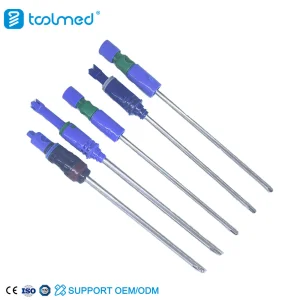
Our OEM services extend to designing custom, ergonomic surgical instrument trays. Incorporating lightweight materials, modular compartments, and color-coded screw guides simplifies preparation and shortens surgery times.
Supported by 1,200 certified partners, our monthly manufacturing capacity exceeds 30,000 orthopedic implants, ensuring stable shipments to key distribution partners during peak surgical demands.
Posterior pedicle screw systems are vital for stabilizing the spine during segment fusion. Key clinical applications include:
The industry is transitioning toward Minimally Invasive Spine Surgery (MISS), using cannulated percutaneous screws to reduce tissue damage and speed recovery. Concurrently, integration with computer-assisted robotic navigation requires screws to meet tight dimensional tolerances, allowing seamless tracking by intraoperative optical systems.
| Thread Profile | Dual-lead / Cortical-Cancellous |
| Screw Diameters | Ø 4.0mm to Ø 7.5mm |
| Screw Types | Monoaxial, Polyaxial, Uniplanar |
| Material | Ti-6Al-4V ELI (ASTM F136) |
| Sterilization | Non-sterile (Bulk) / Sterile (EO) |
Answers to common manufacturing, sourcing, and regulatory questions from medical device distributors.
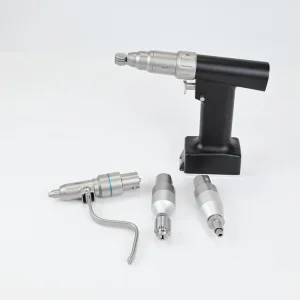
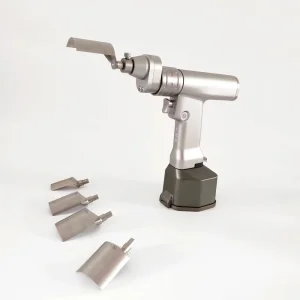
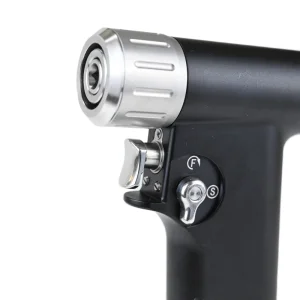
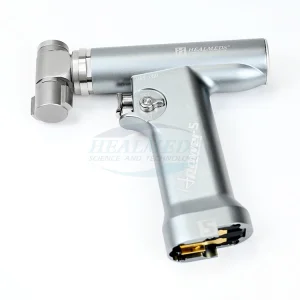
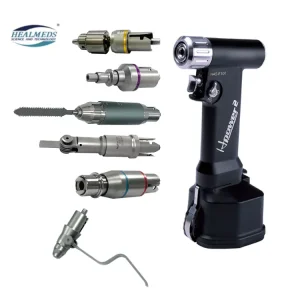
From total joint replacements to high-capacity surgical power tools, we deliver complete orthopedic surgical kits.