Osteora
Osteora
Osteora
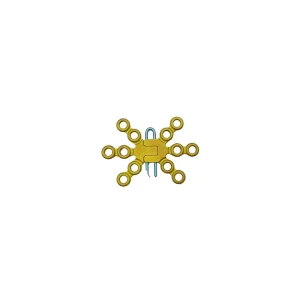
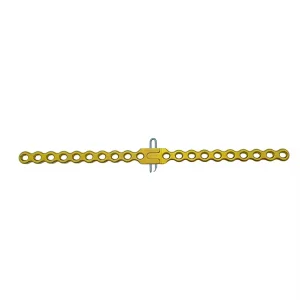
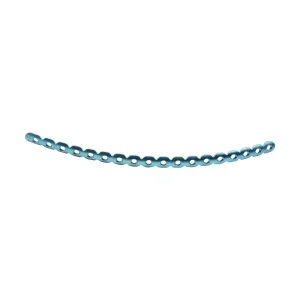
Premium sternal, rib, and trauma locking implants designed to reduce complication rates and accelerate post-operative recovery in critical care environments.
An in-depth whitepaper assessing the technological paradigm shift in median sternotomy closure, focusing on local market integrations and advanced global supply chains.
Median sternotomy remains the gold-standard access pathway for major cardiothoracic surgical procedures, including Coronary Artery Bypass Grafting (CABG), valve replacements, and thoracic aortic reconstructions. Traditionally, stainless steel wire cerclage has been the default method for sternal closure due to its simplicity and low material cost. However, clinical data accumulated over the last two decades highlights a significant challenge: wire closure relies heavily on "tension-only" load distribution, which frequently leads to bone shear, wire pull-through, and sternal instability—particularly in high-risk patient cohorts suffering from osteoporosis, obesity, diabetes mellitus, or chronic obstructive pulmonary disease (COPD).
Rigid sternal fixation systems (RSFS) represent a major advancement in osteosynthesis. By utilizing anatomically contoured, low-profile titanium locking plates and self-tapping screws, RSFS achieves stable, three-dimensional mechanical stabilization. Based on the AO (Arbeitsgemeinschaft für Osteosynthesefragen) principles of rigid internal fixation, this approach distributes physiological forces across a wider bone surface area. This configuration minimizes micro-motion at the osteotomy interface, maintains perfusion of the sternal bone halves, and dramatically lowers the incidence of sternal dehiscence and mediastinitis, which are associated with high mortality rates (up to 40%) and substantial cost burdens on healthcare systems.
Hamburg is one of the premier healthcare, clinical research, and medical engineering centers in Northern Germany. Anchored by the renowned University Medical Center Hamburg-Eppendorf (UKE) and integrated with the regional Life Science Nord cluster, the city stands at the forefront of adopting evidence-based surgical methodologies. The demand for advanced cardiothoracic implants within the Hamburg metropolitan region is driven by a strong commitment to minimizing patient length-of-stay (LOS) and reducing surgical site infections (SSIs) in ICU departments.
Local purchasing departments, clinical distributors, and group purchasing organizations (GPOs) in Hamburg operate under strict regulatory scrutiny. Under the European Medical Devices Regulation (MDR 2017/745), hospitals require detailed documentation regarding biocompatibility, clinical evaluation reports (CERs), and chemical characterization data. The procurement trend is shifting toward integrated supplier partnerships that offer not only implants but also dedicated surgical instrument kits, sterile packaging solutions, and robust technical support to assist surgical teams during complex reconstructions.
How Osteora integrates Swiss-type lathe precision, advanced CNC machining, and rigorous mechanical validation to supply top-tier clinical markets in Europe.
To manufacture orthopedic implants that meet the demanding specifications of European surgeons, Osteora Medical Devices Co., Ltd. has constructed an advanced production infrastructure that bridges raw materials processing with precise finishing and testing. Our facility operates with ISO 13485 certification, utilizing medical-grade titanium alloys sourced exclusively from certified material suppliers with complete chemical analysis traceability.
Our production pipeline utilizes high-speed HAAS CNC machining centers and Swiss-type multi-axis lathes, enabling the manufacturing of complex, low-profile plates and locking screws with tolerances measured in single-digit microns. This precision ensures that the thread profile of the locking screw interfaces perfectly with the plate's locking hole, preventing screw back-out and ensuring stable bone-to-plate contact.
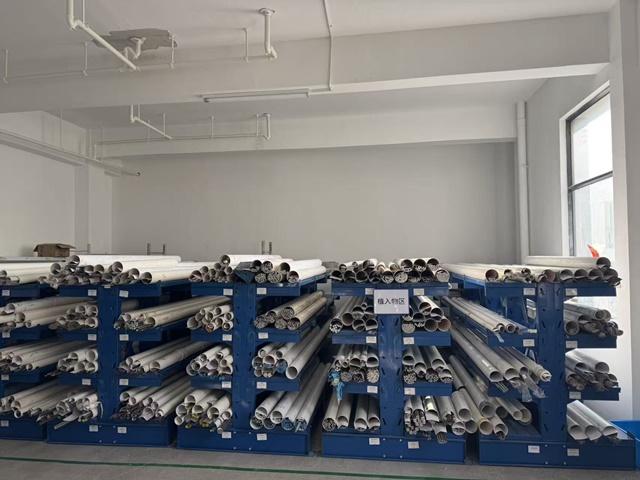
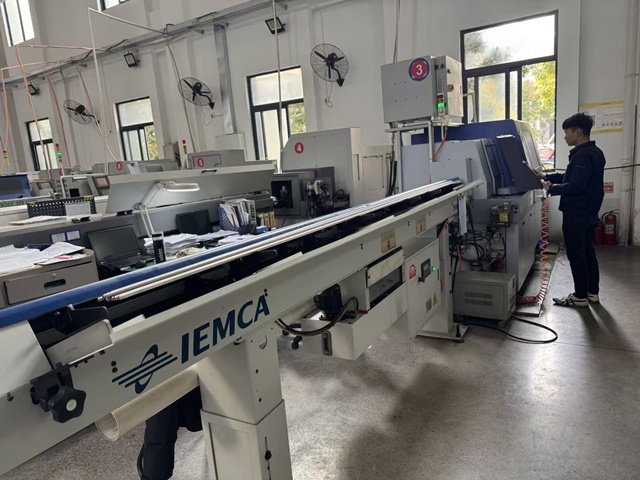
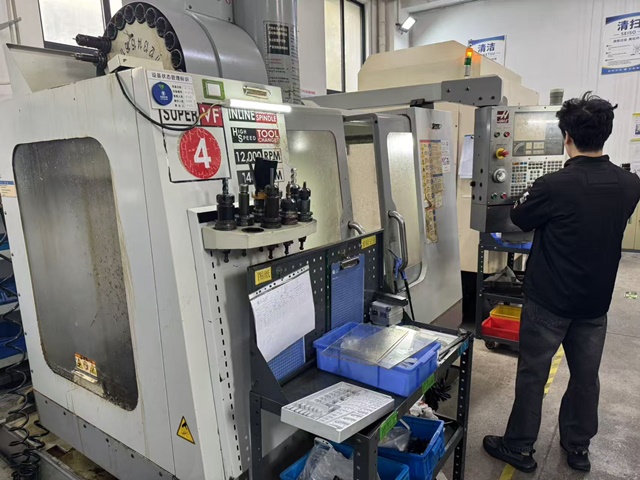
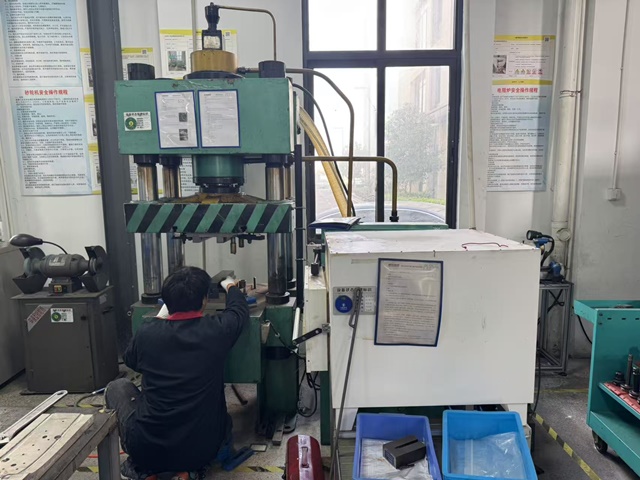
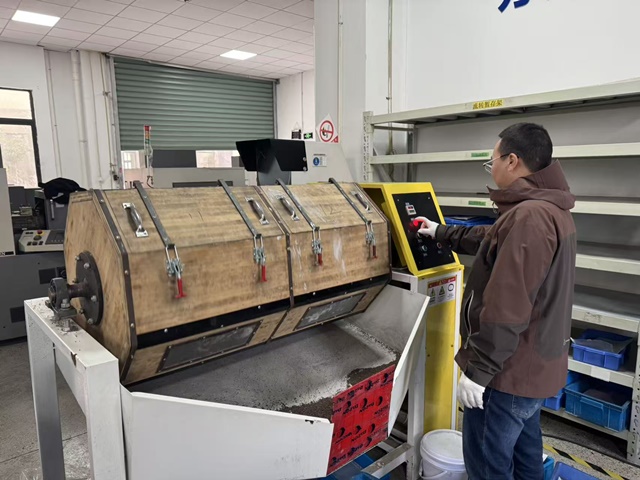
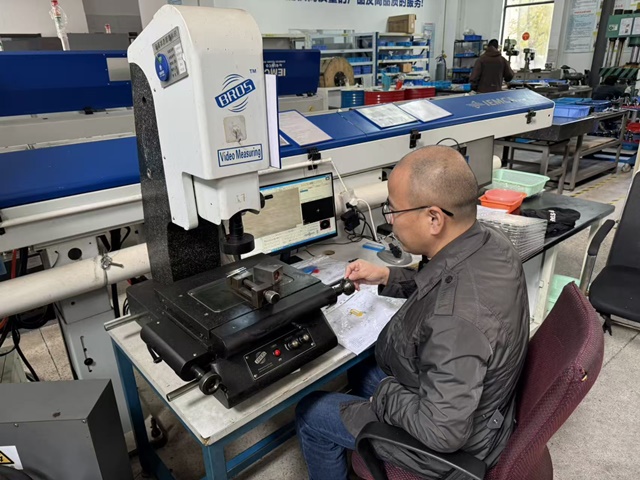
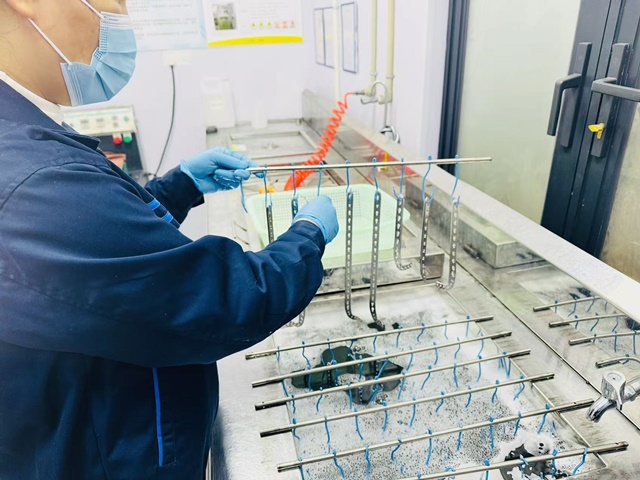
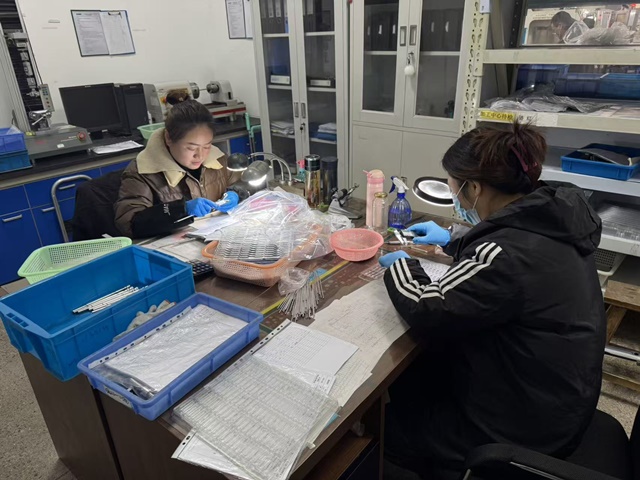
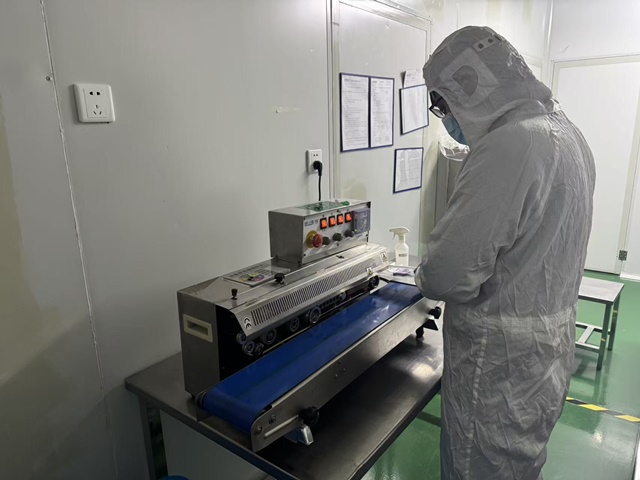
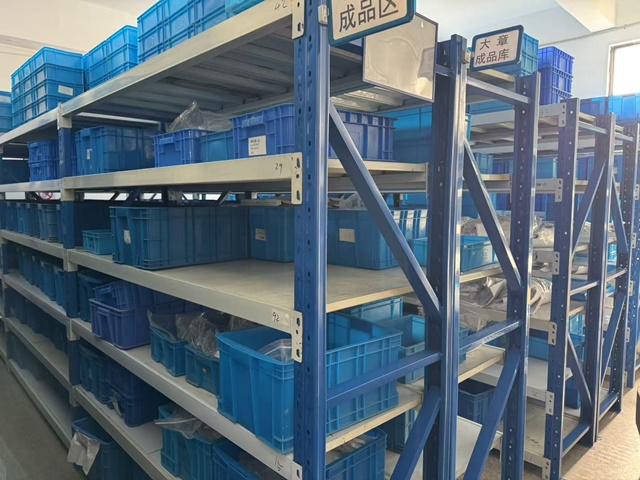
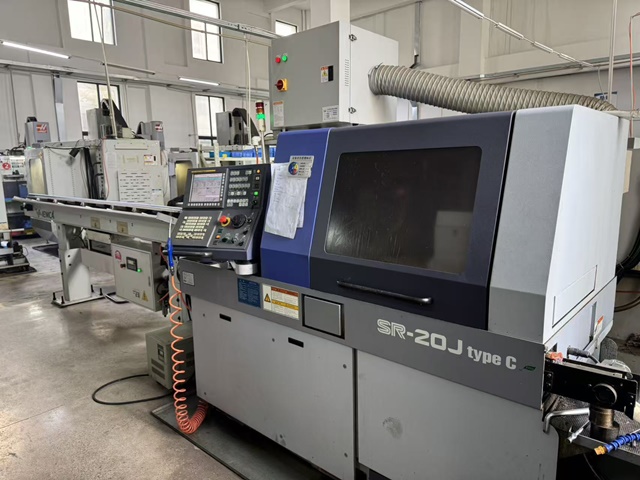
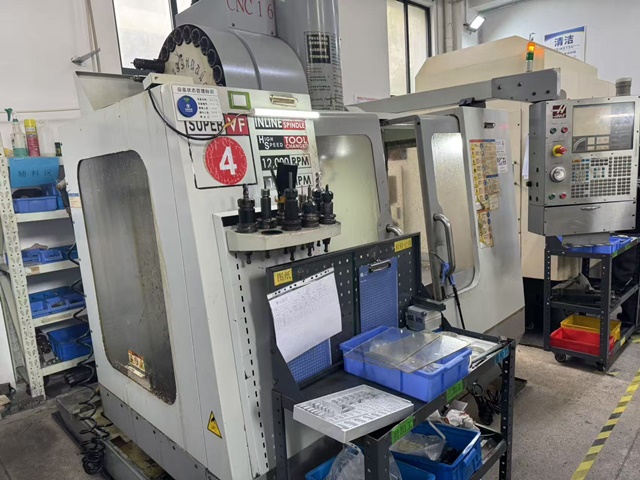
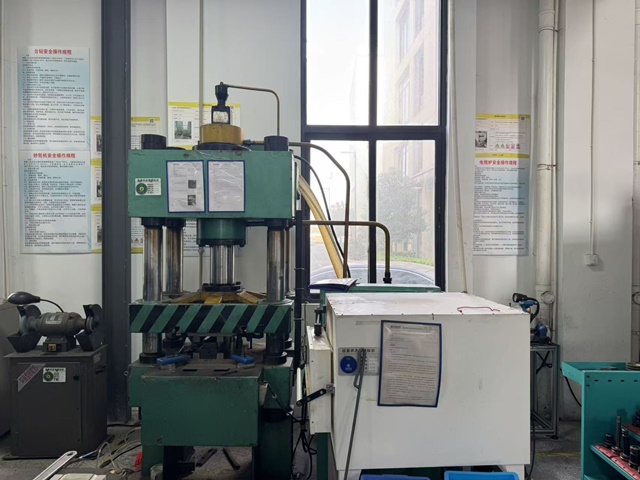
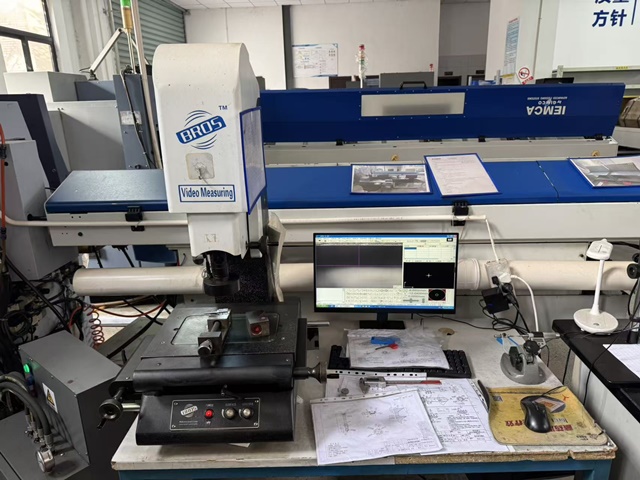
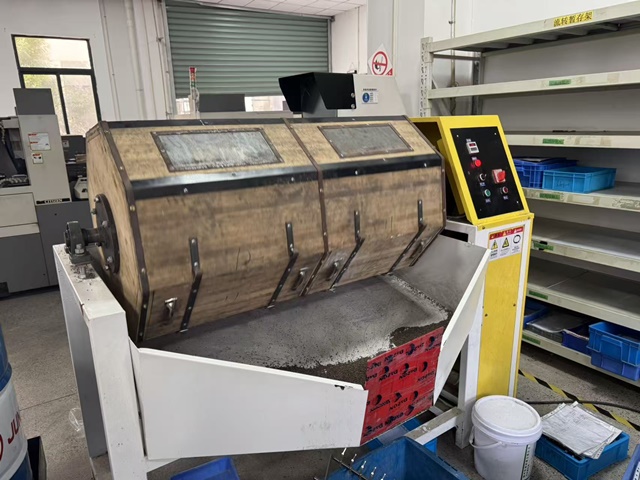
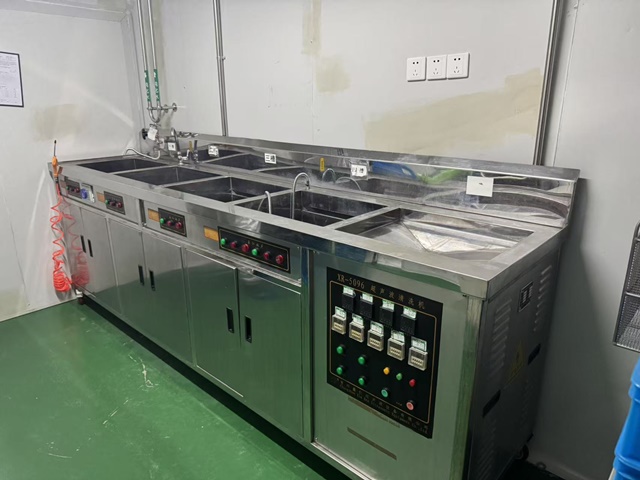
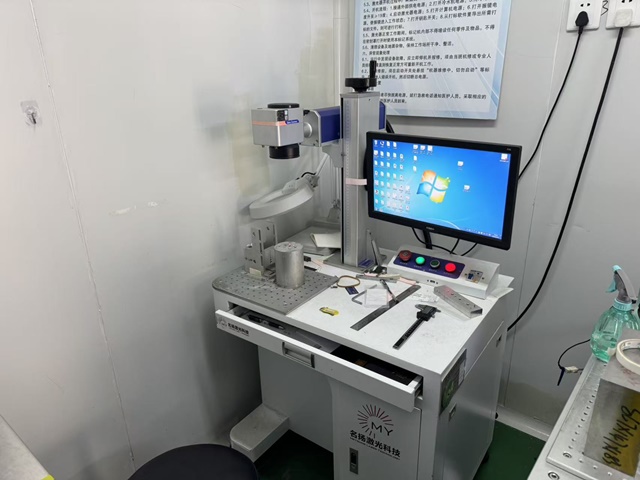
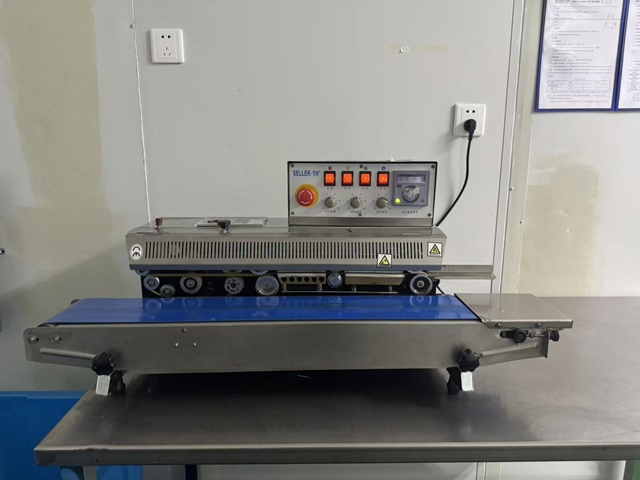
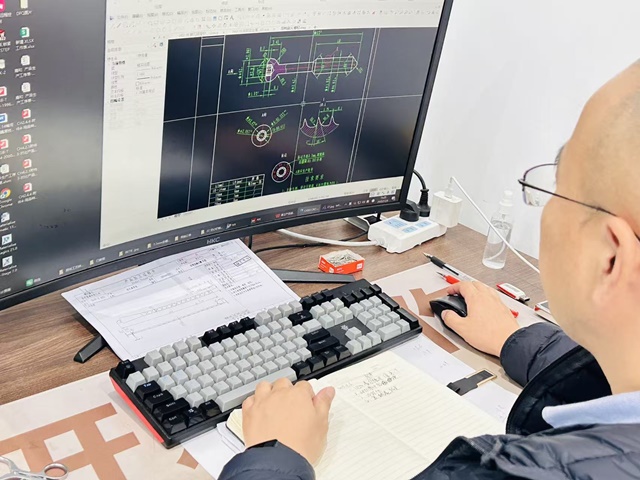
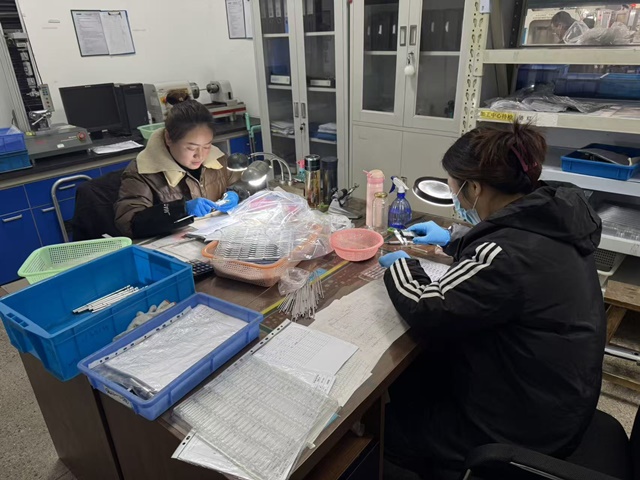
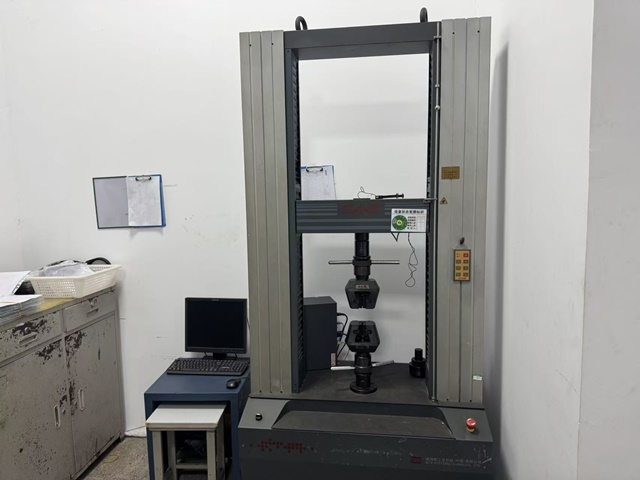
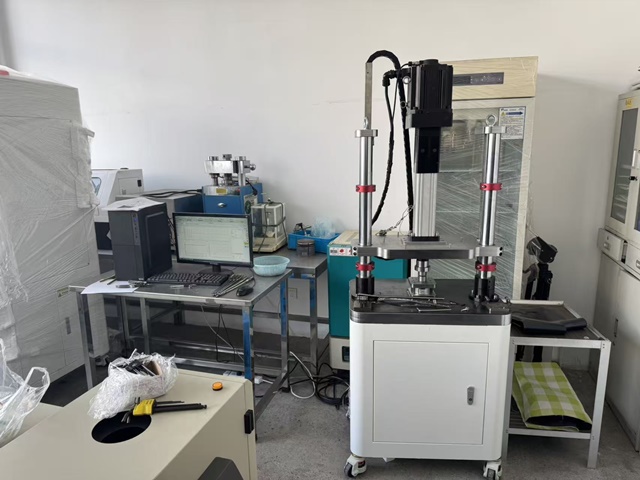
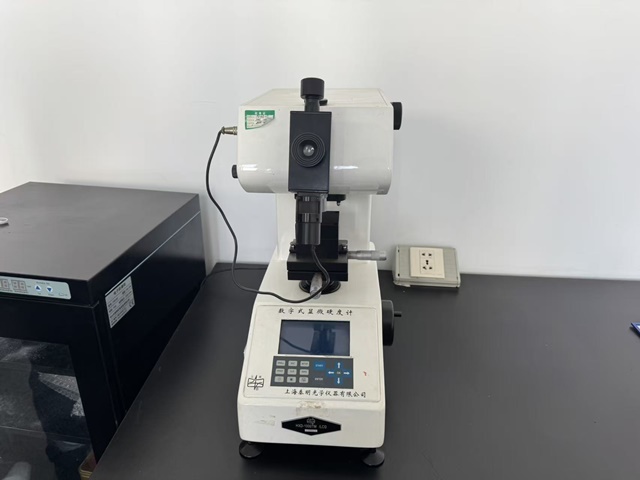
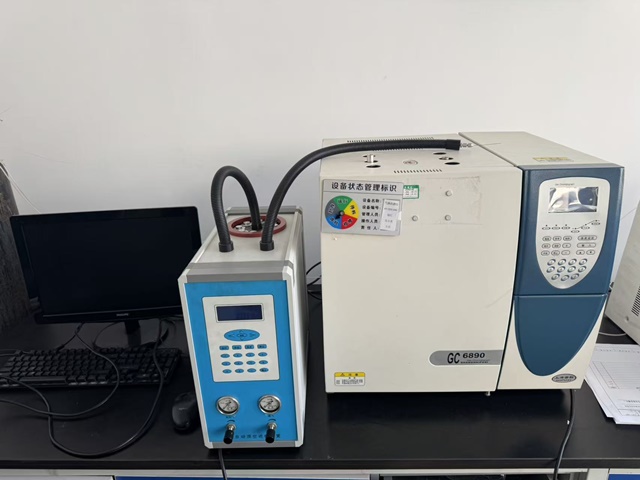
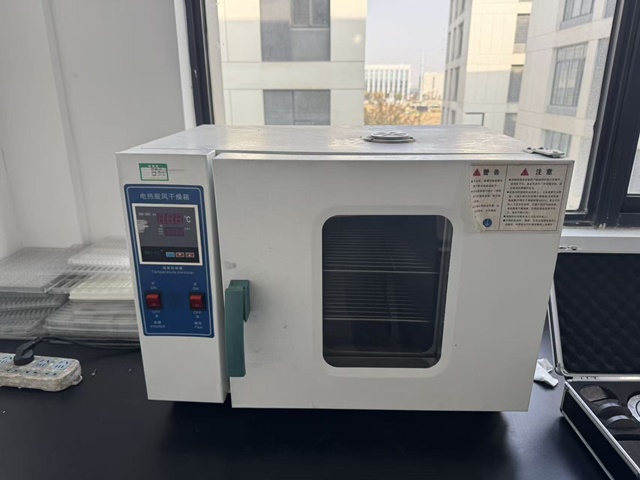
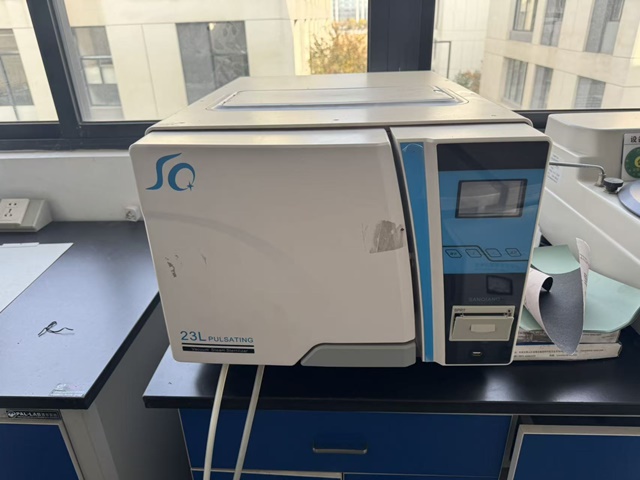
Ensuring end-to-end supply chain security, regulatory alignment, and reliable hospital procurement globally.
Our production protocols align with ISO 13485 regulations. In-process controls and random sampling verify chemical compositions and mechanical specifications before shipment.
Using optical gas spectrometers and mechanical testing rigs, we confirm that every production run meets surgical-grade biocompatibility standards, eliminating risks of heavy-metal tissue toxicity.
With a robust network of 1,200 downstream partners and a stable inventory of raw titanium plates, we offer reliable lead times for distributors, hospitals, and emergency trauma centers worldwide.
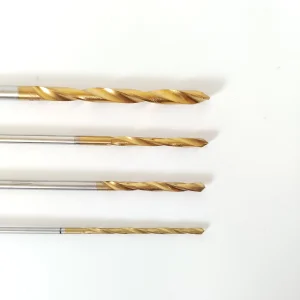
Purchasing managers from European hospitals (including Germany, UK, France, and Spain) often face delivery delays due to global shipping challenges. Osteora addresses this by offering strategic contract manufacturing, bulk supply configurations, and dedicated OEM/ODM branding services. Our team of 85 R&D engineers assists distributors in designing customized instrumentation plates, customized drill bits, and specialized clinical layouts tailored to regional surgeon preferences.
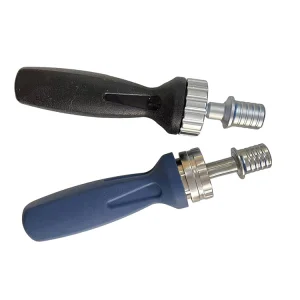
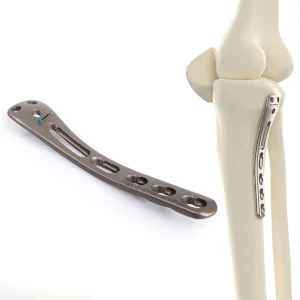
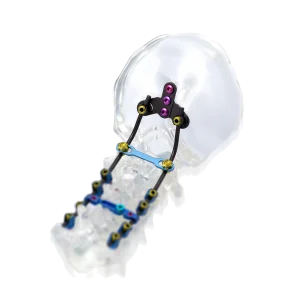
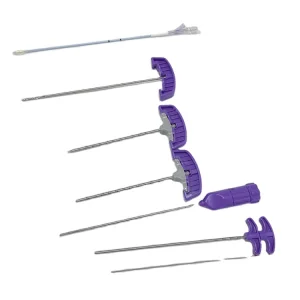
A comprehensive overview of our premium orthopedic trauma systems, specialized spinal reconstruction tools, and high-performance instrumentation kits.
Expert answers addressing the clinical, mechanical, and regulatory questions critical to medical device buyers and surgical program directors.