Osteora
Osteora
Osteora
Deploying certified biocompatible titanium alloy plate constructs optimized for rapid chest wall stabilization and post-sternotomy sternum closure across Costa Rican medical centers.
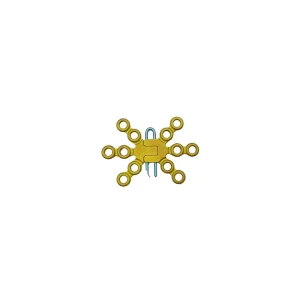
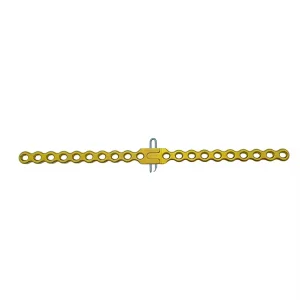
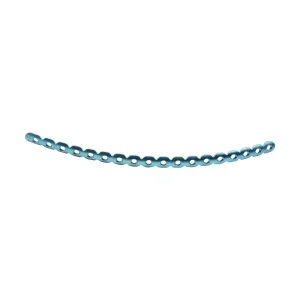
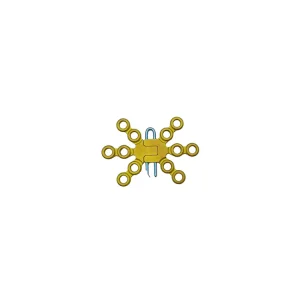
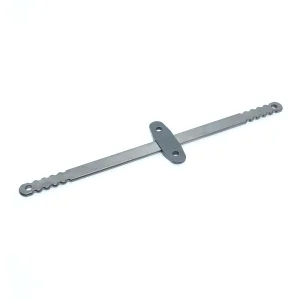
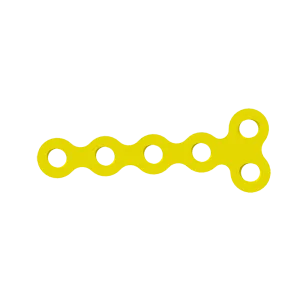
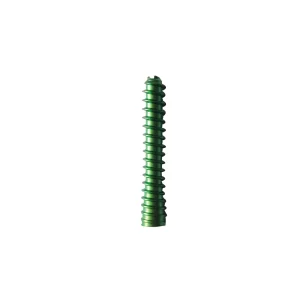
Traditional sternal closure relies on wire cerclage, which distributes physical loads unevenly and poses risks of wire cutout, bone shearing, and sternal dehiscence. Osteora's Sternal Fixation System shifts the clinical paradigm toward rigid fixation. By utilizing low-profile titanium locking plates and precision-threaded unicortical screws, our systems achieve multi-point stabilization that distributes load vectors across the sternum's cortical layers.
This mechanical configuration prevents microscopic movement along the sternotomy line, which is critical for reducing pain and encouraging primary bone healing. Clinical trials confirm that rigid internal plating systems lead to significantly lower rates of deep sternal wound infection (DSWI) and mediastinitis compared to wire-based closure protocols.
Over the past decade, Costa Rica has emerged as a premier global hub for medical device export and manufacturing, housing major free zones such as Coyol Free Zone and Alajuela. The local MedTech ecosystem is backed by specialized supply chains, highly skilled engineering talent, and strict regulatory alignments with both the US FDA and European CE guidelines.
Osteora Medical Devices Co., Ltd. integrates with this dynamic ecosystem by acting as a direct-to-hospital supplier and distributor partner across Central and South America. Leveraging Costa Rica’s logistically advantageous geographic position, we guarantee prompt delivery of sternal fixation systems, custom plates, and surgical tooling kits to key metropolitan clinics in San José, Cartago, and Heredia, while supporting global export networks with certified medical devices.
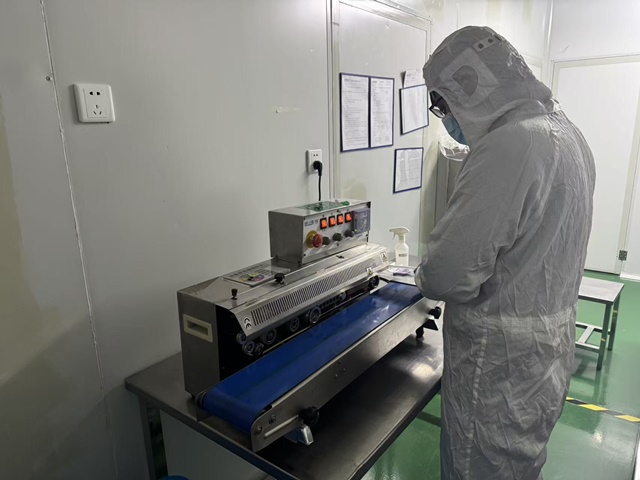
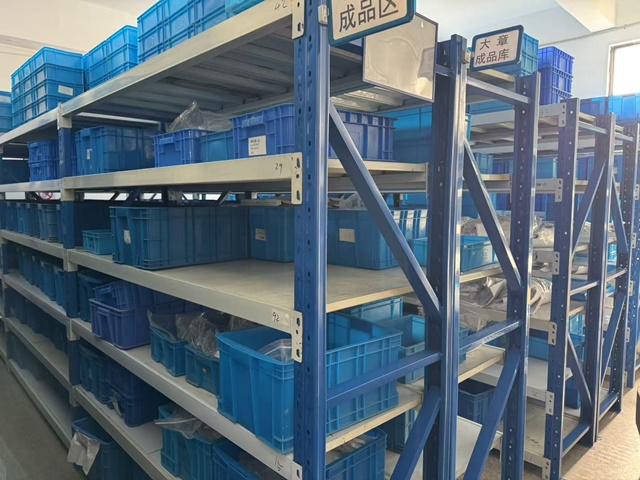
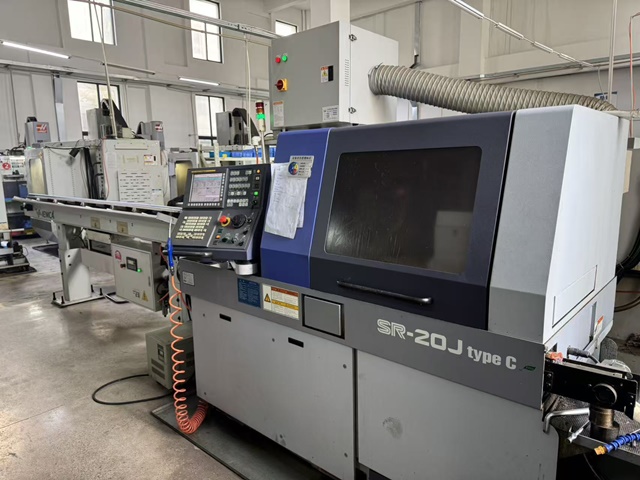
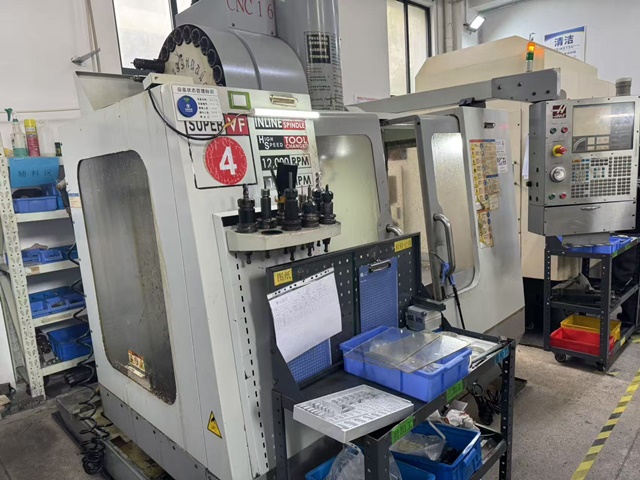
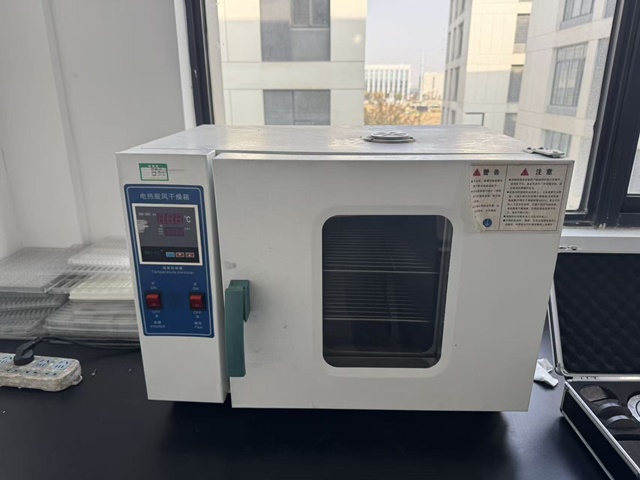
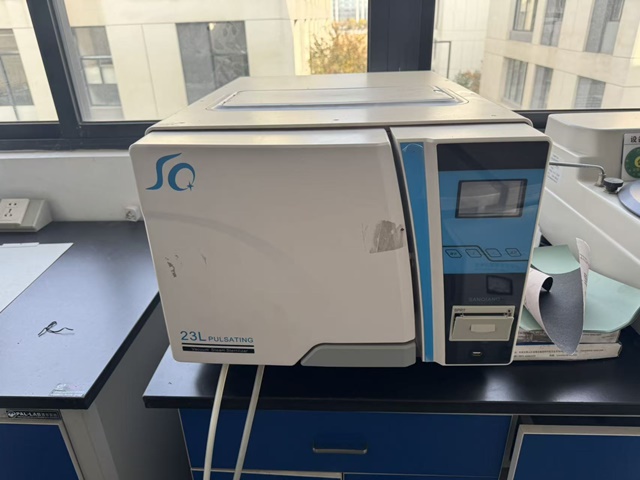
Our state-of-the-art facility is equipped with automated Swiss-type lathes, HAAS CNC machinery, and high-precision testing apparatus to execute a fully vertical manufacturing cycle—from certified raw biocompatible materials to sterile packaging.
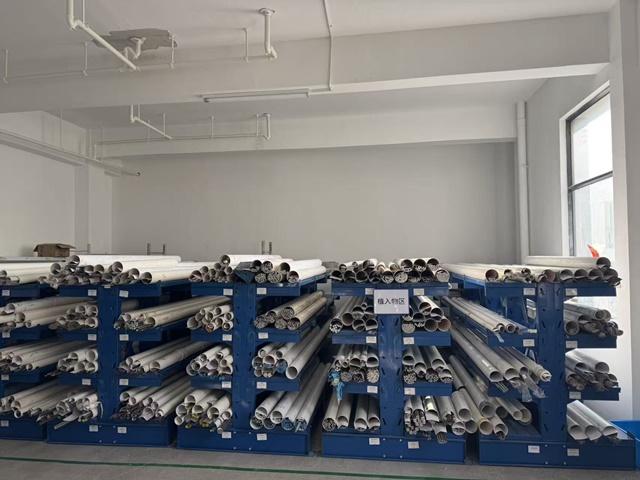
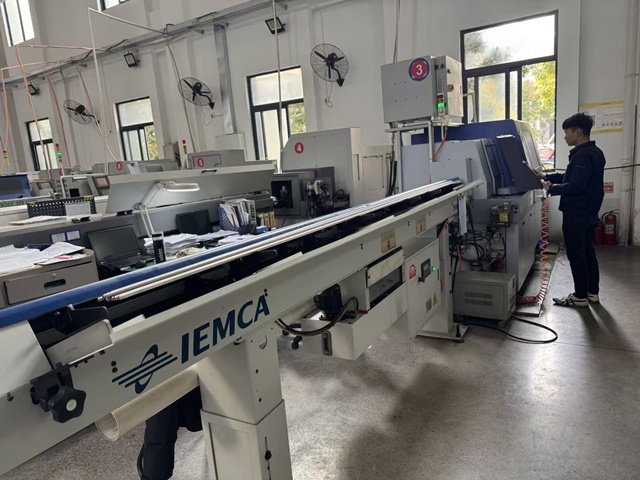
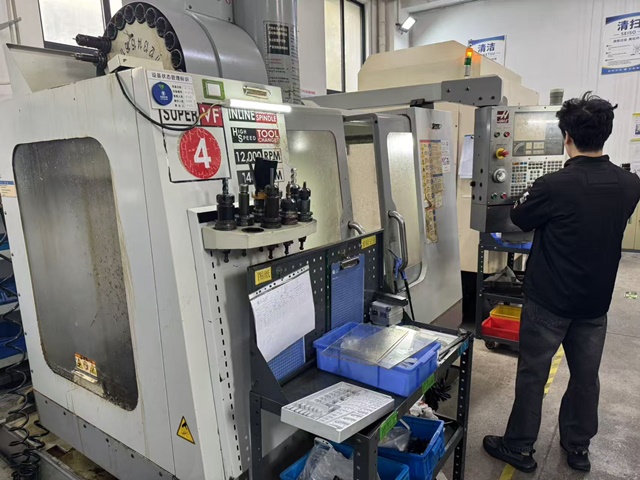
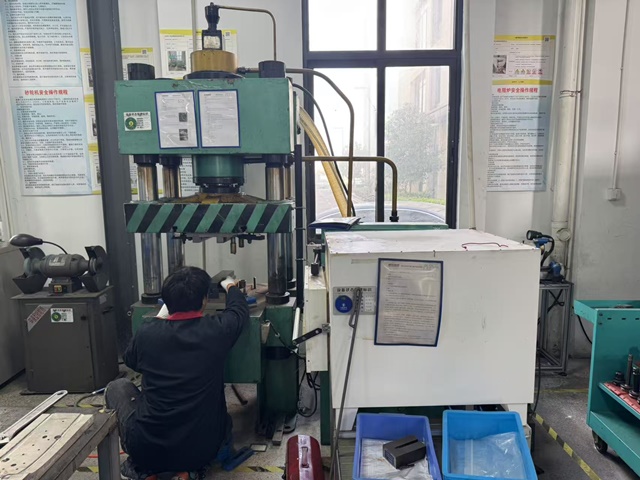
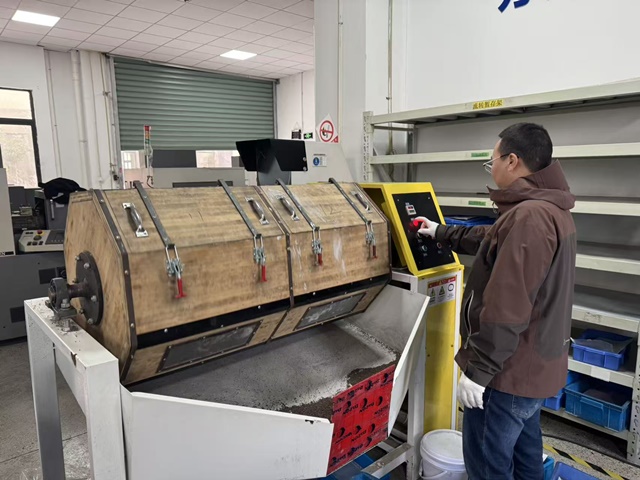
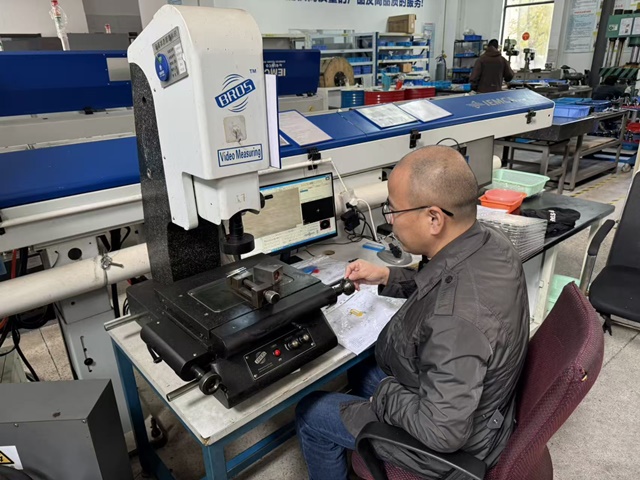
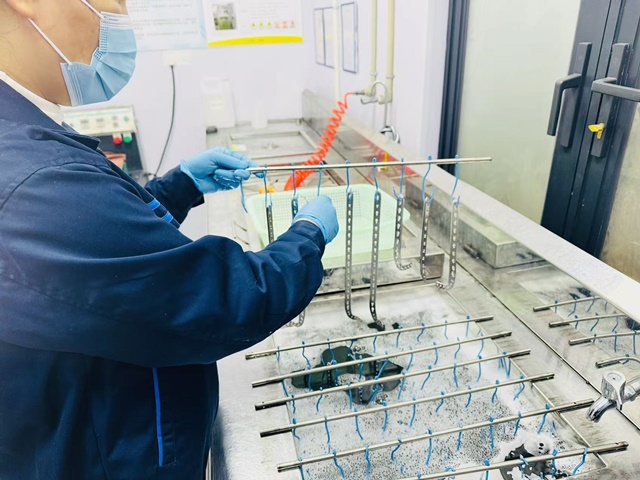
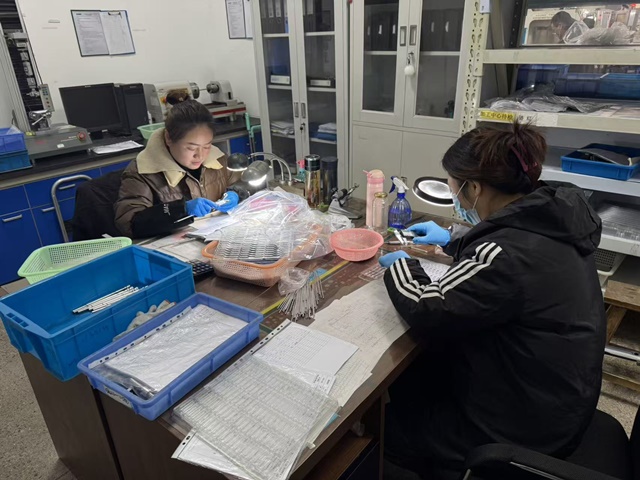
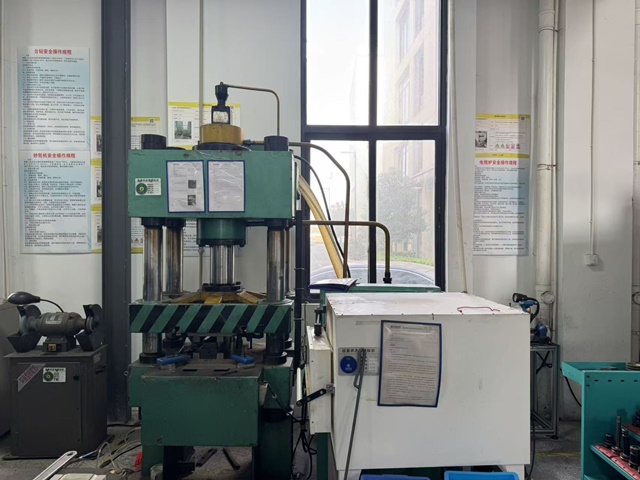
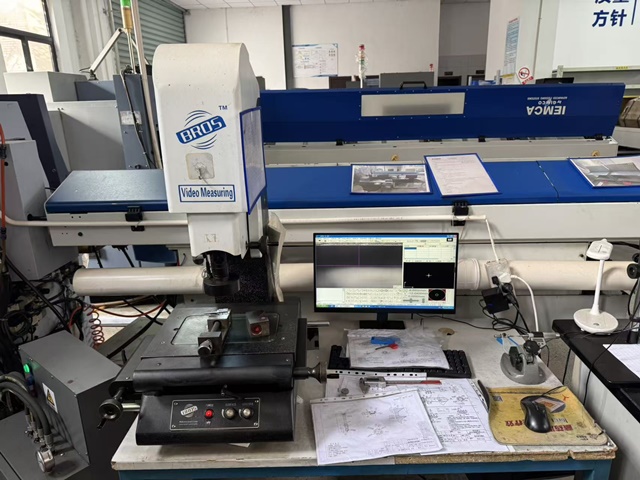
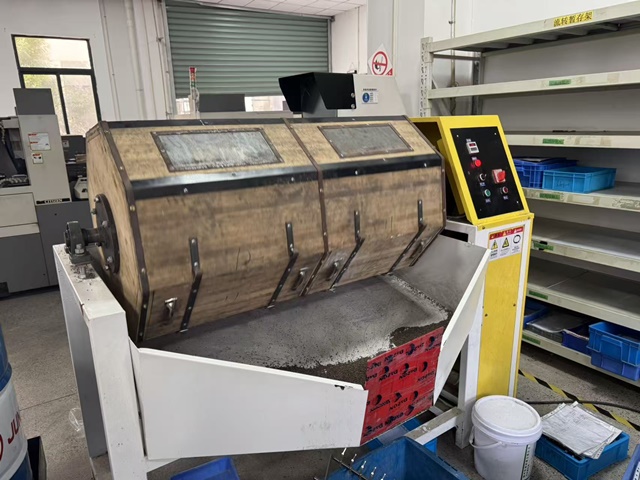
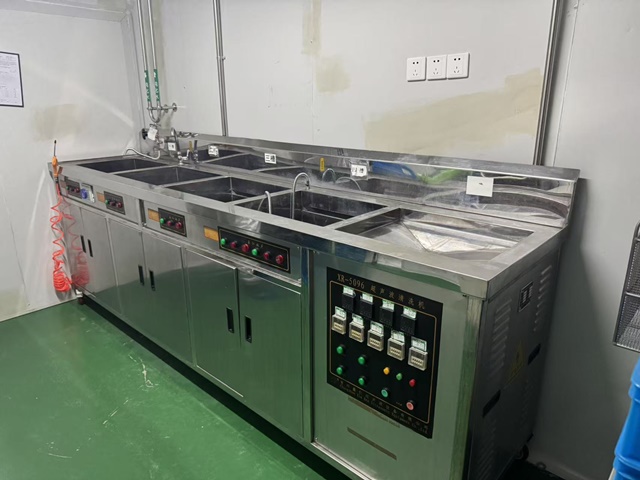
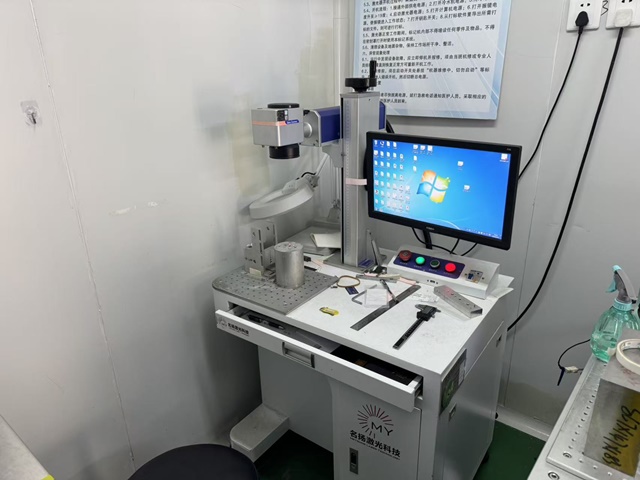
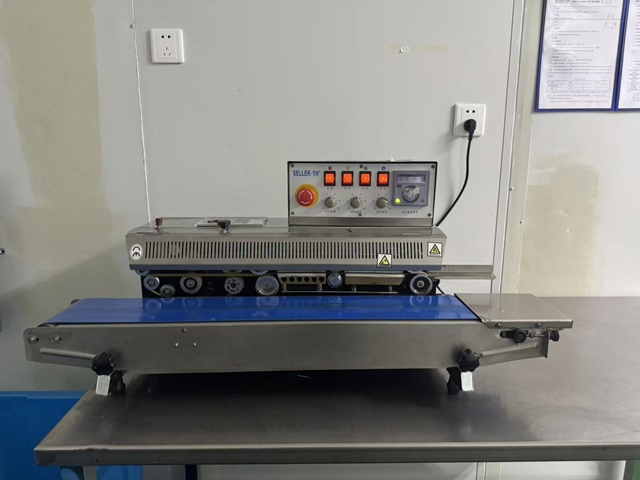
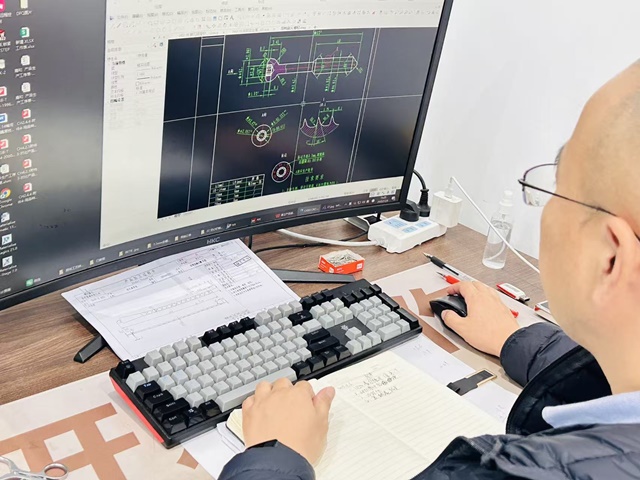
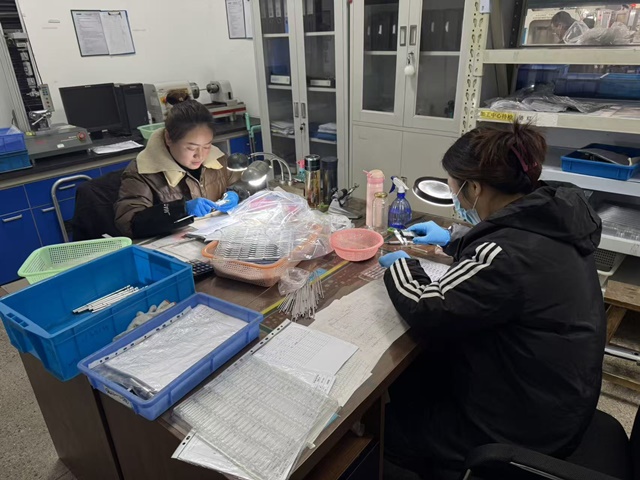
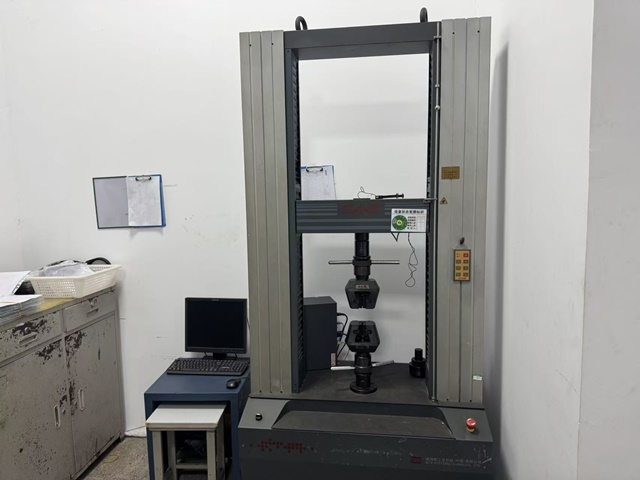
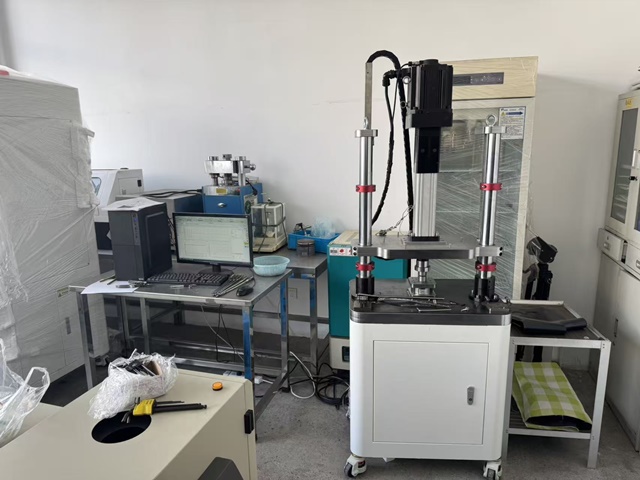
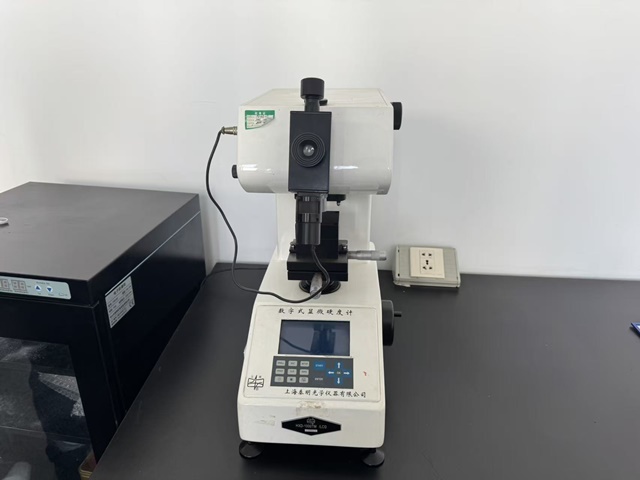
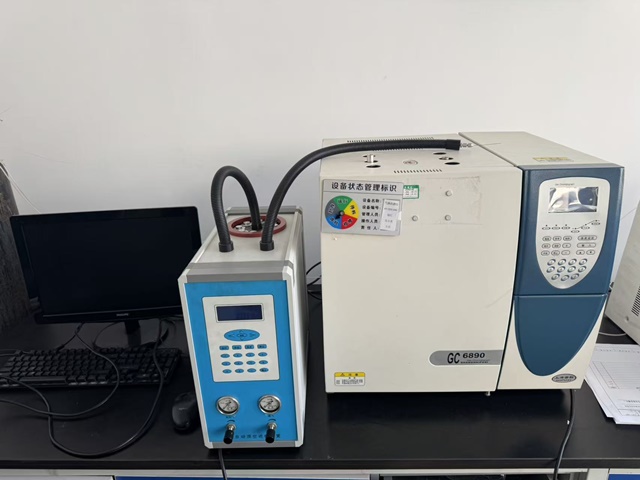
The engineering behind Sternal Fixation Systems is dictated by biocompatibility, osseointegration potential, and fatigue dynamics. Osteora's structural plates utilize titanium alloy formulations (specifically Ti-6Al-4V ELI) that demonstrate superior ductility while matching the structural elasticity of the human sternum to mitigate stress shielding.
Every batch of titanium plates and locking screws undergoes rigorous testing protocols to comply with absolute medical security standards:
The choice of implant materials directly correlates to long-term patient recovery profiles. Titanium alloy constructs generate a passive oxide film layer that shields the implant from aggressive biological fluids. This layer prevents corrosion and ensures biocompatibility, eliminating the risk of metallosis or adverse immune responses.
Furthermore, our thin profile plating systems are designed to match the contour of the sternum. Surgeons in Costa Rican trauma centers report shorter operation times due to our pre-contoured plates, which reduce the need for intraoperative manual bending and preserve the underlying periosteal blood supply.
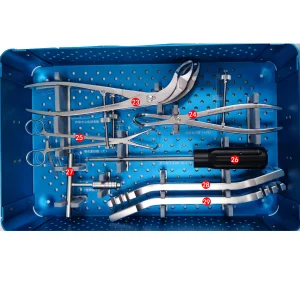
Download Product CatalogBeyond rigid sternal stabilization, Osteora provides orthopedic specialists across Costa Rica with a complete line of trauma plates, intramedullary nails, and specialty surgical instrumentation.
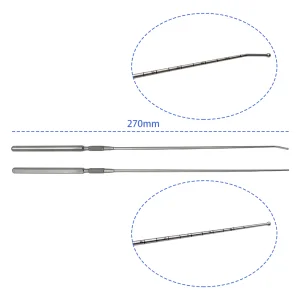
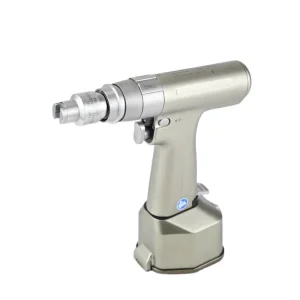
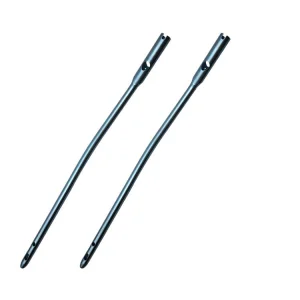
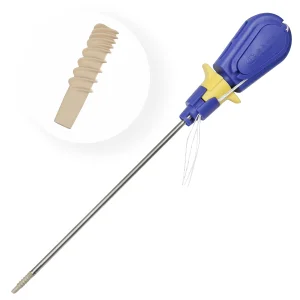
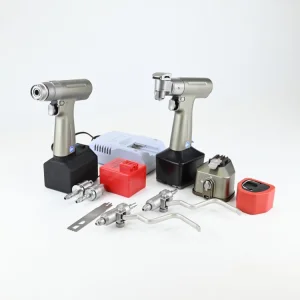
In addition to trauma stabilization systems, our production line offers specialized medical solutions for joint replacement and spinal reconstruction. These systems feature long warranty parameters and are fully supported by custom-engineered surgical toolsets.
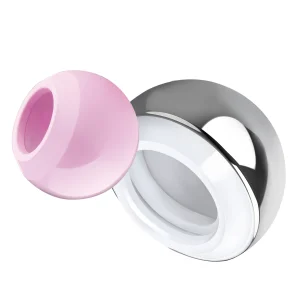
As a clinical innovator, Osteora's R&D team is continuously developing next-generation implants to improve patient recovery and ease surgical procedures.
To avoid long-term foreign body presence in the thoracic region, our labs are testing magnesium-alloy bioresorbable plates. These implants provide structural support during the critical 12-week healing phase and are gradually absorbed by the body, eliminating the risk of late-stage implant complications.
For complex oncology reconstructions and severe trauma cases, Osteora is developing a process to print custom sternal implants using patient CT data. This allows surgeons to order tailor-made titanium implants that precisely match the patient's unique anatomy.
Using laser-peening and acid-etching techniques, we create a micro-textured surface on our titanium implants. This design promotes faster osseointegration, helping the bone fuse directly with the titanium plates for a more secure long-term result.
Working alongside cardiothoracic surgeons, our engineers are designing low-profile surgical guides and remote screwdrivers. These tools allow plates to be safely secured through smaller surgical incisions, helping to reduce patient recovery times.
Find answers to common questions about our Sternal Fixation Systems, material standards, ordering processes, and shipping services in Costa Rica and neighboring regions.
Connect with our technical team to request product samples, receive pricing for regional distribution in Central America, or discuss customized OEM/ODM projects.
Contact Our Export Office Now