Osteora
Osteora
Osteora
Direct supply line of sterile and non-sterile titanium implants tailored to German medical distribution networks.
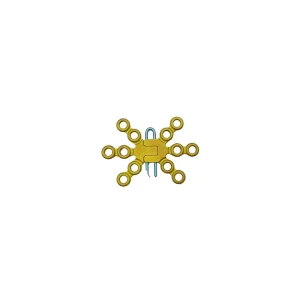
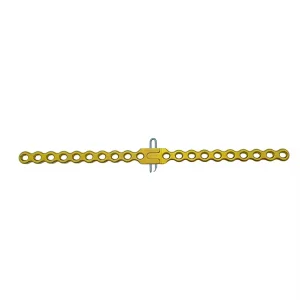
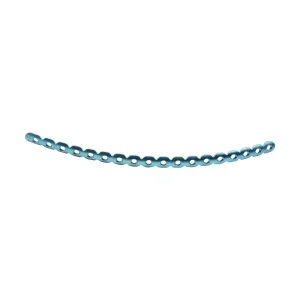
Berlin stands as a cornerstone of European medical excellence. Home to world-renowned clinical and research institutions, including the Deutsches Herzzentrum der Charité (DHZC) and a dense network of specialized surgical trauma units, the Berlin-Brandenburg metropolitan region commands an exceptional standard of medical technology. When treating sternal instability, post-sternotomy nonunion, or chest wall trauma, Berlin surgeons require implants that prioritize rapid patient mobilization and minimize postoperative complication risks.
For international suppliers targeting this sophisticated market, entry demands strict alignment with European regulatory frameworks. Every single medical implant deployed within the local German clinical ecosystem must conform seamlessly to the European Union Medical Device Regulation (EU MDR 2017/745). Beyond certification, there is a distinct clinical preference in German healthcare institutions for titanium alloys that guarantee superior biocompatibility, low magnetic resonance artifact imaging, and fatigue-resistant profile dynamics.
Evaluate Local Compliance PackagesA comparative structural analysis highlighting the biomechanical superiority of rigid plate fixation systems in cardiac and thoracic rehabilitation.
In cardiothoracic surgeries requiring a median sternotomy, securing a stable post-operative closure is paramount to preventing deep wound infections, mediastinitis, and sternal dehiscence. Historically, steel wire cerclage was the primary method due to simplicity and cost-effectiveness. However, clinical studies conducted across major German academic hospitals indicate that rigid plate fixation offers vastly superior stabilization, especially in high-risk patient cohorts (e.g., elderly, diabetic, obese, or COPD patients).
| Parameters | Traditional Wire Cerclage | Rigid Titanium Fixation Systems (Osteora) | Clinical Outcome Advantage |
|---|---|---|---|
| Biomechanical Stability | Low resistance to lateral shear force stress. | High multi-planar stability with locking screw fixation. | Prevents bone friction and micro-motion. |
| Sternal Bone Quality | Potential to cut through soft or osteoporotic bone. | Distributes compression load over a broader cortical surface area. | Safeguards patients with reduced bone density. |
| Patient Pain Indices | Higher post-operative pain during deep respiration. | Substantially reduced pain due to rigid stability. | Reduces reliance on analgesics; promotes early mobilization. |
| Re-operation Rates | Higher rate of wire fracture, requiring removal. | Negligible implant failure rate when correctly positioned. | Reduces clinical overhead costs and readmission penalties. |
"Biomechanical laboratory testing demonstrates that rigid fixation designs tolerate significantly higher mechanical loading during vigorous coughing episodes than traditional wire closures, safeguarding the integrity of the bone-implant construct throughout the critical 6-to-8 week osteosynthesis cycle."
Osteora Medical Devices Co., Ltd. is a professional orthopedic implant and surgical solution manufacturer specializing in trauma, spine, and joint reconstruction systems under the brand Osteora.
Founded in 2016, the company has developed a strong reputation in the global orthopedic industry through continuous innovation and strict quality control standards. Our production facility covers an area of approximately 18,500㎡, supporting fully integrated production, assembly, and testing operations in Class 100,000 cleanrooms.
With 8 years of export experience and 12 years of industry expertise, Osteora has established stable cooperation with international distributors and hospitals across multiple regions. Our annual export revenue ranges from USD 6 million to 14 million, reflecting steady global market growth and growing acceptance among European procurement centers.
Partner with OsteoraHow we build absolute reliability into every sternal plate and locking screw. Retaining meticulous testing parameters to guarantee zero-defect clinical integration.
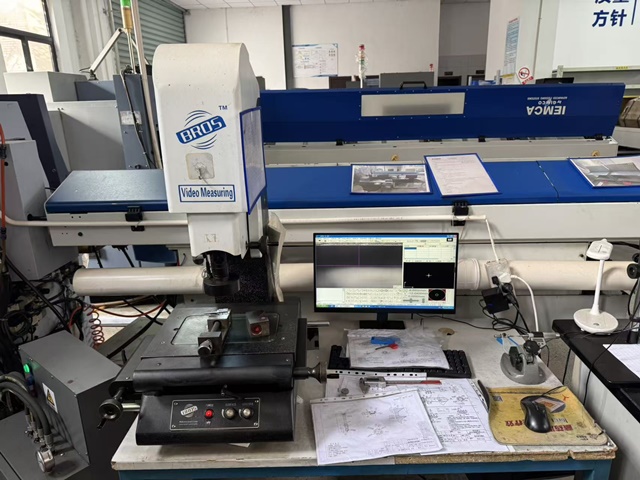
The company implements comprehensive quality assurance systems, including ISO 13485 compliance, in-process inspection, and final random sampling testing. Product inspection methods include dimensional measurement, mechanical fatigue testing, and biocompatibility validation. The quality control team consists of 42 specialized inspectors ensuring strict adherence to international medical device standards.
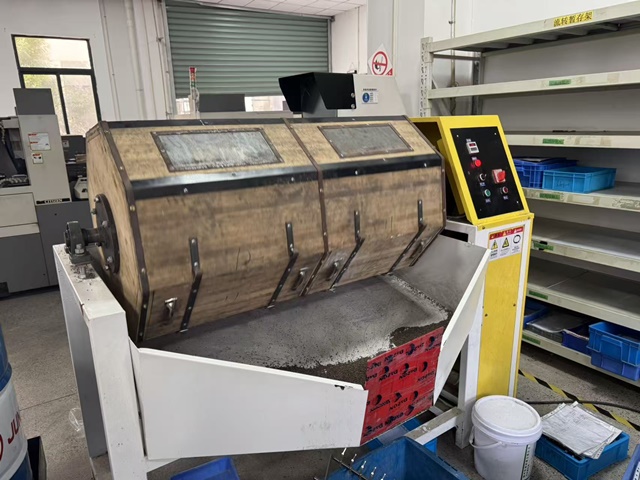
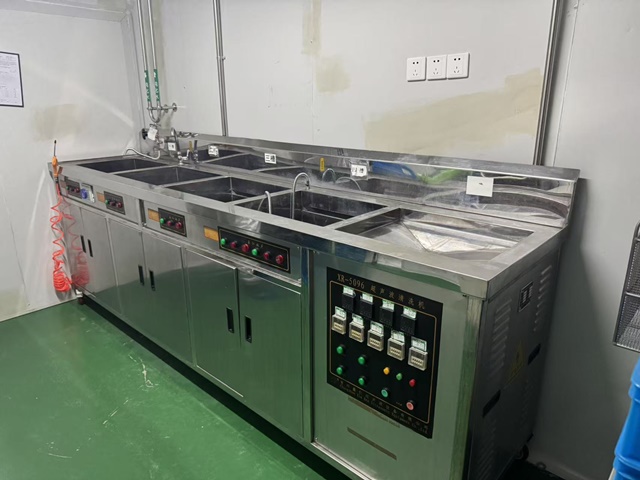
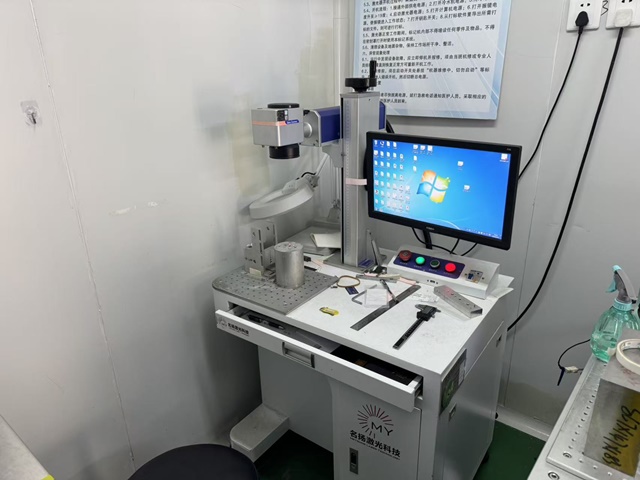
Our supply chain includes approximately 1,200 certified upstream and downstream partners, supporting stable production capacity and reliable delivery performance. Its main customer base consists of hospitals, orthopedic clinics, surgical centers, and medical distributors. Below is a detailed view of our standard production and testing workflows:
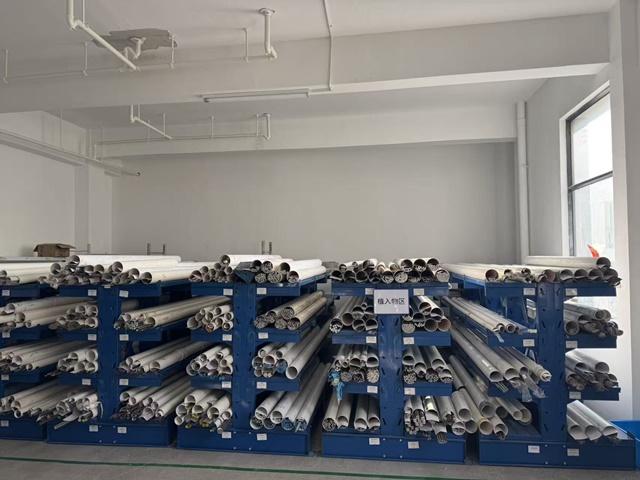
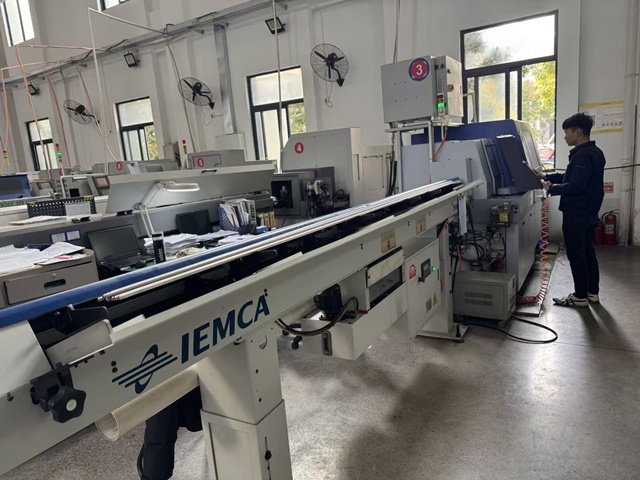
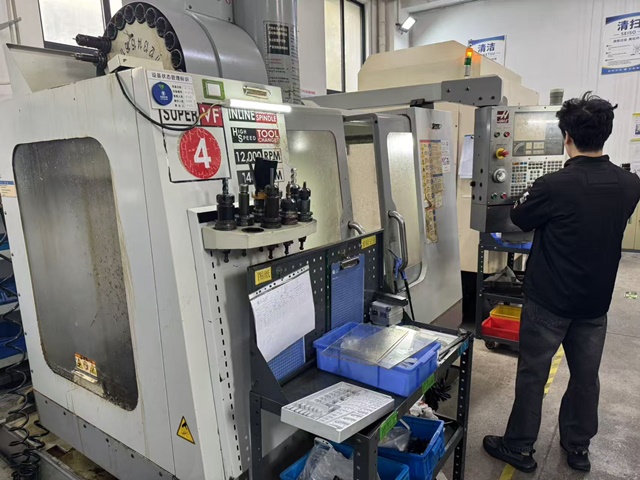
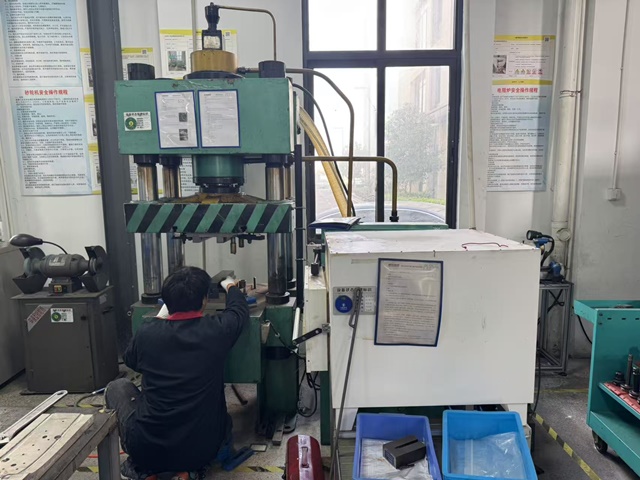
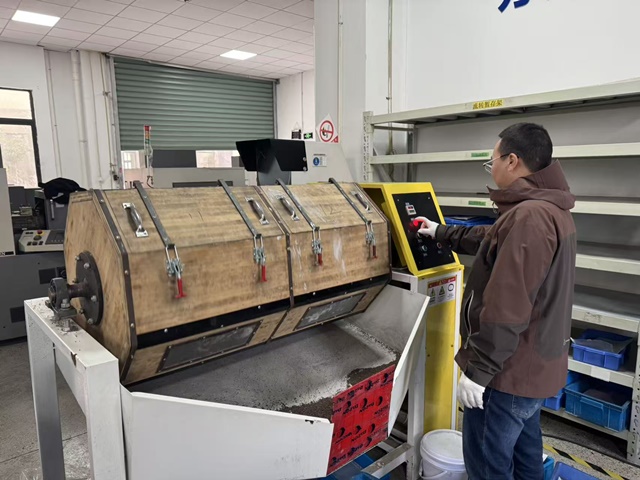
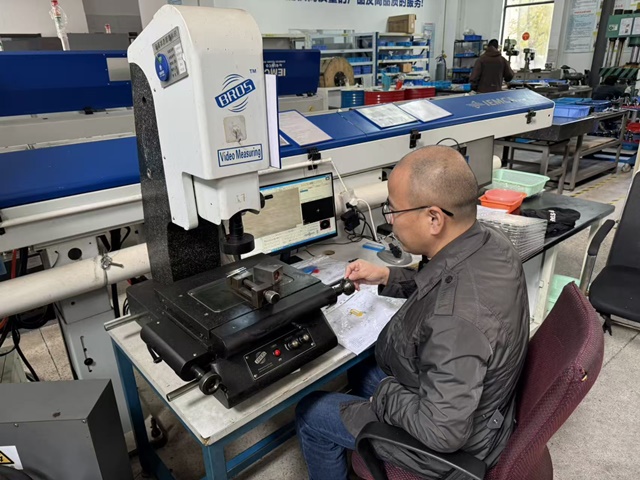
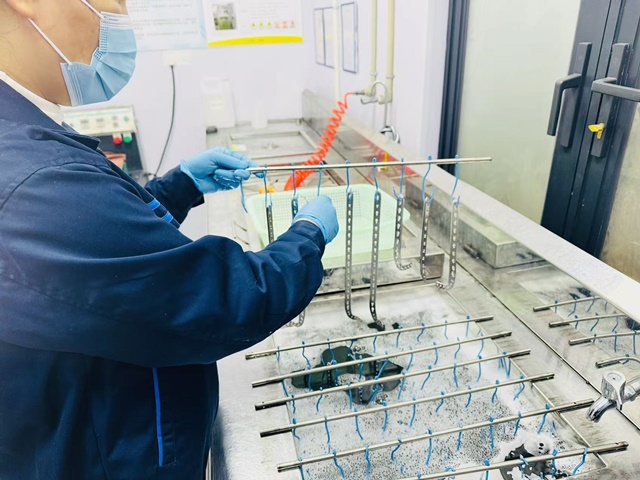
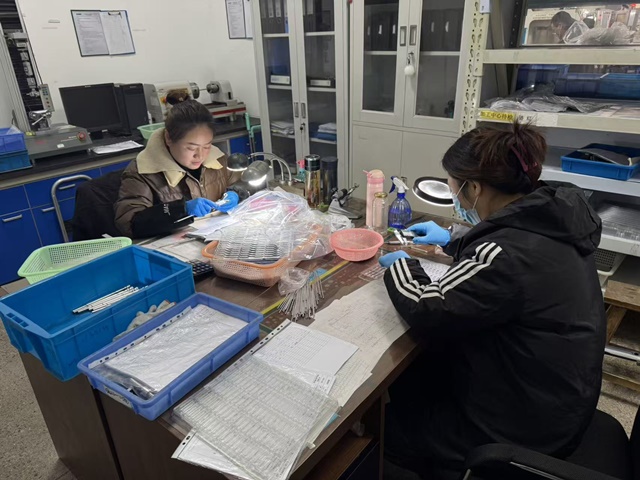
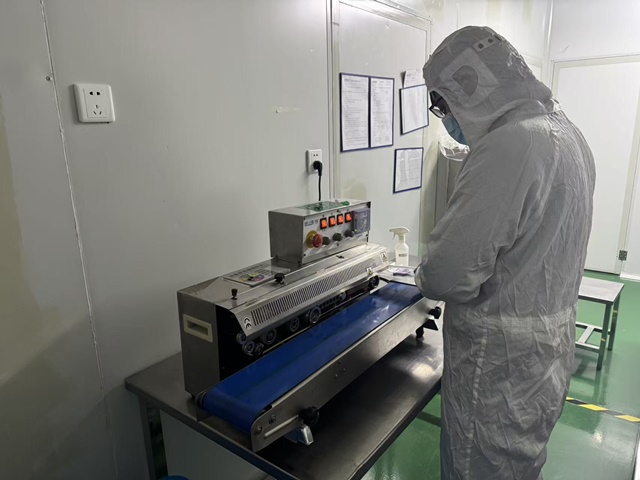
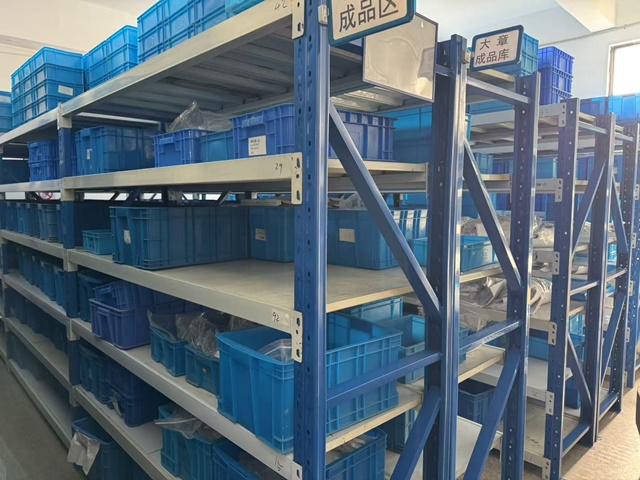
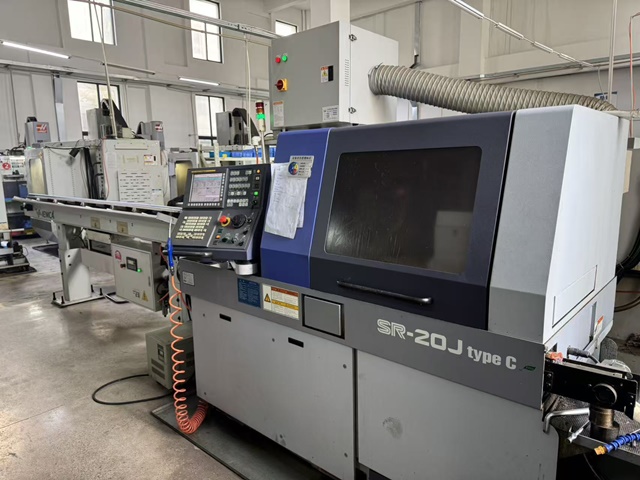
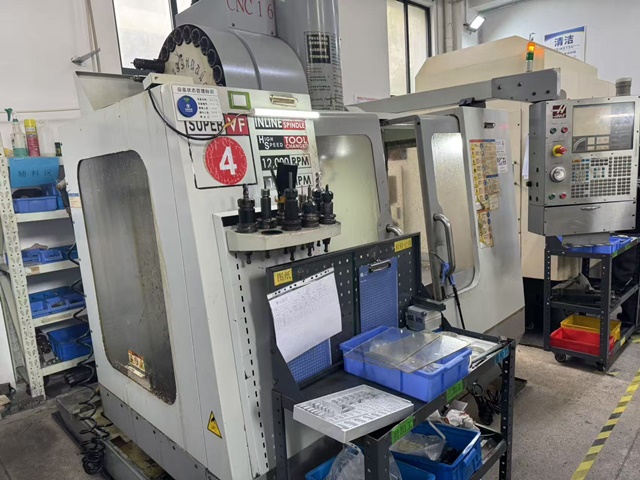
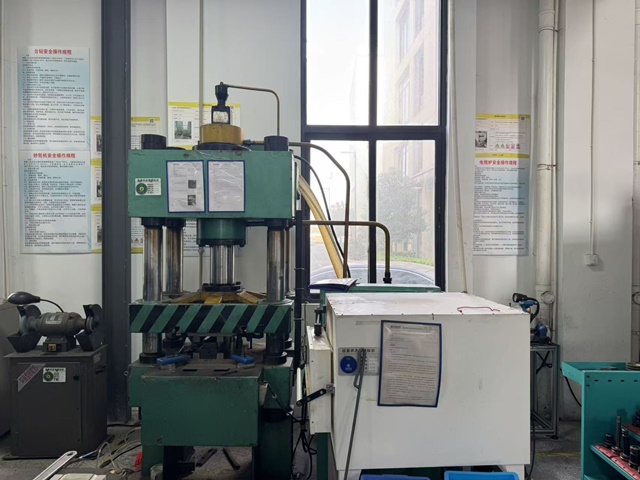
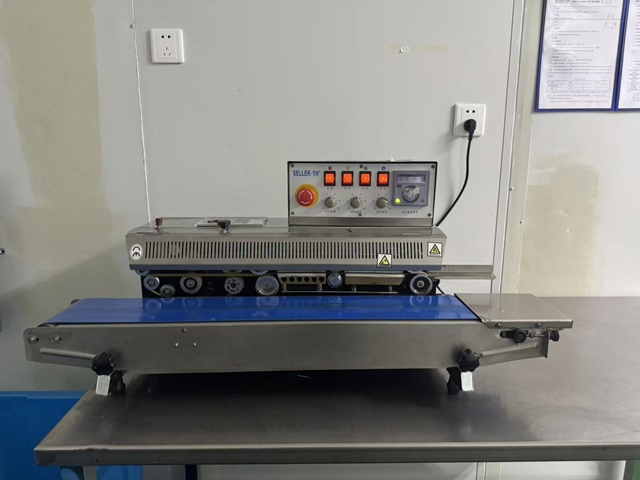
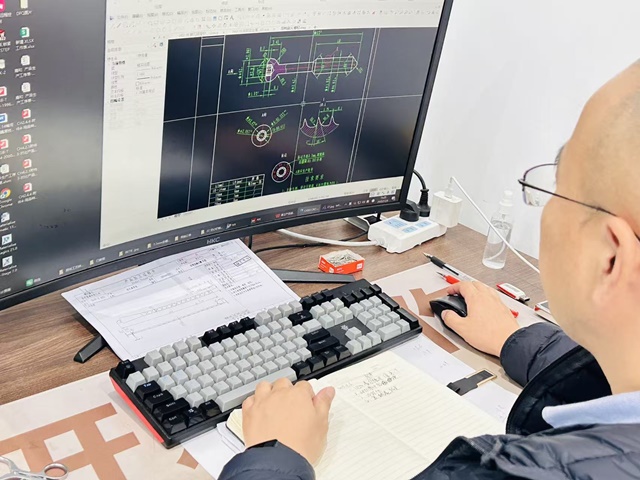
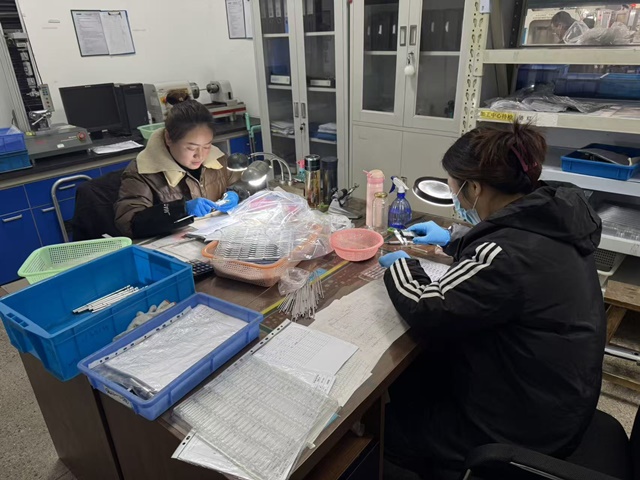
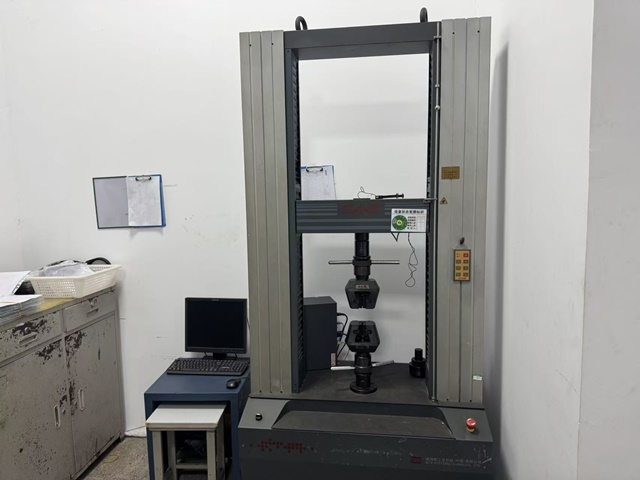
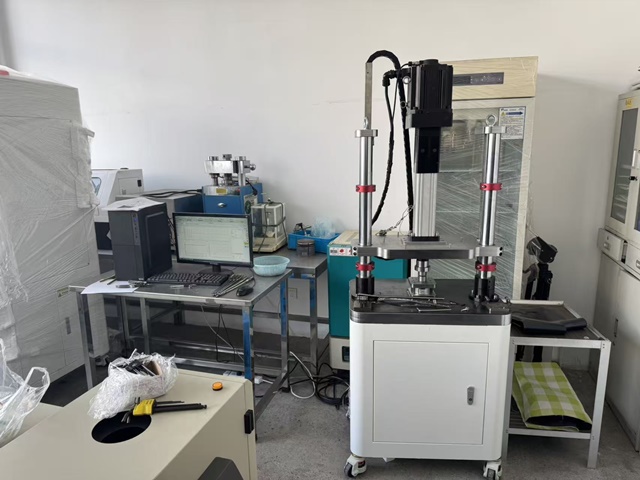
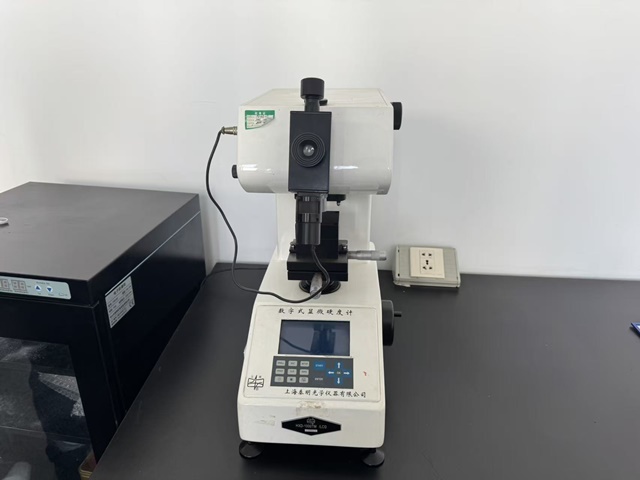
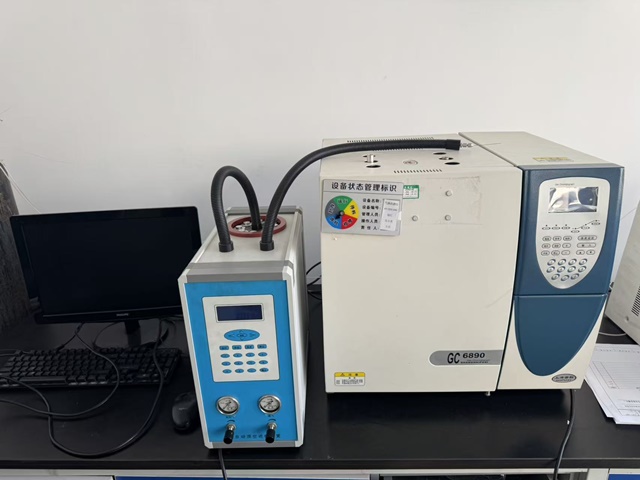
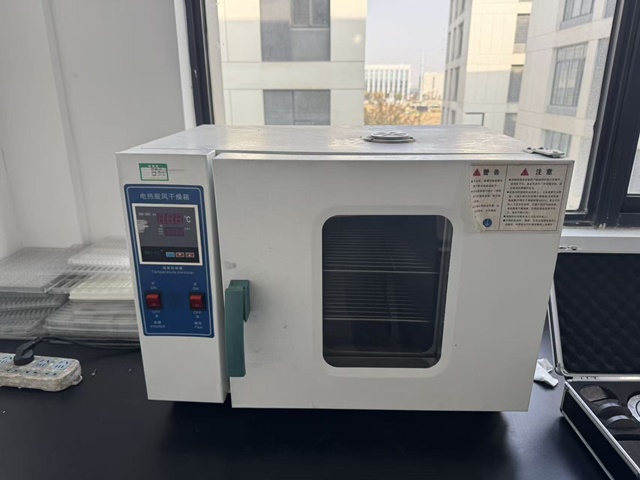
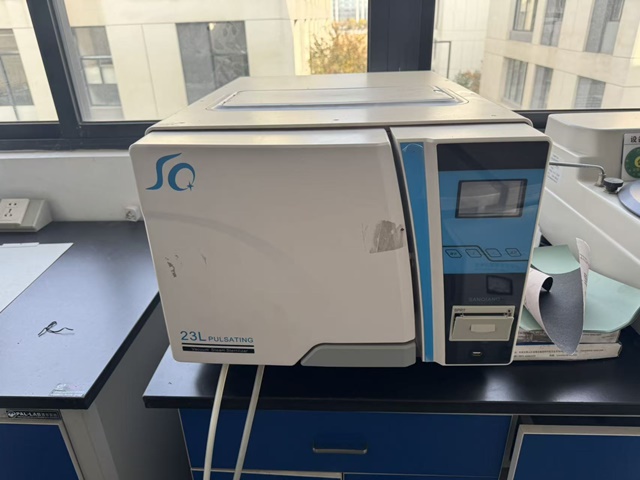
A comprehensive roadmap for procurement managers, medical distributors, and custom label partners seeking direct supply integration.
For modern medical distributors in Berlin and the wider European market, the vendor verification process focuses on long-term capacity stability, technical compliance, and localization support. Global supply chains face disruptions; hence, distributors prefer factories with substantial production capability and direct control over raw titanium processing.
Osteora addresses these critical needs through our in-house engineering team consisting of 85 dedicated R&D engineers, focusing on trauma, spinal, and thoracic fixation technologies. We offer extensive customization support including OEM/ODM design, custom sizing, alternative alloy configurations, and private label packaging solutions. Partnering with over 1,200 certified logistics and supply chain associates, we guarantee continuous shipping schedules to key logistics nodes in Germany, including Frankfurt, Hamburg, and Berlin hubs.
Where cardiothoracic osteosynthesis is heading: Clinical priorities and technological developments over the next decade.
Moving away from standard sizing to fully custom 3D-printed titanium sternum plates based on preoperative CT scans. Recommended for complex reconstructive cases following tumor resection or severe chest wall trauma. This clinical methodology dramatically reduces intraoperative bending and shaping times.
Future iterations focus on bioabsorbable sternal plates made from magnesium-based alloys. These implants support the sternum during the initial healing phase and gradually dissolve over a 12-to-18 month window, eliminating the long-term risk of foreign body reactions or late-stage hardware removal.
Applying electrochemical anodic oxidation or hydroxyapatite coatings to titanium implants. These coatings accelerate osseointegration between the bone surface and the plate, reducing micro-motion and lowering postoperative infection rates in diabetic or immunocompromised patients.
Direct answers regarding regulatory compliance, shipping logistics, and product specifications for the Berlin market.
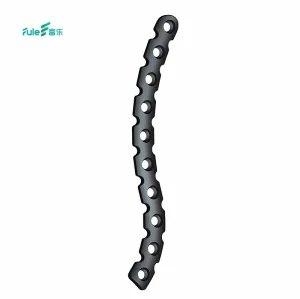
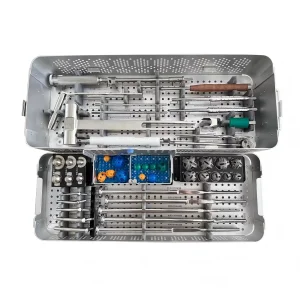
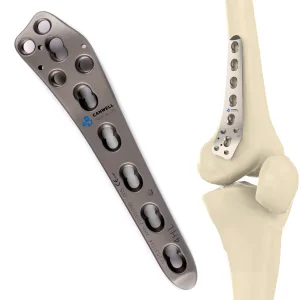
A comprehensive overview of our trauma, spinal, and veterinary joint reconstruction portfolios.
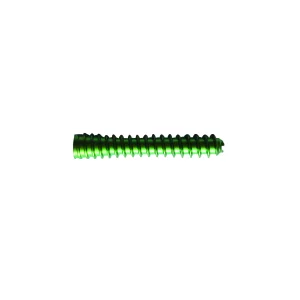
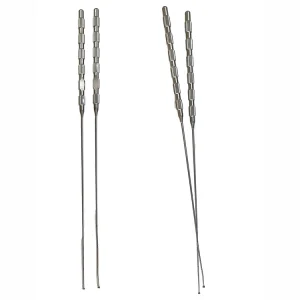
Get in touch with our European support team. Request product catalogs, raw material test records, and OEM customization quotes.
Send Inquiry Now