Osteora
Osteora
Osteora
The reconstruction of the Iraqi public healthcare system faces unique clinical challenges. Due to decades of regional conflicts, rapid urbanization, and heavy transport corridor expansions, the demands placed on local orthopedic clinics are severe. Modern Iraqi orthopedic departments—from major medical centers in Baghdad to trauma hubs in Basra, Mosul, and Erbil—require highly robust, modular, and biomechanically stable external fixation hardware.
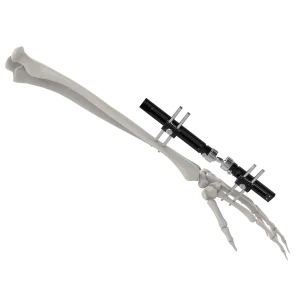
High-energy trauma, often characterized by severe open fractures, crushed bone morphology, and extensive soft tissue damage, demands immediate primary stability. Traditional internal plating systems are frequently contraindicated in these acute scenarios due to the elevated risk of osteomyelitis and local infection. Osteora's line of external fixators acts as a first line of defense, permitting rapid immobilization, stabilization, and damage control orthopedics (DCO) in critical windows.
Osteora Medical Devices aligns production methodologies with strict EU and international clinical directives. Engineered for high fatigue-resistance, our hardware supports local trauma teams dealing with:
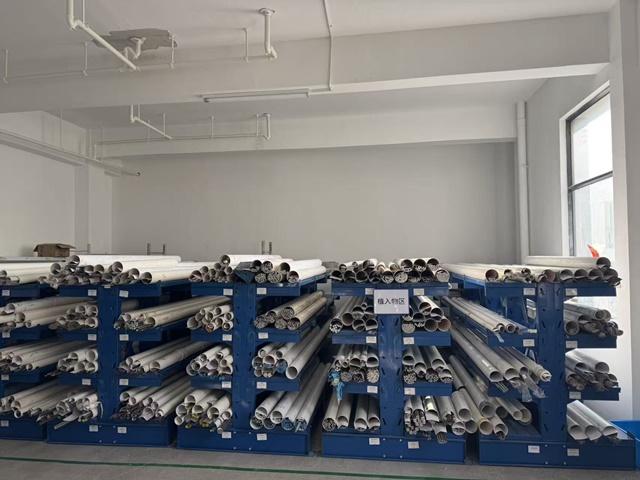
As a seasoned exporter operating under strict ISO 13485 regulations, Osteora bridges the gap between premium global material technologies and the localized requirements of the Middle East market. Our production base leverages premium-grade materials, such as biocompatible Titanium alloys (Ti6Al4V ELI) and highly radiolucent carbon fiber rods, optimizing post-operative X-ray and CT imaging clarity.
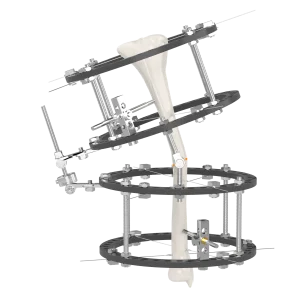
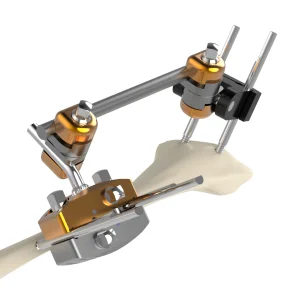
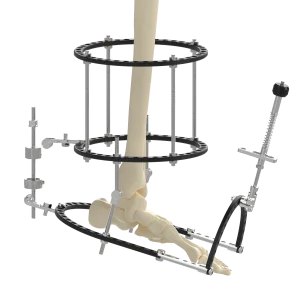
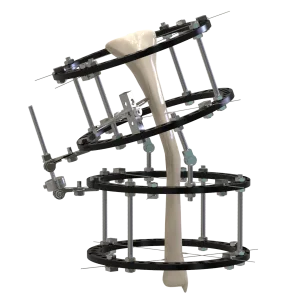
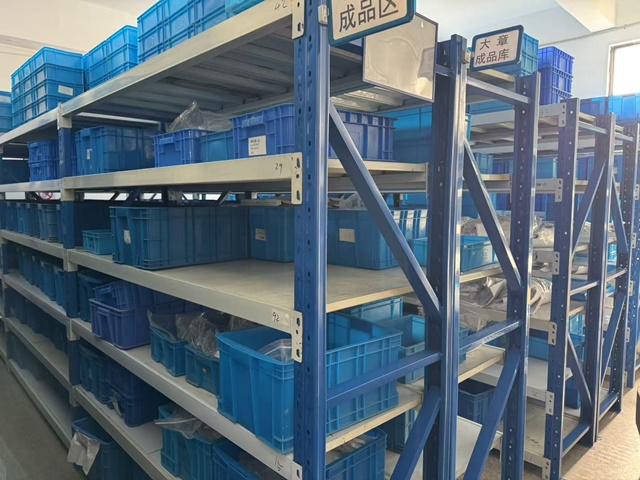
We work closely with logistics networks in Basra and Baghdad to streamline customs clearance and ensure that sterile, ready-to-use orthopedic implants reach municipal and military medical facilities without delay. Our comprehensive inventory, ranging from classic Hoffmann-compatible external configurations to advanced Ring Fixator assemblies (Ilizarov structures), guarantees that trauma surgeons can customize setups in real-time according to specific anatomic profiles.
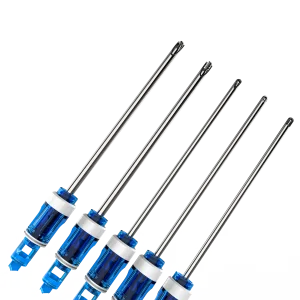
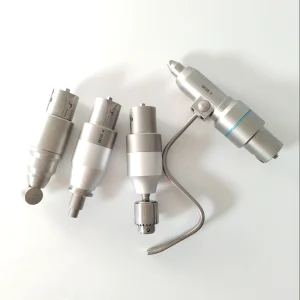
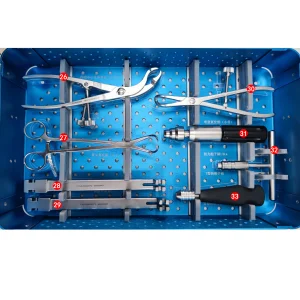
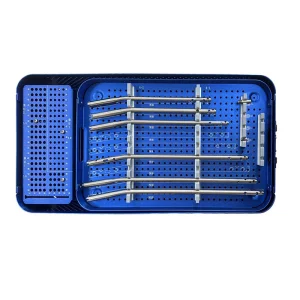
By implementing a continuous buffer stock of surgical grade components, Osteora accommodates sudden spikes in trauma hardware demand. We actively supply custom surgical instruments and customized external fixator kits featuring:
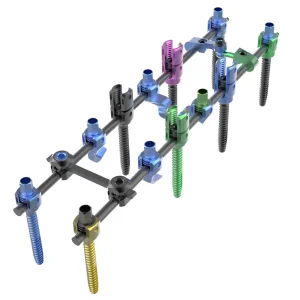
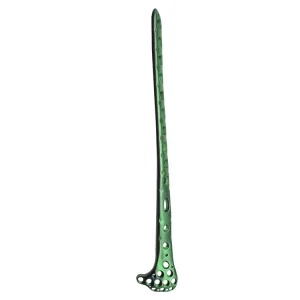
Osteora Medical Devices Co., Ltd. is a professional orthopedic implant and surgical solution manufacturer specializing in trauma, spine, and joint reconstruction systems under the brand Osteora. Founded in 2016, the company has developed a strong reputation in the global orthopedic industry through continuous innovation and strict quality control standards. The facility covers an area of approximately 18,500㎡, supporting integrated production, assembly, and testing operations.
With 8 years of export experience and 12 years of industry expertise, Osteora has established stable cooperation with international distributors and hospitals across multiple regions. Annual export revenue ranges from USD 6 million to 14 million, reflecting steady global market growth.
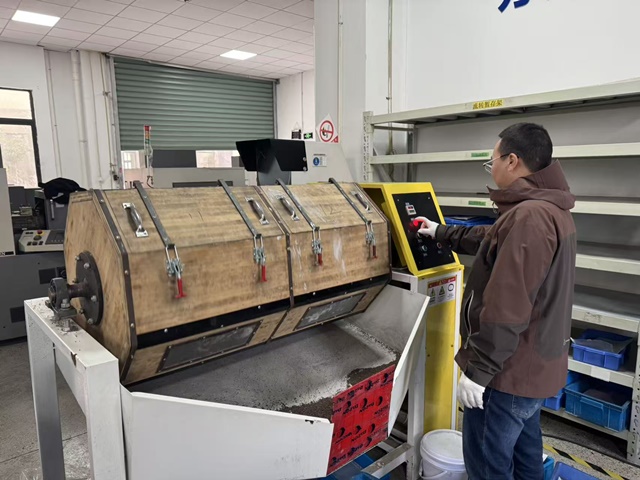
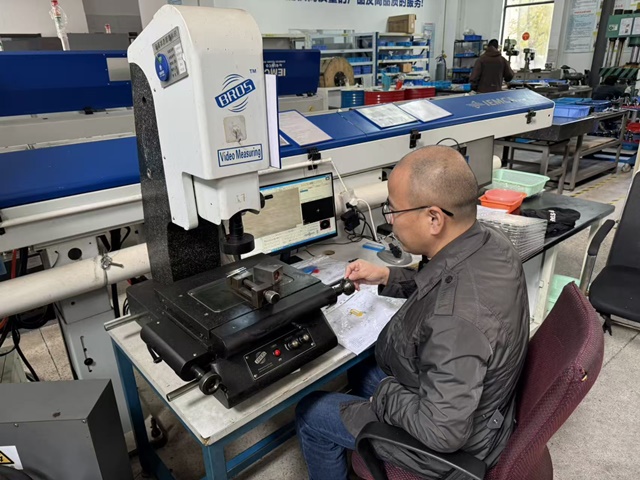
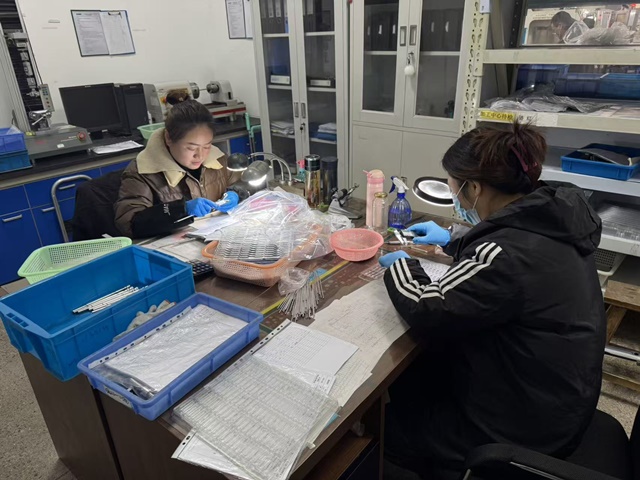
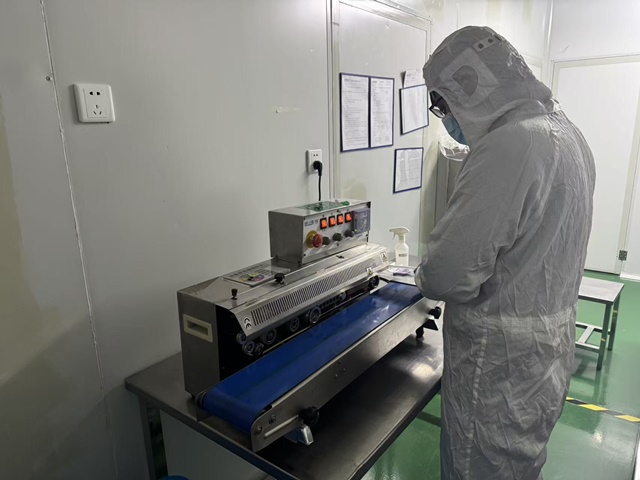
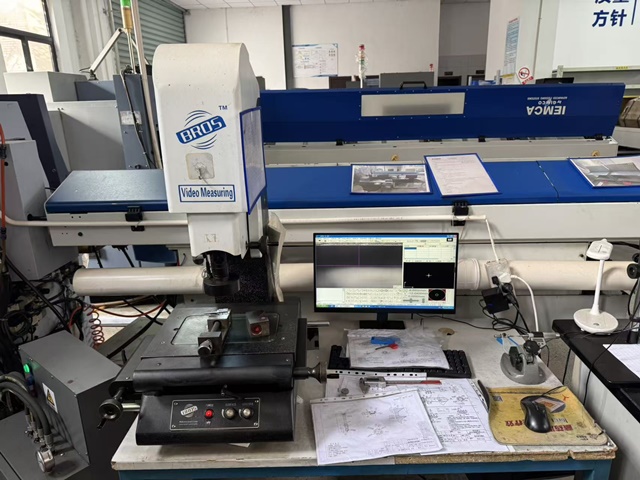
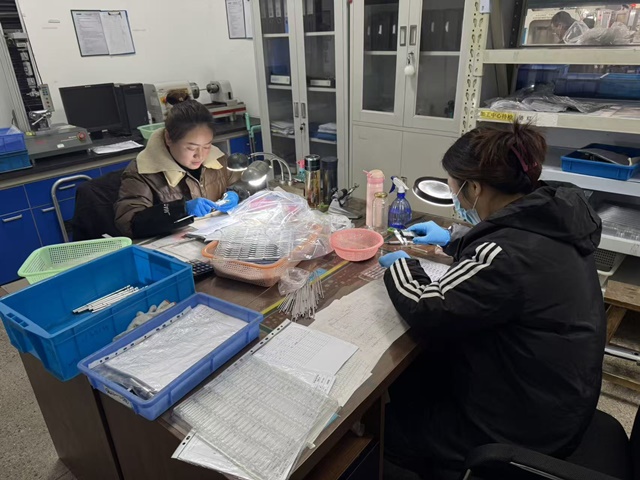
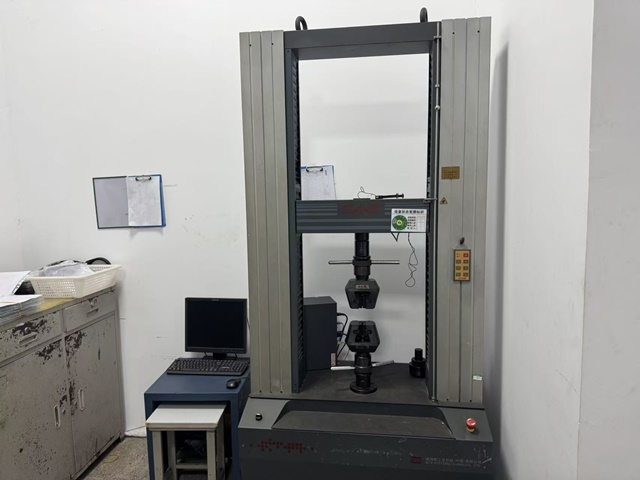
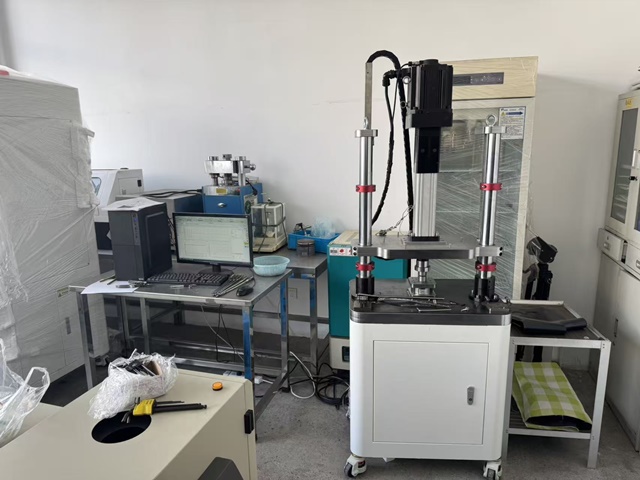
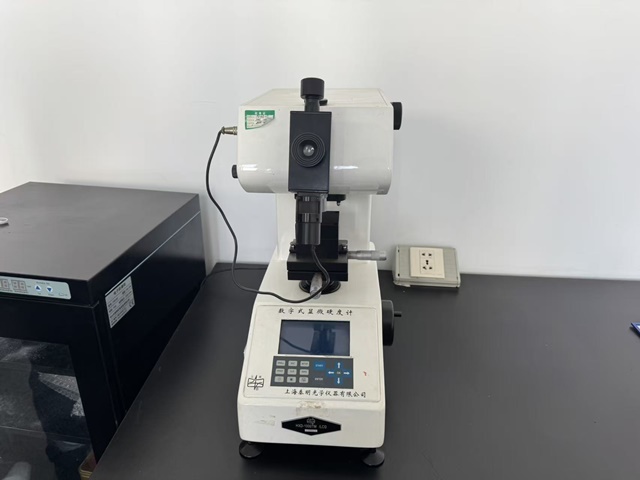
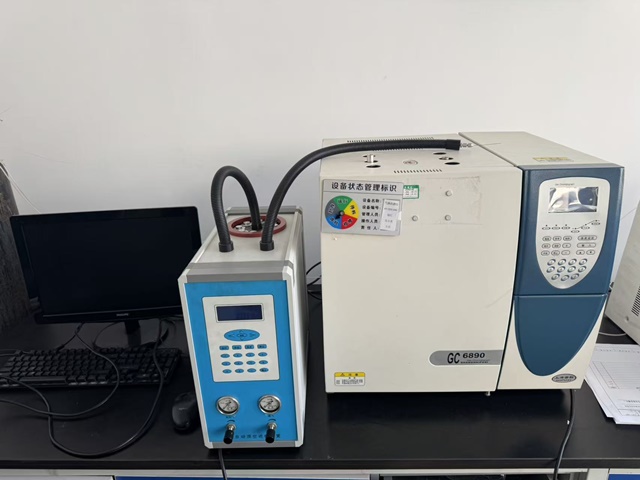
The company implements comprehensive quality assurance systems, including ISO 13485 compliance, in-process inspection, and final random sampling testing. Product inspection methods include dimensional measurement, mechanical fatigue testing, and biocompatibility validation. The quality control team consists of 42 specialized inspectors ensuring strict adherence to international medical device standards.
Osteora has a strong trade background in global medical device export and maintains long-term partnerships with distributors in Europe, Southeast Asia, the Middle East, and South America, which are also its primary markets. The company’s supply chain includes approximately 1,200 certified upstream and downstream partners, supporting stable production capacity and reliable delivery performance. Its main customer base consists of hospitals, orthopedic clinics, surgical centers, and medical distributors.
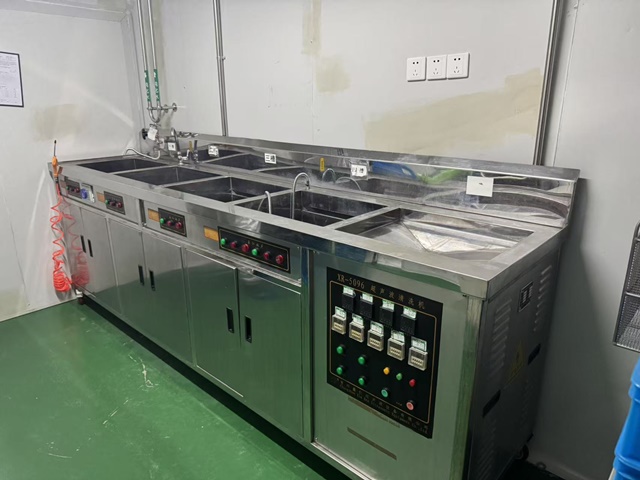
Every external fixation component, pin, connector, clamp, and rod manufactured by Osteora undergoes strict clinical validation and state-of-the-art material processing in our controlled facilities.
In the design of modern external fixators, material selection dictates mechanical performance and patient recovery profiles. Osteora integrates aerospace-grade Titanium (Ti6Al4V ELI) and PEEK polymer matrices alongside structural carbon fiber composites. The load-bearing framework of external fixators must display balanced elastic properties to match natural cortical bone behavior. If the assembly is excessively rigid, it inhibits microrotation at the osteotomy or fracture gap, retarding primary callus formation. Conversely, insufficient stability triggers macro-shear deformation, promoting non-union.
By leveraging carbon-fiber composite materials, the overall weight of full ring systems, such as the AO Ilizarov configuration, is reduced by up to 40% compared to traditional stainless steel alternatives. This weight reduction substantially minimizes fatigue in patients subjected to multi-month limb reconstruction processes. Additionally, total radiolucency under intra-operative fluoroscopy provides surgeons with an unobstructed view of the targeted bone segments, confirming optimal reduction and bone interface contact.
Iraqi clinical environments frequently receive patients presenting high-energy compound fractures from industrial incidents or security-related blasts. These injuries are complicated by extensive bone loss (segmental defects) and severe microvascular compromise. The clinical protocol for managing such injuries requires swift surgical stabilization.
Osteora's Hybrid and Linear LRS (Limb Reconstruction System) configurations allow surgeons to apply rigid bridging stabilization beyond the margins of the wound area. By utilizing self-tapping, tapered Schanz screws coated with hydroxyapatite, Osteora fixators maintain high pull-out strength in osteopenic bone, preventing screw loosening. This is vital in the hot, humid regions of Iraq, where perspiration and environmental contaminants elevate the risk of tract infection. By ensuring solid implant-to-bone fixation, micro-motions at the pin-bone interface are mitigated, thereby lowering infection rates.
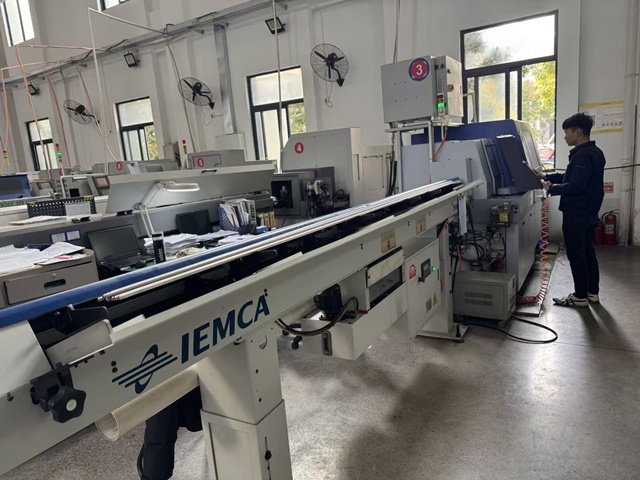
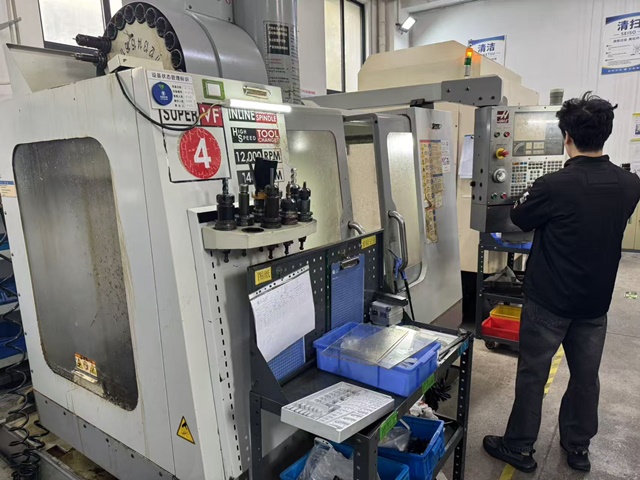
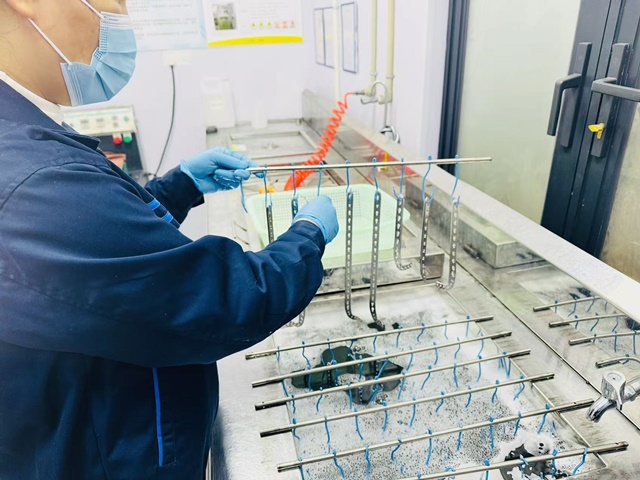
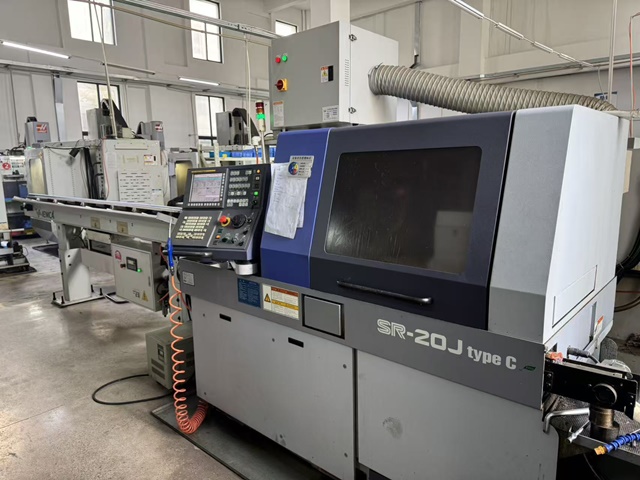
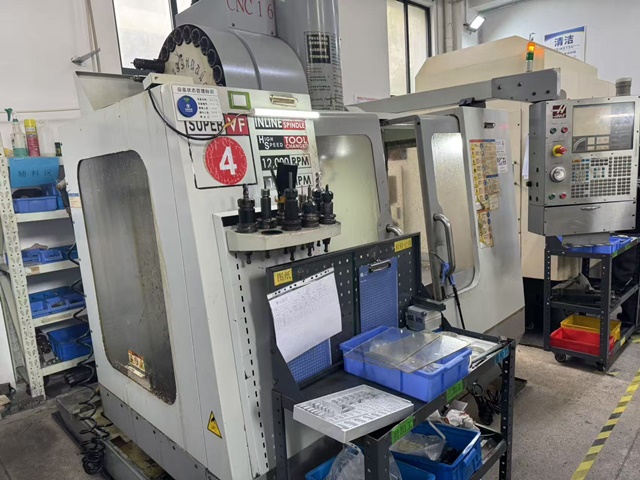
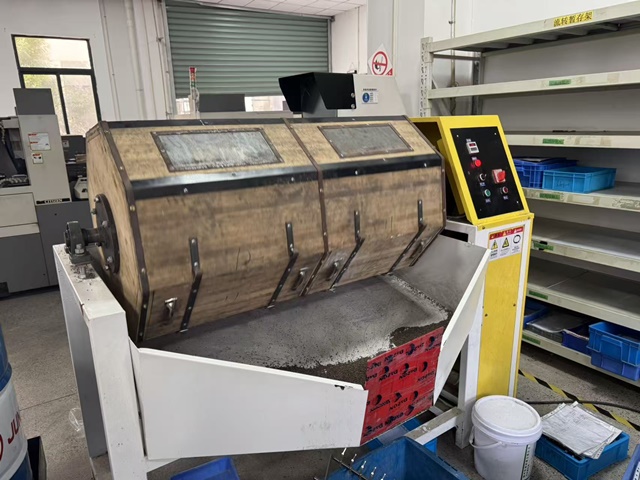
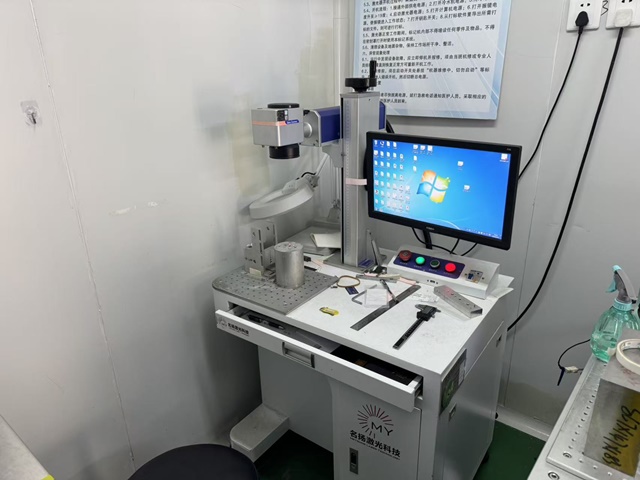
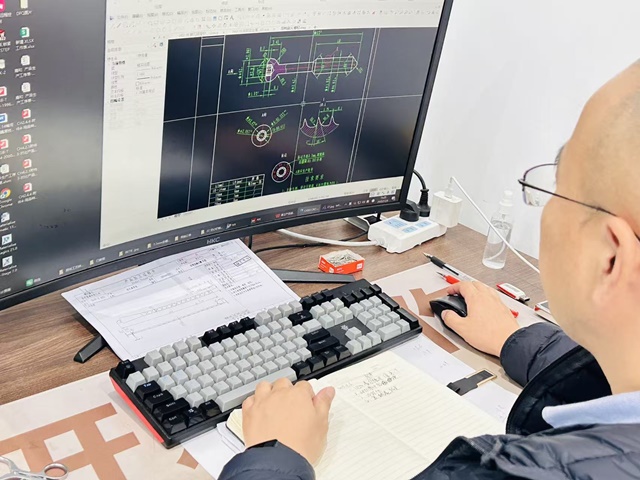
Under the guidelines of Osteora's quality management system, every single orthopedic component undergoes raw-material analysis before entering the CNC process. Ultrasonic flaw detection verifies material integrity, eliminating any internal voids or micro-fissures in titanium rods. Precision Swiss-type lathes shape specialized components down to micron-level tolerances.
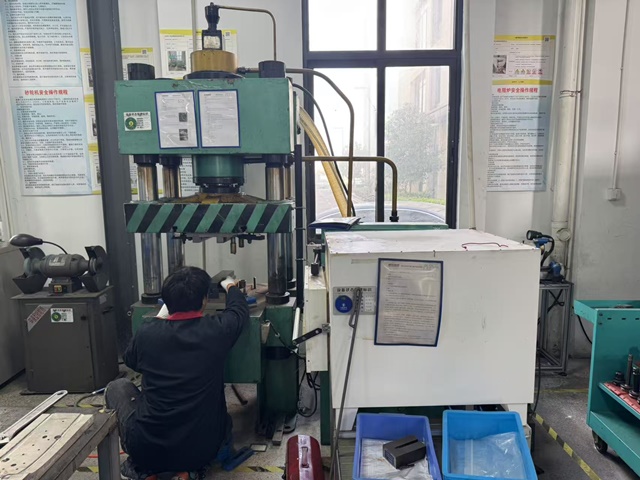
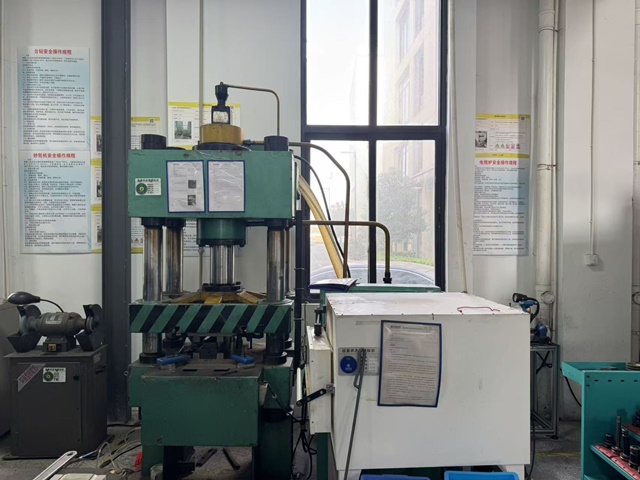
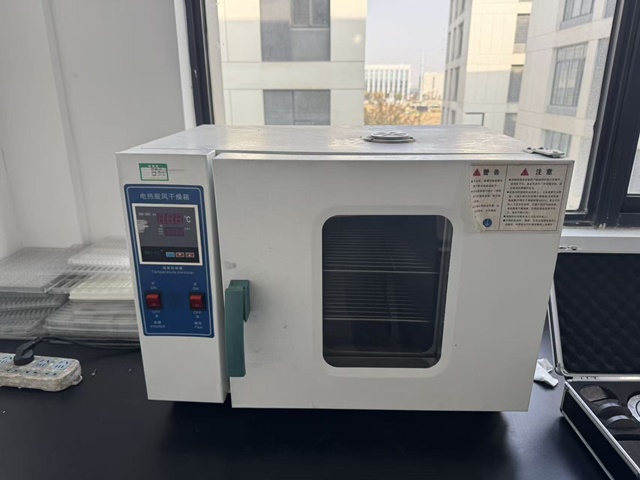
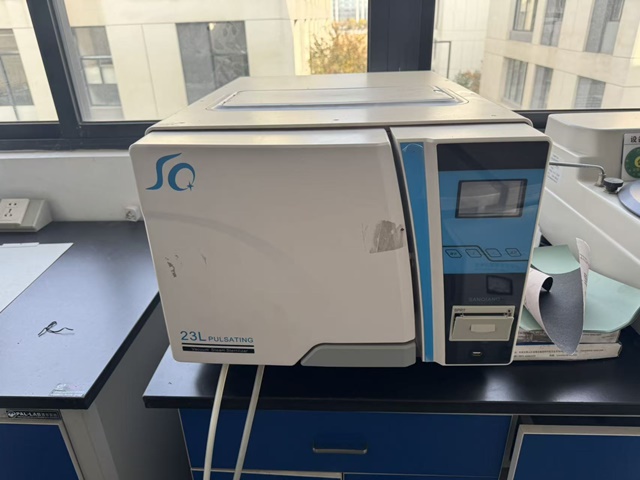
Mechanical testing protocols subject assemblies to fatigue cycles simulating post-operative weight-bearing. Using a multifunctional mechanical testing machine, our engineers evaluate the yield strength and ultimate load-bearing limits of pin clamps and carbon rods. This rigorous procedure ensures that every fixator dispatched to Iraq meets or exceeds the mechanical parameters mandated by CE and ISO standards.
Osteora offers comprehensive surgical training sets and manuals to our Iraqi commercial partners. We facilitate direct tech transfer through physical and digital training modules, ensuring that local sales representatives and clinical consultants possess the detailed biomechanical knowledge required to support surgeons in complex trauma surgeries.
Looking toward the future, Osteora's R&D department is focused on smart orthopedic systems. This includes incorporating sensorized components within external fixator carbon fiber rods. These sensors measure real-time load distribution across the fracture site, wirelessly transmitting data to clinicians to monitor bone healing progress. This eliminates premature frame removal and guides precise patient weight-bearing progression.
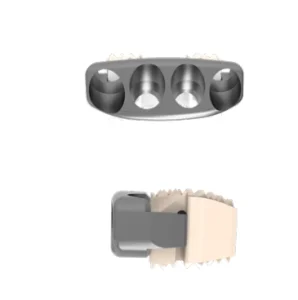
Additionally, we are expanding our custom titanium 3D-printing integration. This enables hybrid configurations where custom-fit internal titanium mesh cages work in tandem with modular external fixator systems. This technique addresses severe structural bone losses frequently seen in patients throughout Iraq, offering reliable pathways to limb salvage.