Osteora
Osteora
Osteora
Explore our top-tier export items engineered with medical-grade Titanium alloys (Ti6Al4V ELI) and high-performance PEEK polymers for optimal surgical clinical outcomes.
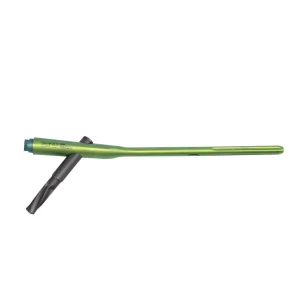
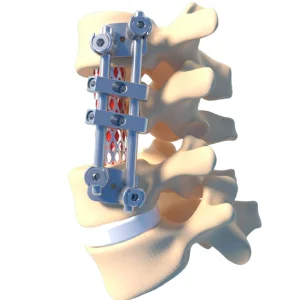
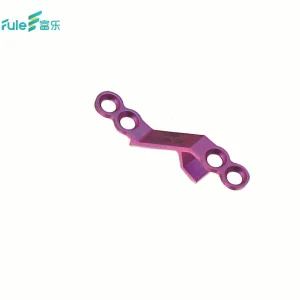
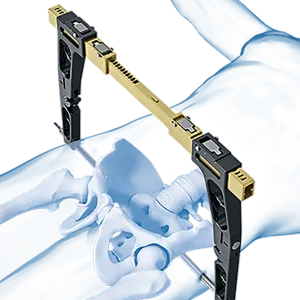
A deep-dive technical overview of global cervical spine surgical trends, regulatory imperatives, and material technology transitions shaping modern healthcare procurement.
The global cervical spine implant market is experiencing unprecedented evolution driven by an aging global demographic, increasing incidence of cervical spondylotic myelopathy (CSM), degenerated disc disease (DDD), and traumatic spinal injuries. As surgeons increasingly pivot toward minimally invasive spine surgery (MISS), motion-preserving cervical disc arthroplasty (CDA), and zero-profile anterior cervical discectomy and fusion (ACDF) constructs, international healthcare buyers face escalating pressures to source biocompatible, highly durable, and precision-manufactured implants.
Reliable manufacturing and supply chain transparency have become core imperatives for international medical distributors, private hospital groups, and orthopedic clinical tenders. Modern cervical spinal reconstruction systems demand rigorous biomechanical integrity—withstanding tens of millions of axial loading cycles while promoting rapid osseointegration and preserving sagittal balance. Navigating international regulatory matrices (such as EU MDR 2017/745, US FDA 510(k), and ISO 13485:2016 standards) requires direct partnerships with tier-1 cervical implants suppliers equipped with advanced multi-axis CNC micro-machining, cleanroom assembly, and in-house mechanical testing capabilities.
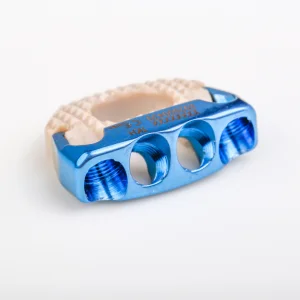
Transitioning from unreinforced polymers to Medical Grade PEEK (Polyetheretherketone) combined with micro-textured bio-active Titanium plasma coating. This dual-material paradigm ensures radiolucency for crystal-clear postoperative MRI artifact elimination alongside supreme osteoconductive bone ingrowth.
Global regulatory landscapes require full raw material batch traceability (ISO 5832-3 for Titanium Alloy, ASTM F2026 for PEEK). Tier-1 exporters implement continuous Laser UDI (Unique Device Identification) tagging to guarantee flawless clinical recall safety and international regulatory clearance.
Mitigating supply chain bottlenecks requires scalable original equipment manufacturers (OEMs). Strategic sourcing directly from integrated manufacturing complexes reduces unit procurement costs by 30-45% without compromising clinical precision or fatigue life limits.
A leading international force in orthopedic trauma, spinal fixation, and joint reconstruction technologies.
Osteora Medical Devices Co., Ltd. is a professional orthopedic implant and surgical solution manufacturer specializing in trauma, spine, and joint reconstruction systems under the brand Osteora.
Founded in 2016, the company has developed a strong reputation in the global orthopedic industry through continuous innovation and strict quality control standards. The facility covers an area of approximately 18,500㎡, supporting integrated production, assembly, and testing operations.
With 8 years of export experience and 12 years of industry expertise, Osteora has established stable cooperation with international distributors and hospitals across multiple regions. Annual export revenue ranges from USD 6 million to 14 million, reflecting steady global market growth.
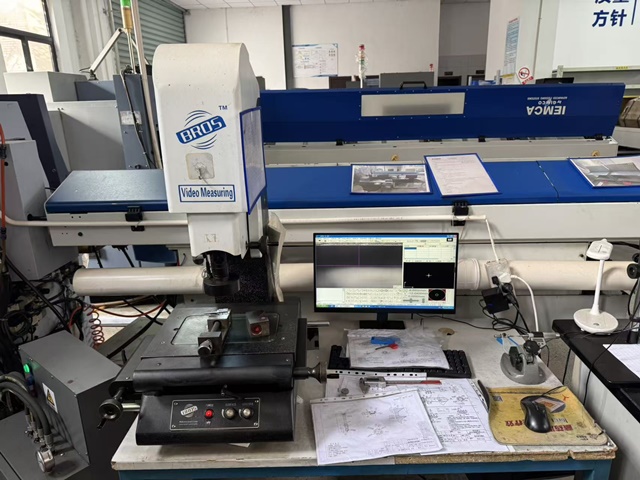
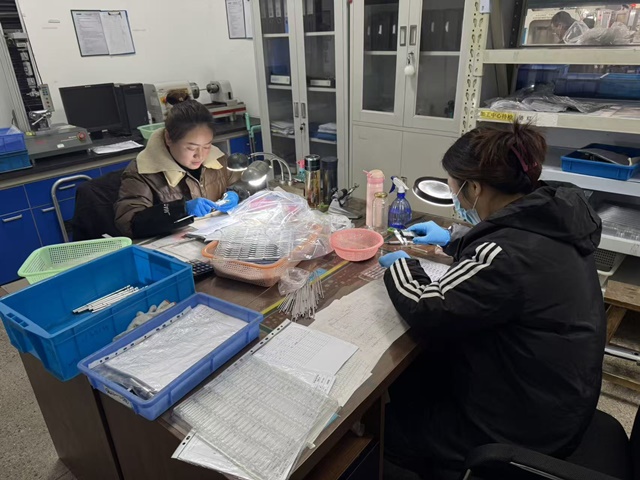
The company implements comprehensive quality assurance systems, including ISO 13485 compliance, in-process inspection, and final random sampling testing. Product inspection methods include dimensional measurement, mechanical fatigue testing, and biocompatibility validation. The quality control team consists of 42 specialized inspectors ensuring strict adherence to international medical device standards.
Osteora has a strong trade background in global medical device export and maintains long-term partnerships with distributors in Europe, Southeast Asia, the Middle East, and South America, which are also its primary markets.
The company’s supply chain includes approximately 1,200 certified upstream and downstream partners, supporting stable production capacity and reliable delivery performance. Its main customer base consists of hospitals, orthopedic clinics, surgical centers, and medical distributors.
With strong R&D capabilities, Osteora operates an in-house engineering team of 85 R&D engineers, focusing on innovation in trauma fixation systems, spinal implants, and joint reconstruction technologies. The company offers extensive customization options, including OEM/ODM services, size variations, material customization, and private labeling.
In the past year, Osteora launched approximately 120 new products, reflecting its continuous investment in innovation and product development to meet evolving clinical needs.
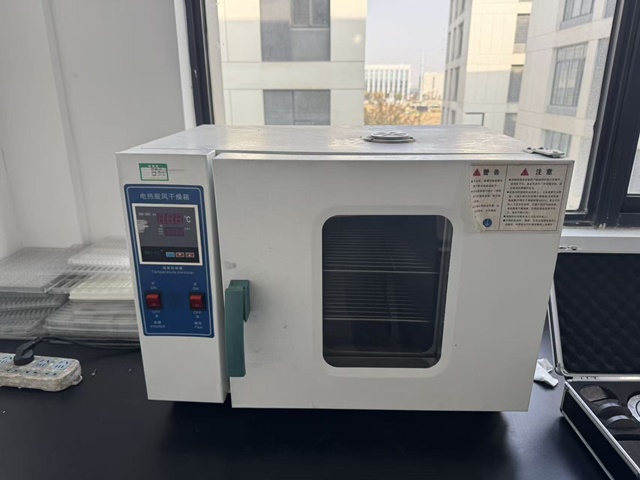
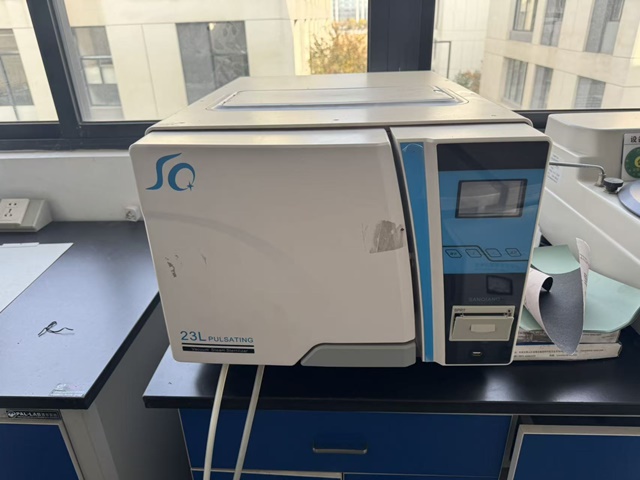
From raw titanium bar stock inspection to final ISO Class 7 cleanroom packaging, every surgical device undergoes meticulous precision engineering.
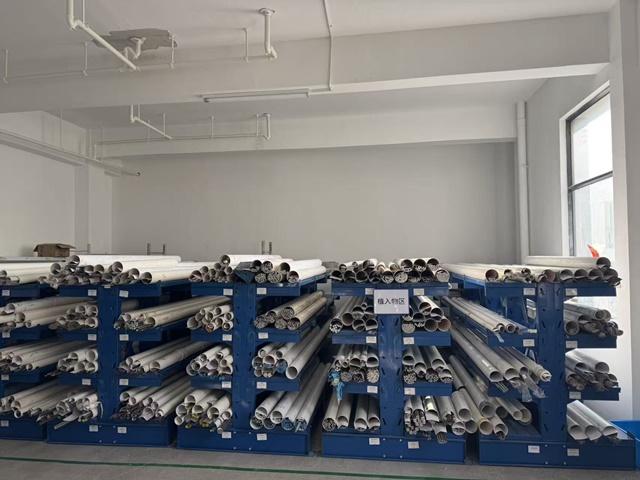
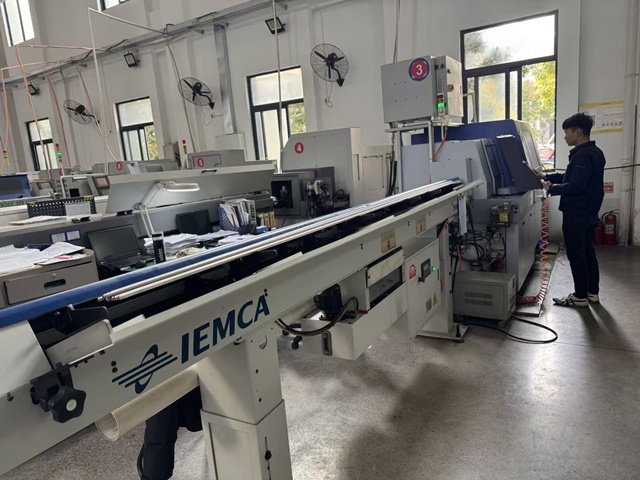
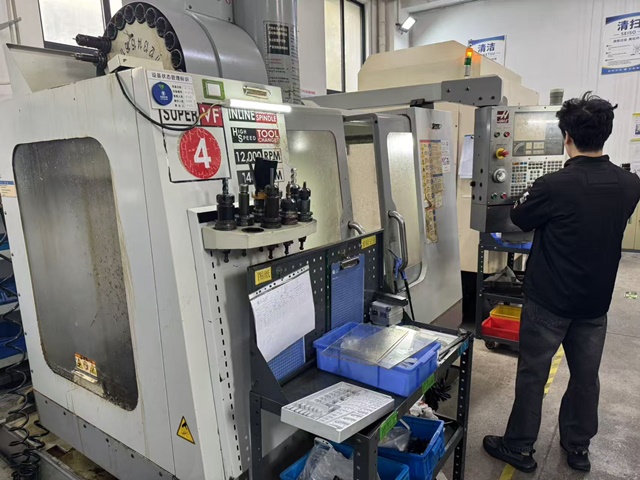
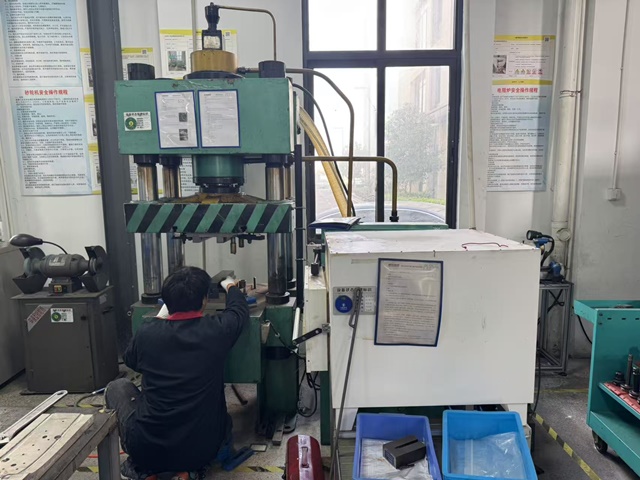
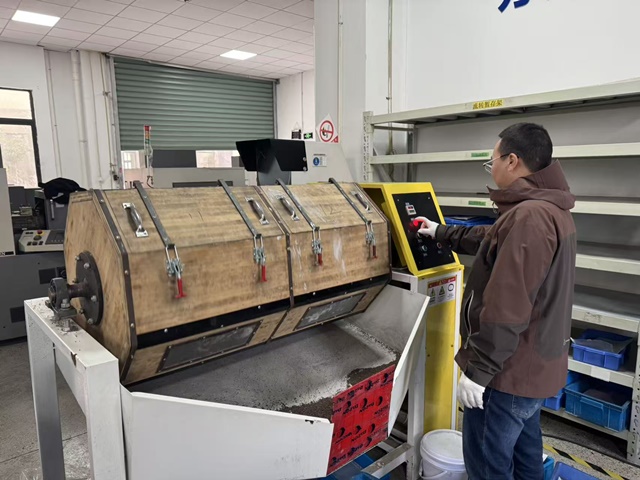
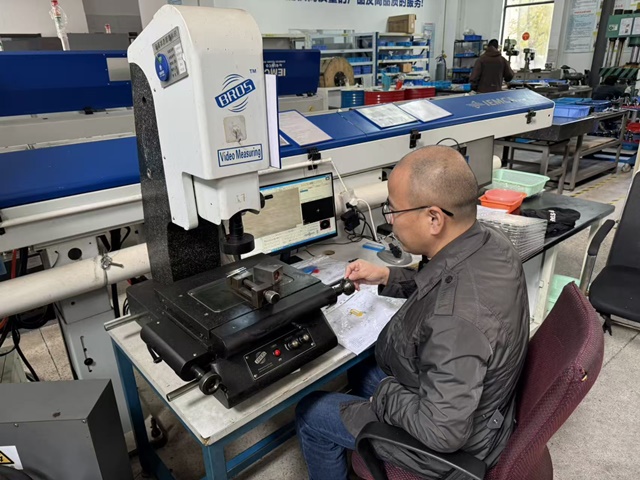
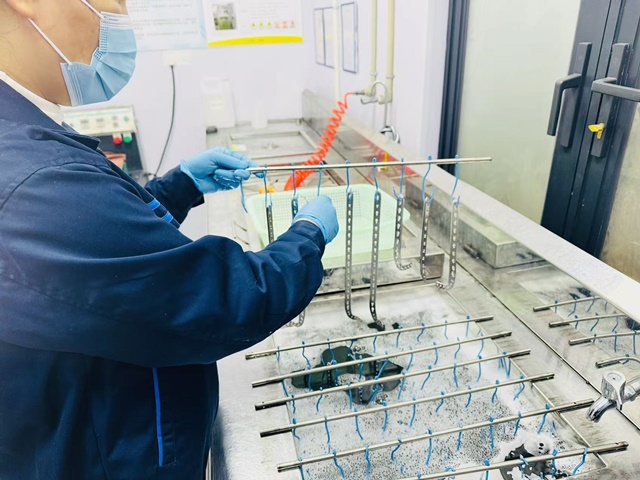
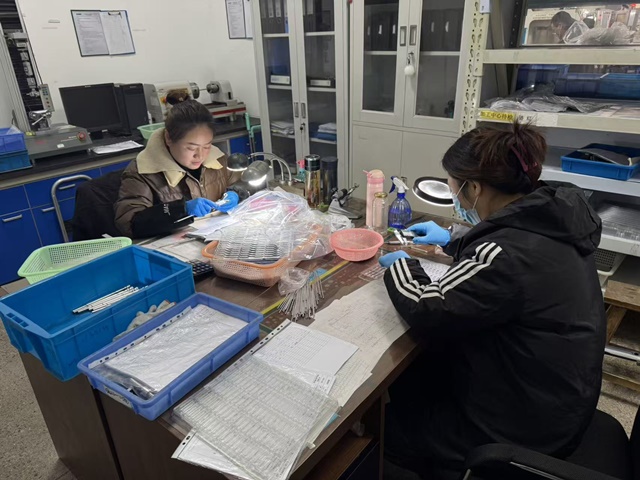
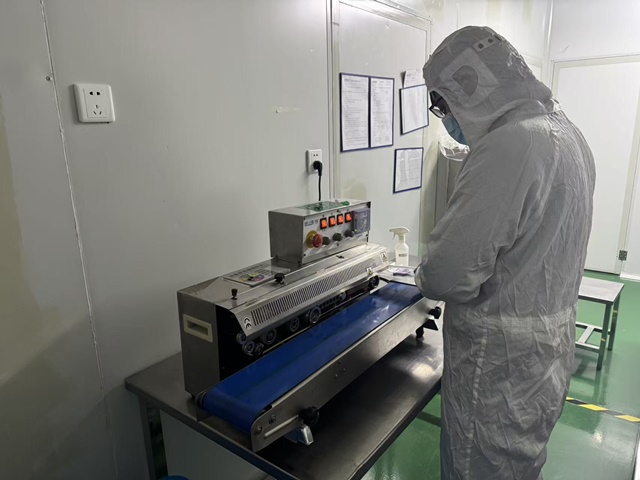
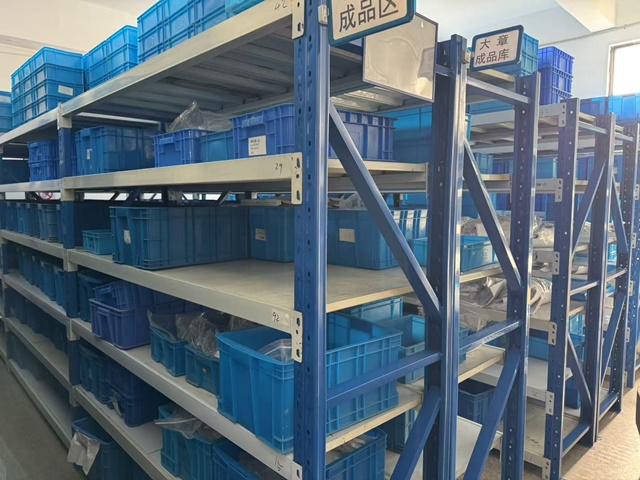
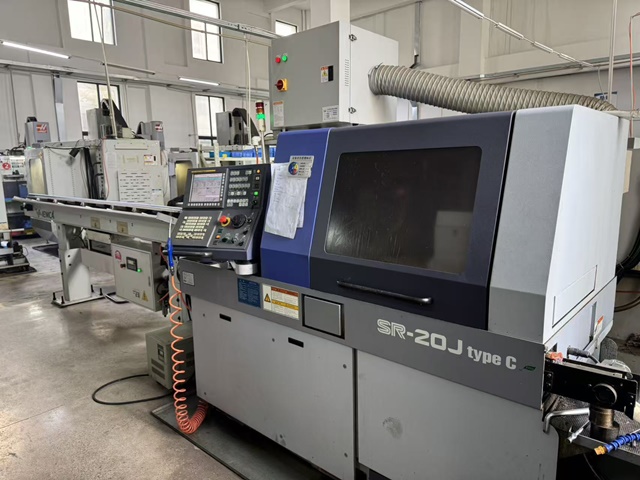
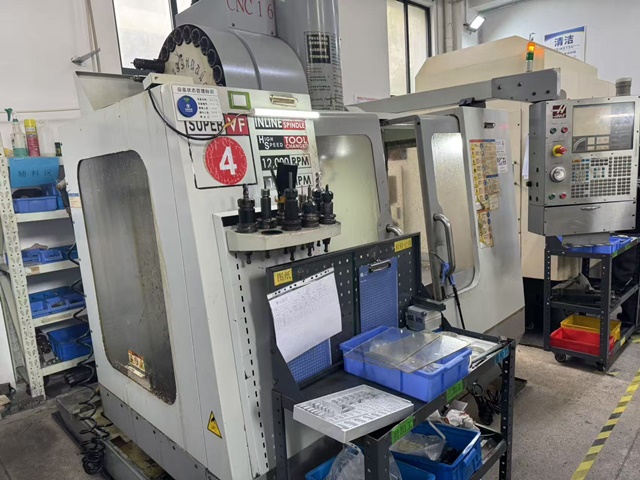
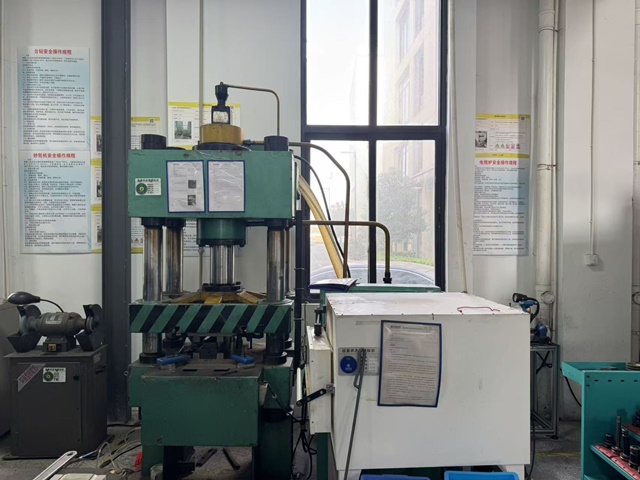
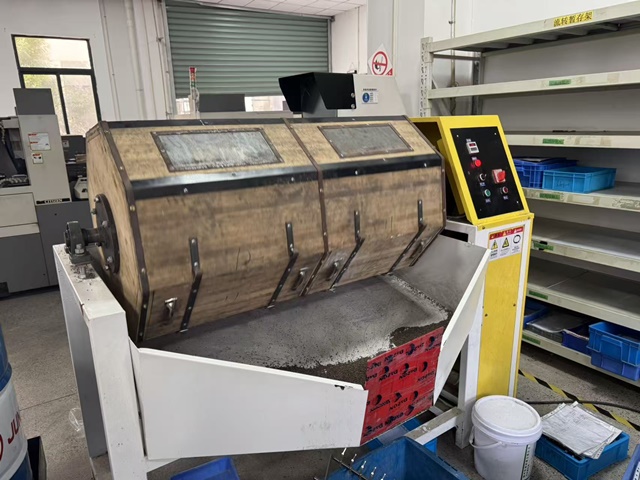
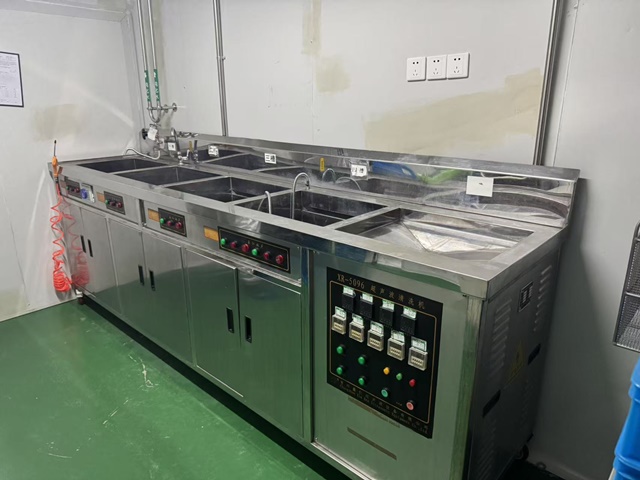
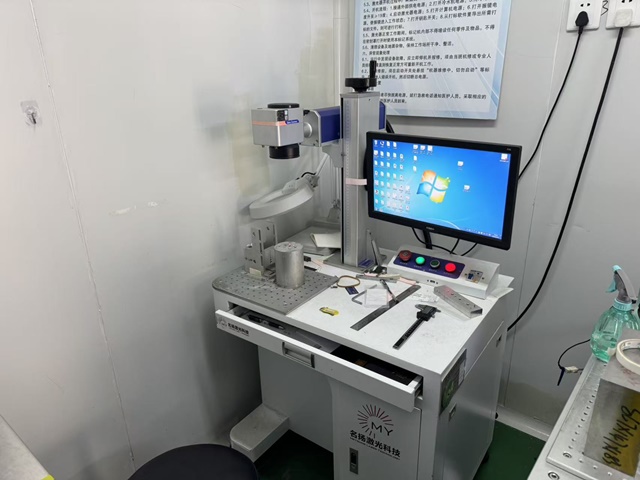
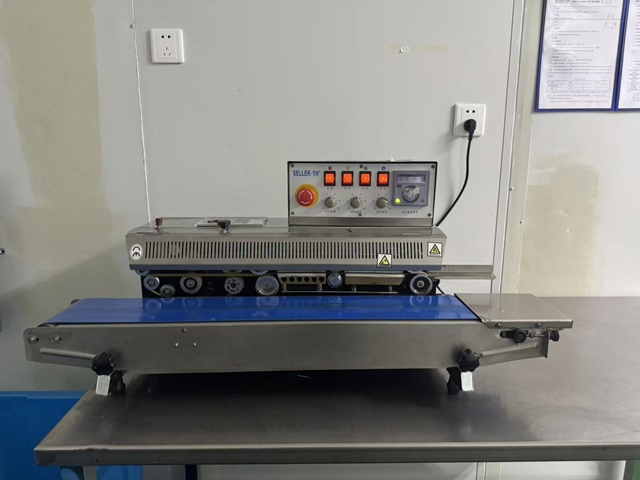
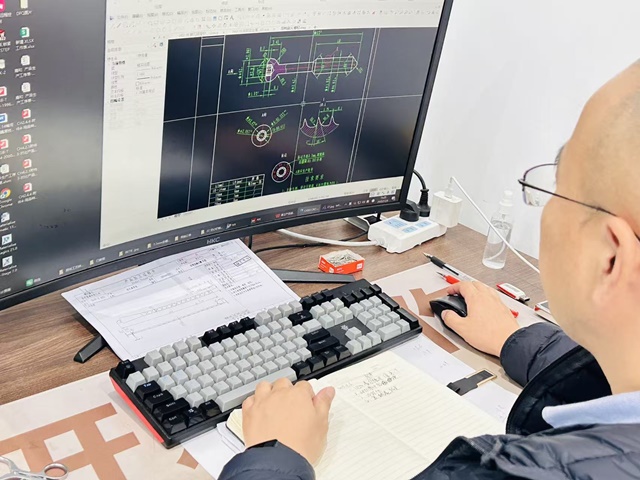
Our 42-member Quality Assurance team utilizes world-class analytical instruments to ensure structural fatigue strength, chemical purity, and micro-metric fidelity.
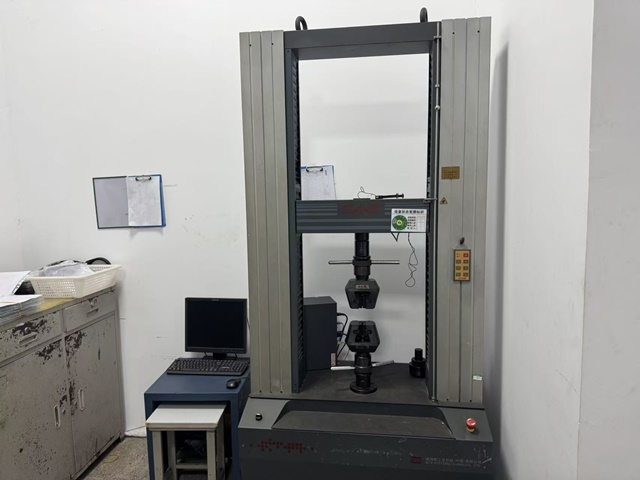
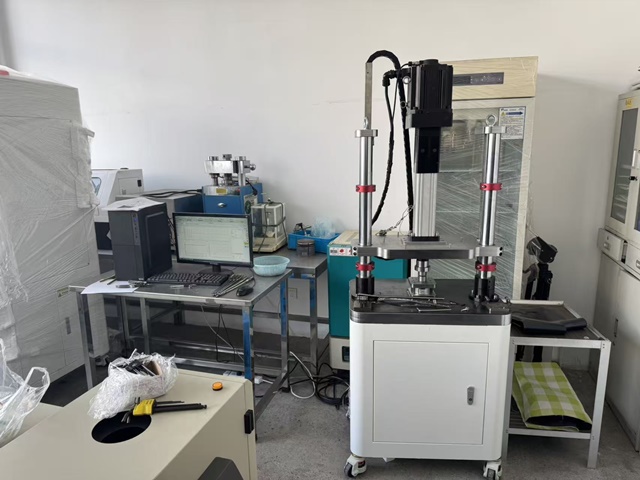
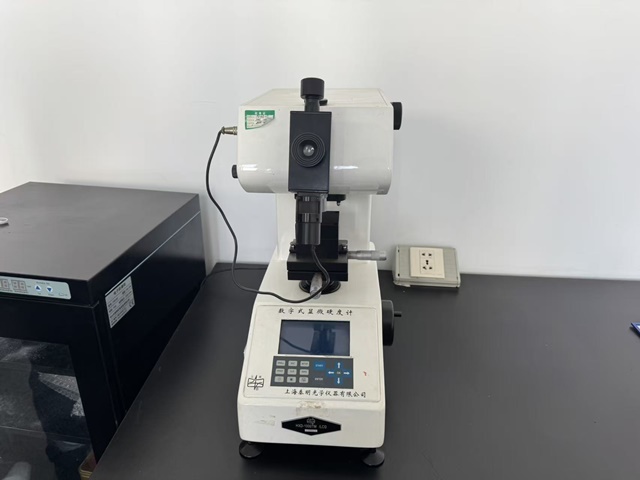
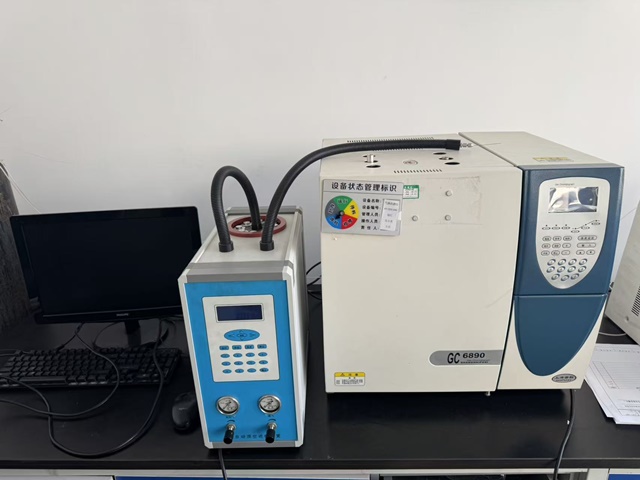
Strategic product development pathways targeting hyper-personalized biomechanics, bio-resorbable matrix scaffolds, and smart implant sensors.
Moving beyond subtractive CNC machining into Electron Beam Melting (EBM) 3D printing. This yields continuous porous titanium structures mimicking human cancellous bone modulus (pore sizes between 400–700 μm), accelerating vascularization and cellular attachment.
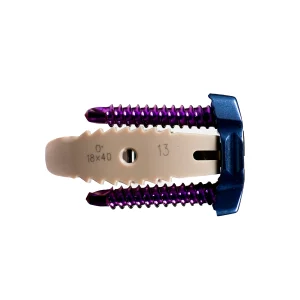
Developing standalone interbody fusion devices featuring integrated expanding locking anchors or dynamic self-locking screws. This eliminates the profile bulk of standard anterior plates, dramatically reducing surgical operative time and tissue retraction morbidity.
Investigating micro-scale strain gauge sensors embedded within PEEK implants to communicate real-time fusion healing metrics wirelessly to orthopedic clinical teams, ensuring evidence-based post-op patient management.
Empowering international brands with specialized contract manufacturing, rapid prototyping, and complete regulatory technical dossiers.
Osteora’s dedicated 85-engineer R&D division acts as an extension of our global distribution partners' product engineering departments. Whether responding to regional tender requirements or developing novel surgical approaches, our OEM/ODM infrastructure guarantees rapid conversion from conceptual CAD models to CE-certified sterile implants.
We manufacture precisely according to client-provided technical blueprints and CAD geometries, maintaining micron-level tolerance fidelity using Swiss-type CNC lathes and HAAS machining centers.
Offering extensive color-anodized size coding for surgical instruments and plate systems, enhanced laser marking for brand identification, and specialized implant anatomical contours suited for regional demographic populations.
Providing full technical documentation packages including material certificates, biological evaluation reports (ISO 10993), dynamic fatigue test reports (ASTM F2077/F2193), and sterile validation files to streamline local health authority registrations.
Detailed technical answers regarding materials, manufacturing standards, quality control, and export procedures.
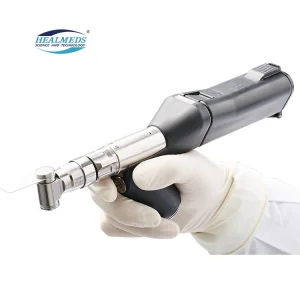
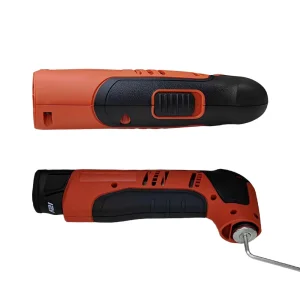
High-precision joint reconstruction, power tools, sports medicine suture anchors, and specialized revision systems.