 Osteora
Osteora
Osteora
Precision-engineered joint reconstruction and trauma fixation solutions configured for demanding operating room requirements.
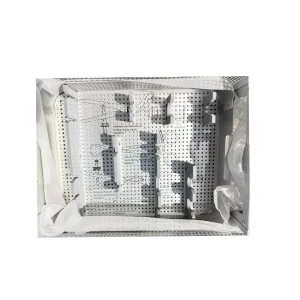
Orthopedic Instrument Kit Upper Trauma Locking Plate Orthopedic Surgical Instrument Box
View Product Details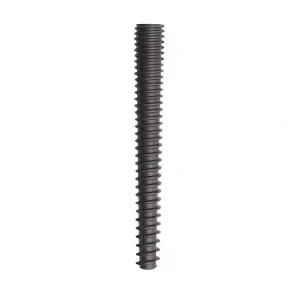
2.5 Headless Compression Cannulated Screws
View Product Details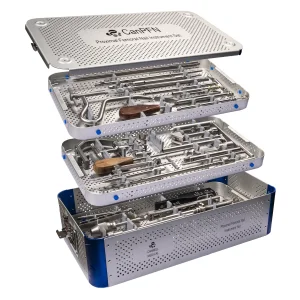
CANWELL CanPFN Proximal Femoral Nail Orthopedic Surgery Intramedullary Fixation Instrument Set for Trauma Surgery
View Product Details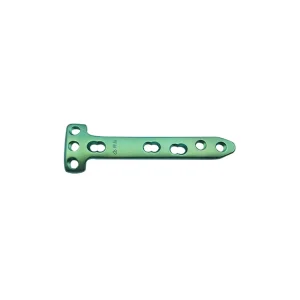
Geasure Medical Orthopedic Trauma Implants Titanium Alloy Tibial Locking Plate JPSD27 Class III Lifetime Warranty Organ Assist
View Product Details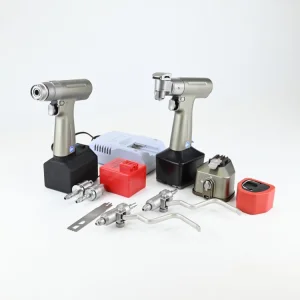
Drill Orthopedic Orthopedic Surgical Drills Saw Orthopedic Battery Operated Drill System
View Product Details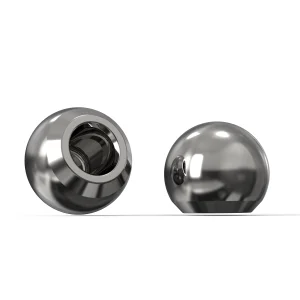
CANWELL Primary Cementless Femoral Stem CoCrMo Class III Artificial Hip Prosthetics Joint Replacement Total Hip Replacement CE
View Product Details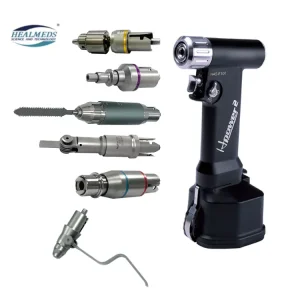
Conmed Stryker Medical Orthopedic Drilling Electric Orthopedic Drill for Orthopaedic Power Tools
View Product Details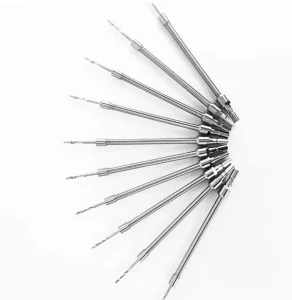
Orthopedic Surgery Flexible Drill Bit Soft Drill 2.5mm 3.2mm Stainless Steel Drill Bit
View Product DetailsTransitioning from PMMA-anchored fixation to modern biomimetic trabecular bone growth interfaces.
Over the last three decades, the orthopedics paradigm has shifted dramatically toward biological fixation. As clinical follow-up data confirms the high incidence of aseptic loosening associated with polymethyl methacrylate (PMMA) bone cement, global implant designs have gravitated towards cementless femoral stems and acetabular cups. This transition addresses the needs of younger, more active joint replacement candidates who require implants engineered to endure millions of load-bearing cycles over decades.
The success of a cementless hip prosthesis is governed by two sequential clinical phases: primary (mechanical) stability and secondary (biological) stability. Primary stability relies on the geometry of the stem (such as tapered wedge or rectangular designs) and a precise interference fit ("press-fit") within the surgically prepared femoral canal. Secondary stability is achieved via osseointegration, where host bone grows into or onto the engineered micro-topography of the implant. Contemporary manufacturers optimize these dynamics using highly advanced coating techniques, including Titanium Plasma Spray (TPS) and Hydroxyapatite (HA), creating surfaces that mimic the osteoconductive architecture of native trabecular bone.
Leading Orthopedic Implant and Surgical Solution Manufacturer
Founded in 2016, Osteora Medical Devices Co., Ltd. has established a formidable reputation in the global orthopedic industry. Specializing in trauma, spine, and joint reconstruction systems under the brand Osteora, the company implements strict quality control standards across its 18,500㎡ facility, supporting integrated production, assembly, and testing operations.
With 8 years of export experience and 12 years of industry expertise, Osteora has established stable cooperation with international distributors and hospitals in Europe, Southeast Asia, the Middle East, and South America. Annual export revenue ranges from USD 6 million to 14 million, reflecting steady global market growth.
Osteora supports global procurement requirements with tailored manufacturing workflows, offering extensive customization options including:
A detailed breakdown of Osteora's advanced vertically integrated manufacturing operations, ensuring ISO 13485 compliance at every step.
Industrial scaling in orthopedic implant manufacturing requires a robust combination of raw material traceability, advanced machining, and automated finish processing. Osteora maintains a resilient supply network consisting of approximately 1,200 certified upstream and downstream partners. This ecosystem guarantees a continuous supply of medical-grade titanium and cobalt-chromium alloys, eliminating production bottlenecks and stabilizing lead times for international medical distributors.
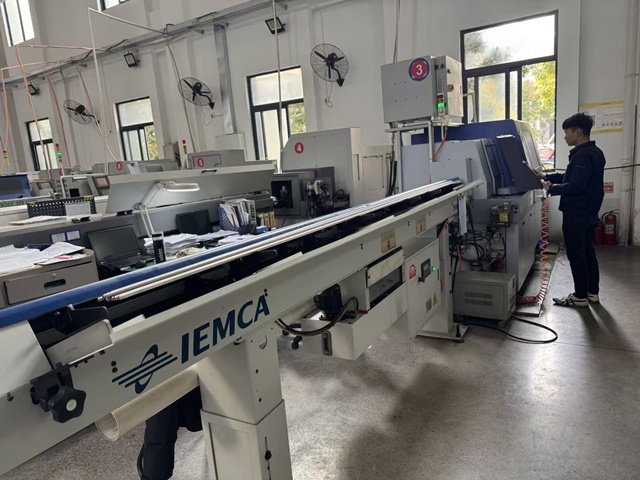
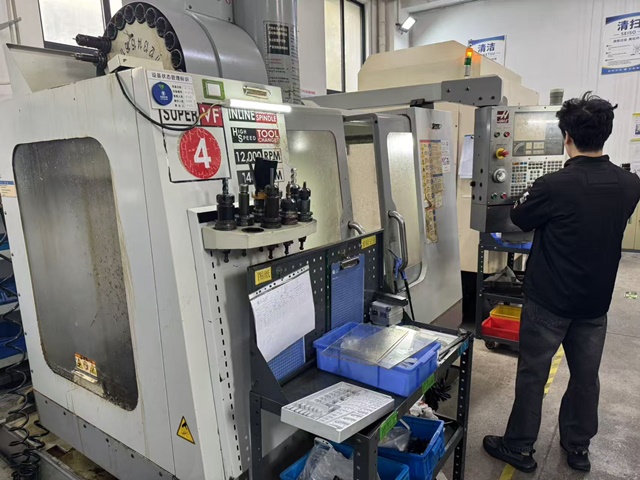
From initial billet selection through Swiss-type lathe processing, HAAS CNC milling, laser marking, and sterile packaging, every phase of production is monitored by a team of 42 specialized inspectors. Below is the audited step-by-step production and quality assurance workflow implemented within our 18,500㎡ facility:
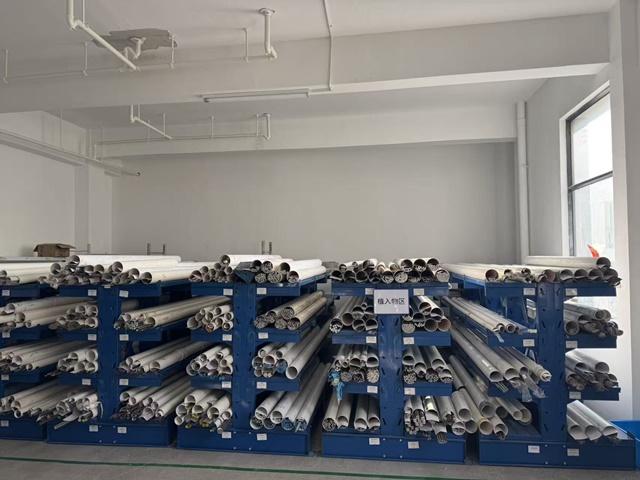
Certified medical alloys
Initial surface treatment
Advanced surface texture
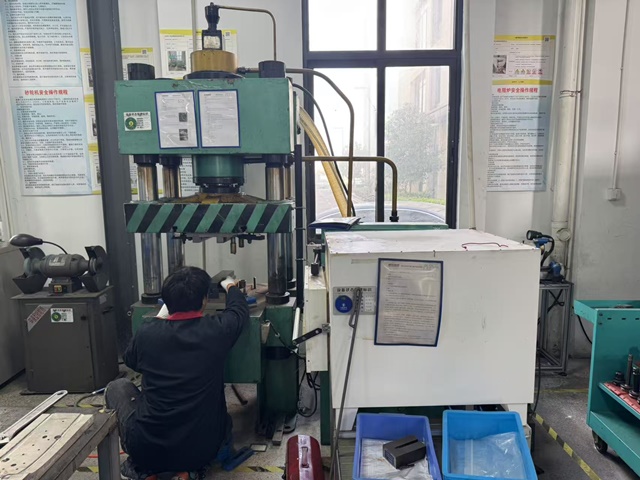
Precision component forming
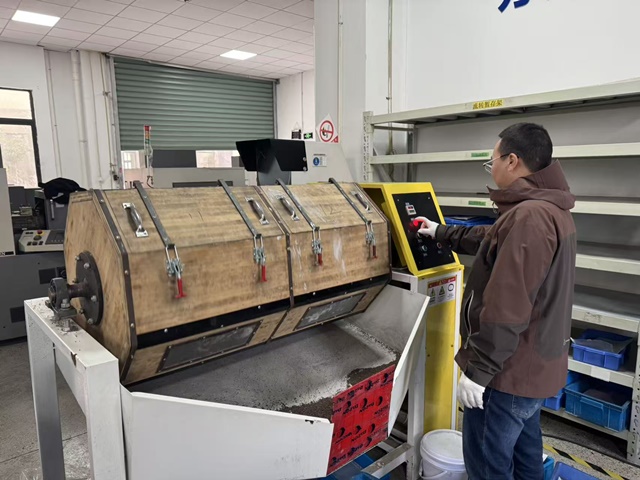
Micro-tolerance dimensional grinding
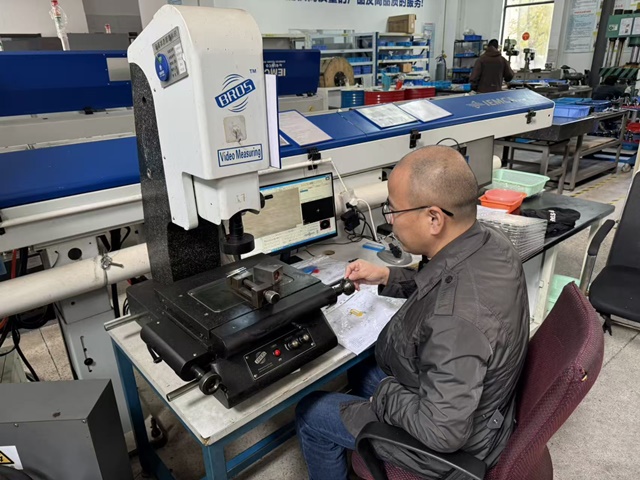
Intermediate parameter inspection
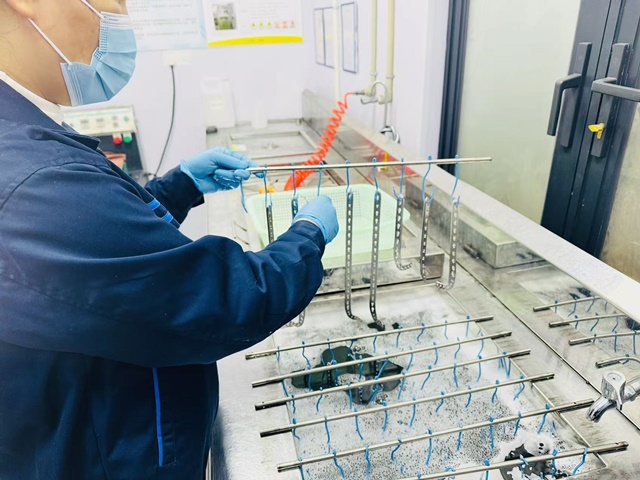
Multi-stage ultrasonic bath
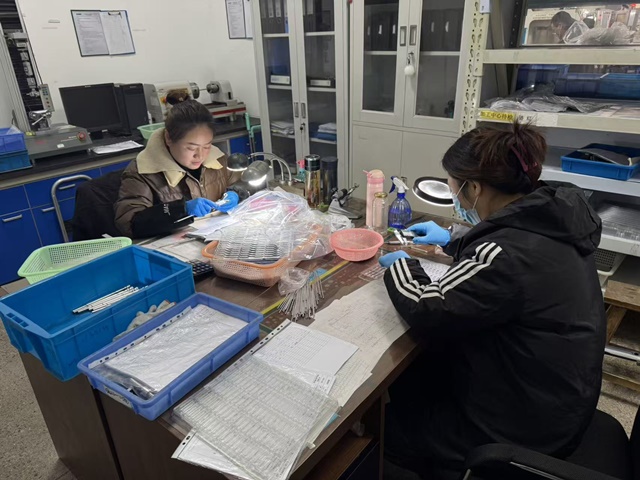
Final QA dimensional validation
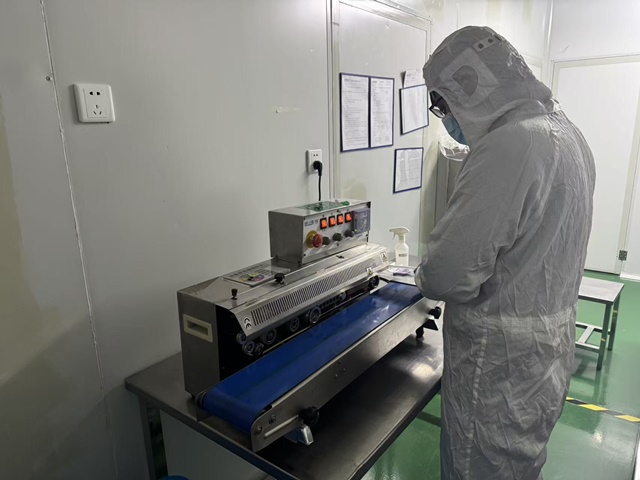
Class 100 sterile environment pack
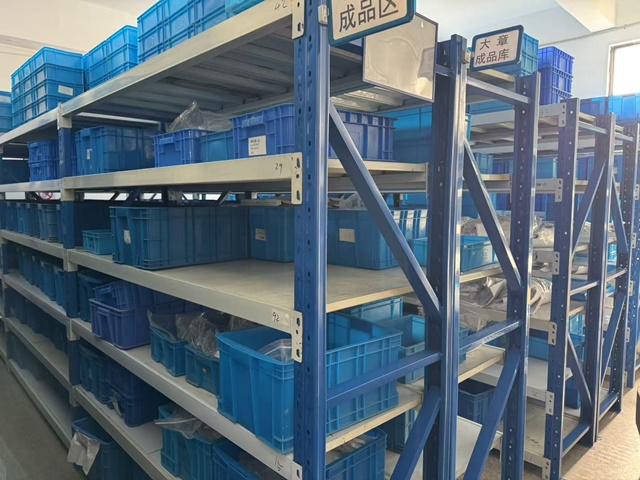
Controlled temperature logistics
Capital equipment invested to maintain micrometric accuracy and long-term fatigue strength of orthopedic joint systems.
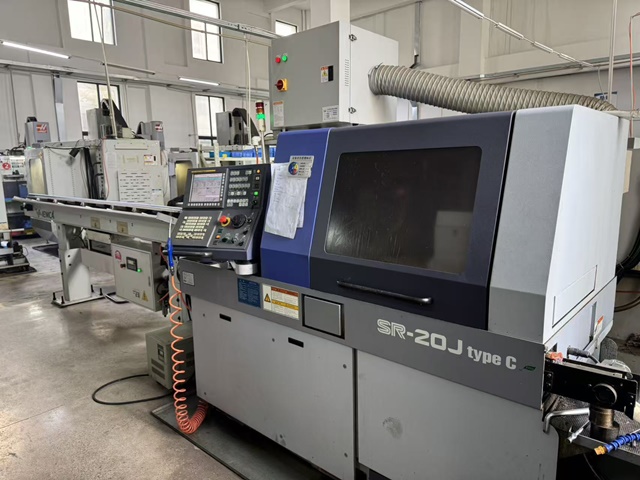
High-precision turning of complex parts
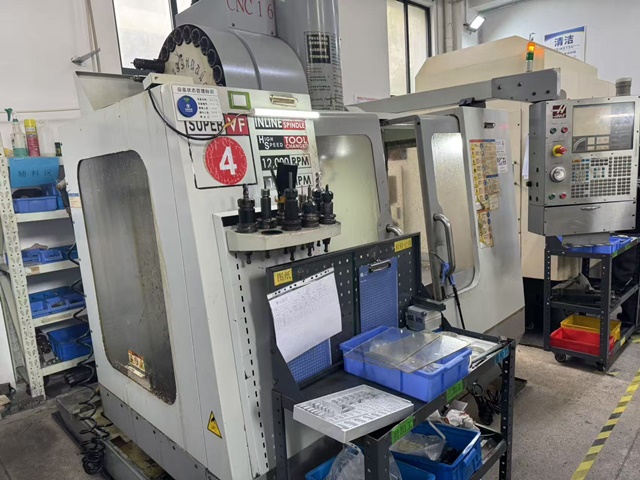
Rigid 5-axis implant milling
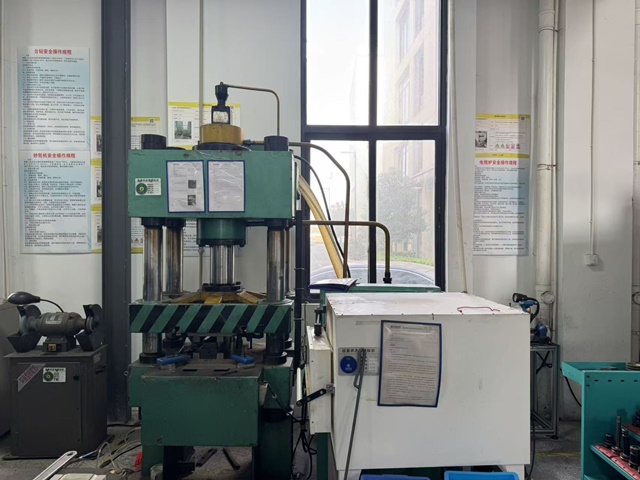
Automated component shaping
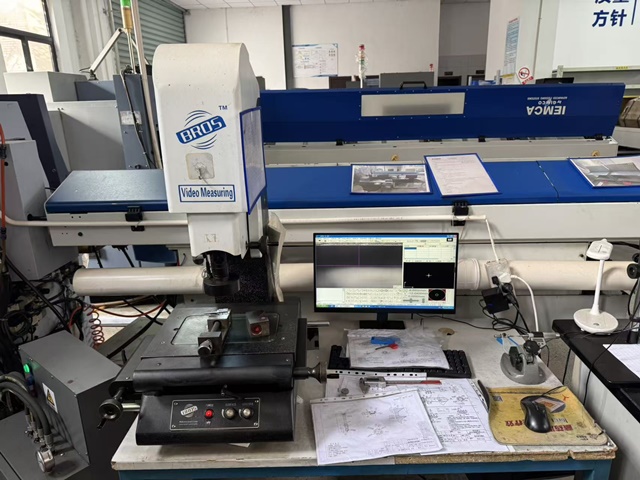
Non-contact optical inspection
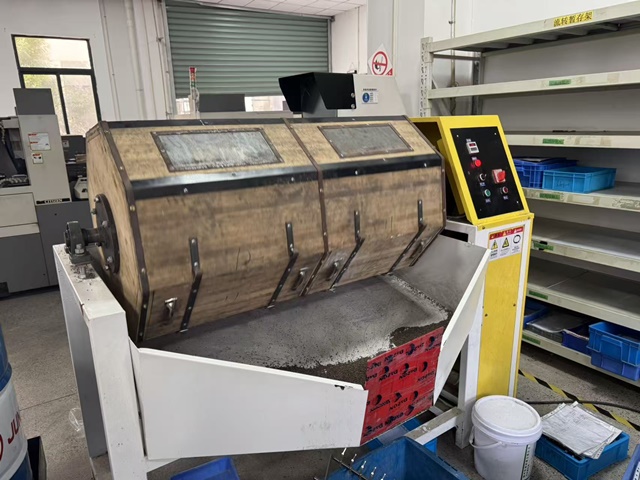
Superfine abrasive surface prep
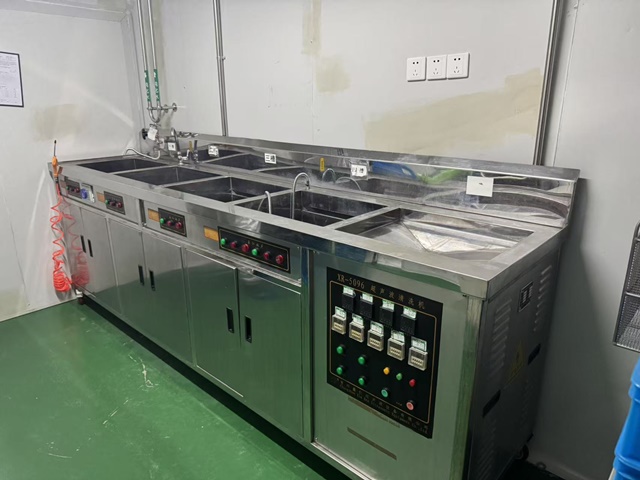
Validated chemical cleaning cycle
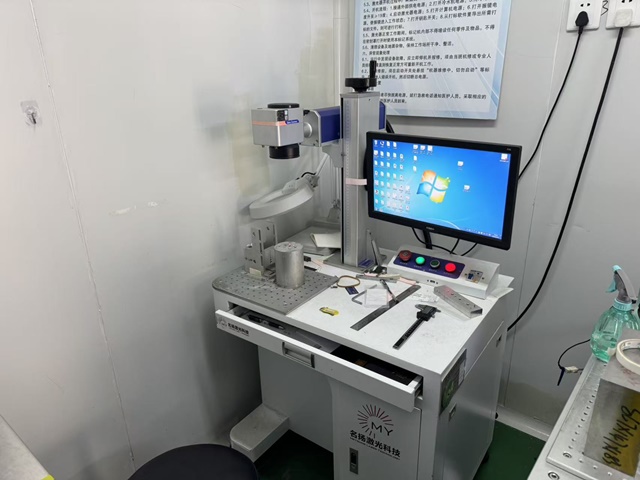
UDI code tracking marking
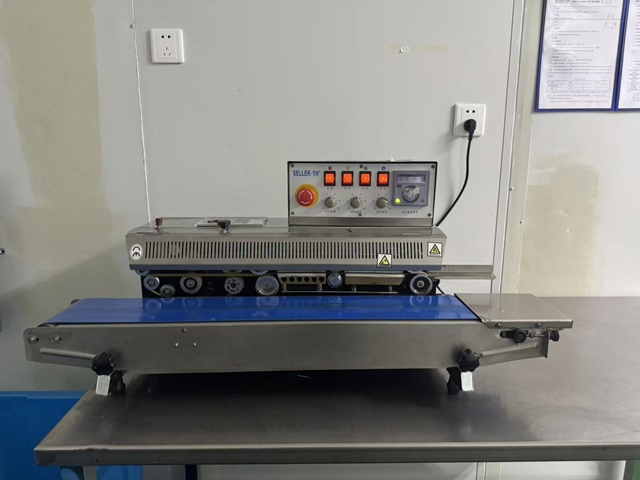
Hermetic sterile barrier sealing
Rigorous verification setups to eliminate clinical risk and guarantee conformity to ISO 13485 standards.
Every cementless hip stem is subjected to simulated physiological environments to evaluate mechanical safety margins. In compliance with ISO 7206, femoral stem components must endure fatigue testing simulating millions of walking cycles under high-load conditions without exhibiting signs of crack propagation or deformation. Osteora's on-site testing facility is equipped to conduct dimensional measurements, mechanical fatigue testing, and biocompatibility validations under the supervision of industry-leading laboratory staff.
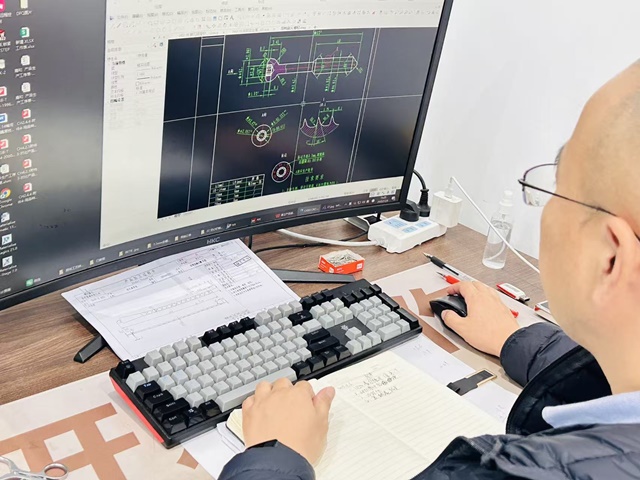
Anatomical simulation and design modeling
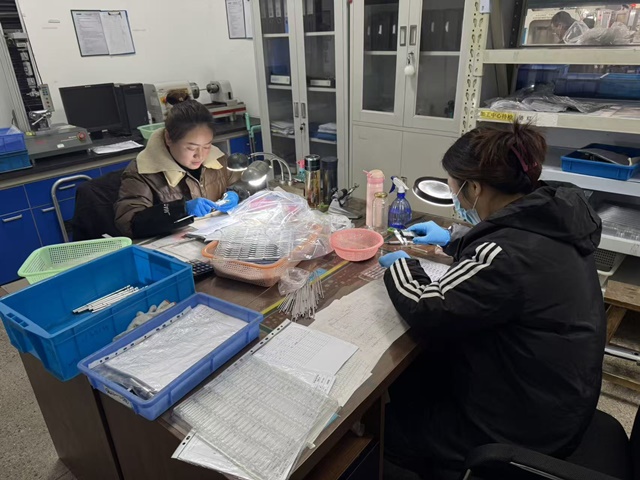
Two dedicated inspectors check every batch
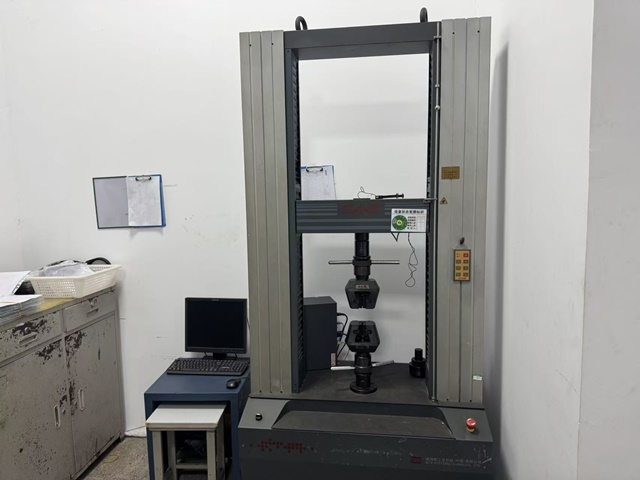
Comprehensive tensile/shear analysis
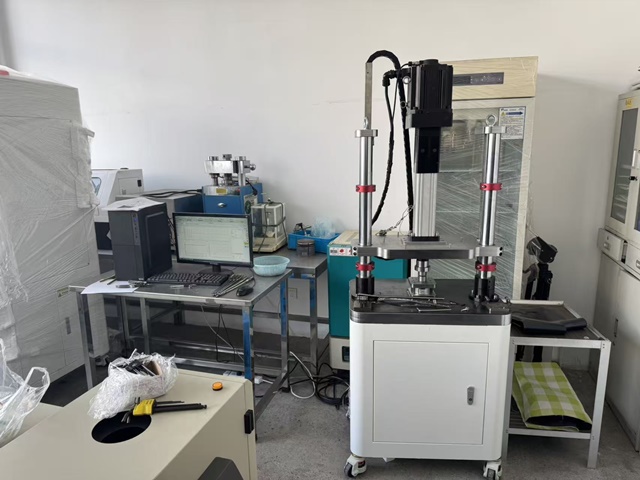
Simulated compression testing

Surface microhardness profiles
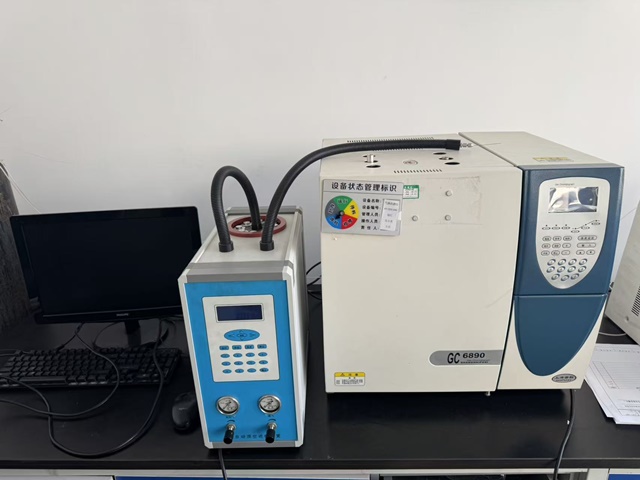
Chemical composition and purity verify
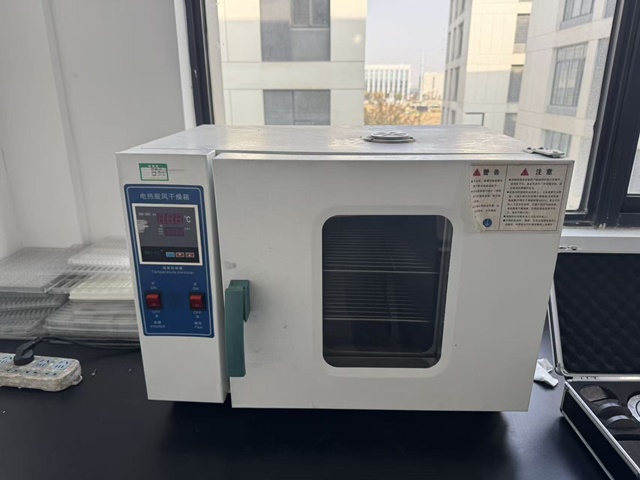
Post-cleaning moisture elimination
Dynamic fatigue and endurance limits
Navigating regulatory benchmarks, material sourcing, and mechanical requirements in joint replacement surgery.
When selecting a cementless hip prosthesis manufacturer, global procurement managers at orthopedic clinics, surgical centers, and distribution companies must assess critical technical variables. Raw materials represent the foundation of implant clinical reliability. Stems fabricated from biocompatible titanium alloys (typically Ti-6Al-4V ELI according to ASTM F136 standards) or cobalt-chromium alloys (CoCrMo under ASTM F75) must exhibit a mechanical fatigue limit capable of resisting long-term loading conditions inside the body.
Additionally, surface treatment technology is vital for long-term implant stabilization. High-quality cementless designs feature a porous coating characterized by a defined pore size distribution (between 100 to 400 microns) and a porosity level ranging between 30% and 50%. This configuration provides optimal mechanical interlocking with vascularized cortical and cancellous bone structures, reducing micromotion and minimizing the risk of aseptic loosening.
Technical answers regarding cementless femoral stems, material properties, and supply chain management.
High-grade surgical implants and specialized instruments designed for orthopedic reconstruction and trauma care.
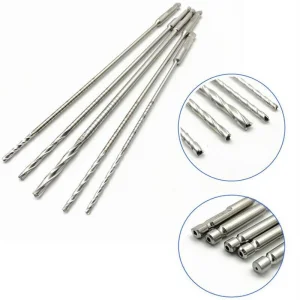
Hot Selling Orthopedic Drill Bit Surgical Bone Drill Bits Ortho Drill Bits Stainless Steel Surgical Instruments
View Product Details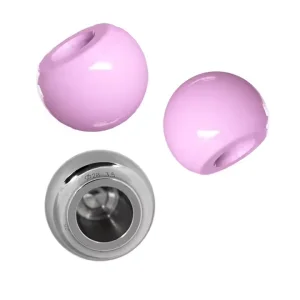
Total Hip Replacement Ceramic Head for Joint Support Hip Replacement Prosthesis Implant
View Product Details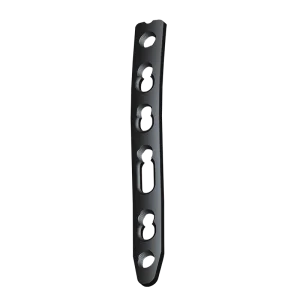
Fule Trauma Locking Plates Distal Volar Radius Class III Implantable Artificial Organs Large Polyaxial 2.4/2.7mm CE Certified
View Product Details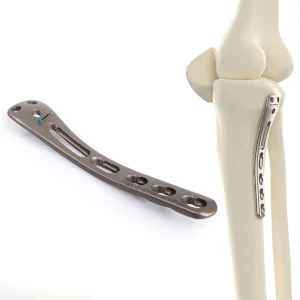
CANWELL 3.5mm Proximal Posterior Tibial Locking Plate Titanium Orthopedic Implant Trauma Fracture Surgery CE OEM Factory
View Product Details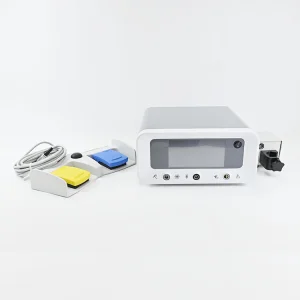
RF Plasma Electrodes for Sports Injury Surgery ENT Spinal Surgery
View Product Details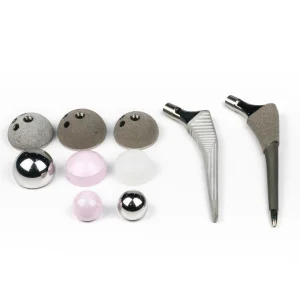
CANWELL Arthroplasty Total Hip Ceramic Replacement Cemented Prosthesis Corail Femoral Stem Bipolar Prosthesis Instrument Set
View Product Details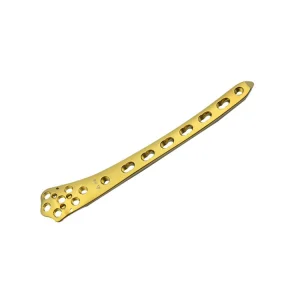
Minimally Invasive Femoral Proximal Locking Plate Distal Femur Lateral Distal Femoral Outer Side Orthopedic Locking Plates
View Product Details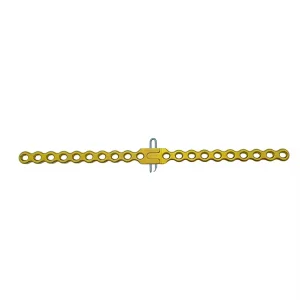
Competitive Price 8-30 Holes Titanium Locking Plate Distal Lateral Tibial Locking Plate-I
View Product Details