Osteora
Osteora
Osteora
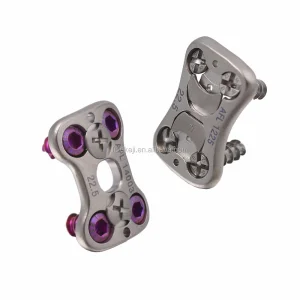
Explore our state-of-the-art orthopedic devices, designed for trauma fixation, spinal intervention, and joint reconstruction surgeries.
How Osteora Medical Devices Co., Ltd. leads the field in medical implants contract manufacturing and regulatory compliance.
Osteora Medical Devices Co., Ltd. is a professional orthopedic implant and surgical solution manufacturer specializing in trauma, spine, and joint reconstruction systems under the brand Osteora. Founded in 2016, the company has developed a strong reputation in the global orthopedic industry through continuous innovation and strict quality control standards. Our production facility covers an area of approximately 18,500㎡, supporting integrated production, assembly, and testing operations.
Our quality assurance framework implements comprehensive systems, including ISO 13485 compliance, in-process inspection, and final random sampling testing. Product inspection methods include dimensional measurement, mechanical fatigue testing, and biocompatibility validation. The quality control team consists of 42 specialized inspectors ensuring strict adherence to international medical device standards.
With 8 years of export experience and 12 years of industry expertise, Osteora has established stable cooperation with international distributors and hospitals across multiple regions. Our annual export revenue ranges from USD 6 million to 14 million, reflecting steady global market growth. We maintain long-term partnerships with distributors in Europe, Southeast Asia, the Middle East, and South America, which represent our primary markets.
With strong R&D capabilities, Osteora operates an in-house engineering team of 85 R&D engineers, focusing on innovation in trauma fixation systems, spinal implants, and joint reconstruction technologies. We offer extensive customization options, including OEM/ODM services, size variations, material customization, and private labeling. In the past year, Osteora launched approximately 120 new products, reflecting continuous investment in innovation to meet evolving clinical needs.
Decentralized supply chains and localized medical cluster systems power next-generation manufacturing efficiency.
Utilizing high-end Swiss-type lathe equipment and Haas CNC machine tools to shape implant-grade titanium alloy with tolerance metrics measured in microns.
Integrated Class 100,000 cleanrooms and bioburden-controlled cleaning spaces ensure that products transition from raw stock to packaging without cross-contamination risk.
Through our network of 1,200 certified upstream and downstream partners, we source raw materials compliant with ASTM F136 and ISO 5832-3 (surgical titanium grade).
Take a visual tour inside our 18,500㎡ facility, showing the transformation of medical raw material to certified surgical device.
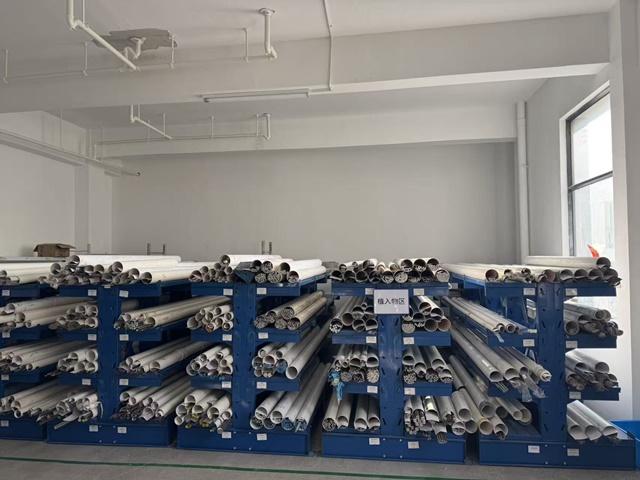
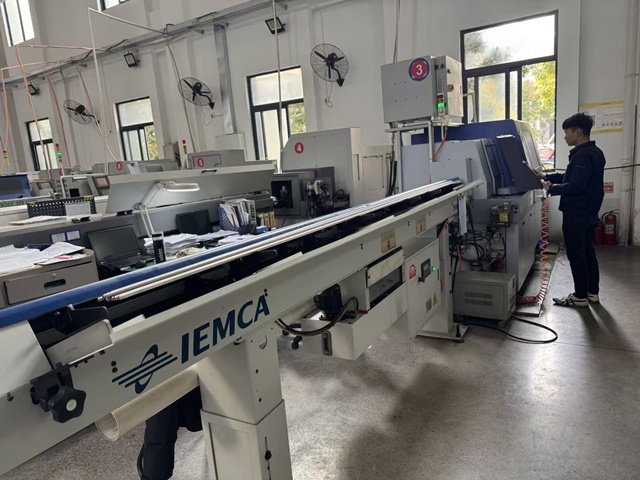
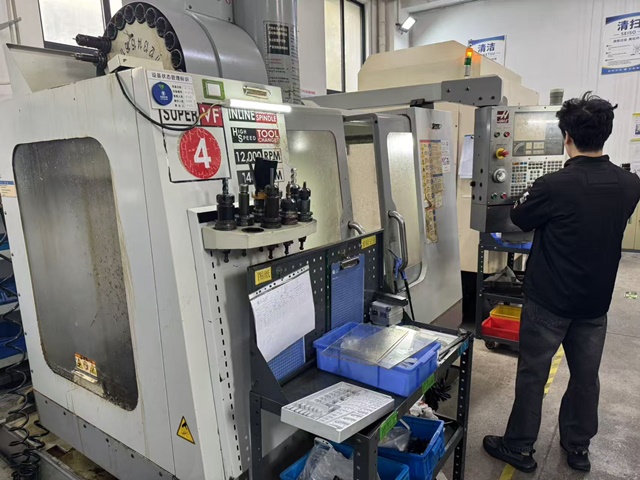
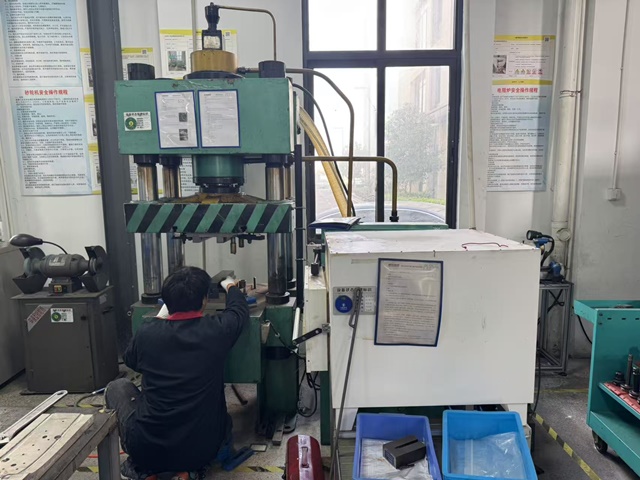
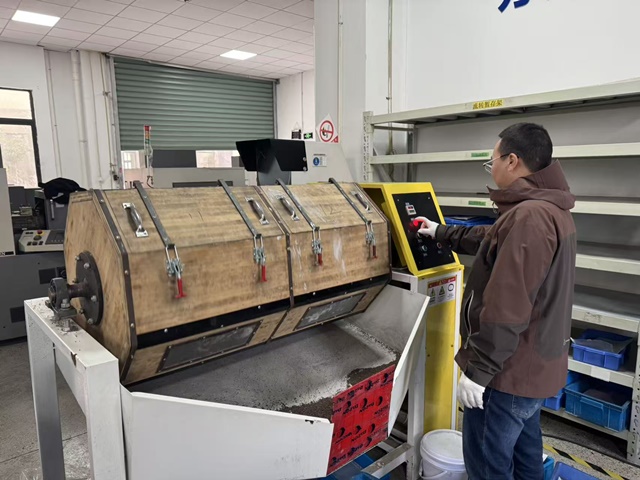
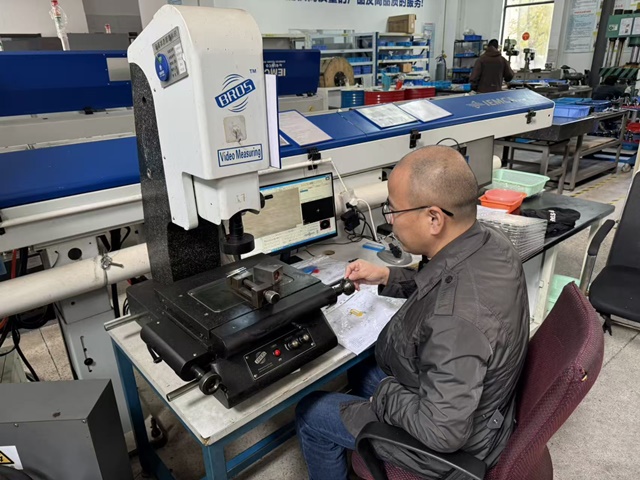
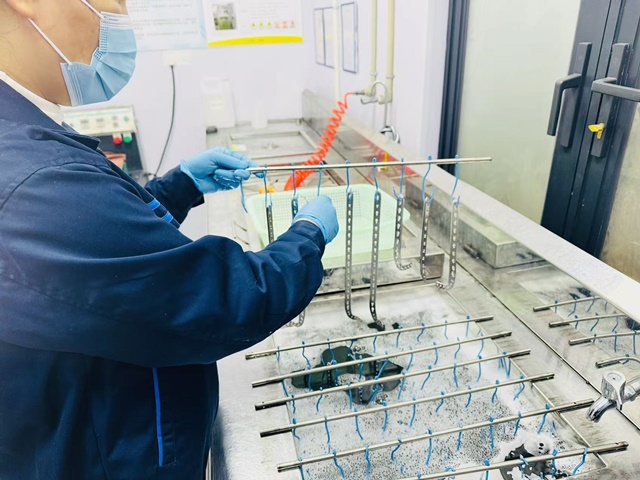
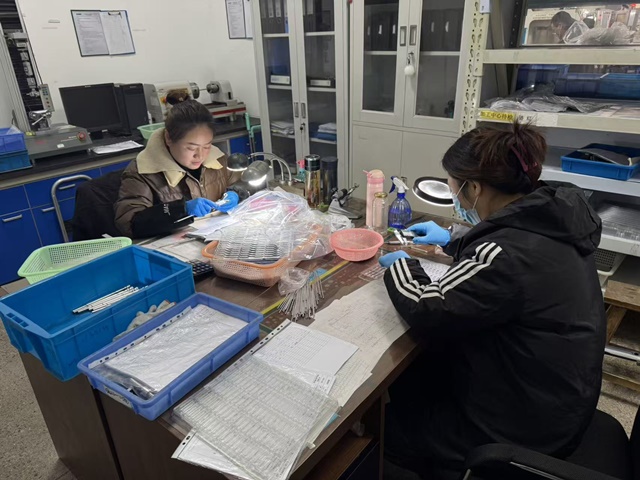
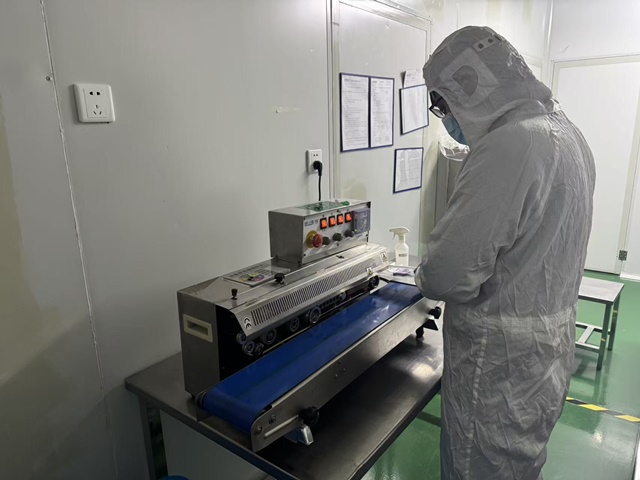
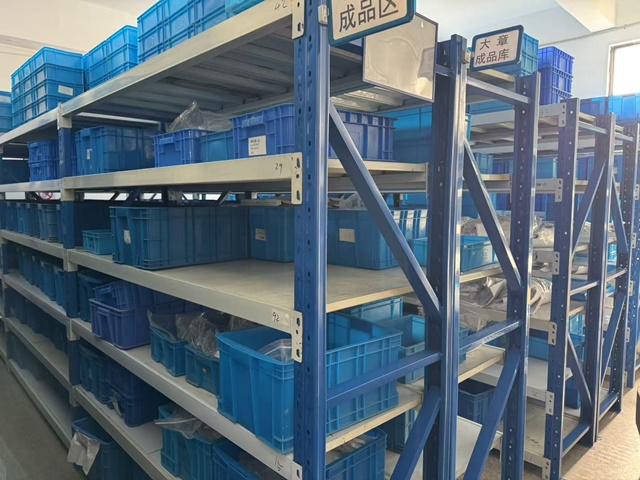
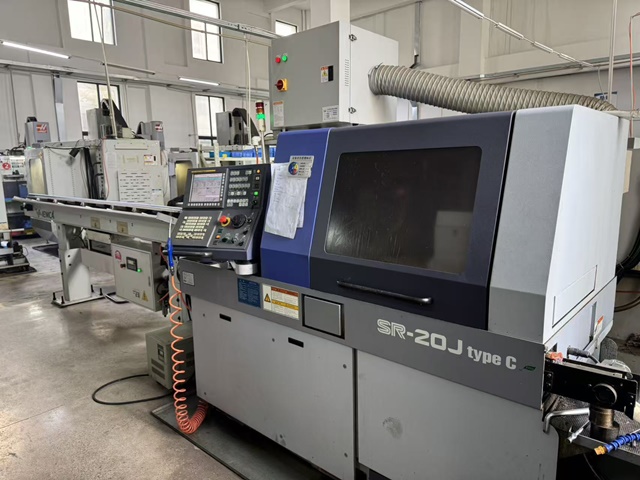
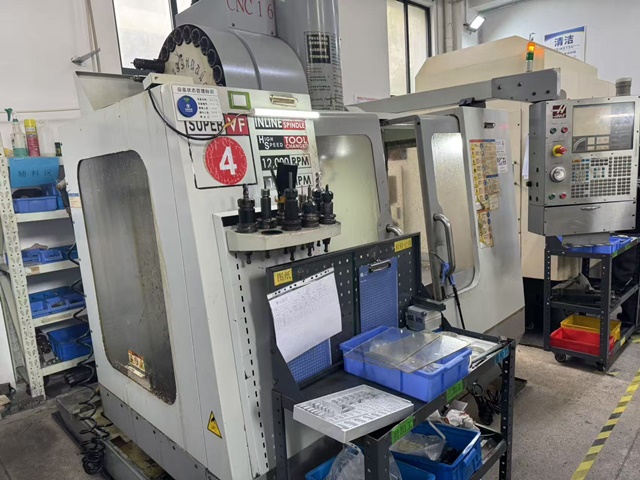
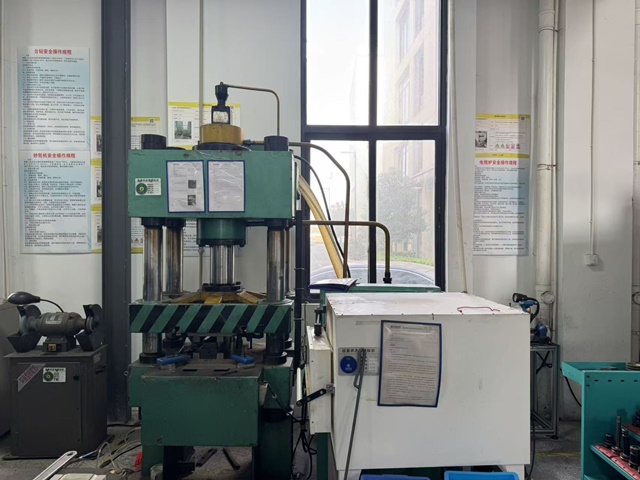
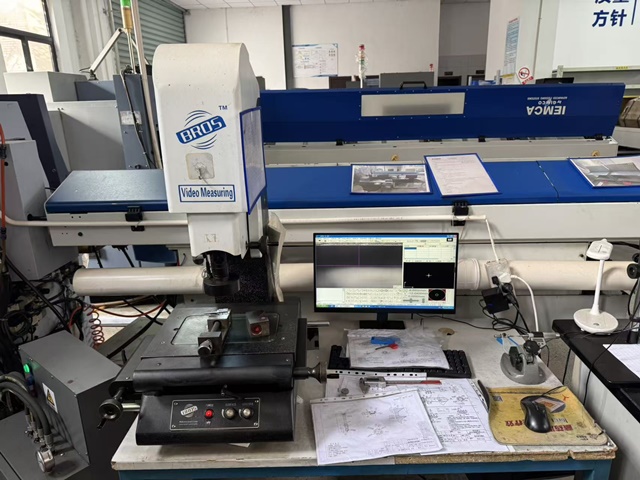
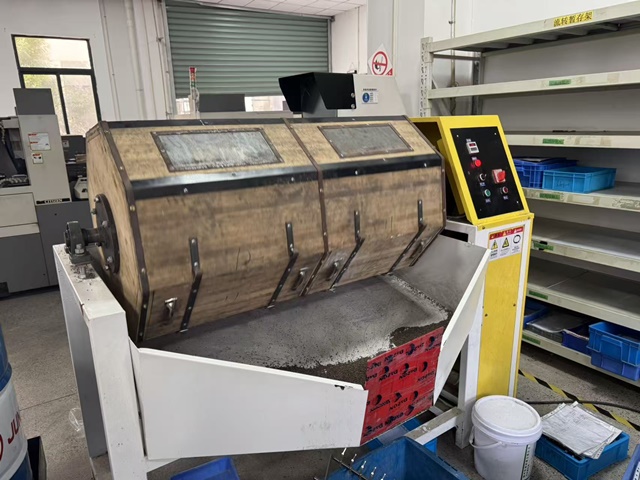
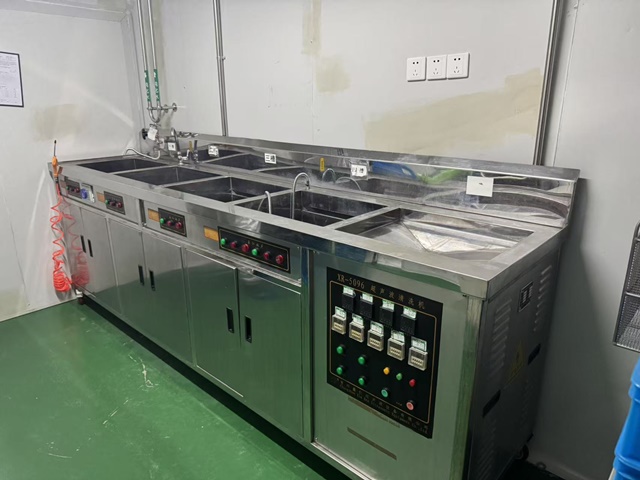
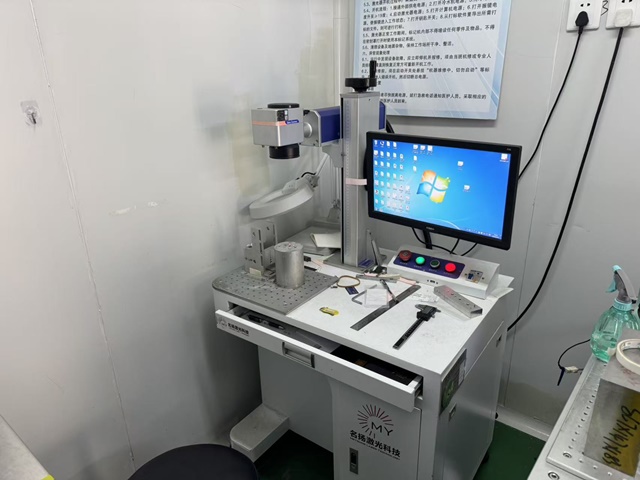
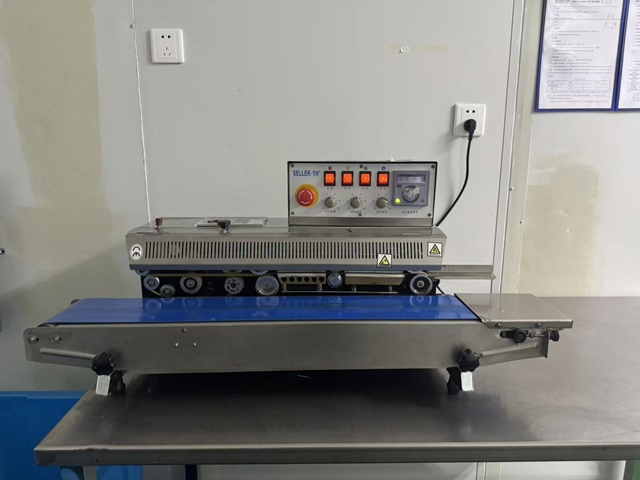
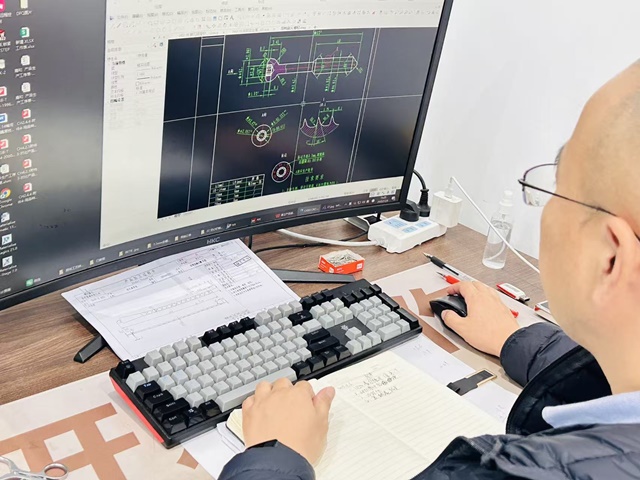
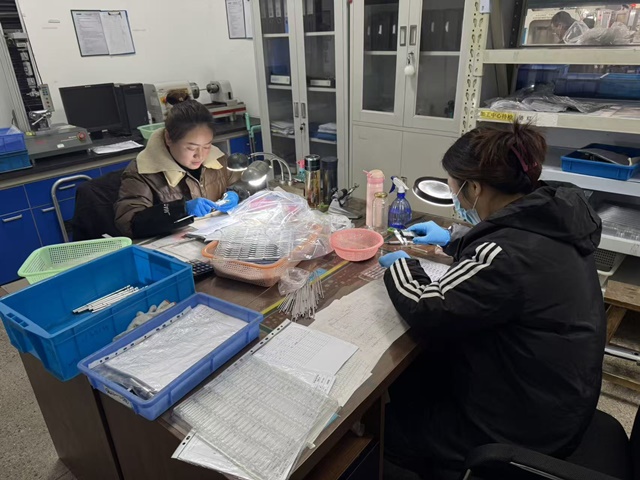
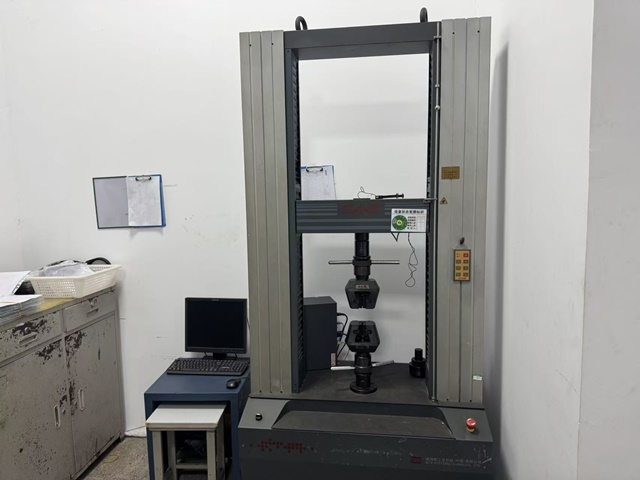
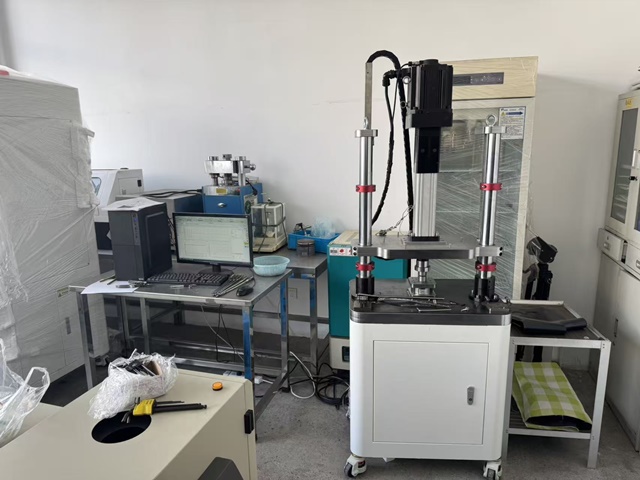
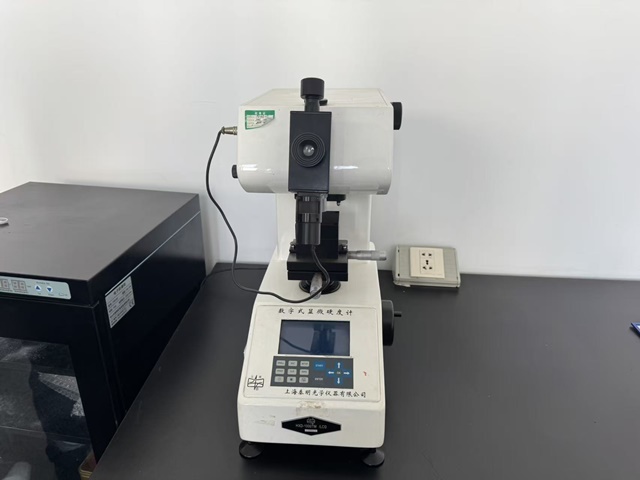
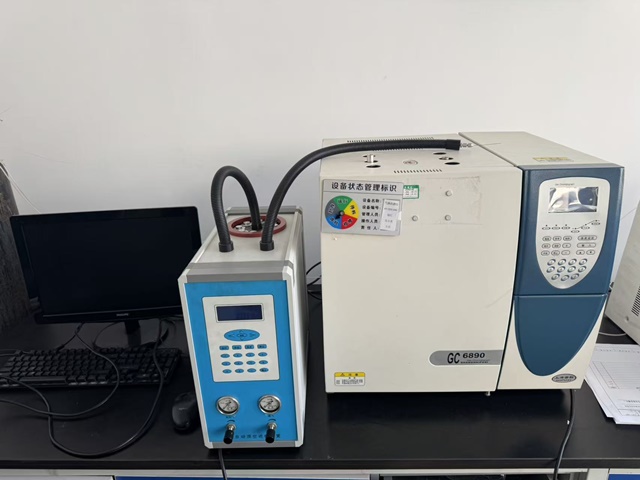
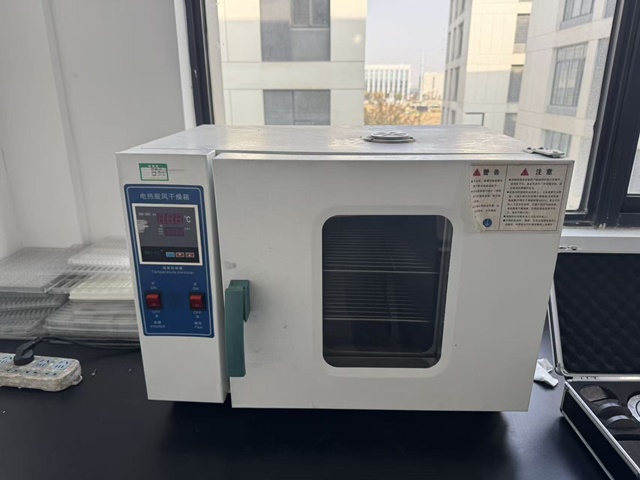
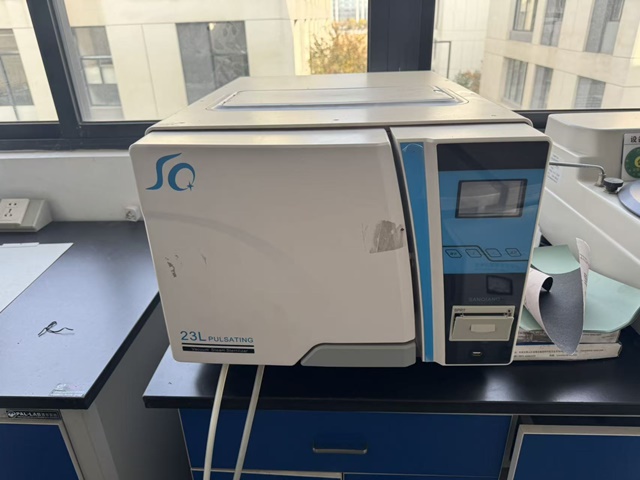
How our QC department tests structural fatigue, material composition, and hardness to ensure clinical safety.
At Osteora, we understand that surgical implants must survive massive biomechanical loads. For this reason, we employ specialized inspection instruments and material testing protocols to validate orthopedic fatigue thresholds and micro-hardness ratings.
Every batch of titanium, cobalt-chromium, and ultra-high-molecular-weight polyethylene (UHMWPE) goes through rigorous spectroscopy to verify material composition, followed by tension and compression evaluations to define failure limits.
Our quality assurance framework guarantees traceability. Every raw material ingot is matched with a certificate of origin and tracking code that persists through every machining operation, cleaning phase, laser marking, and sterile packaging configuration.
Adapting to clinical requirements from local clinics to massive municipal trauma systems worldwide.
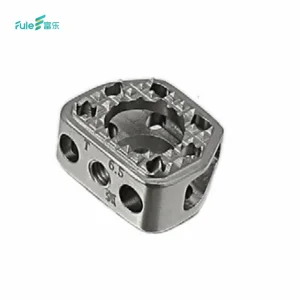
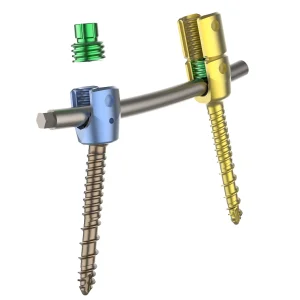
Our spinal systems focus on anatomical compatibility and high pull-out resistance. From cervical fusion cages with optimal endplate geometry to posterior thoracolumbar systems with monoaxial pedicle screws, we help clinicians address spine trauma, degenerative disk disease, and complex osteotomies.
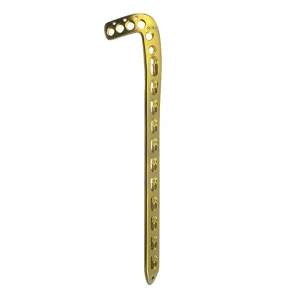
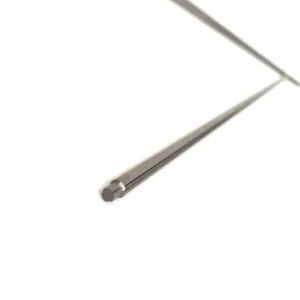
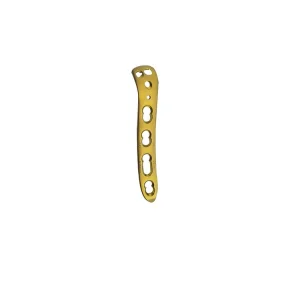
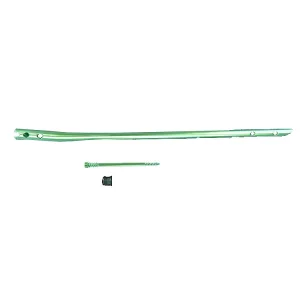
Surgical intervention for proximal femoral fractures demands reliable intramedullary fixation. Utilizing specialized locking plates (such as Distal Tibia Locking Plates/LISS) and intramedullary sets, Osteora provides surgeons with rigid fixation systems that promote early weight-bearing and stable bone consolidation.
The convergence of personalized patient outcomes, digital modeling, and advanced logistics.
Modern surgical operations are shifting from standardized generic implants toward anatomically optimized variants. Through our advanced ODM solutions, we work side-by-side with R&D groups to run CAD designs through finite element analysis (FEA), optimizing thickness, screw-hole configuration, and biocompatible coating options before launching mass production.
Additionally, regulatory frameworks (specifically MDR in the EU and FDA guidelines) require extensive data logs for trace materials and machining steps. By working with a mature contract manufacturer like Osteora, medical device brand owners reduce development cycles and fulfill localized compliance requirements efficiently.
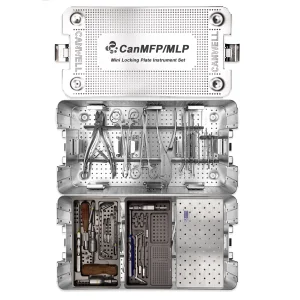
Browse our broader range of medical consumables, instruments, and trauma plate systems designed for operating room demands.
Essential purchasing and engineering questions addressed by our technical staff.