Osteora
Osteora
Osteora
Medical-grade titanium alloys and advanced polymers engineered to meet the stringent demands of orthopedic and arthroscopic reconstructive surgery.
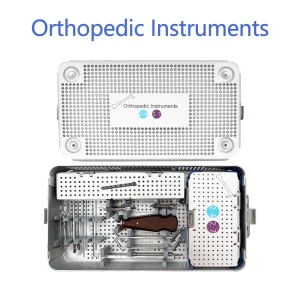
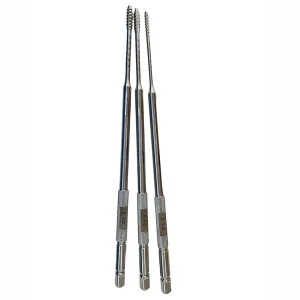
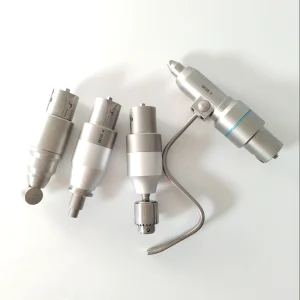
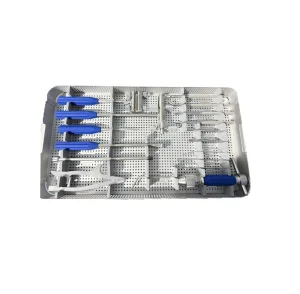
Anterior Cruciate Ligament (ACL) reconstruction requires implants that achieve immediate rigid fixation, minimizing graft slippage while facilitating rapid osseointegration. For global medical device brands, OEM factories, and orthopedic exporters, selecting the right manufacturing partner for Interference Screws is not merely a purchasing decision; it is a critical step in clinical efficacy and regulatory compliance.
As sports medicine demands surge worldwide, clinical practitioners seek implants that balance mechanical security with minimal long-term bone loss. The evolution of fixation techniques has shifted the focus toward customizable geometry, optimized thread designs, and biomaterial innovations. Osteora Medical Devices Co., Ltd. sits at the intersection of this technology curve, combining clinical insights with industrial-scale precision to deliver high-performing sports medicine solutions.
By leveraging an engineering-first culture, Osteora has engineered proprietary thread profiles that significantly reduce graft laceration risks during insertion, maximizing torque transmission. This ensures that surgeons receive reliable mechanical feedback while fastening the soft-tissue or bone-tendon-bone (BTB) grafts.
Empowering global orthopedic ecosystems through certified manufacturing capabilities and strict regulatory validation.
Analyzing the performance metrics of Titanium, PEEK, and Biocomposites in modern sports medicine applications.
The choice of material for ACL interference screws dictates its mechanical life, biocompatibility profile, and ease of revision surgery. The table below outlines the comparative metrics of modern biomaterials used in Osteora's OEM/ODM development roadmap:
Osteora's active engineering roadmap targets bioactive modification. While traditional PEEK is inert, our R&D division is developing surface-porous PEEK structures and incorporation of Hydroxyapatite (HA) nanoparticles into the polymer matrix. This design stimulates immediate cell adhesion and bone-to-implant contact, effectively eliminating the fibrous encapsulation common to first-generation synthetic polymers. Simultaneously, our titanium product lines utilize advanced acid-etching and anodizing technologies to increase bone anchoring performance at a microscopic scale.
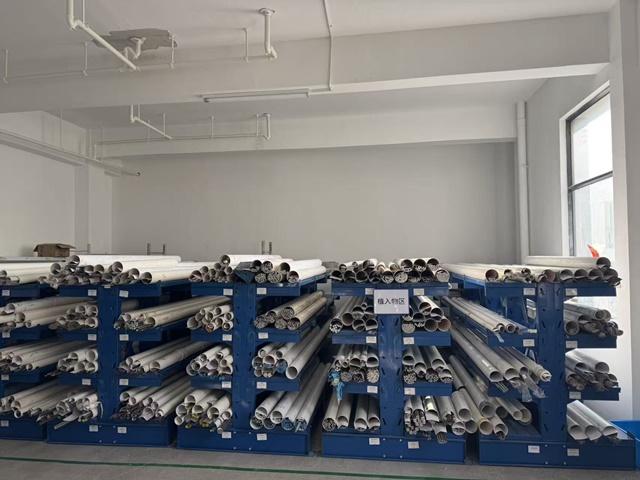
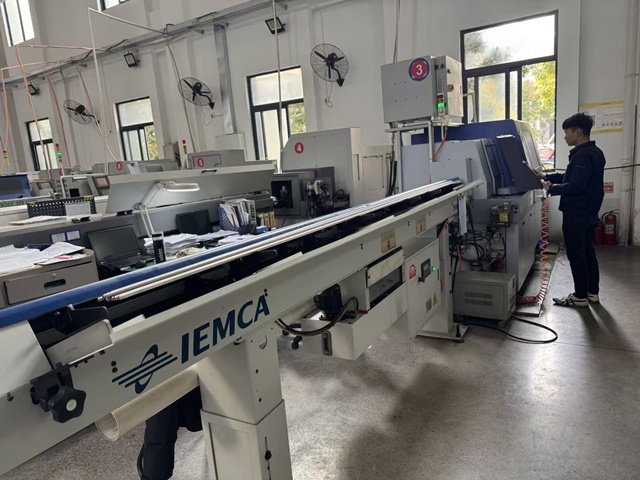
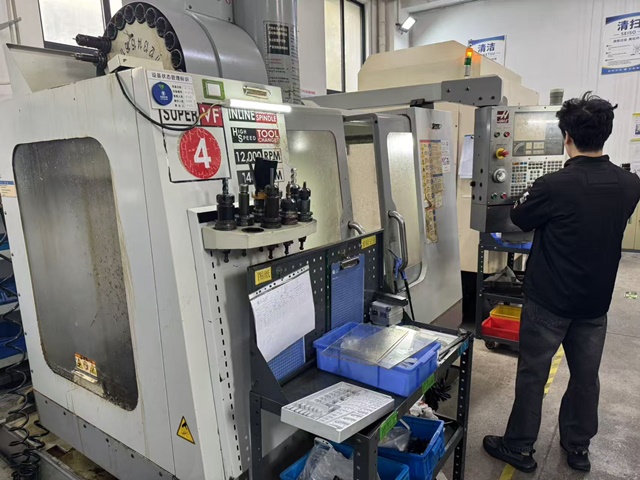
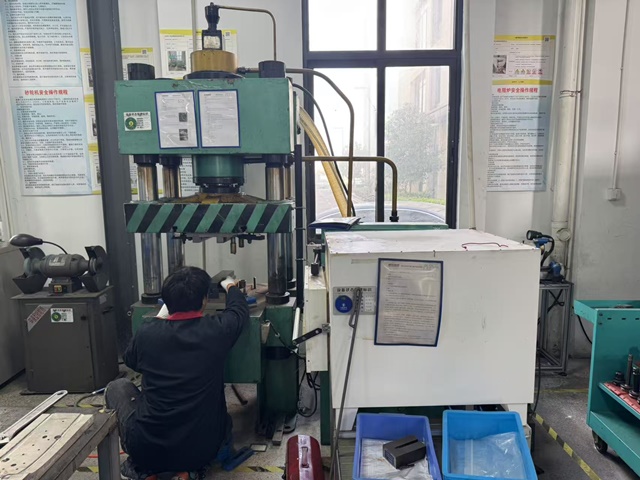
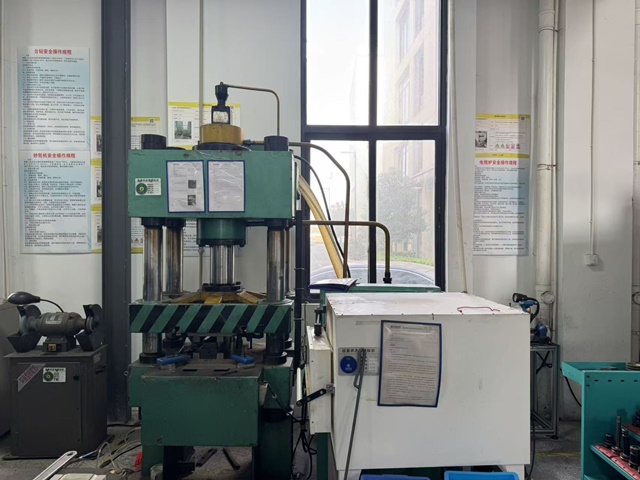
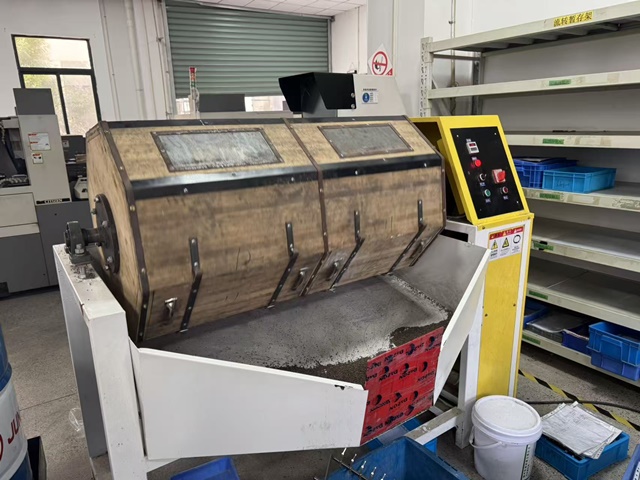
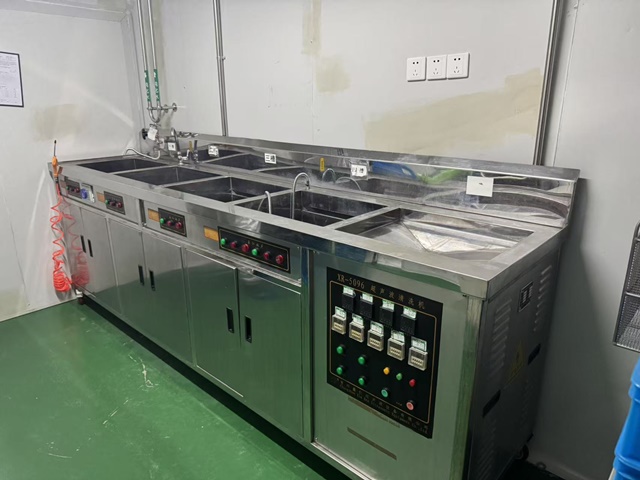
Inside Osteora's 18,500㎡ facility, where raw material sourcing aligns with rigorous machining tolerances.
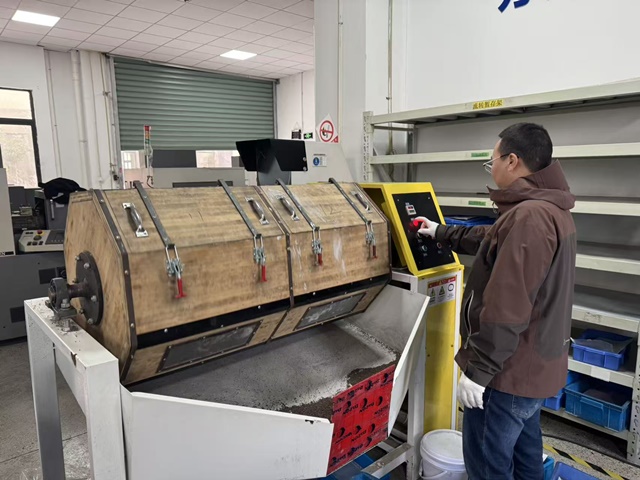
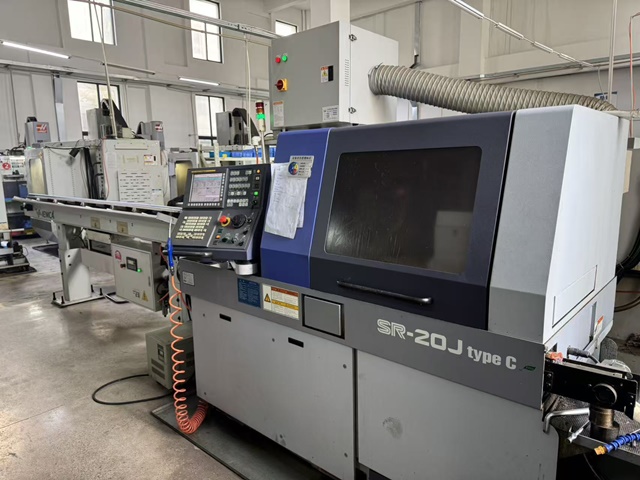
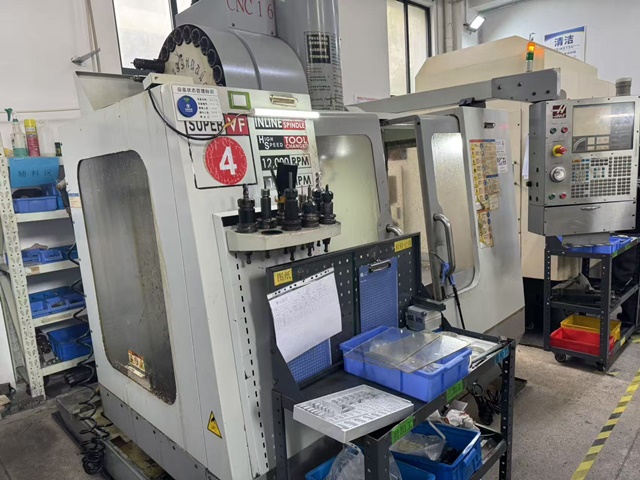
Our infrastructure features multi-axis Swiss-type automatic lathes and state-of-the-art Haas CNC machining centers. This high-precision layout allows us to execute surgical screw threading and deep cannulation geometries in a single setup, eliminating tooling runout errors and ensuring micro-tolerances within ±5 microns.
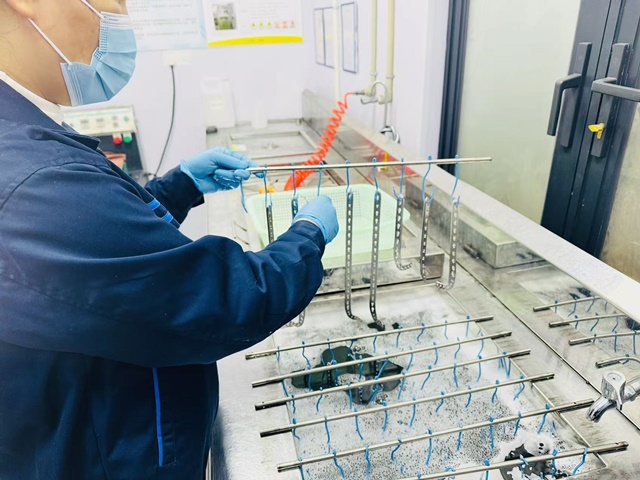
By implementing a closed-loop coolant filtration and thermal stabilization environment, we guarantee structural consistency across every production run. This is essential for thin-walled cannulated designs, preventing thermal micro-fractures in titanium alloys and dimensional warping in PEEK polymers during high-velocity milling.
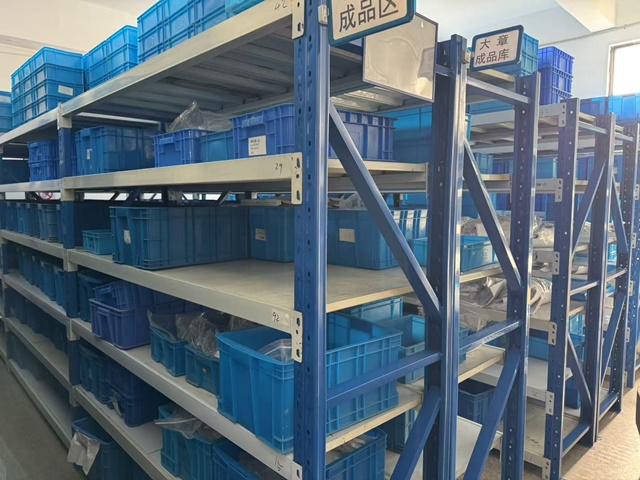
Through our network of 1,200 certified upstream and downstream partners, Osteora provides complete vertical integration:
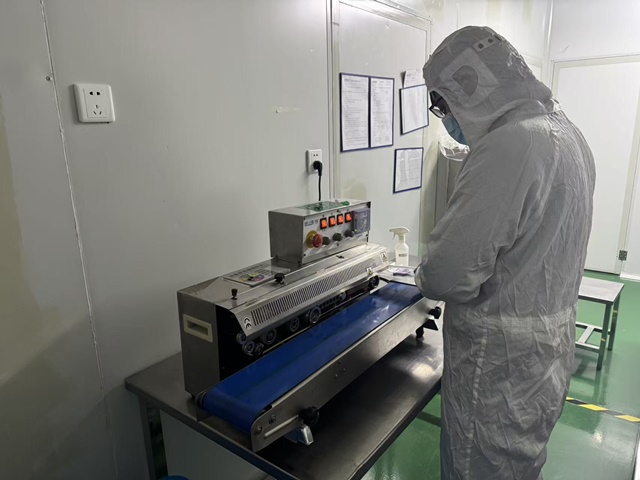
From custom material extrusion (medical-grade polymers) to final sterile-barrier packaging, we protect orthopedic distributors from global logistics and regulatory delays.
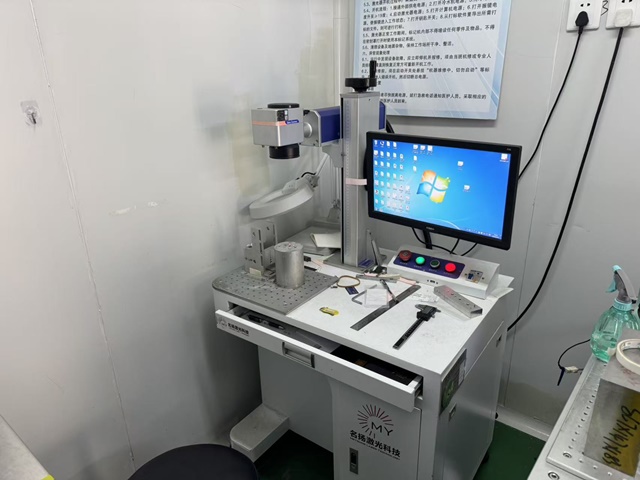
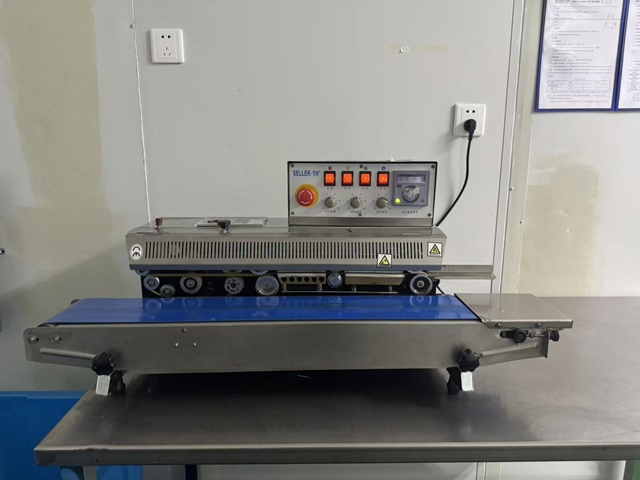
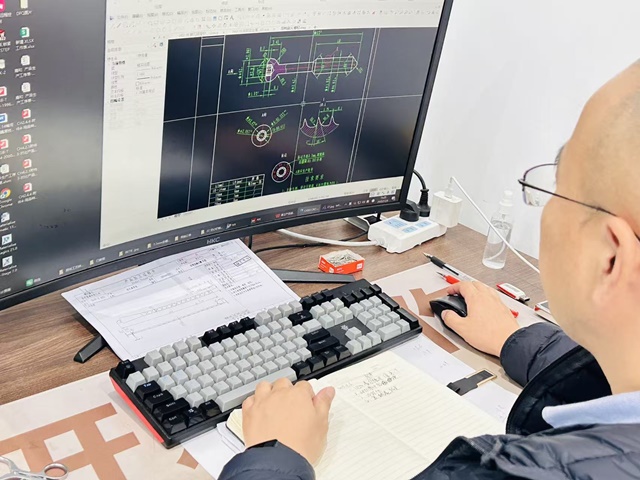
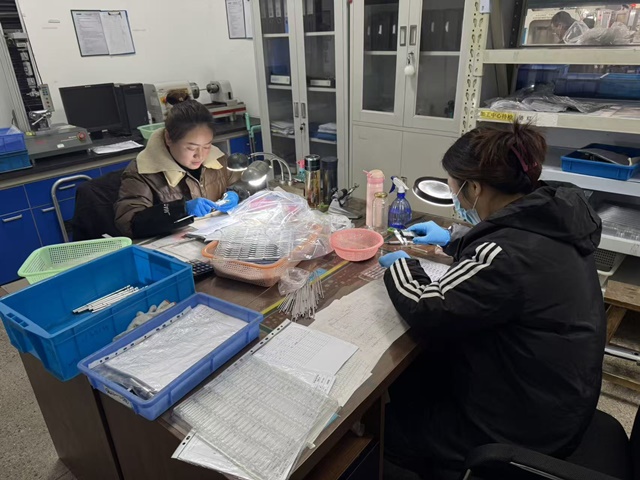
How engineering optimizations solve real-world problems inside the operating room.
A primary concern with high-torque sports medicine screw fixation is the risk of graft damage during insertion. Traditional thread structures have sharp profiles that can tear soft-tissue tendons. Osteora designs its OEM/ODM interference screws with dual-lead, blunt thread configurations. These structures push fibers aside rather than slicing them, maintaining structural graft integration.
Stripping is a major problem with low-quality interference screws, especially when inserting PEEK implants into dense tibial bone. To overcome this, our engineering division designs drive profiles with deeper helical star or hexalobe configurations. This optimizes contact surface area, distributing high torque loads and preventing screwdriver slippage during insertion.
Every knee anatomy is different. Osteora supports distributors with outer diameters ranging from 6mm to 11mm, and lengths starting at 15mm up to 35mm. Our cannulated designs feature smooth inner channels that fit guidewires perfectly, providing stable guidance and precise alignment throughout the procedure.
Ensuring compliance with international standards through advanced validation processes.
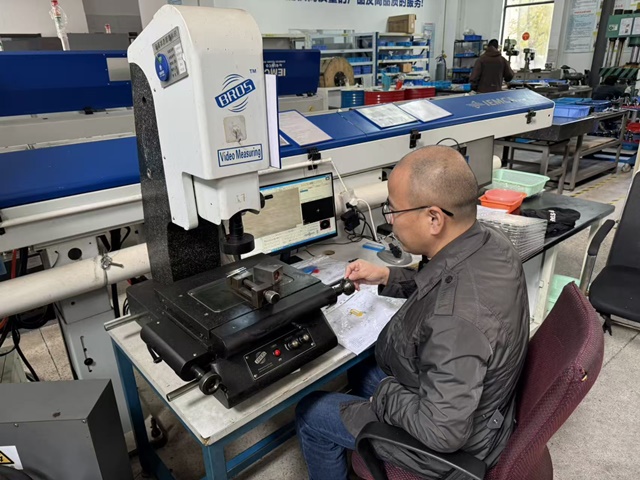
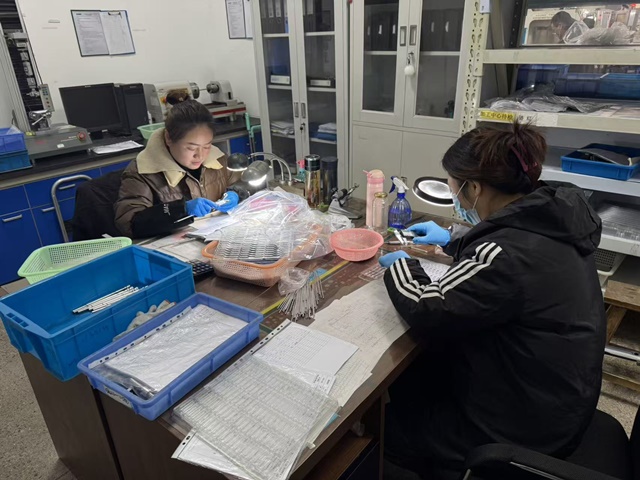
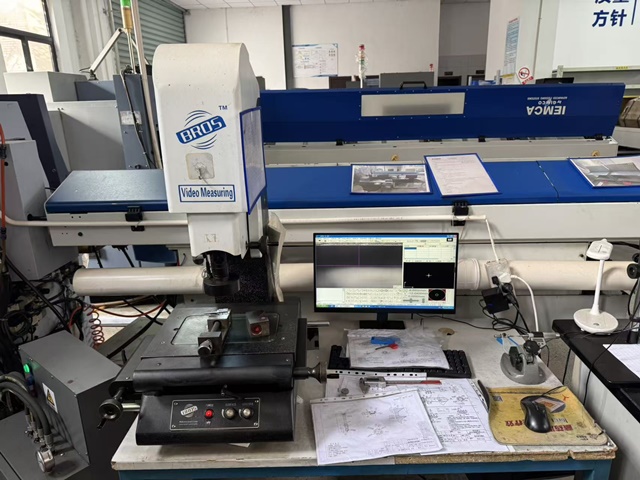
To ensure orthopedic implants meet global performance standards, Osteora employs 42 specialized QC inspectors across every phase of production. We use a 3-tier inspection protocol: raw material chemical validation, in-line vision measurement, and random batch testing.
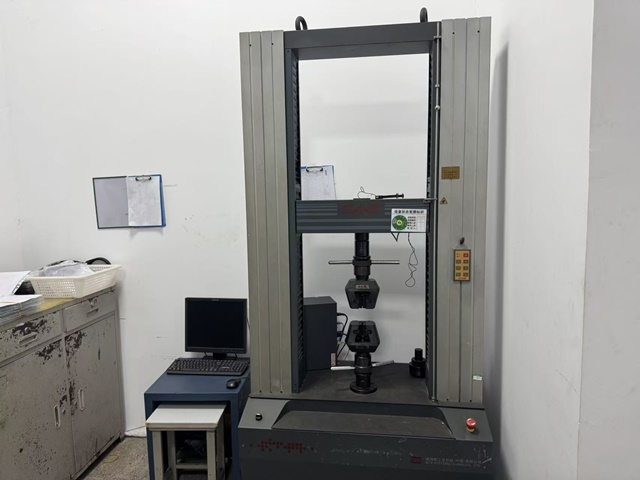
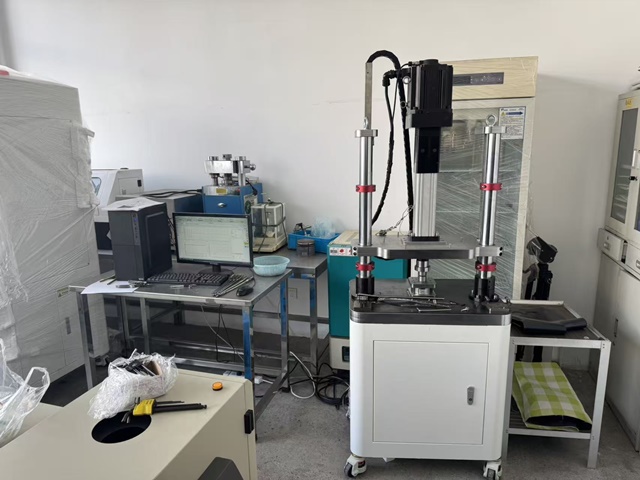
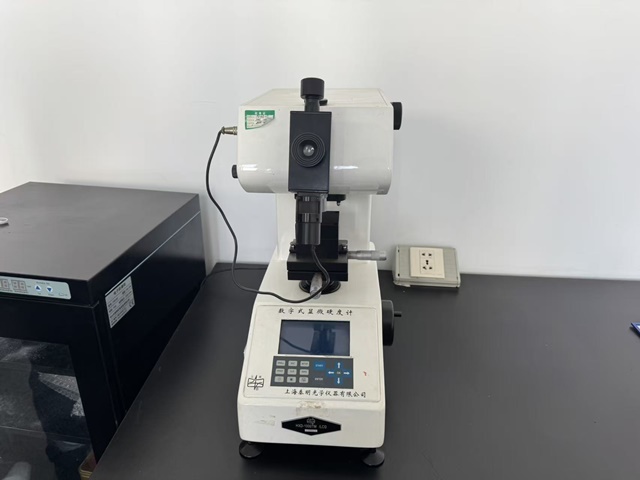
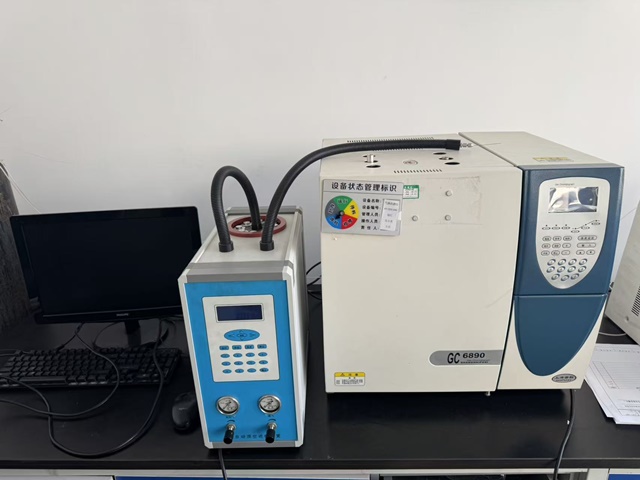
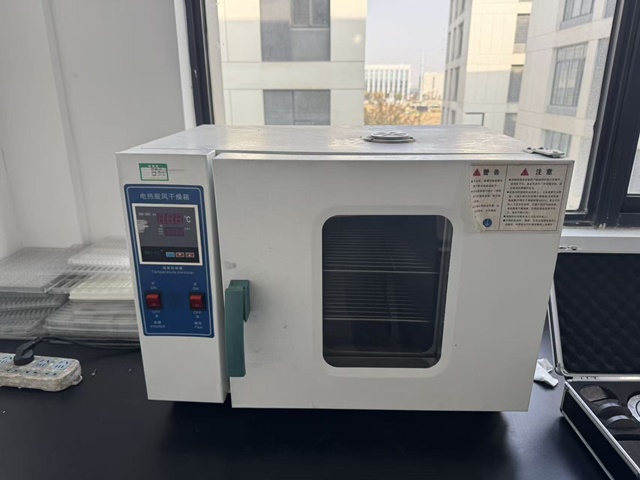
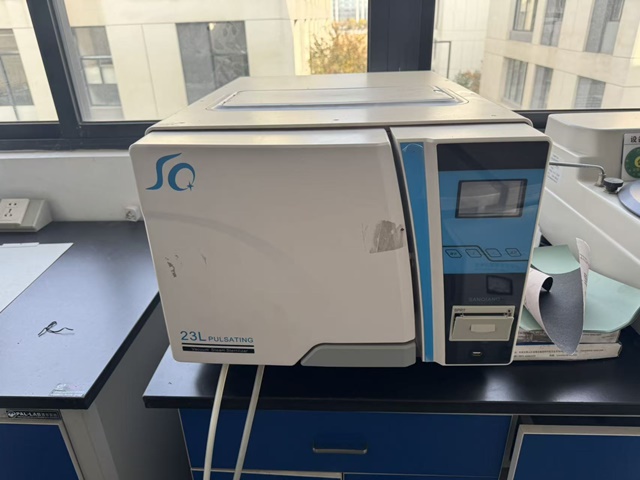
Our testing labs are fully equipped to assess performance metrics, including ultimate tensile strength, pull-out resistance, and dynamic fatigue limits under simulated physiological loads. We also verify chemical composition to prevent cross-contamination and ensure long-term biocompatibility in clinical settings.
Osteora provides complete technical documentation for our international OEM/ODM clients. We maintain full regulatory compliance, including ISO 13485 certification, raw material traceability, biocompatibility reports (ISO 10993), sterilization validation, and master technical files. This comprehensive support helps distributors streamline regional registry filings and speed up market entry.
Optimizing supply chain efficiency and product adaptation for international medical device buyers.
Our R&D team of 85 engineers helps global brands transition from concepts to market-ready products. We offer extensive customization options, including thread profile adjustments, drive head modifications, customized implant sizes, and material blends.
We provide comprehensive private labeling services. From laser-marked logos to sterile double-barrier blister packaging, we deliver products that are ready for hospital distribution, ensuring full compliance with international medical packaging standards.
Backed by 1,200 reliable supply chain partners and an annual export volume of USD 6M to 14M, Osteora is a dependable long-term manufacturing partner. We help our clients manage market demands, optimize production, and maintain consistent quality across all order sizes.
Technical and procurement answers for orthopedic manufacturers and sourcing managers.
A comprehensive portfolio of clinical solutions designed for orthopedic surgeries and revision procedures.