Osteora
Osteora
Osteora
Explore our elite range of spine fixation solutions, trauma implants, and surgical power tools engineered to meet extreme clinical standards.
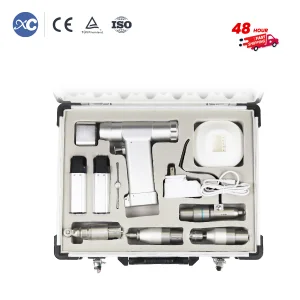
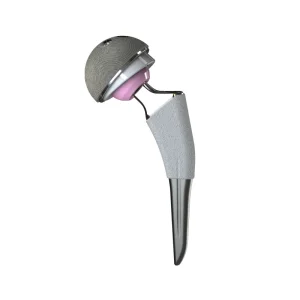

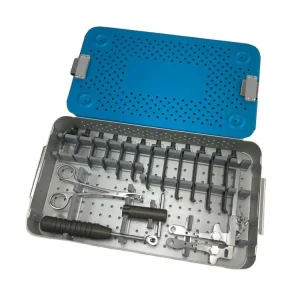
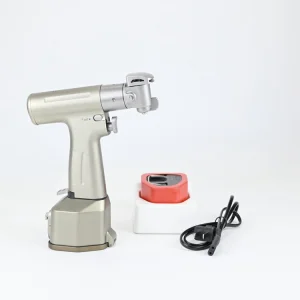
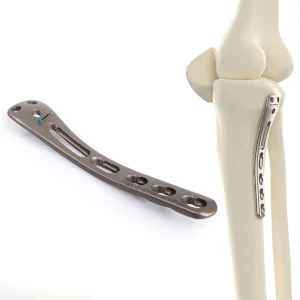
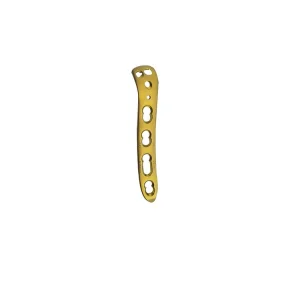
Cervical laminoplasty is a critical neurosurgical procedure used to treat severe cervical canal stenosis, myelopathy, and ossification of the posterior longitudinal ligament (OPLL). By creating an "open door" or "French door" mechanism on the lamina, spinal surgeons can decompress the spinal cord without compromising the overall stability of the cervical spine column. Central to the success of this clinical intervention are Laminoplasty Plates—highly specialized, low-profile internal fixation devices designed to keep the lamina safely open during the bone healing process.
As a leading custom OEM laminoplasty plates supplier, Osteora Medical Devices Co., Ltd. addresses the clinical demands of surgical teams and distributors globally. We specialize in producing biomechanically optimized, medical-grade titanium alloy implants that minimize post-operative complications, prevent closure of the reconstructed lamina, and dramatically improve long-term patient outcomes.
Clinical Advantage: Osteora's low-profile laminoplasty mini-plates are engineered to reduce soft tissue irritation and minimize the risk of post-operative axial neck pain, while offering high mechanical integrity to withstand dynamic neck movements during anatomical recovery.
Built on a solid foundation of manufacturing excellence, medical device validation, and integrated OEM/ODM pipelines.
Founded in 2016, our modern facility spans 18,500㎡. We host 85 dedicated R&D engineers specializing in biomechanical engineering, surgical technique workflows, and material science, enabling the creation of over 120 new products annually.
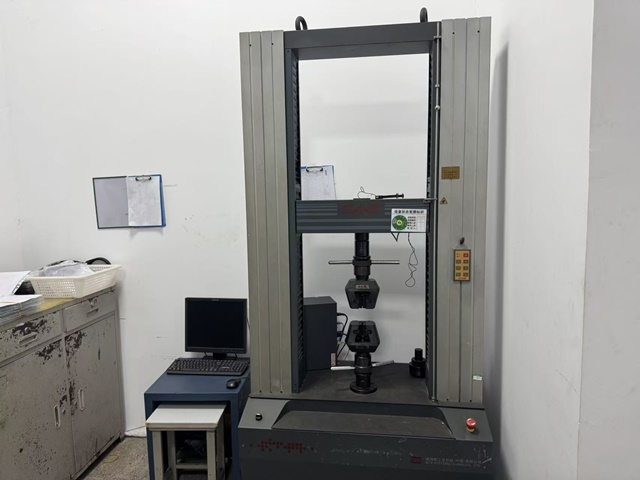
Operational safety is non-negotiable. Our quality department of 42 specialized inspectors executes comprehensive ISO 13485 compliance checks, in-process monitoring, mechanical fatigue validations, and multi-axis coordinate dimensional inspections.
With 12 years of industry experience and 8 years of medical export authority, we support distributors across Europe, Southeast Asia, the Middle East, and South America, maintaining a supply network of over 1,200 certified partners.
As spine surgery advances toward minimally invasive procedures and rapid outpatient rehabilitation, the requirements for posterior cervical implants are rapidly shifting. Orthopedic OEMs must align their design pipelines with these distinct market changes:
Traditional fixation systems were often bulkier, leading to irritation of the overlying posterior neck muscles. Modern plates feature ultra-thin, smooth-edged, low-profile designs that prevent muscle catching, reduce surgical wound drag, and eliminate physical discomfort for patients post-operation.
Advanced surface anodization techniques and acid-etching create micro-rough structures on titanium surfaces. These finishes promote better integration with bone tissues (osseointegration) at the contact points of the cut lamina hinge, improving long-term device stability.
While Grade 5 Titanium (Ti-6Al-4V ELI) remains the industry gold standard due to its high strength and biocompatibility, there is growing interest in polyetheretherketone (PEEK) for its radiolucent properties. Radiocapacitive materials make post-operative MRI and CT imaging clearer, helping doctors track spinal cord decompression without artifact interference.
Surgical plates are increasingly integrated with digital navigation system templates. OEMs must now design systems that align with robotic guidance and optical stereotactic markers used during high-precision orthopedic operations.
Sourcing medical implants is subject to strict regulatory oversight and high performance standards. B2B medical buyers, hospital chains, and global distributors evaluate suppliers using several key parameters:
A step-by-step look at our advanced production cycle—from raw titanium to sterile, validated surgical implants.
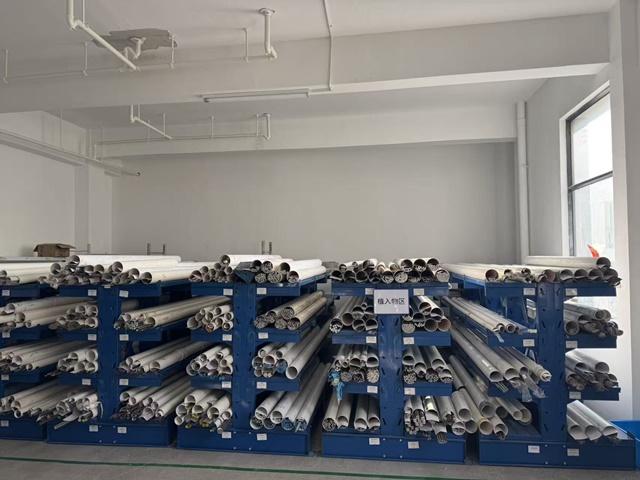
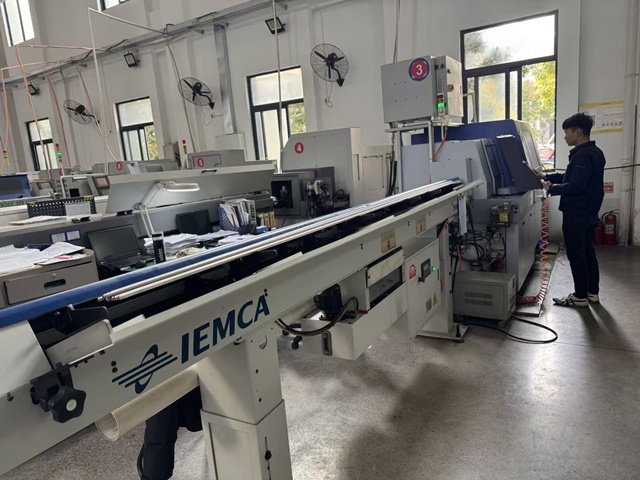
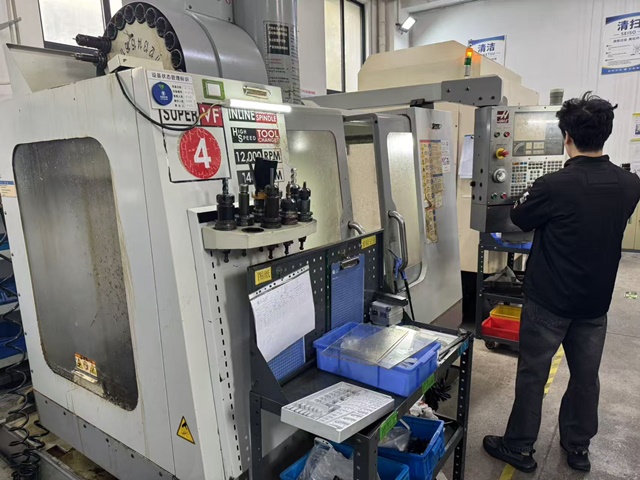
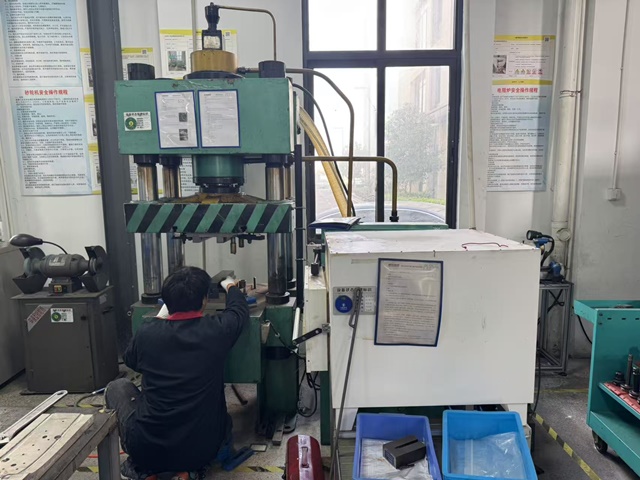
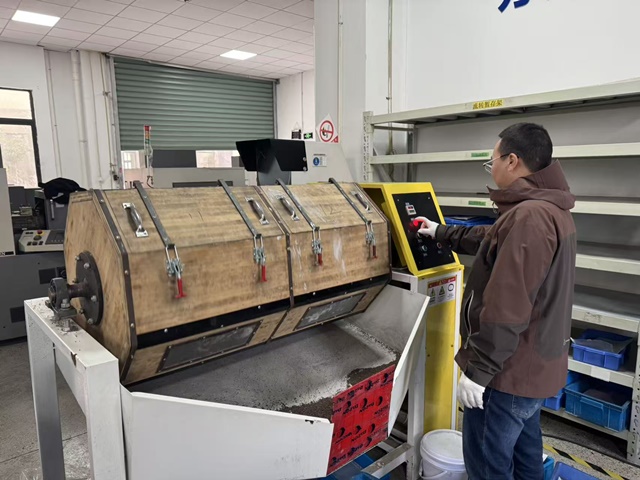
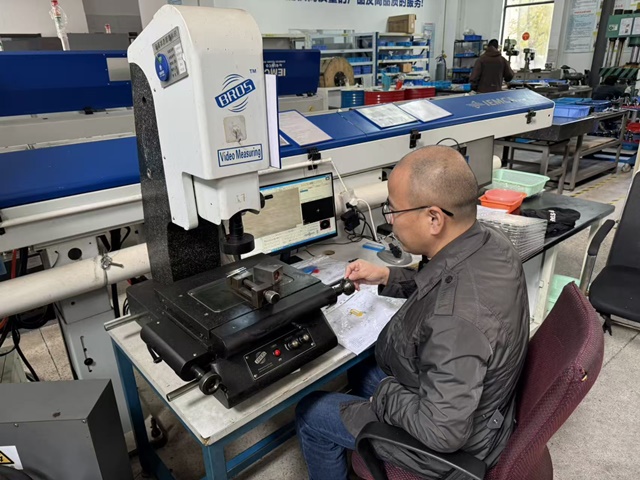
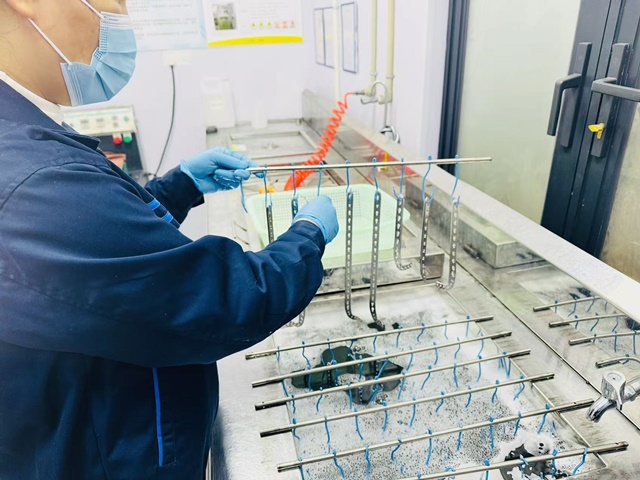
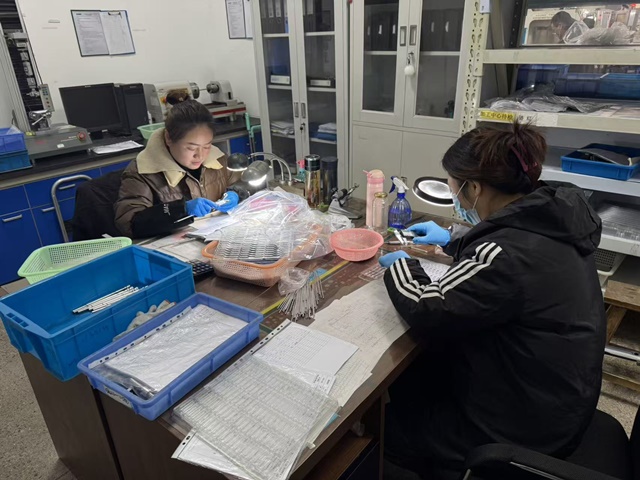
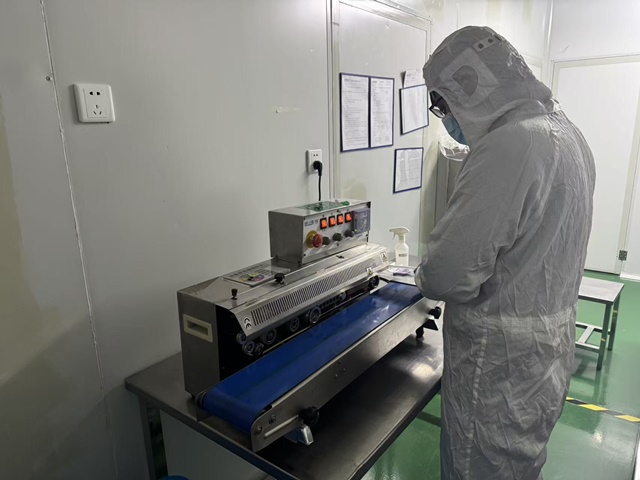
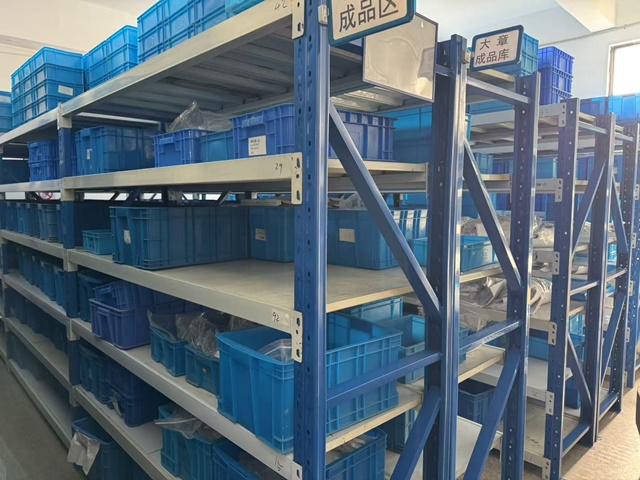
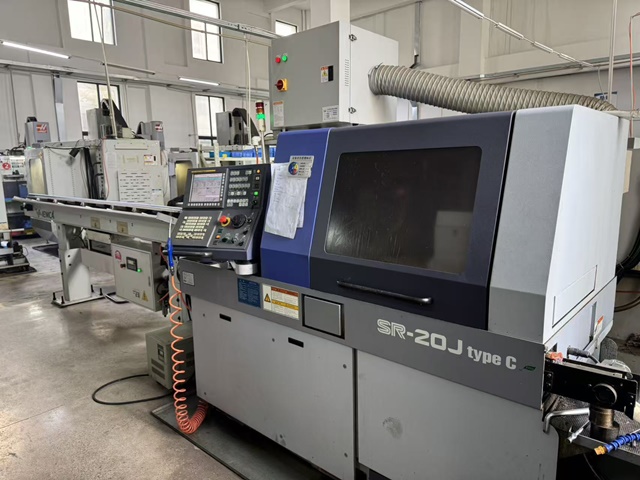
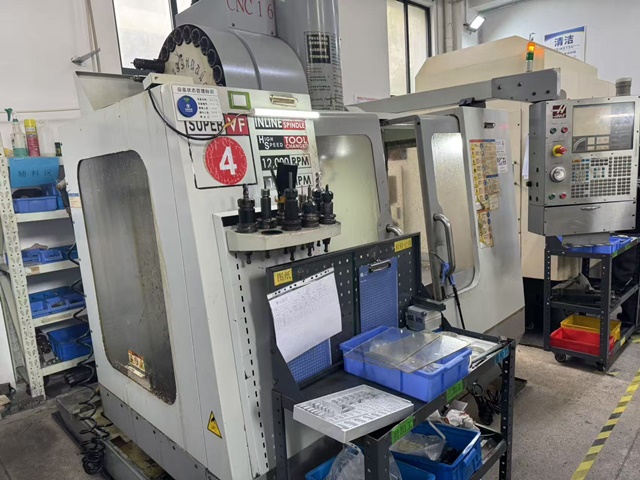
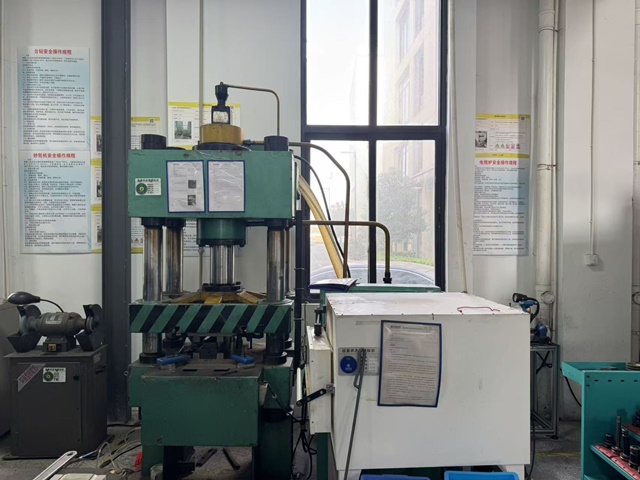
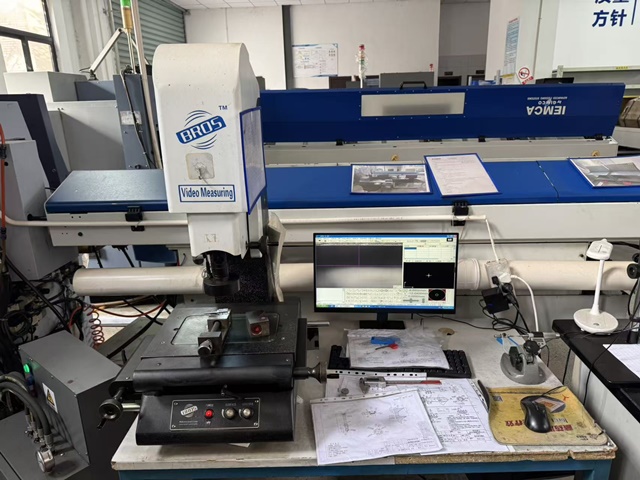
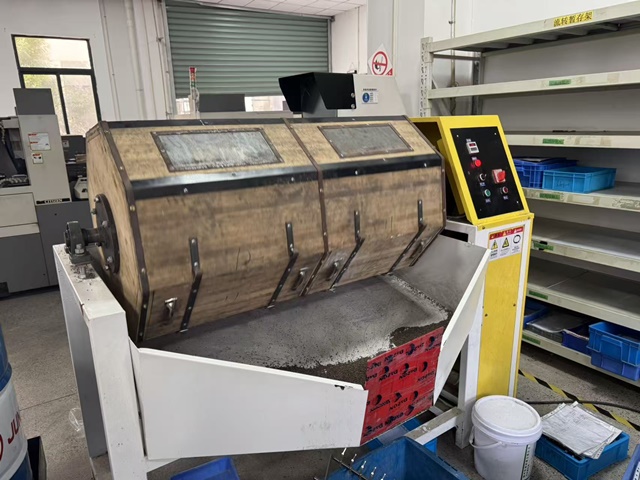
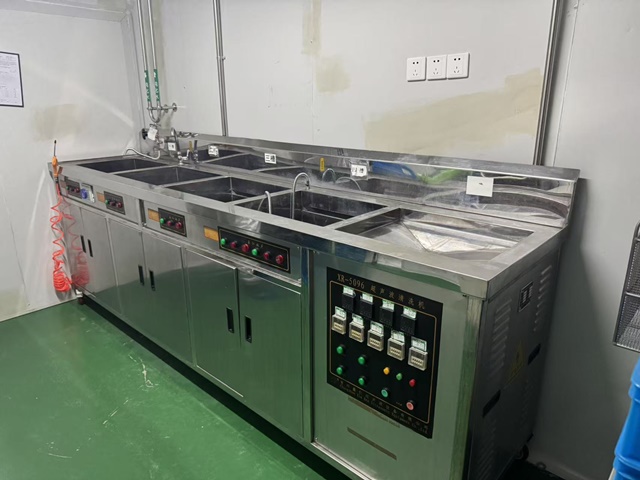
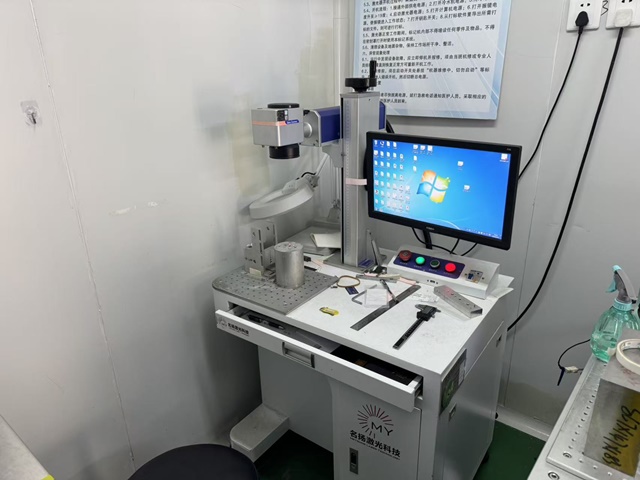
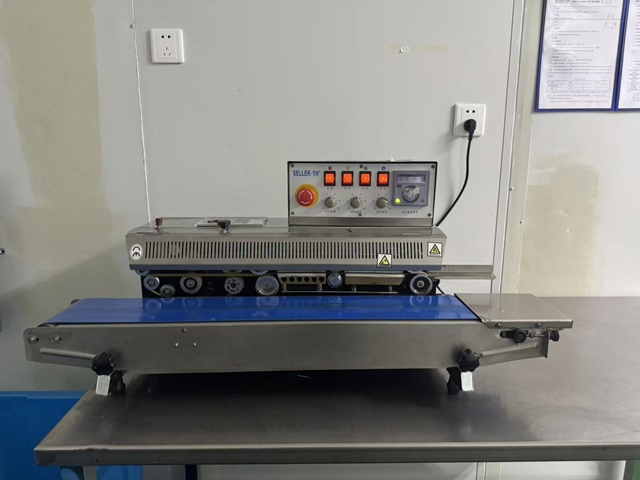
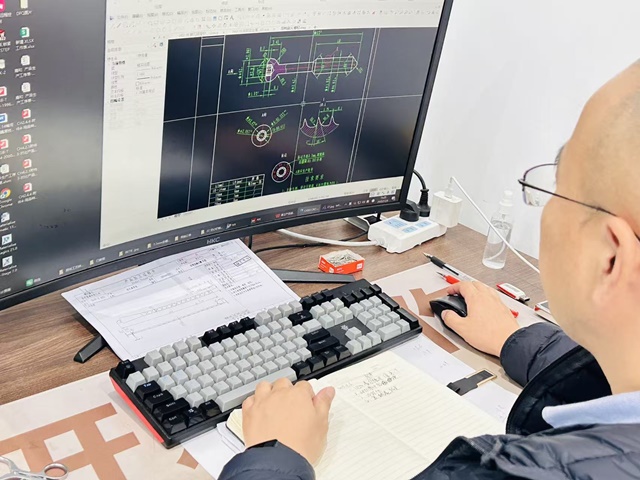
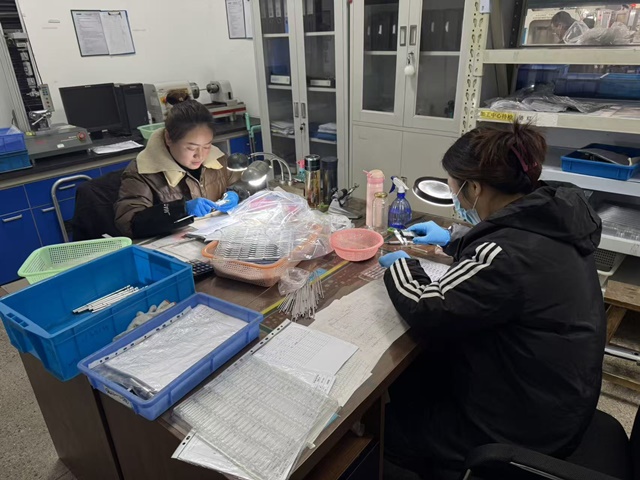
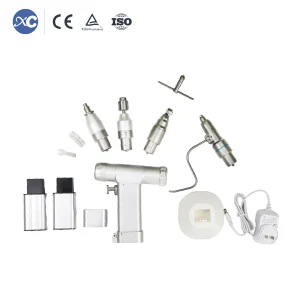
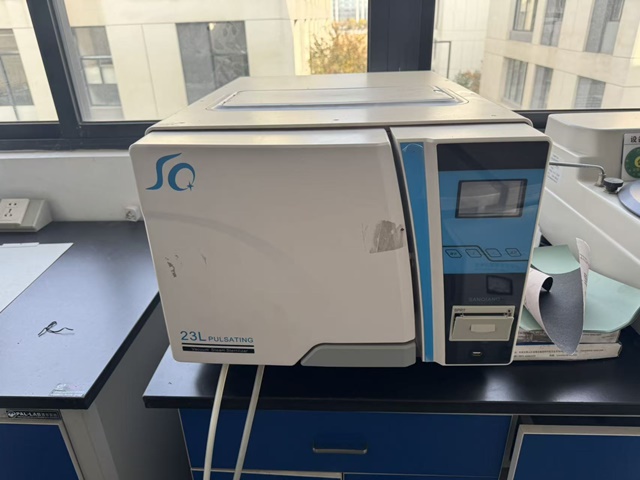
Every batch of implants is run through rigorous tests on our premium testing equipment to guarantee optimal clinical outcomes.
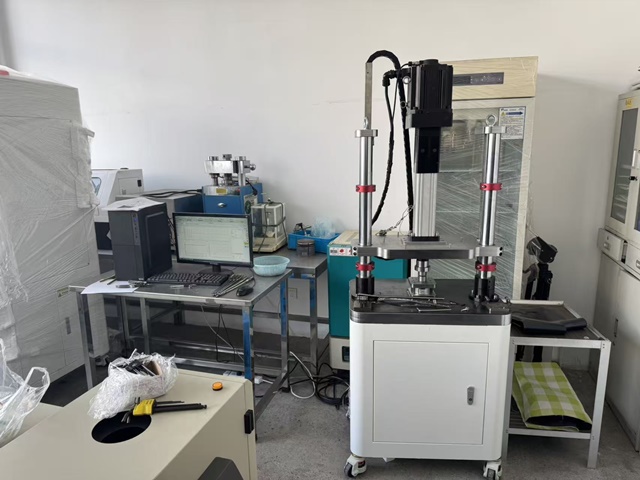
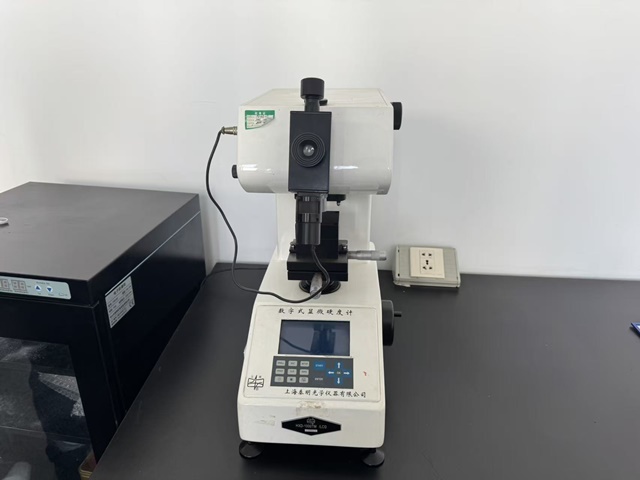
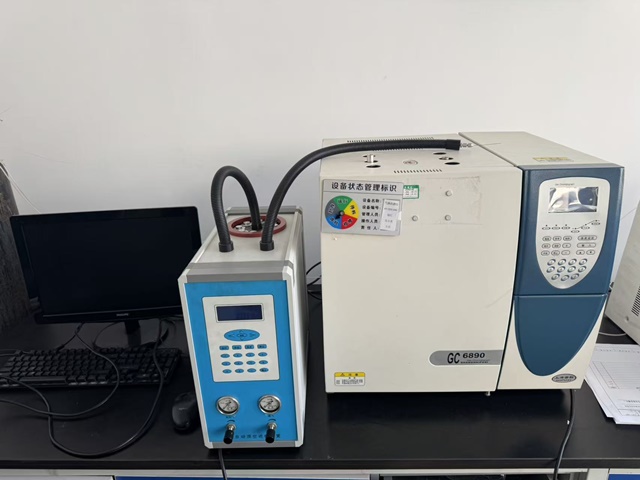
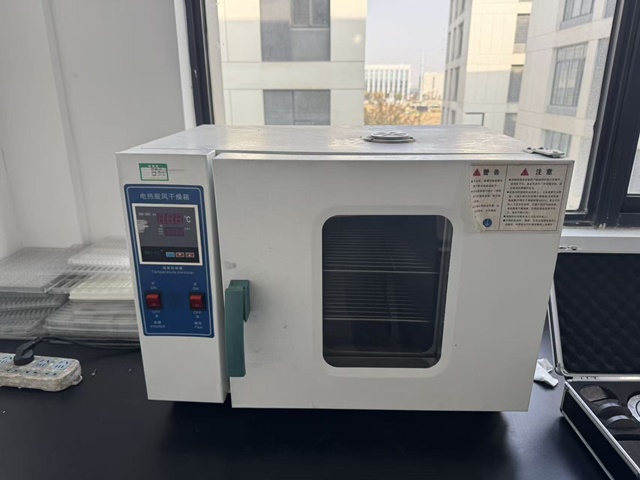
As a leading innovator in spinal surgery implants, Osteora continuously updates its technology pipeline to match clinical developments. Our long-term technical plans focus on three main areas:
Standard laminoplasty plates use fixed distance designs, which can limit the surgeon's ability to adjust the fit for varied anatomy. Osteora is actively developing expandable plate designs that allow for micro-adjustments in real-time during surgery, providing a custom fit for every patient.
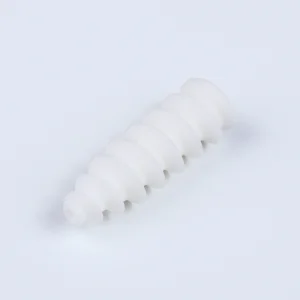
Building on our success with bioabsorbable devices—such as our CE-certified PLGA ACL interference screws—our R&D team is testing biodegradable laminoplasty plates. These implants support the lamina during the initial bone healing phase (typically 6 to 12 months) and then slowly dissolve, allowing the natural bone to fully take over load-bearing duties.
We are researching the integration of micro-sensors into spinal implants. In the future, these sensors could track bone recovery and mechanical strain in real-time after surgery, sending data directly to the patient's healthcare team to help monitor healing.
Navigating the complex regulatory landscape of medical devices can be challenging for distributors. Osteora provides full regulatory support to help our global partners register products quickly and stay compliant:
Find expert answers to common technical, manufacturing, and commercial questions about our laminoplasty implants.
Expand your inventory with our CE-certified joint, trauma, and orthopedic surgery products.