Osteora
Osteora
Osteora
Explore our high-performance clinical hardware designed for trauma reconstruction, spinal fixation, and complex musculoskeletal interventions.
Whitepaper: Transforming musculoskeletal fixation through custom bioabsorption kinetics.
Modern orthopedics is witnessing a paradigm shift from permanent metallic fixation to temporary bioresorbable implants. Historically, surgical-grade titanium alloys and cobalt-chromium compounds have been the gold standard for trauma fixation and spinal fusion. However, these permanent materials possess a static modulus of elasticity far higher than human cortical bone, frequently triggering stress shielding. This mechanical mismatch prevents natural physiological loads from acting on healing bone tissue, causing localized osteoporosis and compromising long-term skeletal density.
"The ultimate goal of implant design is to provide temporary mechanical support and transition load gradually to the reforming bone structure, degrading into harmless metabolic byproducts once bone union is achieved."
Bioresorbable implants, formulated from advanced aliphatic polyesters such as Poly-L-Lactic Acid (PLLA), Poly-DL-Lactic Acid (PDLLA), Polyglycolic Acid (PGA), and their copolymers (PLGA), resolve this challenge. These materials hydrolyze in vivo into lactic and glycolic acids, which are subsequently eliminated via the Krebs cycle as carbon dioxide and water. For procurement officers at tier-one healthcare facilities and orthopedic distributors worldwide, migrating to bioresorbable polymers eliminates the risk of late implant migration, reduces pediatric growth restriction complications, and completely removes the need for secondary hardware removal surgeries—reducing patient trauma and overall healthcare system expenditures.
Osteora Medical Devices Co., Ltd. is an industry-leading orthopedic implant and surgical solution manufacturer specializing in trauma, spine, joint reconstruction, and next-generation bioresorbable hardware under the brand Osteora. Founded in 2016, the company has established a premier global footprint by combining strict regulatory compliance with custom research and manufacturing. Our state-of-the-art facility covers approximately 18,500㎡, fully optimized to support integrated production, cleanroom packaging, physical testing, and chemical characterization.
With 12 years of core industry expertise and 8 years of international export operations, Osteora acts as a reliable partner to medical device distributors, orthopedic clinics, and surgical centers in Europe, Southeast Asia, the Middle East, and South America. Our annual export revenue sits between USD 6 million and 14 million, proving our strong capability to manage large-scale contract manufacturing agreements without sacrificing material performance or engineering tolerances.
Deep-dive analysis of polymeric and metallic absorption mechanisms in skeletal environments.
Designing high-efficacy bioresorbable implants requires careful manipulation of polymer molecular weights, crystallinity, and geometric design. The degradation curve of these implants must match the recovery rate of the surrounding bone. Below, we compare the mechanical profiles and clinical target regions of various materials:
| Material Class | Tensile Strength (MPa) | Elastic Modulus (GPa) | Degradation Timeline | Primary Clinical Applications |
|---|---|---|---|---|
| PLLA (Poly-L-Lactic Acid) | 60 - 80 | 3.0 - 4.2 | 18 - 36 Months | Sutures, interference screws, low-load bone plates, pins. |
| PLGA (Lactide-co-glycolide) | 50 - 75 | 2.5 - 3.8 | 6 - 12 Months | Suture anchors, pediatric fracture pins, drug-delivery matrices. |
| Magnesium Alloys (WE43) | 250 - 300 | 40 - 45 | 12 - 24 Months | High-load load-bearing screws, cardiovascular stents, orbital mesh. |
| Grade 5 Titanium (Reference) | 860 - 900 | 110 - 115 | Permanent (None) | Spinal fusion rods, pedicle screws, hip femoral stems. |
Through our 85 R&D engineers, Osteora has pioneered composite polymer mixtures containing bio-active glass and beta-tricalcium phosphate (β-TCP). These additives neutralize acidic degradation byproducts (lactic acid accumulation) by releasing alkaline ions, buffering the local pH and promoting bone remineralization (osteoconductivity) directly at the implant boundary.
Procuring orthopedic implants requires managing strict regulatory hurdles and ensuring supply chain consistency. Major medical institutions in Europe and the Americas are increasingly demanding customizable bioresorbable implants to address patient-specific biomechanics. Osteora supports these demands through a robust supply network consisting of over 1,200 certified upstream and downstream partners. This network allows us to secure ultra-pure medical-grade resins (such as Resomer® and Purac® class materials) and stabilize production costs during global logistics challenges.
For large-scale distributors, Osteora offers tailored industrial solutions. These include OEM/ODM contract manufacturing, custom size and geometry variations, private labeling (sterile and non-sterile packaging configurations), and direct technical consulting during the registration process in destination countries. Our quality control team includes 42 specialized inspectors who manage compliance protocols, ensuring that every batch of implants conforms to international standards like ISO 13485 and meets the safety criteria of EU MDR Class III certifications.
Explore our integrated raw material processing, Swiss-type CNC precision machining, and exhaustive metallurgical and physical testing labs.
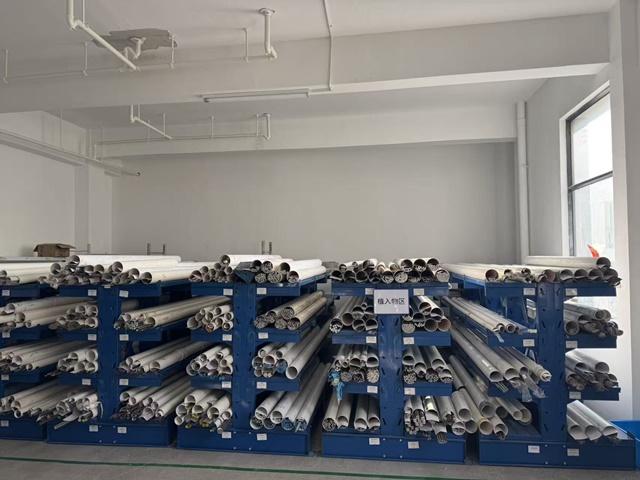
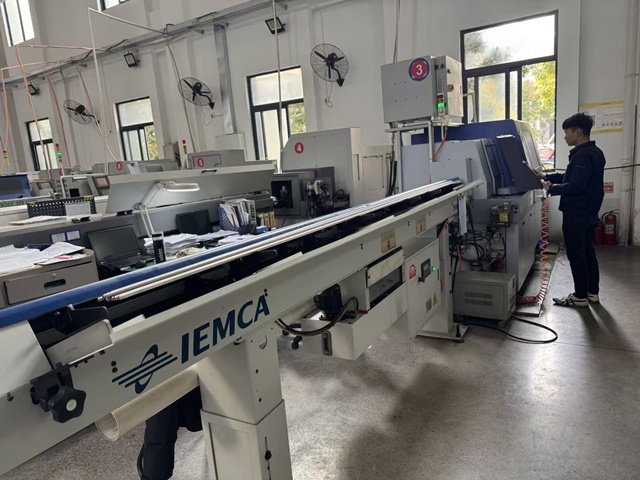
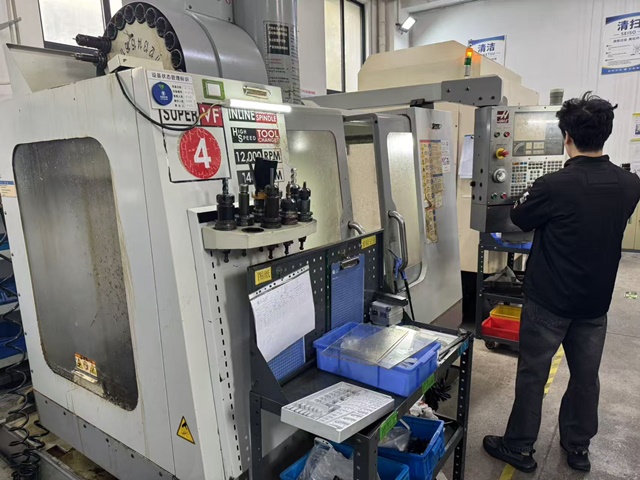
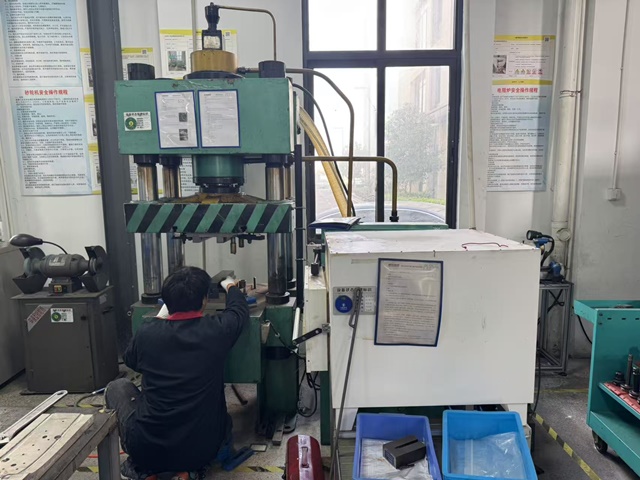
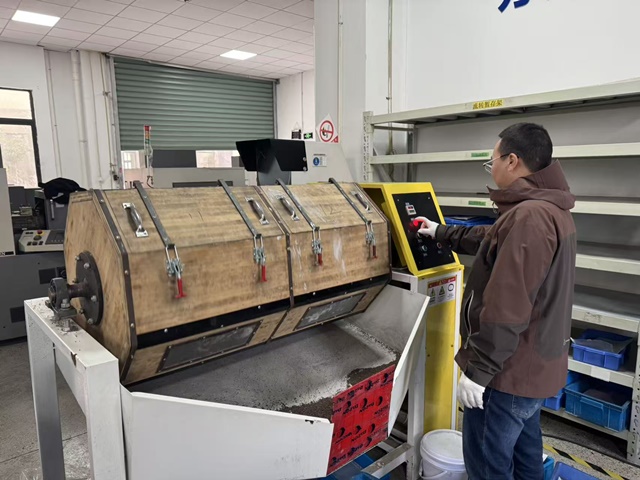
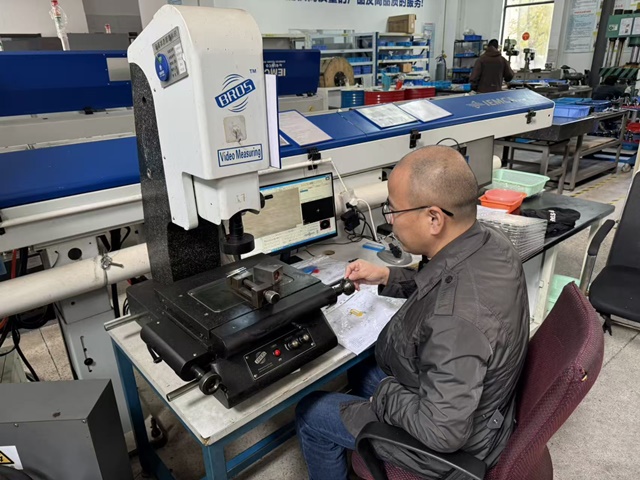
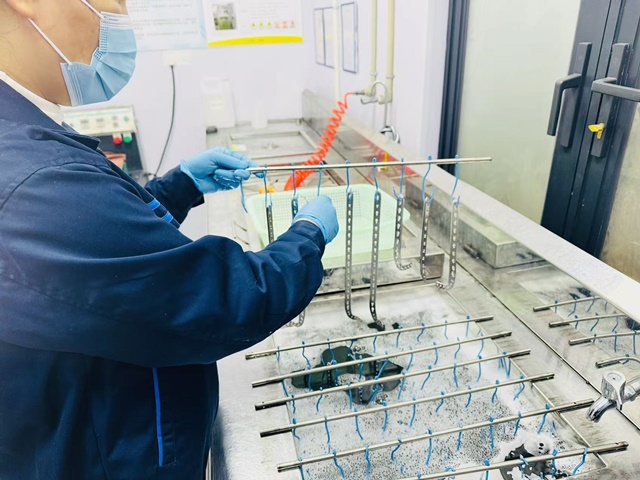
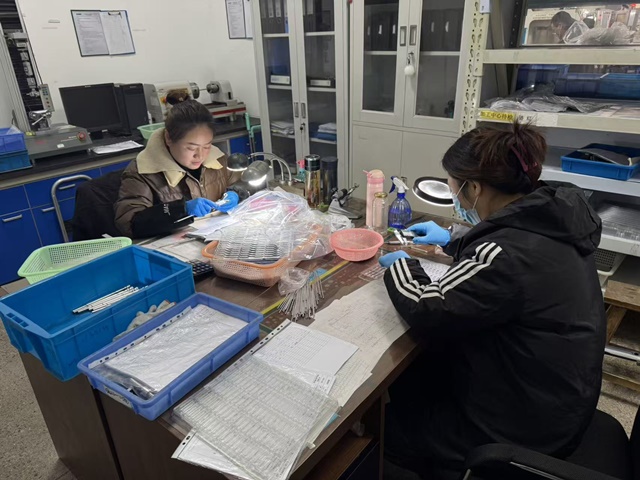
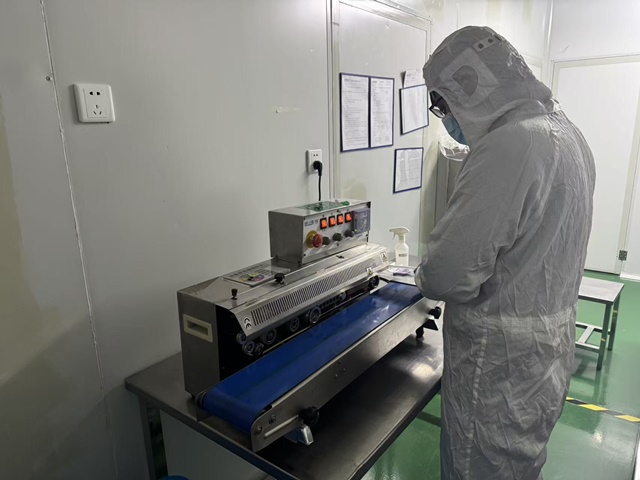
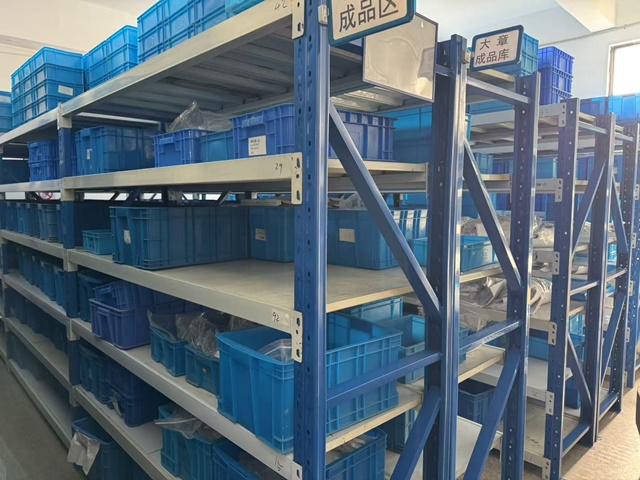
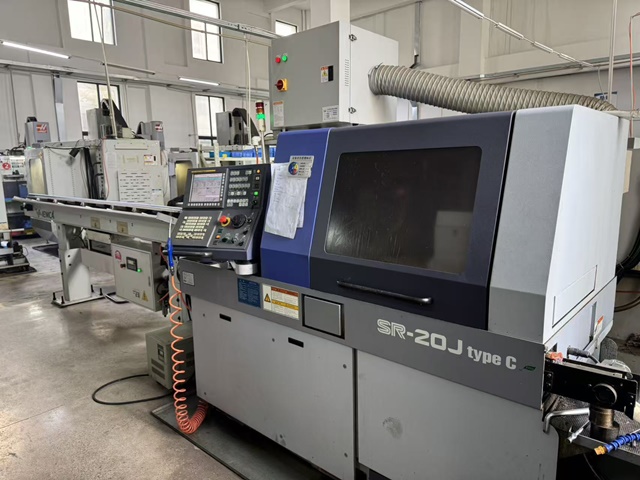
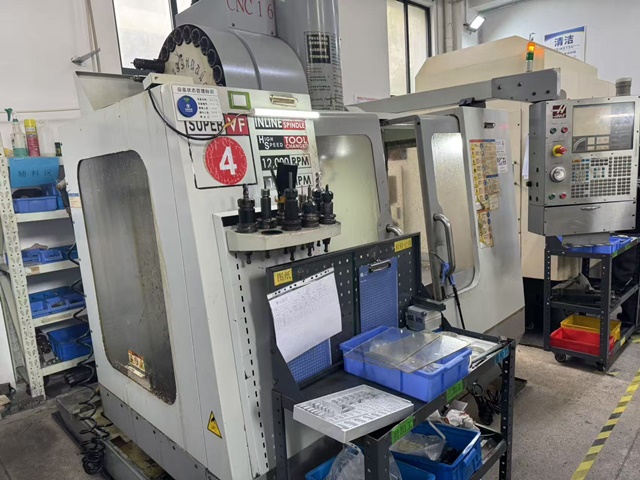
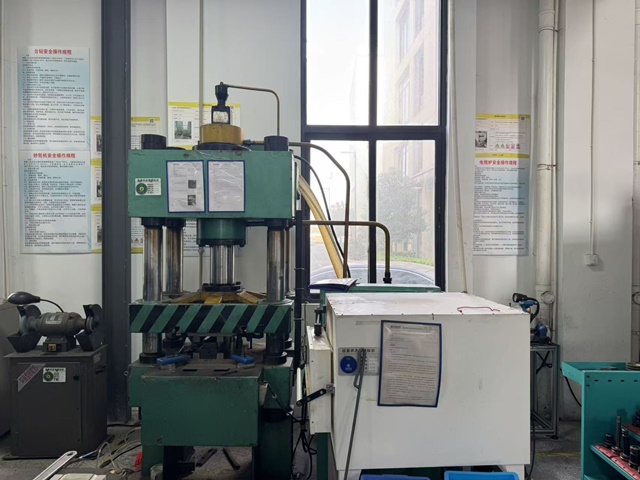
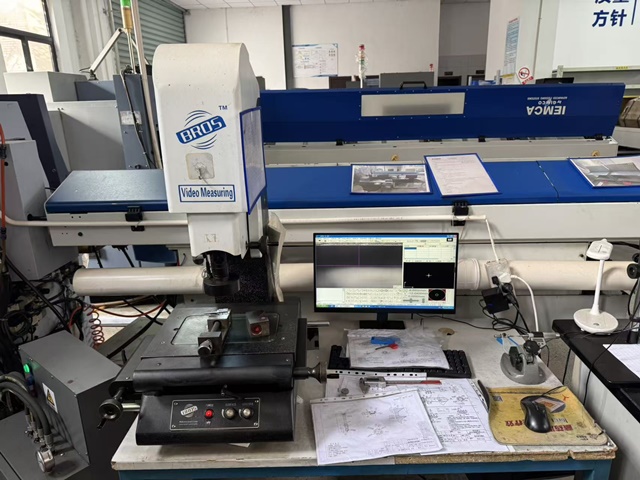
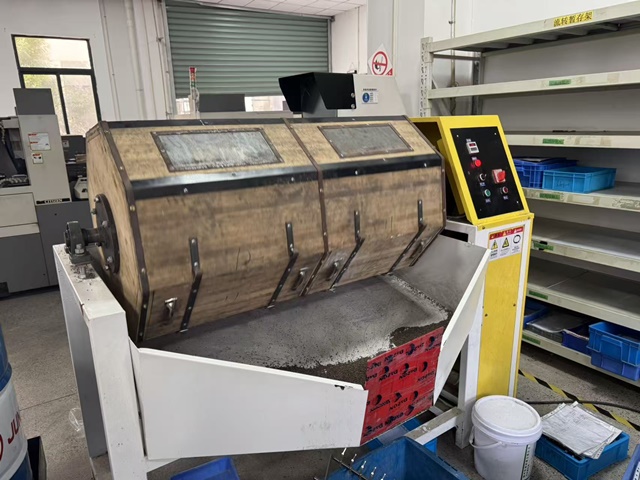
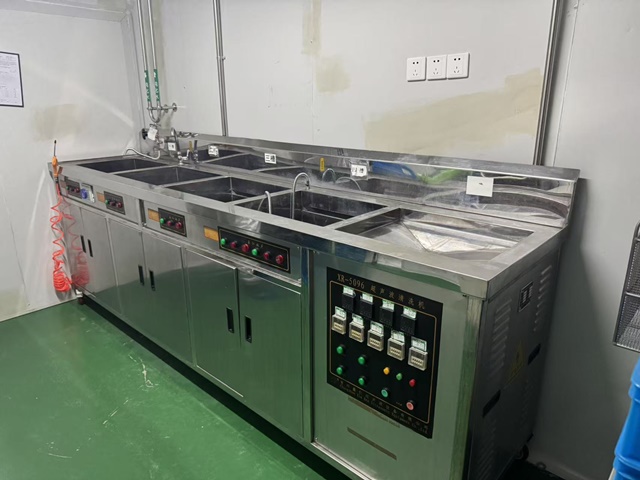
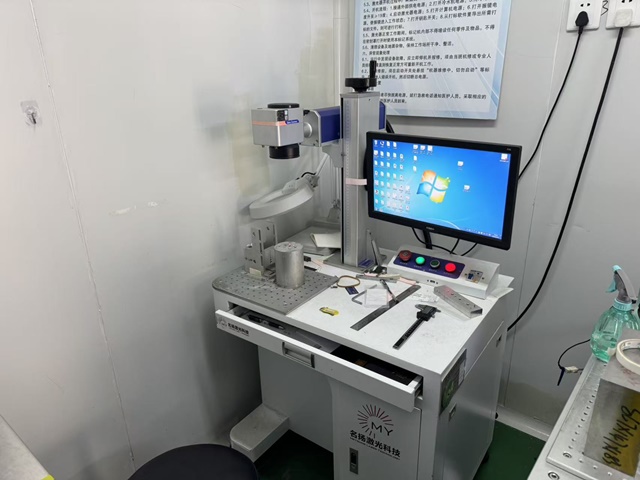
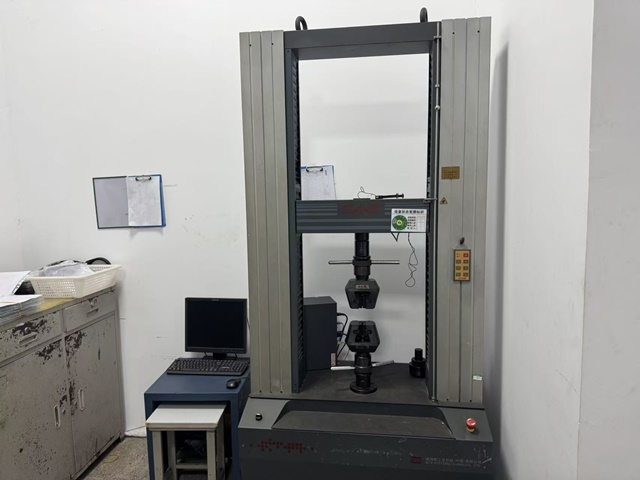
Testing structural mechanical profiles and physical fatigue constraints to meet international Class III implant regulations.
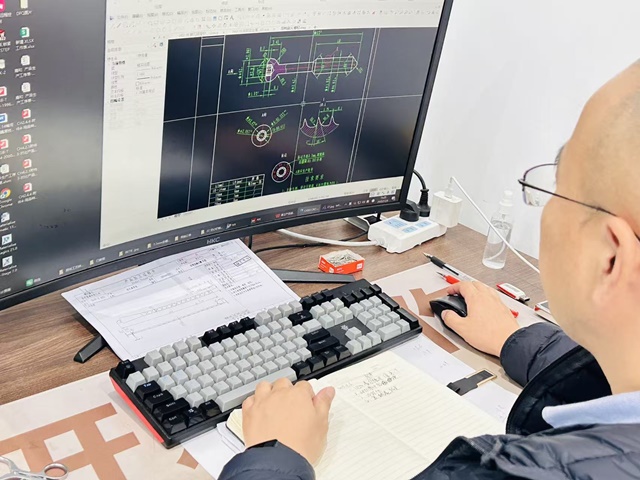
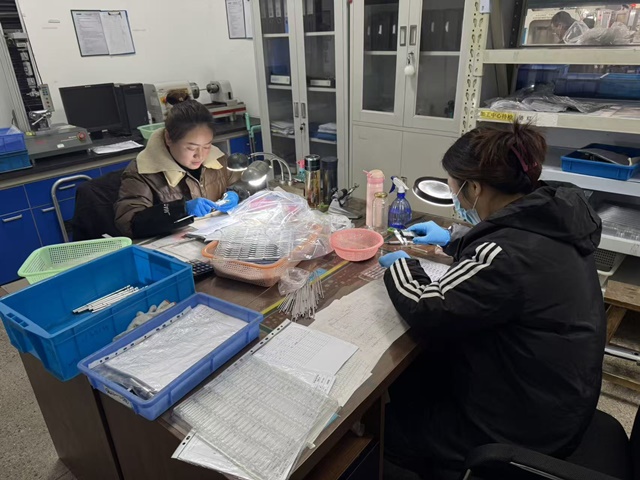
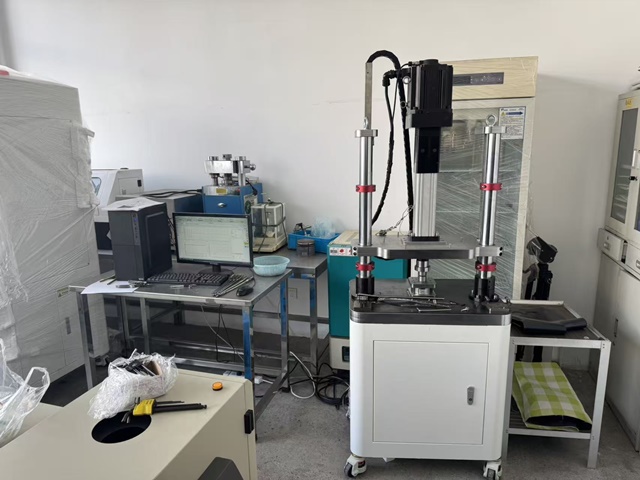
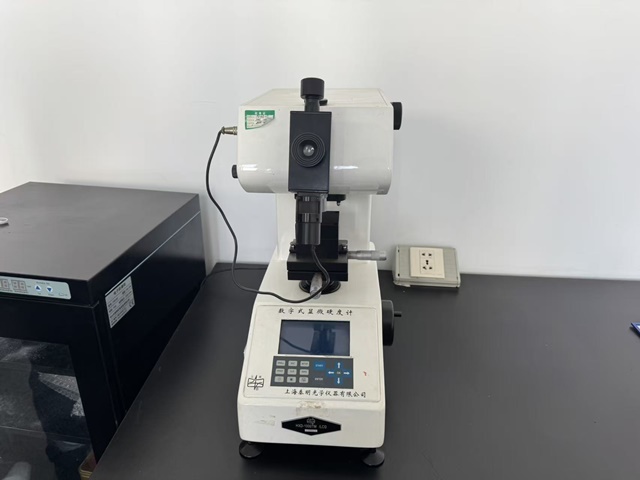
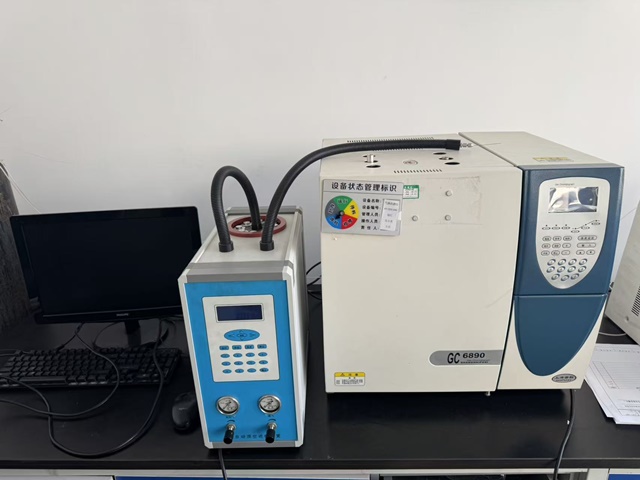
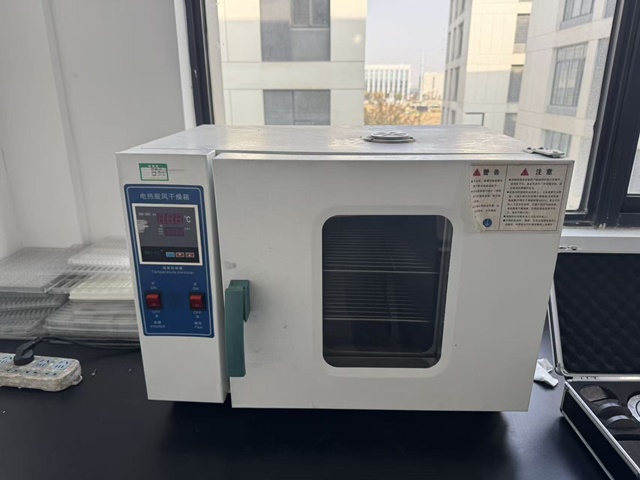
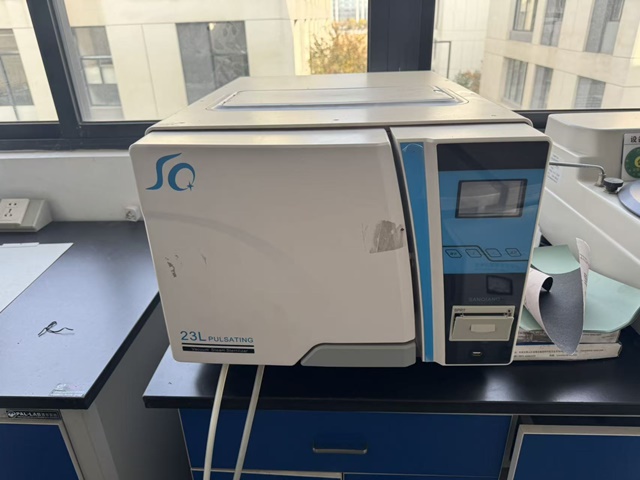
Before launching bioresorbable implants to global markets, they undergo rigorous, multi-stage testing to verify their biological safety and mechanical performance. Since these products degrade in vivo, biocompatibility profiles are tested under ISO 10993 standards. This process requires evaluating cytotoxicity, systemic toxicity, subchronic toxicity, genotoxicity, and local tissue reactions. High-purity polymers like PLLA must not release high-concentration acidic compounds that can cause localized aseptic swelling or osteolytic reactions.
Sterilization is another critical phase in bioresorbable manufacturing. Unlike metal implants, which can withstand steam sterilization, polymeric implants degrade when exposed to heat and moisture. High-energy gamma radiation can also break down polymer chains, reducing their initial mechanical strength. To prevent this degradation, Osteora uses validated Ethylene Oxide (EtO) sterilization cycles and low-temperature electron-beam (E-beam) processing. These processes are followed by degasification steps to keep residual sterilant levels well below strict regulatory thresholds.
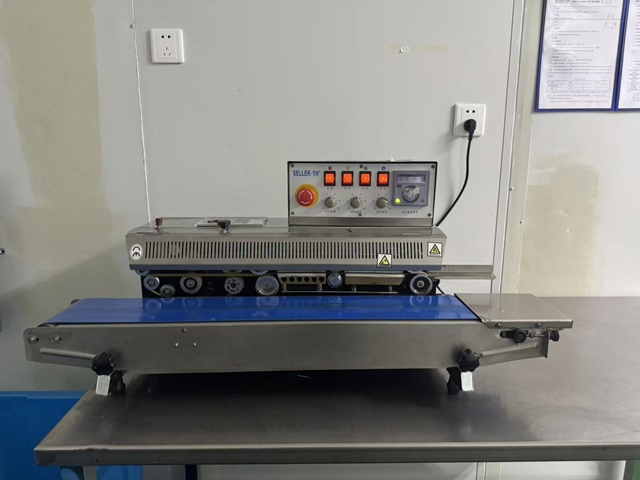
Our custom packaging systems use multi-layer alu-foil pouches with nitrogen purging and desiccant packs. This setup blocks ambient moisture during shipping and storage, protecting the polymer chains from premature hydrolysis and ensuring a reliable shelf life for global medical distribution channels.
Get professional answers regarding degradation kinetics, mechanical capabilities, and international regulatory support.
Explore our high-precision surgical instruments, specialized spinal systems, and joint reconstruction technologies designed for global distribution.