Osteora
Osteora
Osteora
High-specification precision instruments and implant systems designed to meet international standards for trauma, arthroscopy, and spine surgeries.
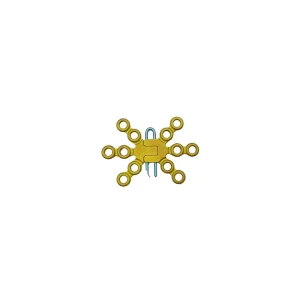
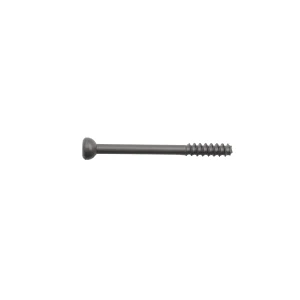
Rotator cuff tears represent one of the most common musculoskeletal injuries worldwide, driving a continuous surge in the clinical demand for advanced arthroscopic solutions. Suture anchors—the critical link restoring the biomechanical interface between tendon and bone—have evolved from simple fixation pins into highly sophisticated, biocompatible, and load-sharing implants.
For modern medical device distributors, hospitals, and surgical centers, selecting a reliable manufacturer is no longer just about unit cost. Procurement leaders must balance mechanical reliability (pull-out strength), biomaterial safety (PEEK vs. Titanium), and the resilience of a certified medical device supply chain. This whitepaper analyzes the current market dynamics, raw material advancements, and the operational advantages of partnering with high-capacity Chinese manufacturing plants like Osteora Medical Devices.
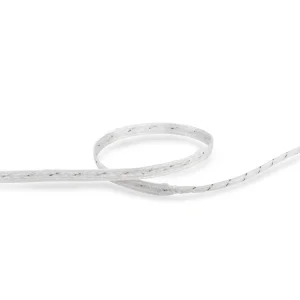
SEO Insight: Integrating high-strength, nonabsorbable sutures and titanium/PEEK anchors into a single arthroscopic workflow is the benchmark for securing optimal pull-out force and long-term biological healing.
Comparing implant materials to determine the ideal balance of osteointegration, fatigue resistance, and radiolucency in arthroscopic rotator cuff repairs.
Modern rotator cuff repair relies heavily on the physical properties of the anchoring mechanism. Medical device buyers typically evaluate three main categories of materials: PEEK (Polyetheretherketone), Titanium Alloys, and Bioabsorbable Polymers. Each material presents distinct performance characteristics under clinical conditions, which are summarized below:
| Material Category | Biocompatibility & Osteointegration | Radiolucency & Imaging | Mechanical Strength (Pull-Out) | Ideal Clinical Scenario |
|---|---|---|---|---|
| PEEK (Polyetheretherketone) | Excellent; inert material that matches the elastic modulus of human cortical bone, reducing stress shielding. | Fully radiolucent. Allows clear postoperative MRI/CT evaluation of bone tunnels without artifacts. | High fatigue limit; retains torque-retention and anchor integrity during insertion. | Primary arthroscopic repairs; patients requiring clear postoperative monitoring. |
| Titanium Alloy (Ti6Al4V ELI) | Superb. Highly biocompatible, promotes strong mechanical lock through direct bone apposition. | Radio-opaque; produces scatter artifacts on MRI, which may obscure adjacent soft tissue structures. | Maximum pull-out force. Excellent for dense bone anchoring and high-tension revisions. | Revision rotator cuff repairs, osteoporotic bone fixations, open orthopedic reconstructions. |
| Bioabsorbable Polymers (PLGA/PLLA) | Variable. Gradually replaced by native bone over 12-24 months; potential for mild transient local inflammatory reaction. | Radiolucent initially; bone replacement is trackable via standard imaging modalities. | Adequate, but strength decreases over time as the polymer degrades. | Low-tension primary repairs in younger patients with high osteogenic potential. |
By offering versatile material configurations, Osteora Medical Devices Co., Ltd. empowers orthopedic distributors and surgeons to tailor their inventory to specific procedural needs. Our OEM/ODM capabilities encompass custom size variations, varying thread pitches, and material configurations designed to exceed standard pull-out requirements under physiological loading.
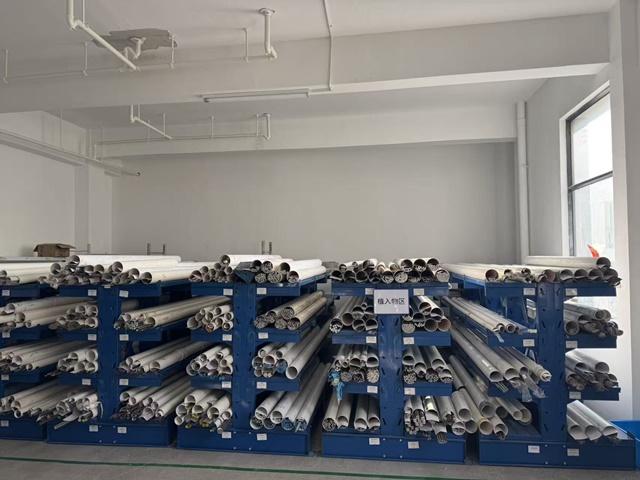
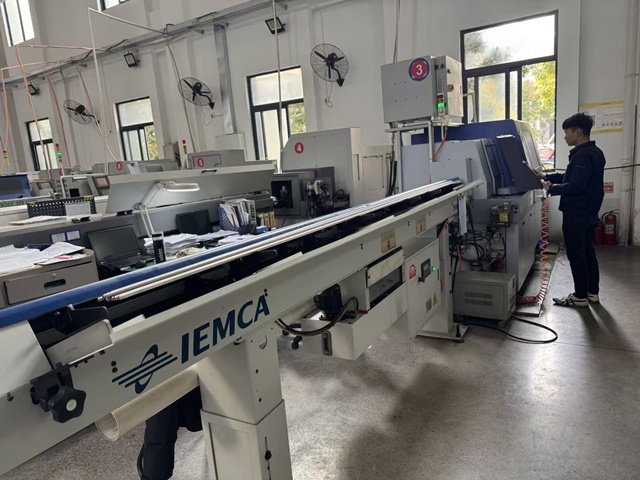
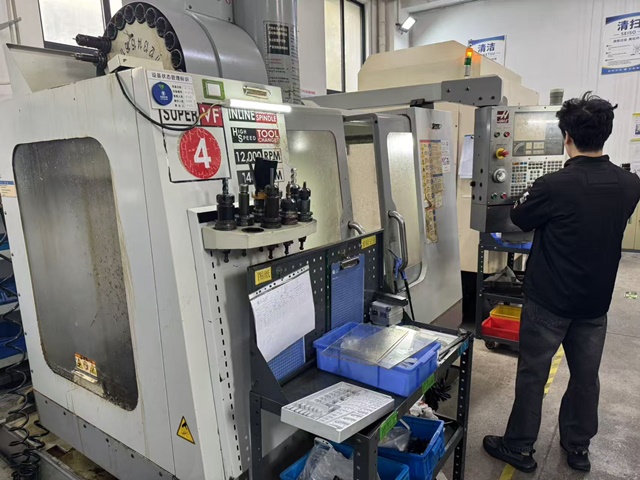
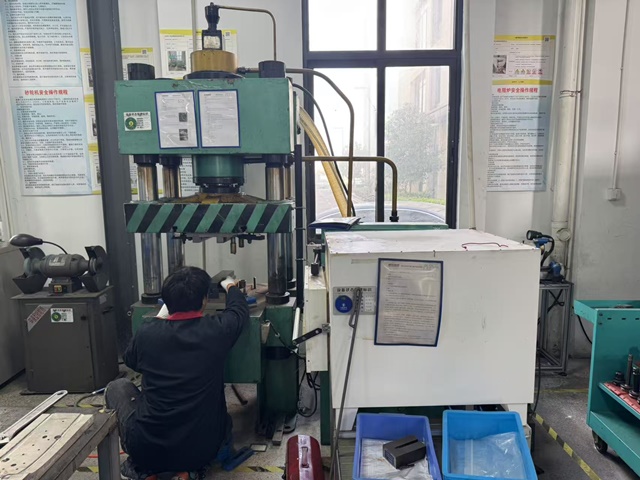
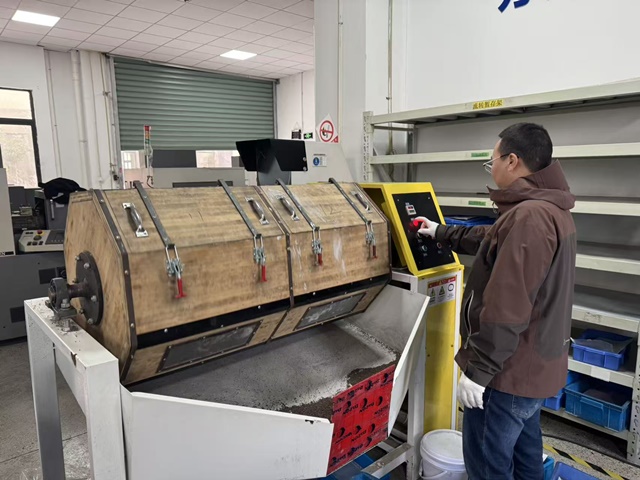
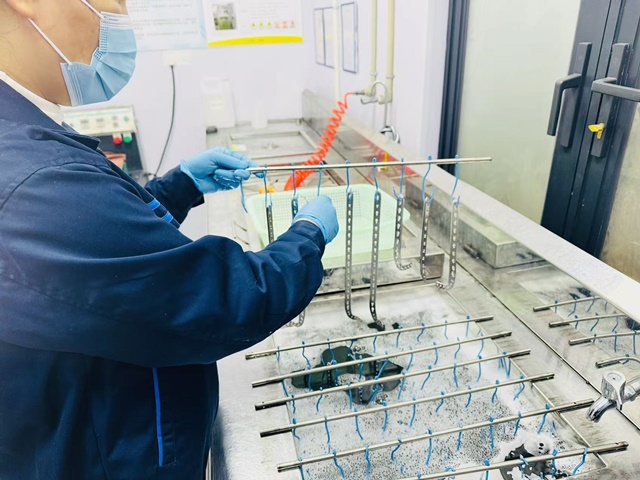
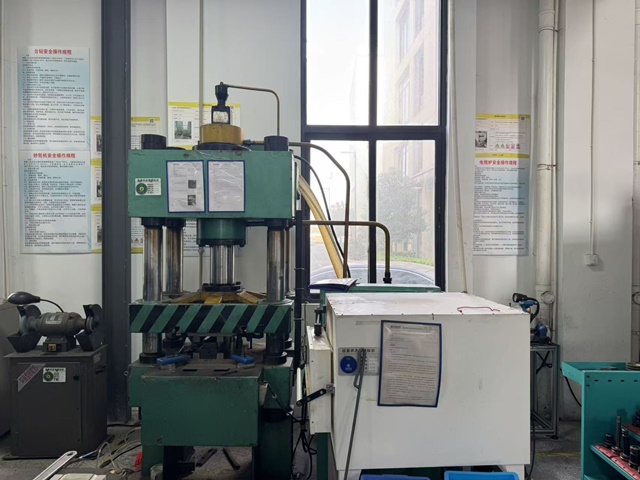
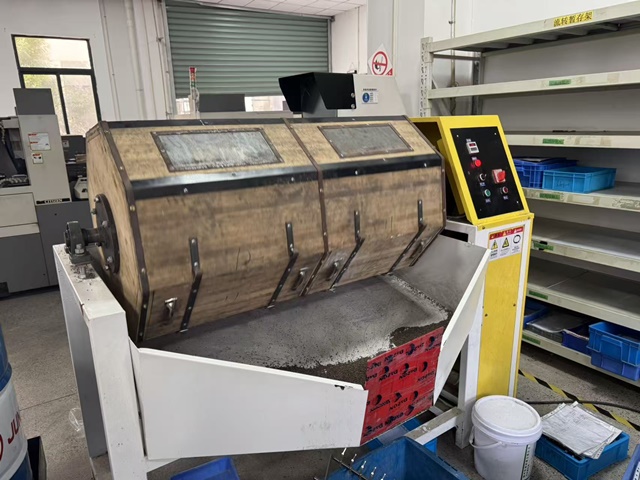
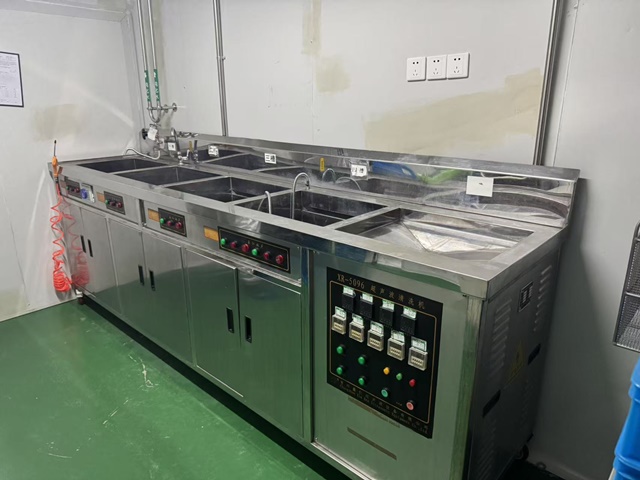
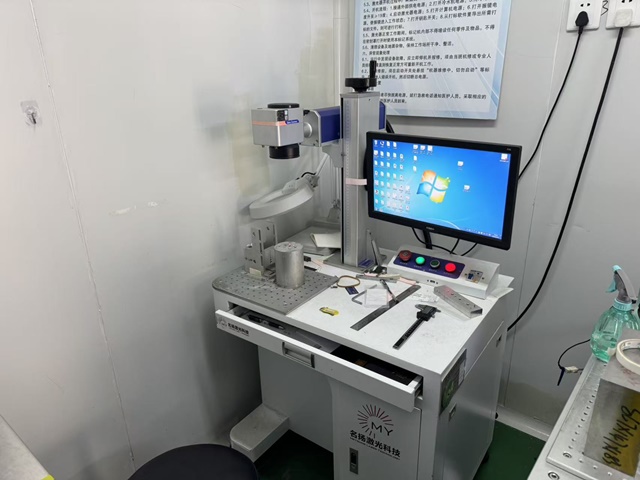
Explore our 18,500㎡ state-of-the-art facility featuring Swiss-type lathes, HAAS CNC machining, and automated cleaning systems.
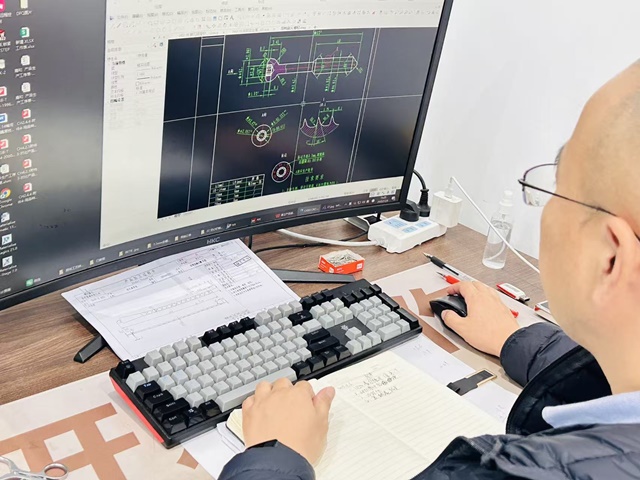
Operating a highly resilient orthopedic manufacturing model requires heavy capital investment in CNC machining, stamping, surface finishing, and quality control. At Osteora, our production line utilizes Swiss-type lathe systems and HAAS CNC machinery to keep manufacturing tolerances within single-digit micrometers. This strict adherence to precision is crucial for preventing anchor structural failure or suture shearing during arthroscopic placement.
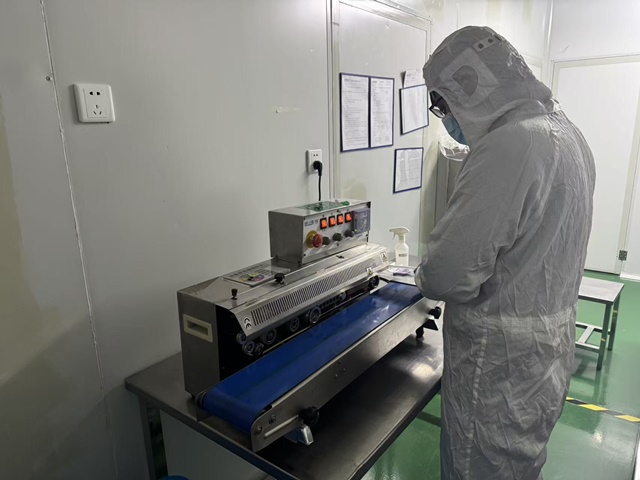
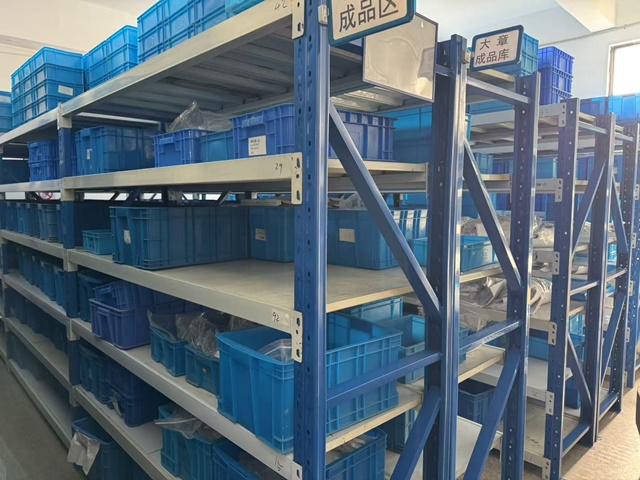
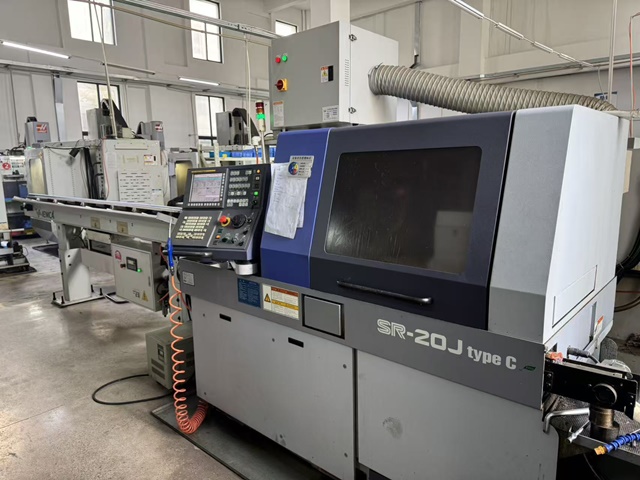
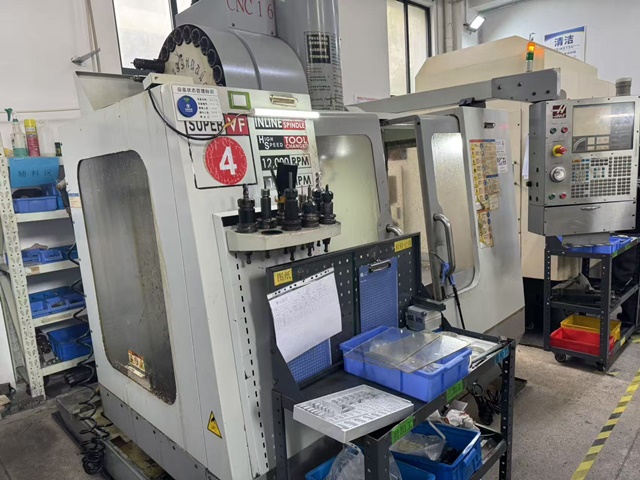
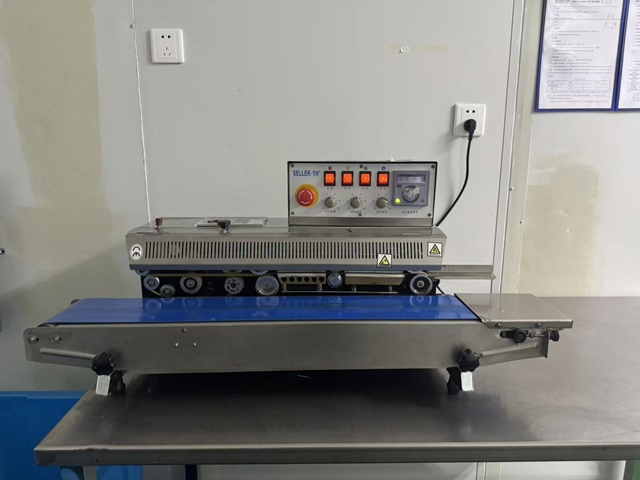
Automated seal-strength assurance under ISO Class 7 cleanroom conditions, protecting sterile barriers prior to distribution.
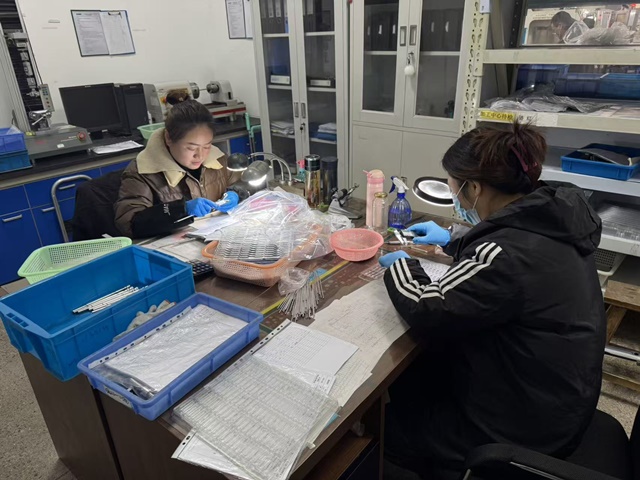
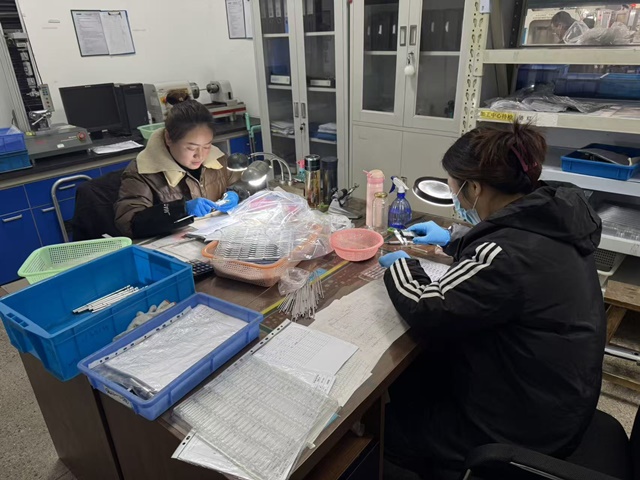
How our 42 specialized inspectors and mechanical testing labs validate chemical, physical, and biocompatibility criteria.
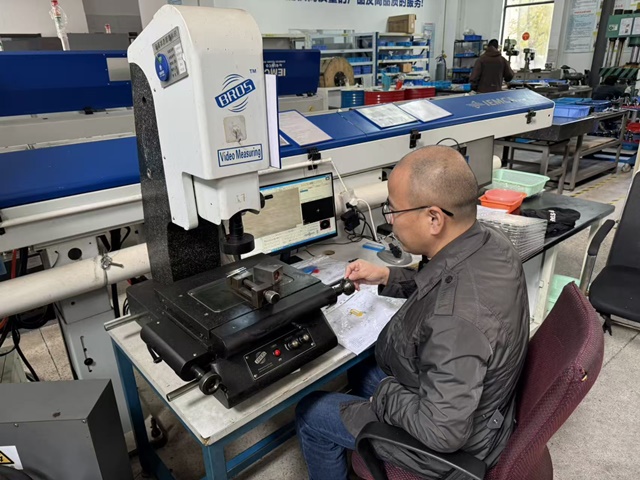
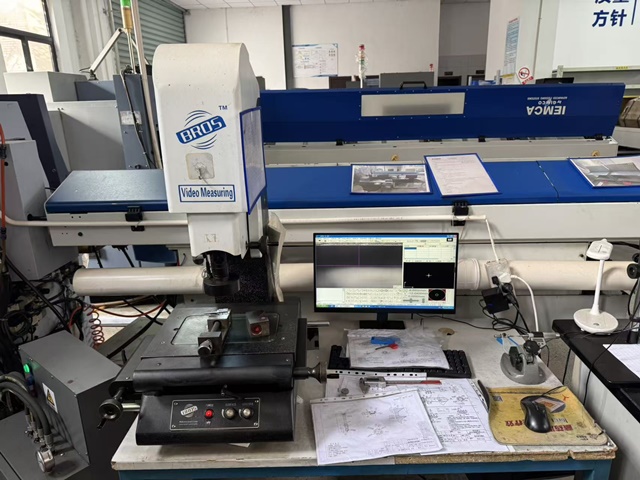
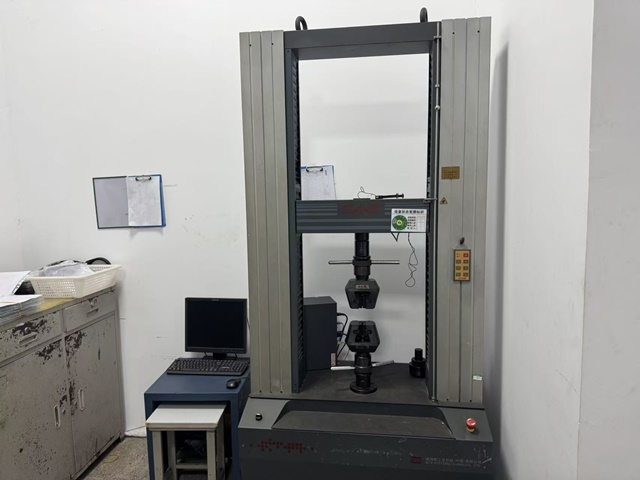
Under ISO 13485 requirements, every production batch of suture anchors must go through a comprehensive testing sequence. We evaluate chemical purity, mechanical fatigue, pull-out force limit, surface hardness, and dimensions. Osteora employs an in-house laboratory setup designed to support validation testing without relying on third-party facilities, accelerating our OEM production schedules.
Dimensional tracking using advanced optical systems (Vision Measuring Instruments) to verify thread profile and pitch matching.
Analyzing raw alloy profiles using a gas spectrometer to verify biocompatibility compliance with ASTM standards.
Dynamic pull-out forces and fatigue cycling simulated using multi-functional testing equipment to replicate physiological shoulder stress.
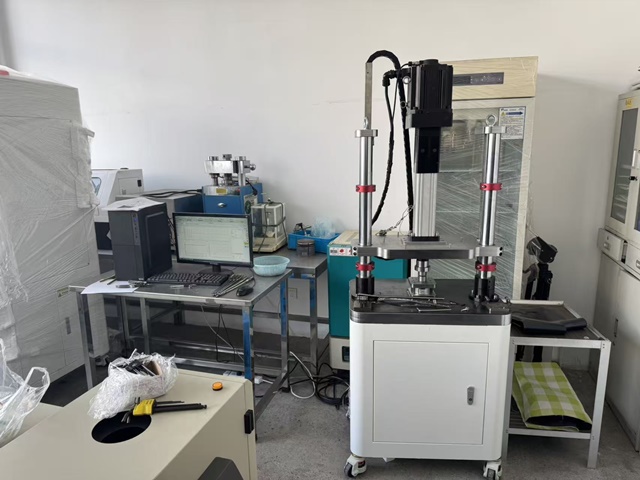
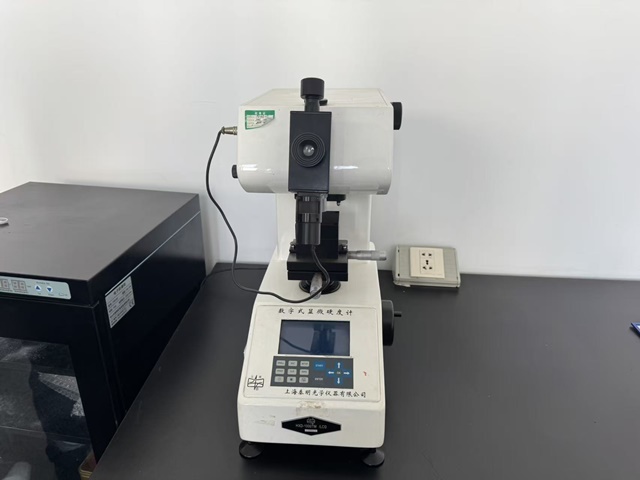
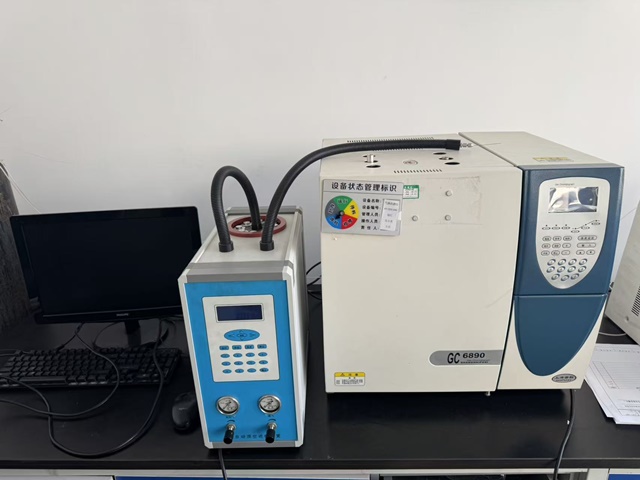
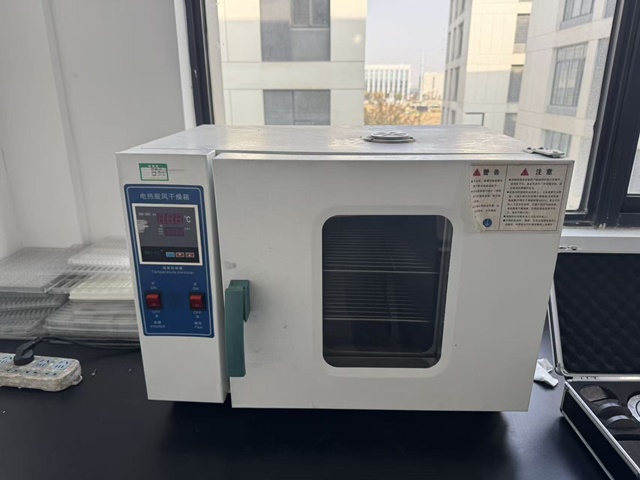
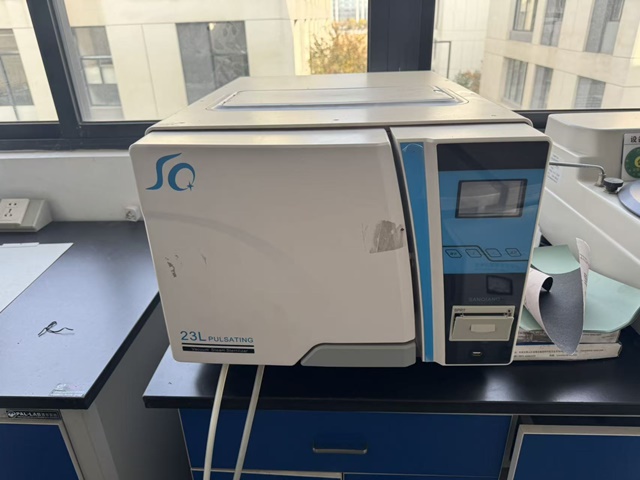
Understanding the clinical environment where our suture anchors and arthroscopic kits are deployed.
Rotator cuff repair methods range from single-row construct techniques to advanced double-row footprint reconstruction. Suture anchors are exposed to different biomechanical environments depending on the configuration:
Typically uses threaded suture anchors loaded with high-tensile, non-absorbable surgical sutures positioned at the lateral edge of the humeral head footprint. Simpler to perform arthroscopically, but requires anchors with high pull-out resistance to hold the entire load on a single plane.
Distributes the load across medial and lateral rows. Medial row anchors are placed deep in the joint space to optimize footprint reconstruction, while lateral knotless anchors secure the suture tails down. Ideal for larger, crescent-shaped, or U-shaped rotator cuff tears.
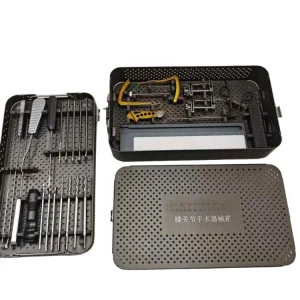
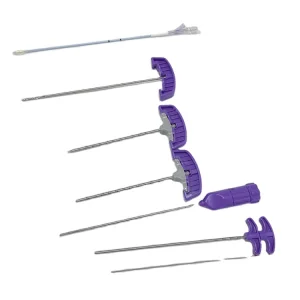
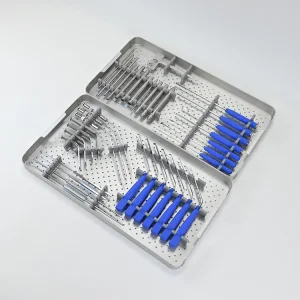
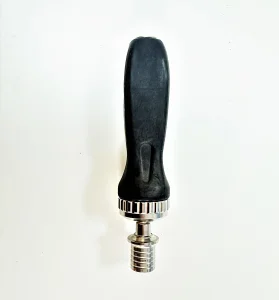
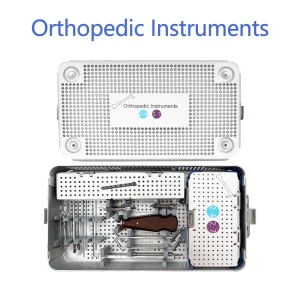
Regardless of the surgical technique, our suture anchors are engineered to pair with our specialty Orthopedic Knee and Shoulder Arthroscopy Kit Instruments, ensuring smooth insertion and tightening during fluid-controlled arthroscopic environments.
Key information concerning manufacturing certifications, raw material tracing, private labeling, and bulk lead times.
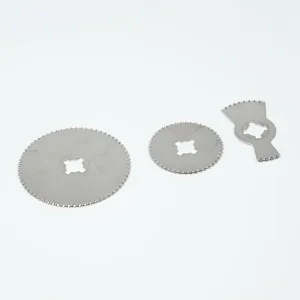
Expand your supply portfolio with our advanced trauma locking screws, pedicle systems, veterinary bone saws, and spinal instrumentation.
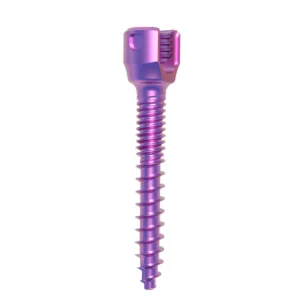
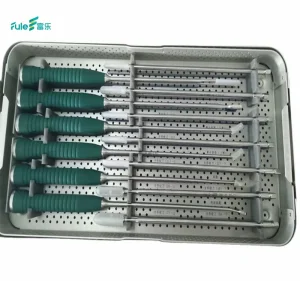
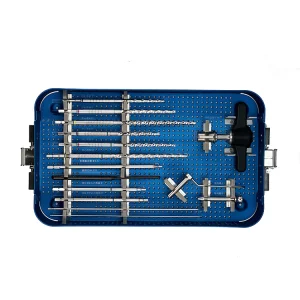
Contact the engineering and manufacturing team at Osteora Medical Devices Co., Ltd. for pricing details, raw material certifications, or to request custom prototypes.
Contact Our Technical Sales Team