Osteora
Osteora
Osteora
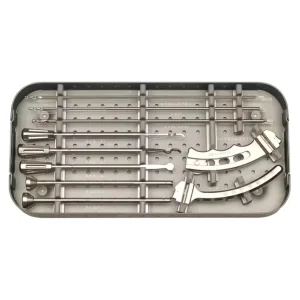
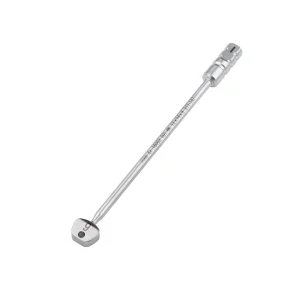
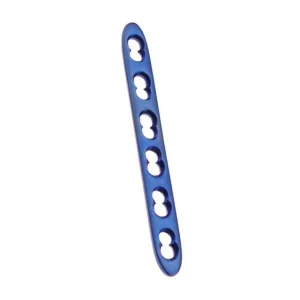
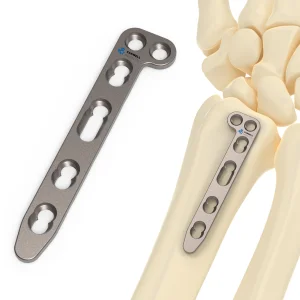
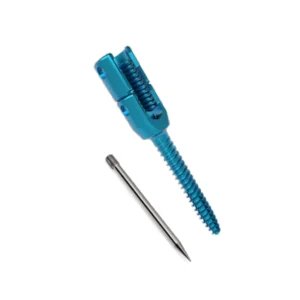
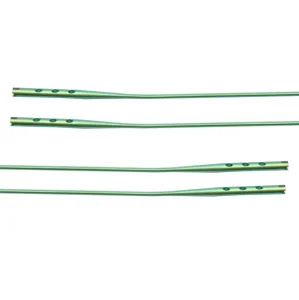
Explore our select orthopedic products, custom manufactured to deliver maximum clinical success and procedural precision.
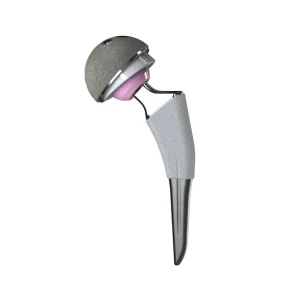
The global joint replacement market is experiencing a profound paradigm shift. Driven by an aging population, rising rates of osteoarthritis, and a growing demand for lifestyle preservation in younger patients, orthopedic surgeries—specifically Total Hip Arthroplasty (THA)—have reached unprecedented volumes. In this context, femoral stems constitute the mechanical foundation of long-term implant stabilization.
Historically, the global orthopedics supply chain was concentrated within localized Western markets. However, the rise of advanced precision engineering in China has reshaped the landscape. As leading exporters, Chinese medical device manufacturers now deliver clinical-grade implant systems that rival Western counterparts in biomechanical safety while optimizing the global healthcare cost curve. Through continuous investment in raw material refinement, automated CNC processes, and biocompatible surface modifications, Chinese manufacturers have transitioned from low-cost providers to innovation partners on the global stage.
Developing customized tapers, varying neck-shaft angles, and specific cementless structures designed to fit diverse patient anatomies across regions.
Utilizing Hydroxyapatite (HA) coating, plasma-sprayed titanium, and advanced porous structures to accelerate osseointegration and limit aseptic loosening.
Leveraging ultra-tough titanium alloys (Ti6Al4V) and Cobalt-Chromium-Molybdenum (CoCrMo) to achieve superior mechanical fatigue resistance.
Osteora Medical Devices Co., Ltd. is a professional orthopedic implant and surgical solution manufacturer specializing in trauma, spine, and joint reconstruction systems under the brand Osteora. Founded in 2016, the company has developed a strong reputation in the global orthopedic industry through continuous innovation and strict quality control standards.
Operating from an expansive, modern facility covering approximately 18,500㎡, Osteora has integrated production, assembly, and testing lines that achieve absolute consistency. With over 8 years of export experience and 12 years of industry expertise, Osteora is not merely a supplier but a collaborative global partner, supporting medical distributors, hospitals, and surgical centers in Europe, Southeast Asia, the Middle East, and South America.
Understanding the clinical indication and design differences of femoral components is critical for global distributors. Joint reconstruction relies heavily on two primary design philosophies: Cemented and Cementless. Here is an overview of the key performance factors:
| Design Parameter | Cementless Femoral Stems (Press-Fit) | Cemented Femoral Stems |
|---|---|---|
| Fixation Principle | Biological fixation via bone ingrowth/ongrowth into porous or HA-coated surfaces. | Mechanical interlocking achieved using polymethyl methacrylate (PMMA) bone cement. |
| Primary Indication | Patients with good bone quality, high activity levels, and normal anatomy. | Elderly patients, osteoporotic bone, or revisions with compromised medullary canals. |
| Materials | Typically Titanium Alloy (Ti6Al4V) for matching bone elasticity (reducing stress shielding). | Typically Cobalt-Chromium-Molybdenum (CoCrMo) or High-Strength Stainless Steel. |
| Surface Coating | Hydroxyapatite (HA), porous titanium plasma spray, or dual coating. | Highly polished mirror finish to prevent cement abrasion and debris generation. |
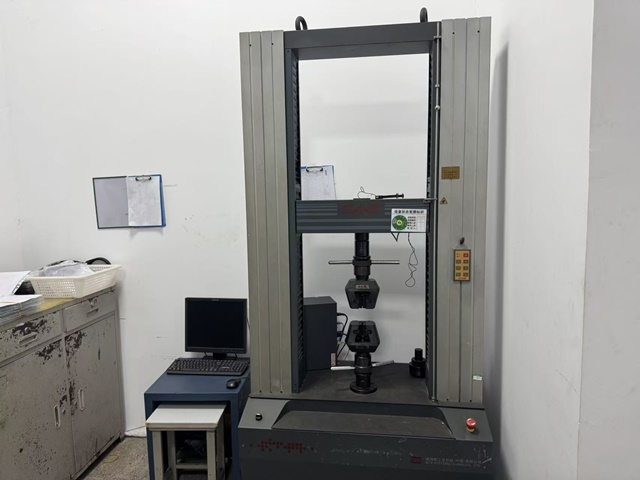
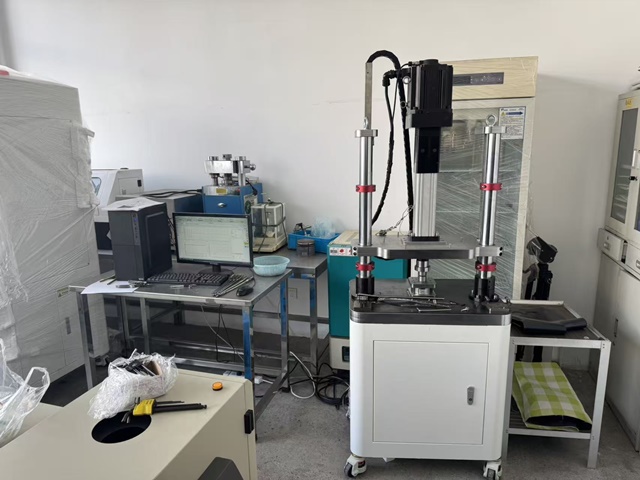
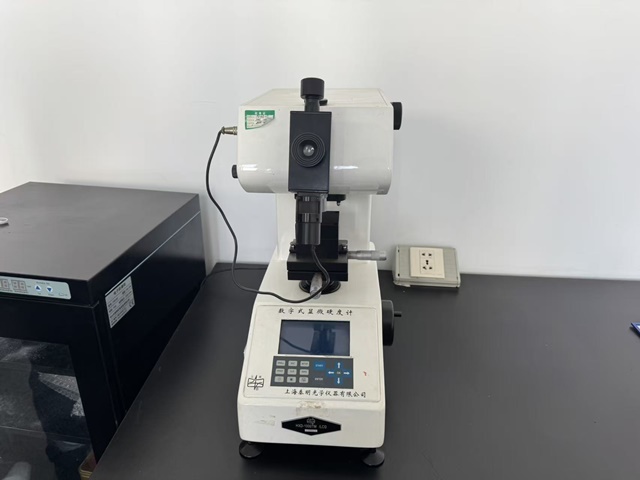
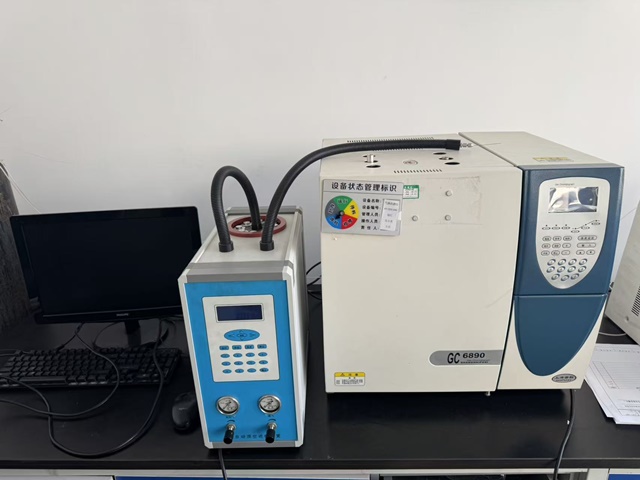
Osteora maintains strict manufacturing standards, utilizing high-precision machinery and validation tools to achieve medical-grade outputs. Every step of our workflow is mapped out to guarantee absolute traceability.
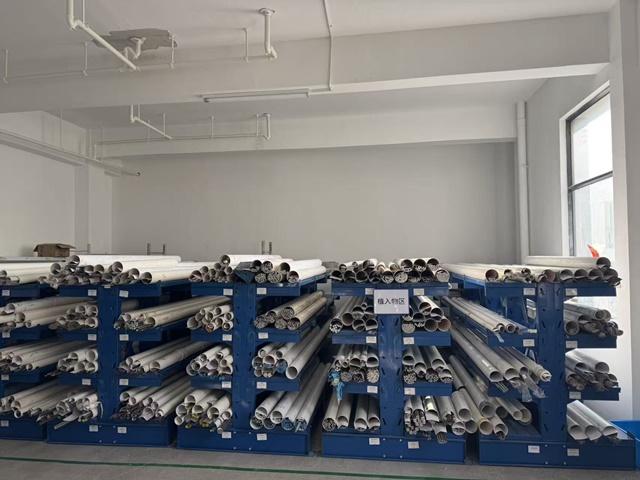
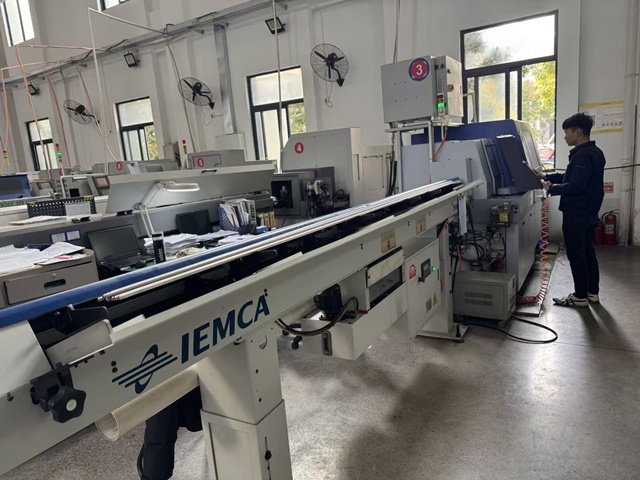
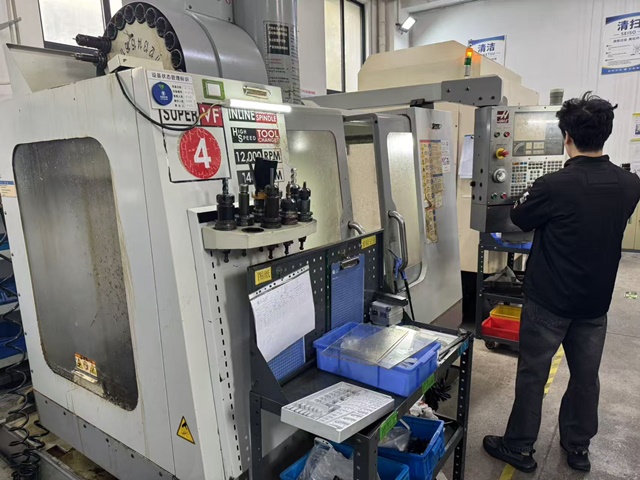
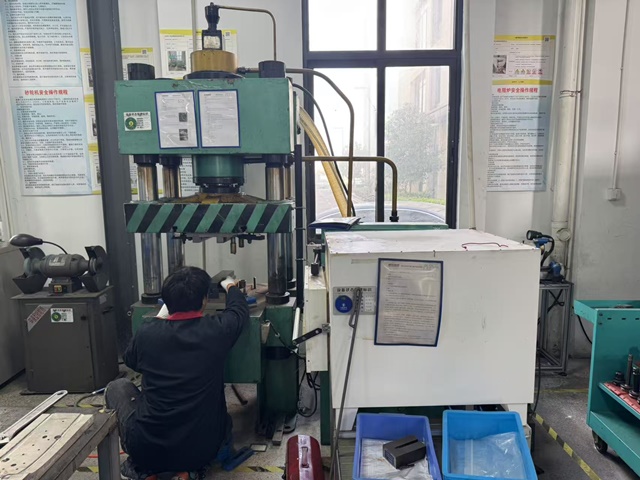
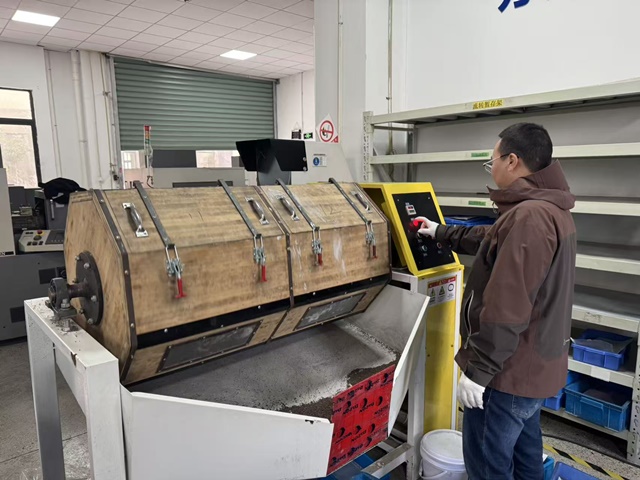
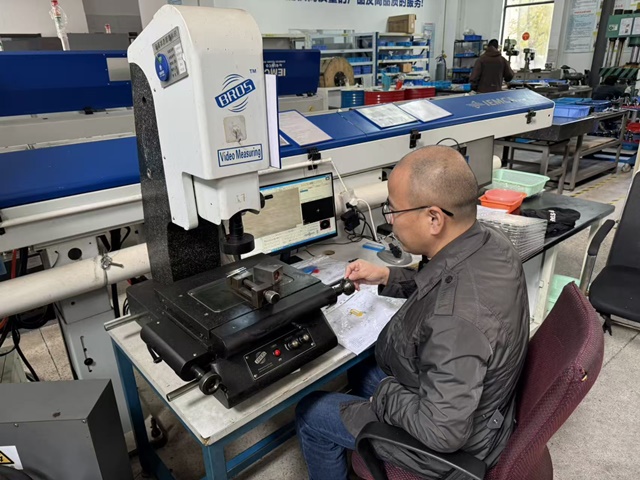
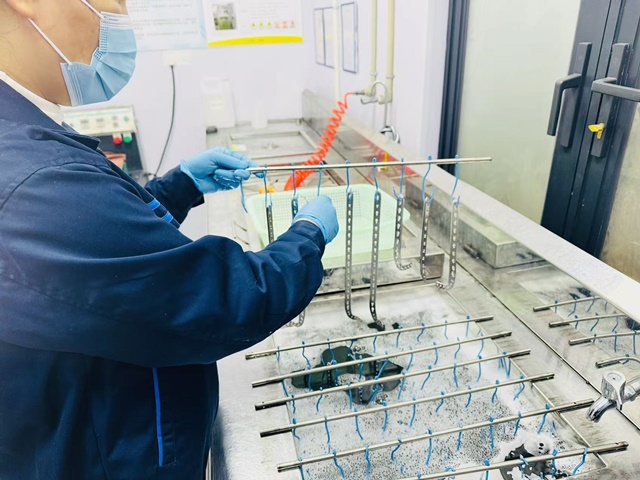
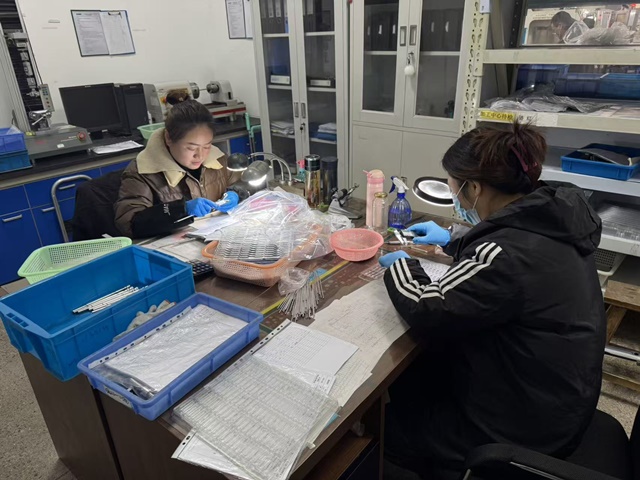
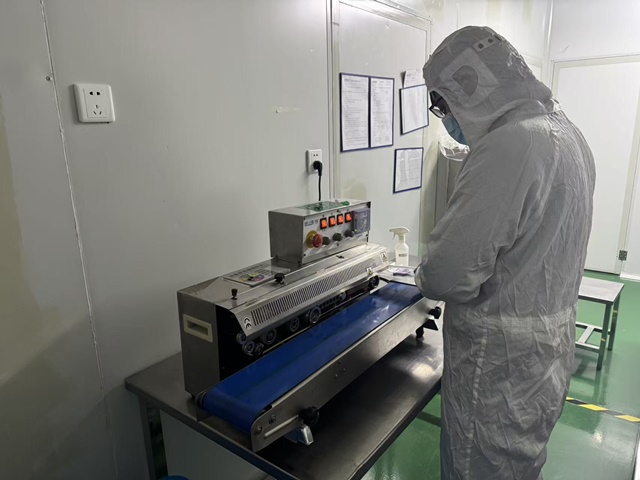
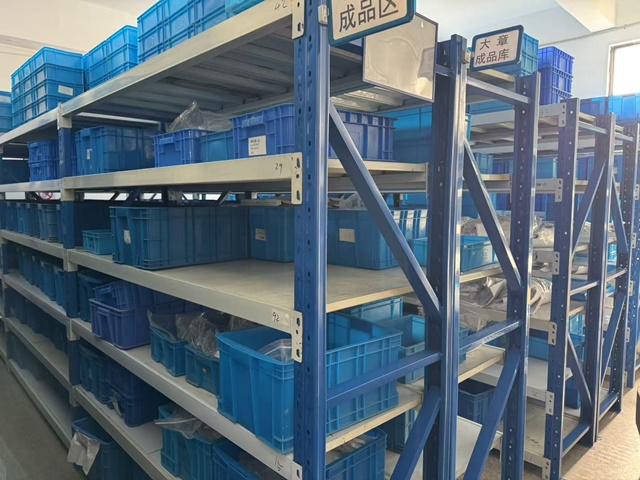
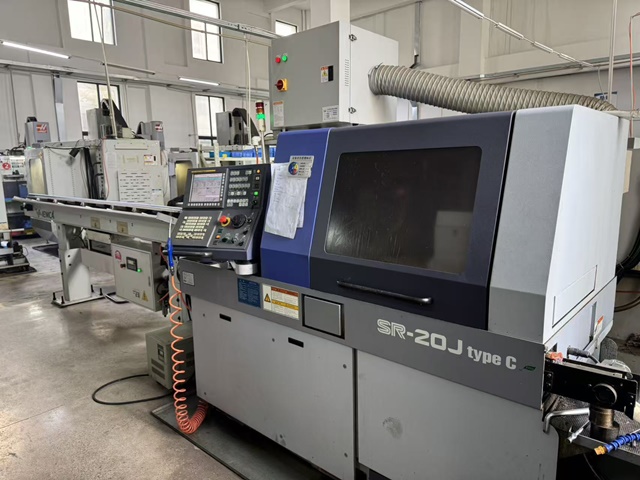
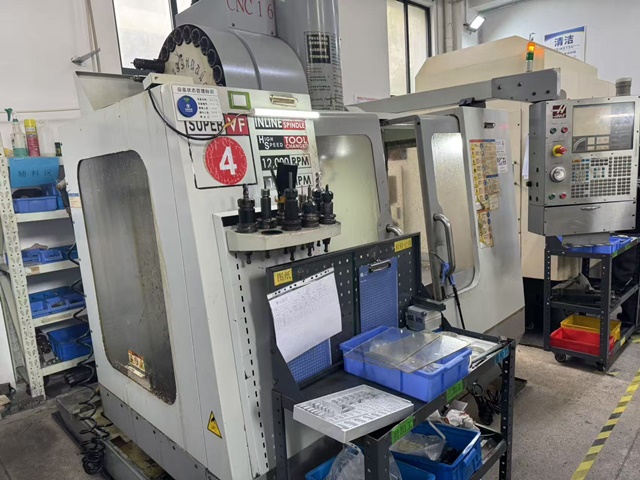
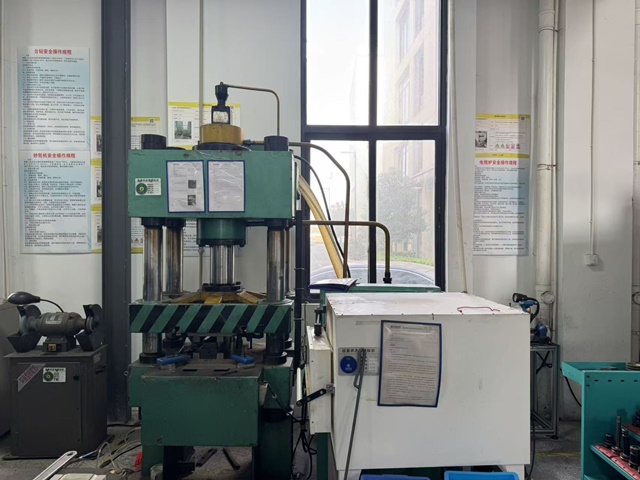
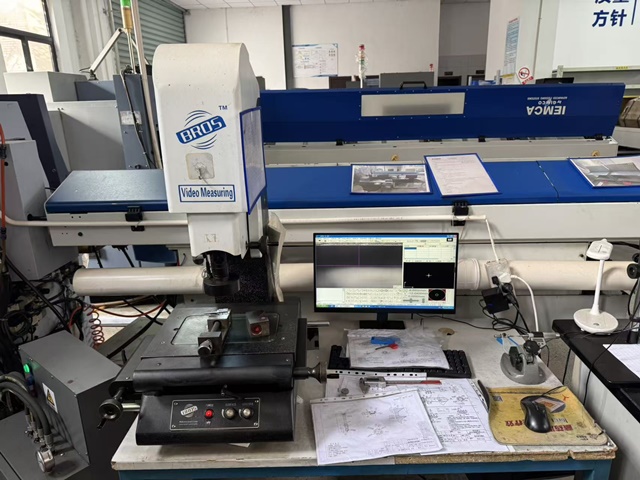
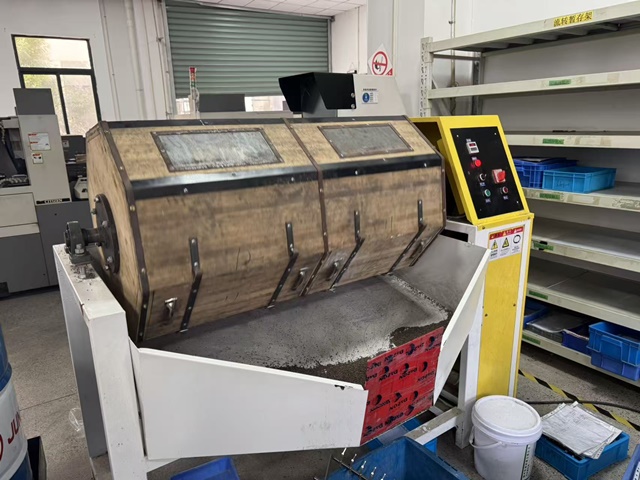
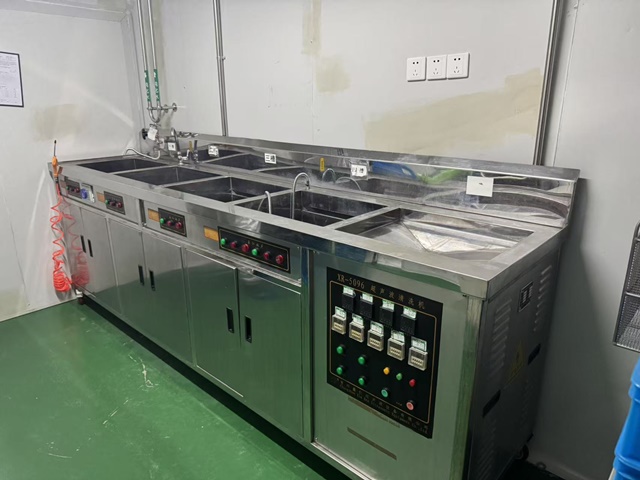
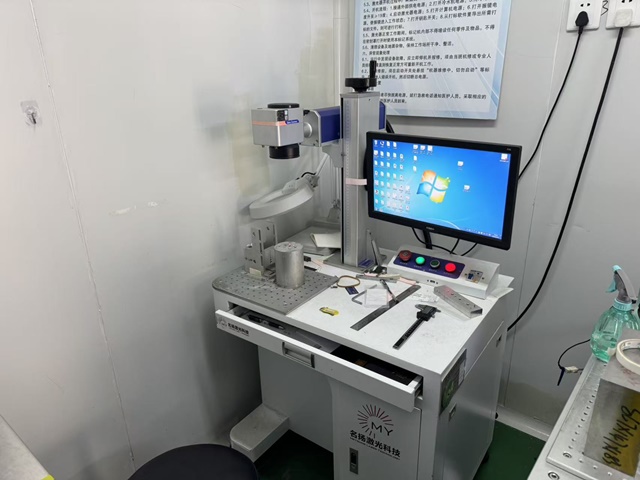
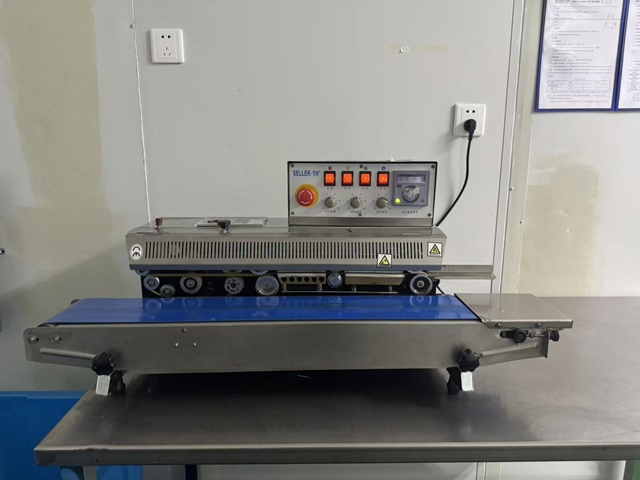
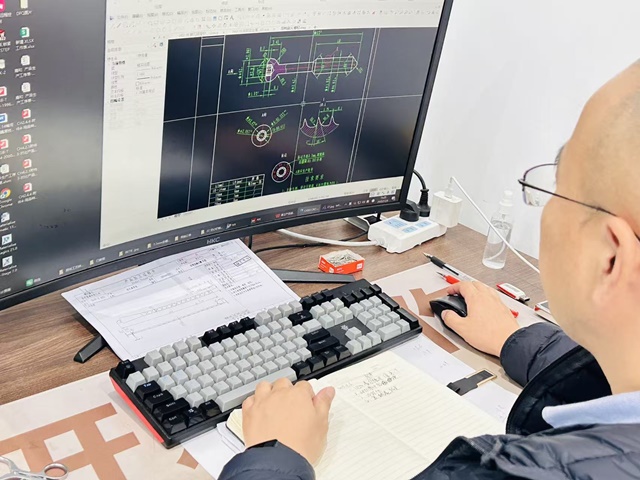
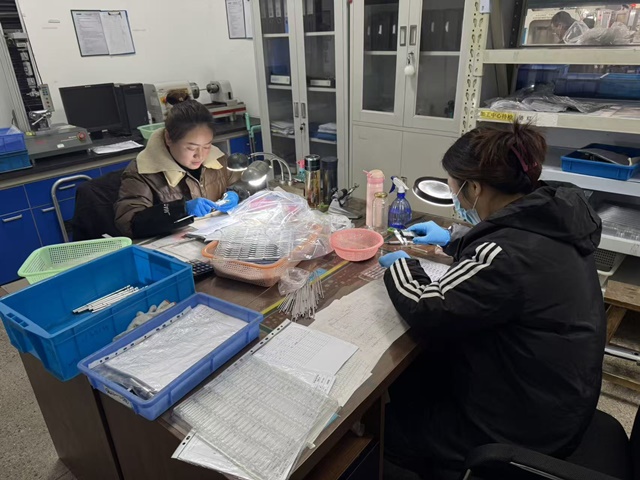
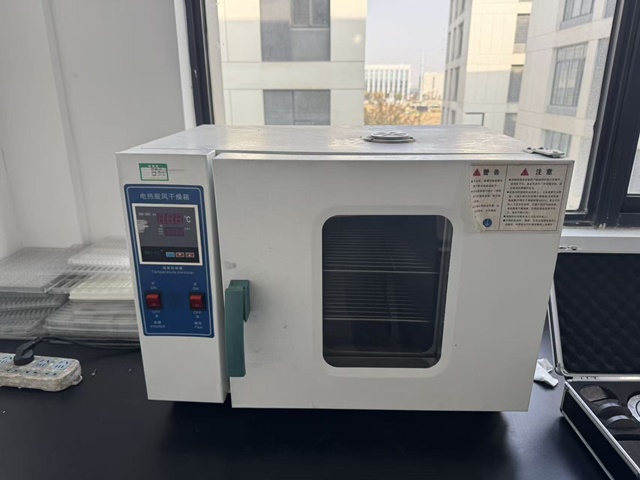
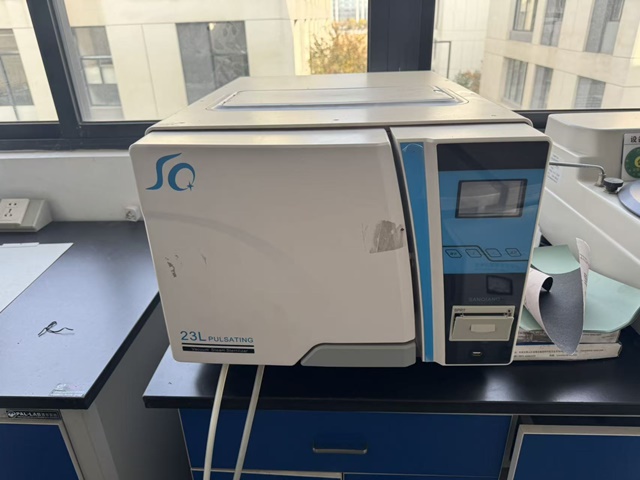
The clinical viability of implantable medical products is determined entirely by safety. Osteora understands that medical joint replacements require zero defect margins. Our comprehensive quality assurance network is structured to address international regulatory criteria and guarantee patient safety.
Our entire production process operates within the bounds of a validated ISO 13485 medical device quality management system, aligning manufacturing and documentation with international regulations.
A specialized team of 42 QA/QC technicians manages raw materials, in-process checking, and final random sampling to ensure no implant leaves our facility without full clearance.
Our testing facility utilizes Vickers Hardness Testers, Gas Spectrometers for material purity, and Multifunctional Mechanical Testing Machines to confirm structural fatigue limits.
With approximately 1,200 certified partners integrated into our supply chain, Osteora guarantees consistent access to medical-grade titanium (ASTM F136) and cobalt-chrome alloys, securing production capabilities during global logistics fluctuations.
Orthopedic demands vary across regions. In Europe and North America, there is strong demand for anatomical, tissue-sparing short stems. In developing economies, high stability, standard-length cementless stems that suit broader demographics are highly sought after.
Osteora’s platform accommodates these demands with adaptive manufacturing options:
For brands seeking unique geometries or private labeling, our 85 R&D engineers can modify neck angles, stem lengths, and distal shapes based on mechanical test data.
Reflecting the rise of companion animal orthopedic care, we manufacture specialized veterinary cementless stems with micro-porous HA coatings suitable for canine hip dysplasia replacements.
We provide complete material documentation, clinical case validations, and regulatory packages to support distributors submitting bids for public hospital tenders.
To maintain a competitive edge, Osteora regularly updates its product portfolio, launching approximately 120 new products over the last year. Our technical roadmap focuses on three primary developments:
Using electron beam melting (EBM) and selective laser melting (SLM) to create a porous structure that mimics the elastic modulus of cancellous bone, significantly reducing stress shielding.
Researching antimicrobial coatings and bone morphogenetic protein (BMP) integration to enhance early-stage osseointegration and reduce post-operative infection rates.
Optimizing short femoral stem designs to facilitate Anterior Minimally Invasive Surgery (AMIS) approaches, preserving muscle attachments and hastening patient recovery.
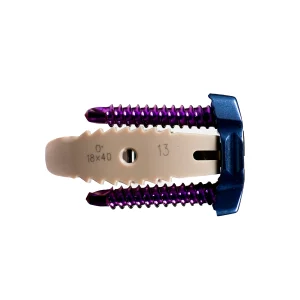
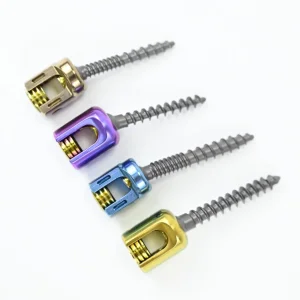
Explore our complementary systems, including trauma plates, spinal implants, and compression instruments designed for surgical precision.