 Osteora
Osteora
Osteora
Explore our top-tier collection of orthopedic instruments, locking systems, and bone fixation solutions manufactured under surgical-grade quality control.
Understanding the biomechanics of modern locking plate systems and their clinical superiority in global orthopedic trauma surgeries.
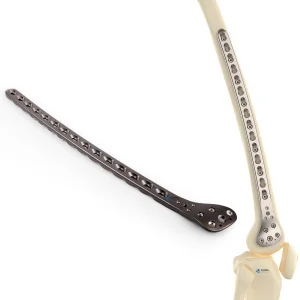
Modern internal fixation techniques rely on stable, anatomy-conforming configurations that support early mobilization while protecting vascularity near the fracture site. Traditional non-locking plates depend entirely on friction between the plate and the bone cortex, which can lead to localized ischemia and bone resorption. In contrast, orthopedic locking plates create a rigid, stable construction by securing the screw head threaded into the plate body. This reduces plate-to-bone contact, preserving periosteal microcirculation.
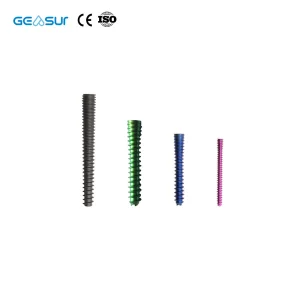
Additionally, locking screws resist shear forces that cause conventional screws to loosen, especially in osteoporotic bone. The dynamic interplay between fixed-angle locking screws and anatomical plating configurations allows surgeons to address complex multi-fragmentary articular fractures with confidence.
By combining locking holes with compression options (such as Combi holes), our medical devices provide versatile solutions for trauma surgeons. These design enhancements lower failure rates in highly comminuted fractures and non-unions, helping to reduce patient recovery times.
Osteora's engineering team collaborates with clinical researchers to design anatomically shaped plates that match patient contours, minimizing the need for manual contouring during surgery.
A leading OEM/ODM manufacturer specializing in high-performance trauma, spinal, and joint reconstruction implants.
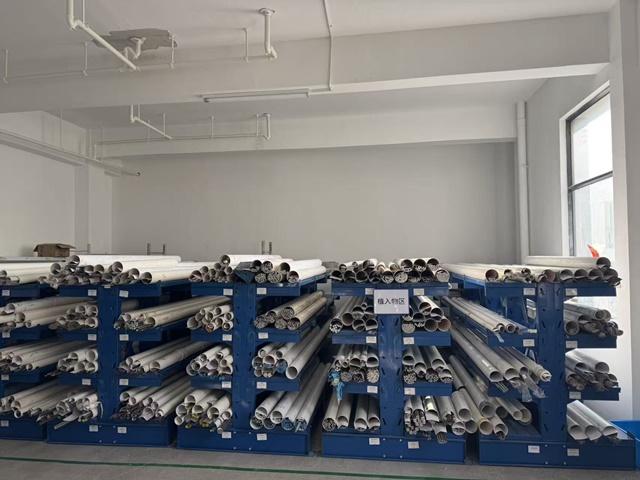
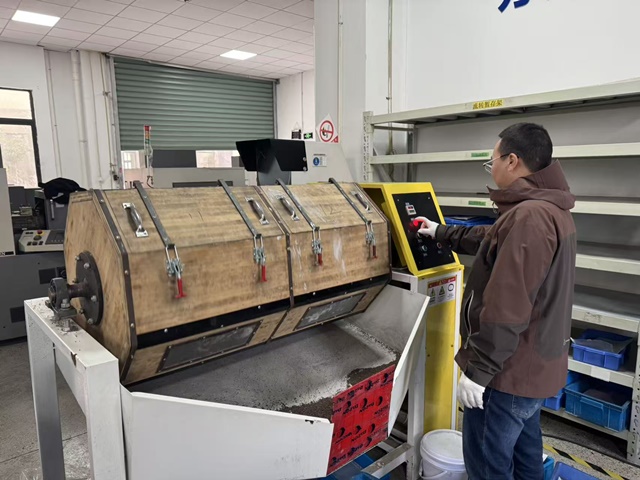
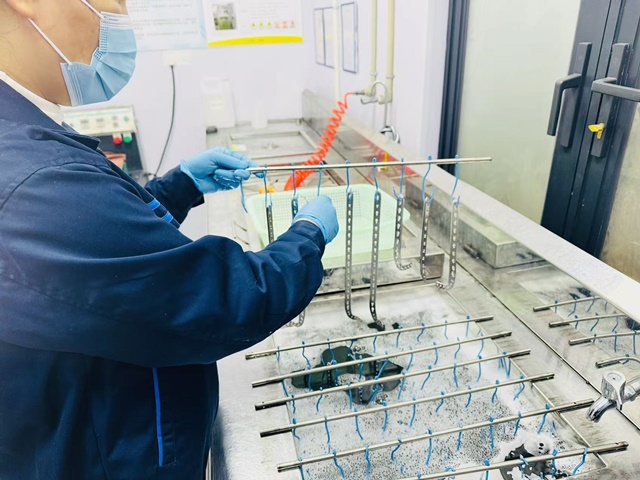
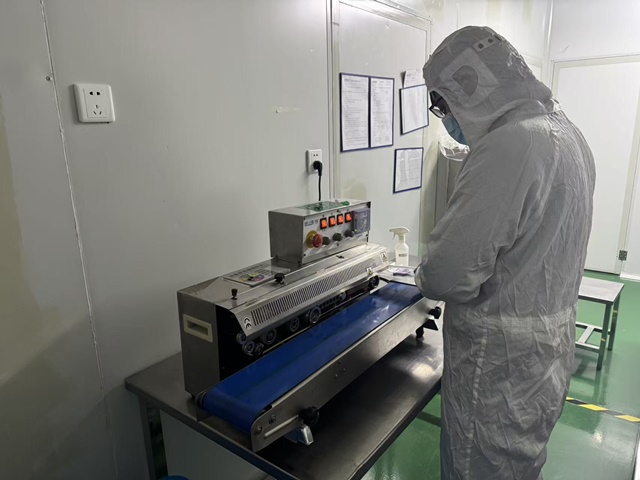
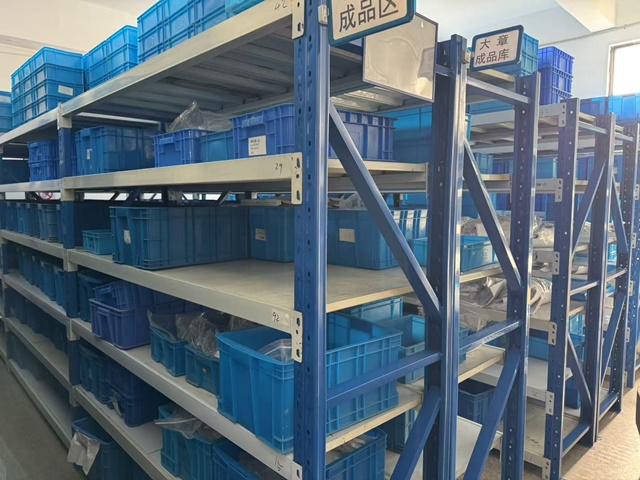
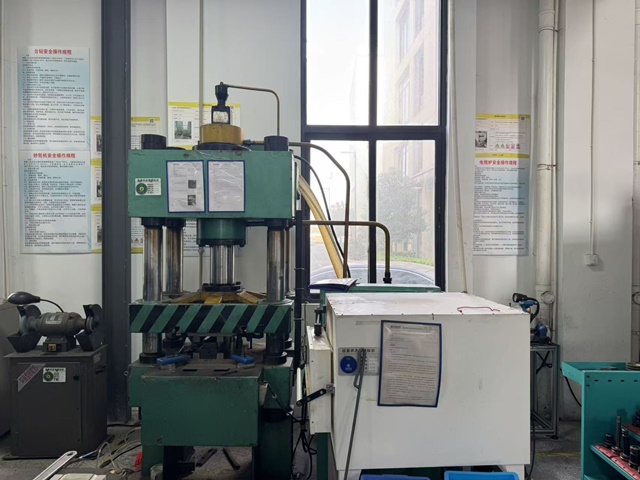
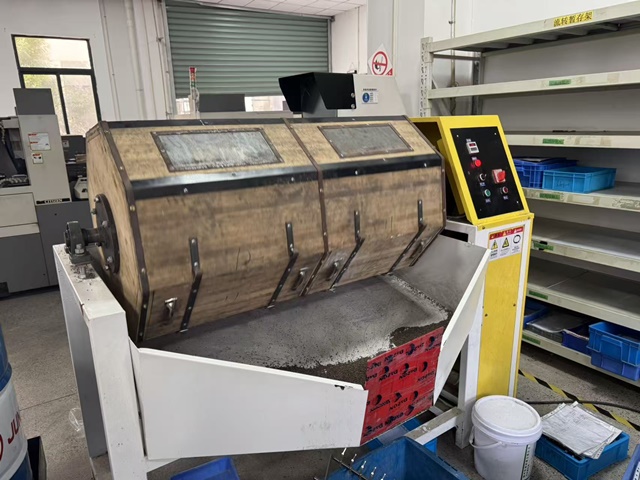
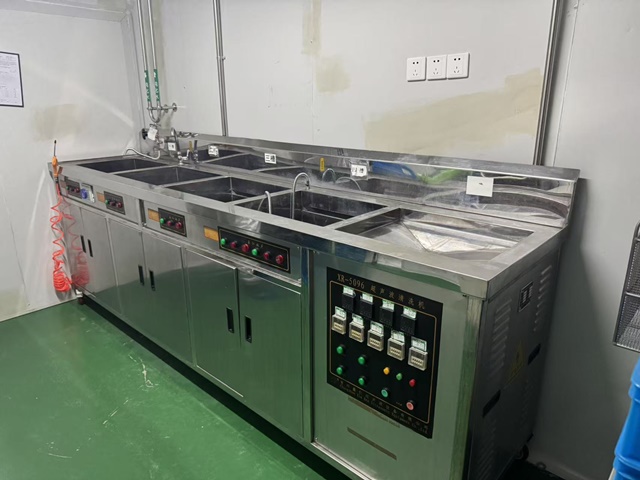
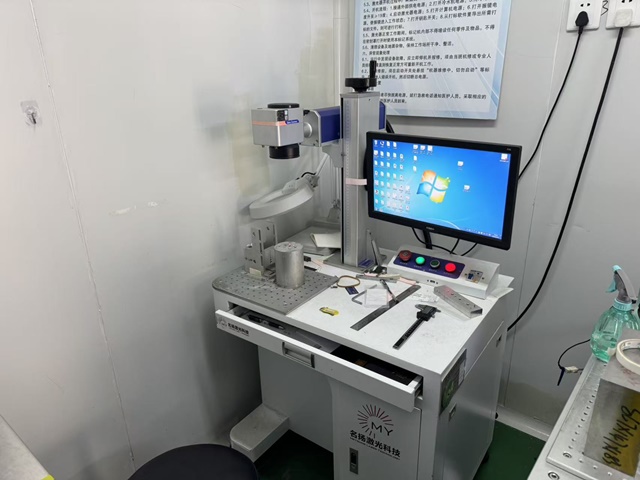
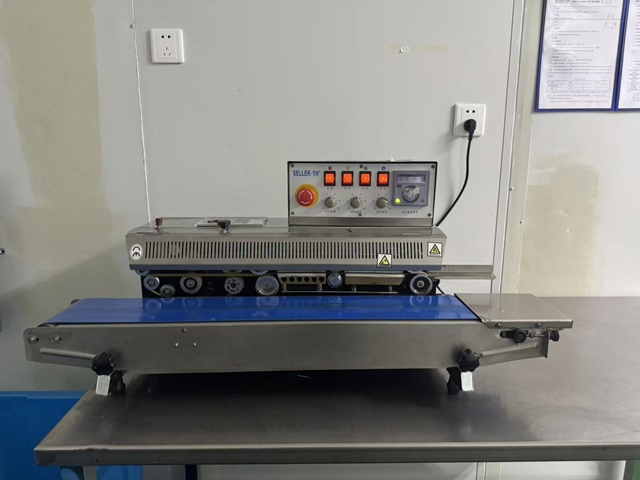
Founded in 2016, Osteora Medical Devices Co., Ltd. has established a strong reputation in the global orthopedic industry through continuous innovation and strict quality control standards. Under our flagship brand Osteora, we operate a state-of-the-art facility covering approximately 18,500㎡. This facility supports fully integrated raw material processing, precision machining, finishing, cleaning, and cleanroom packaging.
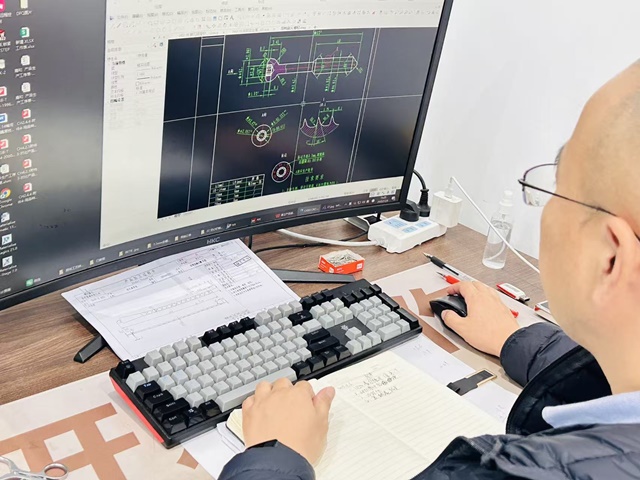
Our engineering team designs and refines our trauma and spinal implants. In the past year alone, Osteora launched approximately 120 new products, updating our catalog to meet the needs of modern orthopedic surgery.
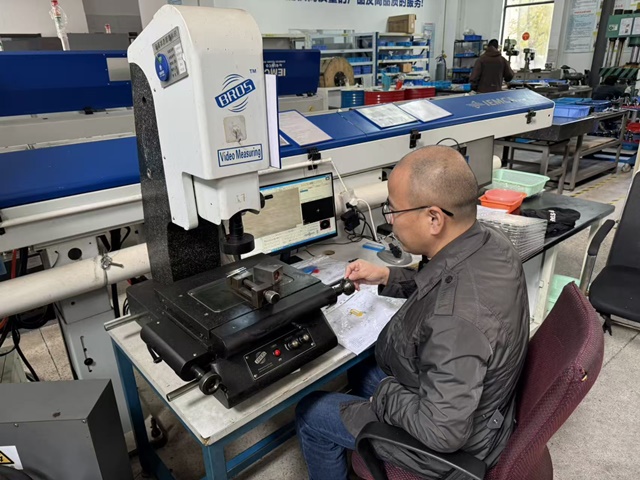
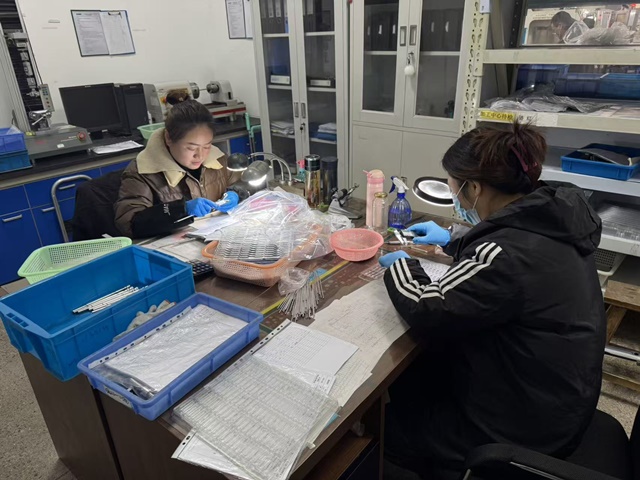
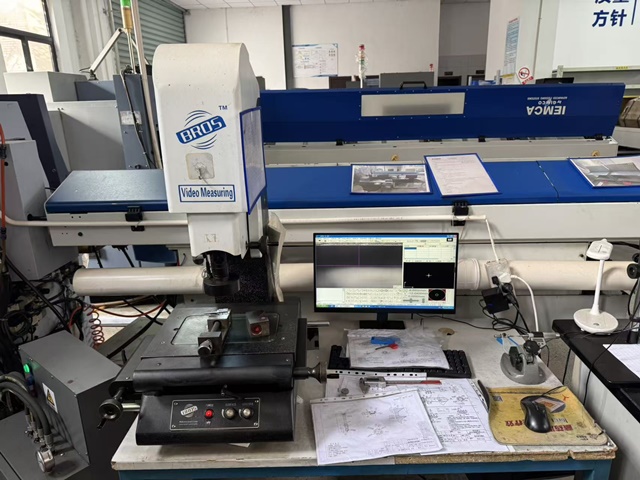
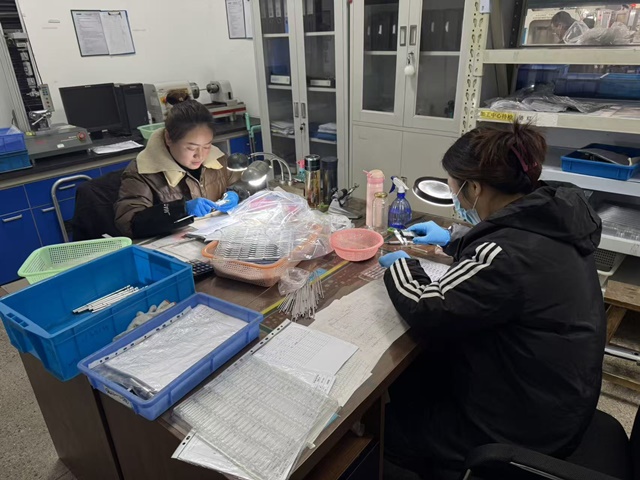
We operate under a comprehensive quality management system that complies with ISO 13485, employing 42 specialized inspectors. This team monitors every stage of production, from raw material verification to final mechanical and dimensional testing.
Our sales and support network serves distributors, hospitals, and surgical clinics across Europe, Southeast Asia, the Middle East, and South America. We maintain a reliable supply chain supported by approximately 1,200 certified partners.
Customized clinical solutions designed to meet specific surgical challenges in diverse medical settings.
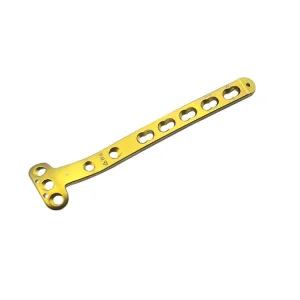
In regions where high-impact traffic or industrial incidents are common, orthopedic centers often manage complex, comminuted distal tibia fractures. Our medial tibia proximal locking compression plates offer low-profile profiles and anatomical contours that match the medial tibia surface. This design helps minimize soft tissue irritation, reduce complications, and promote early joint movement.
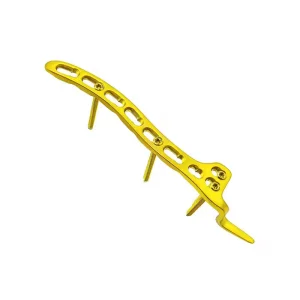
Surgical units managing aging populations handle high rates of osteoporotic femoral neck and trochanteric fractures. The 3.5mm proximal femoral serpentine locking plate is engineered to provide fixed-angle stability in the femoral head and neck, helping prevent secondary varus collapse and screw migration. This helps older patients return to weight-bearing activities sooner.
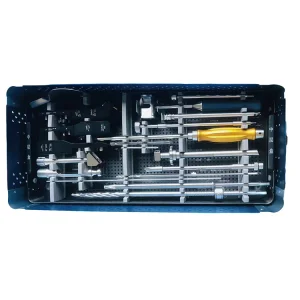
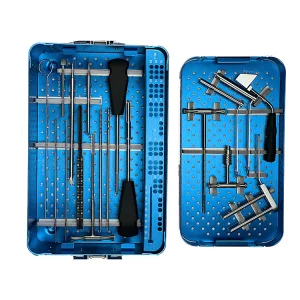
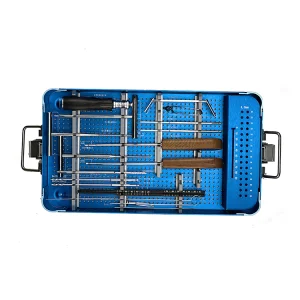
For specialized spinal units treating pediatric and adult spinal deformities, we supply instrument sleeves, spinal kits, and titanium alloy rods. These components offer the torsional rigidity and fatigue strength required to safely manage scoliosis correction surgeries.
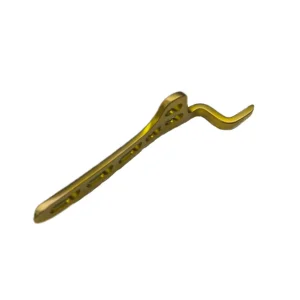
Our surgical titanium clavicle hook plates are designed for acromioclavicular joint dislocations and distal clavicle fractures. They provide stable support that accommodates the normal kinematics of the shoulder girdle, helping to minimize postoperative pain and dysfunction.
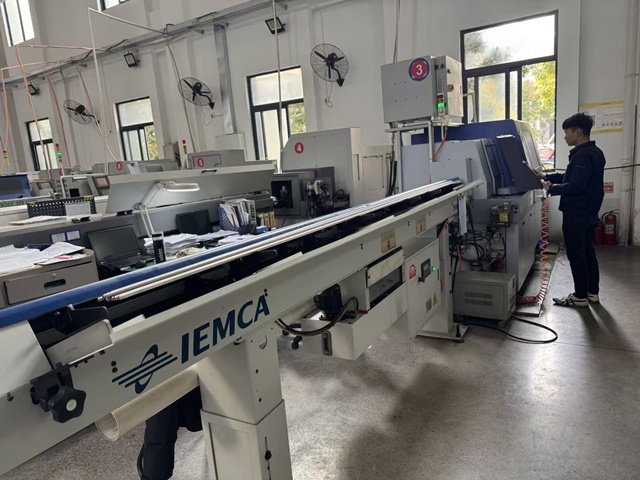
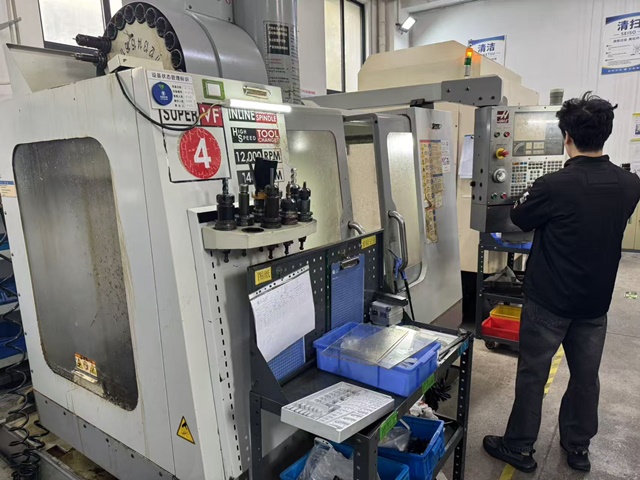
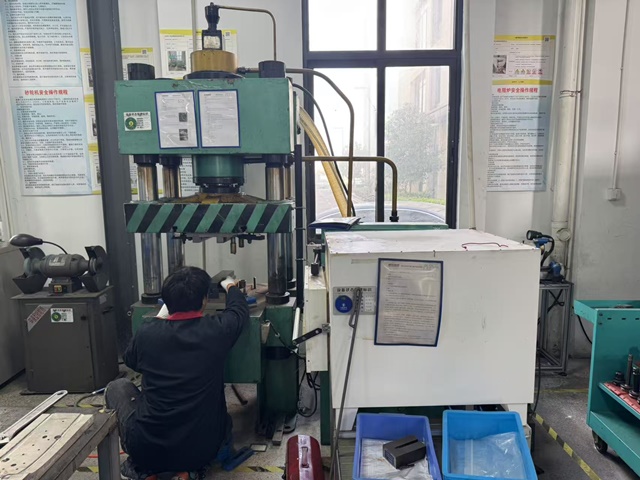
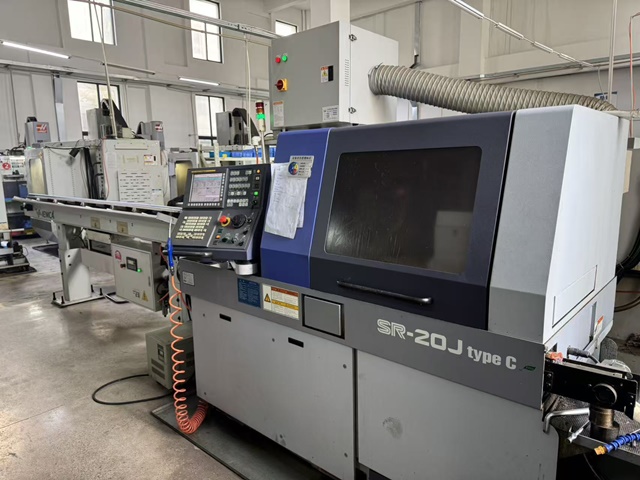
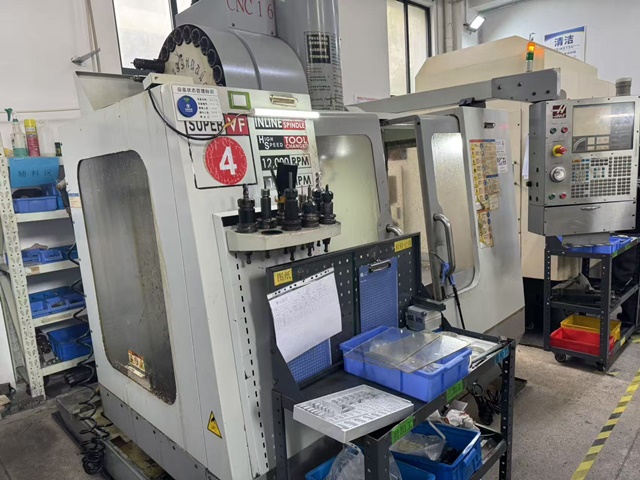
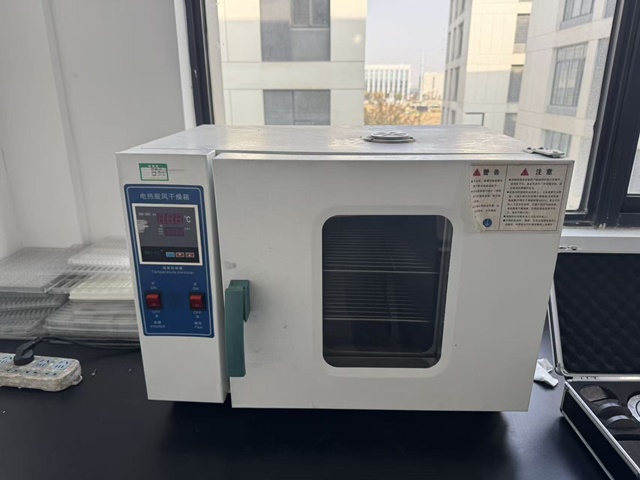
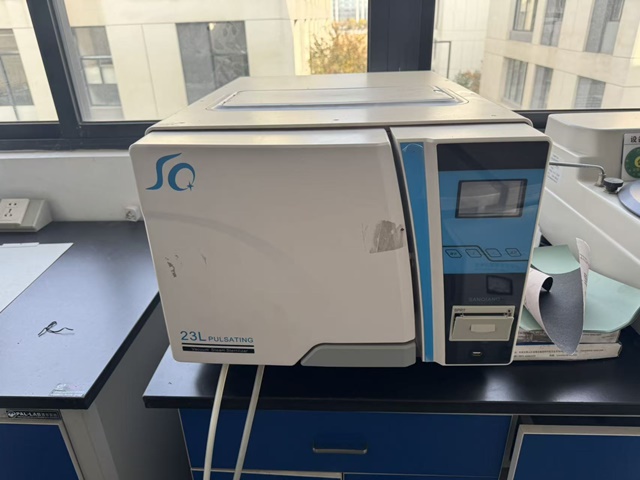
Take a look inside Osteora's 18,500㎡ facility, showing the production stages from raw material sourcing to cleanroom packaging and mechanical verification.
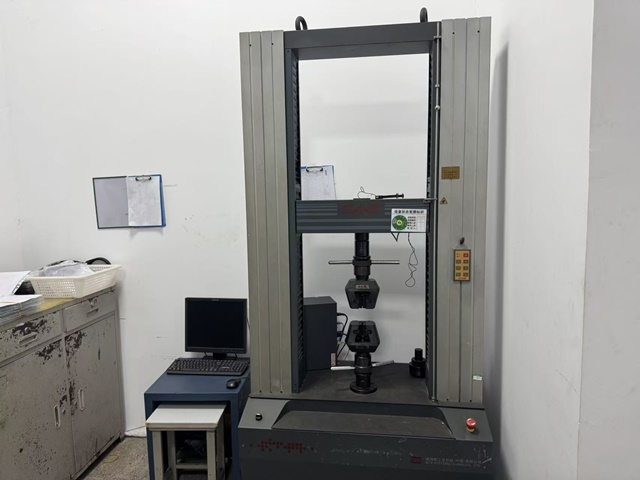
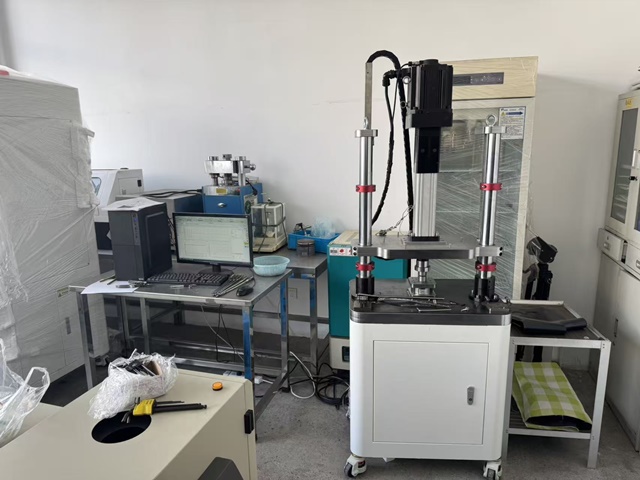
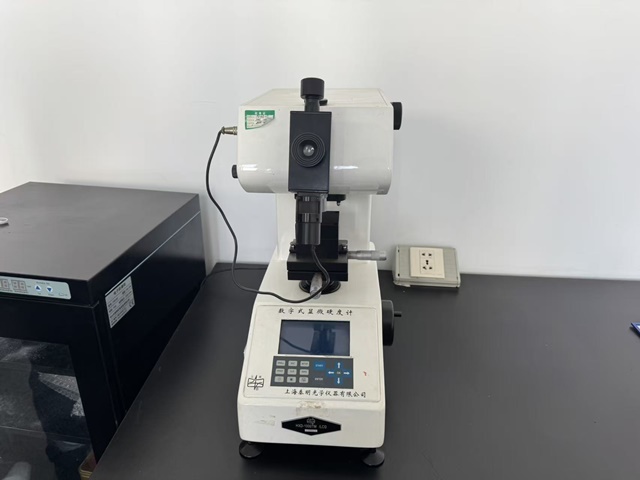
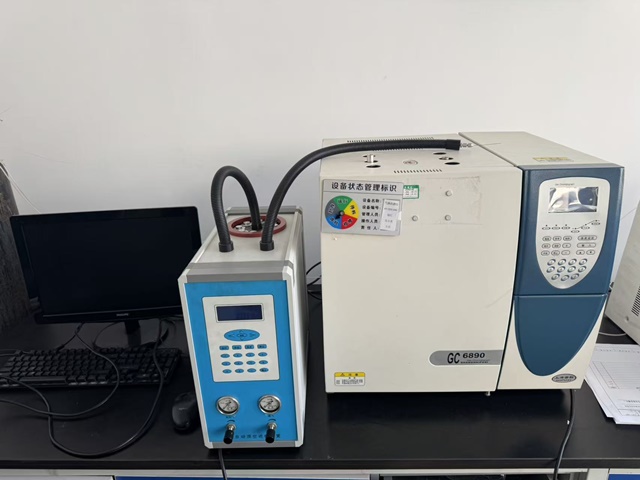
Our ongoing research focuses on improving biocompatibility, mechanical durability, and user convenience in internal fixation devices.
We are investigating advanced coating options, such as hydroxyapatite (HA) and titanium plasma sprays, to enhance osseointegration at the implant interface. These surface modifications encourage earlier bone apposition, supporting stability in critical load-bearing applications.
As 3D printing becomes more common in reconstructive surgery, our R&D team is developing protocols to manufacture patient-specific titanium implants. Using CT scan data, we can create custom-machined locking plates designed to address complex, non-standard bone geometry.
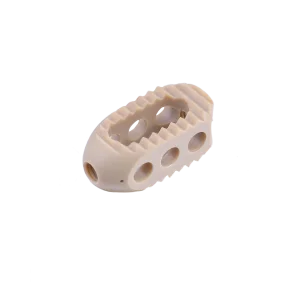
Polyetheretherketone (PEEK) fusion cages and carbon fiber composite materials offer radiolucency, allowing surgeons to monitor bone healing progress under X-ray imaging without metal artifact interference. Our team continues to expand this product range, combining the strength of titanium with the radiological benefits of PEEK.
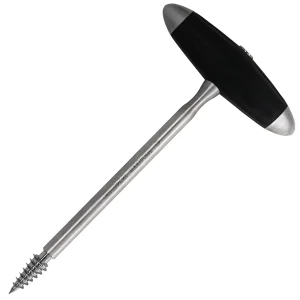
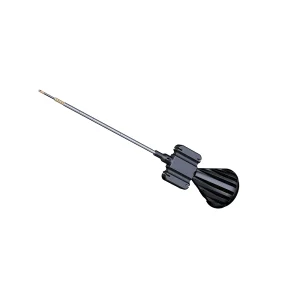
Modern surgical trends prioritize smaller incisions to reduce muscle and soft-tissue trauma. Our technical roadmap includes developing dedicated guide sleeves and low-profile insertion instruments to support minimally invasive locking plate implantation.
How Osteora maintains consistent quality, fast turnaround times, and competitive pricing in the global medical market.
We control our production flow from raw medical titanium alloy sourcing to final sterile packaging. This internal control helps minimize supply chain disruptions, allowing us to maintain consistent lead times for urgent trauma products.
Our network of approximately 1,200 upstream and downstream partners ensures reliable access to high-quality raw materials, surface-finishing services, and sterile packaging options, even during periods of market volatility.
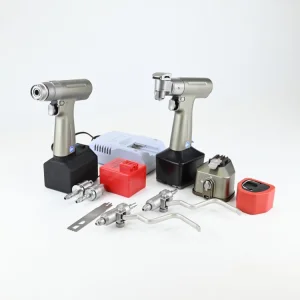
By utilizing automated equipment, including HAAS 5-axis CNC centers and Swiss-type lathes, we can achieve tight tolerances. This precision helps reduce material waste and manufacturing times, supporting cost-effective production.
To register medical devices internationally, manufacturers must provide comprehensive verification data and meet strict regulatory standards. Osteora maintains a quality management system certified to ISO 13485, and our surgical implants are designed to comply with CE mark guidelines for Class III medical devices.
We supply hospitals, surgical centers, and distributors across Europe, Southeast Asia, the Middle East, and South America. Our regulatory team supports local registrations by providing complete documentation, including material test reports, fatigue test data, and biocompatibility studies.
We recognize that different markets have unique clinical preferences and regulatory requirements. Our team offers a range of customization options to meet these needs:
Explore our specialized spinal hardware, anatomical locking plates, and custom-engineered implant systems designed to support reliable bone healing.
Answers to technical and commercial questions about orthopedic implant manufacturing, sourcing, and clinical applications.