Osteora
Osteora
Osteora
Explore our elite portfolio of spinal, trauma, and surgical instrumentation systems manufactured to precise global standards.
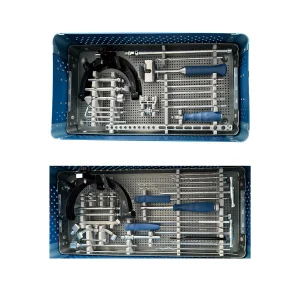
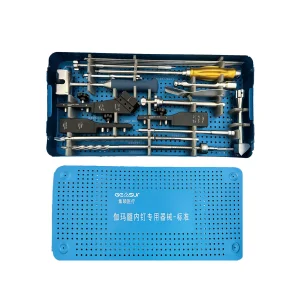
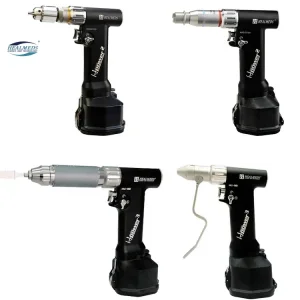
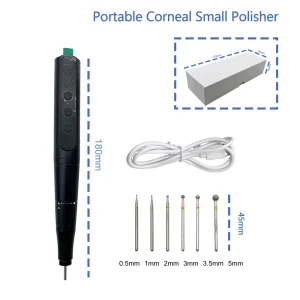
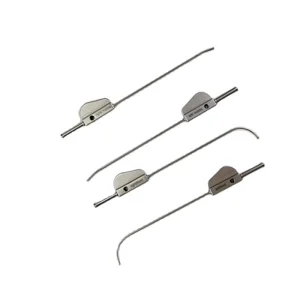
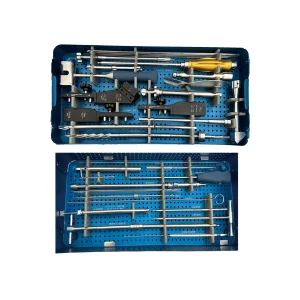
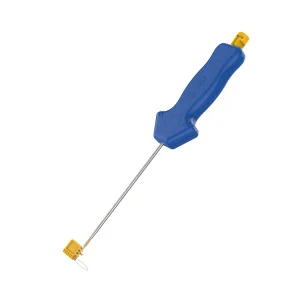
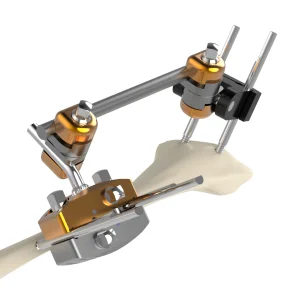
Founded in 2016, Osteora Medical Devices Co., Ltd. has established itself as an authoritative manufacturer and global supplier in the specialized field of orthopedic implants and comprehensive surgical systems. Operating under our flagship brand Osteora, we design, engineer, and manufacture advanced trauma, spinal, and joint reconstruction technologies that meet the stringent clinical demands of healthcare providers worldwide.
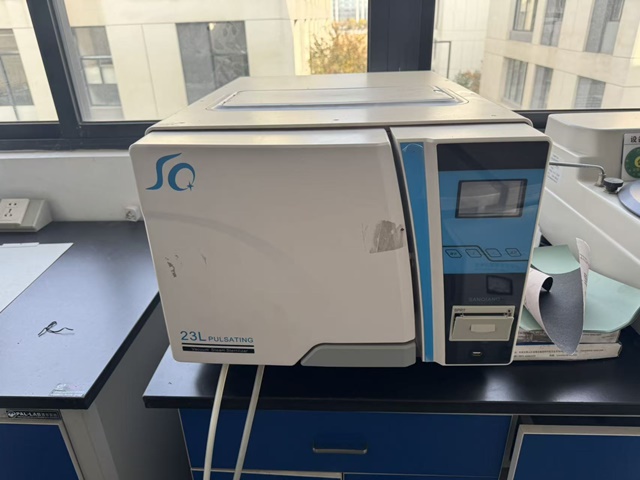
Our state-of-the-art manufacturing campus spans an extensive area of 18,500㎡. This integrated facility consolidates precision production, high-cleanliness assembly, sterilization processing, and advanced mechanics testing in a centralized site, enabling complete control over our end-to-end supply chain. With over 12 years of core industry expertise and 8 years of dedicated medical export experience, Osteora has earned the trust of surgeons, purchase officers, and distributors across Europe, Southeast Asia, the Middle East, and South America.
We boast a robust trade ecosystem supported by more than 1,200 certified upstream and downstream partners, ensuring steady raw material access (including medical-grade PEEK and titanium alloys) and efficient logistics. This framework enables Osteora to maintain a reliable annual export capacity valued between USD 6 million and 14 million, proving our capability to scale production for large-volume tenders without sacrificing surgical-grade precision.
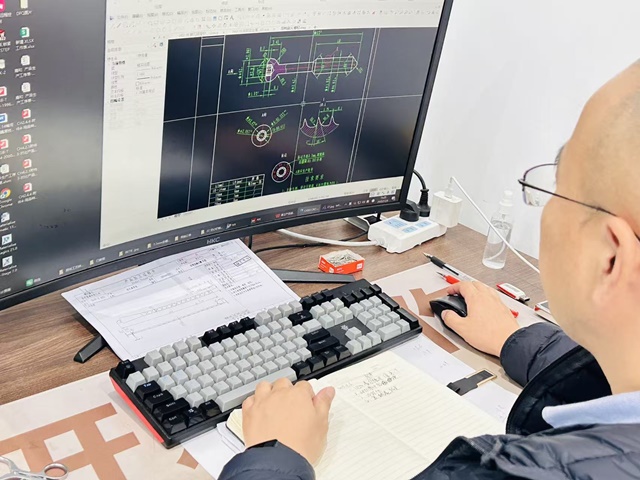
Our engineering division, consisting of 85 seasoned R&D engineers, delivers comprehensive OEM/ODM solutions. We provide complete customization options ranging from precise structural dimensions, surface textures (porous biomimetic coatings), and materials (Ti-6Al-4V ELI & PEEK-OPTIMA) to private labeling and bespoke instrument kit design.
Reflecting our deep commitment to evolving surgical techniques, Osteora launched approximately 120 new orthopedic products and specialized instruments in the past year alone. This proactive developmental cycle addresses complex indications in reconstructive surgery, particularly in corpectomy and multi-level spinal instability.
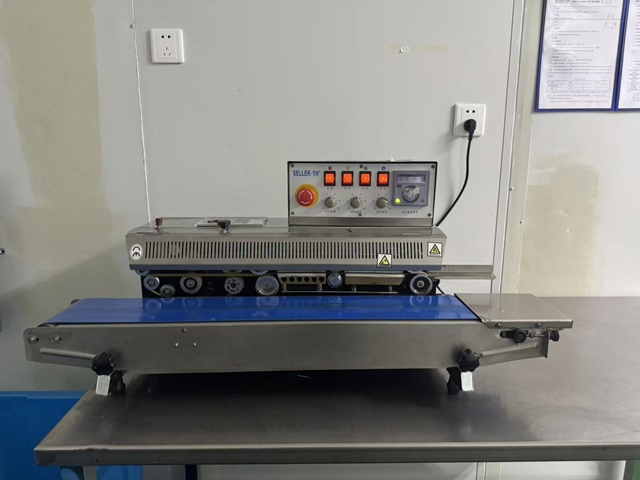
From certified medical-grade raw materials to cleanroom packaging, explore our in-house manufacturing pipeline.
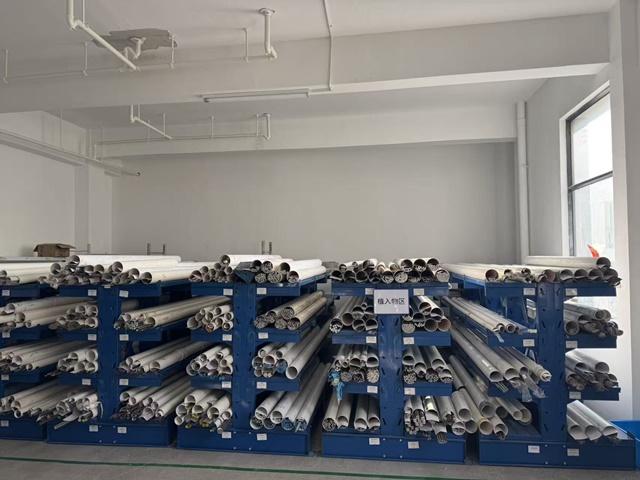
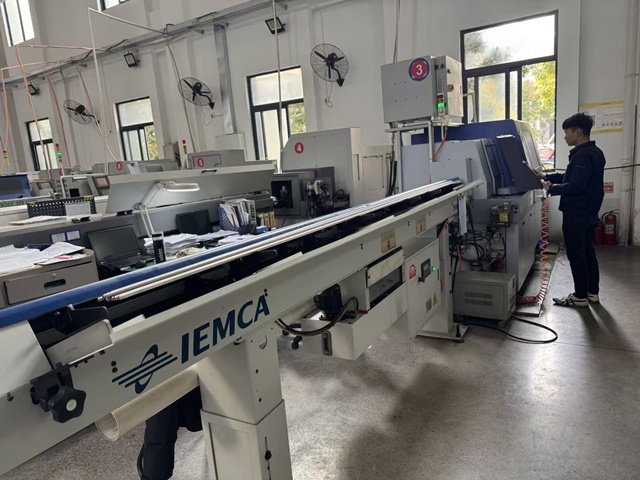
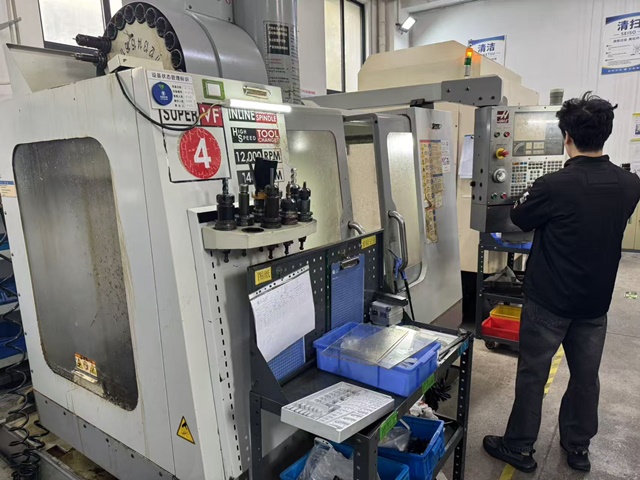
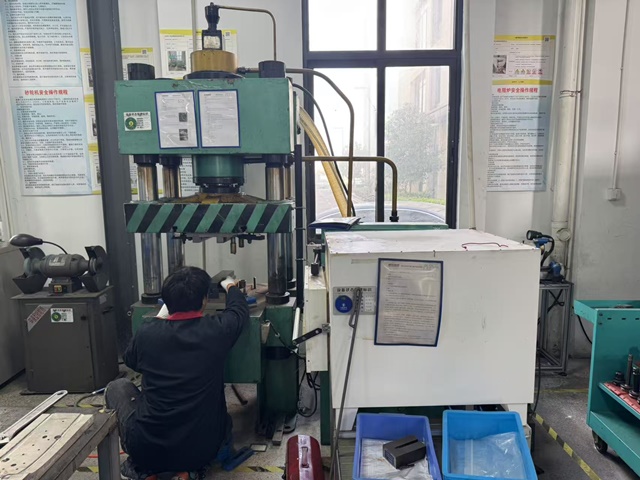
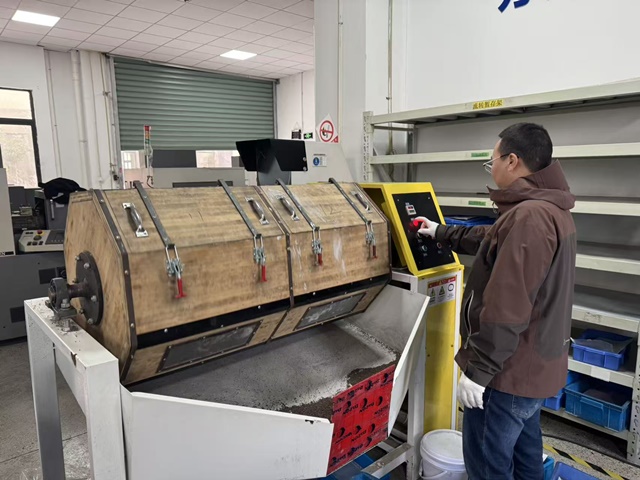
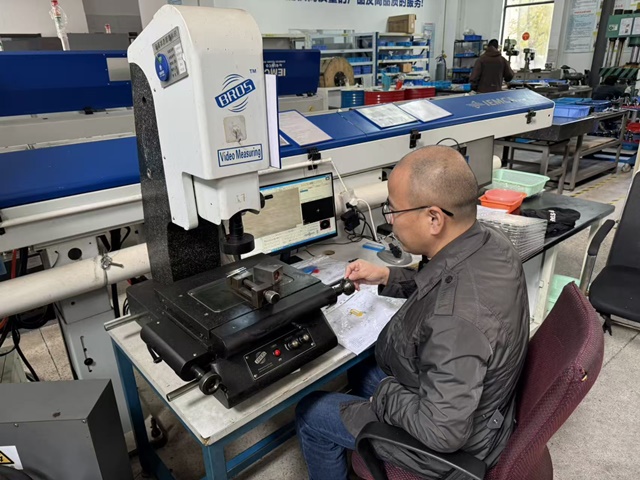
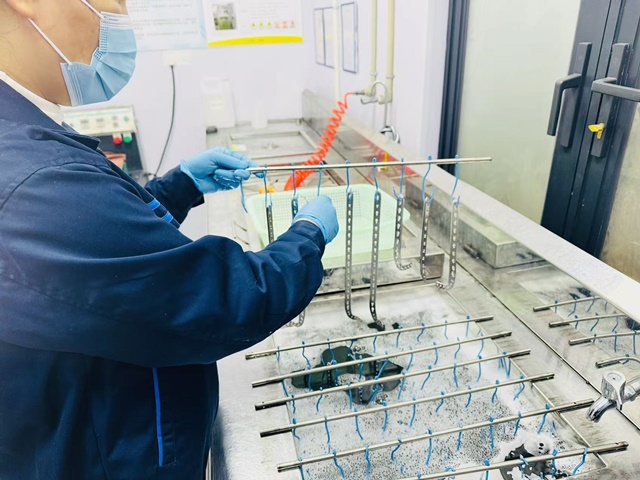
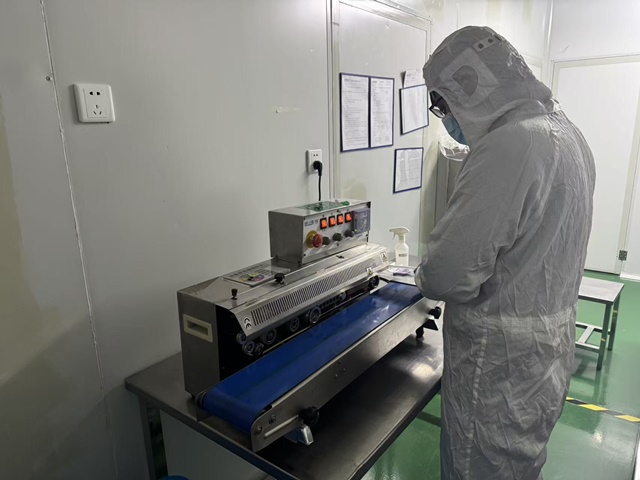
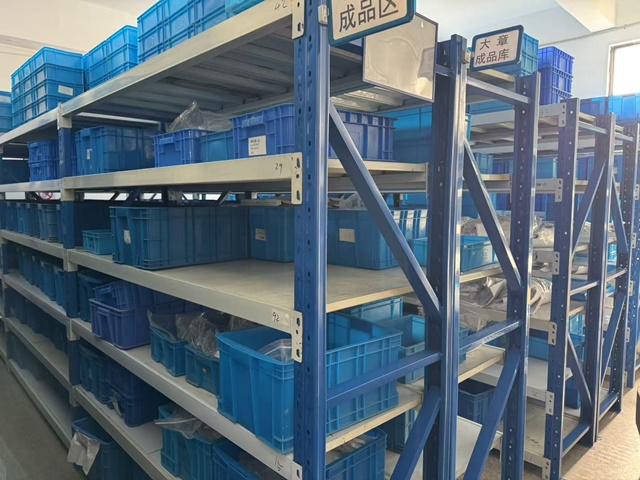
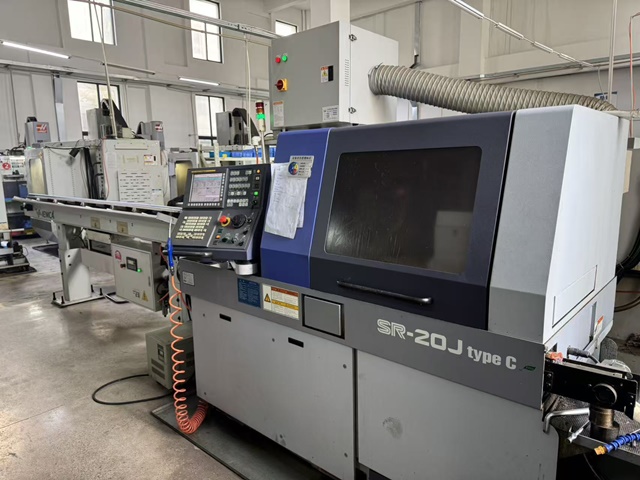
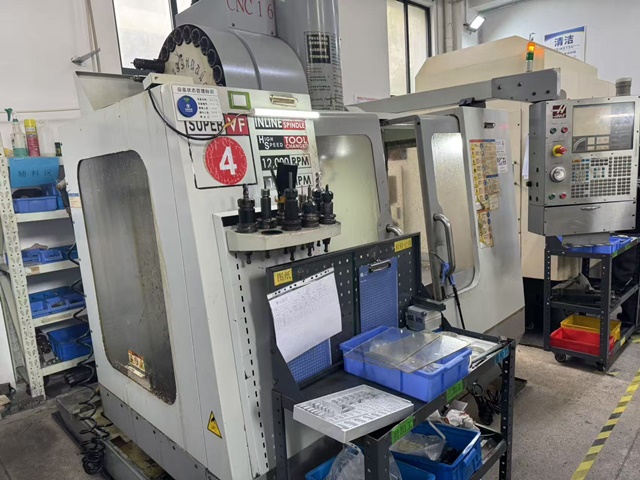
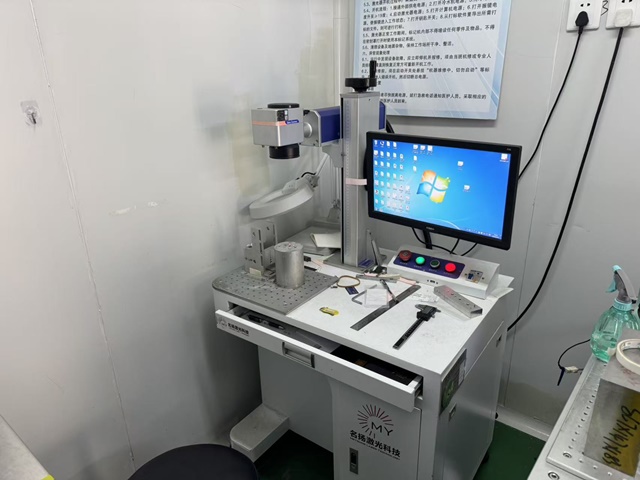
Deploying advanced CNC lathe machinery and finishing tools to meet tolerance limits within ±0.005mm.
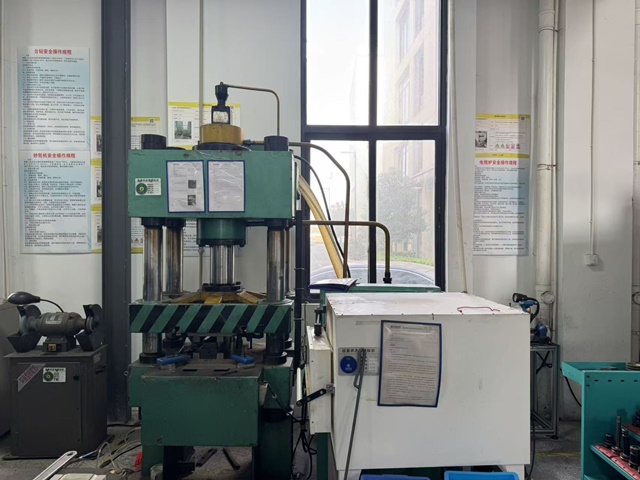
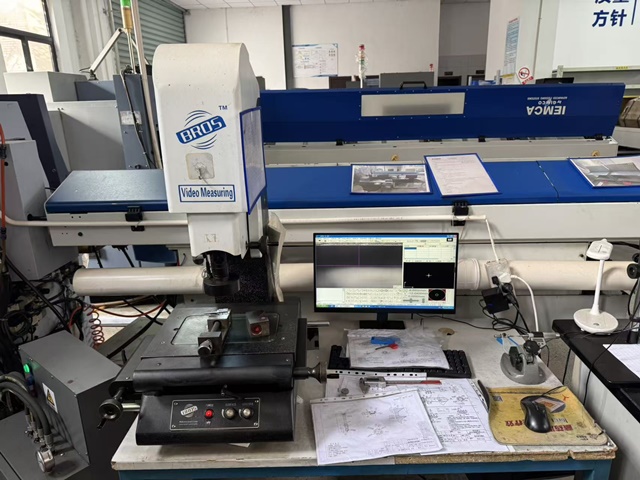
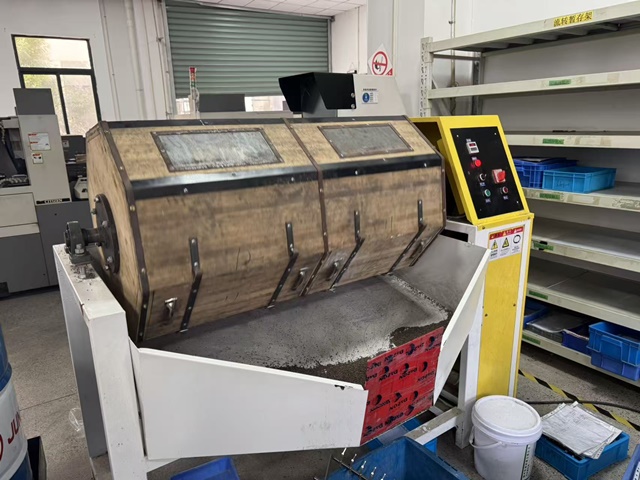
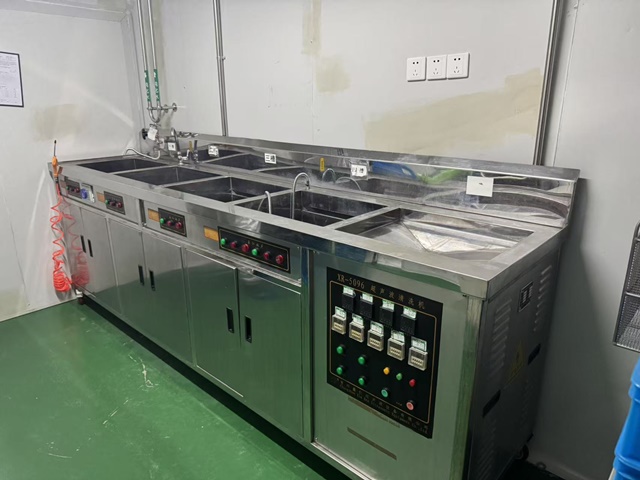
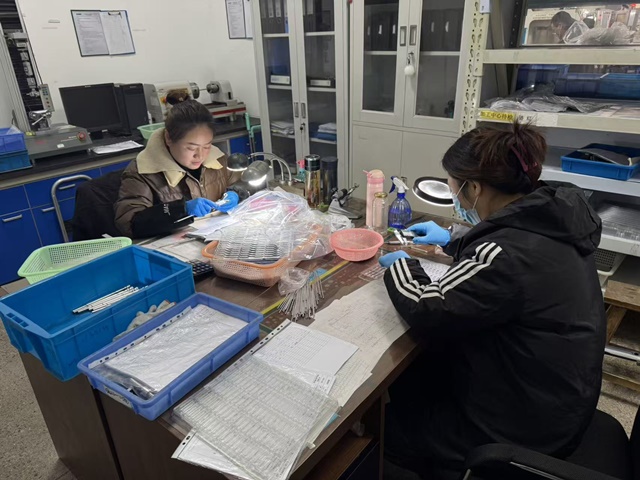
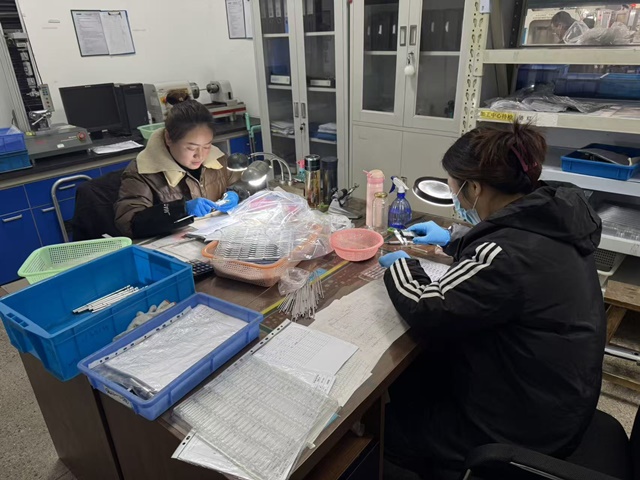
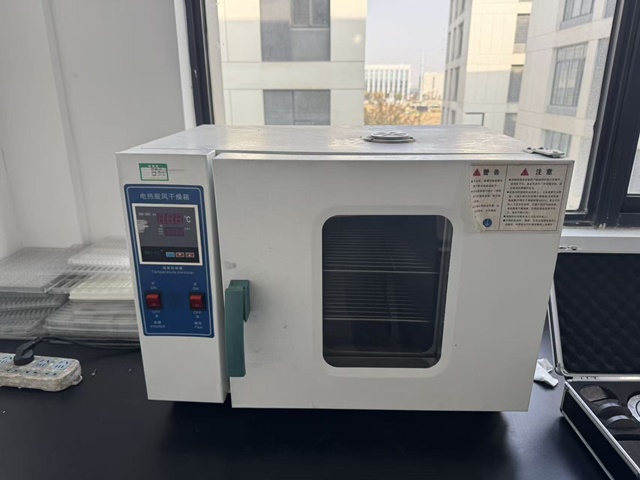
Operating under a strict quality management system led by 42 specialized inspectors and mechanical engineers.
For high-load spinal implants such as Vertebral Body Replacement (VBR) cages, ensuring load-bearing stability is critical. Osteora implements an extensive validation framework including dimensional measurement, static and dynamic compression shear testing, and biocompatibility verification.
Our quality control team employs continuous inspection protocols, executing in-process monitoring and final random sampling to guarantee that every batch of titanium implants or PEEK suture anchors exhibits optimal mechanical characteristics, resisting fatigue failure even under sustained multi-axial loading profiles.
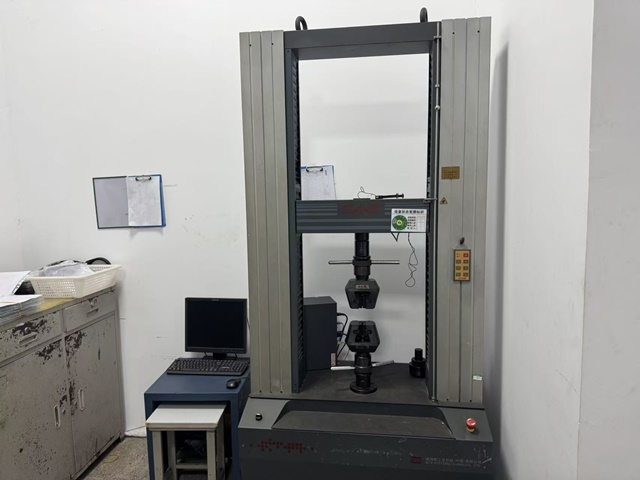
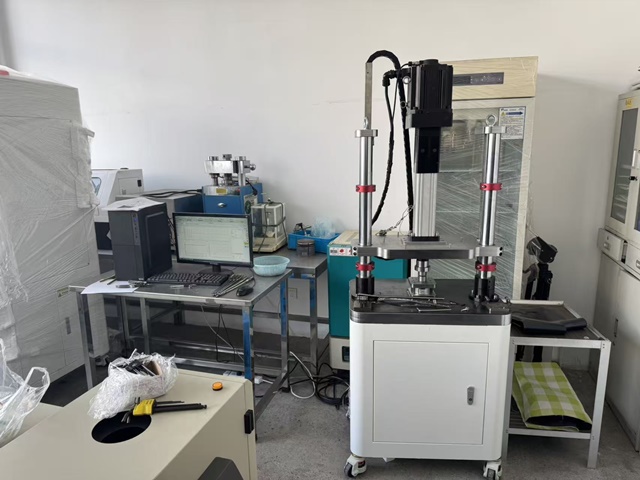
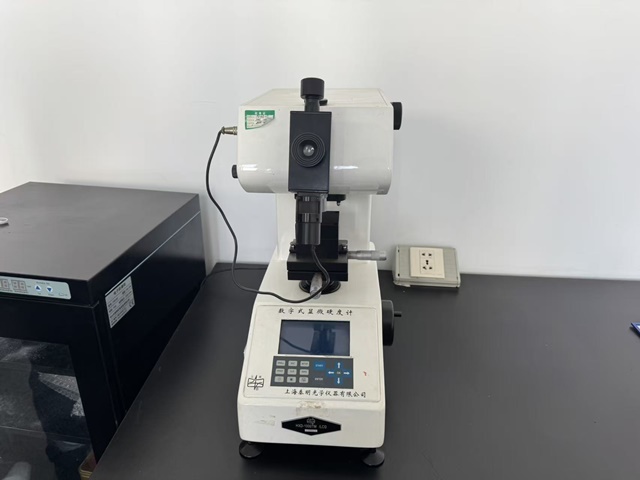
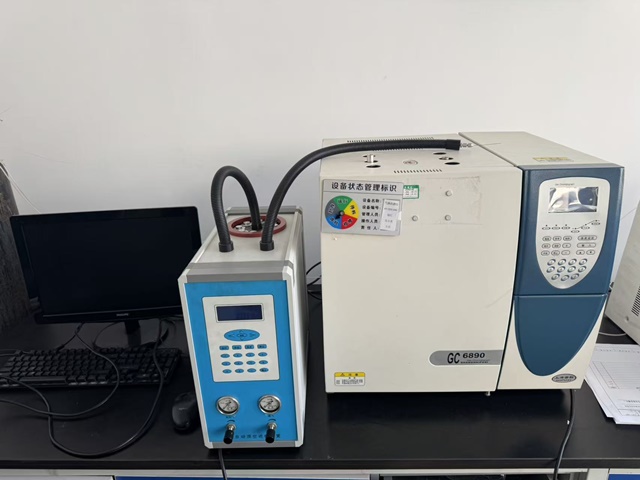
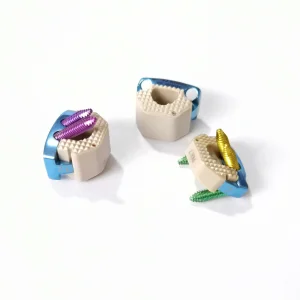
Vertebral Body Replacement (VBR) devices are Class III medical implants used in corpectomy procedures to replace collapsed, damaged, or unstable vertebral bodies caused by tumors, trauma, or degenerative diseases. Due to their high-risk nature, these implants must comply with stringent regulatory frameworks. In the European Union and other global markets, obtaining the CE Mark under Medical Device Regulation (MDR 2017/745) is mandatory. CE certification guarantees that the manufacturer’s design files, raw material selection, mechanical fatigue data, biocompatibility reports, and manufacturing steps undergo thorough third-party auditing. Choosing a CE-certified supplier like Osteora minimizes regulatory friction and ensures patient safety.
Over the past decade, Chinese orthopedic manufacturers have transformed from regional suppliers into global technology hubs. Suppliers like Osteora offer distinct strategic advantages:
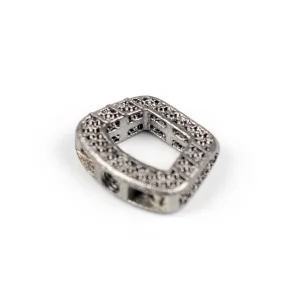
The orthopedic industry is transitioning away from solid implants toward biomimetic, osteointegrative designs. The modern standard for vertebral body replacement focuses on 3D-printed porous titanium. By mimicking the trabecular architecture of cancellous bone, these porous structures reduce elastic modulus mismatch, mitigating the risk of implant subsidence. Furthermore, hybrid implants combining a durable PEEK core for radiolucency with a rough, titanium-coated surface for enhanced bone-implant fixation are rapidly gaining market share.
Procurement teams in large hospital networks, surgical clinics, and global distribution chains face complex logistics, compliance, and custom clearance challenges. An ideal supplier must offer more than just high-quality implants. They must deliver comprehensive solutions including:
Answering key technical questions regarding manufacturing quality, regulatory certifications, and orthopedic applications.
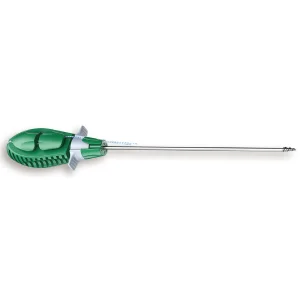
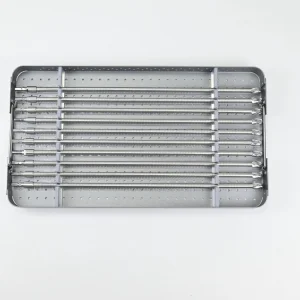
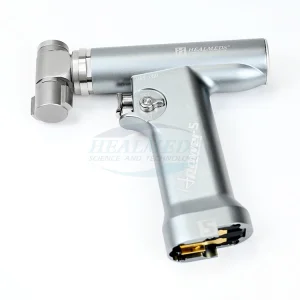
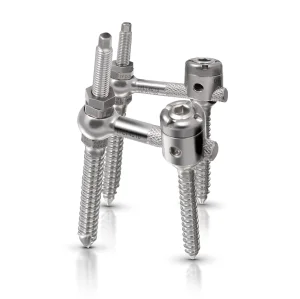
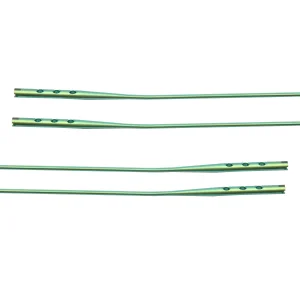
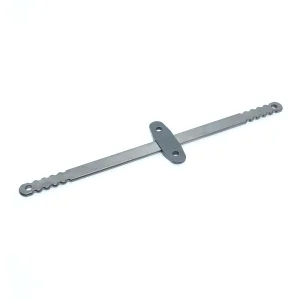
A comprehensive selection of surgical tools, fixation plates, and suture anchors for orthopedic surgeries.