 Osteora
Precision-engineered implants and intraoperative instrumentation manufactured under strict ISO 13485 and CE quality management protocols.
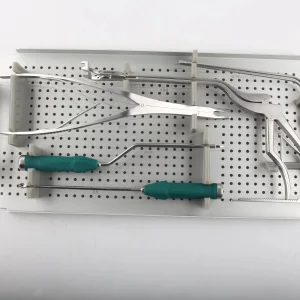
Hot-selling Broken Screws Removal Instruments Set From Beijing Fule
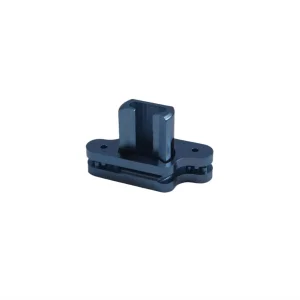
Geasure Orthopedic Titanium Implants Surgical Spine Interspinous Spacer
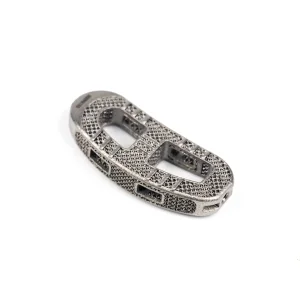
CANWELL Cervical Lumbar Spinal Fusion Cage Titanium 3D Printing Porous Spine Orthopedic Implants TLIF PLIF ALIF CE ISO LV-II
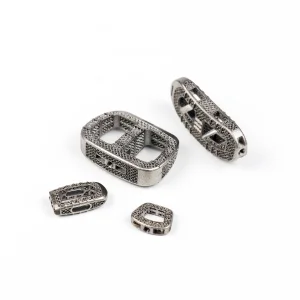
CANWELL Spine Orthopedic Implants Tlif Plif Cage 3D Printing Peek Cervical Cage 3D Printing Peek Lumbar Cage Customizable
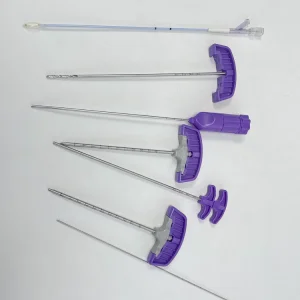
Factory Price Hot Selling High Quality Orthopedic Surgical Spinal Titanium Pedicle Screws Pyroplasty Kit for Spine Surgery
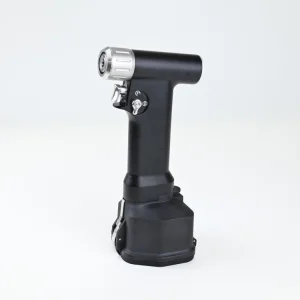
Drill Orthopedic Hand Drill Surgical Instruments Medical Drill
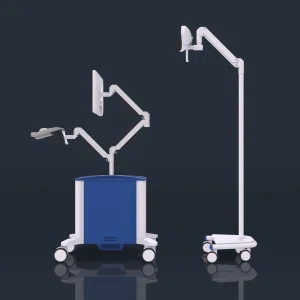
CANWELL Intelligent Navigation Positioning System Spinal Surgery Intraoperative C-arm X-ray Machine 3D Imaging Class II China
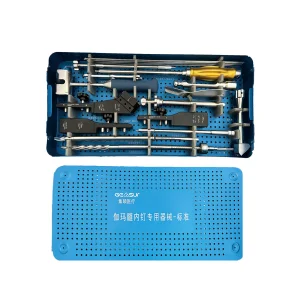
Geasure Hot Selling Intramedullary Nails Femur Interlocking Nail Surgical Orthopaedic Instrument Set Titanium Alloy GA8X
Analyzing clinical demand drivers, material science transitions, and EU MDR Class III regulatory barriers across international neurosurgical markets.
The global cranial implants and cranio-maxillofacial (CMF) reconstruction industry has transitioned from standardized intraoperative hand-bent titanium plates toward high-precision, patient-specific implants (PSIs) engineered from implant-grade Polyetheretherketone (PEEK-OPTIMA), Ti-6Al-4V ELI medical titanium alloys, and osteoconductive porous bioceramics. Driven by rising global neurotrauma incidence, decompressive craniectomy survival rates, and complex skull-base tumor resections, hospital procurement committees and regional medical distributors increasingly prioritize suppliers holding verified CE certification under EU MDR 2017/745 alongside ISO 13485:2016 quality management credentials.
In commercial neurosurgical practice, cranial defect reconstruction requires far more than mechanical protection of cerebral parenchyma. Modern cranial plates must restore intracranial pressure homeostasis (preventing Syndrome of the Trephined), eliminate thermal conduction sensitivity, minimize scatter artifacts during postoperative CT and MRI neuroimaging, and achieve sub-millimeter anatomical congruence along irregular fronto-temporo-parietal margins. Consequently, tier-one medical buyers evaluate CE certified cranial implants manufacturers and suppliers on both metallurgical/polymeric traceability and end-to-end digital CAD/CAM turnaround speed.
| Biomaterial Class | Elastic Modulus | CT / MRI Artifact Profile | Primary Clinical Indication | Manufacturing Method |
|---|---|---|---|---|
| Medical Grade PEEK (ASTM F2026) | 3.6 – 4.1 GPa (Cortical Bone Match) | Radiolucent; Zero Scatter Artifact | Large fronto-parietal PSI cranioplasty & oncology follow-up | 5-Axis CNC Precision Milling & Additive FFF |
| Ti-6Al-4V ELI Mesh & Plates (ASTM F136) | 110 – 114 GPa | Low-to-Moderate Beam Hardening | Trauma fixation, burr-hole covers & infected-site revision | Swiss-Type Lathe, Laser Micro-Cutting & Stamping |
| 3D-Printed Porous Titanium Lattice | 12 – 28 GPa (Tuned Porosity) | Controlled Low Artifact | Load-bearing skull-base & orbital-zygomatic reconstruction | Electron Beam Melting (EBM) / DMLS |
| Polymethylmethacrylate (PMMA) | 2.2 – 3.0 GPa | Radiolucent (Barium-Tagged) | Cost-sensitive emergency secondary cranioplasty | Indirect Silicone Mold Casting |
Demonstrated industrial scale, verified regulatory compliance, and R&D depth supporting global orthopedic, neuro-cranial, and spinal surgical systems.
Osteora Medical Devices Co., Ltd. is a professional orthopedic implant and surgical solution manufacturer specializing in trauma, spine, and joint reconstruction systems under the brand Osteora. Founded in 2016, the company has developed a strong reputation in the global orthopedic industry through continuous innovation and strict quality control standards. The facility covers an area of approximately 18,500㎡, supporting integrated production, assembly, and testing operations.
With 8 years of export experience and 12 years of industry expertise, Osteora has established stable cooperation with international distributors and hospitals across multiple regions. Annual export revenue ranges from USD 6 million to 14 million, reflecting steady global market growth. The company maintains long-term partnerships with distributors in Europe, Southeast Asia, the Middle East, and South America, which are also its primary markets.
The company implements comprehensive quality assurance systems, including ISO 13485 compliance, in-process inspection, and final random sampling testing. Product inspection methods include dimensional measurement, mechanical fatigue testing, and biocompatibility validation. The quality control team consists of 42 specialized inspectors ensuring strict adherence to international medical device standards. Backed by approximately 1,200 certified upstream and downstream partners, Osteora serves hospitals, orthopedic clinics, surgical centers, and medical distributors worldwide.
With strong R&D capabilities, Osteora operates an in-house engineering team of 85 R&D engineers, focusing on innovation in trauma fixation systems, spinal implants, and joint reconstruction technologies. The company offers extensive customization options, including OEM/ODM services, size variations, material customization, and private labeling. In the past year, Osteora launched approximately 120 new products, reflecting its continuous investment in innovation and product development to meet evolving clinical needs.
How cluster-integrated precision machining, rapid DICOM-to-implant engineering, and multi-axis CNC automation compress lead times and landed costs.
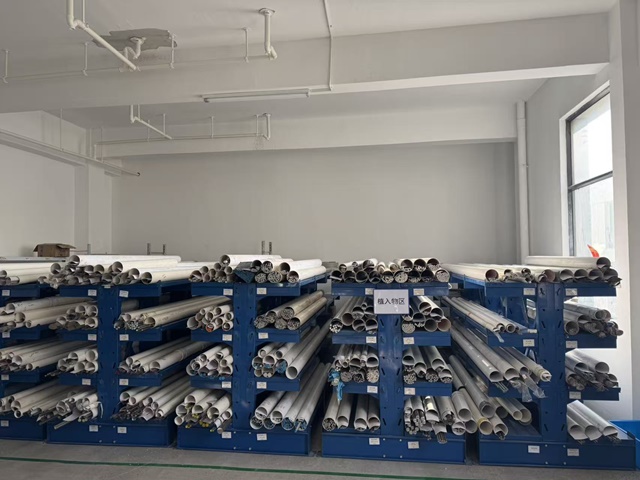
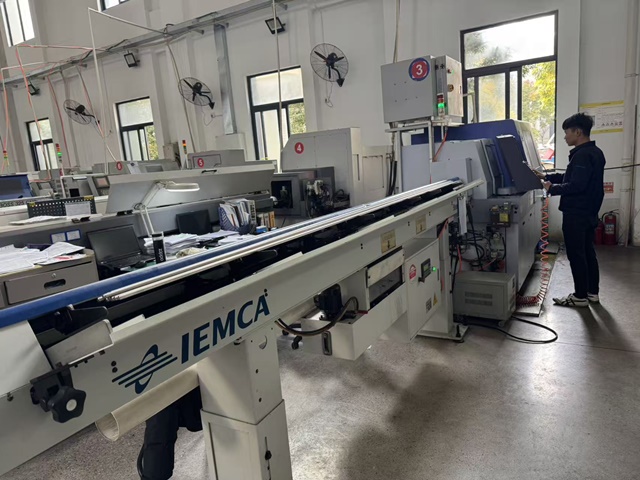
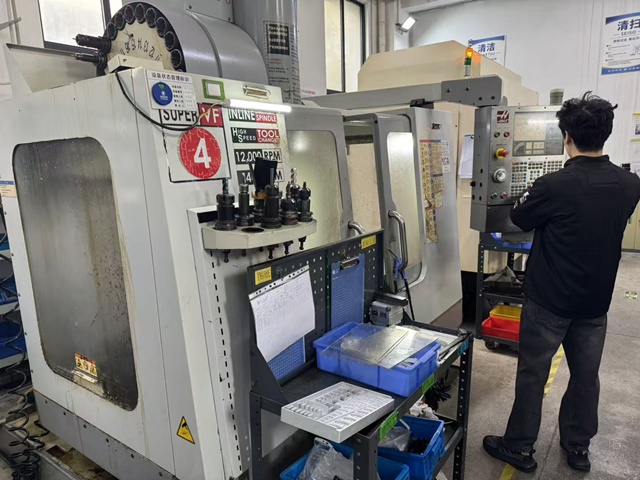
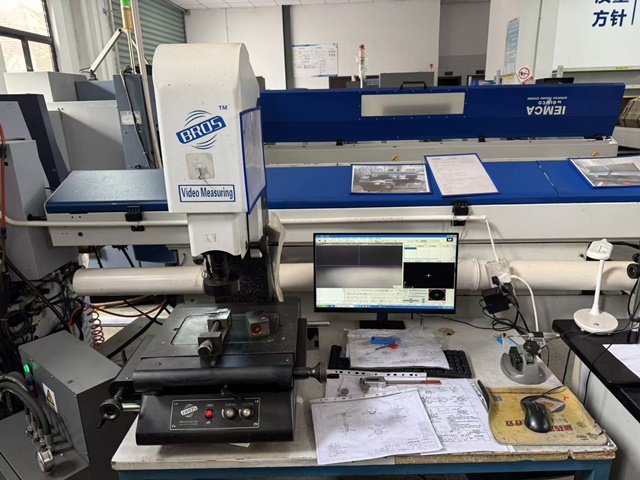
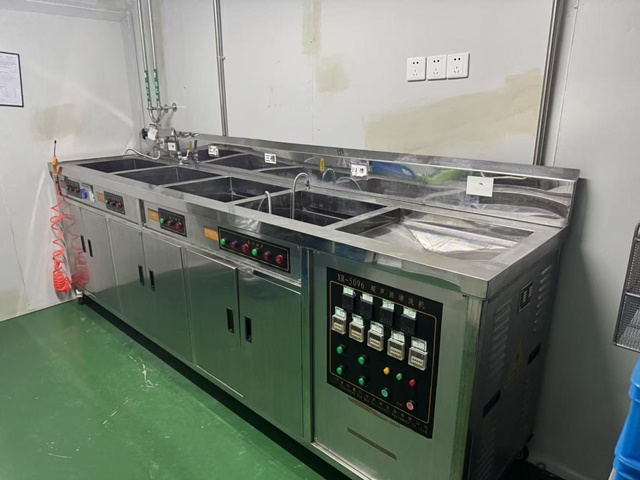
Global medical device OEMs and national hospital tenders increasingly source cranial, maxillofacial, and spinal implants from leading Chinese manufacturing hubs because China combines Tier-1 Western CNC & metrology hardware (such as HAAS multi-axis machining centers, Swiss-type automatic lathes, and optical vision measuring instruments) with an unmatched ecosystem of over 1,200 certified raw-material, surface-anodizing, and sterilization suppliers. Rather than relying on fragmented third-party job shops, integrated manufacturers execute raw bar stock verification, 5-axis contour milling, ultrasonic cleaning, laser UDI marking, and fatigue validation under a single quality management roof.
Cranial implants depend on ultra-low-profile 1.5 mm and 2.0 mm self-drilling neuro-screws and micro-plates. In-house Swiss-type CNC lathes produce matching screws and cranial meshes concurrently, eliminating thread-pitch mismatches and cross-supplier tolerances.
Digital fixtureless machining allows seamless switching between single-patient bespoke PEEK cranioplasty plates and high-volume standard titanium dynamic meshes without imposing prohibitive NRE tooling fees on regional importers.
Export-ready documentation packages—including ISO 10993 biocompatibility test summaries, ASTM F136 / F2026 mill certificates, Vickers hardness logs, and sterilization validation reports—accelerate local Ministry of Health registrations.
Tailoring cranial and cranio-maxillofacial implant architectures to regional surgical protocols, healthcare budgets, and anatomical demographics.
Primary Demand: Patient-specific 5-axis milled PEEK implants and 3D-printed trabecular titanium plates for post-tumor craniectomy and complex skull-base reconstruction.
Key Requirement: Full EU MDR traceability, zero-artifact radiolucency for serial postoperative MRI surveillance, and pre-contoured temporal muscle suspension suture holes.
Primary Demand: High-strength, anatomically pre-formed Ti-6Al-4V 3D cranial meshes (0.6 mm – 0.8 mm thickness) and universal 1.5 mm maxillofacial/cranial fixation sets for emergency road-traffic neurotrauma.
Key Requirement: Rapid shelf availability, autoclavable modular instrument trays, and competitive unit economics suitable for public health insurance reimbursement.
Primary Demand: Low-profile anodized titanium micro-plates (0.3 mm – 0.5 mm) for pediatric craniosynostosis remodeling and custom aesthetic fronto-orbital reconstruction.
Key Requirement: Color-coded anodization for rapid intraoperative identification, ultra-smooth chamfered edges to prevent scalp erosion, and turnkey private-label packaging.
Strategic shifts reshaping neurosurgical implant sourcing and the non-negotiable technical audit checklist used by global B2B buyers.
1. AI-Assisted Automated Cranial Defect Reconstruction: Leading manufacturers now deploy deep-learning cranial symmetry algorithms to segment raw patient DICOM CT scans and generate watertight STL implant models in under 30 minutes—eliminating manual mirroring errors across bilateral or cross-midline defects.
2. Bioactive Surface Functionalization & Anti-Biofilm Topographies: Because surgical site infection (SSI) remains the primary cause of cranioplasty explantation (historically 5%–12%), next-generation CE-certified implants incorporate plasma-sprayed hydroxyapatite (HA) rims, micro-textured titanium anodization, and integrated perfusion drainage perforations that lower subgaleal fluid accumulation.
3. Convergent Neuro-Spine-CMF Tender Bundling: Hospital group purchasing organizations (GPOs) increasingly consolidate cranial fixation, maxillofacial trauma plates, and spinal fusion systems under unified OEM suppliers capable of delivering cross-compatible sterilization containers and shared instrument logistics.
| Global Buyer Segment | Core Procurement Pain Points | Mandatory Audit & Compliance Criteria | Osteora Turnkey Solution |
|---|---|---|---|
| Regional Medical Distributors | Long lead times from EU/US brands; high MOQs; thin distributor margins | CE Mark, ISO 13485, Free Sale Certificate (FSC), UDI barcoding | Factory-direct pricing, low MOQ, 7–15 day dispatch, full registration support |
| Hospital Tenders & Ministry of Health | Strict clinical fatigue validation; zero tolerance for batch dimensional drift | ASTM F136 / F2026 compliance, lot traceability, mechanical test logs | 42 QC inspectors, Vickers hardness & pulsating fatigue testing per batch |
| European & Global OEM Brand Owners | Need confidential contract manufacturing for custom PEEK/Titanium SKUs | IP protection, 5-axis CNC capability, validated cleaning & passivation | 85 R&D engineers, OEM/ODM custom drawings, laser private labeling |
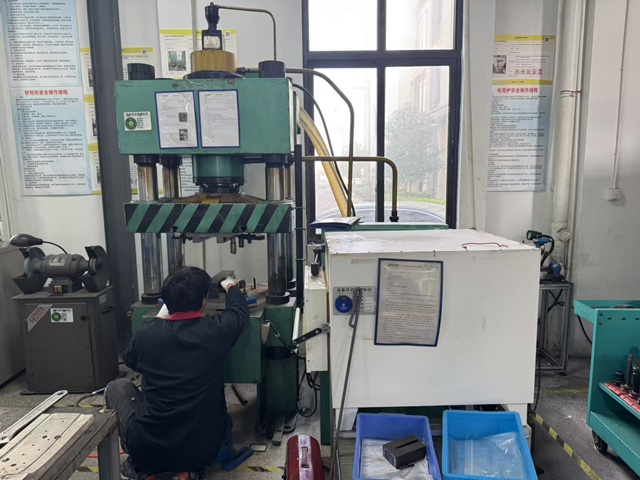
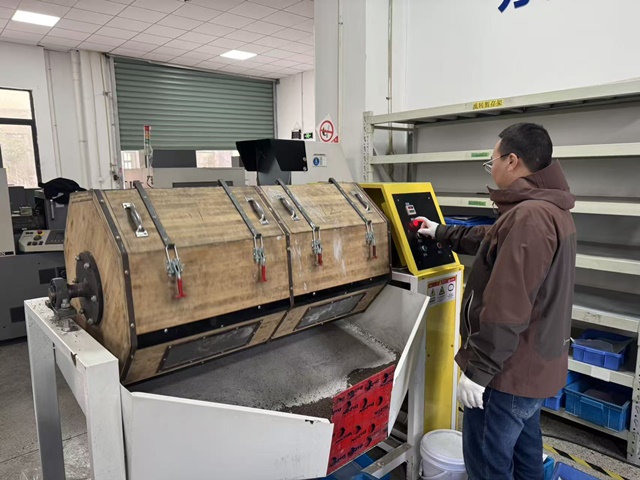
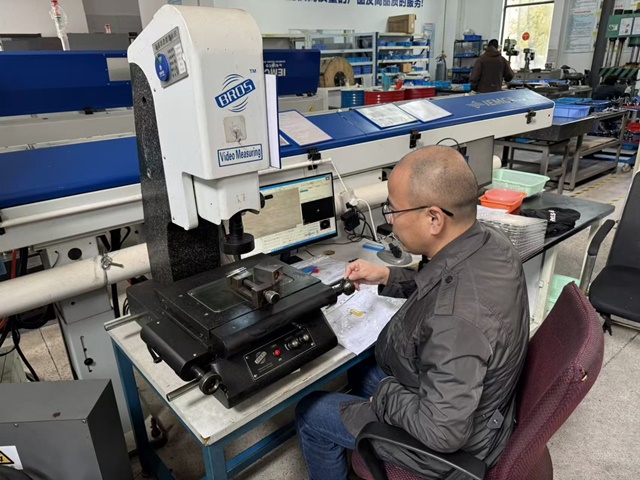
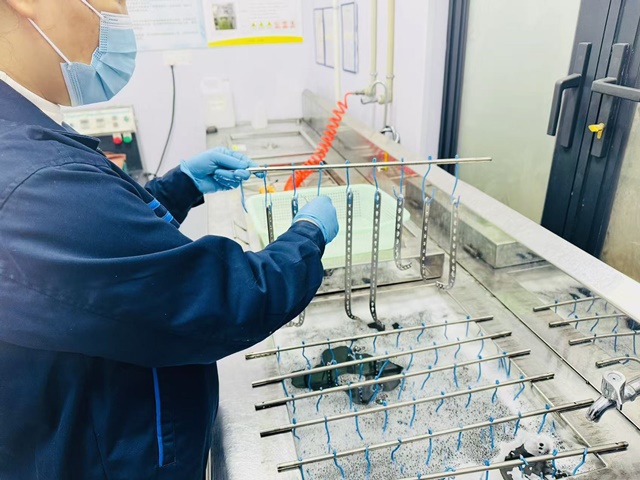
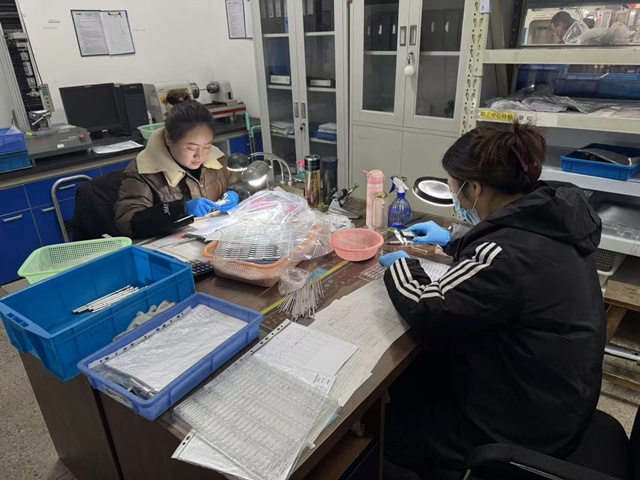
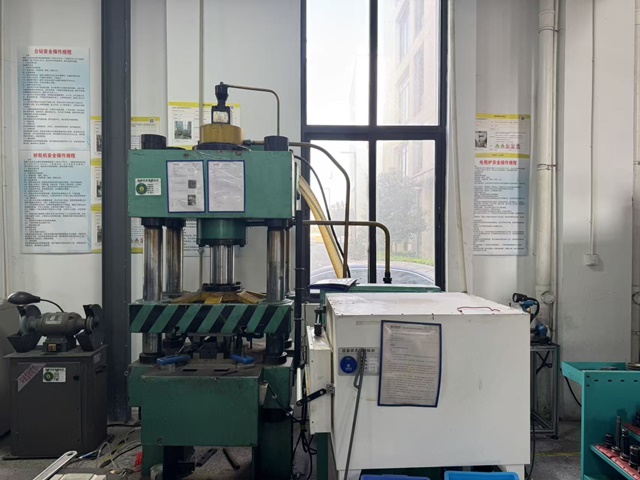
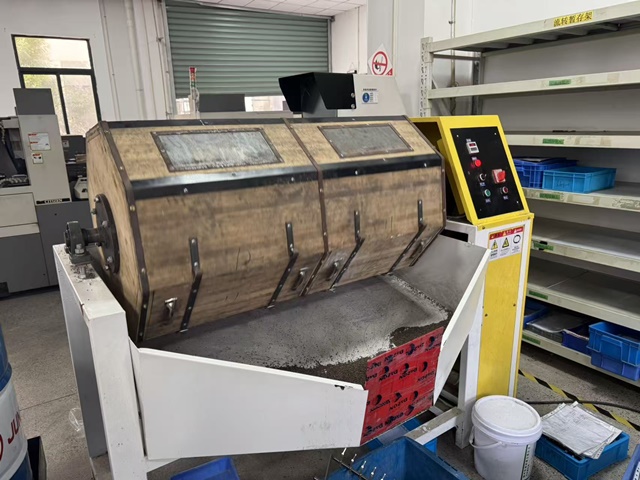
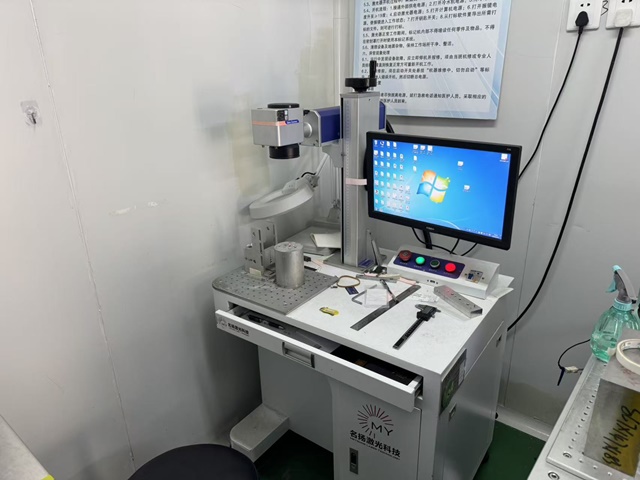
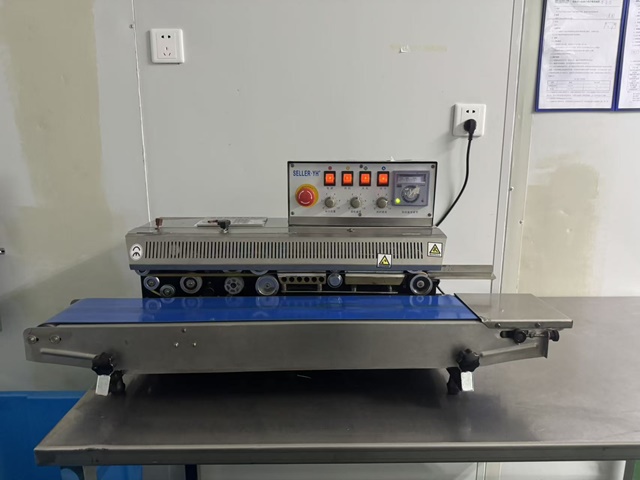
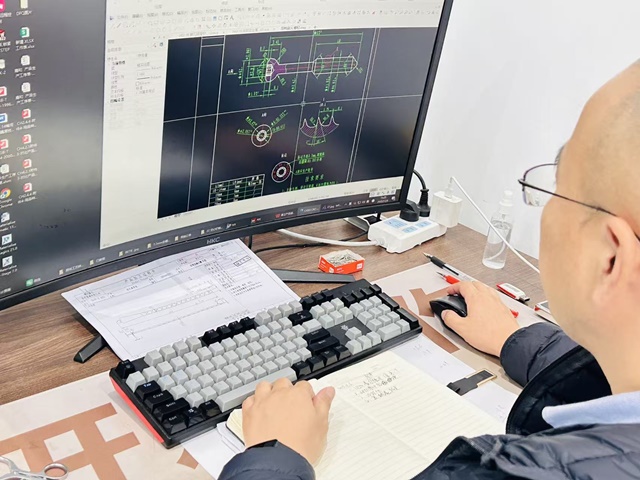
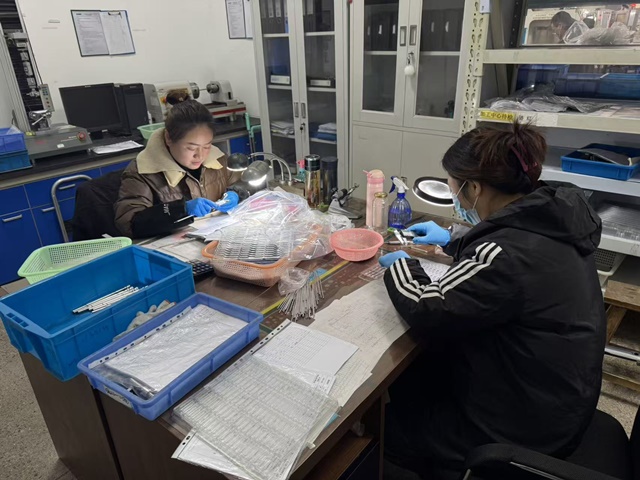
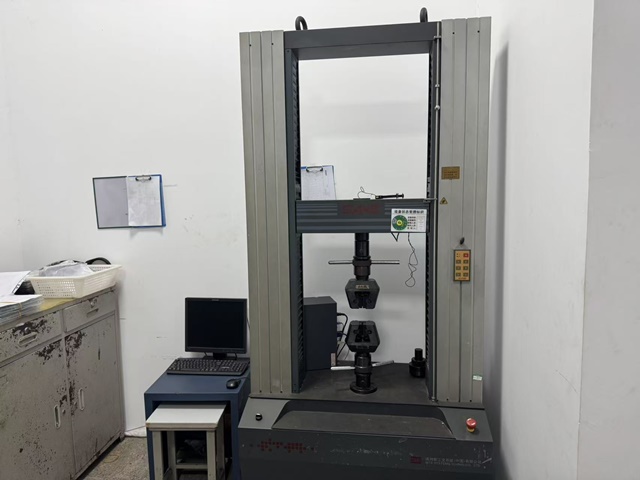
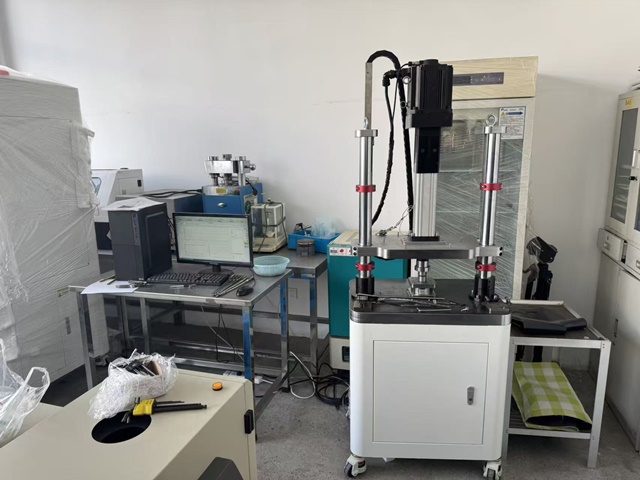
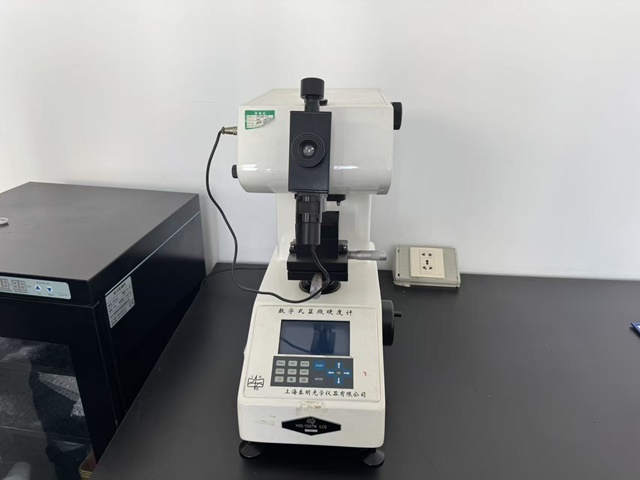
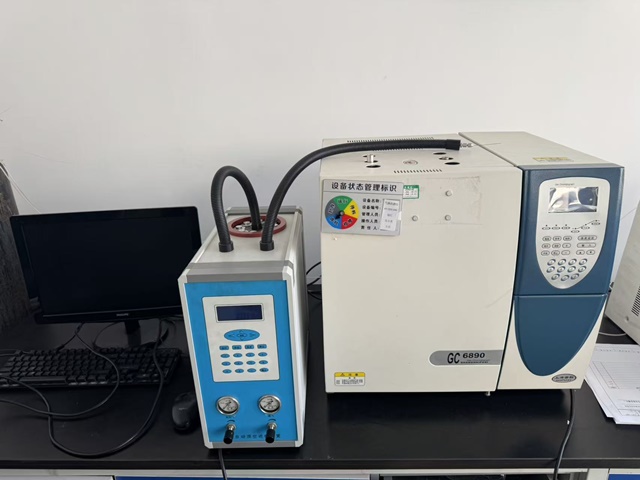
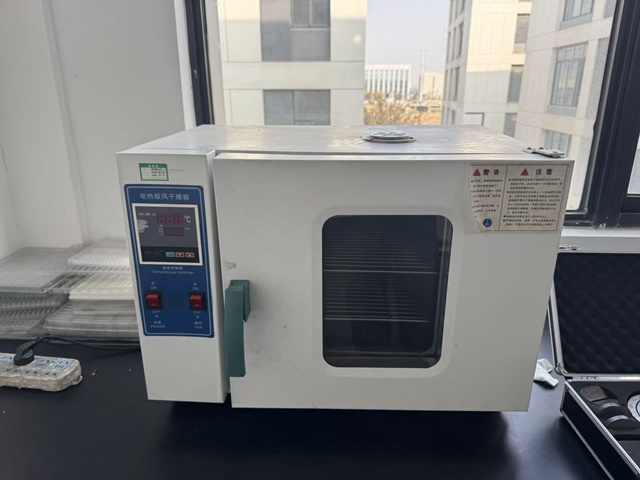
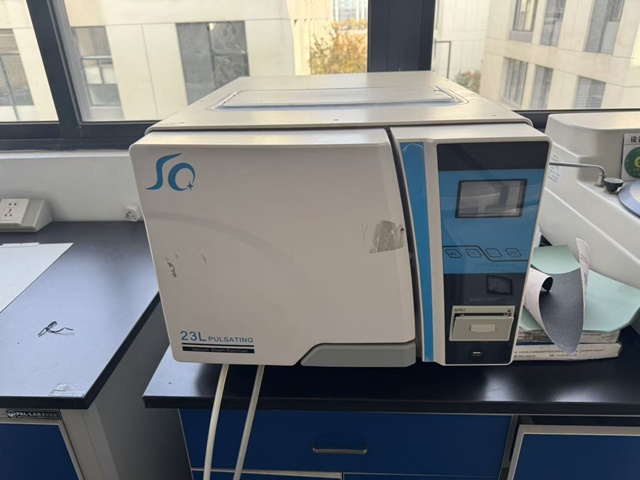
Visual verification of Osteora's 18,500㎡ production floor, Swiss-type lathes, HAAS CNC centers, and biomechanical testing laboratories.
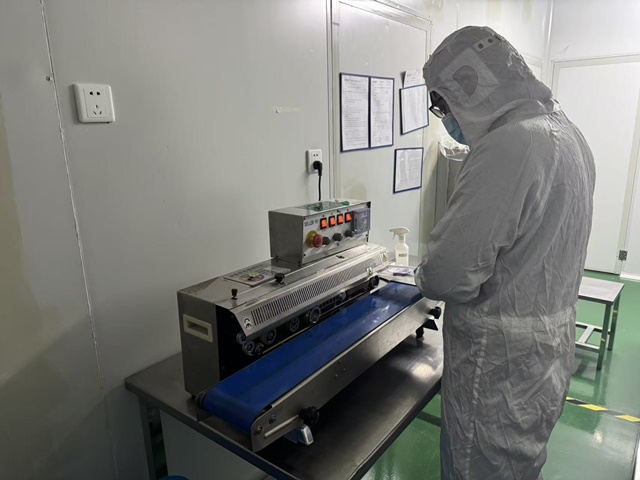
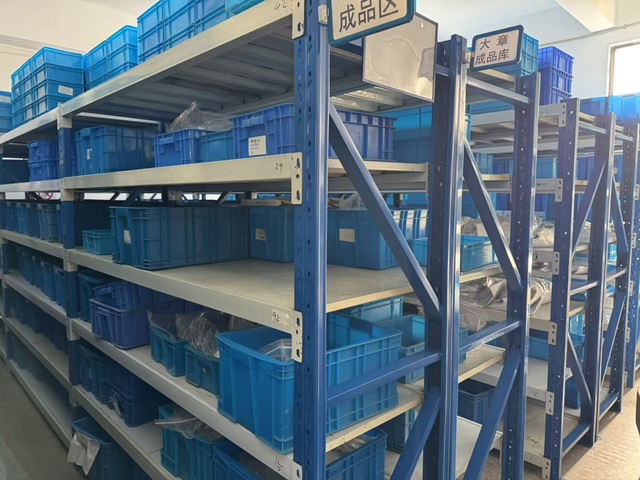
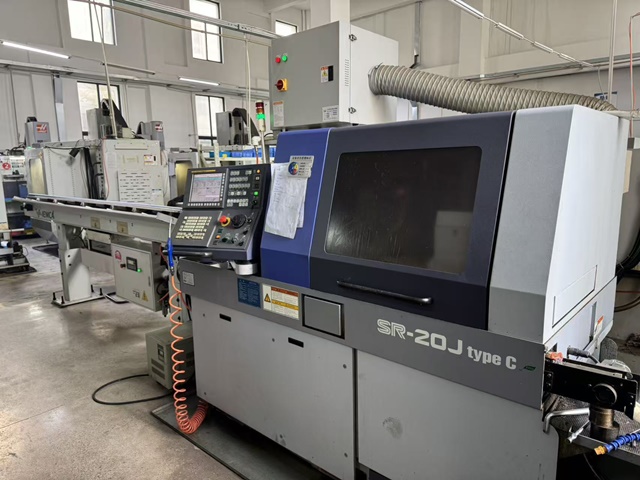
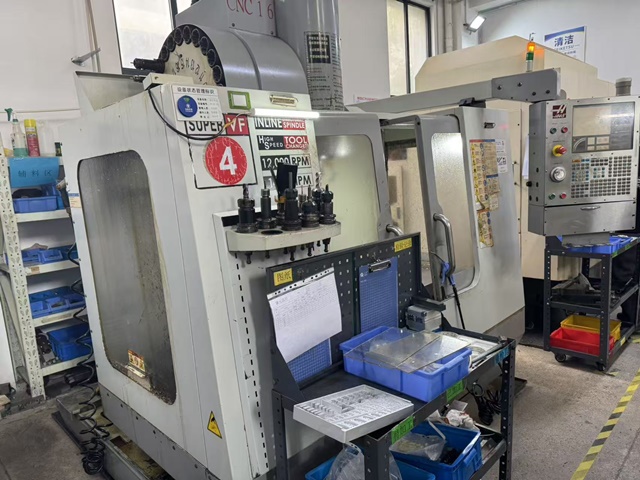
Evidence-based answers to regulatory, biomechanical, customization, and international logistics questions from medical distributors and hospital engineers.
Under the European Union Medical Device Regulation (EU MDR 2017/745), implantable cranial plates, meshes, and fixation screws are classified as Class III or Class IIb high-risk implantable devices. Compliant manufacturers must maintain an ISO 13485:2016 certified quality management system, complete biological evaluation per ISO 10993, verify raw alloy/polymer conformity (ASTM F136 for Ti-6Al-4V ELI, ASTM F2026 for PEEK), and provide full UDI traceability.
Medical-grade PEEK is preferred for large fronto-temporo-parietal patient-specific defects and oncology patients requiring regular postoperative MRI/CT imaging because PEEK is completely radiolucent and matches cortical bone stiffness (~3.8 GPa), preventing stress shielding. Ti-6Al-4V ELI titanium meshes and plates offer superior impact resistance, thinner profiles (0.3–0.8 mm), and intraoperative malleability for acute trauma and complex skull-base reconstructions.
Osteora deploys a dedicated team of 42 specialized QC inspectors utilizing Gas Spectrometers for alloy elemental verification, Vickers Hardness Testers, Optical Vision Measuring Instruments for micron-level dimensional checks, and Multifunctional & Pulsating Mechanical Testing Machines to confirm cyclic fatigue endurance before final dual-inspector release.
Yes. Supported by 85 in-house R&D engineers, HAAS CNC machining centers, Swiss-type lathes, and precision laser marking machines, Osteora provides full OEM/ODM customization—including custom plate geometries, private-label laser UDI/brand engraving, customized sterilization container layouts, and localized regulatory technical dossiers.
Standard catalog trauma, spine, and maxillofacial implant sets are dispatched within 7 to 15 business days from Osteora's 18,500㎡ facility. Custom CAD/CAM orders undergo rapid designer drawing approval within 24–48 hours. With 8 years of global export experience across Europe, Southeast Asia, the Middle East, and South America, Osteora supplies full commercial invoices, packing lists, Certificates of Analysis (CoA), and Free Sale Certificates.
Both configurations are available to match regional hospital workflows. Implants can be supplied non-sterile in autoclavable aluminum/PPSU surgical caddies (validated for standard hospital steam sterilization at 134°C) or individually double-blister packed and gamma/EO sterilized with validated sterility assurance levels (SAL 10⁻⁶).
Explore complementary CE & ISO certified plating systems, powered surgical drills, and orthopedic reconstruction instrumentation.
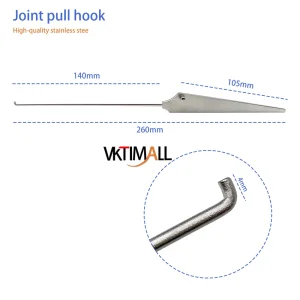
1pc Probe Arthroscopy Instruments for Meniscus Repair Surgery Orthopedic Instruments
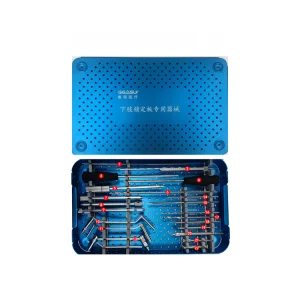
Lower Limbs Knee Implants Total Knee Replacement Bone Needle Femoral Nail Orthopedic Plates Plates and Screws
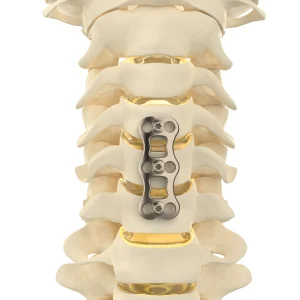
CANWELL Orthopedic Implant Spine Implant Anterior Cervical Bone Plate Cervical Spine Surgery Titanium Plate
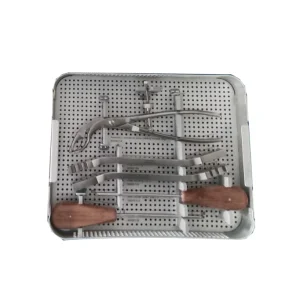
Competitive Price CE&ISO Orthopaedic Surgery External Fixation Lower Limb Fracture Instrument Set
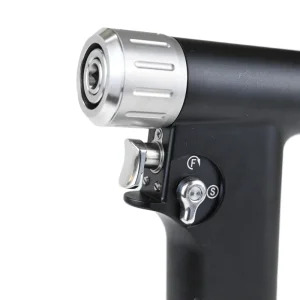
Linvetac / Hall / Conmed Battery System Medical Orthopedic Drill Set Multifunction Drill and Saw
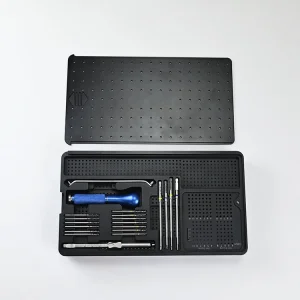
Orthopedic Manufacturers Tornillos 1.5 Maxilofacial Plates Instrument Maxillofacial Set
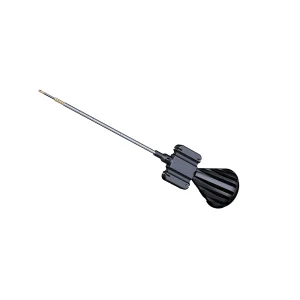
Titanium Suture System Knee Ligament Reconstruction Knot-free Anchor
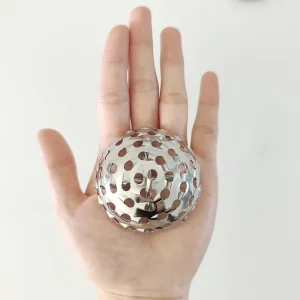
Hip Replacement Surgical Instruments Acetabular Reamer Head for Bone Rejuvenation