Osteora
Osteora
Osteora
High-tolerance prosthesis components and specialty instrument sets for immediate clinical deployment in Lisbon, Porto, and Coimbra.
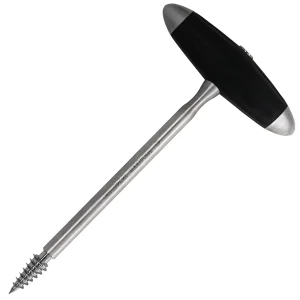
Portugal faces profound demographic shifts. According to data from the Instituto Nacional de Estatística (INE), Portugal has one of the oldest populations in the European Union, with over 22% of its citizens aged 65 or above. This rapidly aging population, coupled with high rates of osteoarthritis and rheumatic diseases, has led to a significant surge in demand for primary and revision joint arthroplasty procedures, specifically Total Hip Replacements (THR) and Total Knee Replacements (TKR).
The Portuguese healthcare architecture is divided into the public sector—under the Serviço Nacional de Saúde (SNS)—and a rapidly expanding private clinical sector led by healthcare systems such as CUF, Luz Saúde, and Lusíadas Saúde. While public hospitals face long surgical waiting lists, prompting governmental initiatives to optimize orthopedic surgical output, private groups require rapid supply chains, premium clinical performance, and highly competitive pricing to maximize resource efficiency. Osteora Medical Devices is positioned to fulfill this dual-market demand, delivering high-performance orthopedic implants that meet both budgetary requirements and stringent safety regulations.
Credibility built on strict compliance, world-class precision engineering, and verified export achievements.
Osteora Medical Devices Co., Ltd. is a premier professional orthopedic implant and surgical solution manufacturer specializing in trauma, spine, and joint reconstruction systems. Under our global brand Osteora, we have committed our engineering capabilities to support surgeons, distributors, and procurement groups with CE-marked surgical portfolios.
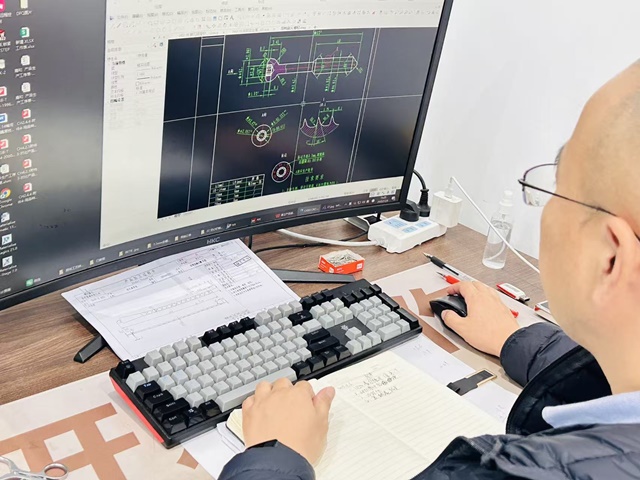
Exporting orthopedic joint replacements (Class III medical devices) into Portugal requires compliance with the European Union Medical Device Regulation (EU MDR 2017/745). At Osteora, we align our manufacturing and validation workflows with these guidelines. Our joint implants possess the necessary CE documentation, technical dossiers, and Post-Market Clinical Follow-up (PMCF) framework structures required for registration in the Portuguese national medical device database managed by INFARMED (Autoridade Nacional do Medicamento e Produtos de Saúde).
Every batch of Osteora implants undergoes fatigue testing, biocompatibility assessment (ISO 10993 series), and cleanroom sterilization validation. This guarantees that Portuguese healthcare providers receive implants that meet the clinical standards expected by the European orthopedic community.
We work in tandem with local Authorized Representatives (AR) in the European Union to streamline customs clearance, manage the European Database on Medical Devices (EUDAMED) entries, and support Portuguese distributors during major regional public procurement tenders.
How Osteora combines raw material integrity, state-of-the-art machinery, and scalable production to offer cost-competitive arthroplasty systems.
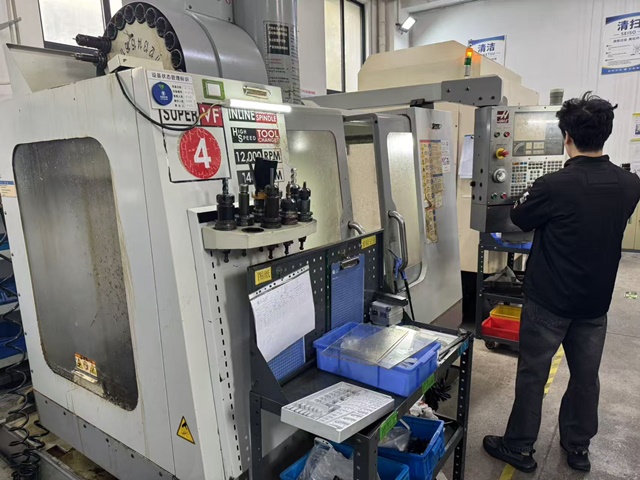
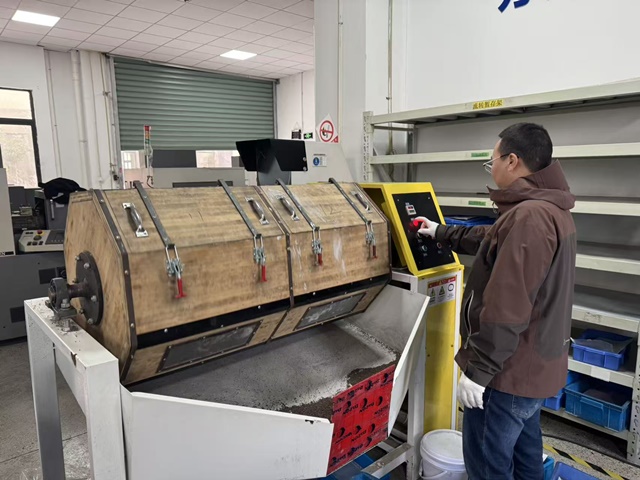
By leveraging China's advanced manufacturing infrastructure, Osteora delivers implants engineered with high accuracy. Our production facility features Swiss-type lathes, HAAS CNC machining centers, and automated polishing machines that achieve precision tolerances down to the sub-micron level.
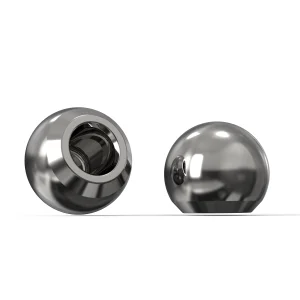
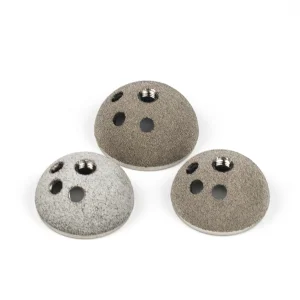
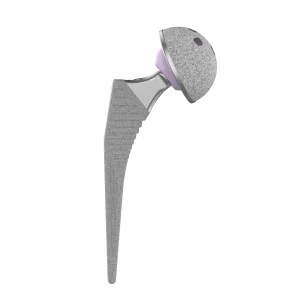
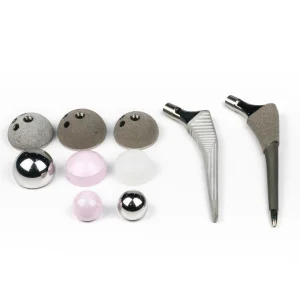
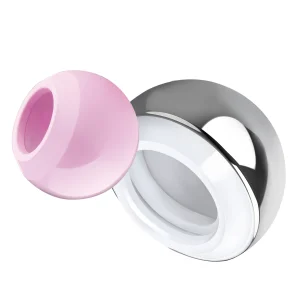
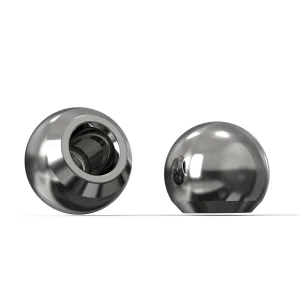
We source raw medical-grade materials—including Titanium Alloys (Ti6Al4V ELI conforming to ASTM F136), Cobalt-Chromium-Molybdenum (CoCrMo conforming to ISO 5832-12), and Ultra-High-Molecular-Weight Polyethylene (UHMWPE)—only from certified suppliers. This ensures that every acetabular cup, femoral stem, tibial plate, and ceramic modular head provides reliable wear characteristics, structural strength, and resistance to aseptic loosening.
The rising cost of orthopedic healthcare is a global challenge. Osteora offers an alternative for hospital networks and medical distributors in Portugal by reducing manufacturing overheads through vertical integration, without compromising clinical quality. Our optimized supply chain can lower total procurement costs for joint implants by 30% to 50% compared to traditional Tier-1 Western European brands.
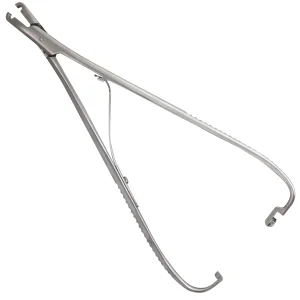
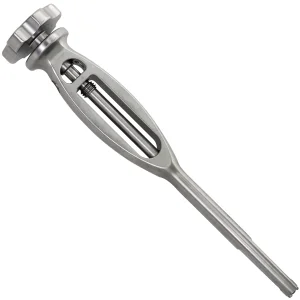
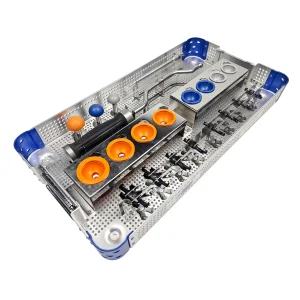
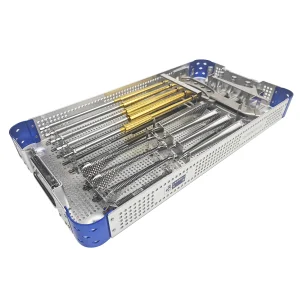
We support our products with comprehensive surgical instrument kits, ensuring surgeons have access to the exact instrumentation required for primary and revision procedures.
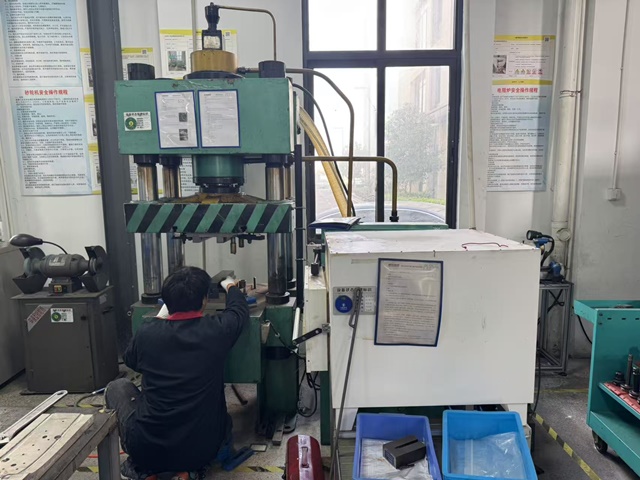
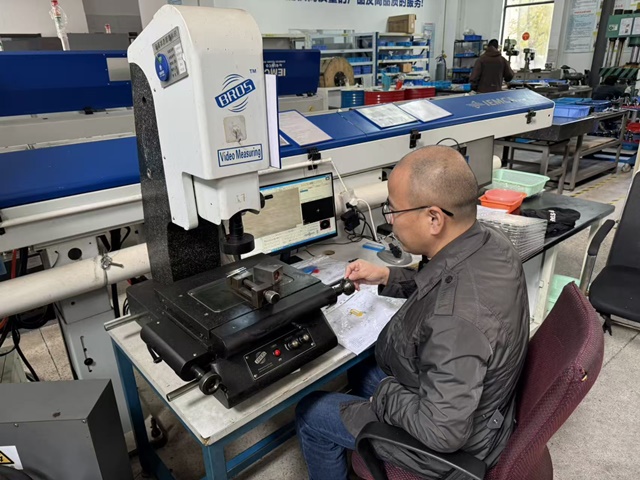
Step-by-step visual documentation of our manufacturing, inspecting, and testing workflows.
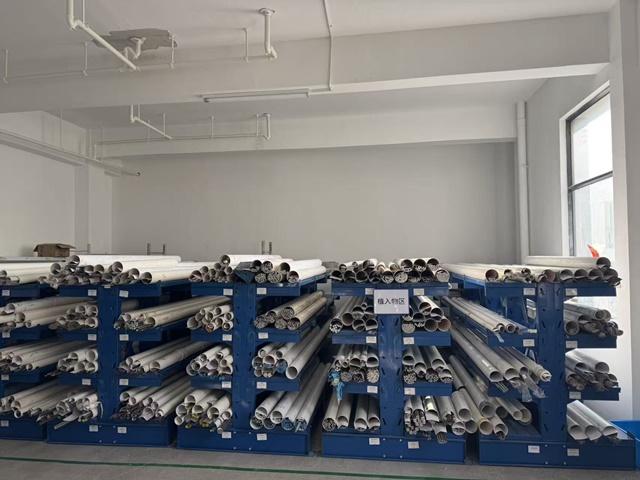
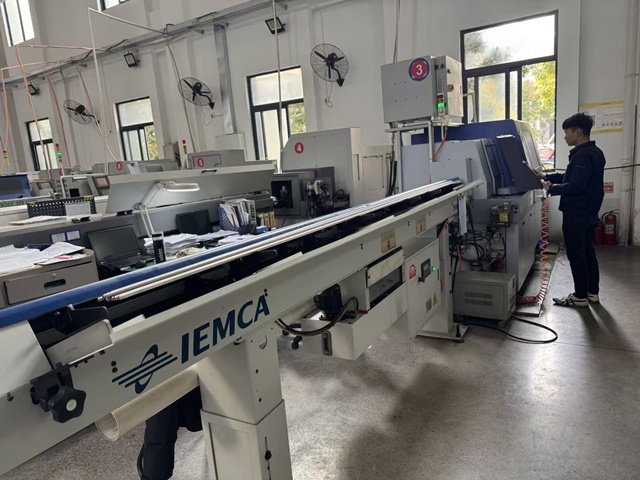
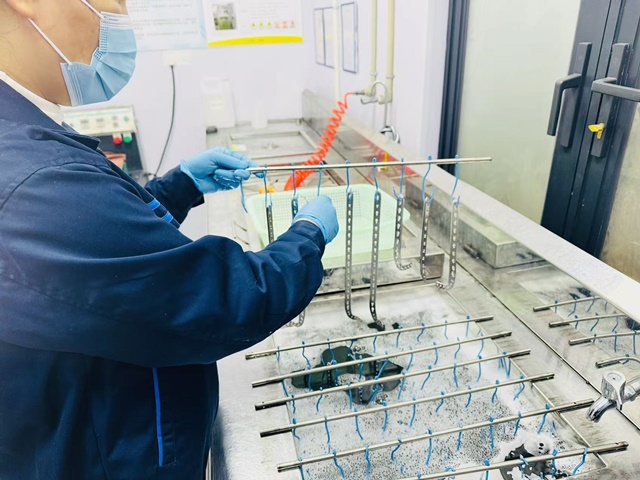
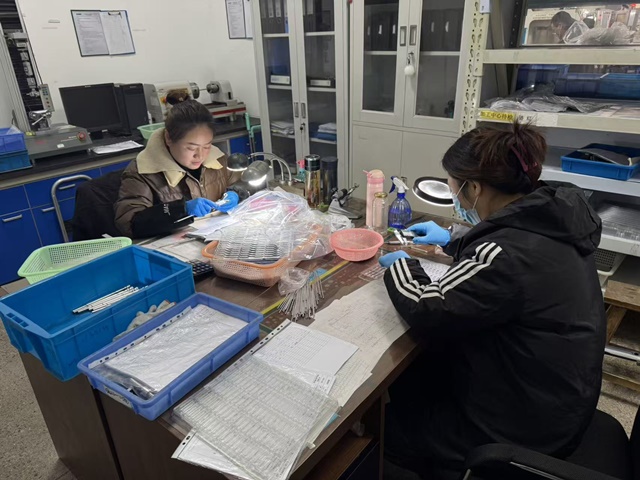
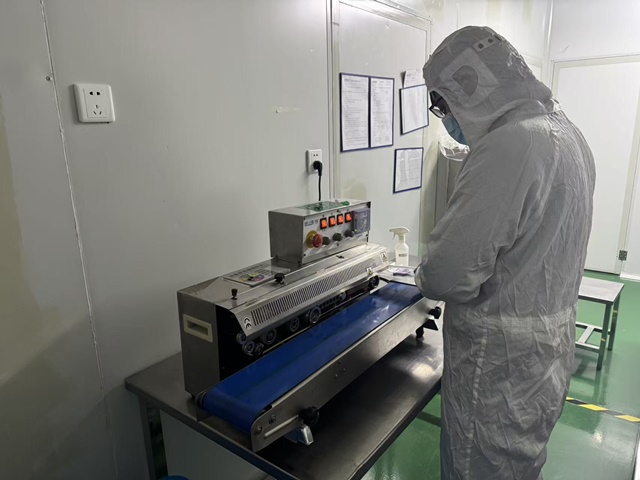
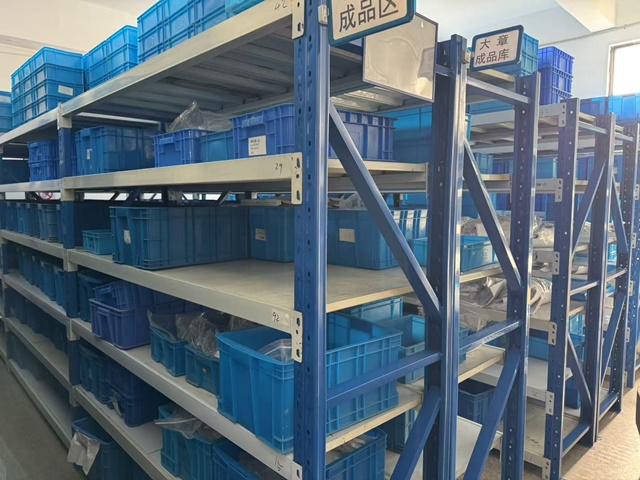
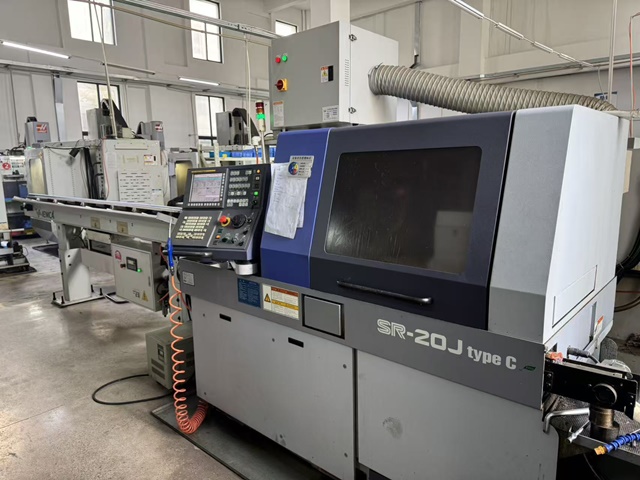
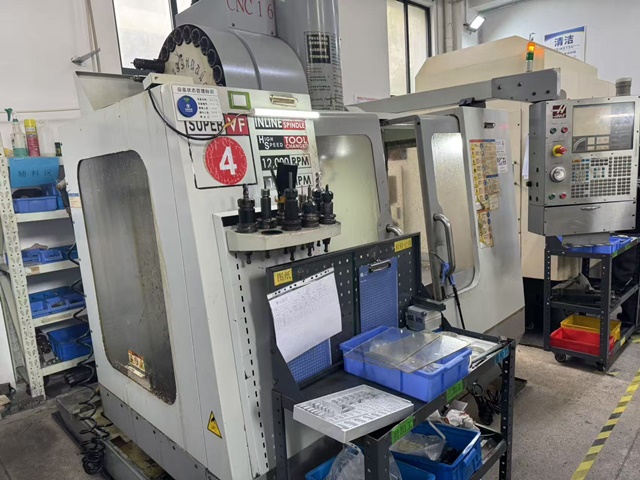
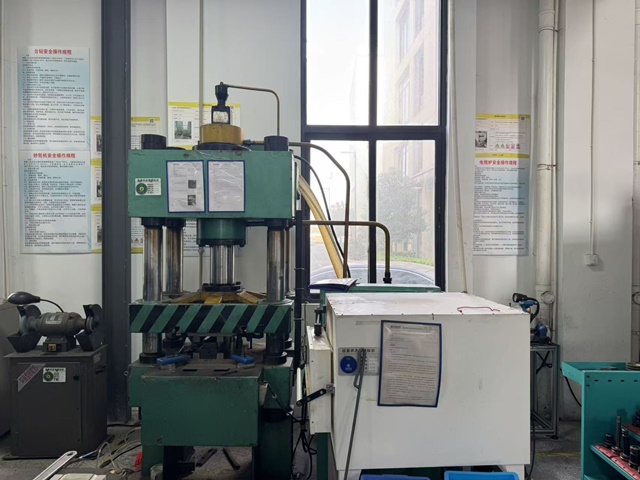
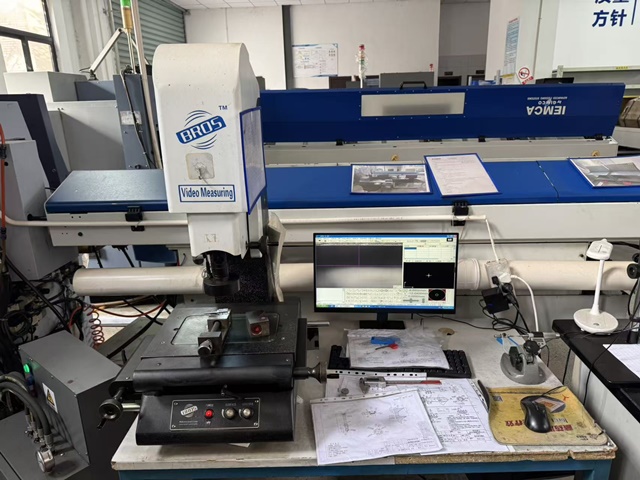
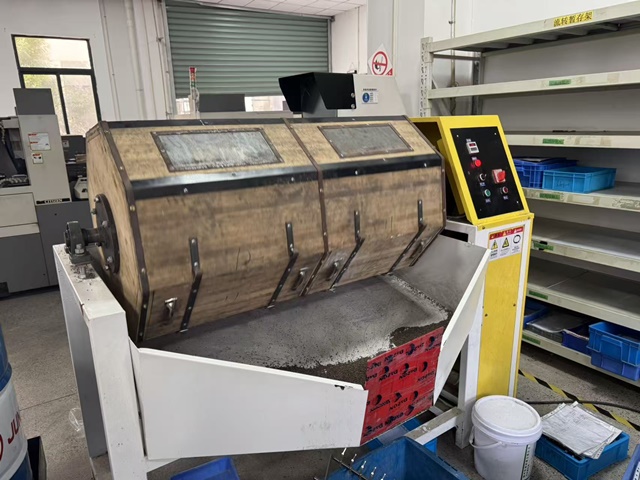
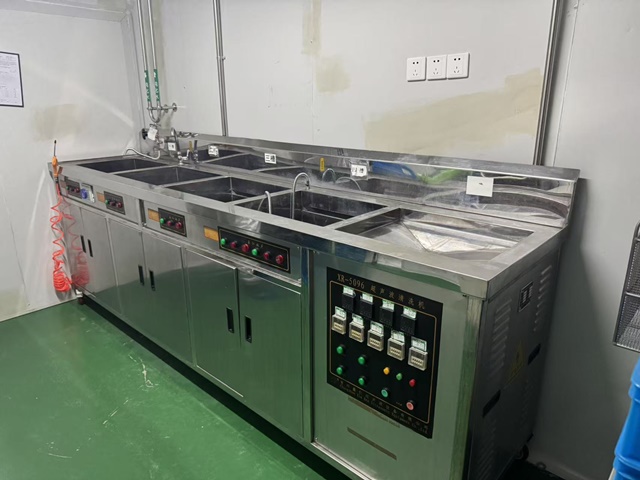
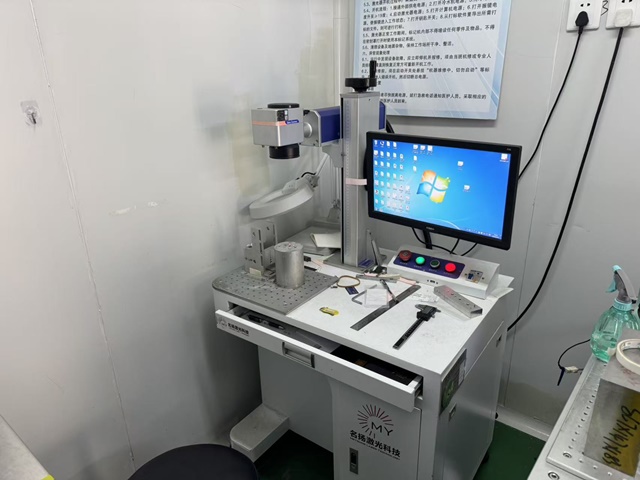
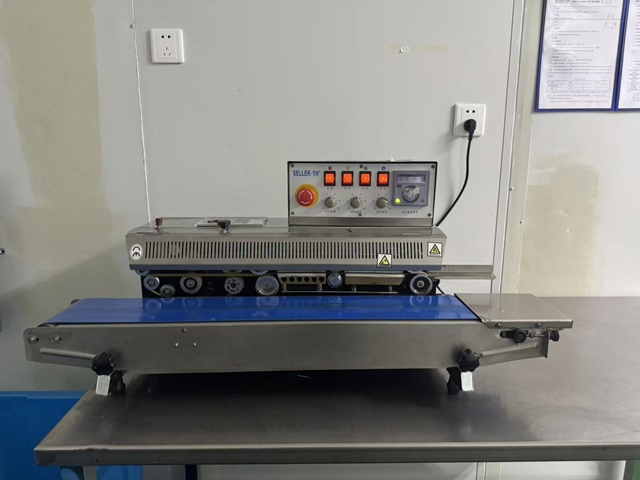
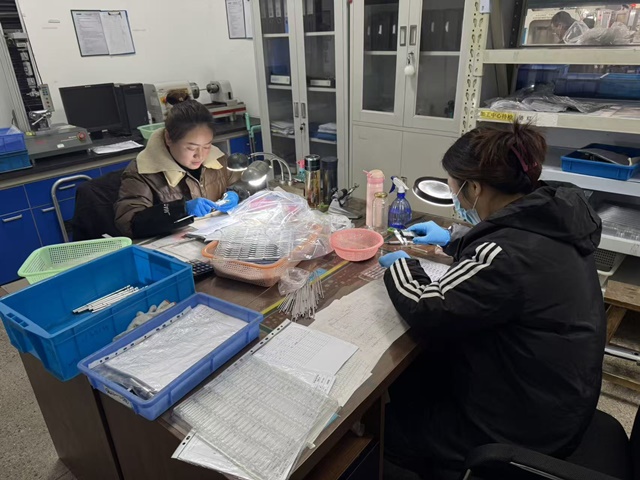
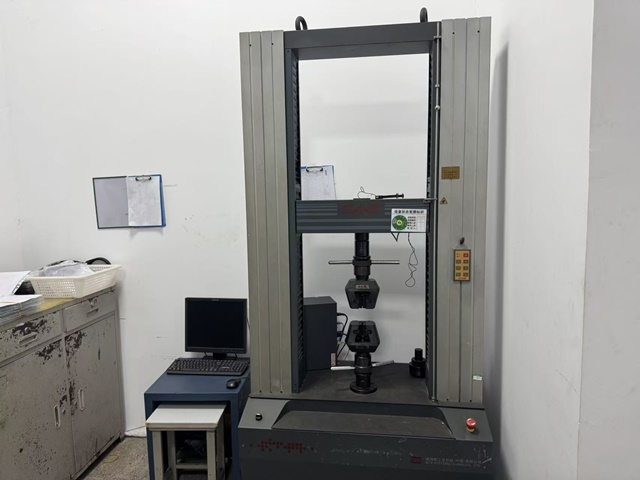
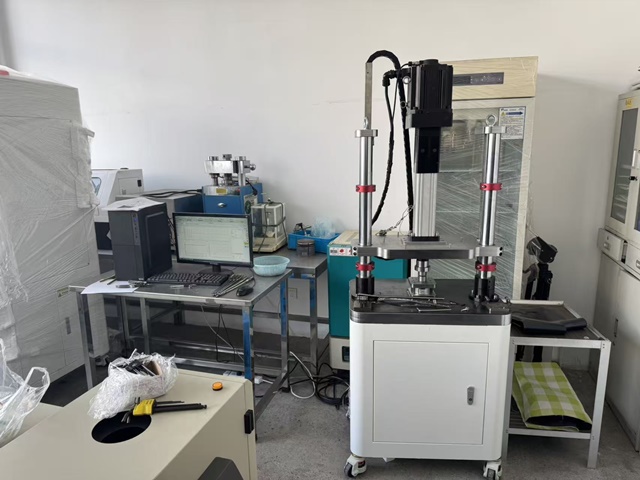
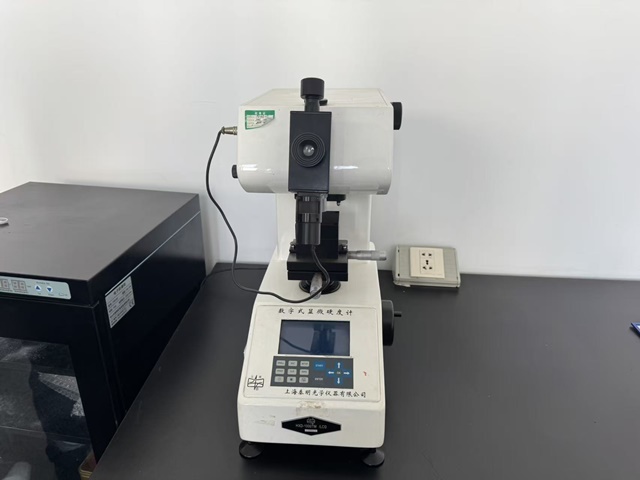
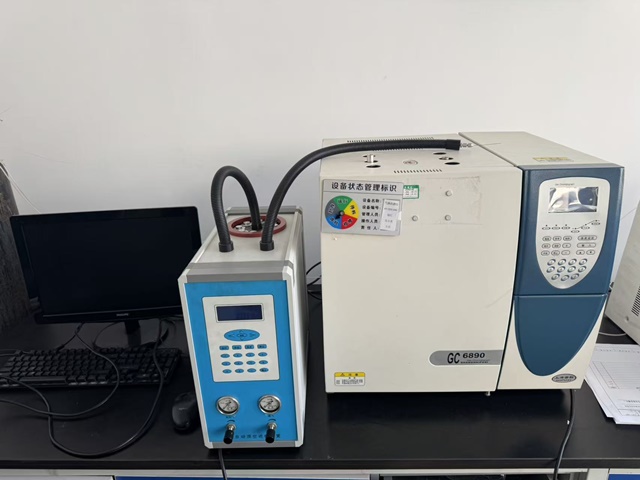
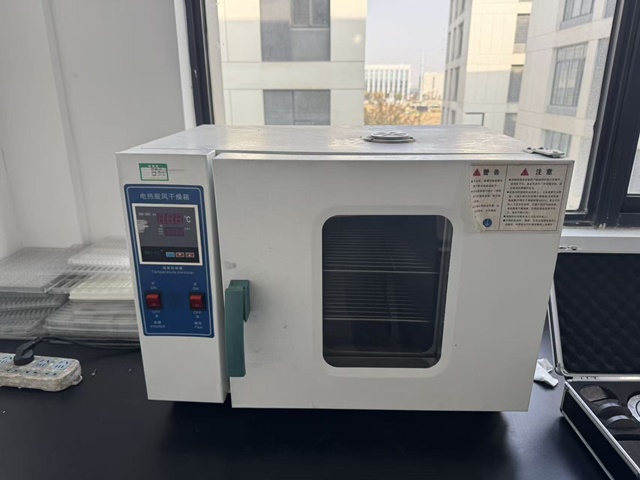
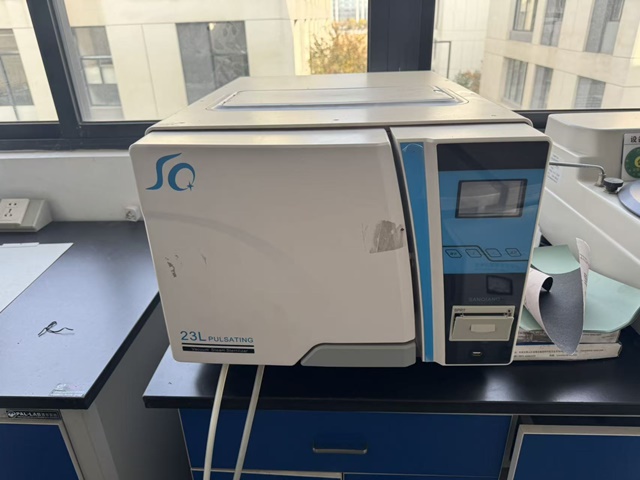
Global procurement teams, medical equipment distributors, and public tender bidders in the EU operate within tight cost constraints. Hospital purchasing networks require manufacturers to provide more than just the physical implants; they demand a reliable partner capable of delivering consistent batches, customizable parameters, and full regulatory transparency.
Osteora addresses these global challenges through a responsive OEM/ODM model. We work closely with partners in Portugal and Western Europe to align custom labeling, custom packaging, and private label requests with EU MDR requirements. Our logistics department coordinates shipping routes directly to key commercial hubs, including Porto, Lisbon, and Setúbal, ensuring consistent supply to mitigate clinical inventory shortages.
We streamline the supply chain process for global medical device purchasing groups:
Adapting to changes in biocompatibility, osseointegration, and surgical methodologies.
Vacuum Plasma Sprayed (VPS) Titanium combined with Hydroxyapatite (HA) coatings represents a standard in cementless fixation. These micro-porous layers encourage rapid osteoblast migration, establishing secondary biological stability and minimizing the risk of aseptic loosening in younger, active patients.
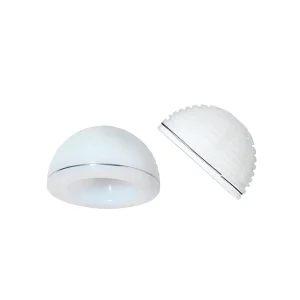
The clinical shift toward Ceramic-on-Polyethylene (CoP) and Ceramic-on-Ceramic (CoC) interfaces continues to grow. High-purity alumina matrix ceramics combined with vitamin-E stabilized, highly cross-linked polyethylene (XLPE) components help reduce wear-induced osteolysis and extend implant life.
Modern operating rooms are adopting robotic-assisted surgical systems. Implants must feature precise mechanical registration points and predictable geometric dimensions to ensure compatibility with preoperative software planning and intraoperative guidance.
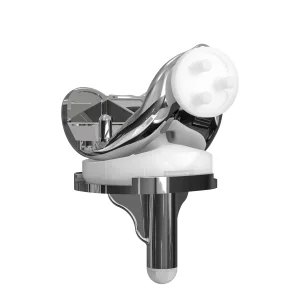
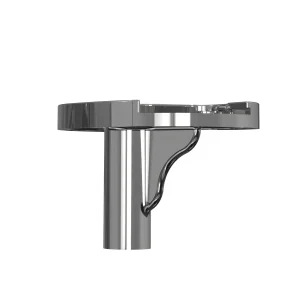
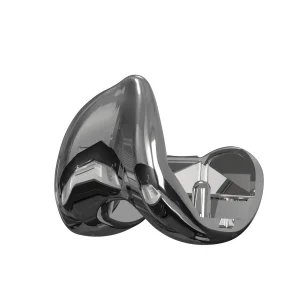
A comprehensive selection of CE Class III joint replacement components and specialized orthopedic tools.
Technical and logistical details regarding importing and utilizing Osteora orthopedic solutions in Portugal.
A: Yes, Osteora manufactures orthopedic implants in accordance with the regulatory standards required for the European Union. Our primary implants are designed to comply with CE Class III medical device standards, supported by technical documentation, ISO 13485 quality system management certification, biocompatibility evaluations, and mechanical testing. We assist Portuguese importers in registering these products in the INFARMED database to ensure legal market access.
A: For standard catalog designs, the typical shipping time from our facility is 30 to 45 days, depending on batch quantities. For custom OEM/ODM designs, packaging configurations, or private label services, the manufacturing time typically ranges from 60 to 90 days. This timeline accounts for structural prototype approval, mechanical testing verification, and packaging preparation.
A: We use medical-grade materials, including Titanium Alloy (Ti6Al4V ELI conforming to ASTM F136 / ISO 5832-3) for cementless femoral stems and acetabular cups; Cobalt-Chromium-Molybdenum Alloy (CoCrMo conforming to ISO 5832-12) for knee components and modular femoral heads; medical-grade Alumina/Zirconia Ceramics; and Ultra-High-Molecular-Weight Polyethylene (UHMWPE conforming to ISO 5834-2) for articulating liners.
A: Yes, we provide complete, reusable surgical instrument sets for both primary and revision hip/knee arthroplasty procedures. These sets include trials, osteotomes, reamers, trial modular heads, stem inserters, and manual extractors. They are manufactured from surgical-grade stainless steel and aluminum alloys designed to withstand repeated autoclave sterilization.
A: Yes, we assist our local distributors during SPMS (Serviços Partilhados do Ministério da Saúde) and individual hospital group tenders. We provide technical specifications, certification documentation, batch manufacturing reports, and clinical compliance records to support bidding applications.
Whether you represent a distributor participating in public tenders or a private healthcare provider seeking cost-effective supply solutions, our engineering and regulatory teams are ready to assist you.
Send Inquiry Now