 Osteora
Osteora
Osteora
Advanced orthopaedic implants and revision instrumentation systems optimized for immediate distribution within Hanoi, Ho Chi Minh City, and throughout Vietnam's provincial hospital infrastructure.
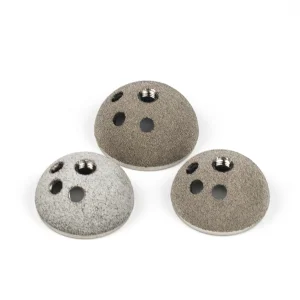
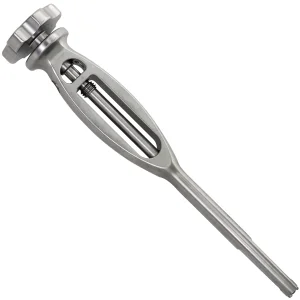
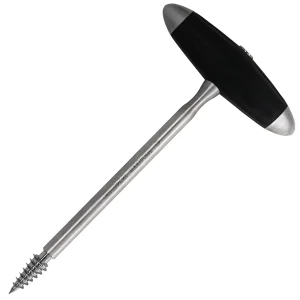
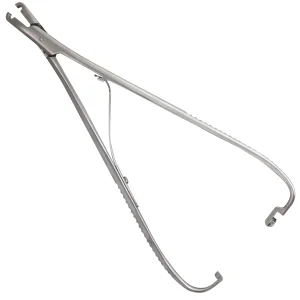
Vietnam is experiencing one of the most rapid demographic shifts in Southeast Asia. Statistics indicate that over 10.4% of the Vietnamese population is currently aged 60 and above, with projections indicating this demographic segment will double by 2035. This graying population profile, coupled with rising middle-class disposable incomes and increased public health insurance coverage (Vietnam Social Security - VSS), has driven an exponential increase in primary and secondary arthroplasty procedures. Historically, Vietnamese patients seeking complex surgeries traveled abroad to Singapore, Thailand, or Malaysia. Today, with the rapid upgrade of clinical capabilities at major domestic referral hospitals—such as Cho Ray Hospital, Viet Duc Hospital, and the 108 Military Central Hospital—the vast majority of Total Hip Replacements (THR) and Total Knee Replacements (TKR) are conducted domestically.
However, the local orthopedic device sector is highly import-dependent. International global conglomerates have historically held a dominant market share, yielding high price barriers that burden municipal hospital budgets and provincial insurance funds. For local healthcare channels to become sustainable, there is a systemic push towards sourcing high-performance, CE-certified biocompatible joint systems that offer clinical parity with Western premium lines but align with the financial reimbursement profiles dictated by the Vietnamese Ministry of Health (MOH).
"To scale arthroplasty services across Vietnam's secondary and provincial medical tier centers, clinical administrators must transition from high-margin luxury implants to value-engineered, OEM/ODM partners capable of delivering verified regulatory dossiers and ISO 13485 compliance."
A critical consideration in orthopedic product design for the Vietnamese market is the distinct morphological differences between Western and East Asian skeletal anatomies. Western standard femoral stems and tibial trays are frequently mismatched for the typical Vietnamese stature, which typically exhibits smaller distal femoral widths, narrower femoral canal diameters, and distinct tibial slopes. Utilizing oversized standard components in arthroplasty can lead to anterior knee pain, tibial component overhang, intraoperative femoral fracturing, or accelerated aseptic loosening.
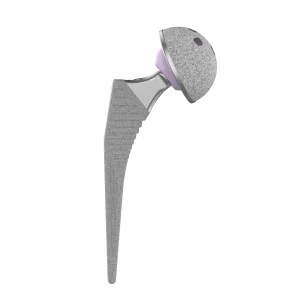
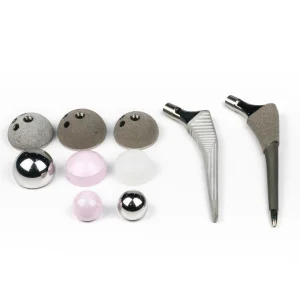
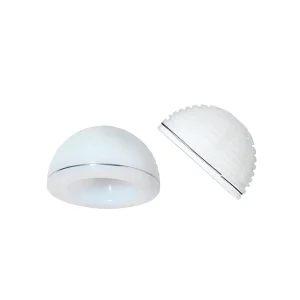
To address this clinical pain point, we supply modular configurations featuring specialized offset ratios, narrow-type femoral stems, and anatomic cementless acetabular options designed to provide maximum surface contact and cortical fit. These configurations provide surgeons with intraoperative flexibility, reducing overall operating room (OR) times and minimizing bone resection volume—a key benefit in Vietnam's high-throughput public hospital surgical theaters.
Global medical supply groups, local import distributors, and institutional tender committees in Vietnam operate under stringent, high-stakes regulatory landscapes. Sourcing directors require more than just competitive pricing; they require a secure, long-term supply partner with:
Utilization of medical-grade titanium alloy with plasma-sprayed Hydroxyapatite (HA) coating for optimal osseointegration and long-term stability.
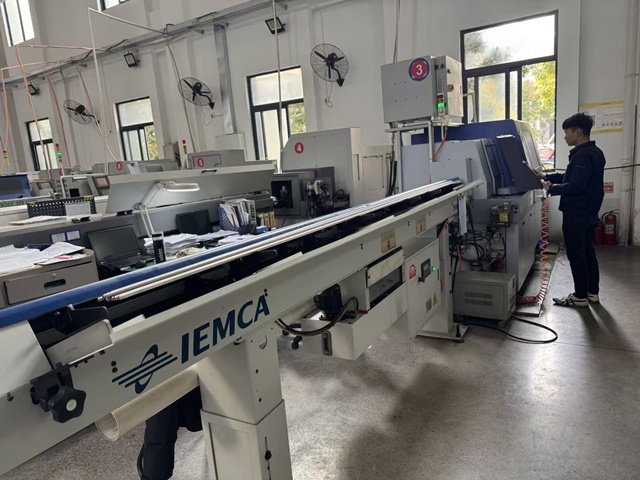
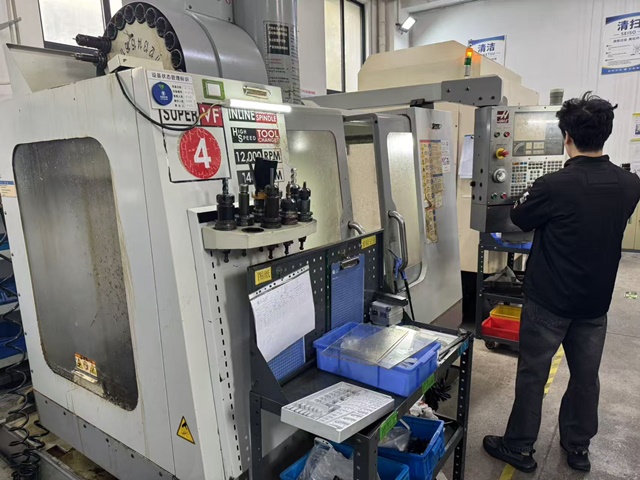
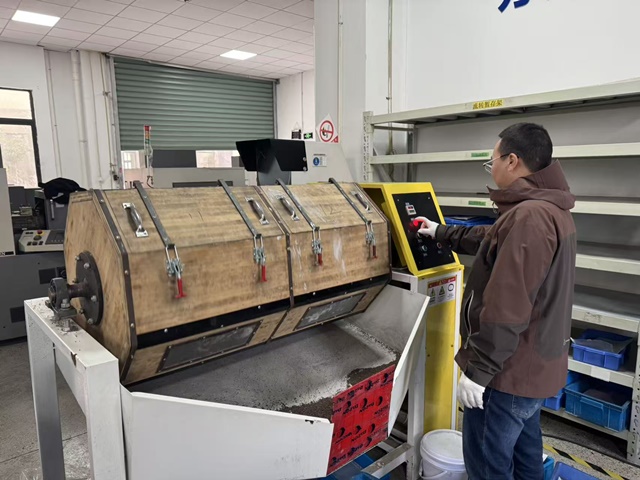
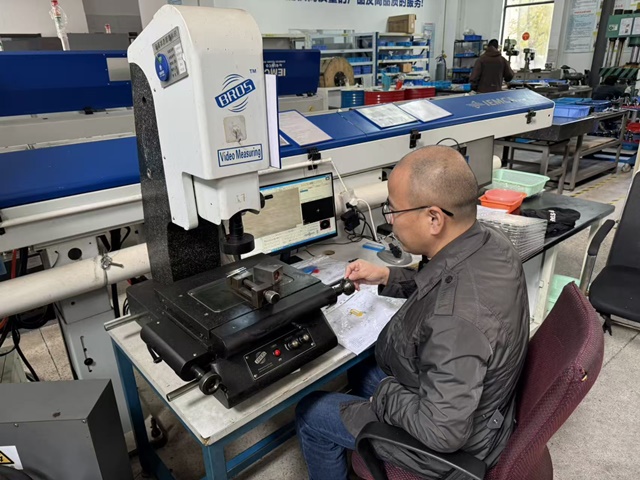
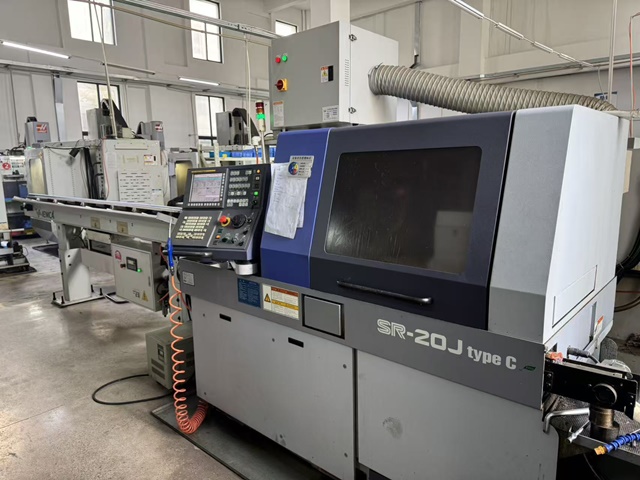
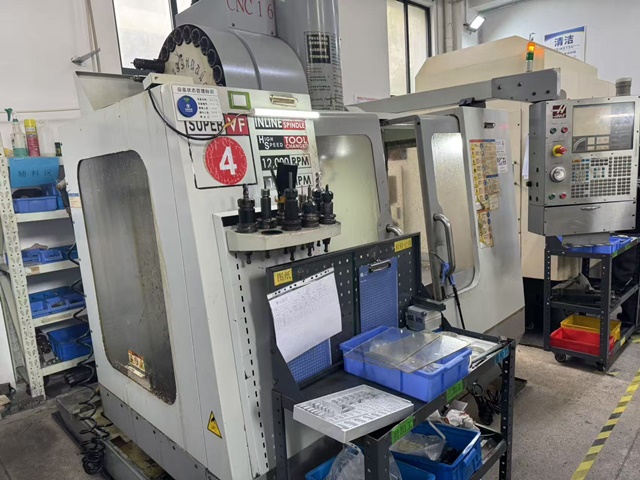
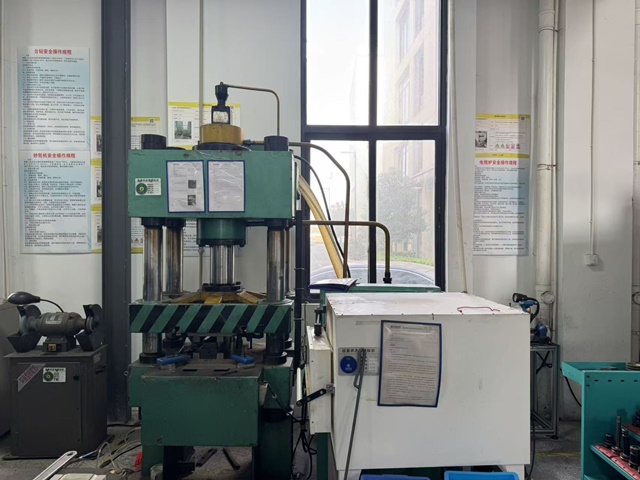
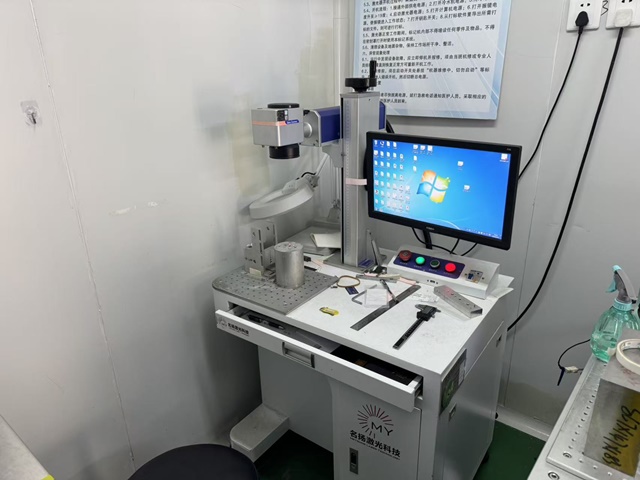
Milled on advanced Swiss-type lathe machinery and HAAS CNC units, ensuring geometric dimensional tolerances within +/- 0.005mm.
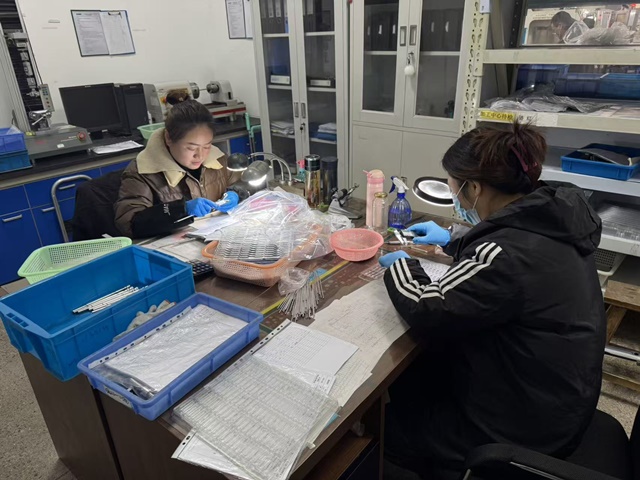
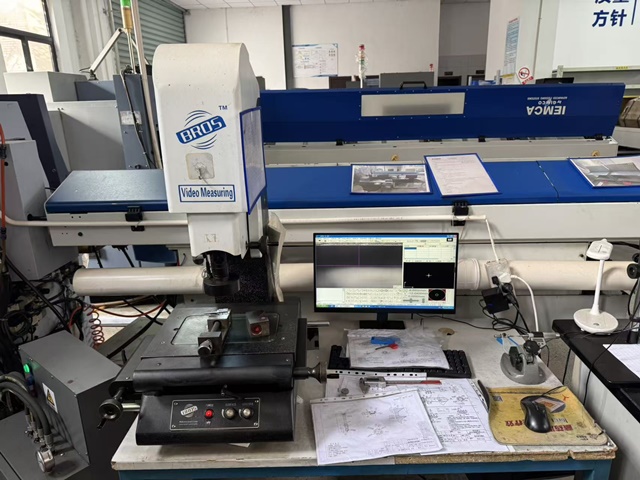
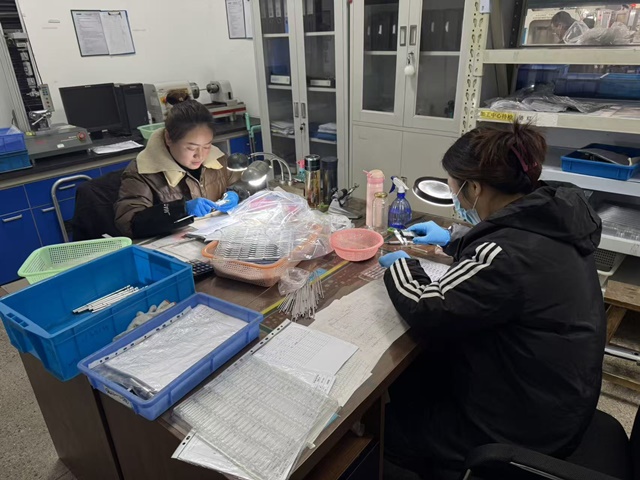
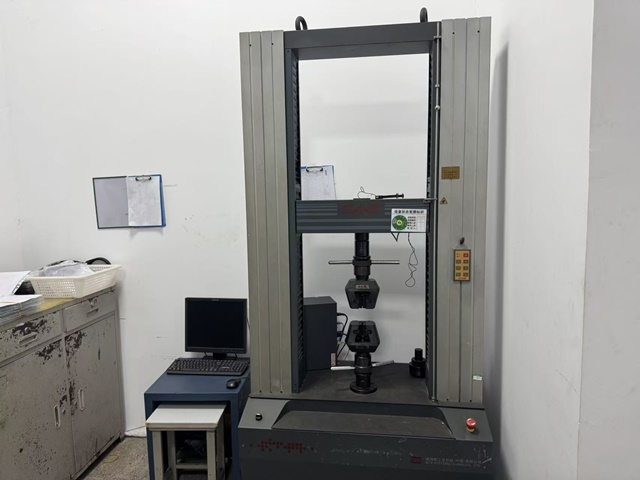
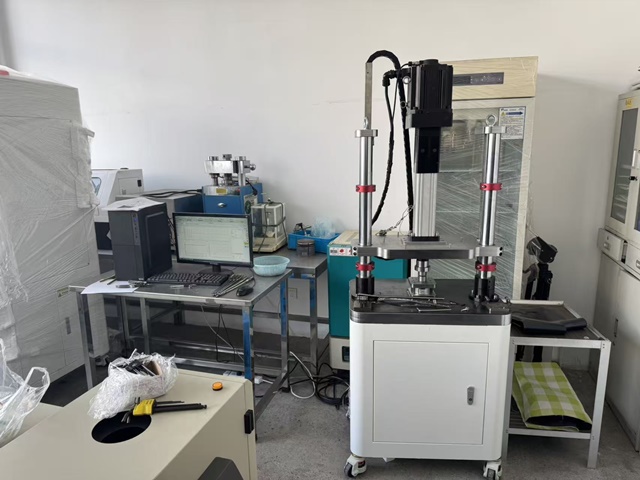
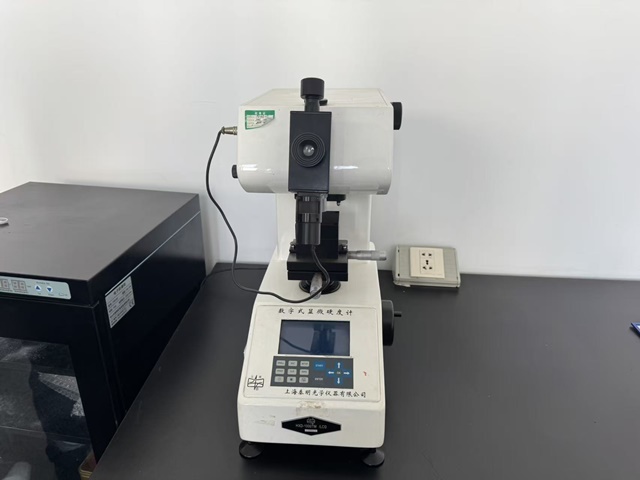
42 specialized quality inspectors carrying out Vickers hardness testing, fatigue profiling, and 100% final dimensional inspections.
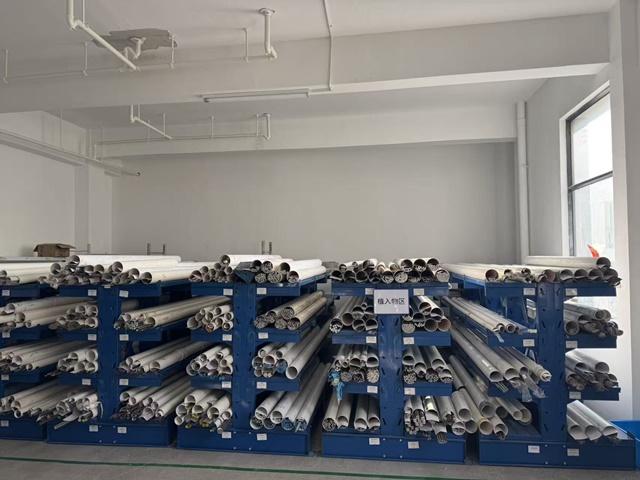
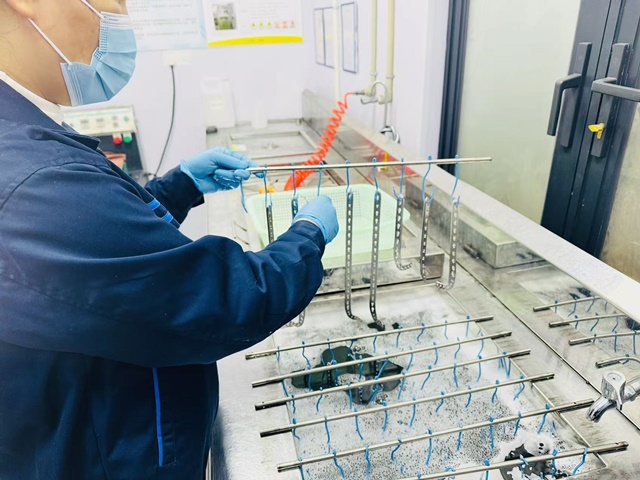
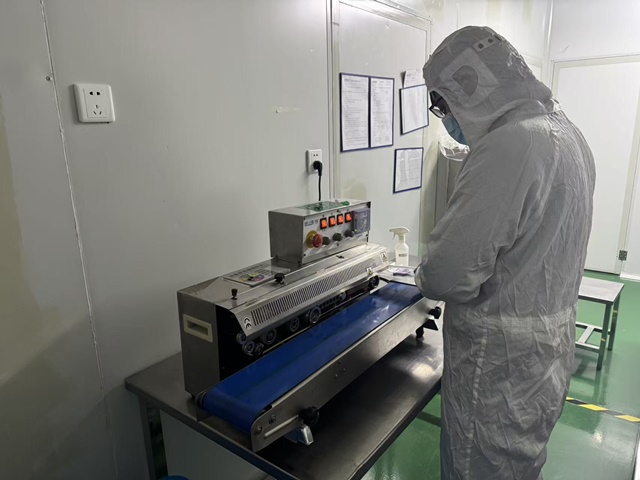
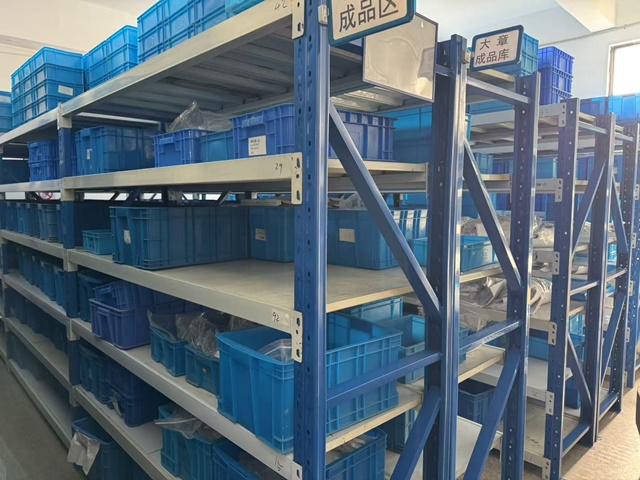
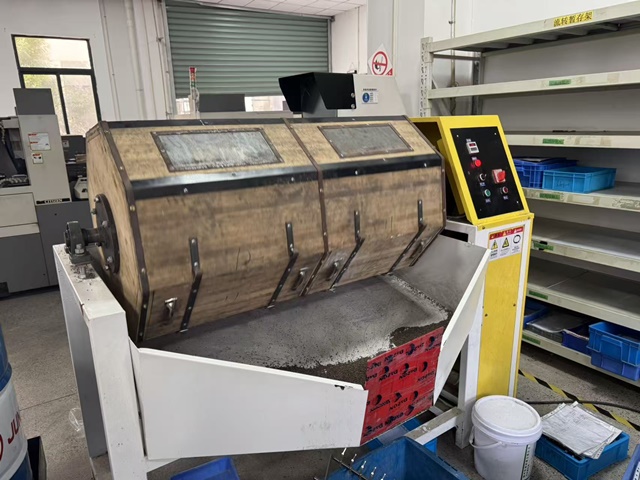
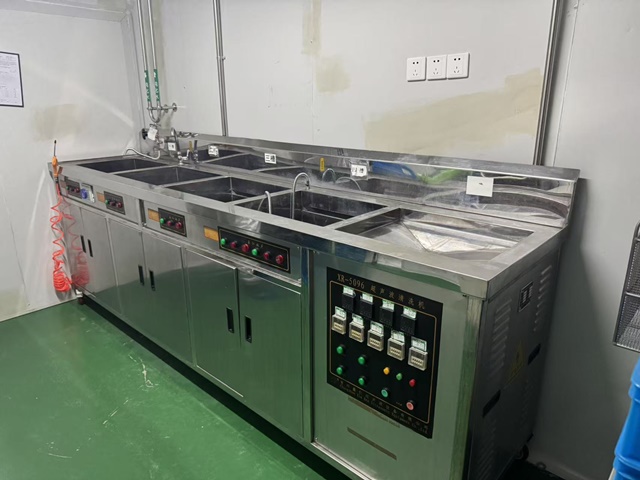
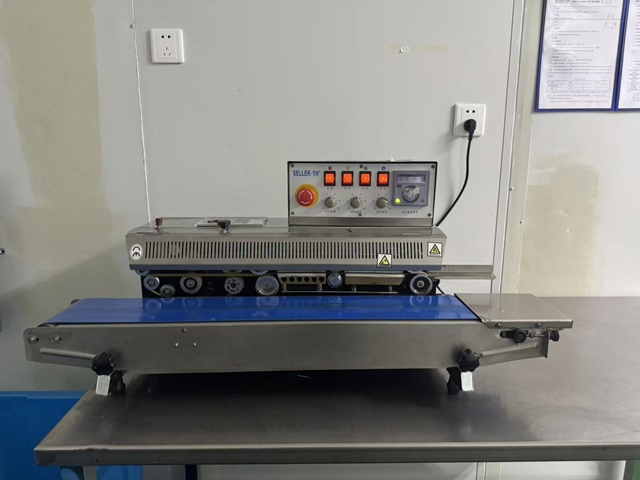
The manufacturing hub in China represents a highly integrated supply chain ecosystem. Unlike isolated regional manufacturers, China-based production integrates premium raw material suppliers, high-capacity precision heat treatment facilities, clean room sterilization packaging, and logistics networks in one region. This centralization translates directly to competitive unit economics, shorter lead times, and stable production outputs.
For Vietnamese distributors running national tenders, this stability is crucial. A delayed shipment of implants can result in canceled surgeries and breached hospital service contracts. China's mature production planning capabilities enable delivery times of 30 to 45 days, even for customized surgical instruments or special implant sizes. By utilizing state-of-the-art milling systems, automation processes, and mechanical testing protocols, the production quality achieved rivals Western medical lines, offering Vietnamese clinicians a reliable, high-performing alternative.
Corporate Overview and State-of-the-Art Joint Reconstruction Manufacturing Facilities
Osteora Medical Devices Co., Ltd. is a professional orthopedic implant and surgical solution manufacturer specializing in trauma, spine, and joint reconstruction systems under the brand Osteora.
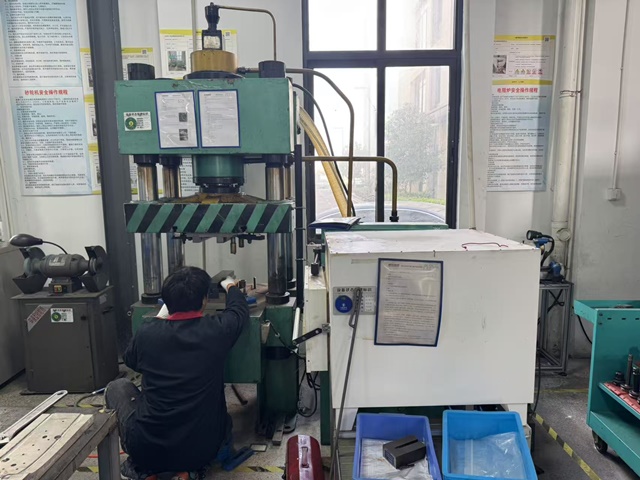
Founded in 2016, the company has developed a strong reputation in the global orthopedic industry through continuous innovation and strict quality control standards. The facility covers an area of approximately 18,500㎡, supporting integrated production, assembly, and testing operations.
With 8 years of export experience and 12 years of industry expertise, Osteora has established stable cooperation with international distributors and hospitals across multiple regions. Annual export revenue ranges from USD 6 million to 14 million, reflecting steady global market growth.
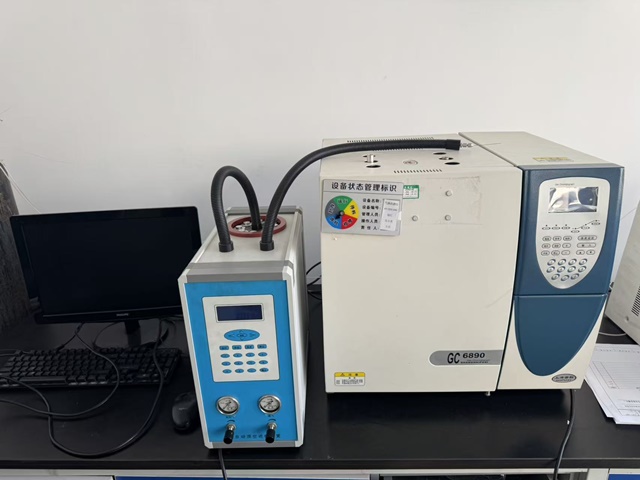
The company implements comprehensive quality assurance systems, including ISO 13485 compliance, in-process inspection, and final random sampling testing. Product inspection methods include dimensional measurement, mechanical fatigue testing, and biocompatibility validation. The quality control team consists of 42 specialized inspectors ensuring strict adherence to international medical device standards.
Osteora has a strong trade background in global medical device export and maintains long-term partnerships with distributors in Europe, Southeast Asia, the Middle East, and South America, which are also its primary markets.
The company’s supply chain includes approximately 1,200 certified upstream and downstream partners, supporting stable production capacity and reliable delivery performance. Its main customer base consists of hospitals, orthopedic clinics, surgical centers, and medical distributors.
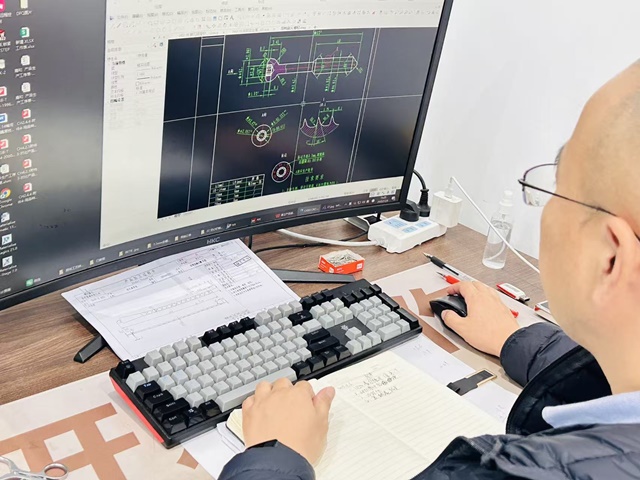
With strong R&D capabilities, Osteora operates an in-house engineering team of 85 R&D engineers, focusing on innovation in trauma fixation systems, spinal implants, and joint reconstruction technologies. The company offers extensive customization options, including OEM/ODM services, size variations, material customization, and private labeling.
In the past year, Osteora launched approximately 120 new products, reflecting its continuous investment in innovation and product development to meet evolving clinical needs.
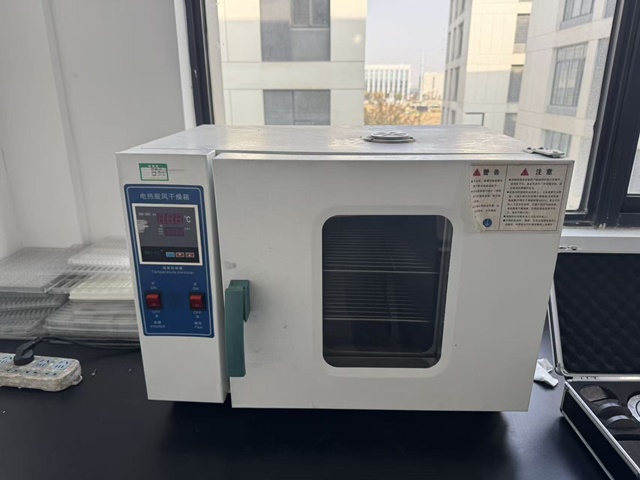
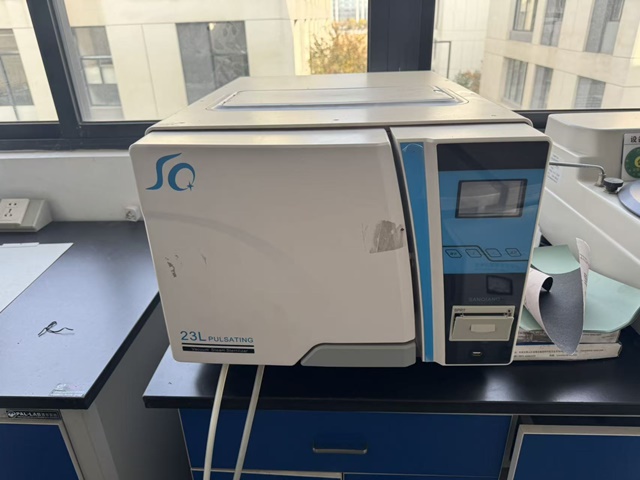
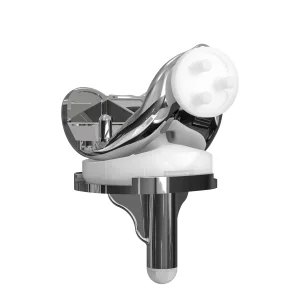
Premium biomaterial prosthetics, modular components, and matching surgical instrument sets for specialized orthopedic care in Vietnam.
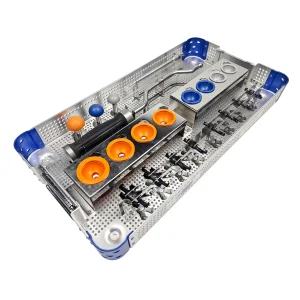
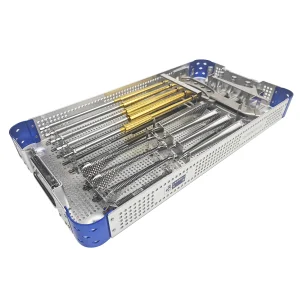
Essential Regulatory, Clinical, and Logistics Information for Orthopedic Distributors in Hanoi, HCMC, and Da Nang.
Establish a partnership with a certified orthopedic manufacturer. Access high-precision implants, specialized registration support, and cost-efficient OEM/ODM services.
Send Inquiry Now