Osteora Osteora

Total Hip/Knee Replacement (THR/TKR) Manufacturers & Suppliers for the Tokyo Market

High-Precision Orthopedic Implants & Instrument Systems engineered to PMDA regulatory standards. Certified OEM/ODM solutions driving clinical outcomes in Tokyo's top reconstruction centers.

Send Inquiry Now
12+
Years of Industry Expertise
18,500㎡
Production & R&D Facility
85
R&D Engineers & Designers
42
Specialized QC Inspectors

Tokyo Orthopedic Reconstruction Market Overview

As one of the world's most rapidly aging urban centers, Tokyo represents a unique landscape for orthopedic joint arthroplasty. The demand for Total Hip Arthroplasty (THA) and Total Knee Arthroplasty (TKA) is driven by an active elderly population seeking long-term joint survivability. Clinical entities in the Kanto region require high-performance, biocompatible materials that withstand advanced mechanical stress while complying with Japan’s rigorous regulatory frameworks managed by the Pharmaceuticals and Medical Devices Agency (PMDA).

Tokyo's Clinical and Regulatory Standard

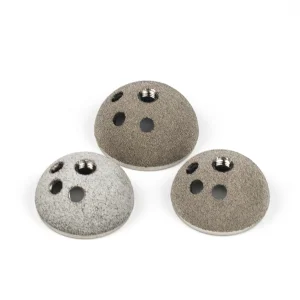
Japanese orthopedic surgeons demand extreme precision. Implants must feature exceptional surface coatings, such as Titanium Plasma Spray (TPS) and Hydroxyapatite (HA), ensuring immediate primary stability and rapid osteointegration. Tokyo hospitals prioritize minimized revision rates and implants tailored for Asian anatomical variations.

Supply Chain Optimization & Sourcing

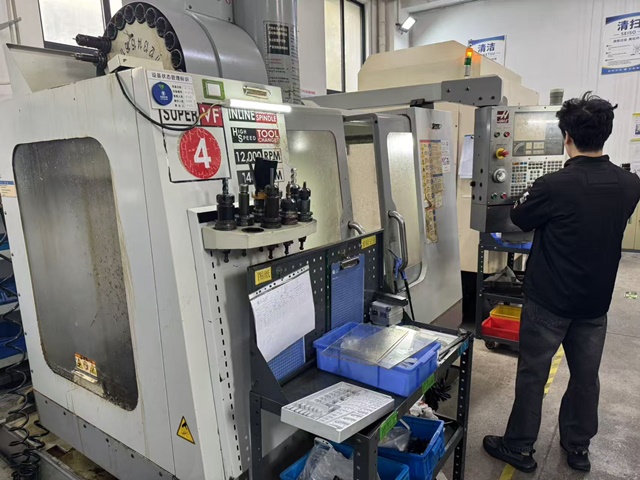
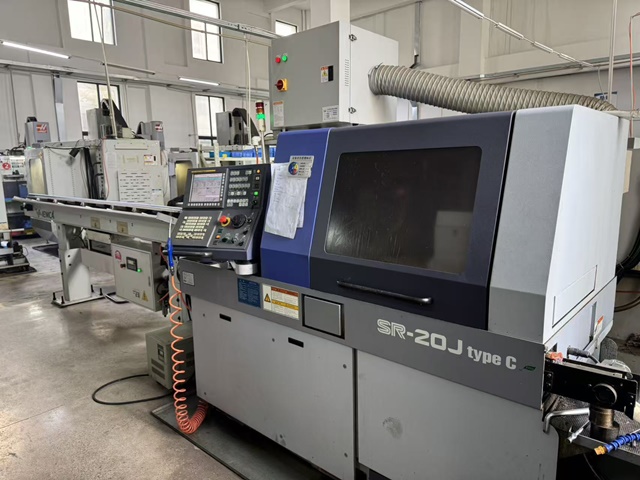
Local distributors and global hospital networks in Japan are optimizing procurement pathways. By sourcing from certified Chinese manufacturers like Osteora, they gain significant economic leverage. High-precision CNC milling combined with competitive pricing structures allows Tokyo institutions to achieve up to 40% cost reduction without compromising clinical reliability.

Osteora Medical Devices Co., Ltd. — Verified Medical Device Excellence

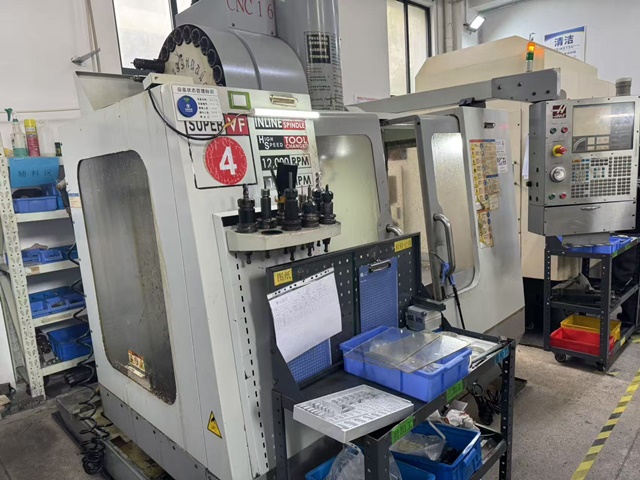
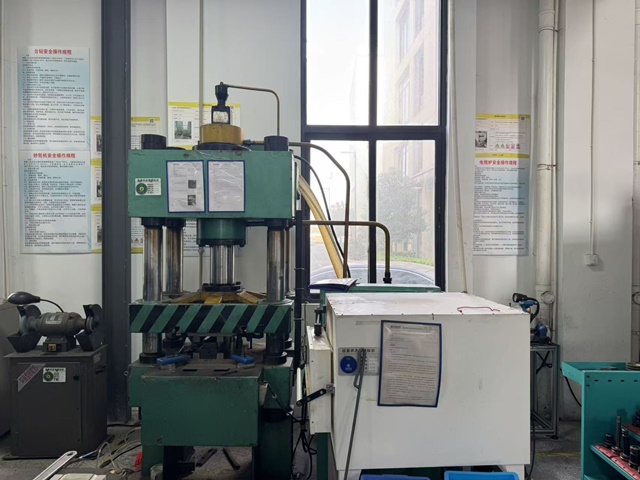
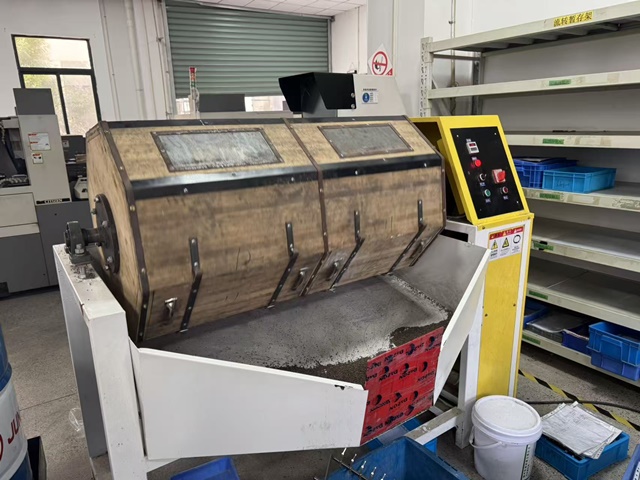
Osteora Medical Devices Co., Ltd. is a professional orthopedic implant and surgical solution manufacturer specializing in trauma, spine, and joint reconstruction systems under the brand Osteora. Founded in 2016, the company has developed a strong reputation in the global orthopedic industry through continuous innovation and strict quality control standards. The facility covers an area of approximately 18,500㎡, supporting integrated production, assembly, and testing operations.

With 8 years of export experience and 12 years of industry expertise, Osteora has established stable cooperation with international distributors and hospitals across multiple regions. Annual export revenue ranges from USD 6 million to 14 million, reflecting steady global market growth. The quality control team consists of 42 specialized inspectors ensuring strict adherence to international medical device standards like ISO 13485.

Connect with our QA Team

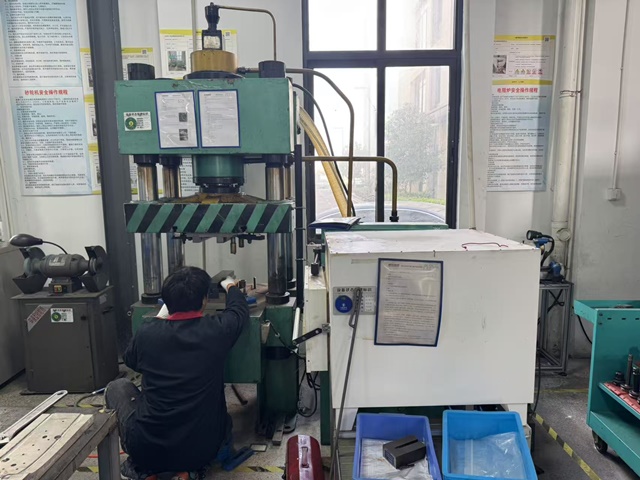
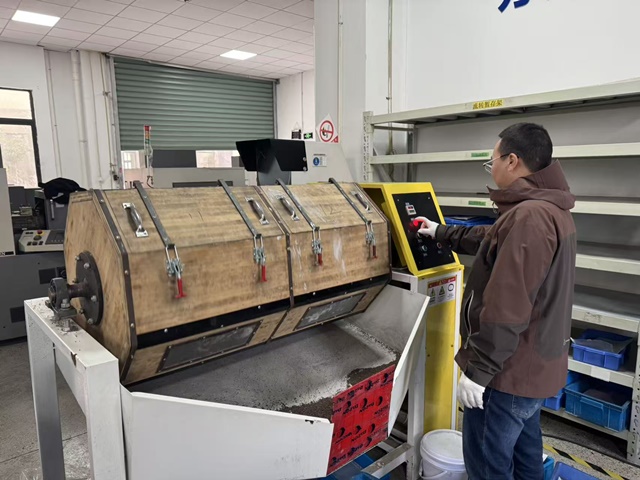
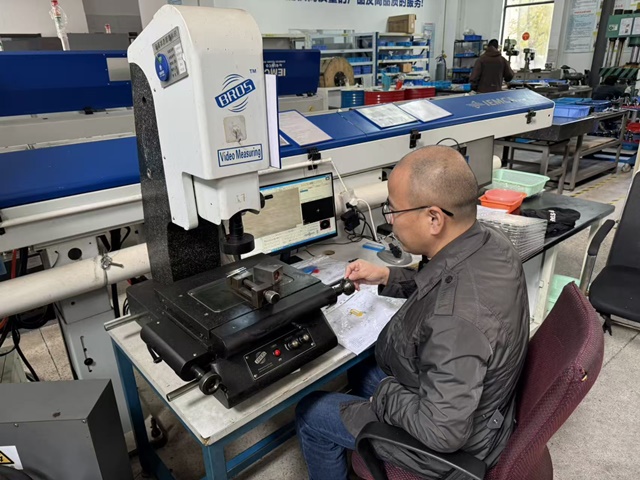
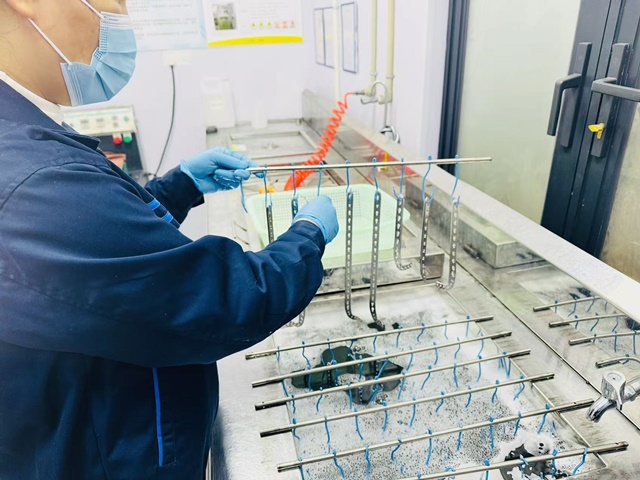
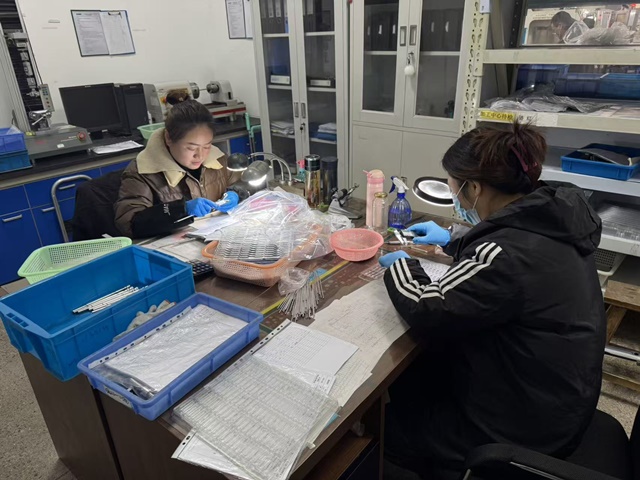
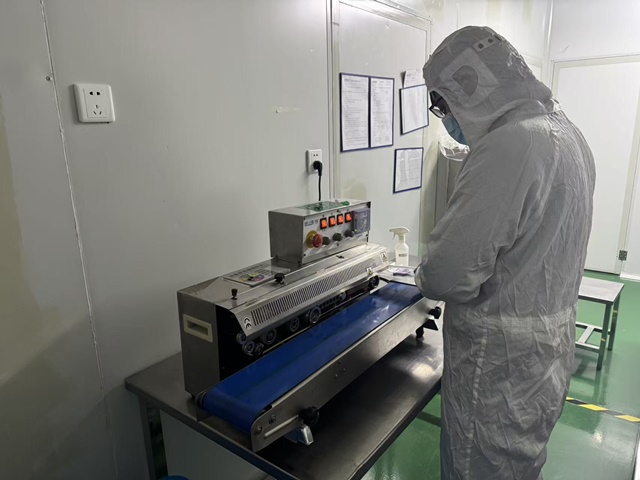
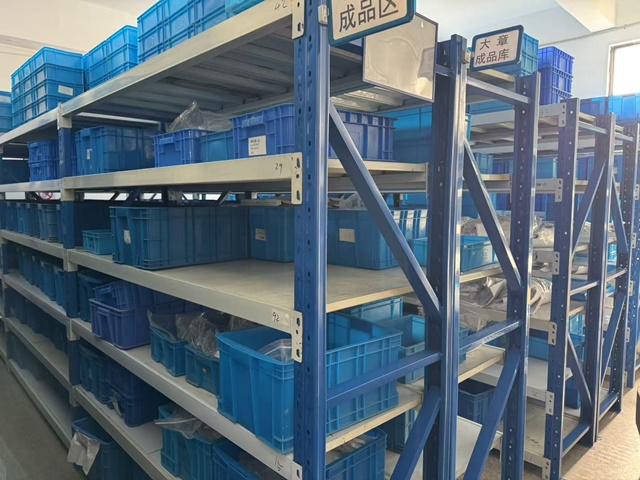
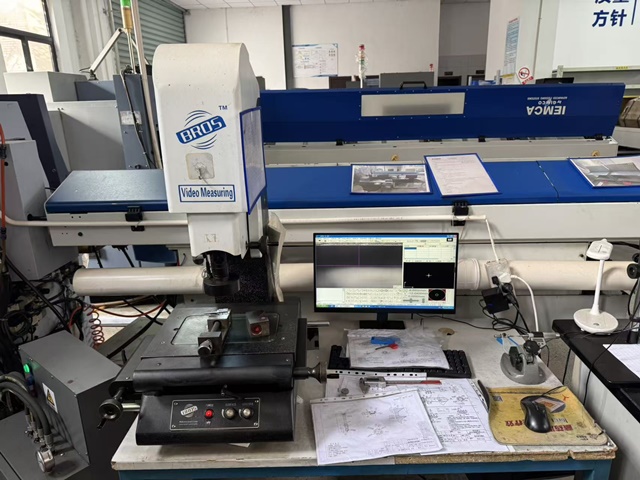
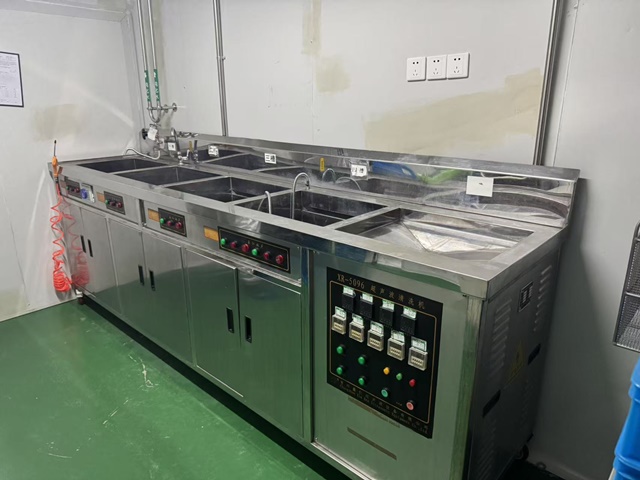
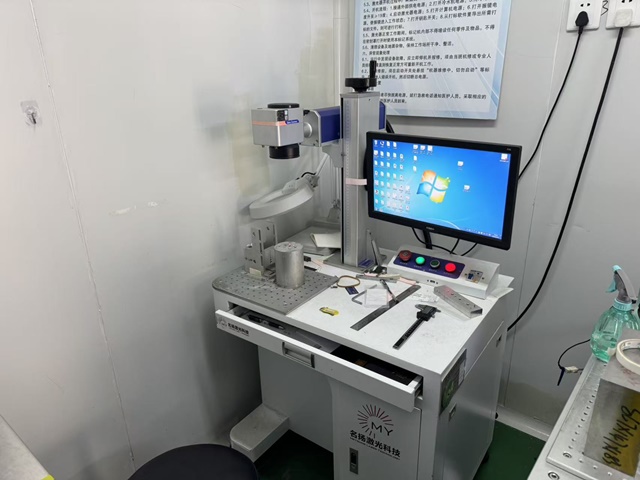
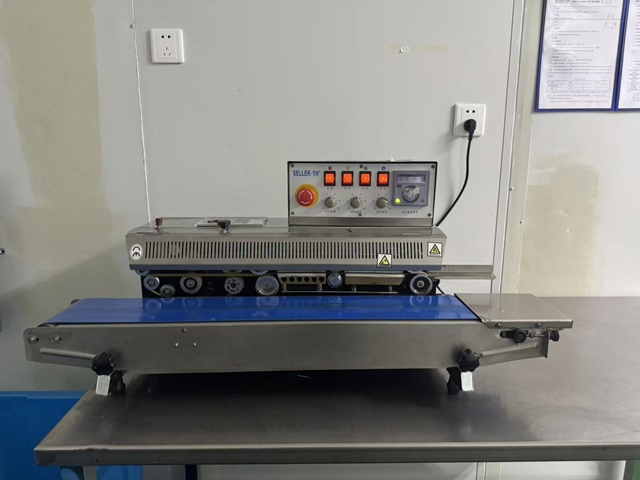
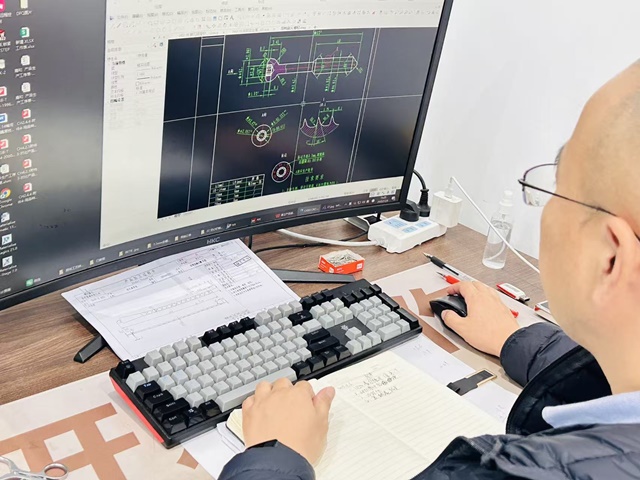
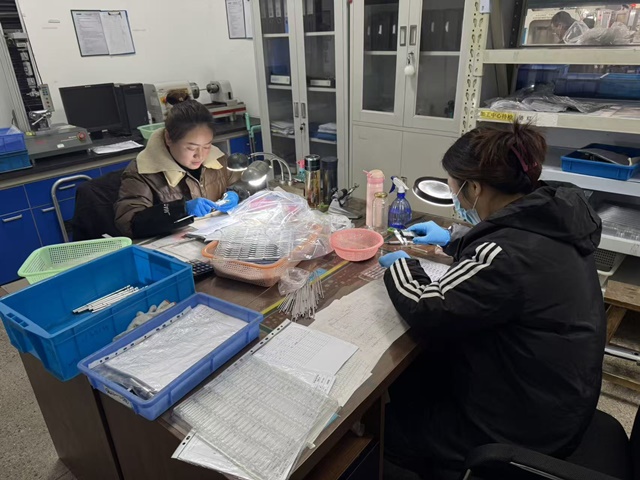
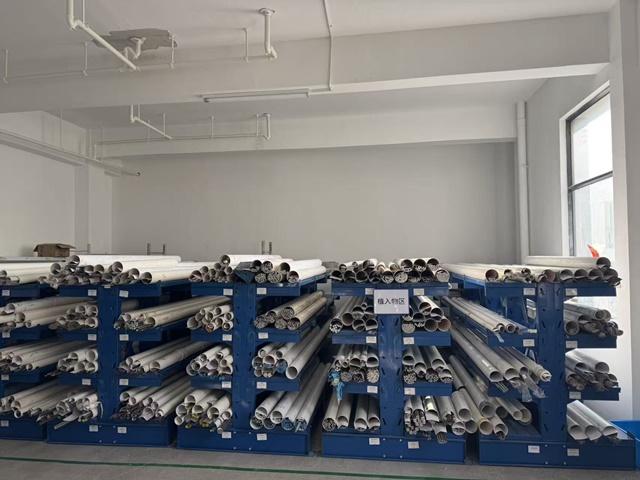
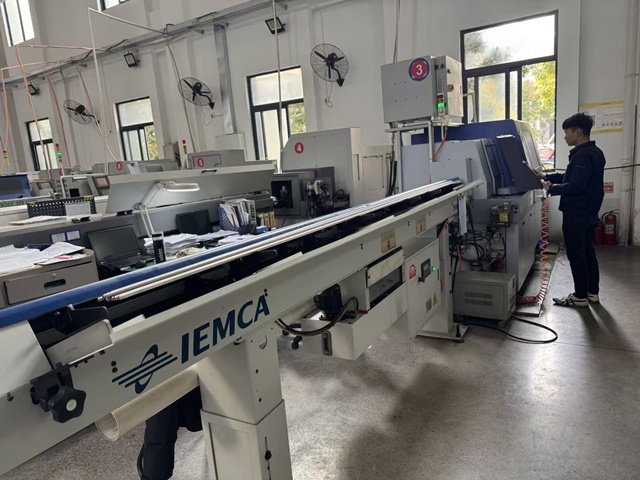
State-of-the-Art Production & Quality Verification Process

Explore our completely integrated vertically-aligned manufacturing infrastructure. Every step is documented, traceably monitored, and verified.
Macro-Industry Solutions & Procurement Infrastructure

Addressing the high-volume demand of orthopedic distributors, hospital chains, and OEMs.

End-to-End OEM & ODM Customization

Leveraging our in-house engineering team of 85 R&D specialists, we offer highly detailed OEM/ODM designs. We modify dimensions, customize materials (CoCrMo, Ti-alloy, UHMWPE), and apply private labeling options matching the anatomical profile of Japan's patients.

Robust Quality Assurance and Testing

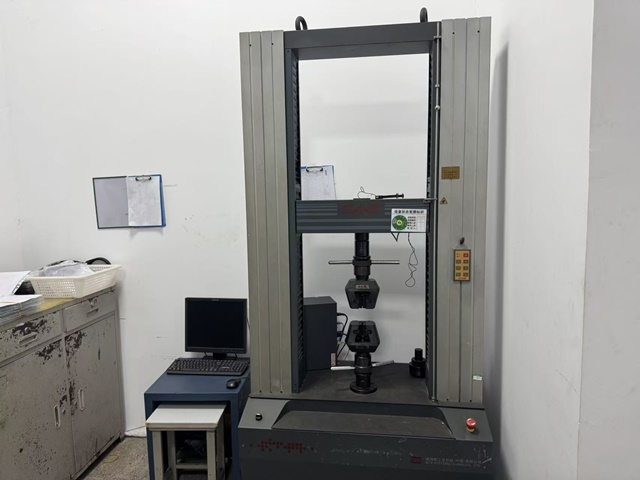
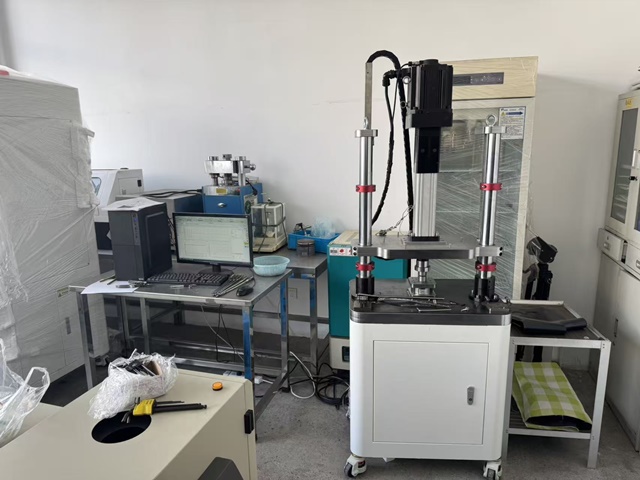
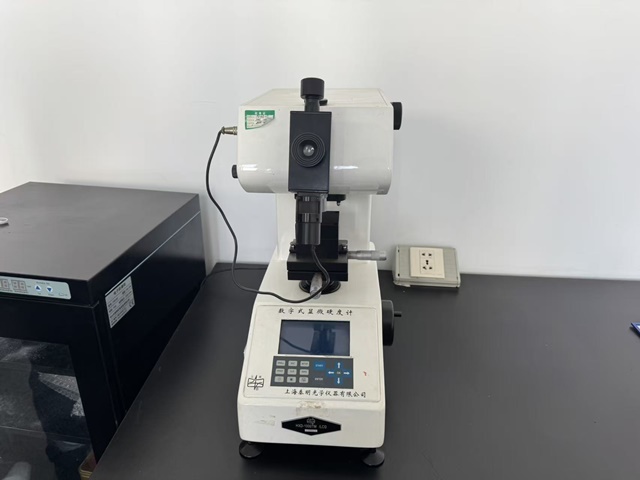
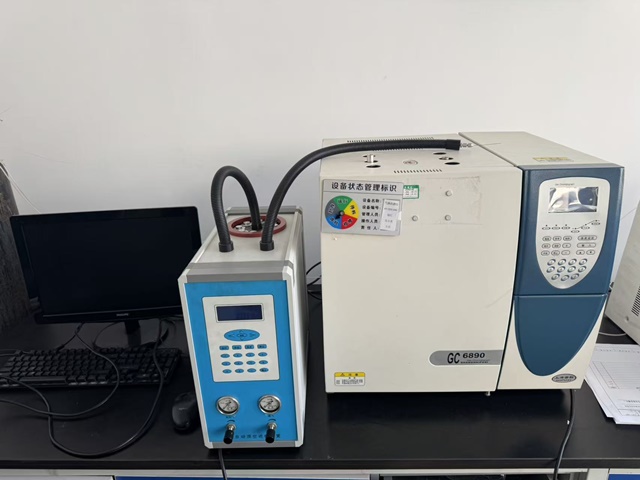
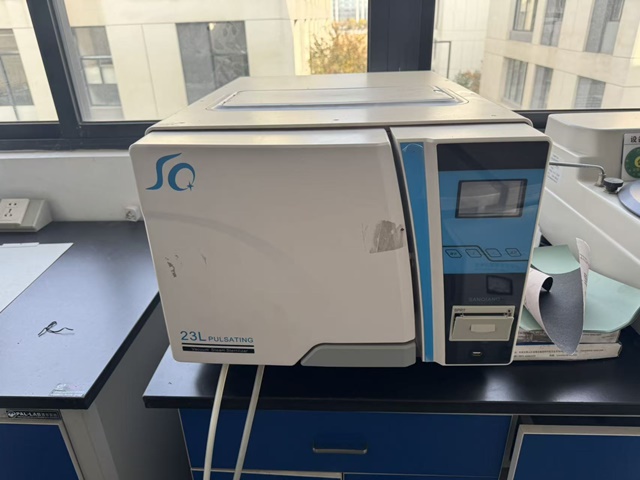
Our facility deploys comprehensive ISO 13485-compliant procedures. Verification protocols integrate Vickers hardness testers, gas spectrometers for elemental alloy analysis, and pulsating machine fatigue testing to mock years of structural joint mechanics.

Diversified Global Supply Chain

Backed by 1,200 certified upstream and downstream partners, Osteora guarantees supply chain resilience. We manage logistical pathways to secure reliable, scheduled deliveries straight to Kanto region ports.

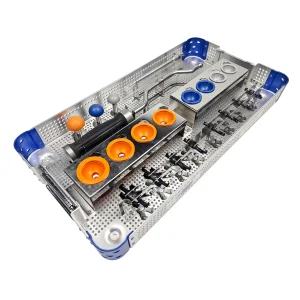
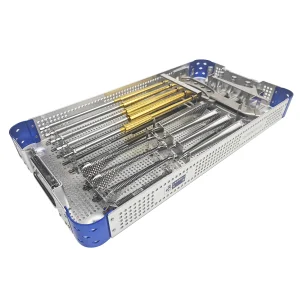
Complete Joint Reconstruction & Revision Systems

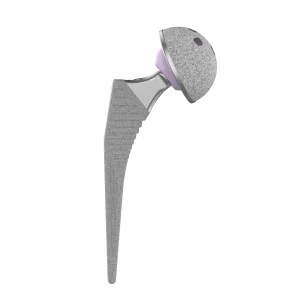
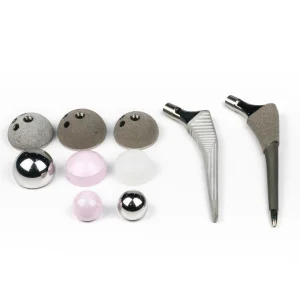
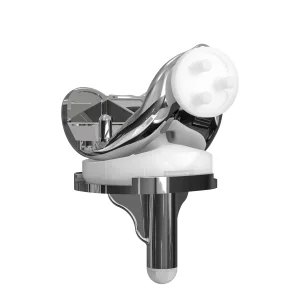
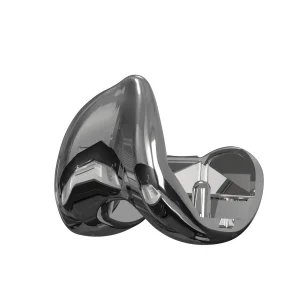
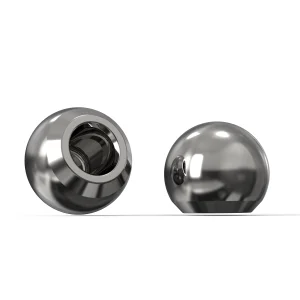
A comprehensive selection of Hip & Knee Arthroplasty systems engineered for clinical durability and precise intraoperative flexibility.
Frequently Asked Questions

Understanding key commercial, clinical, and regulatory factors for the Tokyo joint replacement market.

1. Do your THR and TKR implants comply with the Japanese PMDA regulatory standards? +
Yes. All of our hip and knee replacement implants are manufactured under a strict ISO 13485 Quality Management System. We provide comprehensive documentation support, including mechanical fatigue test data, biocompatibility reports, and raw material mill certifications, to assist our Tokyo-based import partners and distributors in navigating PMDA Class III medical device clearance.
2. What materials do you use for your orthopedic joint components? +
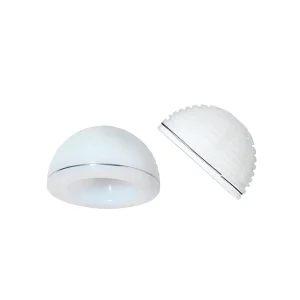
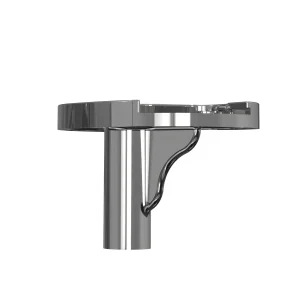
We utilize premium, medically certified materials: Cobalt-Chromium-Molybdenum (CoCrMo) alloy for articulating wear surfaces, Titanium alloy (Ti6Al4V) for cementless femoral stems and acetabular cups (with optional Titanium Plasma Spray and Hydroxyapatite coatings to promote bone ingrowth), and Ultra-High-Molecular-Weight Polyethylene (UHMWPE) for acetabular liners and tibial inserts.
3. Do you support OEM/ODM customization for specialized anatomical designs? +
Yes. With our engineering department consisting of 85 R&D specialists, we provide robust OEM and ODM custom solutions. We can adapt sizing and structural configurations of implants and instruments to match the anatomical profiles frequently observed in Asian patient demographics.
4. How do you guarantee the quality and mechanical safety of your products? +
Osteora has 42 dedicated quality control inspectors. We implement strict gatekeeping protocols, including incoming raw material checks via gas spectrometry, dimensional inspection using visual measurement systems, mechanical fatigue testing, surface roughness assessment, and packaging verification.
5. What is the typical lead time for shipping cargo to Tokyo ports? +
For standardized catalog items, we ship within 30 to 45 days. Customized OEM designs require an additional 4 to 8 weeks for technical drawing approval, mold configuration, and pilot batch validation. Shipments to major Japanese ports like Tokyo or Yokohama typically take 3 to 7 days in transit via ocean freight, or 2 to 4 days via air cargo.
6. Do your surgical instruments support autoclaving and modern hospital sterilization? +
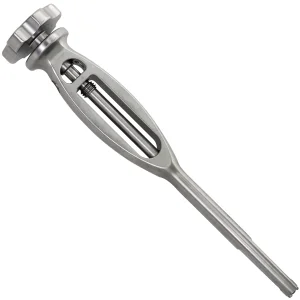
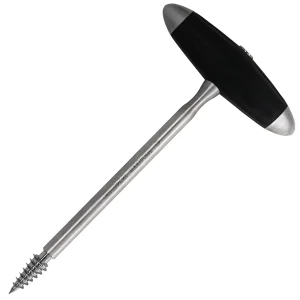
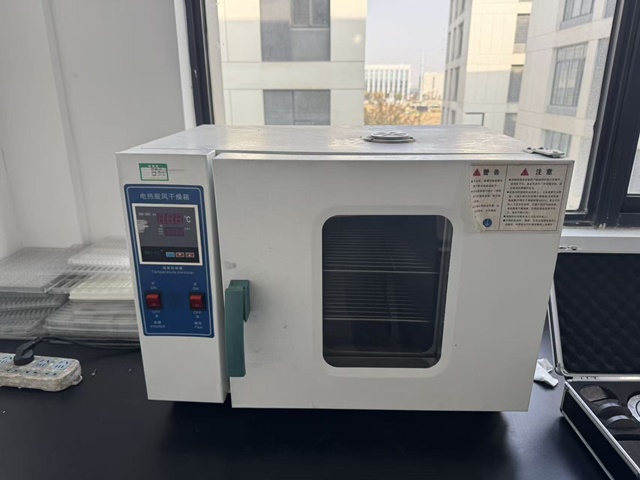
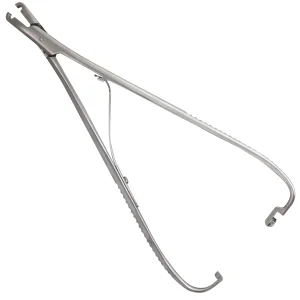
All Osteora surgical instruments, revision sets, and implant inserters are manufactured using high-grade surgical stainless steel and anodized aluminum. They are engineered to withstand multiple autoclaving/thermal sterilization cycles in compliance with standard clinical protocols in Japanese surgical centers.
7. What packaging configurations are provided for sterile implants? +
Implants are packaged in double-barrier Tyvek blister packs sterilized via Gamma Irradiation or Ethylene Oxide (EtO) to guarantee sterility for up to 5 years, complete with dual temperature indicators and complete UDI tracking labels.
8. How can we initiate a distributor partnership for the Tokyo prefecture? +
You can contact our international sales division directly via our Contact Page. We will assign a regional account manager to discuss product portfolios, sample evaluation protocols, regional exclusivity rights, and PMDA registration schedules.

Ready to Optimize Your Arthroplasty Procurement?

Partner with a vertically integrated manufacturer delivering PMDA-ready orthopedic joint replacement implants. Reduce costs while ensuring clinical outcome excellence.
Send Inquiry Now