 Osteora
Osteora
Osteora
Engineered for high-performing United States clinical environments requiring exceptional biocompatibility and surgical efficiency.
Industry R&D Expertise
Production Facility
Dedicated R&D Engineers
Specialized QA Inspectors
The United States orthopedic reconstruction market is undergoing a seismic shift. Driven by an aging baby boomer population, rising rates of early-onset osteoarthritis, and the rapid migration of surgeries to Ambulatory Surgery Centers (ASCs), the demand for Total Hip Replacement (THR) and Total Knee Replacement (TKR) solutions is scaling at unprecedented levels. In response to this dynamic, US medical device distributors, group purchasing organizations (GPOs), and OEMs are seeking collaborative manufacturing models that balance strict clinical outcomes with sustainable economic supply lines.
According to clinical forecasts, the annual volume of primary total joint arthroplasty procedures in the United States is projected to grow by over 170% for THR and 600% for TKR by 2030. Securing predictable, high-precision supply chains is no longer optional—it is a critical commercial imperative.
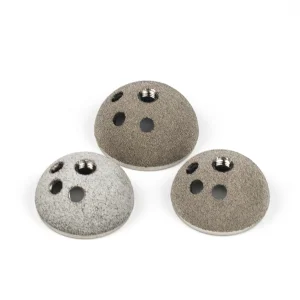
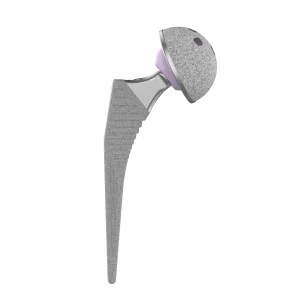
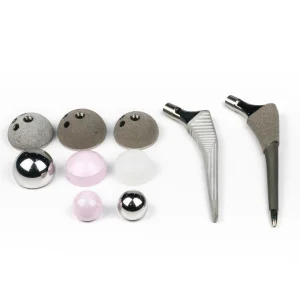
Succeeding in the competitive US market requires uncompromising adherence to advanced material sciences. For THR components, we employ medical-grade Ti-6Al-4V ELI (ASTM F136) alloy for primary stems and acetabular cups, offering superior biocompatibility, low modulus of elasticity, and excellent fatigue life. Our porous titanium coatings, characterized by controlled micro-roughness, facilitate rapid biological fixation (osteointegration) to mitigate the risk of aseptic loosening.
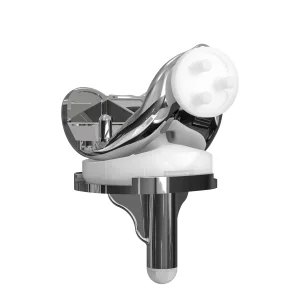
For TKR components, Cobalt-Chromium-Molybdenum (CoCrMo) alloys conforming to ASTM F75 are utilized for femoral components to deliver maximum wear resistance. This is paired with ultra-high-molecular-weight polyethylene (UHMWPE, ASTM F648) tibial inserts, manufactured under precise consolidation standards, resulting in ultra-low wear rates and long-term joint stability under heavy load conditions.
While local manufacturing remains prestigious, sourcing from a validated Chinese OEM/ODM partner like Osteora offers profound cost, capacity, and logistical benefits. By scaling production within our 18,500㎡ facility, US distributors can achieve 30% to 50% cost reductions compared to domestic fabrication, without sacrificing metallurgical or mechanical integrity.
Importing orthopaedic implants into the United States demands absolute compliance with the Food and Drug Administration (FDA) regulatory pathways, including 510(k) clearances for Class II/III devices, and adherence to ISO 13485 Quality Management Systems (QMS). Our quality assurance infrastructure relies on 42 dedicated quality inspectors executing continuous in-process checks, mechanical fatigue testing, and final dimensional validation using high-precision coordinate measuring machines (CMM).
A premier global developer of orthopaedic implants and advanced surgical solutions.
Osteora Medical Devices Co., Ltd. is a professional orthopedic implant and surgical solution manufacturer specializing in trauma, spine, and joint reconstruction systems under the brand Osteora.
Founded in 2016, the company has developed a strong reputation in the global orthopedic industry through continuous innovation and strict quality control standards. The facility covers an area of approximately 18,500㎡, supporting integrated production, assembly, and testing operations.
With 8 years of export experience and 12 years of industry expertise, Osteora has established stable cooperation with international distributors and hospitals across multiple regions. Annual export revenue ranges from USD 6 million to 14 million, reflecting steady global market growth.
The company implements comprehensive quality assurance systems, including ISO 13485 compliance, in-process inspection, and final random sampling testing. Product inspection methods include dimensional measurement, mechanical fatigue testing, and biocompatibility validation. The quality control team consists of 42 specialized inspectors ensuring strict adherence to international medical device standards.
Osteora has a strong trade background in global medical device export and maintains long-term partnerships with distributors in Europe, Southeast Asia, the Middle East, and South America, which are also its primary markets.
The company’s supply chain includes approximately 1,200 certified upstream and downstream partners, supporting stable production capacity and reliable delivery performance. Its main customer base consists of hospitals, orthopedic clinics, surgical centers, and medical distributors.
With strong R&D capabilities, Osteora operates an in-house engineering team of 85 R&D engineers, focusing on innovation in trauma fixation systems, spinal implants, and joint reconstruction technologies. The company offers extensive customization options, including OEM/ODM services, size variations, material customization, and private labeling.
In the past year, Osteora launched approximately 120 new products, reflecting its continuous investment in innovation and product development to meet evolving clinical needs.
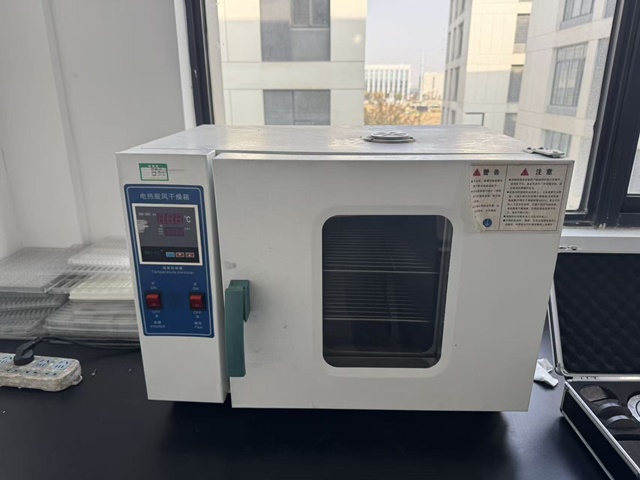
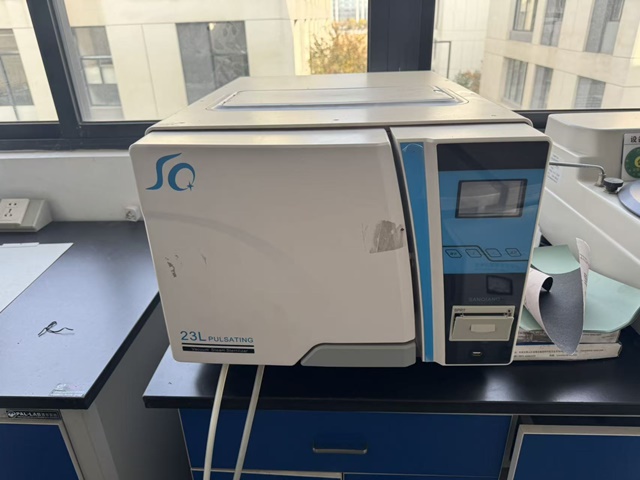
Step-by-step visual documentation of our production, inspection, packaging, and validation facilities.
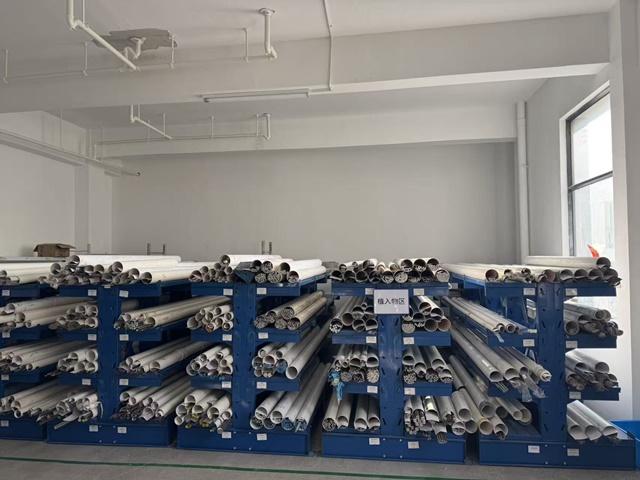
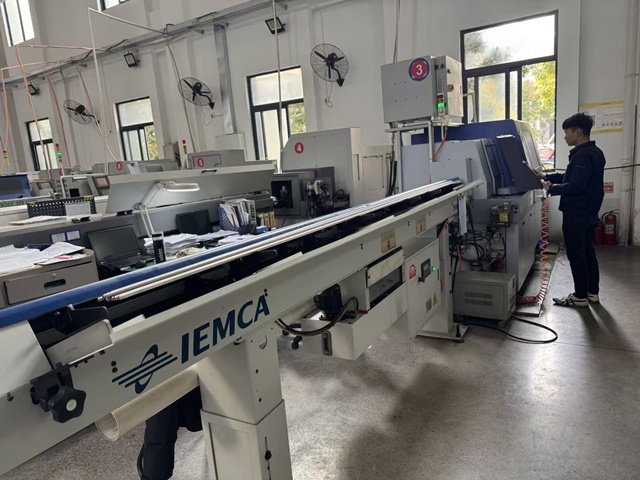
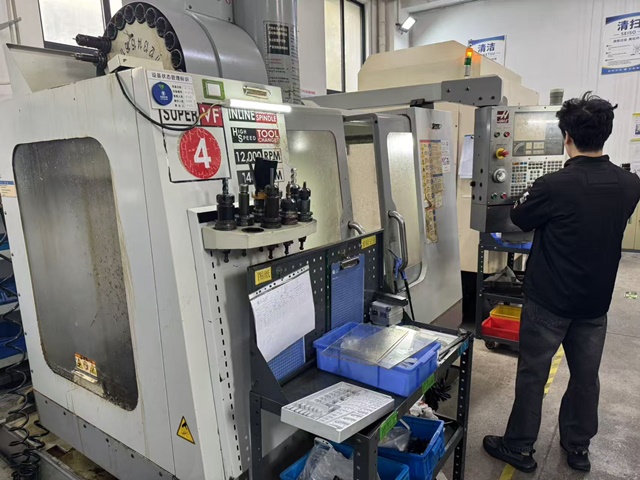
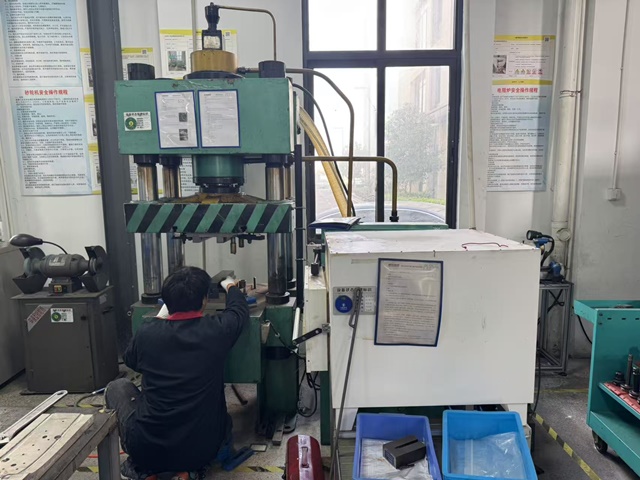
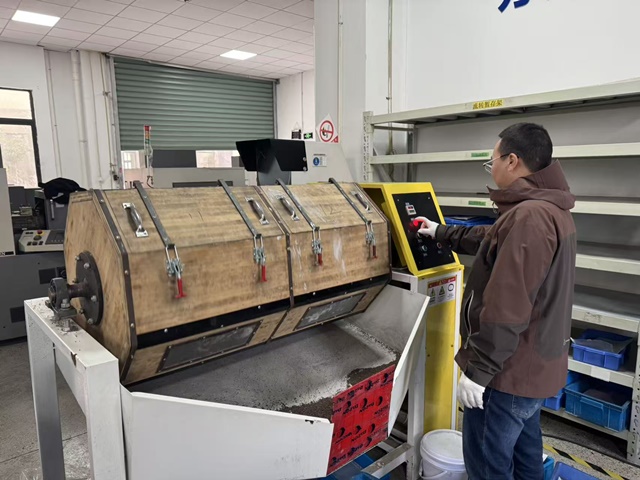
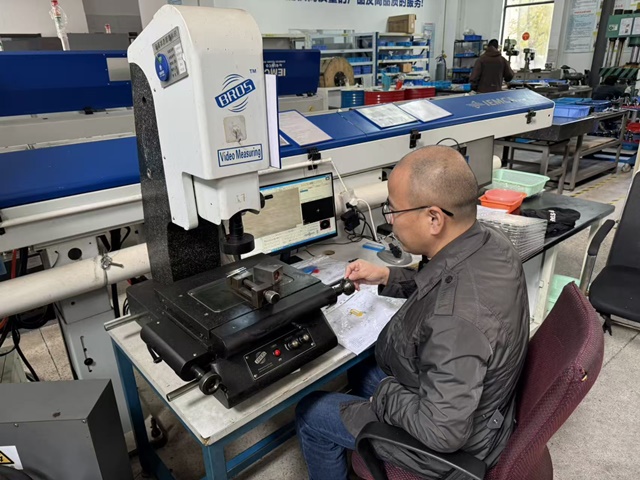
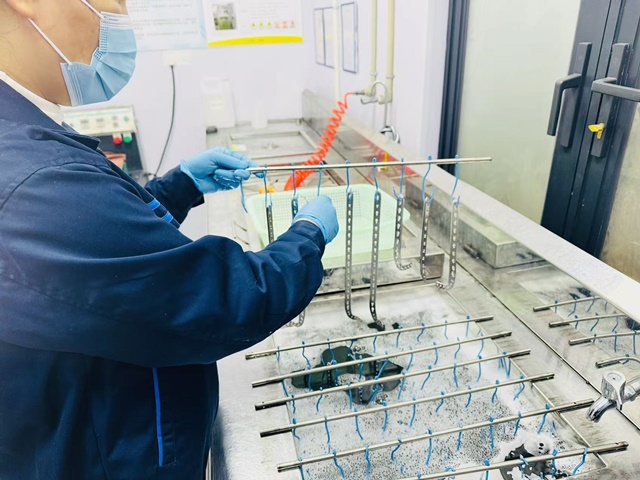
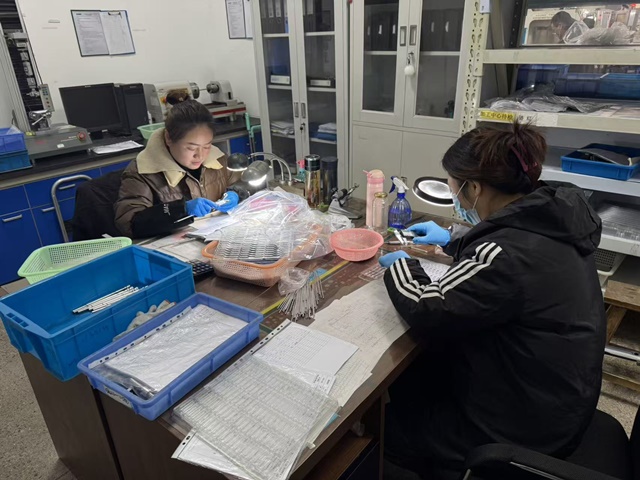
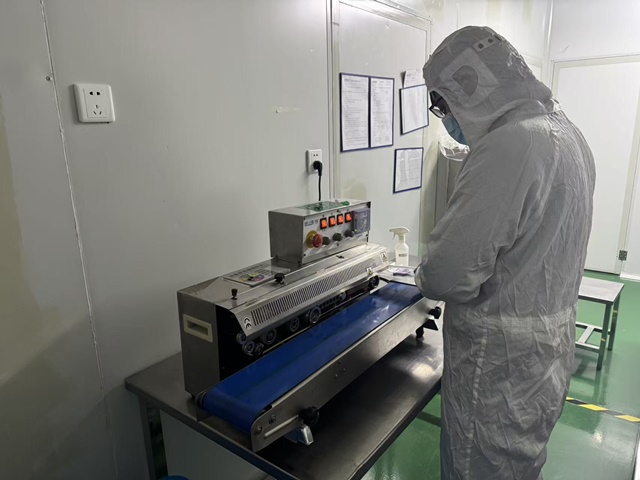
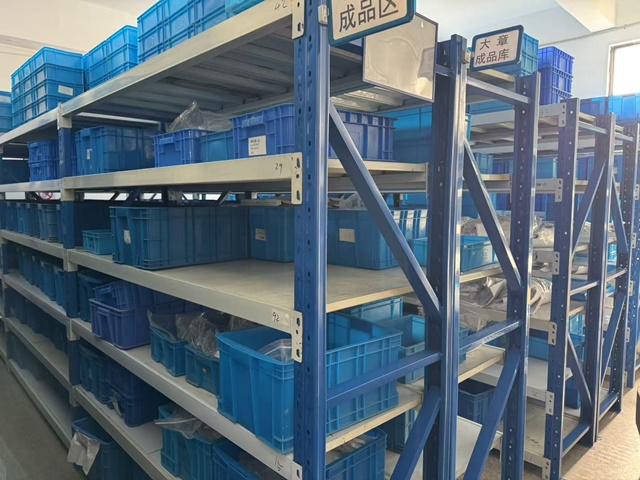
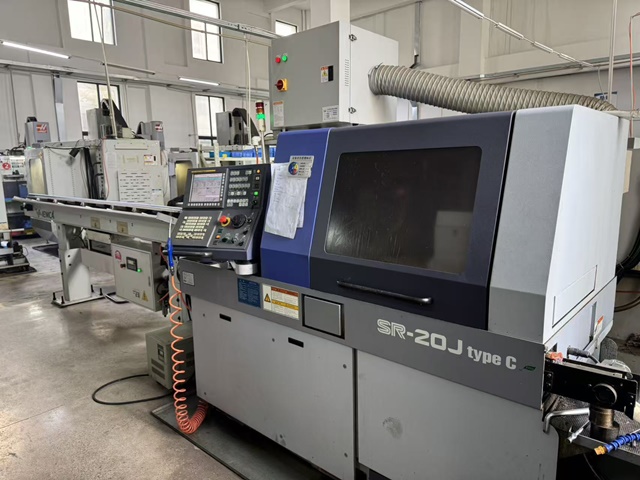
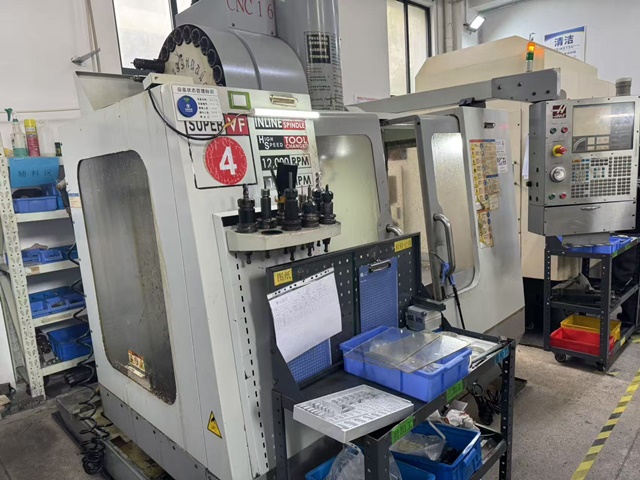
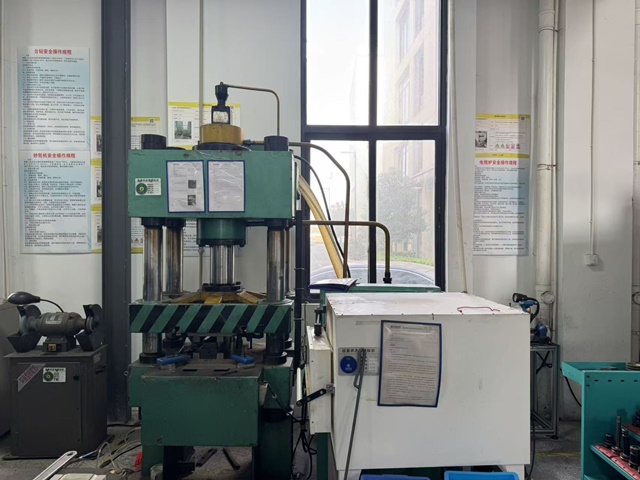
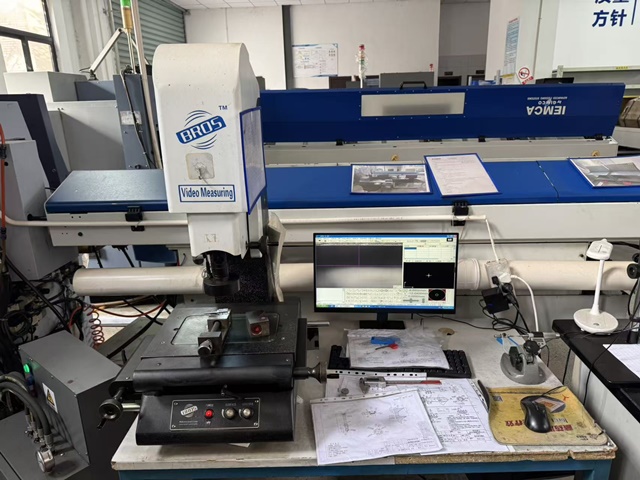
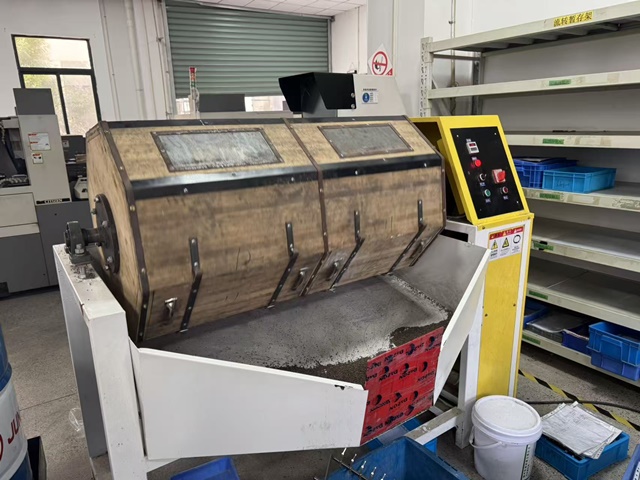
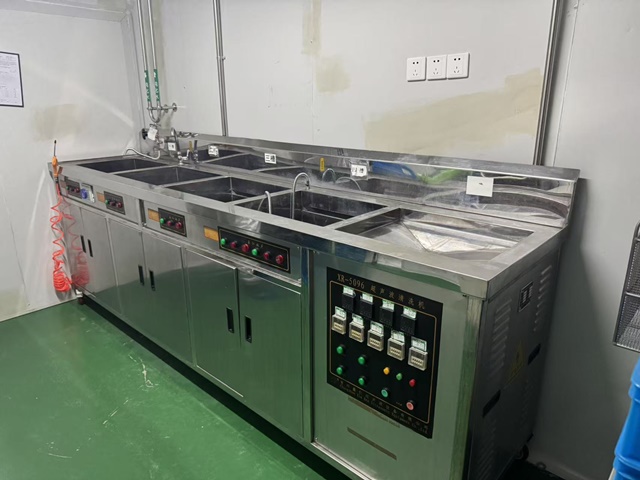
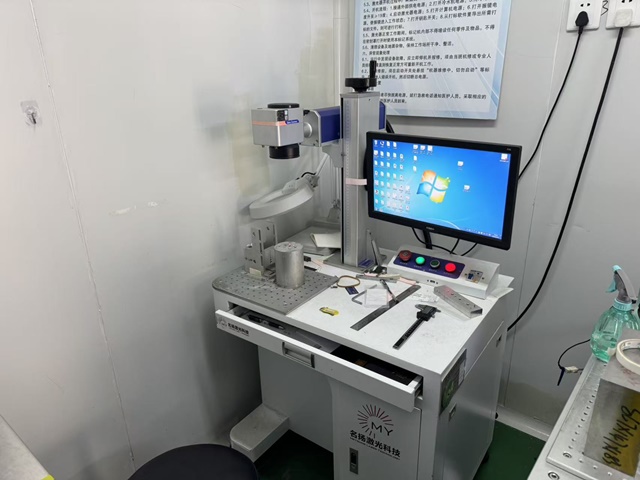
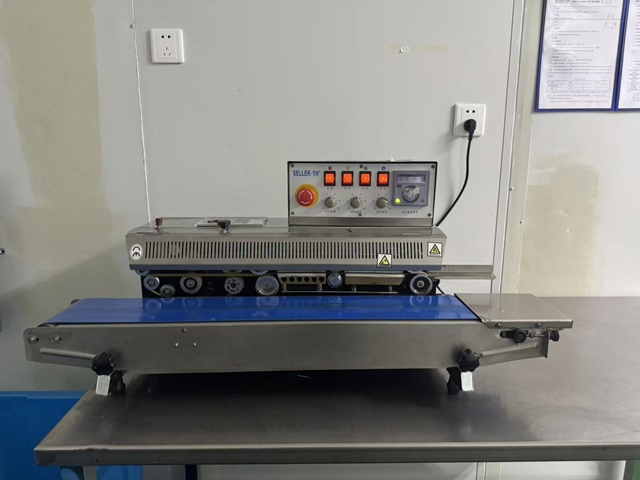
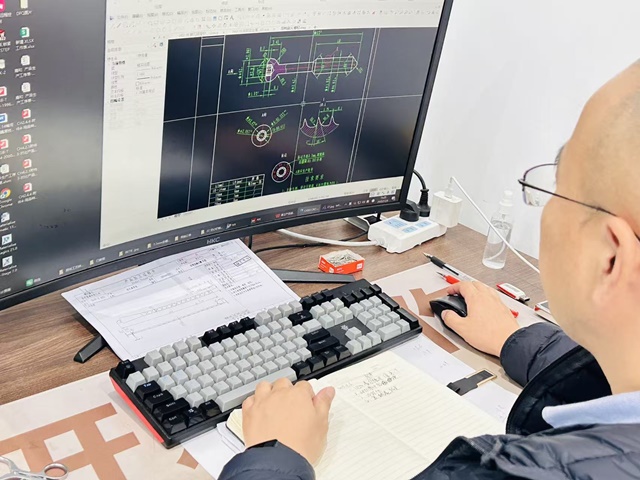
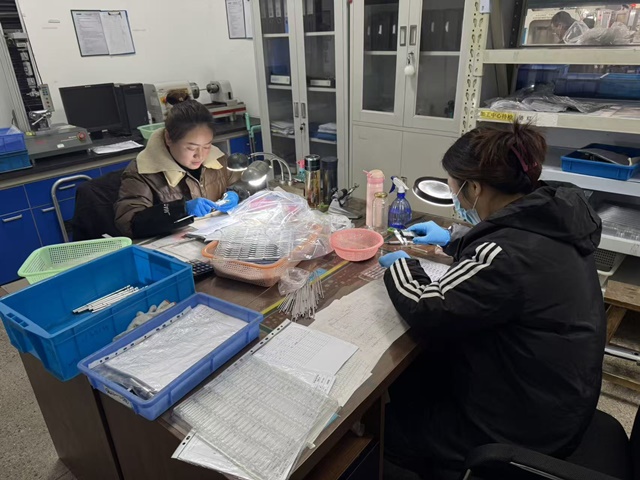
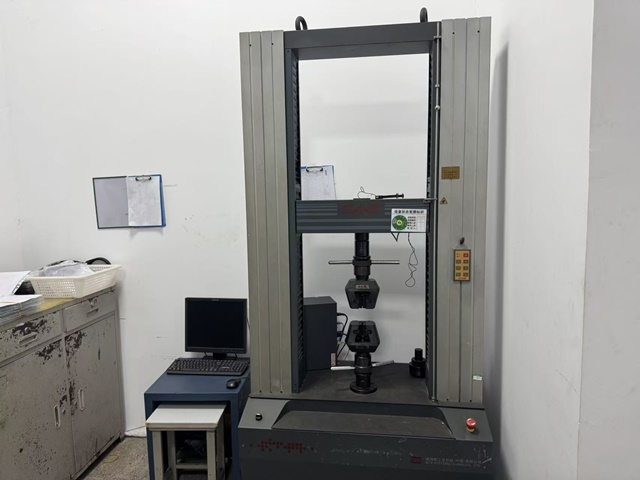
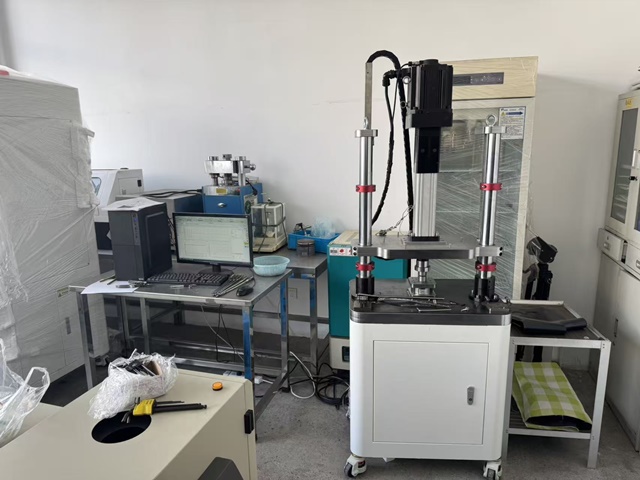
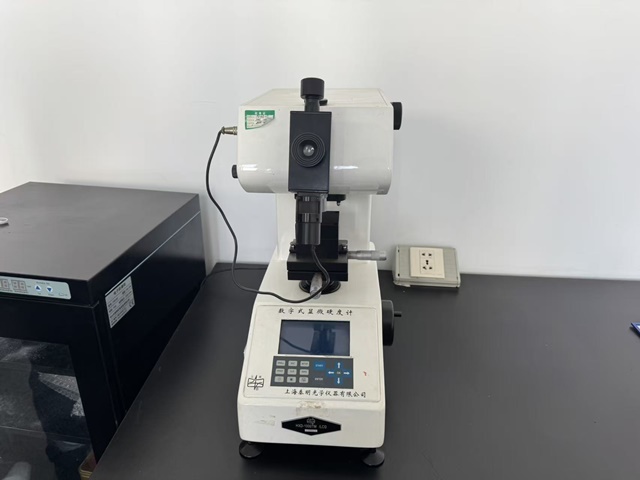
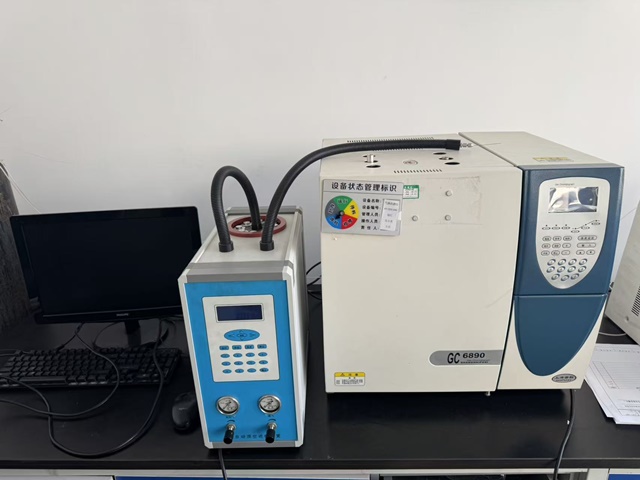
Fully compatible, sterile-packed implants and toolkits supporting primary, revision, and complex hemi-arthroplasty procedures.
Understanding the technological trajectory of orthopaedic healthcare delivery systems in North America.
Transitioning from traditional subtractive CNC to direct metal laser sintering (DMLS) for titanium acetabular shells. This creates highly porous, biomimetic structures that accelerate bone ingrowth and improve initial press-fit stability.
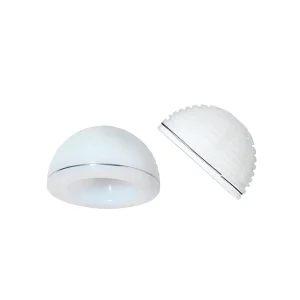
Highly cross-linked polyethylenes (XLPE) infused with Vitamin E are becoming the benchmark in the US. Vitamin E actively prevents oxidation and subsequent material degradation, dramatically extending the mechanical lifespan of joint reconstructions.
ASCs demand streamlined, space-efficient instrument kits. Standardizing to a single-tray configuration reduces reprocessing costs, sterilization cycle times, and physical storage footprint, aligning with the commercial constraints of outpatient clinics.
Essential regulatory, structural, and procurement insights for American medical sourcing agents.
Secure high-precision THR/TKR implants and revision instruments built to ASTM/ISO standards. Partner with an established manufacturer capable of accelerating your US market footprint.