Osteora
Osteora
Osteora
HSA-Compliant Joint Reconstruction Solutions & OEM/ODM Manufacturing Excellence
Send Inquiry NowHigh-grade titanium prosthetics and specialized surgical instrumentation designed to meet the rigorous clinical performance parameters of Singapore restructed hospitals and private surgical groups.
Singapore represents one of the most advanced healthcare ecosystems in the Asia-Pacific region, characterized by a rapidly aging population commonly referred to locally as the "Silver Tsunami". By 2030, an estimated 25% of Singapore's population will be aged 65 and above. This demographic paradigm shift has triggered an exponential rise in the clinical demand for Primary and Revision Total Hip Arthroplasty (THA) and Total Knee Arthroplasty (TKA).
Both public sector hospital clusters (SingHealth, National University Health System - NUHS, and National Healthcare Group - NHG) and leading private healthcare groups (such as IHH Healthcare, Raffles Medical Group) maintain stringent requirements for orthopedic implants. Quality, structural longevity, and bio-compatibility are non-negotiable. Implants must clear the rigorous pre-market registration guidelines enforced by the Health Sciences Authority (HSA) Singapore, which relies heavily on CE Mark (MDR) certifications, FDA clearances, and comprehensive ISO 13485 audit histories.
Moreover, local clinical preferences place immense value on surgical versatility, offering implant geometries engineered to accommodate diverse patient anatomical profiles—especially the specific anthropometric characteristics of Asian skeletons, which generally feature smaller femoral canal ratios and narrower tibial plateaus compared to Western populations.
Osteora Medical Devices Co., Ltd. bridges the gap between premium clinical performance and cost-efficiency. Our systems are engineered to facilitate rapid osseointegration, minimize post-operative revision risks, and streamline surgical pathways.
The global shift towards high-demand patient profiles dictates the usage of advanced Tribological pairings. Highly Cross-linked Polyethylene (XLPE) infused with Vitamin E, alongside ceramic-on-ceramic or ceramic-on-polyethylene interfaces, drastically minimizes wear-debris induced osteolysis, ensuring implant survival rates exceeding 15-20 years.
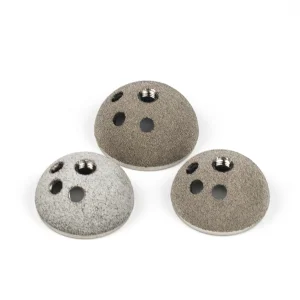
Cementless fixation techniques rely on biological fixation. Utilizing vacuum titanium plasma spray (VPS) and Hydroxyapatite (HA) coatings creates a porous, osteoconductive interface. This micro-texture supports early physiological loading and fast direct bone apposition, crucial for younger active patients.
Modern operating theaters in Singapore are rapidly integrating Computer-Assisted Surgery (CAS) and robotic arms. Osteora implants are engineered with precise mechanical references, enabling compatibility with mainstream robotic arthroplasty planning applications for customized implant alignment.
A premier global orthopedic manufacturer specializing in high-precision joint reconstruction, spinal fixation, and trauma systems under the signature Osteora brand.
Established in 2016, Osteora has dedicated over 12 years of industry engineering experience and 8 years of export expertise to manufacturing premium class orthopedic implants. Spanning a state-of-the-art production footprint of 18,500 square meters, our facilities represent the cutting-edge of smart orthopedic manufacturing.
We supply a massive network of international distributors, clinics, and tertiary care hospitals across Europe, Southeast Asia, the Middle East, and South America. Annually exporting between USD 6 Million and USD 14 Million in surgical devices, our focus remains on long-term clinical safety and absolute supply chain traceability.
Our quality assurance framework utilizes 42 dedicated inspectors and specialized mechanical and chemical analysis, meeting the stringent compliance criteria expected by regional authorities like the Singapore HSA.
Our ISO Class-7 workshops deploy Swiss-type lathe equipment, premium HAAS CNC configurations, and advanced mechanical simulation testing suites to verify structural integrity under cyclic loading.
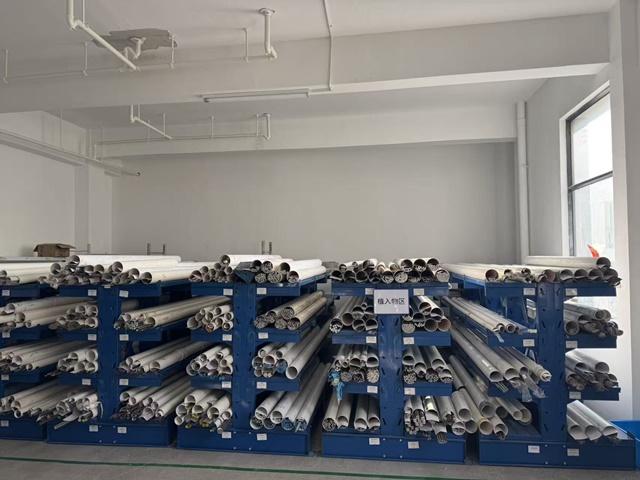
Raw Material
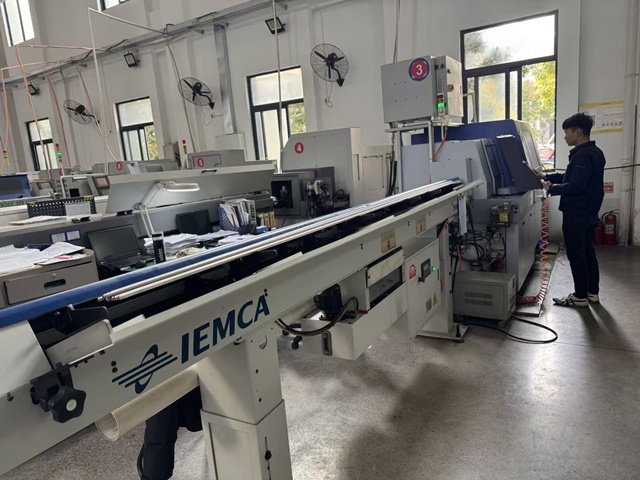
Finishing Process 1
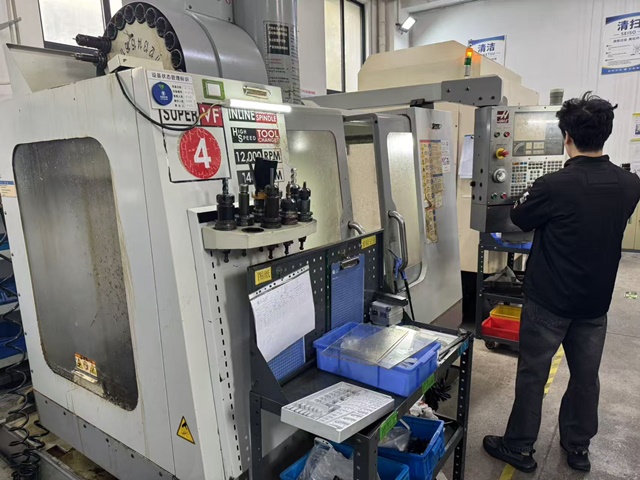
Finishing Process 2
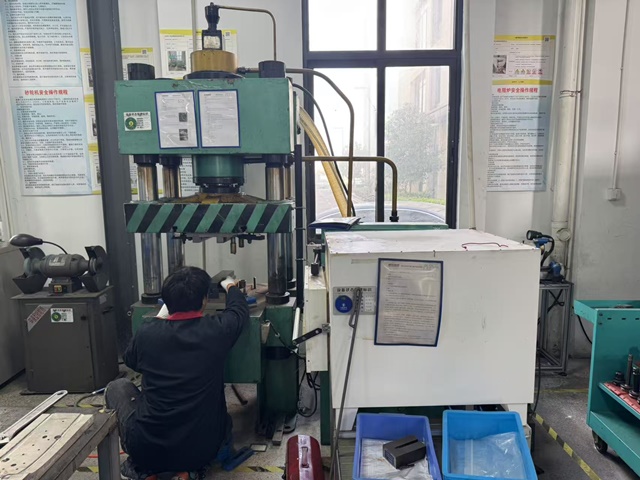
Stamping Process
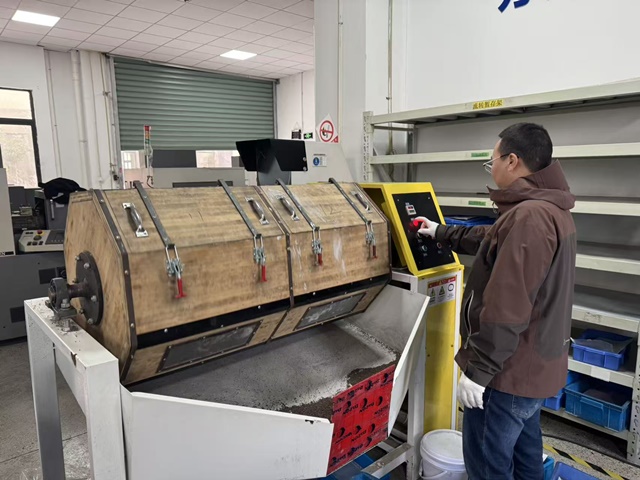
Grinding Process
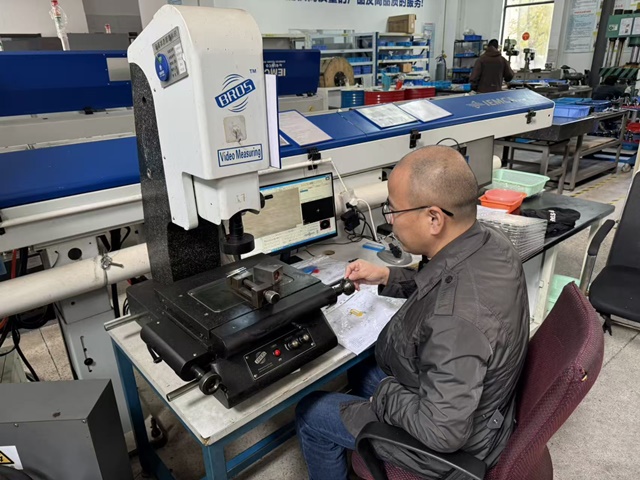
Checking Process
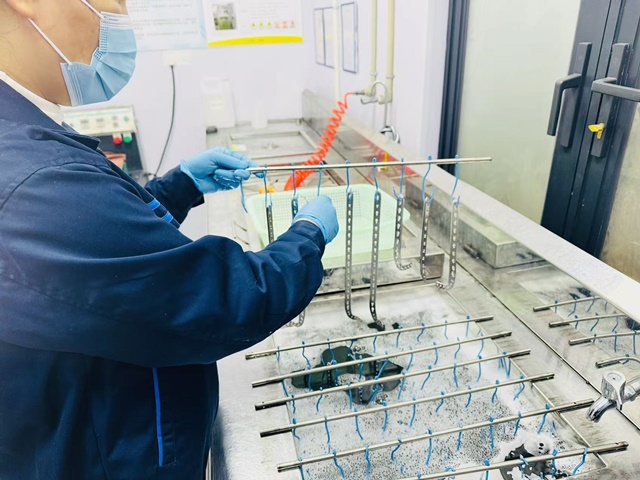
Cleaning Process
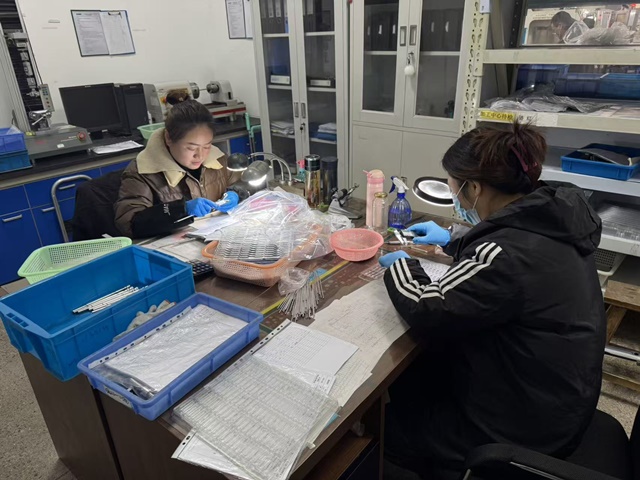
Inspecting Process
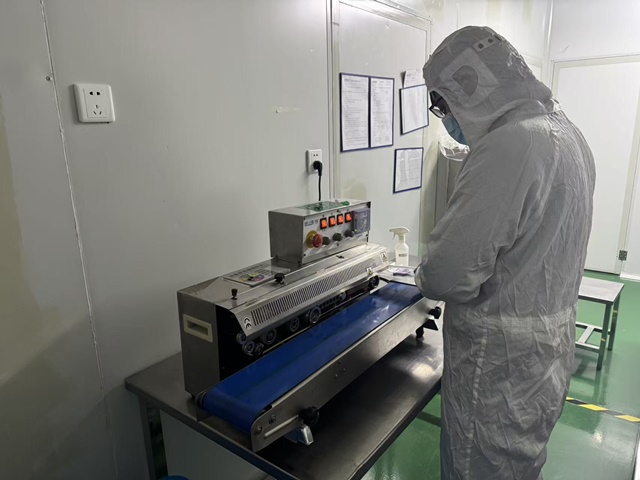
Packing Process
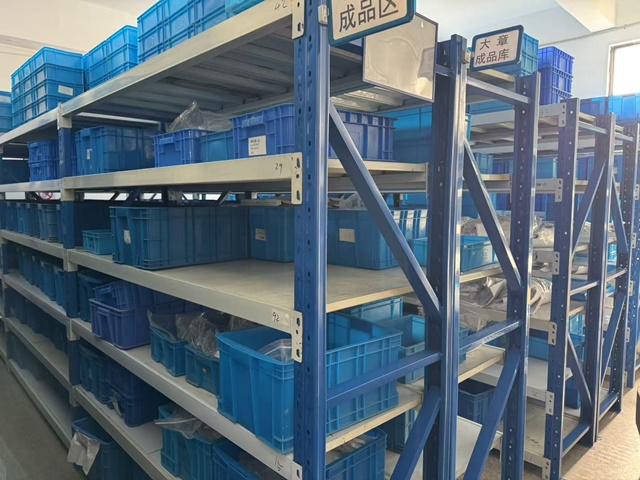
Storehouse
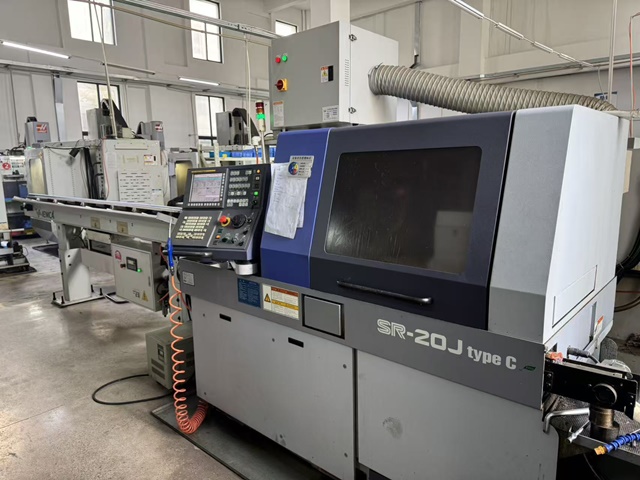
Swiss-type Lathe Equipment
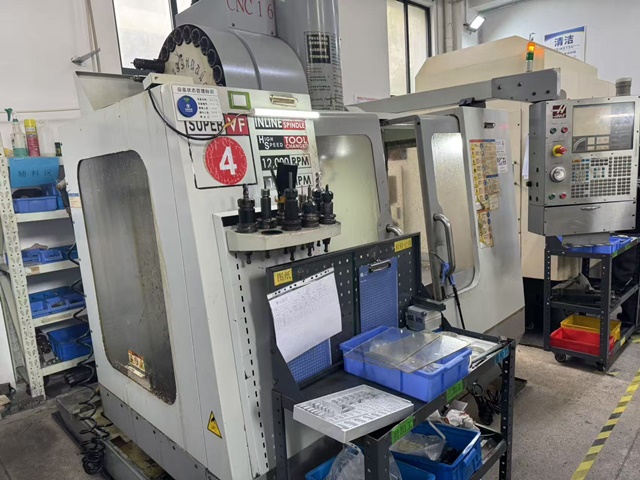
HAAS CNC
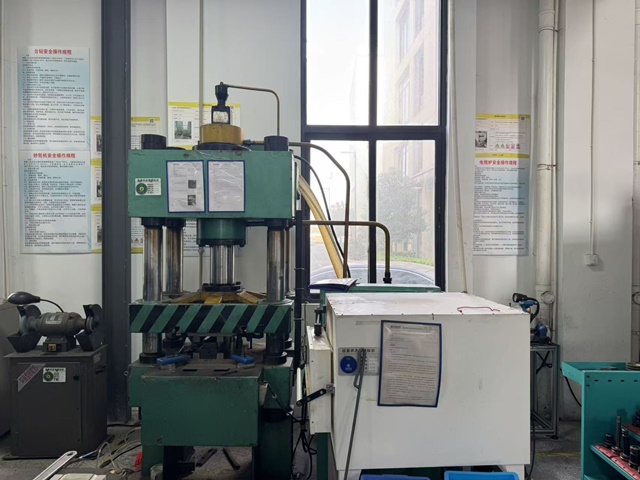
Stamping Machine
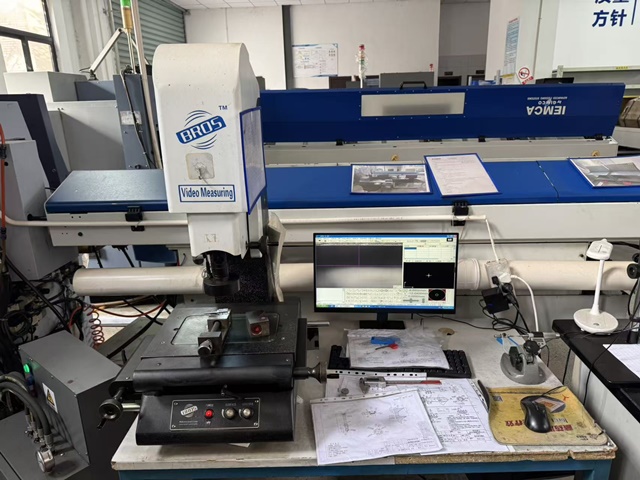
Vision Measuring Instrument
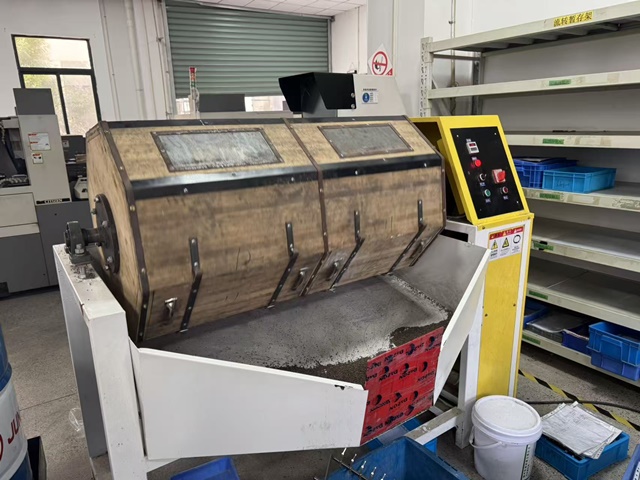
Grinding Machine
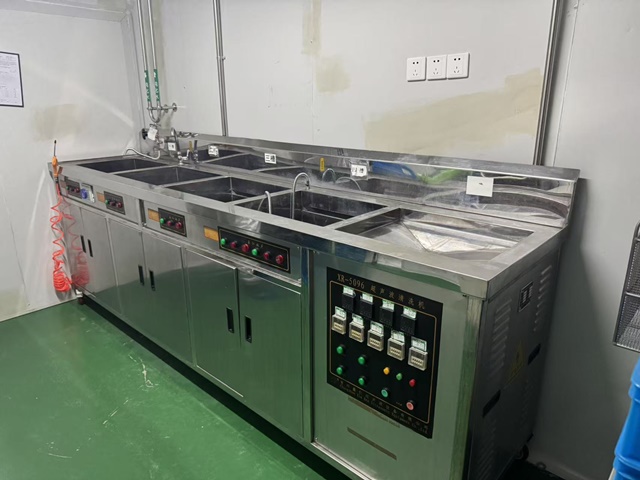
Cleaning Machine
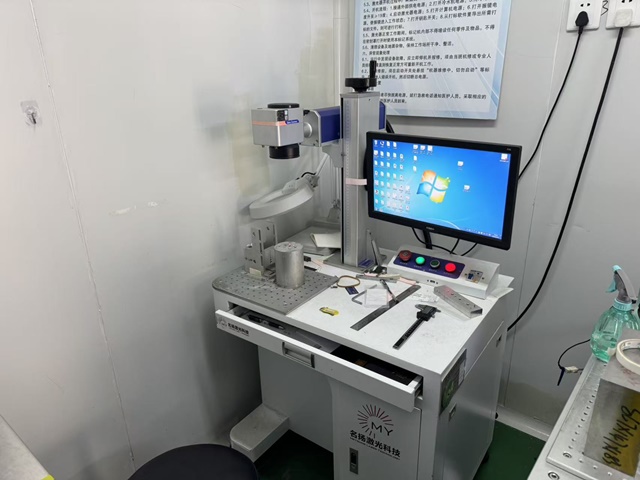
Laser Marking Machine
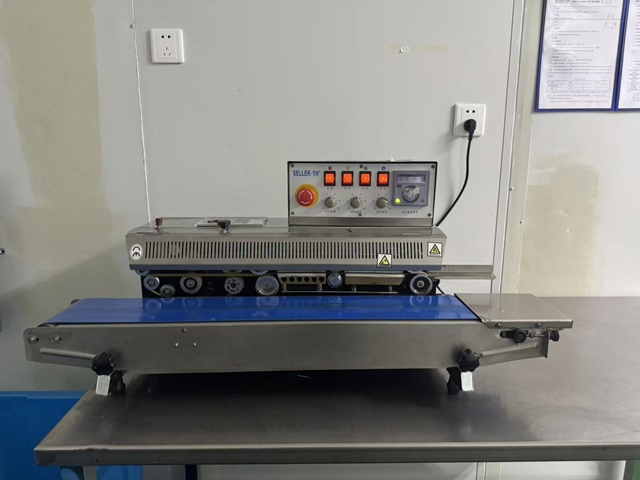
Packing Machine
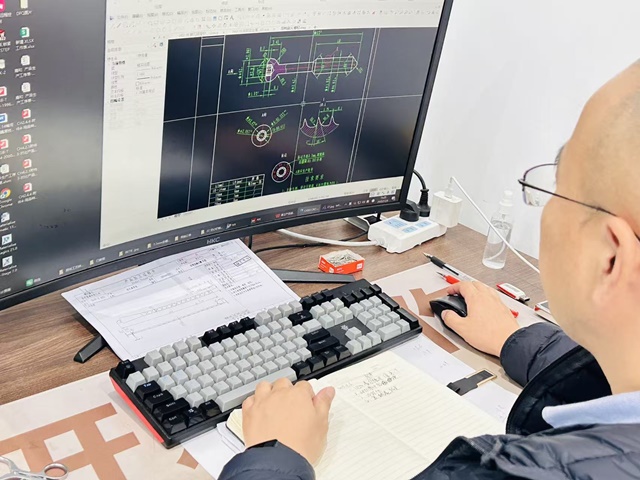
CAD Designer Drawing
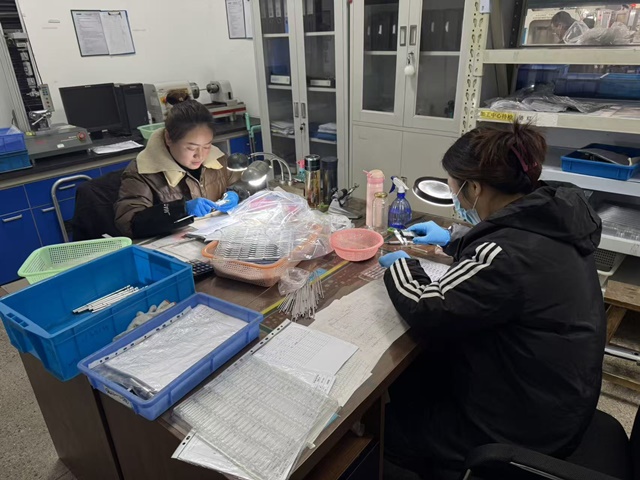
Final Human Inspection (2 Specialists)
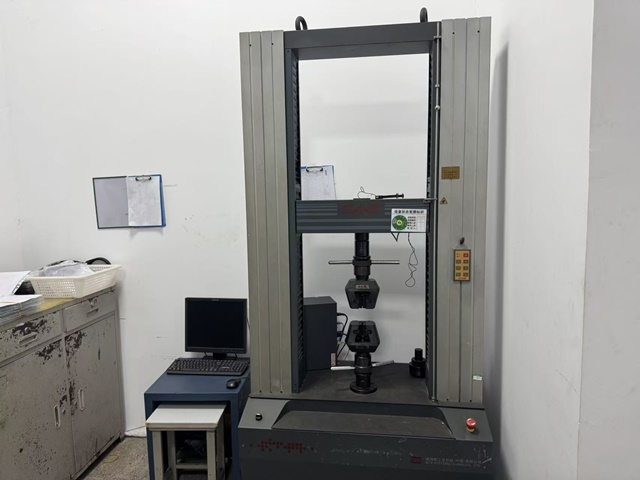
Multifunctional Mechanical Testing
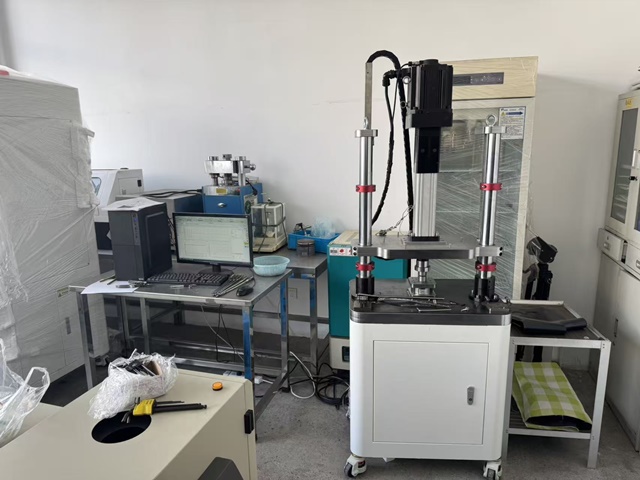
Static / Dynamic Stress Tester
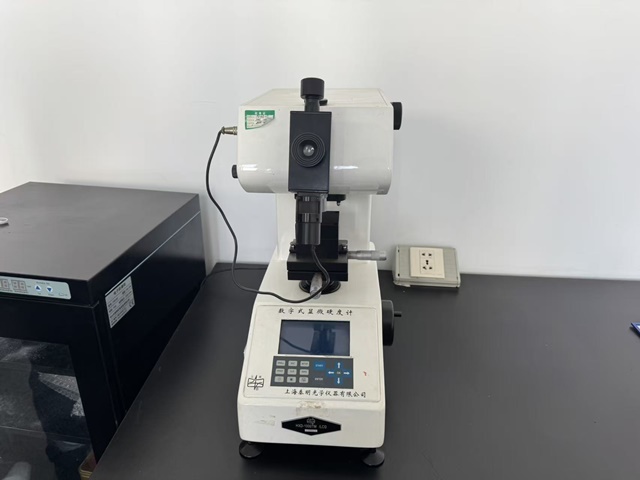
Vickers Hardness Tester
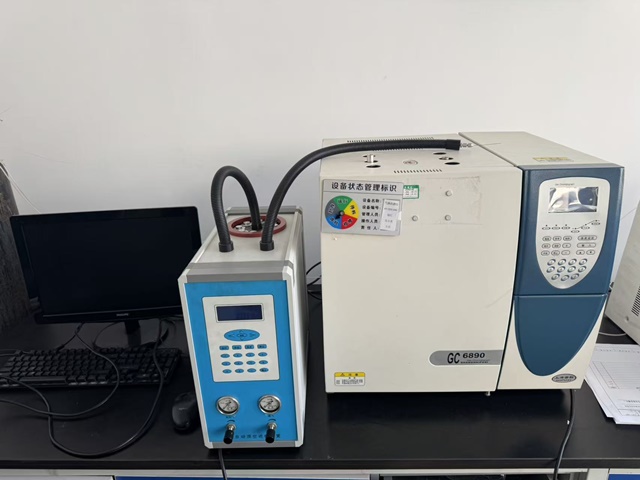
Chemical Gas Spectrometer
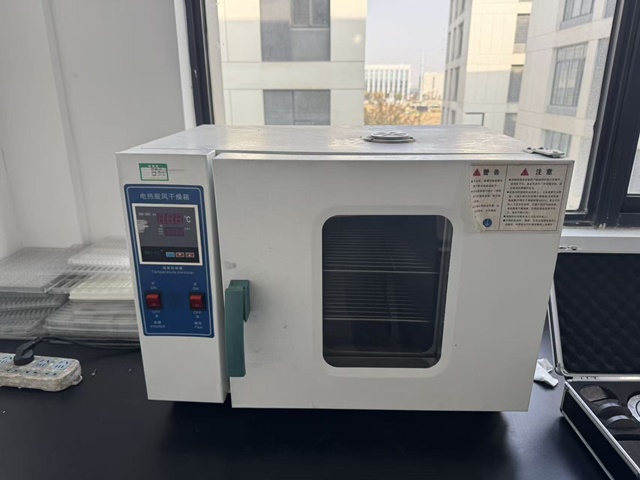
Cleanroom Drying Ovens
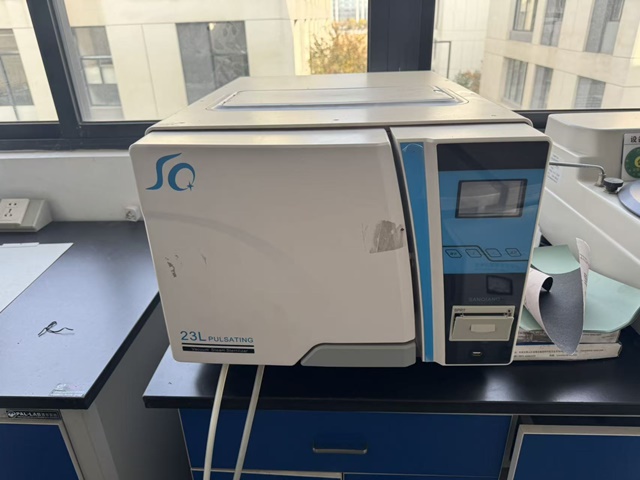
Pulsating Fatigue Simulator
Managing the supply chains for Class III medical devices demands strict compliance and reliability. Osteora works closely with regional medical distributors to optimize joint replacement storage, instrument tracking, and regulatory submission packages.
Complete submission support, providing technical dossiers, biocompatibility data (ISO 10993), sterilization validation, and mechanical safety parameters for immediate HSA Singapore registration.
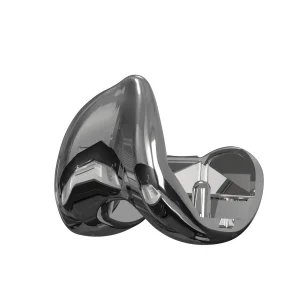
Our joint systems are designed to accommodate the distinct morphometric profiles of patients in Singapore, offering proportional tibial component offsets and anatomical femoral components.
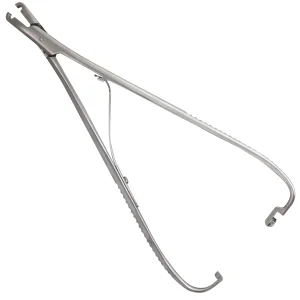
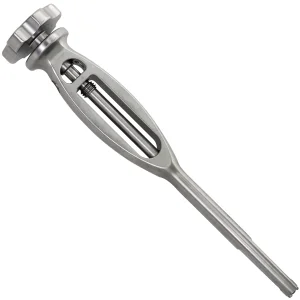
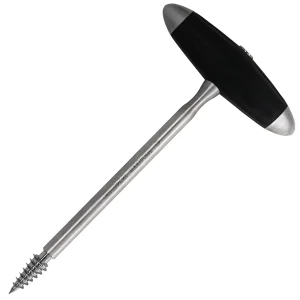
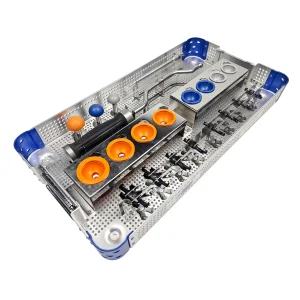
Compatible sets of modular instruments (stem inserters, manual extractors) to fit seamlessly into restructed hospital sterile supply units.
Connect with our OEM department for tailored pricing, lead times for custom dimensions, and specifications on private labeling options for joint systems.
Send OEM Inquiry NowOur Class III knee and hip systems comply with international biomedical standards (ASTM F75, ASTM F136) to ensure biomechanical alignment, long-term stability, and high clinical success rates.
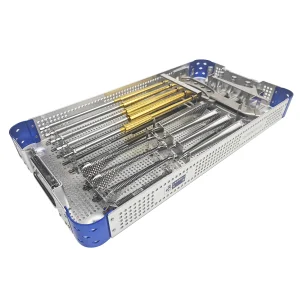
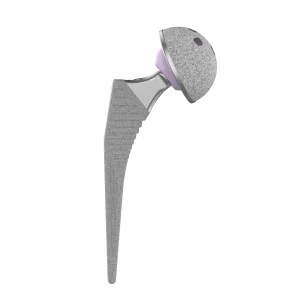
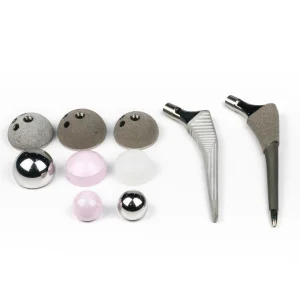
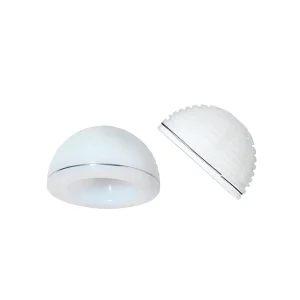
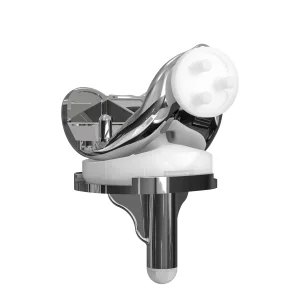
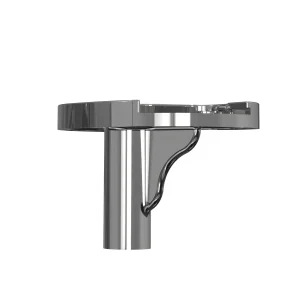
In modern orthopedic practice, selecting between cemented and cementless joint reconstruction depends on bone quality, patient age, and activity levels. For clinical environments like Singapore, where active aging and minimally invasive surgeries are common, selecting the correct fixation method is critical to long-term success.
Cementless implants rely on primary mechanical stability through press-fit insertion, followed by biological fixation as native bone grows into the porous surface. Our CoCrMo and titanium systems utilize vacuum titanium plasma spray (VPS) and bio-active Hydroxyapatite (HA) coatings. These porous structures encourage fast osteoblastic activity, reducing the recovery timeline for active patients.
For patients with compromised bone stock or advanced osteoporotic structures (common in elderly demographics), PMMA bone cement provides immediate mechanical fixation. This interface offers instant post-operative stability, allowing immediate weight-bearing and reducing revision risks due to micro-motion at the bone-implant interface.
| Parameters | Cementless | Cemented |
|---|---|---|
| Fixation Mode | Biological Bone In-growth | PMMA Bone Cement |
| Optimal Patient | Active < 65 Years | Osteoporotic > 75 Years |
| Revision Ease | Highly Bone-Preserving | Complex Cement Removal |
| Materials Used | Ti / Porous / HA Coated | Highly Polished CoCrMo |
Clear answers on compliance, lead times, materials engineering, and shipping routes for medical distributors and clinical purchasing departments in Singapore.
Yes. Our primary knee systems and hip reconstruction components are Class III medical devices. We provide comprehensive documentation packets for Singapore Health Sciences Authority (HSA) medical device registration, including ISO 13485 certifications, CE certificates, detailed biocompatibility validation report files (ISO 10993), clinical evaluation reports, and raw material mill sheets (CoCrMo and Ti-6Al-4V).
We utilize high-quality biomedical alloys conforming strictly to ASTM and ISO specifications. For our cemented femoral heads and knee femoral components, we use Cobalt-Chromium-Molybdenum (CoCrMo) alloy conforming to ASTM F75/ISO 5832-4. For cementless press-fit components, we use Titanium Alloy (Ti-6Al-4V ELI) conforming to ASTM F136/ISO 5832-3, paired with vacuum plasma titanium spray and Hydroxyapatite (HA) coating for osseointegration.
We offer full OEM and ODM services to adapt sizing to different patient demographics. Our R&D team can customize femoral stems and knee tibial trays to align with the narrower distal femoral canal dimensions typical of Asian populations, helping to prevent overhang and minimize post-operative bone impingement.
Our quality team uses in-house mechanical testing suites to run static and dynamic wear testing (cyclic fatigue testing) that simulates millions of cycles. These simulations replicate physiological loads on femoral stems (conforming to ISO 7206) and knee tibial trays (conforming to ISO 14879), ensuring long-term structural integrity and minimizing risk of in-vivo fracture.
For standard catalog sizes, delivery to Singapore takes approximately 14 to 30 days depending on freight preferences (air cargo vs. ocean transit). Custom OEM orders or private-label batches require 45 to 60 days to allow for custom machining, cleanroom packaging, and sterile barrier testing.
Request high-resolution CAD templates, HSA documentation packets, or factory-direct pricing for Singapore.