 Osteora
Osteora
Osteora
Premium reconstructive solutions engineered to restore mobility, featuring advanced titanium coatings and complete primary surgical instrument sets for Ghanaian orthopaedic hospitals.
The orthopedic healthcare landscape in Ghana is experiencing a significant paradigm shift. As urbanization, road traffic accidents, and an aging population rise in major municipal hubs like Accra, Kumasi, and Tamale, the demand for Total Hip Replacement (THR) and Total Knee Replacement (TKR) surgeries has reached unprecedented levels.
Historically, Ghanaian hospitals and healthcare delivery networks have faced persistent challenges in securing reliable, high-quality, and reasonably priced joint reconstruction systems. Factors such as fluctuating currency rates (GHS to USD), high import duties, and prolonged shipping times from Western manufacturers have frequently led to implant shortages, forced surgeon improvisations, and elevated cost barriers for patients relying on out-of-pocket payments or the National Health Insurance Scheme (NHIS).
To bridge this gap, Osteora Medical Devices Co., Ltd. provides direct factory-to-hospital distribution solutions, cutting out middleman markups. We guarantee stable procurement channels of Class III CE-certified joint implants tailored to the anatomical and economic requirements of West African healthcare environments.
We collaborate with domestic distributors, the Ministry of Health, and regional teaching hospitals (such as Korle-Bu and Komfo Anokye) to deliver structured bulk supply schemes that minimize capital lock-up.
Established in 2016, Osteora Medical Devices Co., Ltd. is a global leader in orthopedic implant fabrication, exporting USD 6 million to 14 million annually across Europe, Southeast Asia, the Middle East, and South America.
At the heart of Osteora’s success is an 18,500 square meter state-of-the-art manufacturing campus configured to handle the entire lifecycle of orthopedic implants—from rough titanium alloy forgings to cleanroom primary packaging. Backed by 12 years of industry experience and 8 years of dedicated medical device exports, we maintain a vast global network comprising approximately 1,200 certified upstream and downstream partners. This deep supply chain resilience ensures we can meet large-scale orders from national healthcare ministries while offering flexible OEM/ODM options, materials customization, and private labeling services.
Our manufacturing philosophy focuses on clinical safety and mechanical endurance. With a specialized team of 85 R&D engineers and 42 quality assurance inspectors, every femoral stem, acetabular cup, and tibial base plate undergo rigorous testing protocols including dimensional micro-measurement, high-cycle mechanical fatigue testing, and long-term biocompatibility validation.
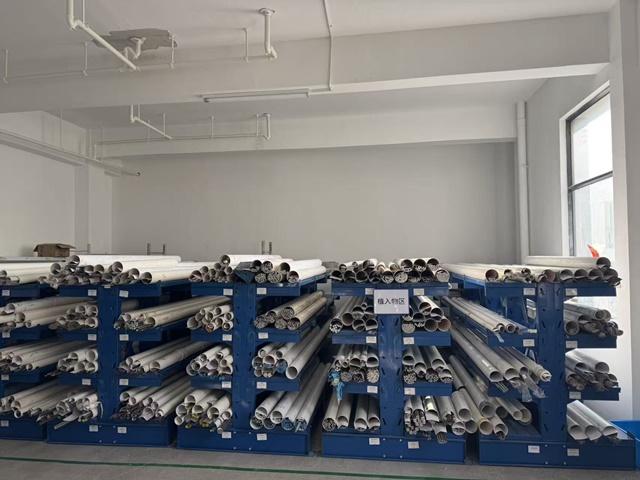
Certified Titanium (Ti-6Al-4V ELI) and CoCrMo alloys sourcing.
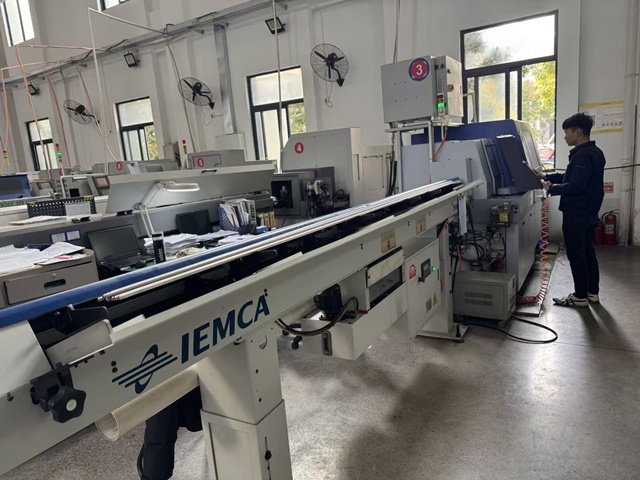
Rough machining and initial implant profiling.
Precision grinding to achieve optimal surface roughness parameters.
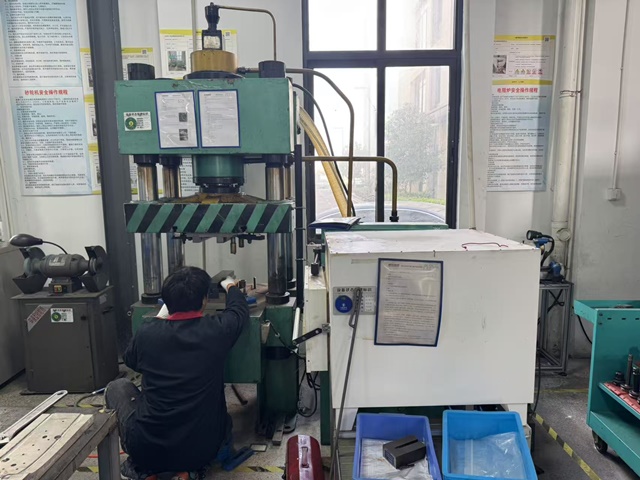
Controlled shaping for trauma plates and complex geometries.
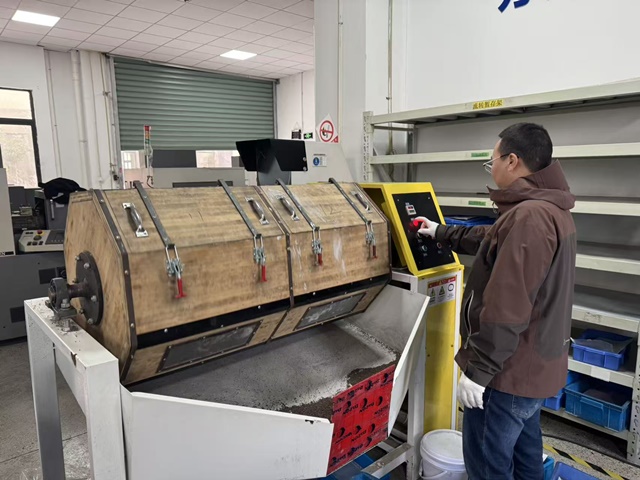
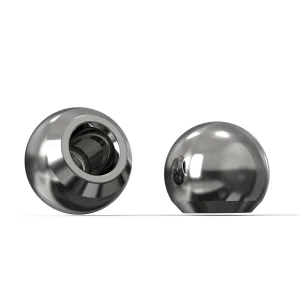
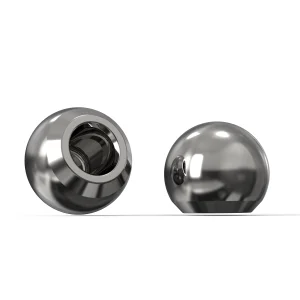
Mirror-polishing femoral heads to minimize friction and wear.
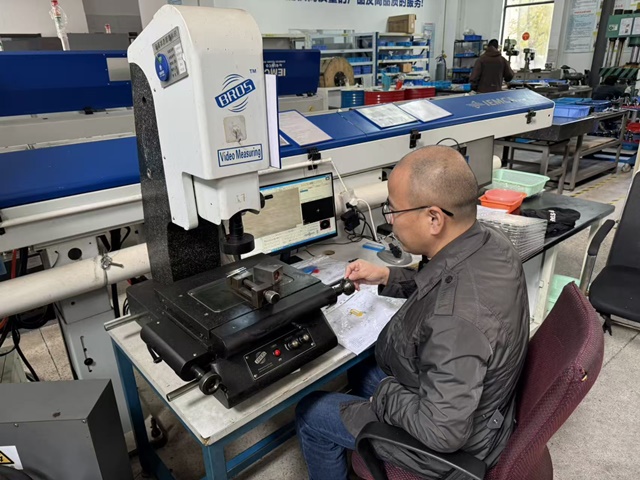
In-process measurement checks against blueprint tolerances.
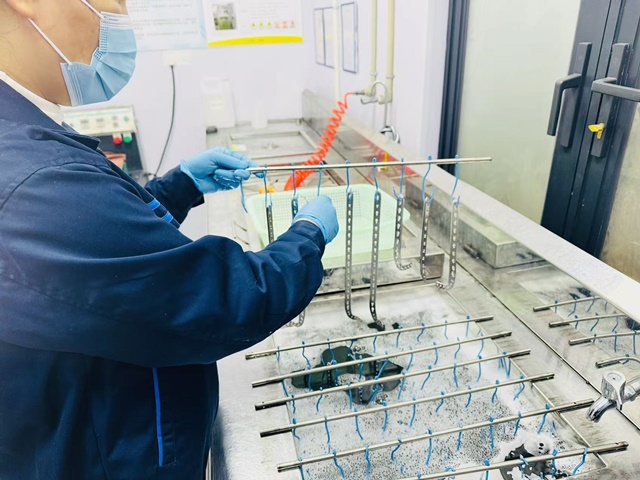
Multistage ultrasonic baths to remove microscopic residues.
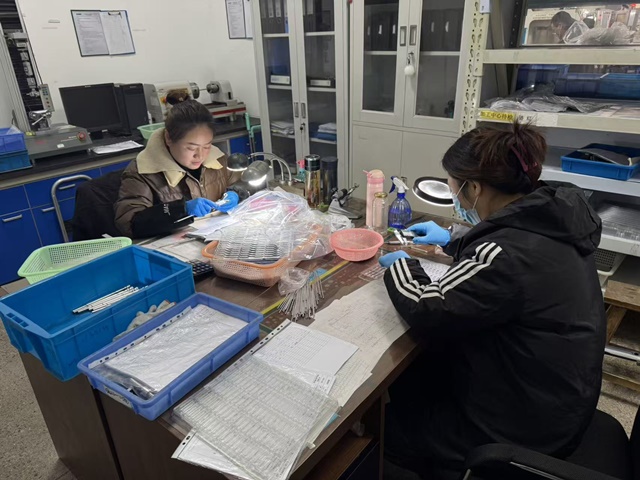
Optical check for superficial defects under high magnification.
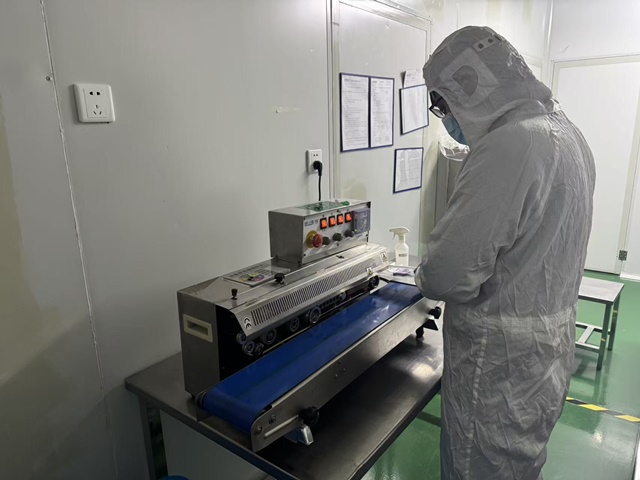
Conducted in ISO Class 7 cleanrooms to preserve sterile integrity.
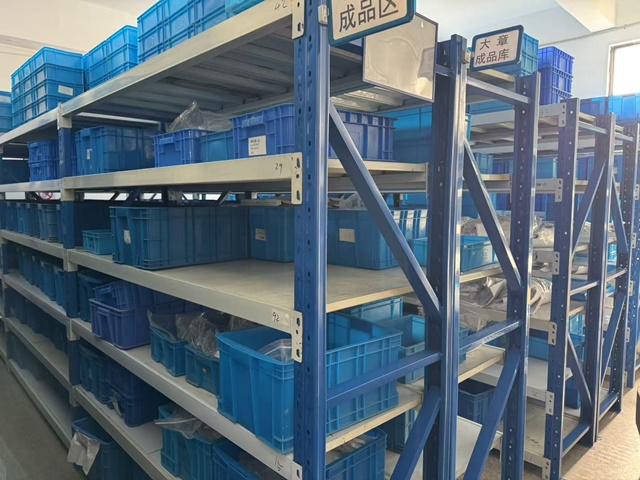
Climate-controlled inventory management for global dispatch.
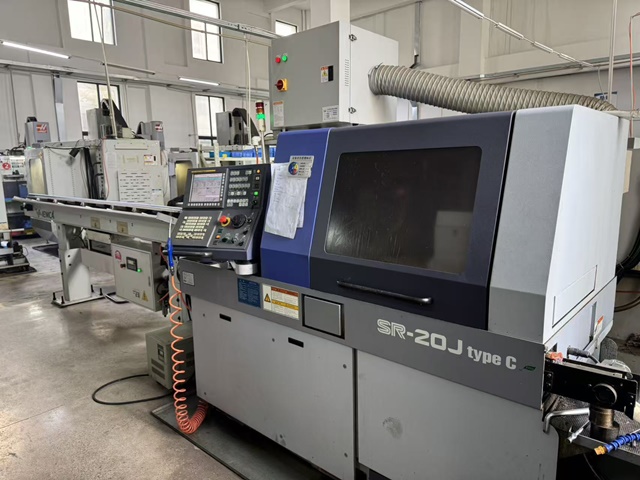
High-precision multi-axis turning for complex components.
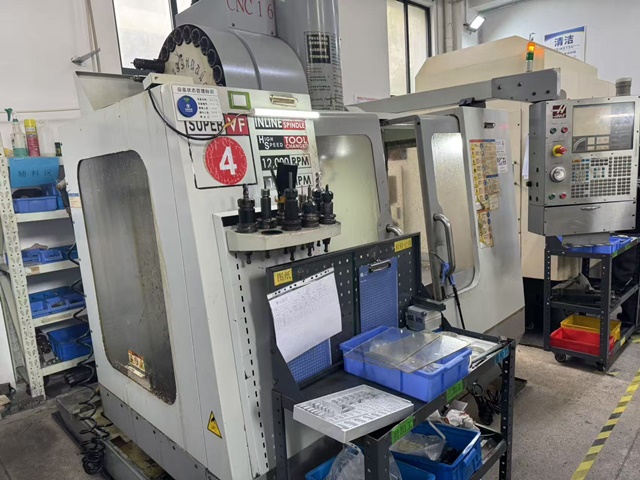
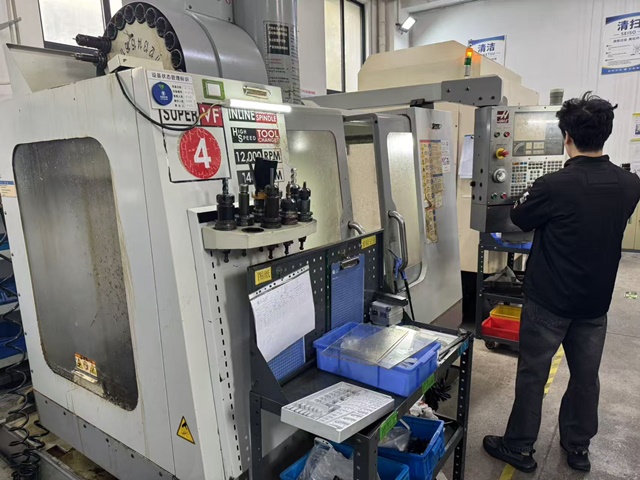
Advanced American milling equipment for customized designs.
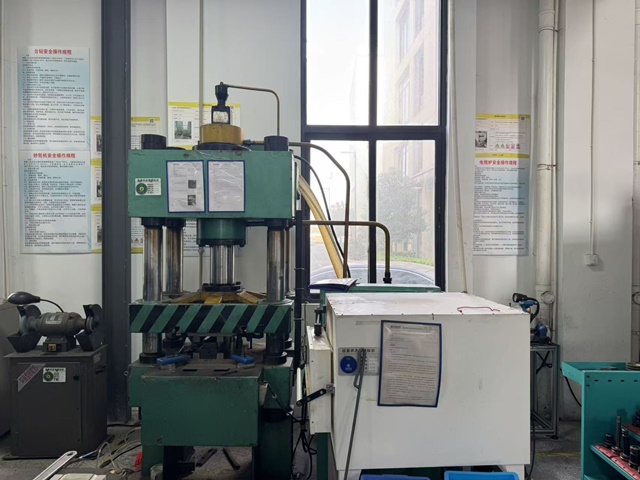
Automated hydraulic press for heavy orthopedic profiling.
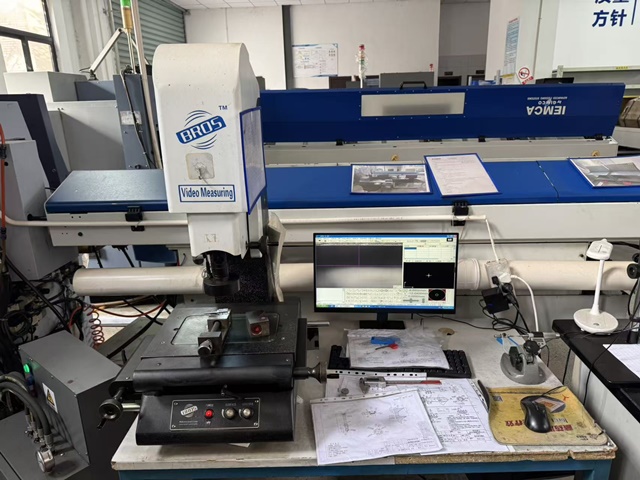
Automated coordinate inspection with sub-micron precision.
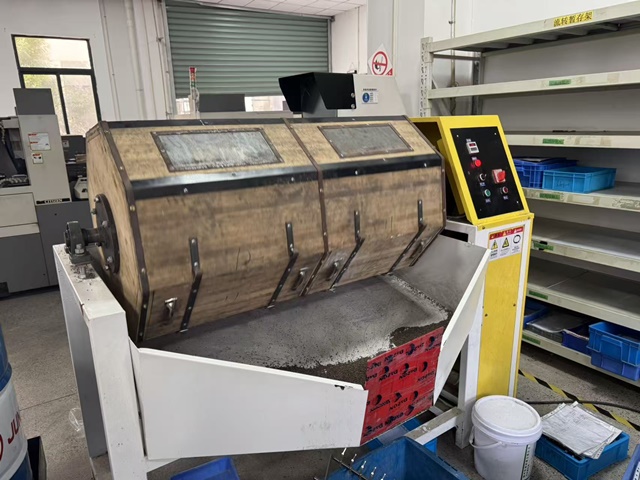
Targeted surfacing for joint contact zones.
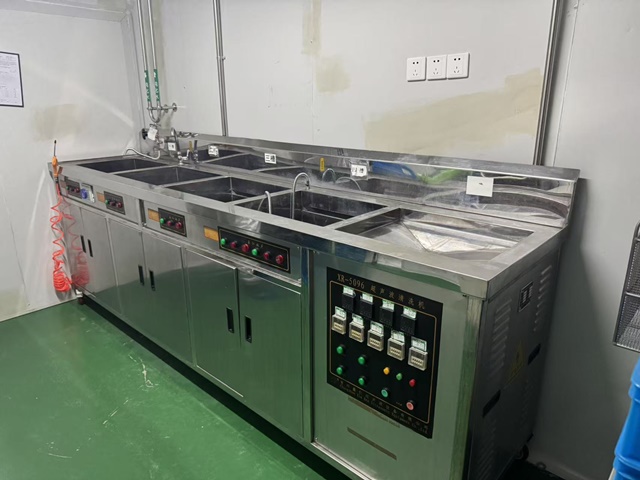
Detergent-free cleaning cycles to eliminate pyrogens.
Our facility is equipped with premium testing infrastructure to simulate in-vivo forces, validating that every implant survives millions of load cycles.
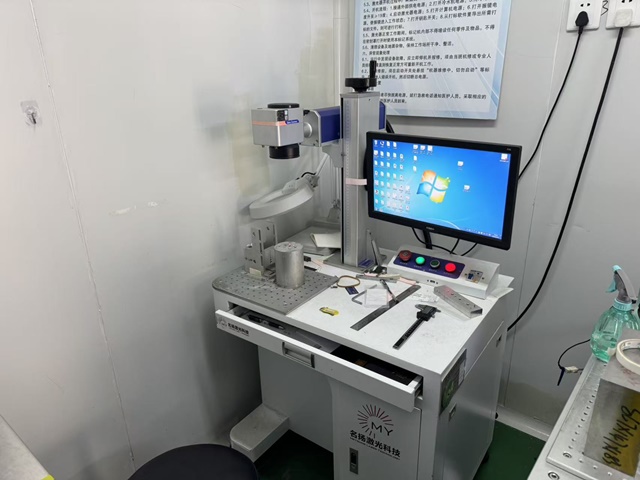
High-resolution barcode integration for component batch traceability.
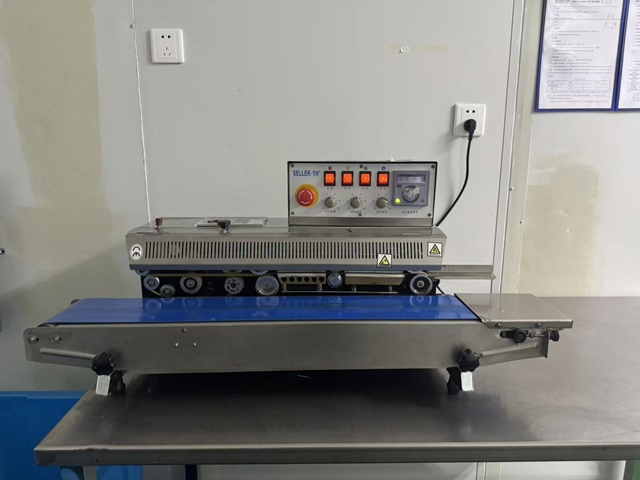
Automated sealing systems ensuring long-term barrier protection.
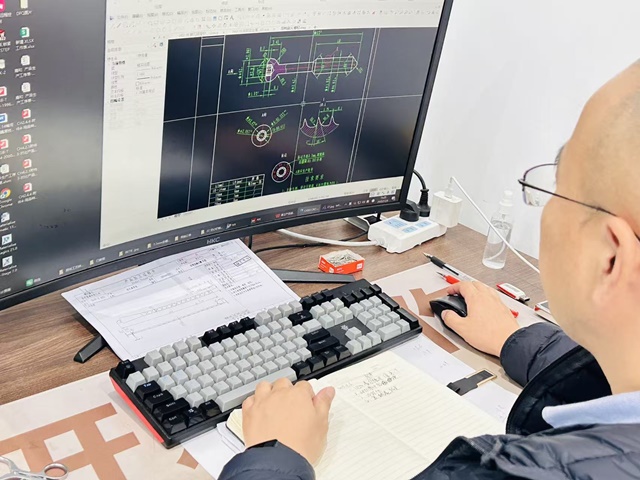
3D FEA (Finite Element Analysis) simulating stress loads on implants.
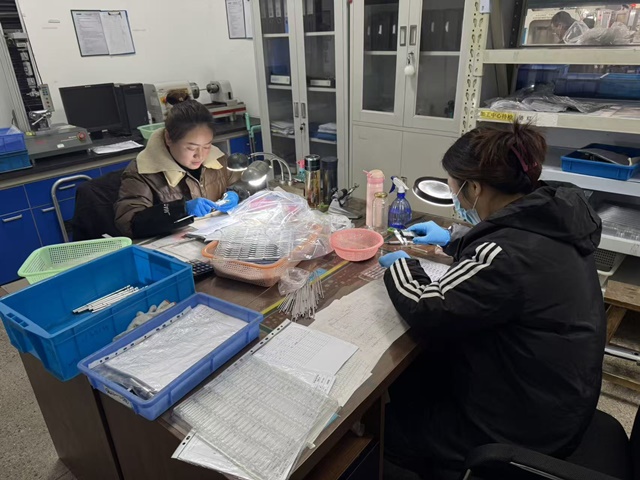
Every critical geometry is manually verified by two inspectors.
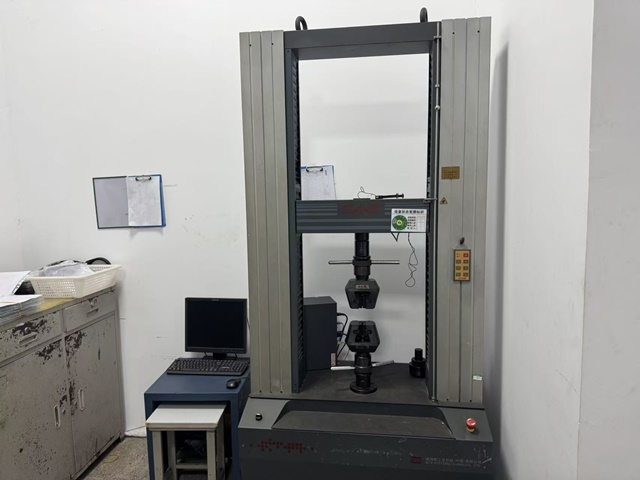
Combined axial and torsional simulation for complex joint loads.
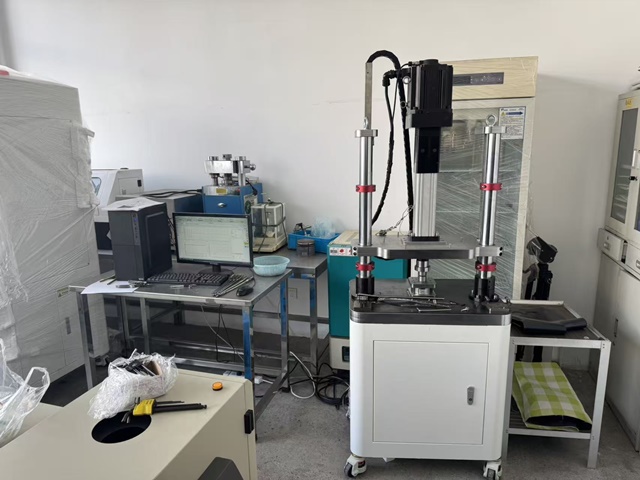
Simulates walking cycles to evaluate risk of implant fracture.
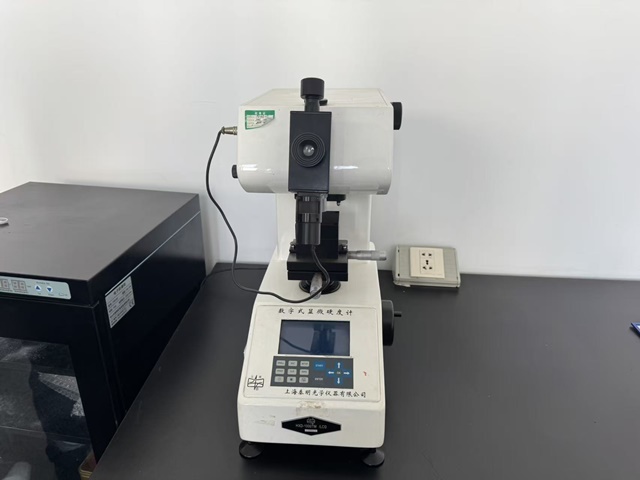
Ensures raw materials meet targeted tensile strength specifications.
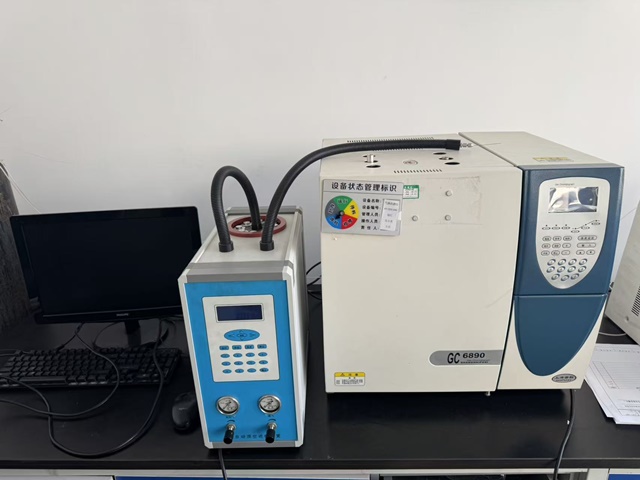
Identifies alloy composition to prevent contamination and corrosion.
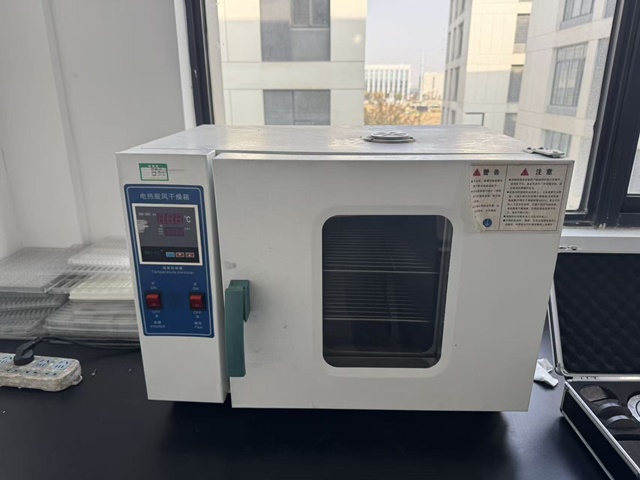
Controlled thermal desorption for packaging sterilization cycles.
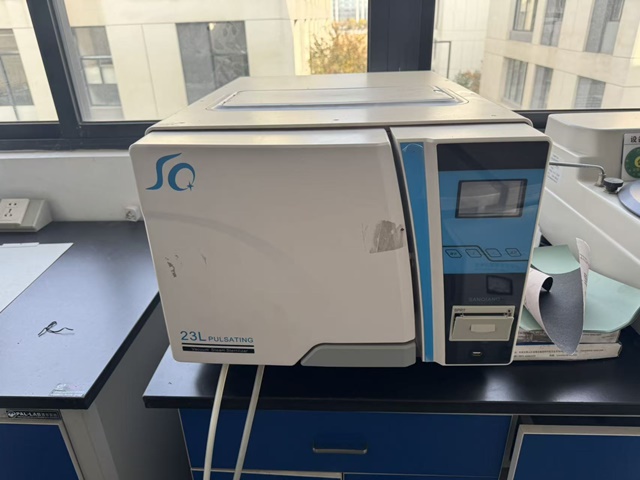
Dynamic fluid validation testing mimicking in-vivo joint environments.
Developing the next generation of wear-resistant surface treatments and bone-integrating coatings designed for active, long-lived patient populations.
By utilizing dual-mobility acetabular liners, we provide high stability and range of motion. This design significantly reduces dislocation risks in complex primary or revision total hip arthroplasty cases.
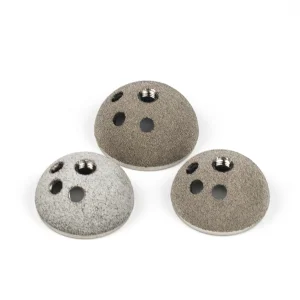
Vacuum Plasma Spraying (VPS) applied Titanium with a Hydroxyapatite (HA) overlayer replicates natural bone mineral structures. This promotes rapid, long-lasting secondary mechanical biological osseointegration.
Sterilized using electronic beam irradiation to maximize polymer crosslinking, our inserts feature superior oxidation resistance and low volumetric wear rates over decades of joint flexure.
Premium class III orthopedic implants, revision tools, and modular replacements engineered to clinical specifications.
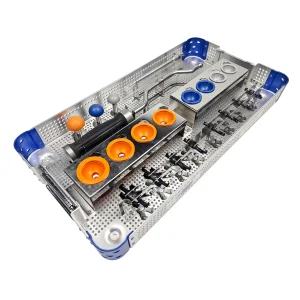
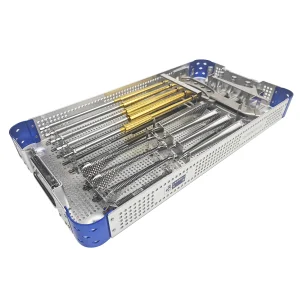
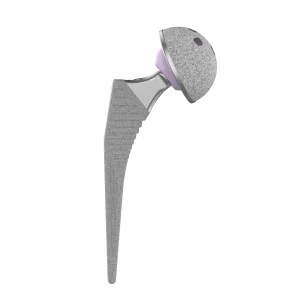
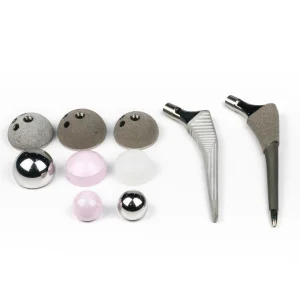
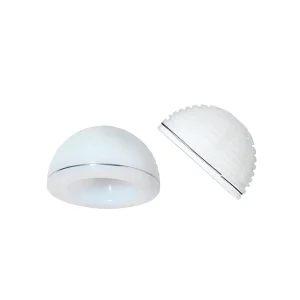
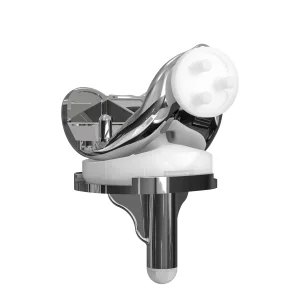
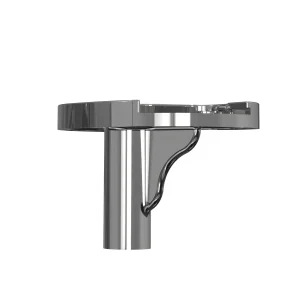
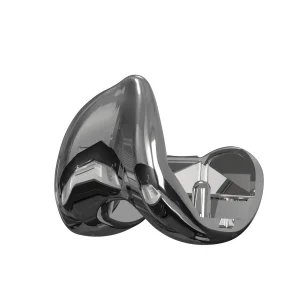
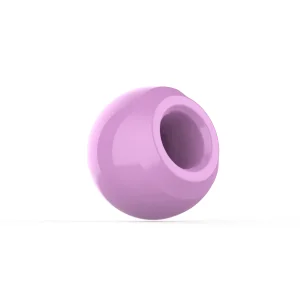
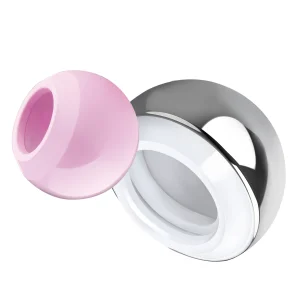
Streamlining the path from factory dispatch to the operating rooms of Ghana, ensuring seamless customs clearance and inventory security.
We supply complete documentation packages to local importing agents to secure FDA clearance in Ghana. This includes ISO 13485 quality audit records, detailed biomechanical testing reports, surgical outcome data registries, and Certificate of Free Sale (CFS) forms. This paperwork accelerates importation processes through the Integrated Customs Management System (ICUMS) at Tema Port.
To support high-urgency surgeries, we collaborate with local distributors to establish regional inventory hubs. This minimizes shipping lag times, ensuring orthopaedic surgeons have access to a full range of implant sizing arrays (e.g., femoral stem tapers, modular femoral heads, and acetabular shell diameters) whenever needed.
Technical, regulatory, and logistics answers for hospital procurement directors, orthopedic surgeons, and medical distributors in Ghana.
Yes. All Osteora joint reconstruction implants (Class III medical devices) are manufactured under ISO 13485 certified quality management systems and hold valid CE documentation. We provide complete documentation support to local distributors for Ghana Food and Drugs Authority (FDA) registration.
We use high-grade orthopedic biomaterials: Ti-6Al-4V ELI (ISO 5832-3) for cementless femoral stems and acetabular cups; Cobalt-Chromium-Molybdenum (CoCrMo, ISO 5832-12) for femoral heads and tibial components; and Ultra-High-Molecular-Weight Polyethylene (UHMWPE) for articulating liners.
MOQs are flexible depending on whether the order consists of standard catalog products or customized OEM designs. Air freight shipments to Accra's Kotoka Airport typically arrive within 7 to 14 days, while bulk sea freight to Tema Port averages 30 to 45 days.
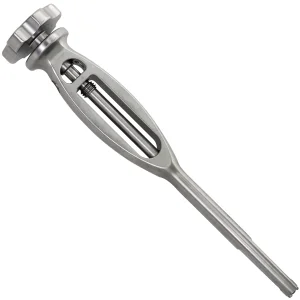
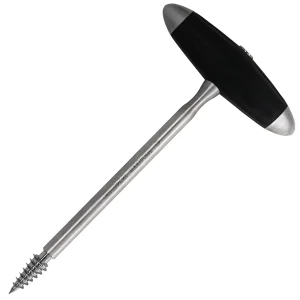
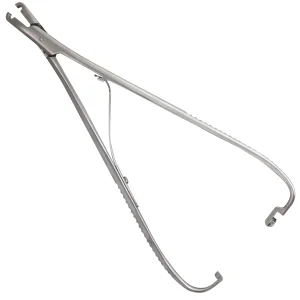
Yes. We provide complete, reusable surgical instrumentation kits (such as hip stem inserters, acetabular reamer heads, and manual hip extractors) made from surgical-grade stainless steel to ensure reliable performance during autoclaving and surgical procedures.
Improve your hospital's surgical outcomes and clinical security. Contact our medical engineering team to arrange product samples, request customization specifications, and receive a direct factory pricing quote.