 Osteora
Osteora
Osteora
Standard-setting primary hip joint configurations and specialized orthopedic instrumentation designed to optimize operating theater efficiency.
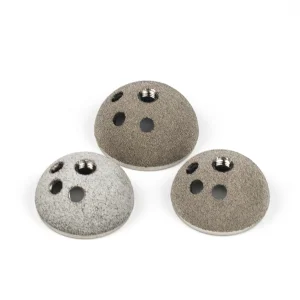
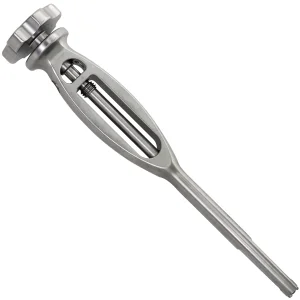
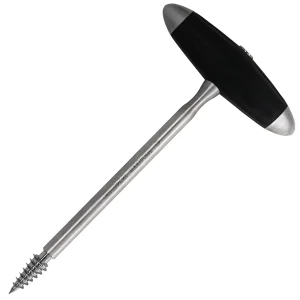
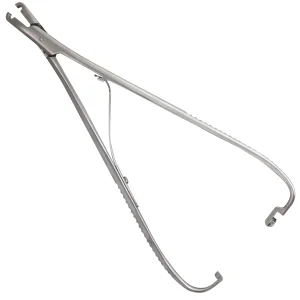
Osteora Medical Devices Co., Ltd. is a professional orthopedic implant and surgical solution manufacturer specializing in trauma, spine, and joint reconstruction systems under the brand Osteora.
Founded in 2016, the company has developed a strong reputation in the global orthopedic industry through continuous innovation and strict quality control standards. The facility covers an area of approximately 18,500㎡, supporting integrated production, assembly, and testing operations.
With 8 years of export experience and 12 years of industry expertise, Osteora has established stable cooperation with international distributors and hospitals across multiple regions. Annual export revenue ranges from USD 6 million to 14 million, reflecting steady global market growth.
The company implements comprehensive quality assurance systems, including ISO 13485 compliance, in-process inspection, and final random sampling testing. Product inspection methods include dimensional measurement, mechanical fatigue testing, and biocompatibility validation. The quality control team consists of 42 specialized inspectors ensuring strict adherence to international medical device standards.
For Argentine health insurers (Obras Sociales, Prepagas like OSDE, Swiss Medical, and PAMI) and the public hospital network, controlling the total cost of knee and hip replacements is critical. The combination of high inflation and strict import dynamics (via SIRA / SEDI frameworks) requires medical supply chains to provide highly reliable, CE-marked, and cost-effective alternatives to costly US and European brand names.
By partnering with Osteora, Argentine distributors gain a partner that offers certified biological safety (compliant with ISO 10993) and excellent primary fixation mechanics. We assist local partners with technical dossiers designed to pass the strict medical device registration processes managed by ANMAT (Administración Nacional de Medicamentos, Alimentos y Tecnología Médica), ensuring smooth import clearance and clinical deployment.
We provide full technical documentation including clinical study references, biocompatibility logs, and ISO 13485 certification. This streamlines local approval for Class III implantable devices under Argentina's strict sanitary regulatory framework.
Operating with 1,200 downstream and upstream partners, we assure Argentine importers of stable production schedules and shipping predictability to direct ports like Buenos Aires, avoiding supply bottlenecks.
Our solutions target the high financial strain faced by Obras Sociales. Our hip and knee components deliver premium clinical outcomes equivalent to international standards at a cost structure compatible with local tenders.
Advanced orthopedics relies on materials science. For both Total Hip Replacement (THR) and Total Knee Replacement (TKR) configurations, our engineering team utilizes high-purity raw materials. Our titanium femoral stems and acetabular cups are processed from Ti-6Al-4V ELI (Extra Low Interstitial) alloy, conforming to ASTM F136 specifications. This medical-grade alloy features exceptional mechanical strength, a low elastic modulus resembling human cortical bone, and high biocompatibility.
To optimize osseointegration, the outer surfaces of our cementless hip replacement systems receive a specialized dual-layer coating: a rough Titanium Plasma Spray (TPS) base layer, followed by a crystalline Hydroxyapatite (HA) top layer. The primary stability achieved via press-fit mechanical anchoring is reinforced over time by secondary stability as host bone tissue grows into the microporous HA-matrix. For cemented indications, our satin-finished, highly polished stems prevent cement mantle disruption, offering flexible clinical pathways based on patient bone quality.
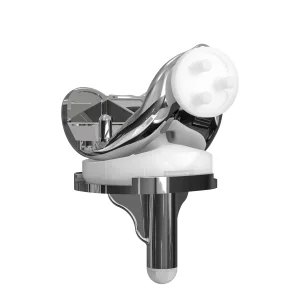
In total knee arthroplasty, the articulating surfaces are engineered from Cobalt-Chromium-Molybdenum (CoCrMo) alloy and Ultra-High-Molecular-Weight Polyethylene (UHMWPE). Our knee replacement systems are available in Cruciate-Retaining (CR) and Posterior-Stabilized (PS) options. The tibial baseplate uses high-precision locking mechanisms to minimize backside wear, protecting against osteolysis and premature joint loosening.
We maintain high clinical flexibility by offering not only primary reconstruction implants but also high-precision revision systems and hemi-arthroplasty configurations for traumatic neck fractures.
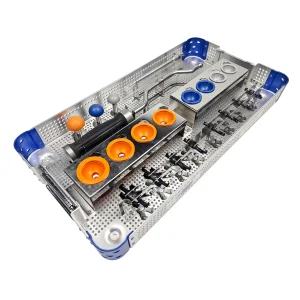
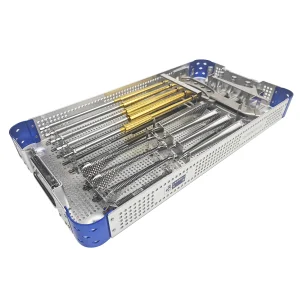
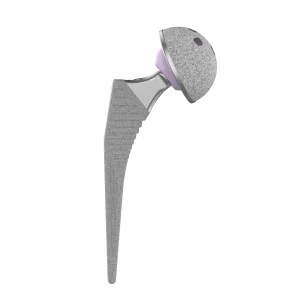
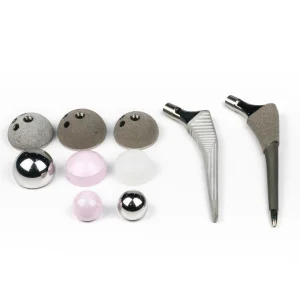
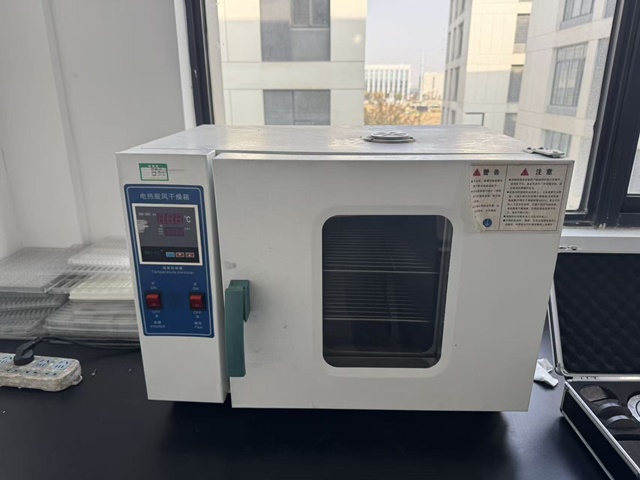
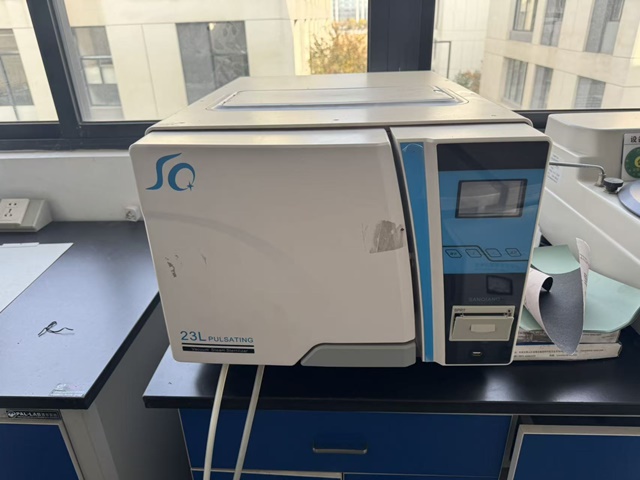
Our plant processes, finished parts handling, quality validation steps, and analytical machinery.
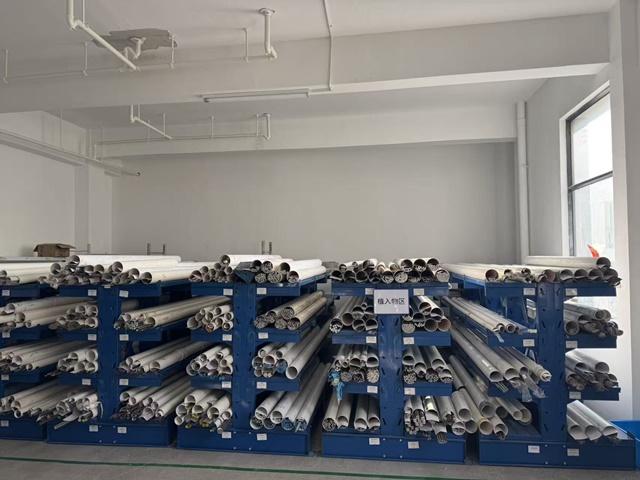
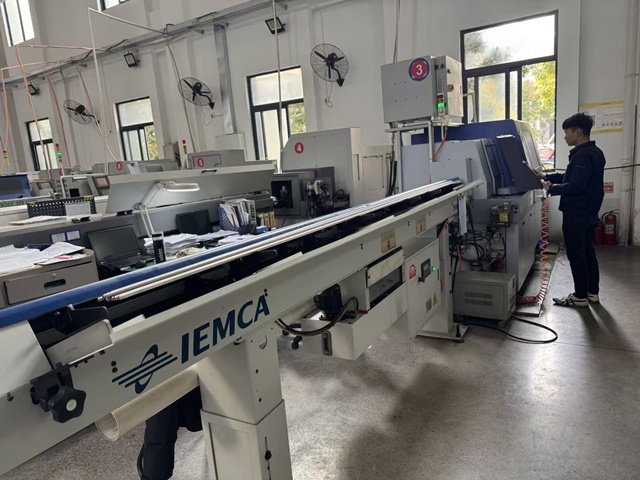
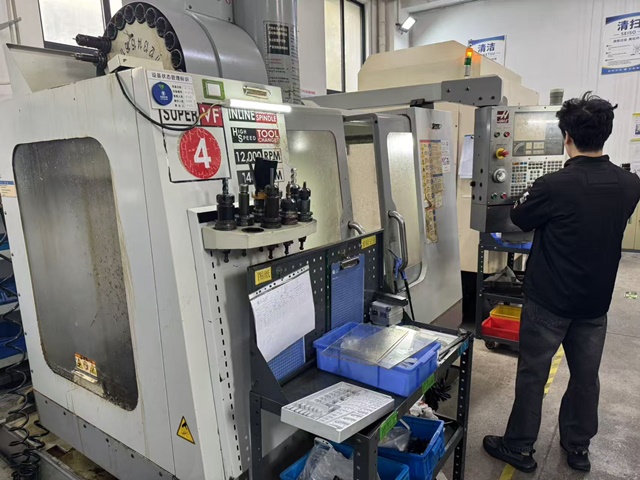
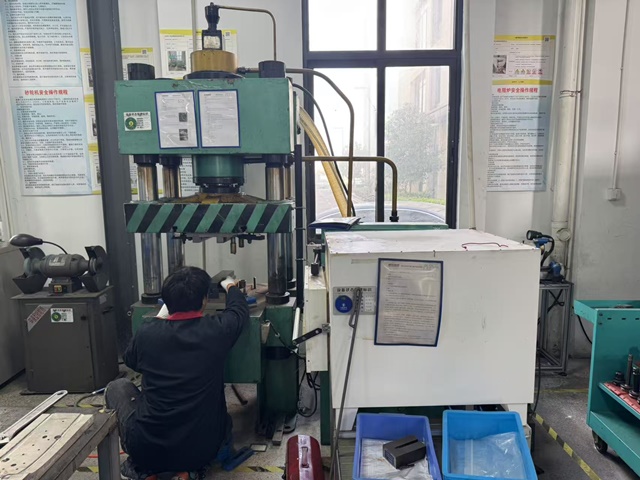
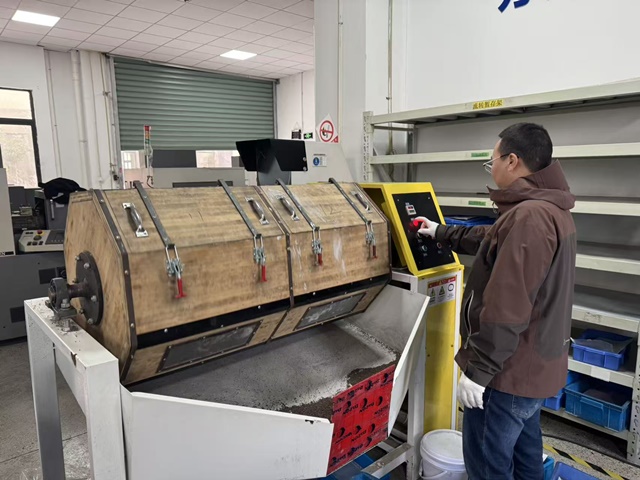
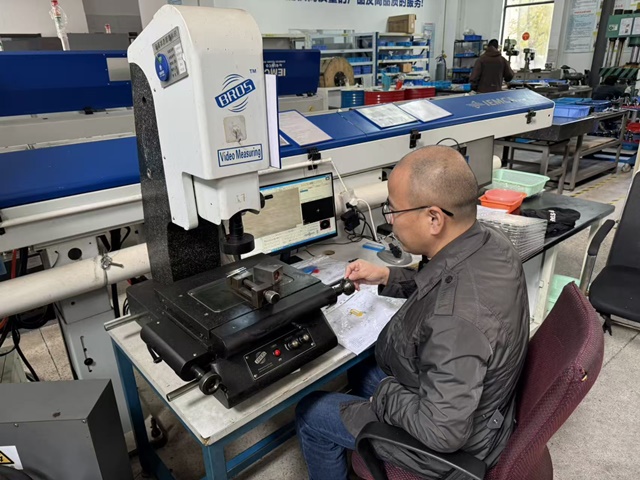
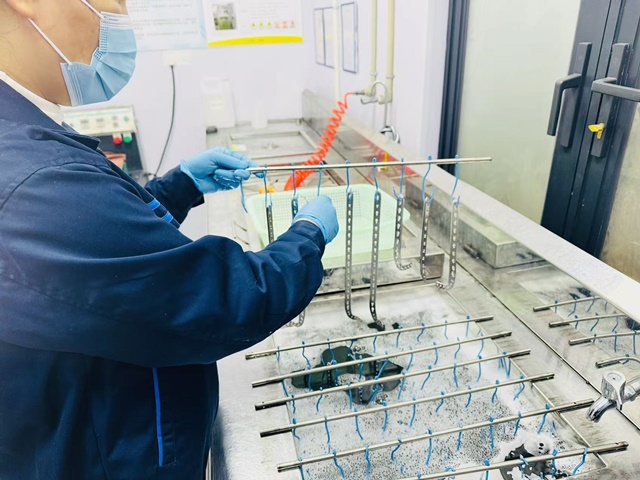
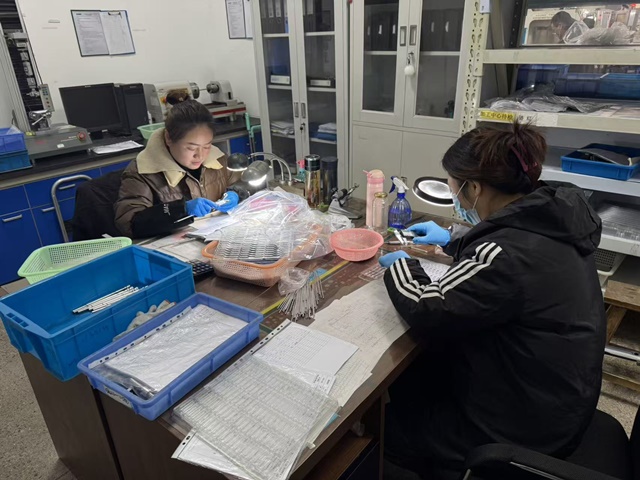
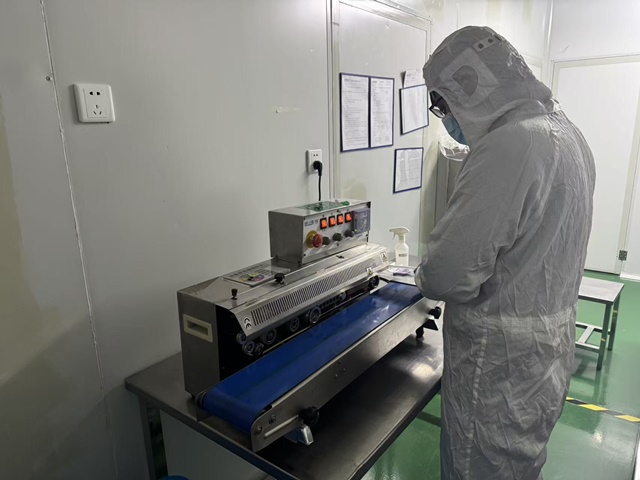
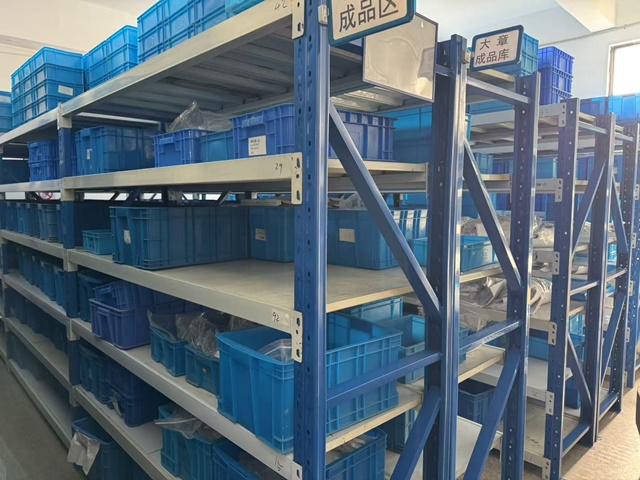
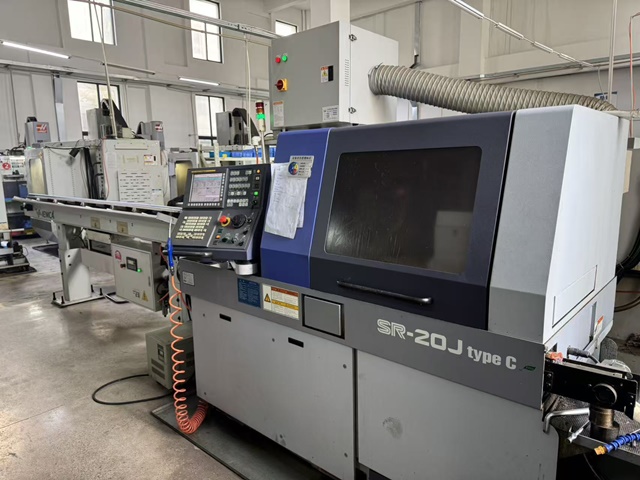
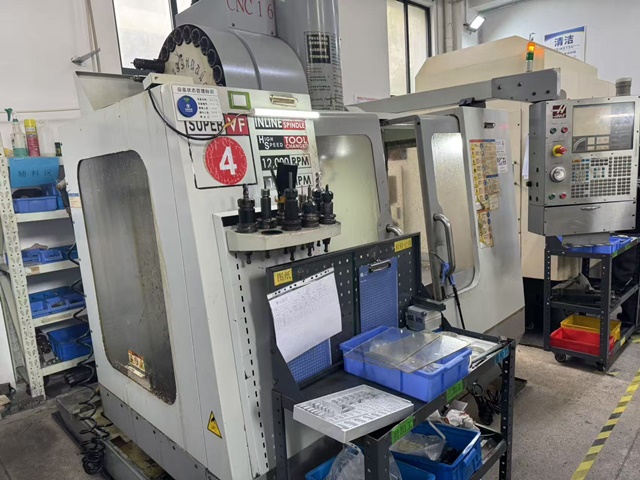
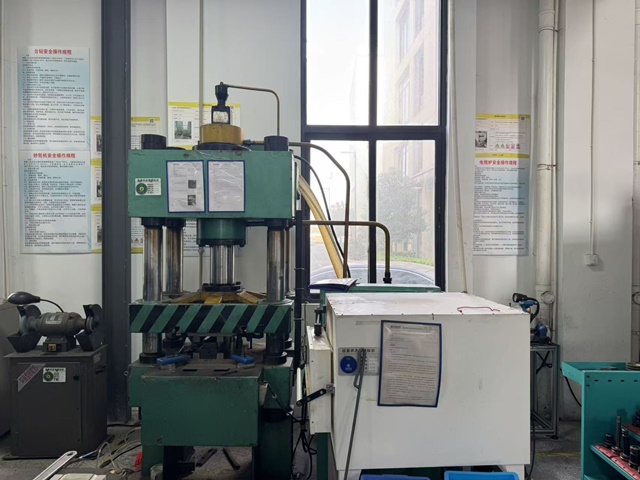
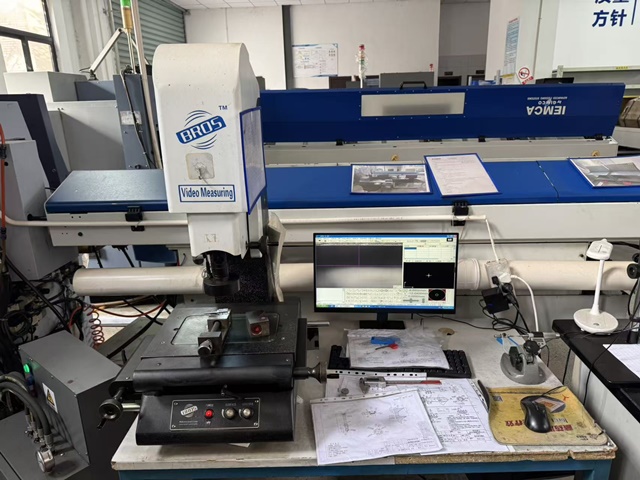
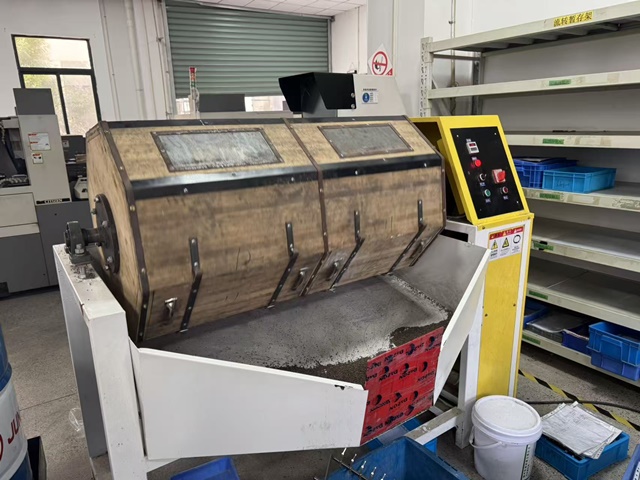
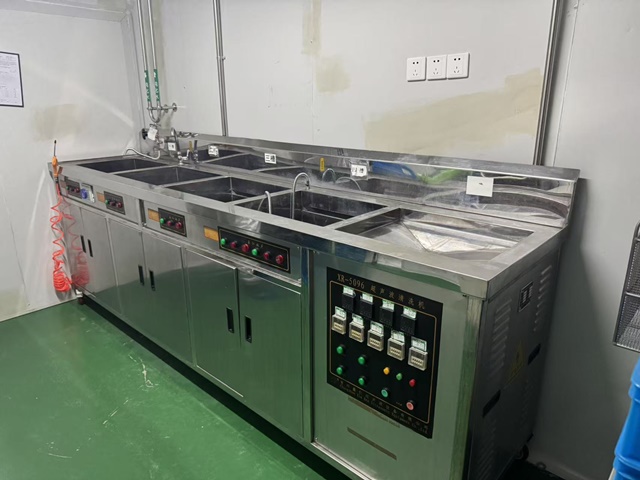
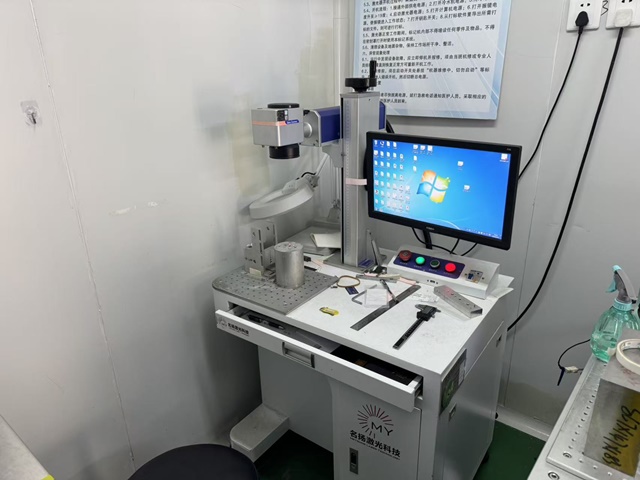
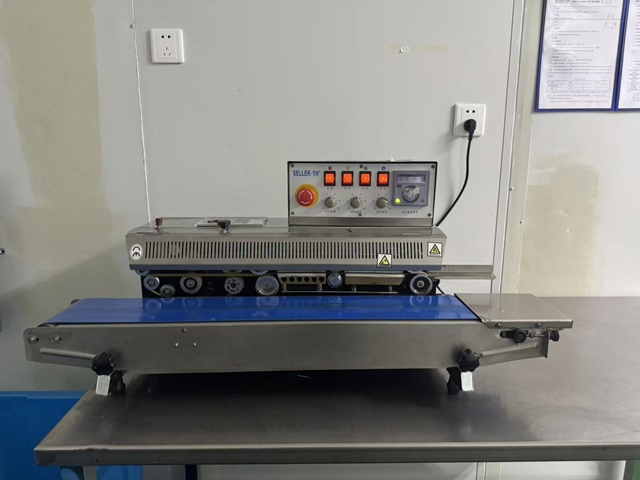
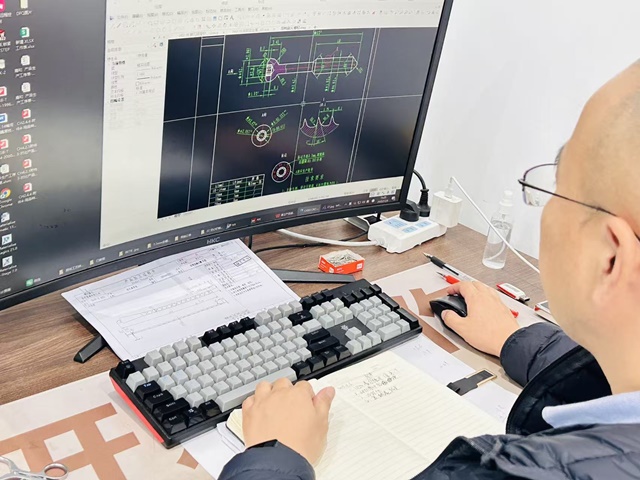
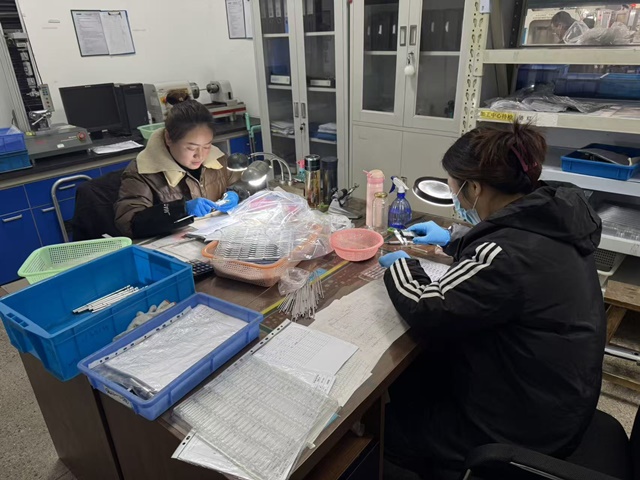
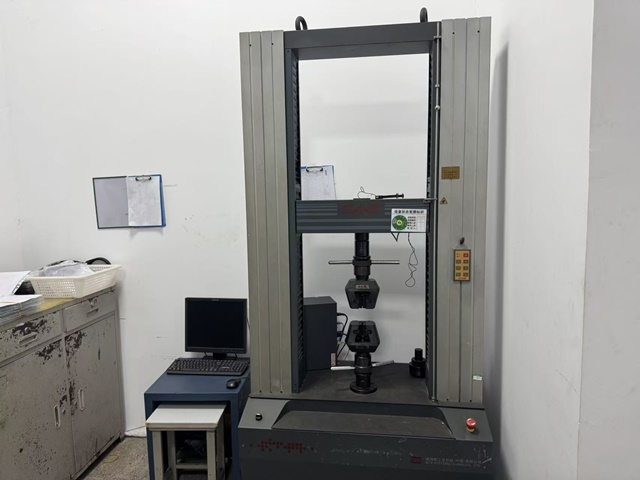
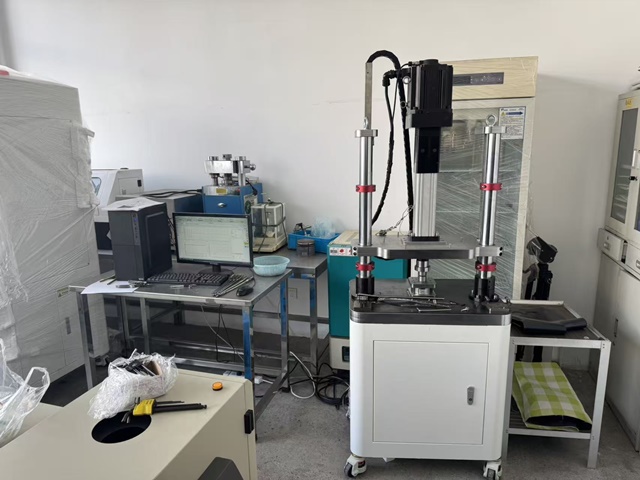
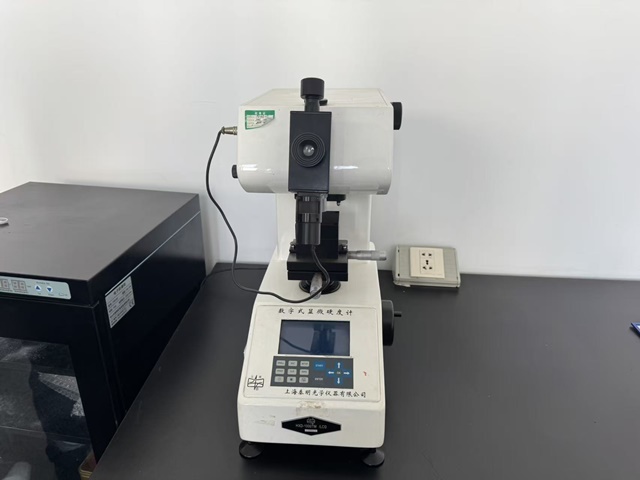
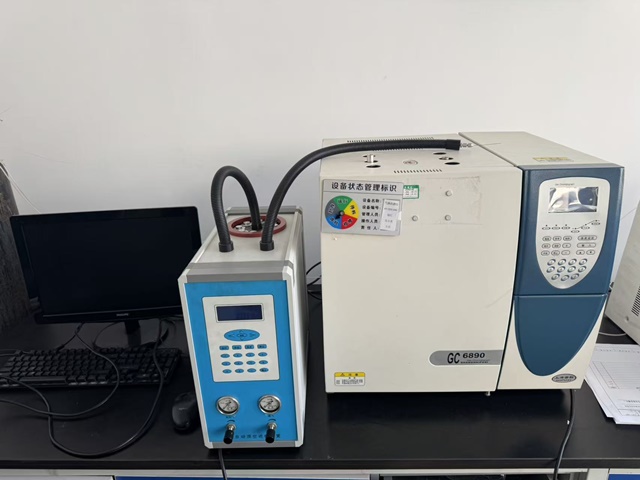
We work with international distributors to supply customized sizing, geometry, and labeling for regional implant ranges. Through our in-house engineering team of 85 R&D specialists, we can modify femoral stems and acetabular systems to match local patient profiles or special surgical instrumentation preferences.
Additionally, we supply custom instrument boxes containing tools optimized for quick cleaning and preparation in central sterile services departments (CSSD). Our range includes specialized retractors, trial stems, and precise acetabular reamers designed to optimize surgical workflows.
Quality control is central to our production process. Our 42 specialized inspectors run testing protocols on every production batch:
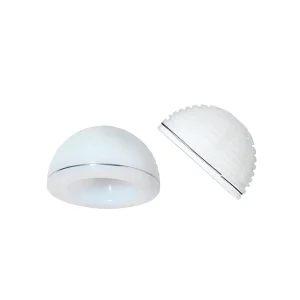
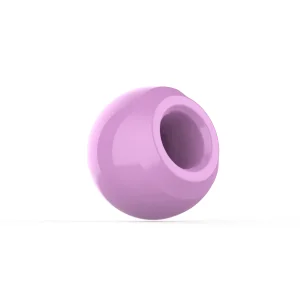
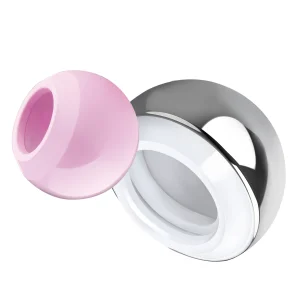
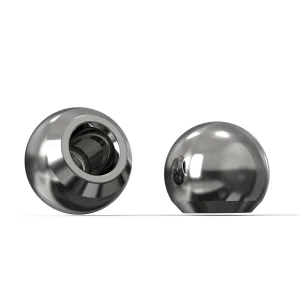
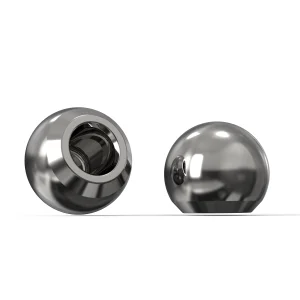
High-integrity components, femoral heads, dual mobility cups, and knee arthroplasty implants designed for modern orthopedic procedures.
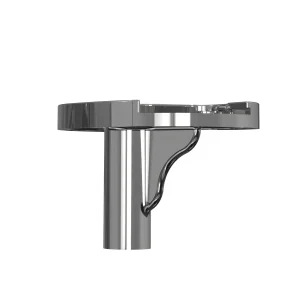
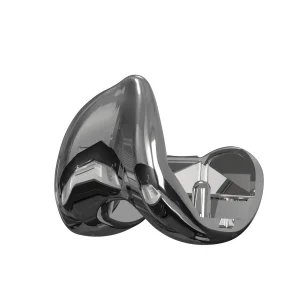
Common inquiries from orthopedic distributors and hospital procurement offices regarding regulatory approval, technical specifications, and shipping details.
We provide a comprehensive technical registration package. This includes ISO 13485 quality system certificates, CE declaration of conformity documents, physical material testing certificates (ASTM F136 / ASTM F75 compliance), mechanical fatigue test reports, and biocompatibility studies (ISO 10993). This documentation is formatted to support submission by your local regulatory team.
Yes. With an engineering team of 85 R&D specialists, we provide custom sizes, alternative materials, and laser-marked private labeling (OEM/ODM). We also custom-manufacture surgical instrumentation trays to match the preferences of local orthopedic surgeons.
All implant components are cleaned and packed within certified cleanrooms. For sterile products, we implement validated sterilization processes, such as Gamma irradiation or Ethylene Oxide (EO) processing. Every batch is traceable by an assigned lot number to ensure safety and quality control.
Standard inventory orders can ship quickly. For OEM orders or larger production batches, manufacturing typically takes 30 to 45 days. Ocean freight from our plant to the Port of Buenos Aires usually takes 40 to 50 days, while urgent surgical instrumentation orders can be shipped via air express in 7 to 10 days.
Our femoral stems and modular heads utilize a standard 12/14 taper system. This configuration ensures compatibility across our range of ceramic and metal heads, offering surgical teams flexibility for both primary and revision procedures.