Osteora
Osteora
Osteora
Advanced design implants engineered to restore anatomical mobility and guarantee long-term implant survival rates.
Brazil represents one of the largest medical device markets in Latin America. Driven by an aging population and expanded access to specialized surgeries, the demand for Total Hip Replacement (THR) and Total Knee Replacement (TKR) implants has grown exponentially. According to recent public health data (SUS - Sistema Único de Saúde) and private sector audits, thousands of primary and revision joint arthroplasty procedures are executed monthly in key economic hubs such as São Paulo, Rio de Janeiro, and Belo Horizonte.
However, securing reliable import streams remains a major operational hurdle for Brazilian distributors. High import tariffs, custom clearance complexities, and strict ANVISA (Agência Nacional de Vigilância Sanitária) regulatory pathways demand that exporters possess not only superior product portfolios but also deep compliance documentation. Osteora Medical Devices Co., Ltd. bridges this gap by offering certified Class III orthopedic solutions backed by comprehensive technical dossiers (Dossiê Técnico) to streamline regulatory approvals and supply-chain logistics.
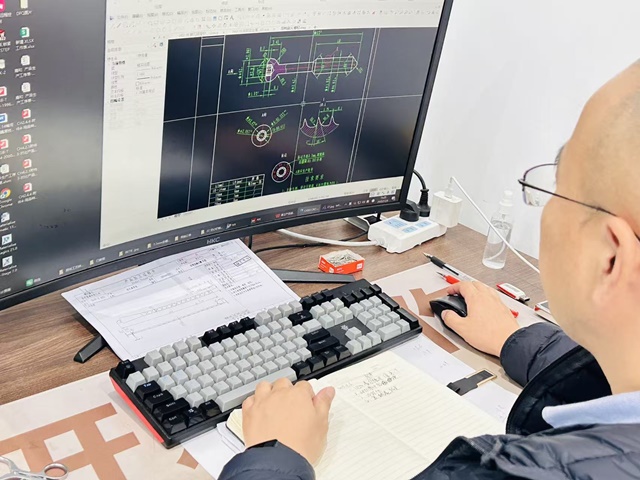
Leveraging deep industrial integration to deliver consistent product quality and price advantages to international markets.
From medical raw materials to final packaging, every stage is strictly monitored by our 42 professional quality inspectors.
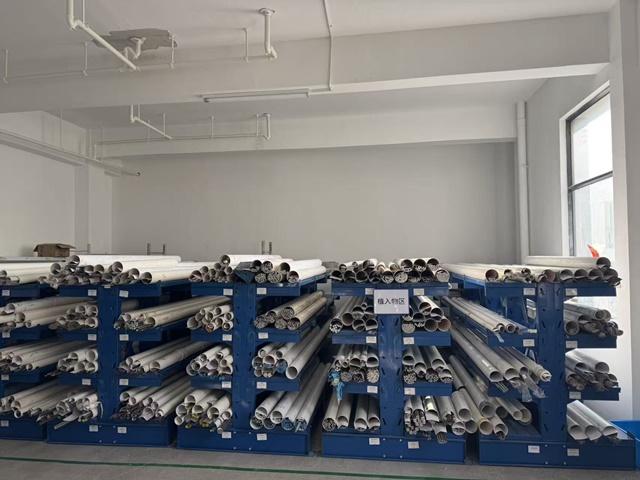
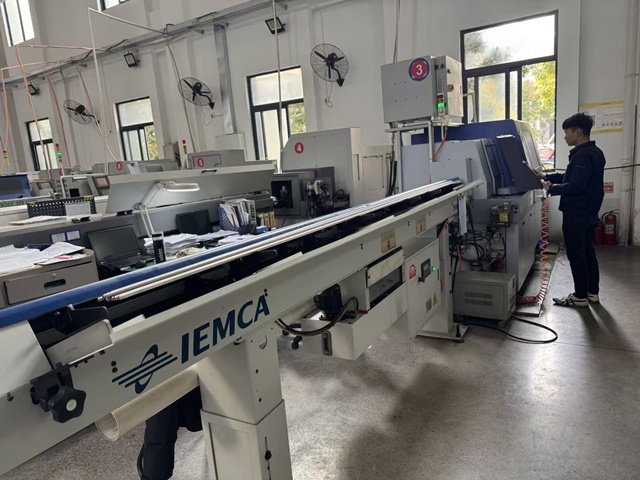
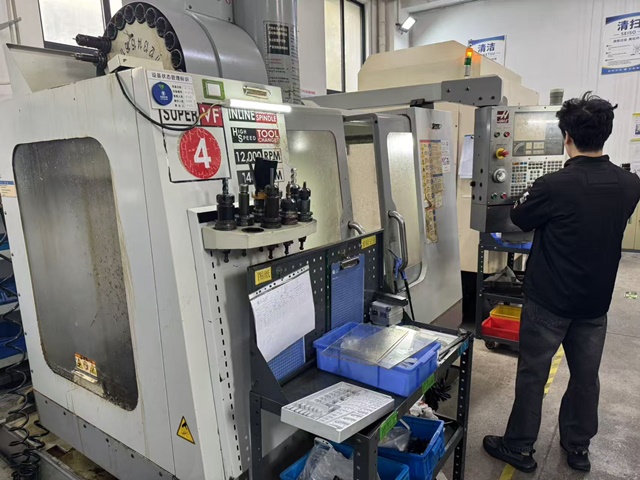
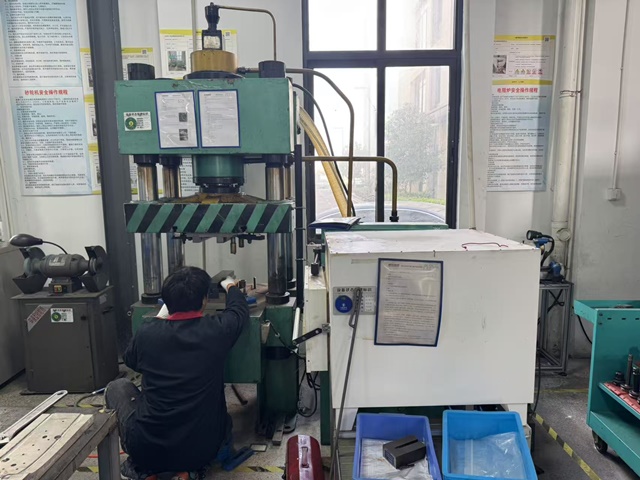
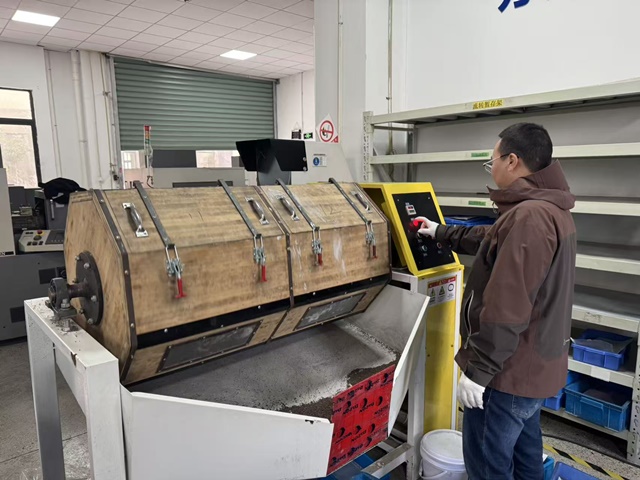
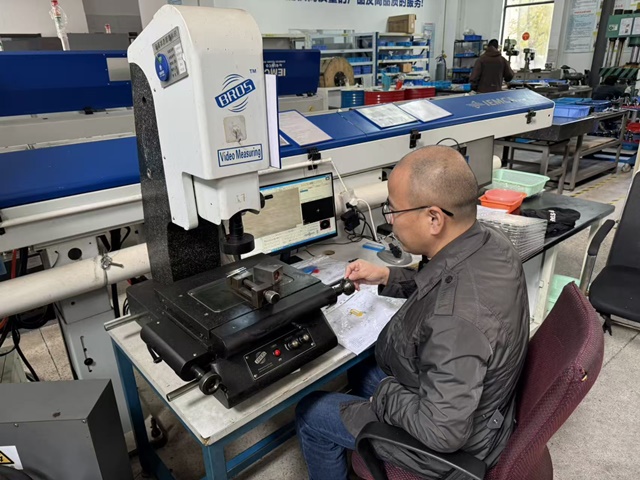
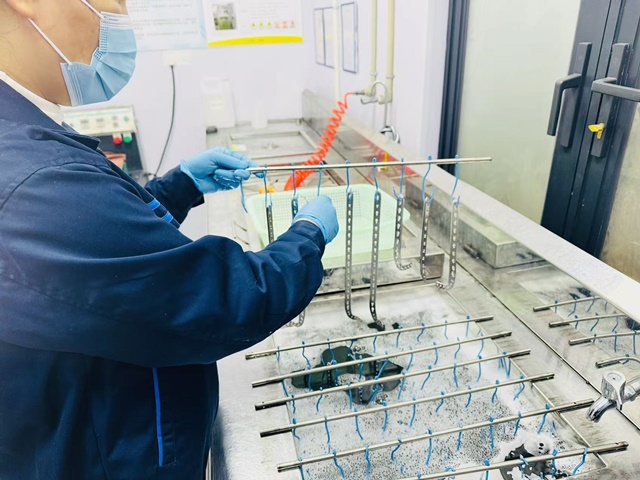
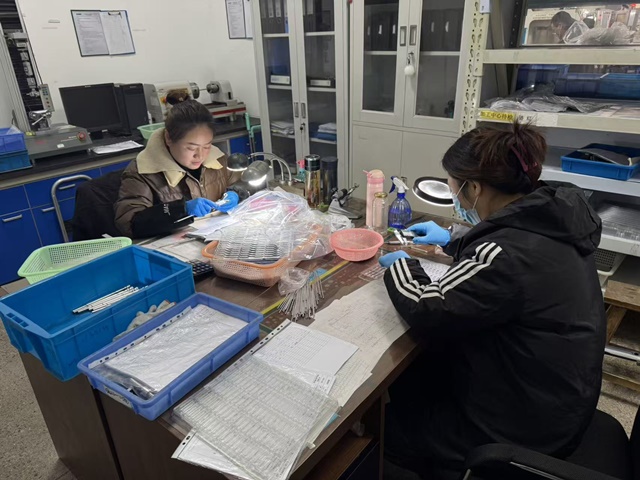
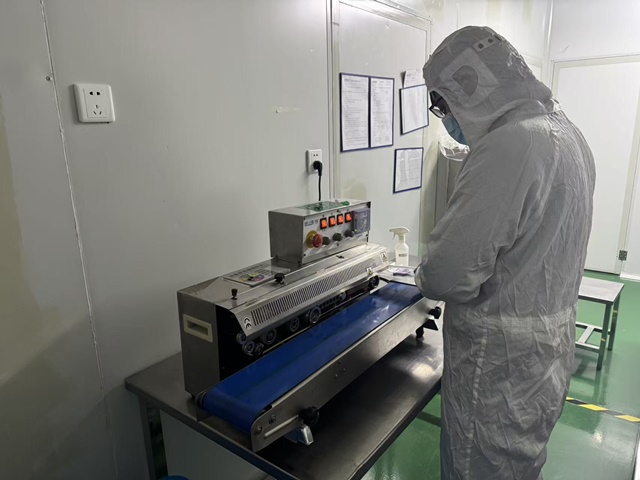
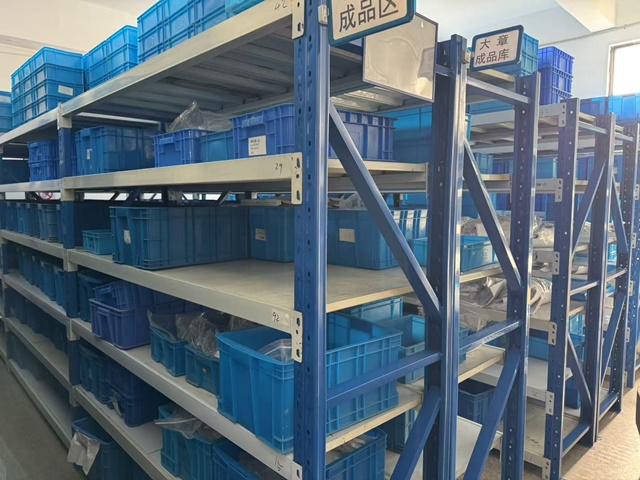
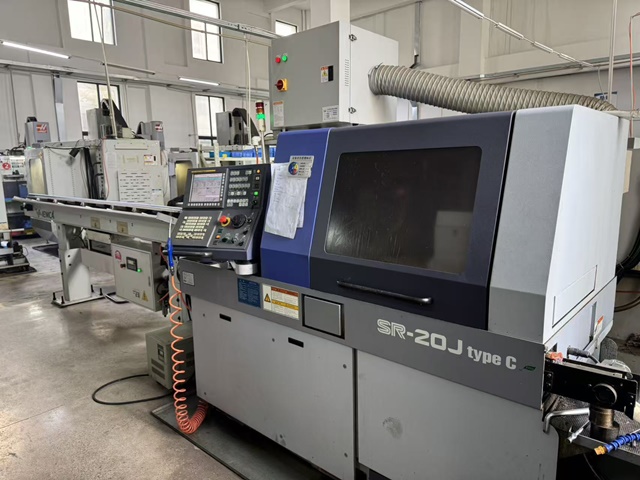
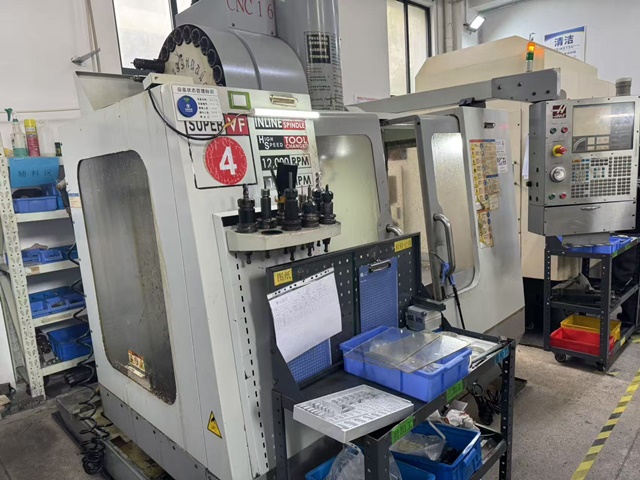
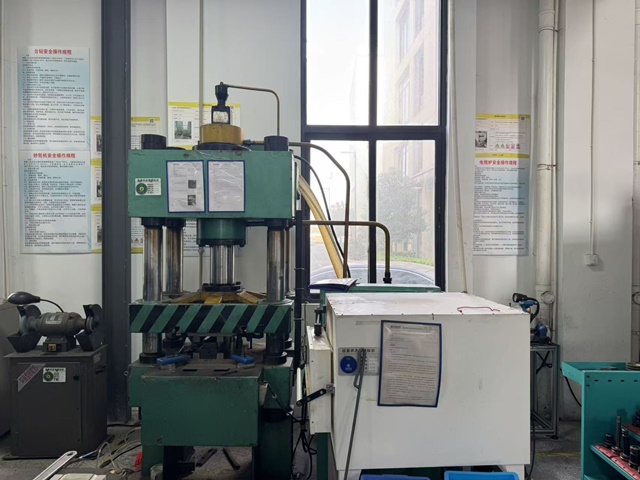
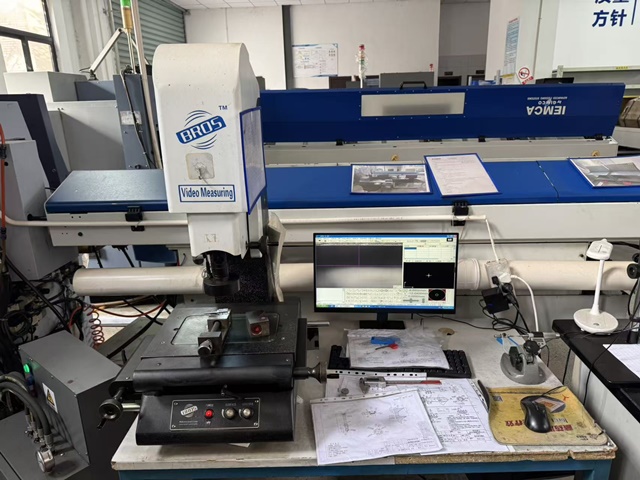
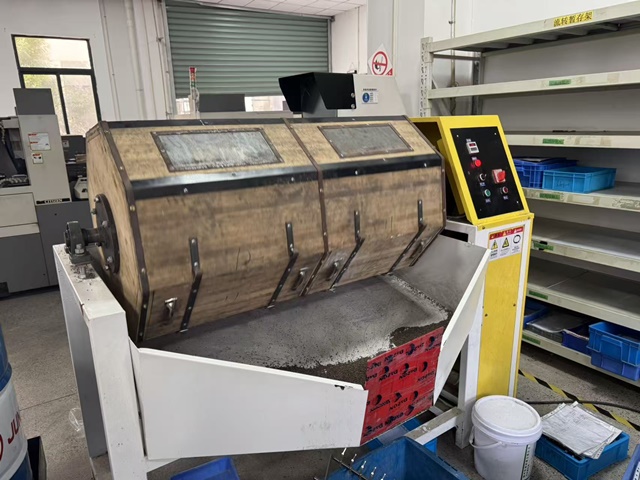
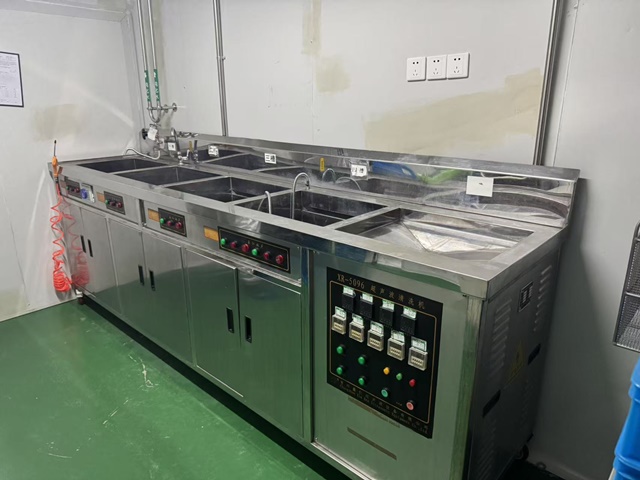
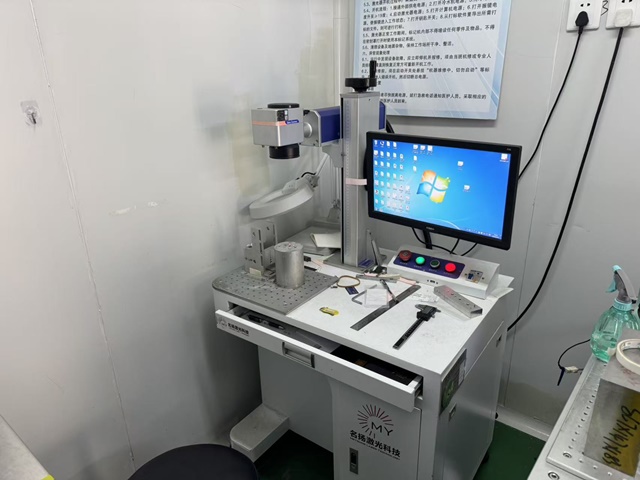
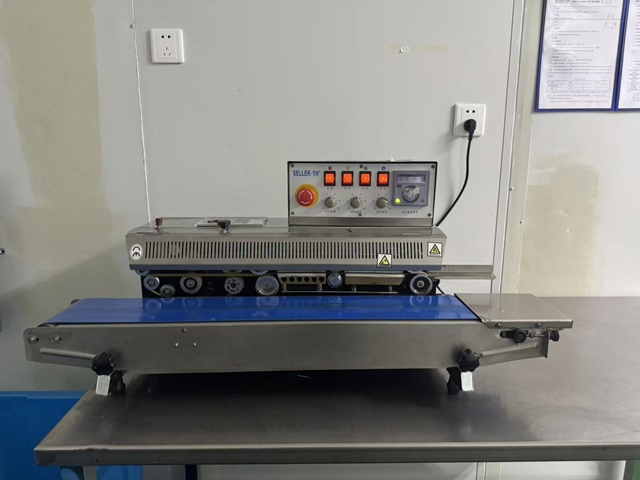
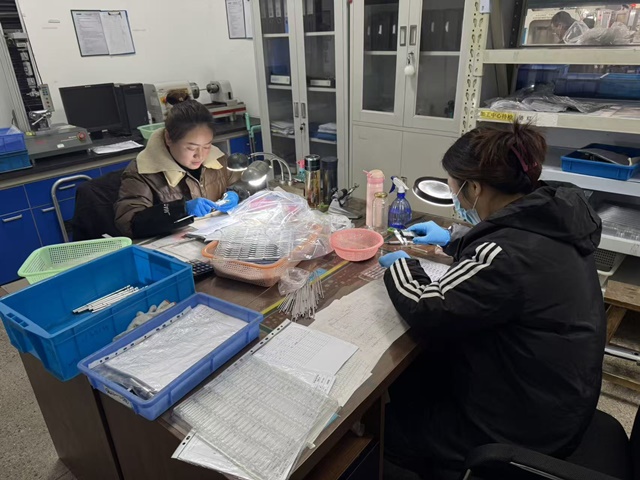
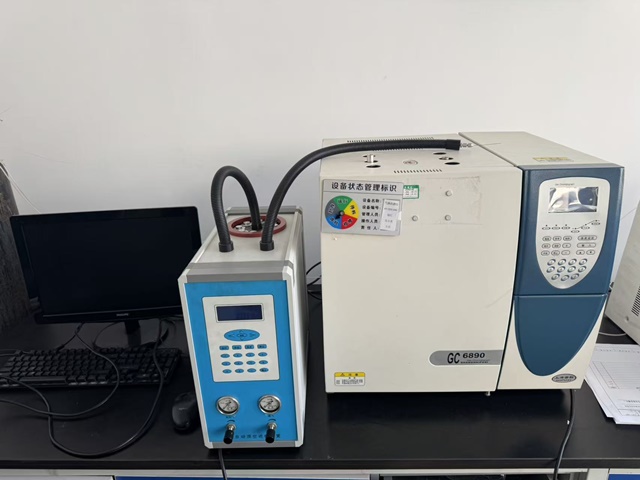
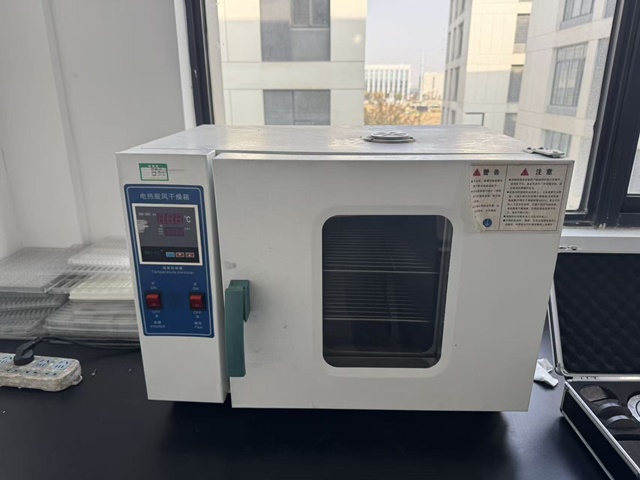
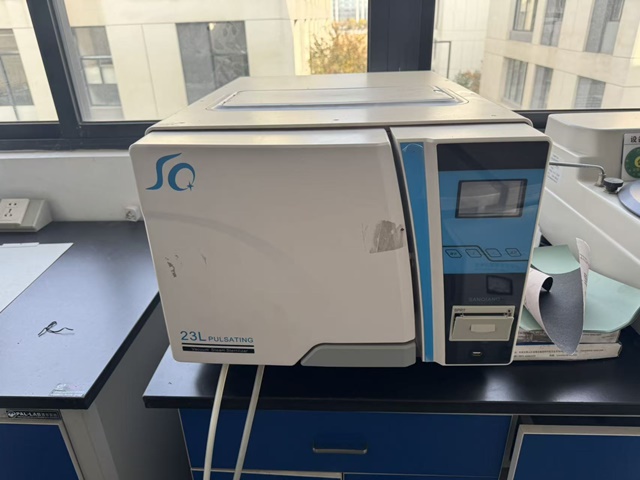
As a leading orthopedic implant and surgical solution manufacturer founded in 2016, Osteora has established deep-running networks inside the global orthopedic industry. Our production facilities maintain ISO 13485 compliant environments, ensuring in-process inspection and random sampling tests are meticulously recorded for every batch.
For Brazilian medical device distributors, sourcing from Osteora means mitigating the risks associated with raw material price hikes and delivery delays. We operate with over 1,200 certified upstream and downstream partners. Whether you require customized implant dimensions, specific HA (Hydroxyapatite) coating thicknesses, or private labeling (OEM/ODM services) to support regional public hospital tenders, our team of 85 dedicated R&D engineers translates complicated clinical demands into robust market solutions.
Our annual export revenue of USD 6 million to 14 million underlines our financial stability and international capabilities. Brazil represents a primary market sector where we continuously customize packaging, laser markings, and instruments to suit localized surgical workflows.
Select from our widely-implemented knee and hip system items designed for stable fixation, biomechanical alignment, and long-term durability.
An in-depth look at how material sciences and localized surgical expectations are shaping the orthopedic landscape.
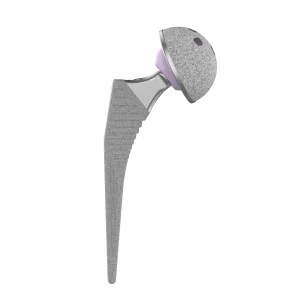
Over the past decade, Brazilian orthopedic surgeons have increasingly favored cementless total hip arthroplasty (THA), particularly for younger, active patients. Implants such as our Primary Femoral Titanium Stem utilize a high-roughness titanium plasma spray or Hydroxyapatite (HA) coating. This surface optimization promotes rapid osteointegration, establishing a direct structural connection between the bone tissue and the implant, significantly reducing the occurrence of aseptic loosening.
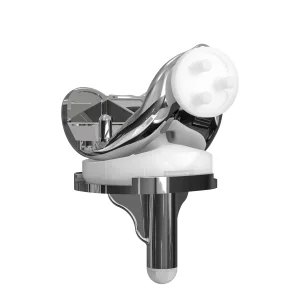
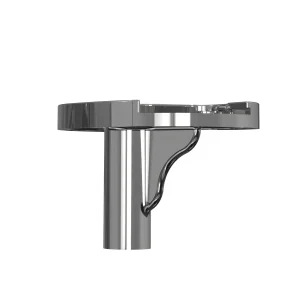
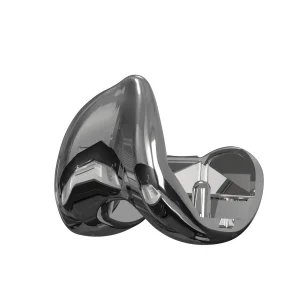
For knee systems, the utilization of cobalt-chromium-molybdenum (CoCrMo) alloys paired with Ultra-High-Molecular-Weight Polyethylene (UHMWPE) inserts continues to be the benchmark. Our TKR Knee Implants Kit delivers excellent tribological behavior, minimizing polyethylene wear debris which is known to trigger osteolysis. The tibial baseplates are designed to provide a highly uniform stress distribution across the proximal tibia, reducing localized stress concentration.
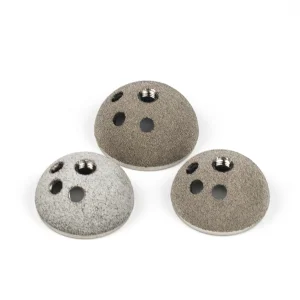
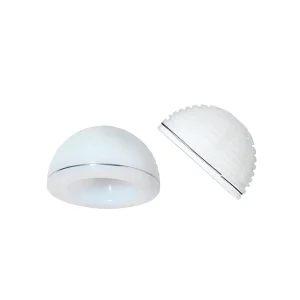
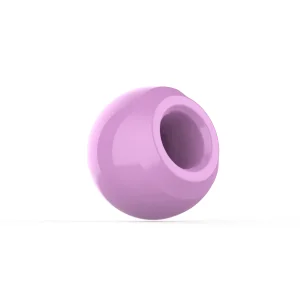
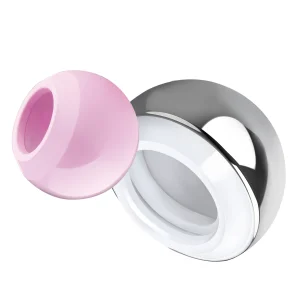
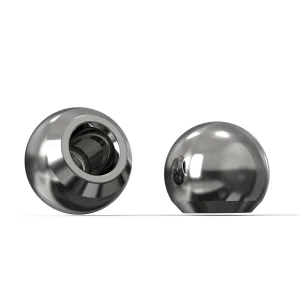
Dislocation remains a primary reason for THA revision procedures. In Brazil, where surgical centers are scaling up revision workloads, the implementation of Dual Mobility Acetabular Cups has grown. By featuring two articulating surfaces, these systems offer a larger range of motion before impingement occurs, maximizing stability without compromising cup fixation integrity. Osteora provides comprehensive instrumentation sets specifically calibrated to simplify dual-mobility insert assembly and reduce intraoperative complications.
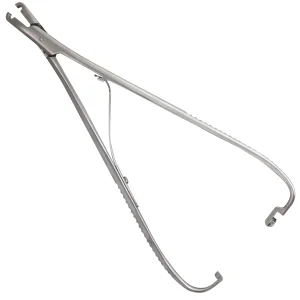
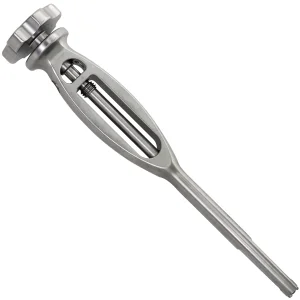
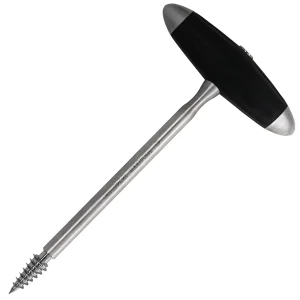
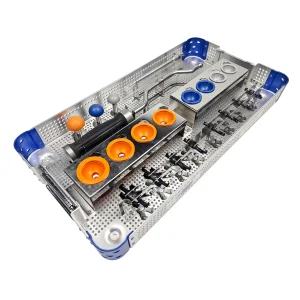
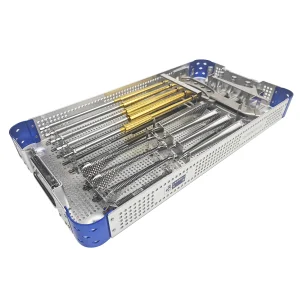
One major area of information gain for orthopedic procurement officers is the optimization of surgical instruments. The efficiency of a joint replacement surgery depends heavily on the ergonomic design of the instruments. An exporter must provide highly durable, intuitive instrumentation trays. Our Hip Revision Instrument Sets, Stem Inserters, and Manual Extractors are constructed using medical-grade surgical steels designed to undergo repeated autoclave sterilization cycles without degradation.
Furthermore, custom configuration of these instrument boxes to fit the autoclaves and workflow constraints of localized public hospitals in Rio Grande do Sul or Bahia helps reduce pre-operative preparation times and overall surgical expenses. Our modular trial designs allow surgeons to seamlessly toggle between hemi-arthroplasty and total reconstruction setups without opening multiple single-use kits, drastically optimizing operating room resource usage.
We provide complete OEM/ODM options to support your distribution networks in public and private hospitals across Brazil.
Consult Our EngineersEssential guidance covering technical queries, regulatory workflows, and shipping logisitics for global medical distributors.
We provide a complete regulatory package, including CE certification, ISO 13485 quality system certificates, raw material test reports (mill certificates verifying Ti-6Al-4V ELI / CoCrMo biocompatibility), and comprehensive technical dossiers. Our team supports your local regulatory representative in Brazil during the submission of the Dossiê Técnico.
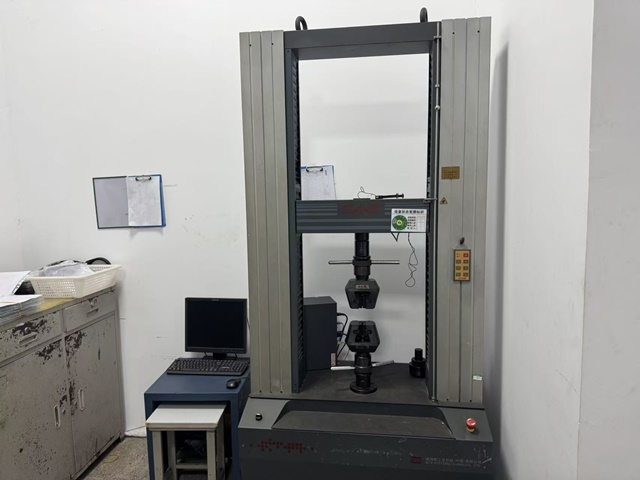
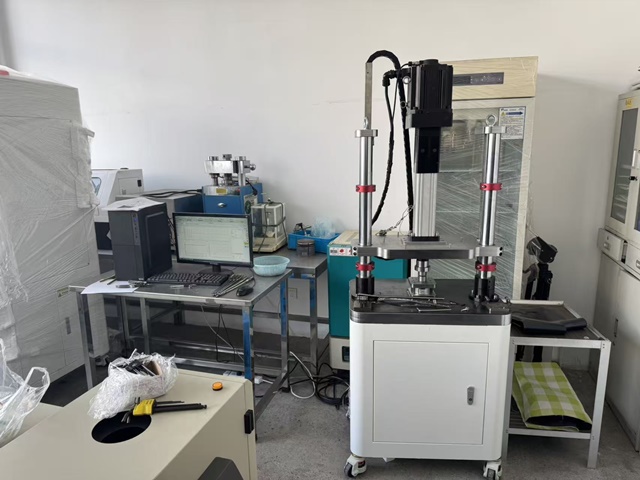
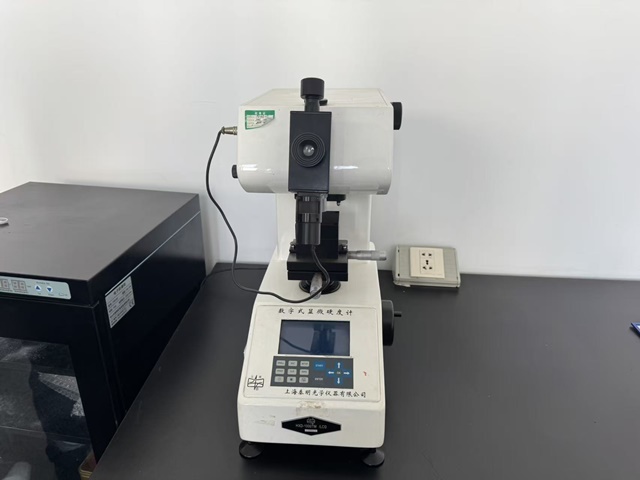
Our quality control inspectors verify every batch using Vickers Hardness Testers and Gas Spectrometers to certify pure alloy compositions. Mechanical fatigue life is validated on our Pulsating and Mechanical Testing Machines to ensure our hip and knee joints withstand millions of load cycles, surpassing international ASTM and ISO performance thresholds.
Yes, we provide extensive OEM/ODM solutions. Backed by our engineering pool of 85 R&D professionals, we customize sizes, modify handle geometry (T-handles, quick-coupling systems), and engrave custom branding/UDI barcodes via precision laser marking machines to align with your brand standards.
Lead times depend on the size of the order and the level of customization. Typically, standard inventory items can be packaged and shipped within 30-45 days. Customized OEM components take approximately 60-75 days. We coordinate closely with global cargo forwarders to ensure customs-cleared documentation is presented ahead of port arrival.
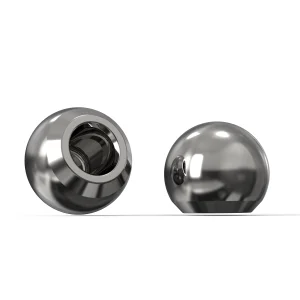
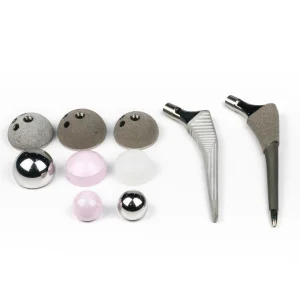
Yes. Our femoral stems and modular heads utilize standard 12/14 tapers, ensuring cross-compatibility with global orthopedic implants. This gives surgeons maximum flexibility in intraoperative selection during complex primary or revision arthroplasty procedures.
Our clean room operations package implants in double-layered sterile blister packs with Tyvek lids. These are validated for sterile barrier maintenance over a 5-year shelf-life, preventing contamination during long-distance shipping and warehousing in high-humidity regional zones of South America.
Optimize your competitive advantage in the Brazilian orthopedic market with high-performance, compliant, and cost-effective joint replacement implants.
Send Inquiry Now