Osteora
Osteora
Osteora
Biocompatible implants engineered with advanced micro-locking geometries optimized for urgent trauma surgery in New York.
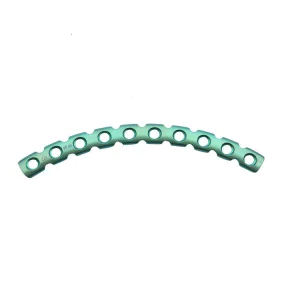
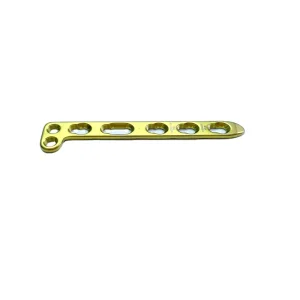
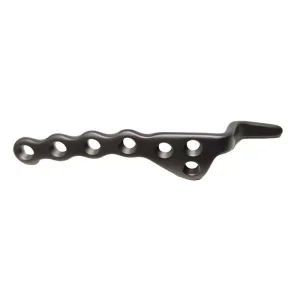
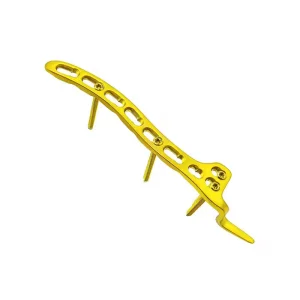
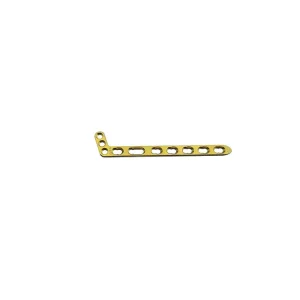
New York is home to some of the world's most advanced healthcare systems and academic medical networks. With Class I, II, and III Trauma Centers operating continuously across the state, there is a constant demand for high-integrity, biocompatible internal fixation systems. Our trauma implants are designed to meet these clinical requirements, providing local healthcare systems with durable, pre-contoured plates and locking screws.
Our engineering team designs these systems to address common clinical challenges encountered in busy operating rooms, including:
Our manufacturing protocols align with these clinical needs, ensuring that distributors and hospital groups receive implants that satisfy both regulatory requirements and surgeon expectations.
Established in 2016, Osteora has grown into a key manufacturer of internal fixation systems, supplying global distributors and healthcare facilities.
Operating a high-capacity manufacturing facility, we implement vertical integration from raw material testing to final packaging.
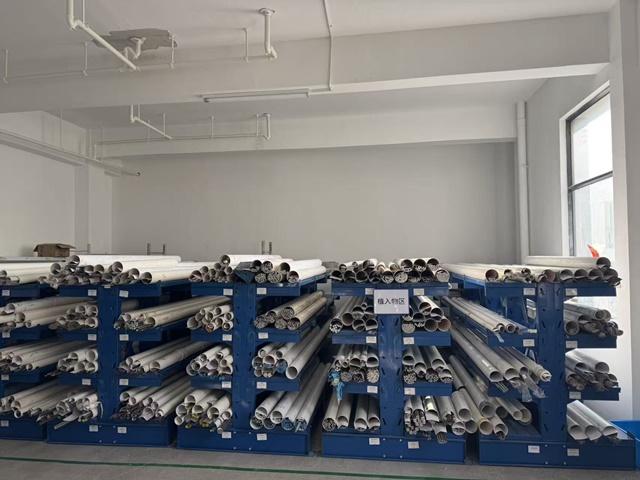
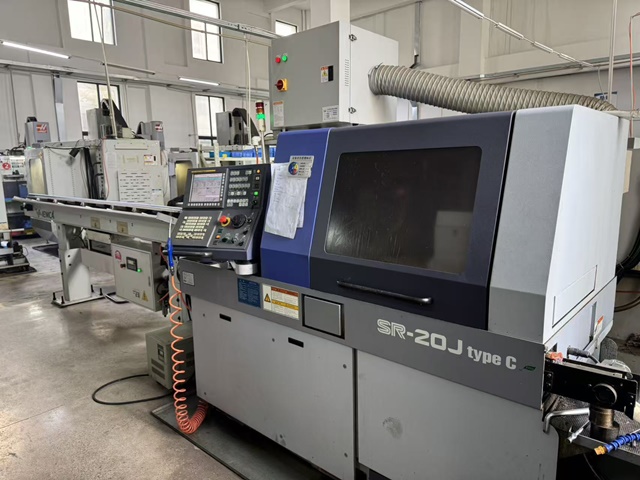
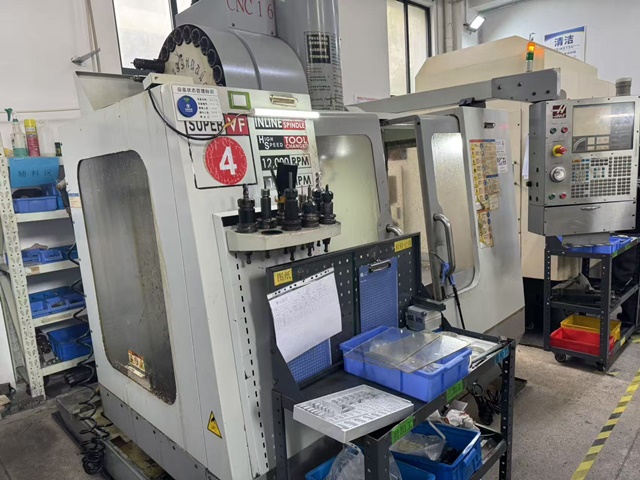
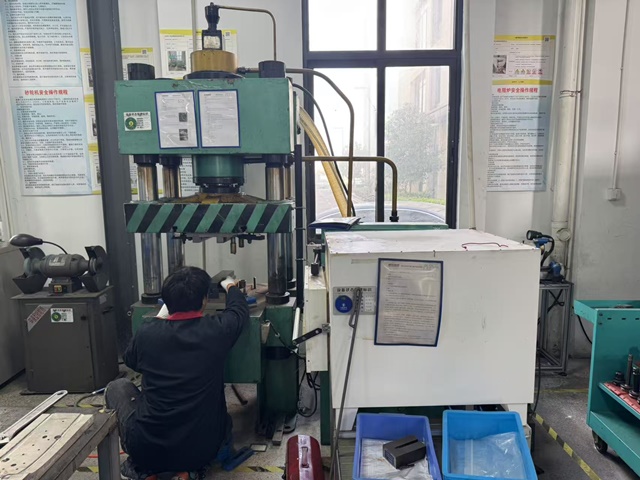
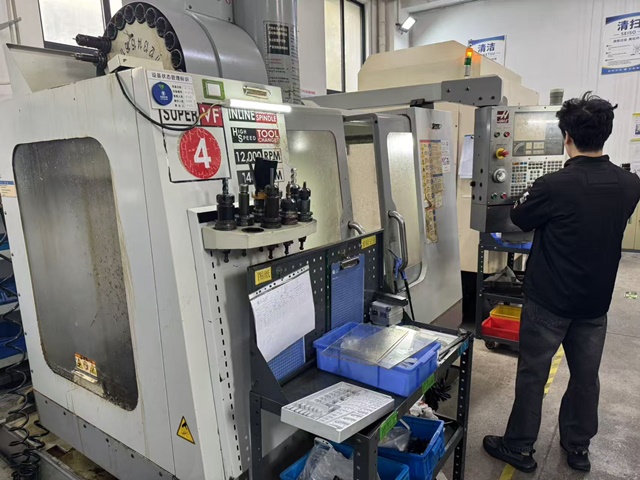
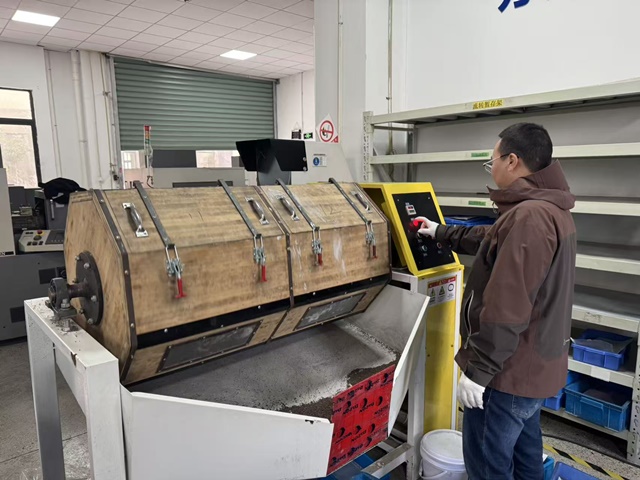
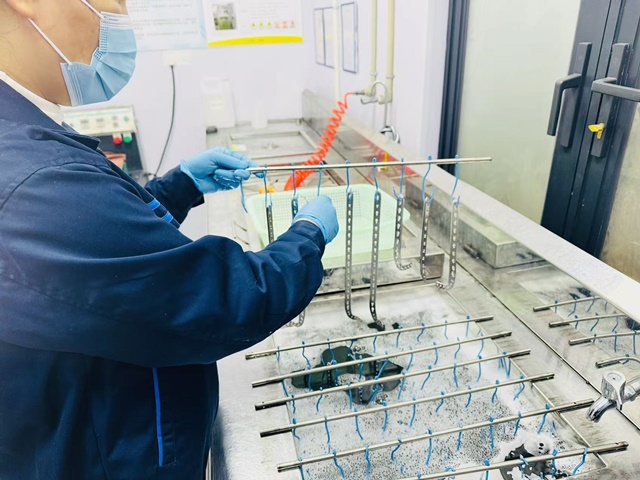
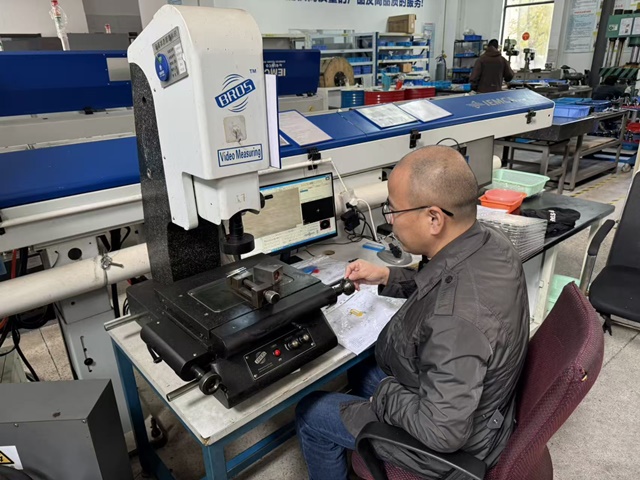
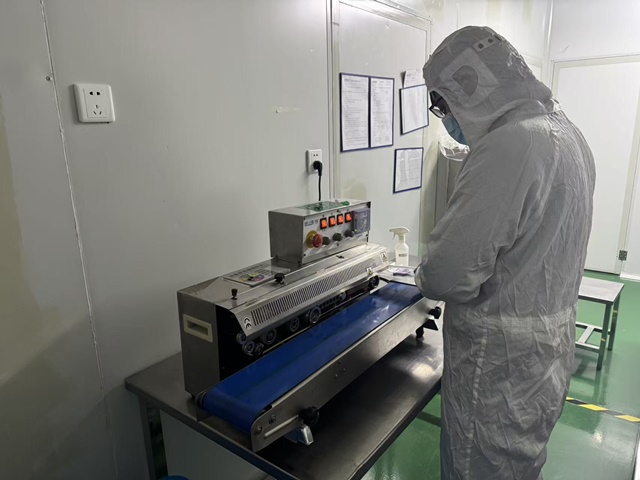
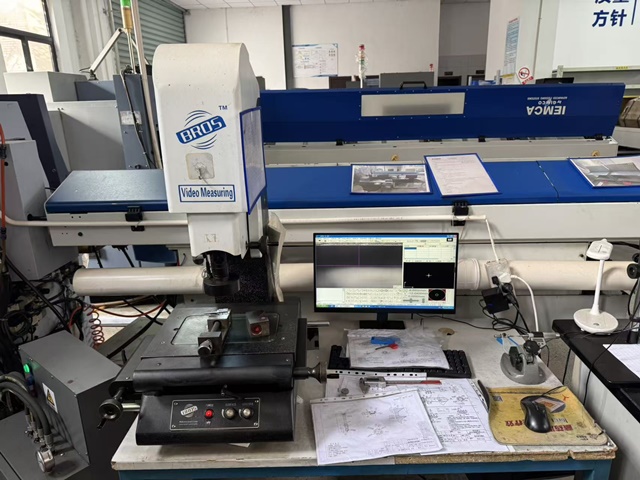
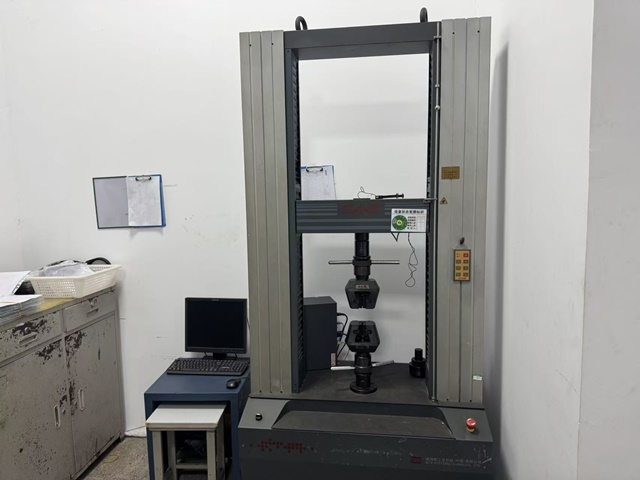
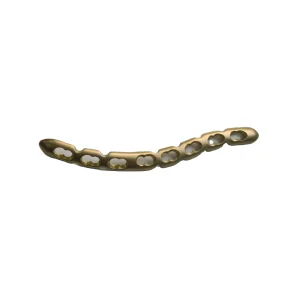
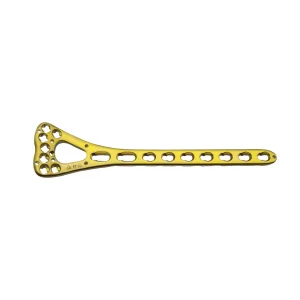
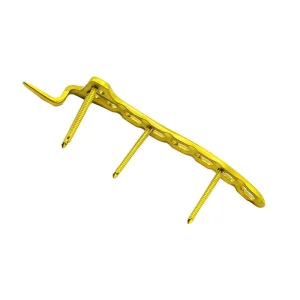
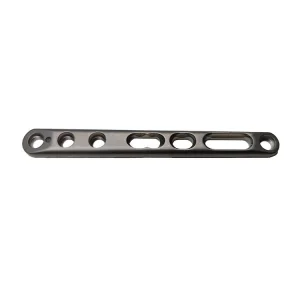
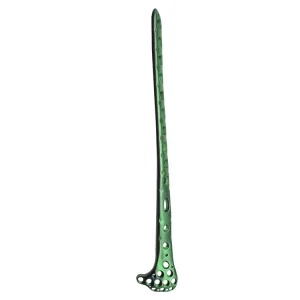
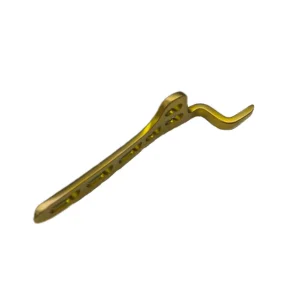
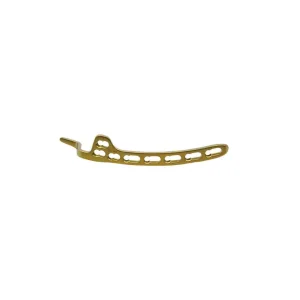
A comprehensive inventory of titanium locking plates, anatomical compression systems, and small fragment instruments.
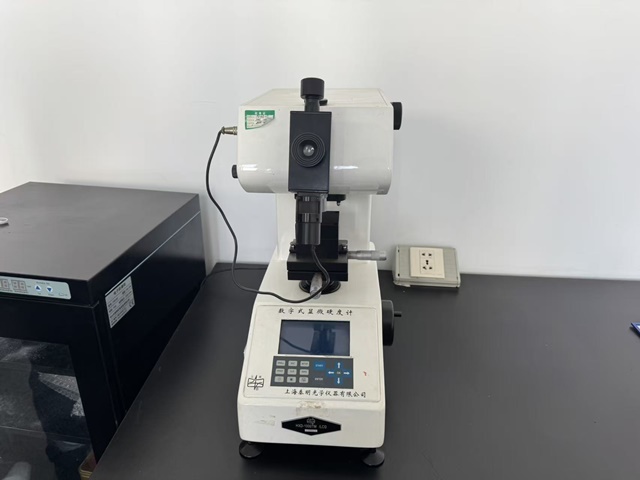
Our quality control processes conform to ISO 13485 standards. The testing sequence includes:
Our orthopedic trauma systems are constructed using medical-grade Titanium Alloy (Ti-6Al-4V ELI) conforming to ASTM F136 standards. This alloy is selected for its high strength-to-weight ratio, biocompatibility, and corrosion resistance.
We work with international distributors to support stable sourcing and inventory management, offering custom branding and size options to meet specific regional requirements.
By partnering with local logistics hubs, we support predictable lead times to distribution warehouses across the US and international regions.
Our engineering team focuses on developing internal fixation solutions to improve surgical workflow and support patient recovery.
We are researching magnesium alloy matrices that gradually resorb as the bone heals, which may reduce the need for secondary implant removal procedures.
Using electron beam melting (EBM) to manufacture customized titanium surfaces designed to support bone ingrowth in complex reconstruction cases.
Developing thread profiles designed to maintain stability in osteoporotic bone, supporting primary stability in senior patient groups.
Technical and regulatory details for procurement teams, compliance officers, and medical distributors.
We use medical-grade Titanium Alloy (Ti-6Al-4V ELI) conforming to ASTM F136, as well as ultra-clean surgical stainless steel (316LVM) for specialty fracture fixation systems. Each batch is supplied with material composition verification reports.
Standard air freight delivery times to major hubs (JFK/EWR) typically range from 7 to 14 days, depending on inventory levels and order volume. We maintain safety stock levels for common anatomical plates to support prompt delivery.
Yes, our facility operates in compliance with ISO 13485:2016 quality management systems. Our processes are designed to meet the medical device regulations of the EU, US, and other international jurisdictions.
We offer OEM and ODM services. Our design team can modify plate dimensions, contour configurations, and screw configurations, and apply custom brand laser marking to align with your organization's brand identity.