Osteora
Osteora
Osteora
Select premium trauma fixation solutions configured for immediate procurement by surgical clinics and distributors in Lima, Arequipa, Trujillo, and beyond.
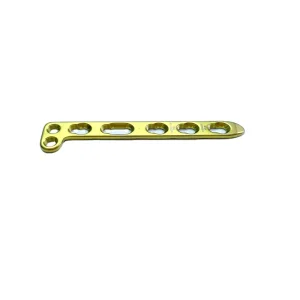
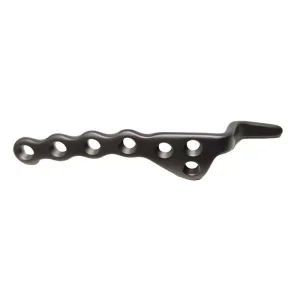
Navigating the nuances of the Peruvian healthcare matrix, from MINSA public tenders to private surgical clinics.
The demand for orthopedic trauma implants in Peru has shown stable structural growth over the past decade, driven by urban demographic expansion and a significant rise in traffic-related injuries and industrial accidents, particularly in mineral-rich Andean regions. Import dependency remains high, with more than 90% of medical devices sourced internationally.
In Peru, the registration and commercialization of class IIb and class III medical devices, such as anatomical titanium locking compression plates (LCP) and cortical/cancellous locking screws, are strictly governed by DIGEMID (Dirección General de Medicamentos, Insumos y Drogas). Importers must hold a sanitary registration certificate (Registro Sanitario), which necessitates exhaustive documentation, including a Certificate of Free Sale (CFS) from the country of origin, ISO 13485 quality control reports, and chemical/physical composition certifications. Procurement directors in Lima rely on partners who can supply dossiers that simplify DIGEMID clearance.
The market is bifurcated into public healthcare sectors—principally the social security system EsSalud and the Ministry of Health (MINSA)—and private clinical operators. The public tenders favor standardized, biocompatible, cost-competitive titanium implants that meet international safety metrics. Concurrently, private hospitals demand anatomically optimized plates that limit operating times and mitigate risks of secondary revision surgeries. Osteora bridges this gap by providing high-grade materials with full technical dossiers, ensuring rapid entry into both institutional and private channels.
Our ISO 13485 compliance and exhaustive material tracing data simplify the approval process with DIGEMID, reducing time-to-market for Peruvian distributors.
Establishing standard-setting benchmarks in orthopedic trauma fixation across global networks.
Osteora Medical Devices Co., Ltd. is a professional orthopedic implant and surgical solution manufacturer specializing in trauma, spine, and joint reconstruction systems under the brand Osteora.
Founded in 2016, the company has developed a strong reputation in the global orthopedic industry through continuous innovation and strict quality control standards. The facility covers an area of approximately 18,500㎡, supporting integrated production, assembly, and testing operations.
With 8 years of export experience and 12 years of industry expertise, Osteora has established stable cooperation with international distributors and hospitals across multiple regions. Annual export revenue ranges from USD 6 million to 14 million, reflecting steady global market growth.
The company implements comprehensive quality assurance systems, including ISO 13485 compliance, in-process inspection, and final random sampling testing. Product inspection methods include dimensional measurement, mechanical fatigue testing, and biocompatibility validation. The quality control team consists of 42 specialized inspectors ensuring strict adherence to international medical device standards.
Osteora has a strong trade background in global medical device export and maintains long-term partnerships with distributors in Europe, Southeast Asia, the Middle East, and South America, which are also its primary markets.
The company’s supply chain includes approximately 1,200 certified upstream and downstream partners, supporting stable production capacity and reliable delivery performance. Its main customer base consists of hospitals, orthopedic clinics, surgical centers, and medical distributors.
With strong R&D capabilities, Osteora operates an in-house engineering team of 85 R&D engineers, focusing on innovation in trauma fixation systems, spinal implants, and joint reconstruction technologies. The company offers extensive customization options, including OEM/ODM services, size variations, material customization, and private labeling.
In the past year, Osteora launched approximately 120 new products, reflecting its continuous investment in innovation and product development to meet evolving clinical needs.
Delivering mechanical reliability and biological integration through advanced material science.
Constructed using medical-grade Ti-6Al-4V ELI (Grade 5) and Commercially Pure Titanium (Grade 2/4), maximizing biocompatibility and optimizing fatigue strength.
Our plate geometries match anatomical curves, lowering the need for intraoperative contouring and minimizing soft tissue irritation.
Advanced variable-angle locking designs permit angular stability, enabling precise fixation in osteoporotic bone and complex periarticular fractures.
Our development roadmap prioritizes surfaces optimized with Type II anodized finishes. This process thickens the titanium oxide layer, reducing titanium ion release and lowering the risk of cold welding between screws and plates. For clinics in high-altitude cities like Cusco and Puno, where metabolic profiles and circulatory stresses vary, reliable biomechanical stability is essential. Osteora implants are designed to minimize stress-shielding effects, promoting natural callus formation and faster rehabilitation.
Behind the scenes at our state-of-the-art facility, showing every stage of fabrication and testing.
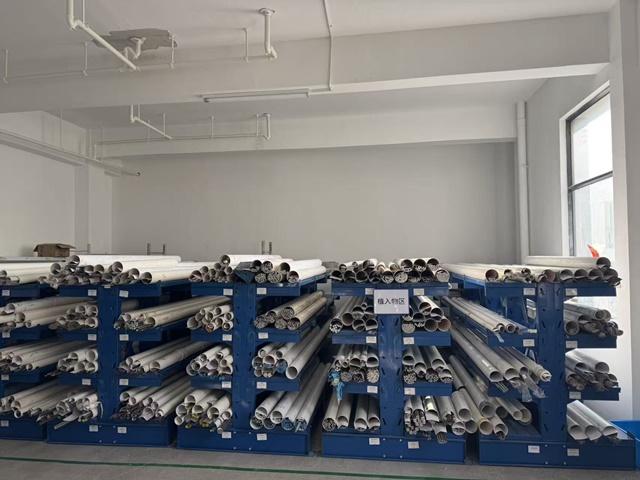
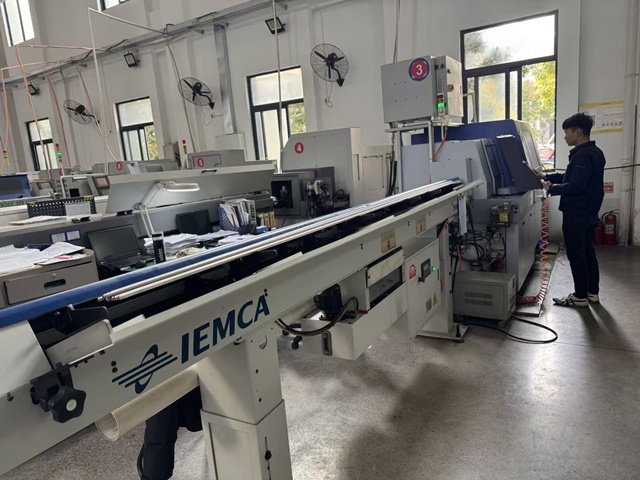
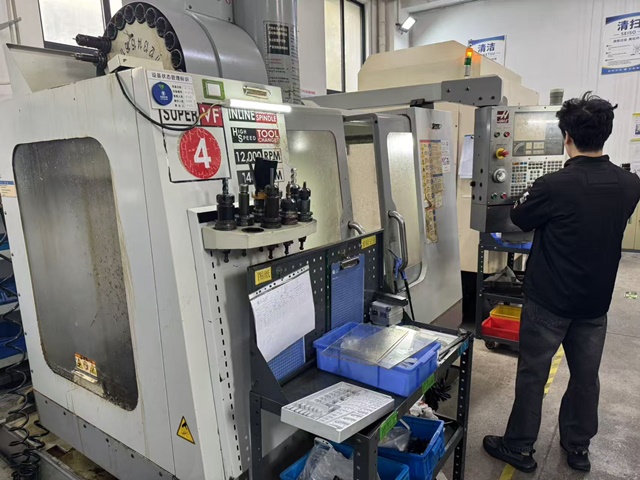
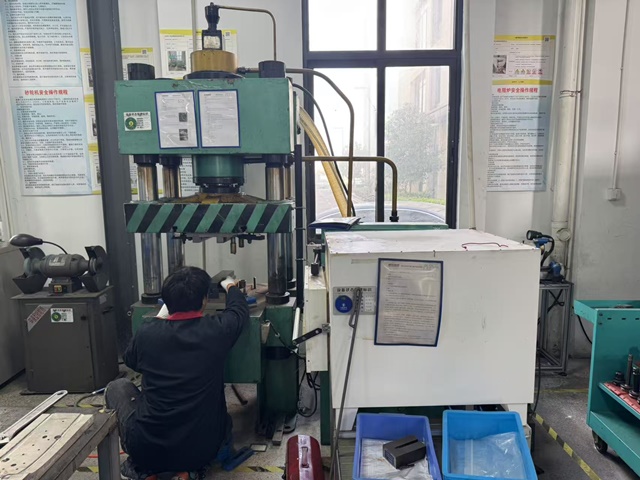
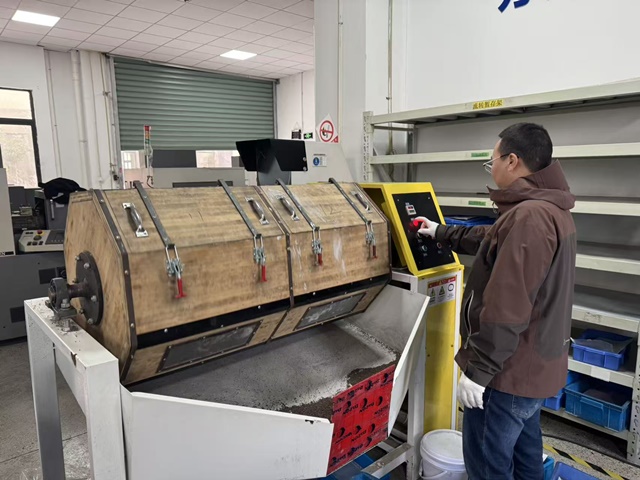
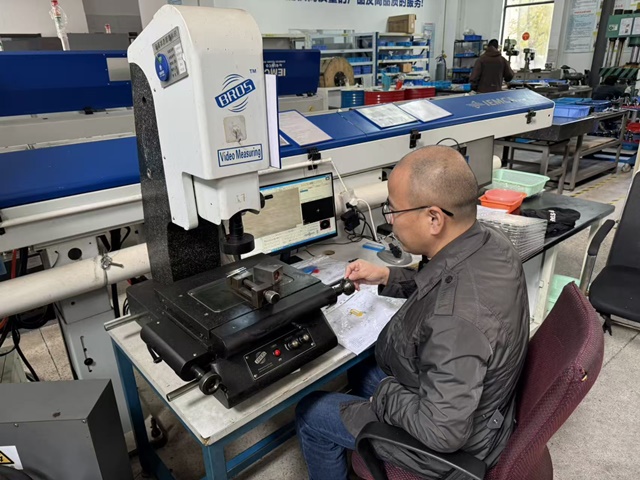
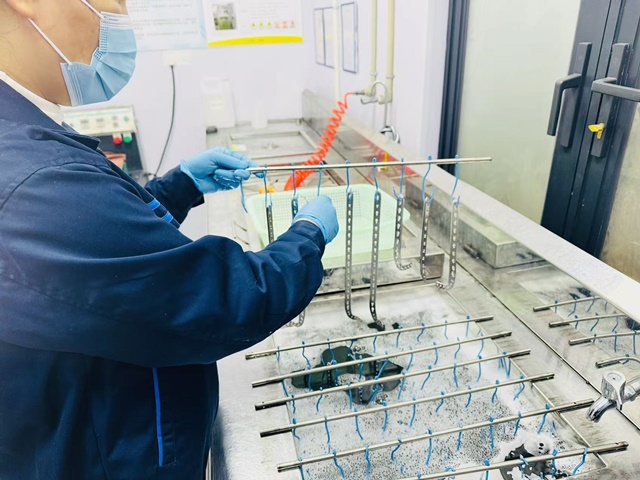
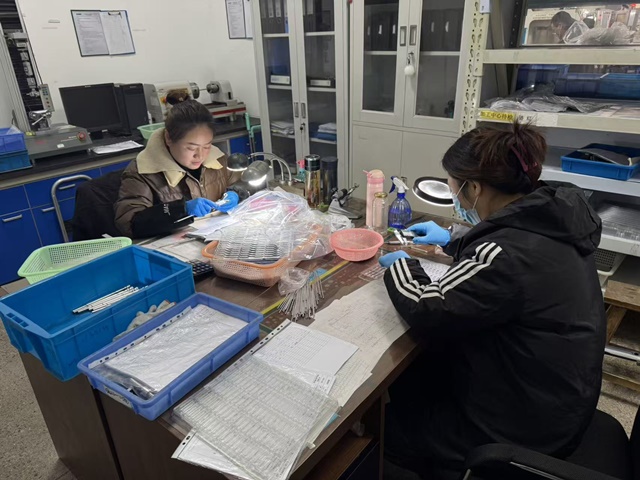
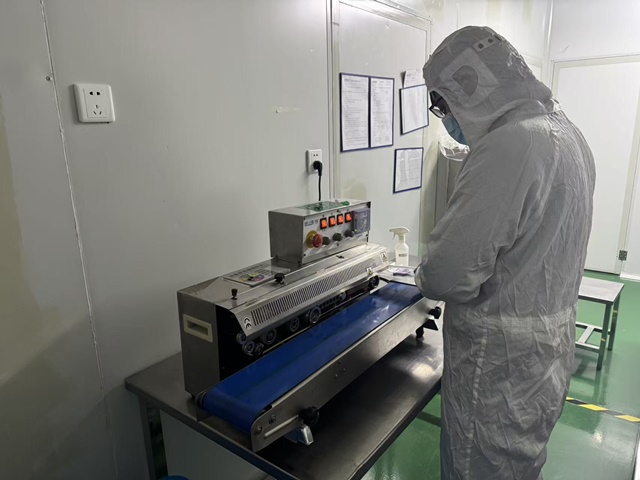
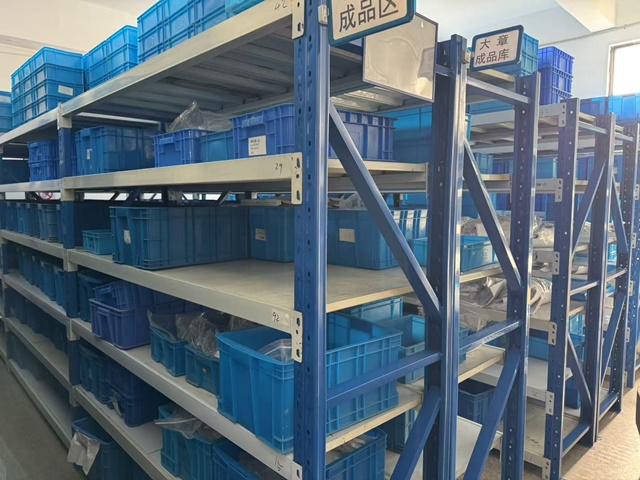
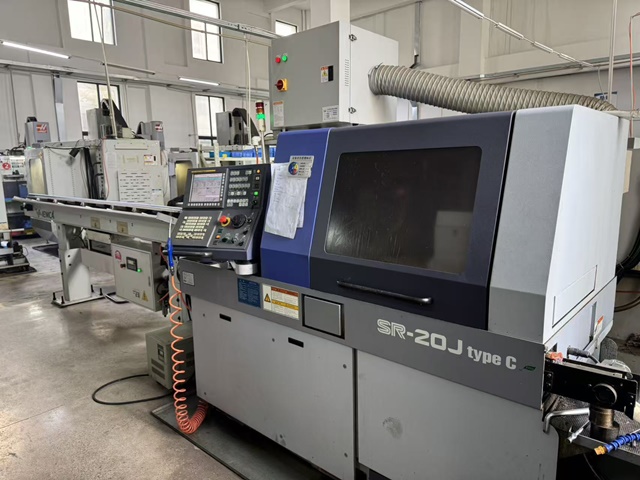
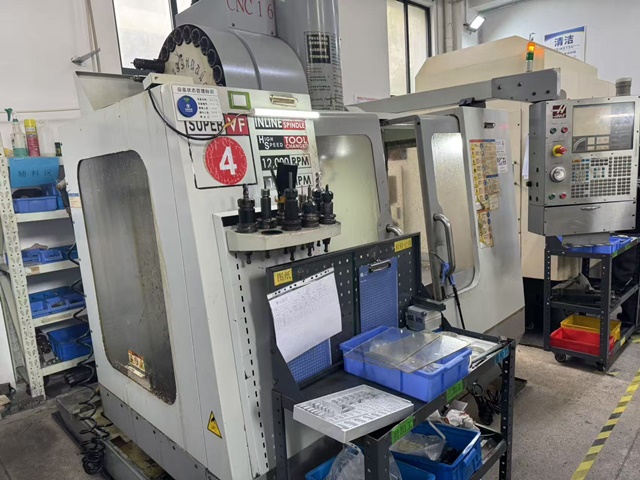
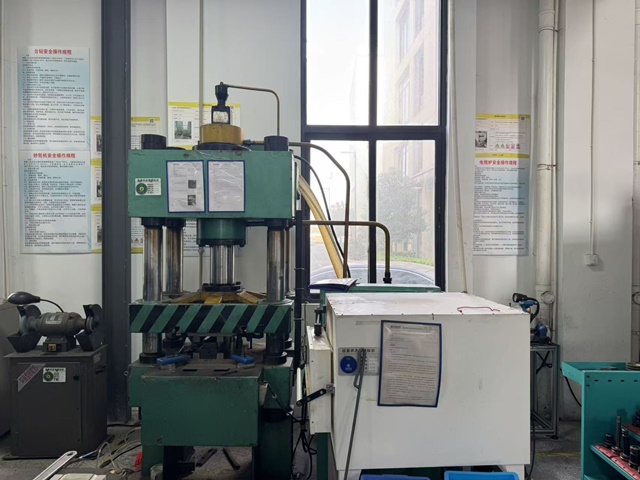
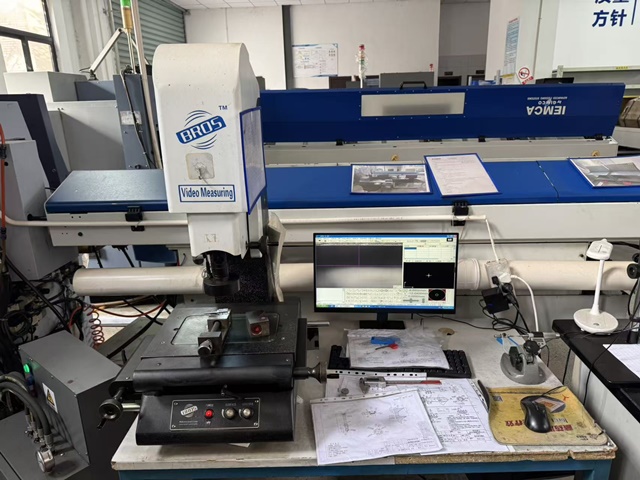
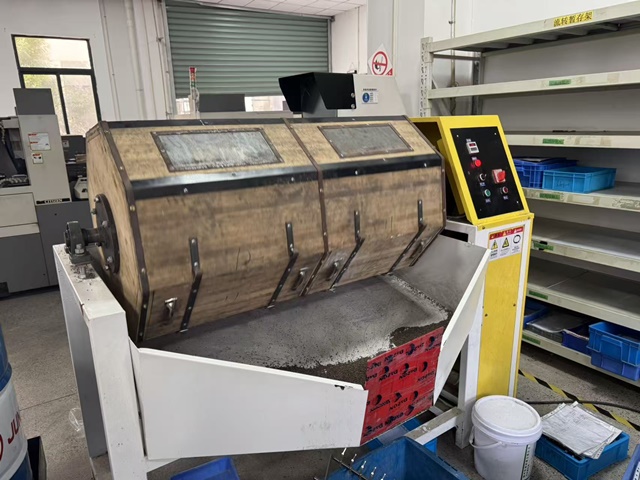
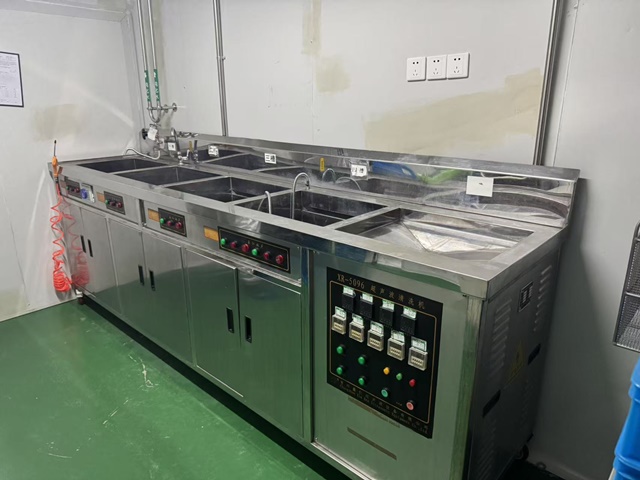
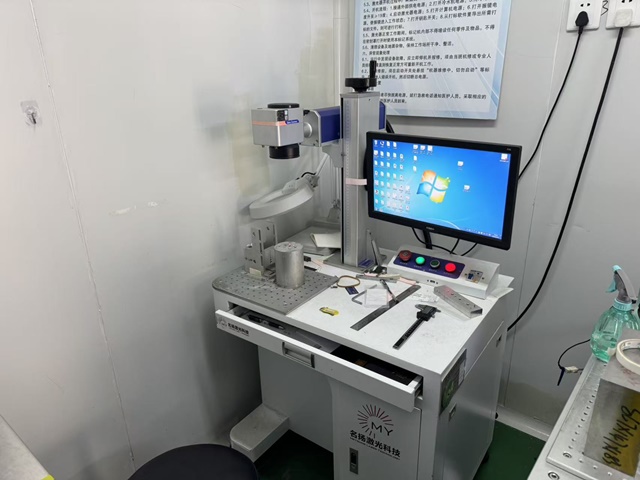
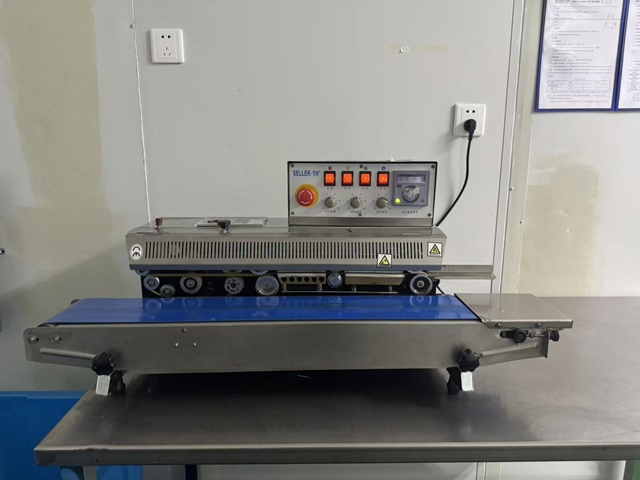
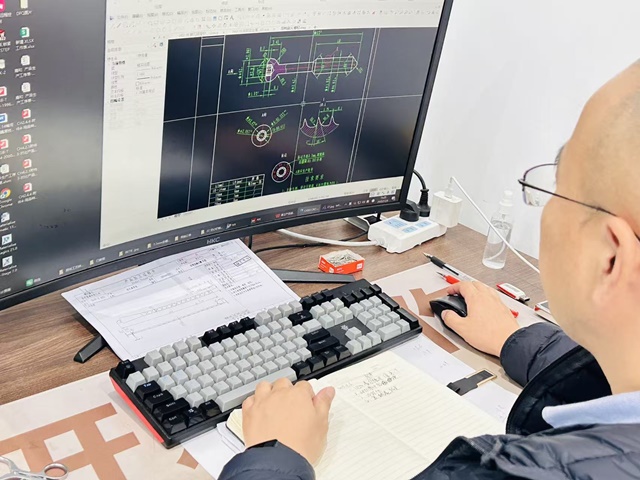
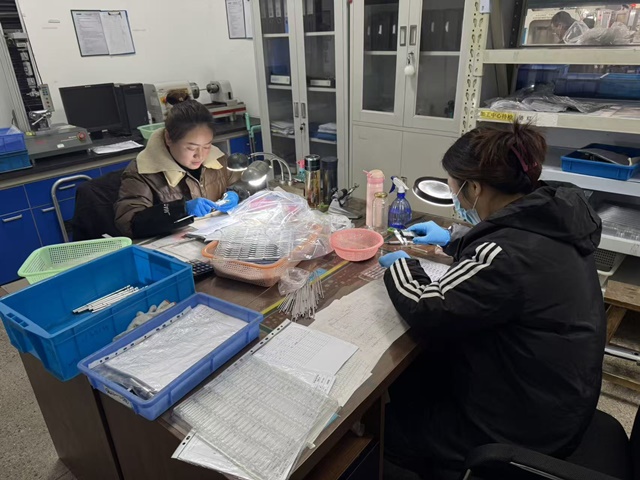
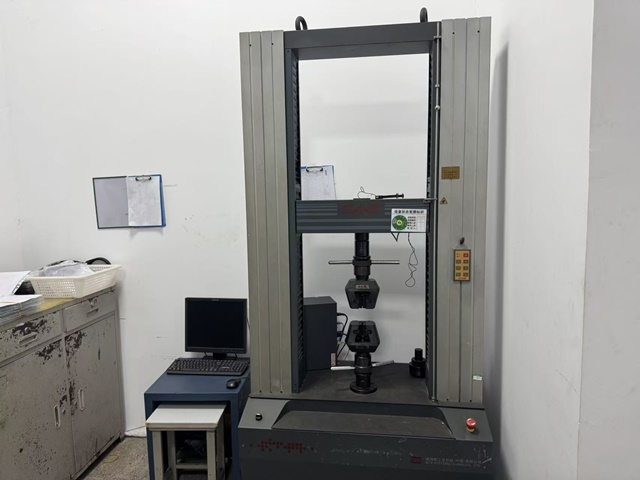
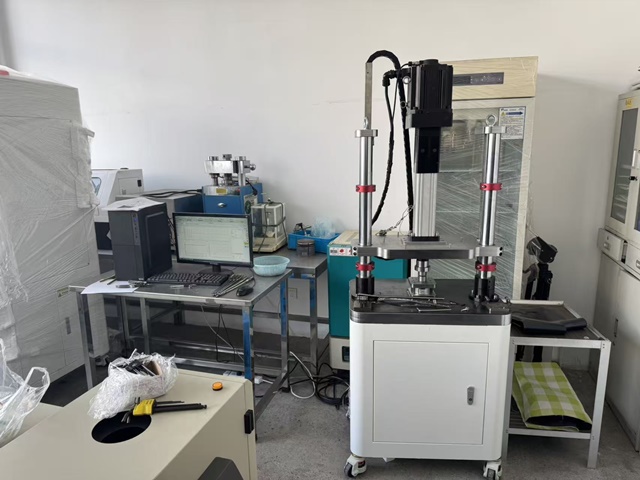
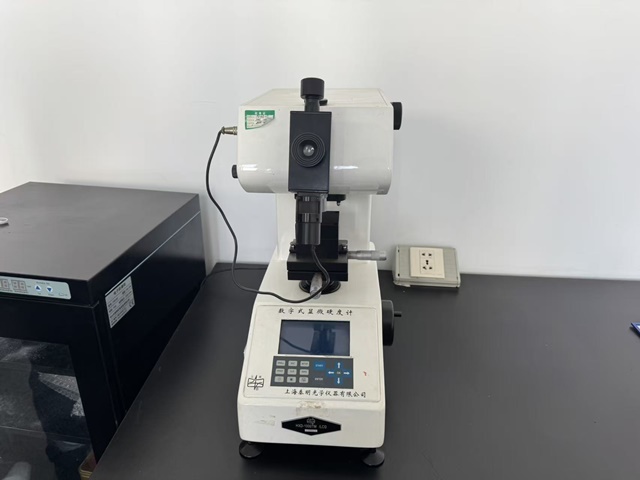
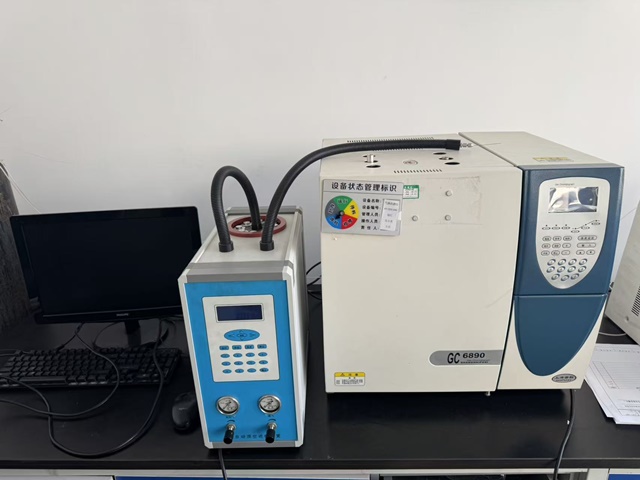
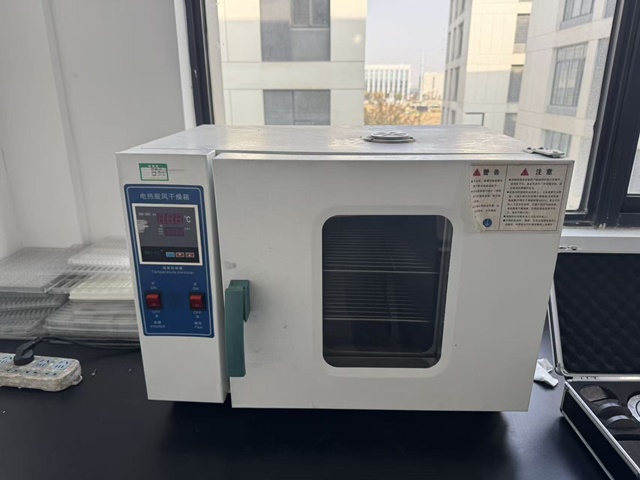
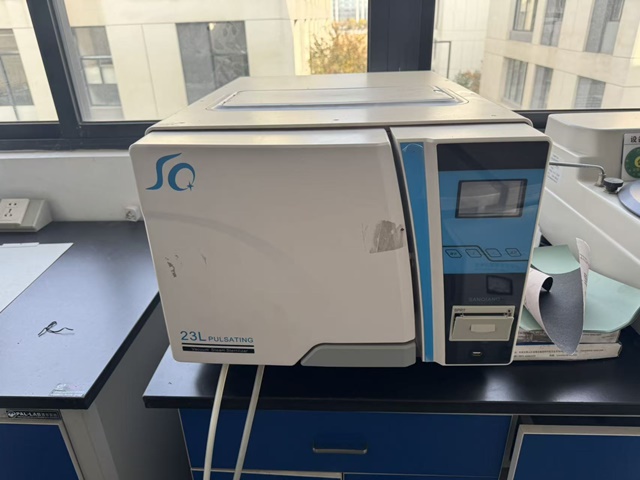
Every step of production is fully documented, from raw material validation to final packaging. Using Swiss CNC lathes, HAAS multi-axis milling machines, and gas spectrometers, we maintain tolerances within micrometer scales, ensuring quality consistency for critical trauma operations.
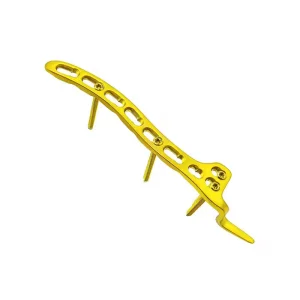
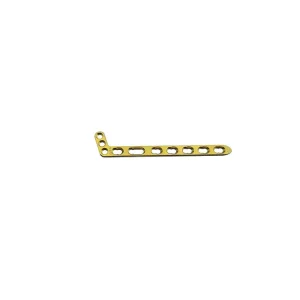
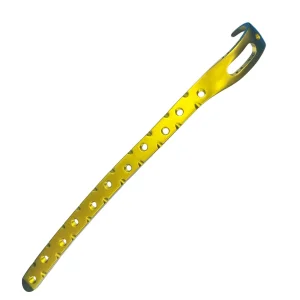
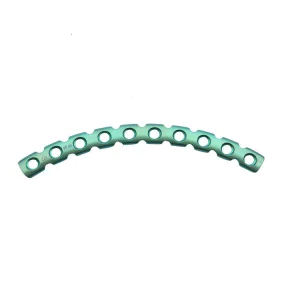
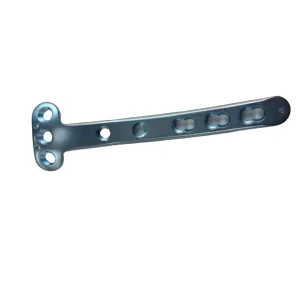
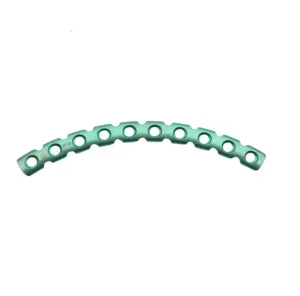
A comprehensive selection of trauma compression locking systems designed for anatomical reconstruction.
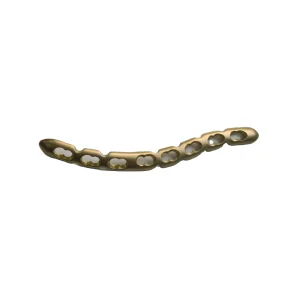
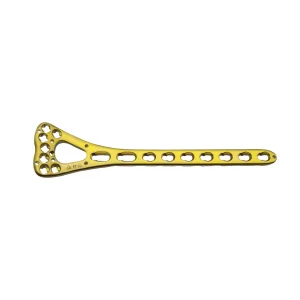
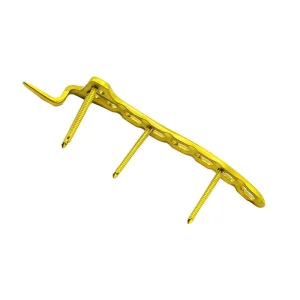
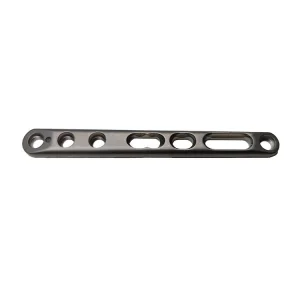
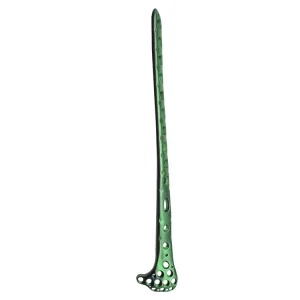
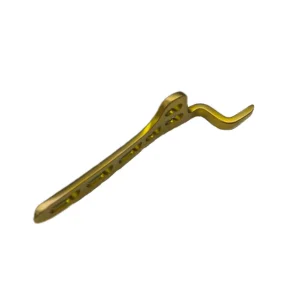
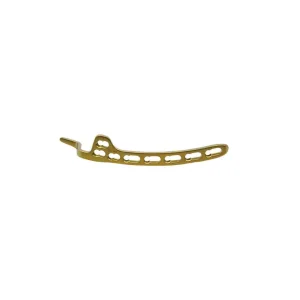
Highly specialized anatomical plating systems and surgical instrumentation kits for orthopedics.
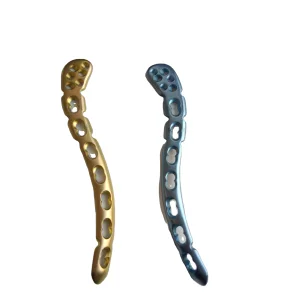
Providing reliable logistics and administrative compliance for uninterrupted hospital supply chains.
Managing an orthopedic supply chain requires consistent product quality and reliable shipping timelines. At Osteora, we align our logistics with the operational needs of Peruvian medical distributors. With a network of over 1,200 upstream and downstream partners, we ensure access to high-purity titanium raw materials, preventing supply delays even during periods of high global demand.
Standard export shipments are dispatched through key ports, arriving at Callao Port in Lima within optimized timelines. We offer flexible shipping arrangements, including maritime freight for bulk stock and air cargo for urgent tender demands, ensuring products arrive safely with sterile barrier integrity intact.
To support our partners in the Latin American market, Osteora provides complete regulatory documentation, including ISO 13485 certification, CE-marking dossiers, raw material analysis reports, and Certificates of Free Sale (CFS). These documents are designed to meet the import standards of DIGEMID in Peru and similar regulatory authorities across South America, ensuring smooth customs clearance.
We coordinate closely with custom brokers at Callao Port (Lima) to prepare import document sets, helping to prevent customs delays.
Common questions answered regarding compliance, material testing, and distribution protocols in Peru.
Osteora provides a complete regulatory dossier to support Peruvian distributors. This includes certified ISO 13485 quality system documents, Certificates of Free Sale (CFS), comprehensive raw material certificates (verifying the chemical purity and mechanical properties of medical-grade titanium), and mechanical testing data. We also provide sterilization validation reports and detailed instructions for use (IFU) in Spanish, helping our partners navigate the DIGEMID registration process.
Our quality testing process utilizes dynamic fatigue testing equipment to simulate physiological loading cycles. Our implants are tested to withstand repetitive mechanical stresses based on ASTM and ISO standards for bone fixation devices. This testing helps ensure the plates perform reliably under load, minimizing the risk of implant deformation or failure prior to bone union.
Our locking compression plates (LCP) and variable-angle locking screws are manufactured to meet standard international sizing guidelines. Our 3.5mm and 4.5/5.0mm systems feature screw-thread pitches and driver geometries that align with standard clinical instrumentation kits used in Peru. To help ensure surgical precision, we also supply complete surgical instrument containers alongside our implant orders.
Yes. With an in-house engineering team of 85 R&D specialists, we offer comprehensive OEM/ODM services. We can customize plate dimensions, profiles, and screw configurations based on anatomical data or clinical specifications. This service is designed to help distributors in Peru tailor products for specific healthcare networks or tender requirements.
Standard manufacturing lead times for bulk orders range from 30 to 45 days, depending on order size and customization requirements. Ocean freight from our facility to Callao Port, Lima, typically takes between 35 and 45 days. For urgent public tenders or sudden hospital shortages, we can coordinate air freight delivery to Jorge Chávez International Airport (LIM) within 7 to 10 days.
Connect with our team to discuss your distribution needs in Peru. We provide regulatory support, material certifications, and scalable manufacturing capabilities.