 Osteora
Osteora
Osteora
Immediate delivery options and clinical-grade compliance validation for surgical units across Nairobi, Mombasa, and Kisumu.
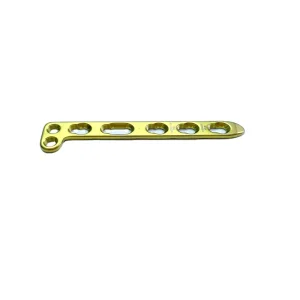
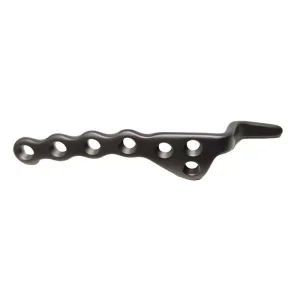
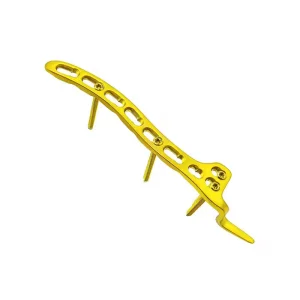
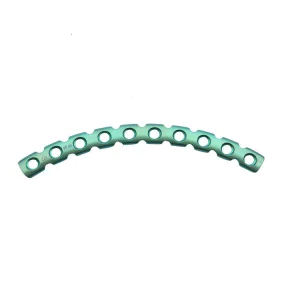
An authoritative analysis of trauma care demands, supply chain dynamics, and osteosynthesis technology adoption in East Africa.
In recent years, the republic of Kenya, acting as the economic and logistical gateway to East Africa, has seen a significant evolution in its healthcare requirements. Rapid urbanization, coupled with the massive expansion of motorized transport—most notably the rise of motorcycle taxi services locally known as "Boda-Bodas"—has led to a surge in road traffic accidents (RTAs). Epidemiological data from major public institutions, including the Kenyatta National Hospital (KNH) in Nairobi and the Moi Teaching and Referral Hospital (MTRH) in Eldoret, indicate that extremity fractures and polytrauma cases account for over 60% of emergency surgical admissions.
For public hospital administrators and private medical distributors, securing a reliable flow of premium-grade, biocompatible osteosynthesis hardware is no longer a matter of basic procurement; it is a critical public safety priority. Complex pelvic-acetabular fractures, tibial shaft compound fractures, and distal radius fractures require precise internal fixation technologies. These products must offer high mechanical strength, anatomical matching, and immediate implant stability to minimize non-union risks and ensure early patient mobilization.
Modern orthopedic trauma surgery has shifted from dynamic compression systems toward Locking Compression Plate (LCP) constructs. Locking plates combine dynamic compression with locking stability, acting as an internal fixator. For the Kenyan orthopedic surgeon, this mechanical duality provides significant benefits:
Historically, the Kenyan medical device market was split between expensive Western-branded implants and low-grade imports lacking robust clinical certification. As an established OEM/ODM developer, Osteora Medical Devices Co., Ltd. addresses this gap by offering high-quality manufacturing at sustainable price points.
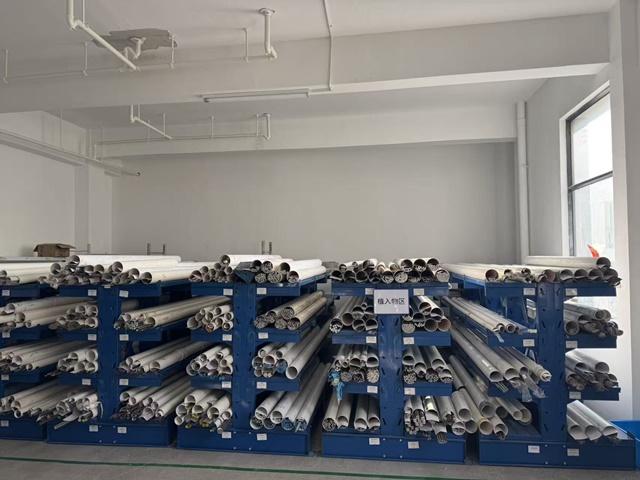
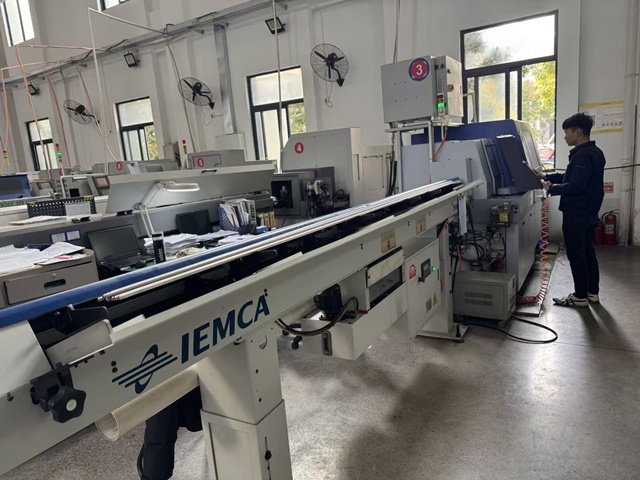
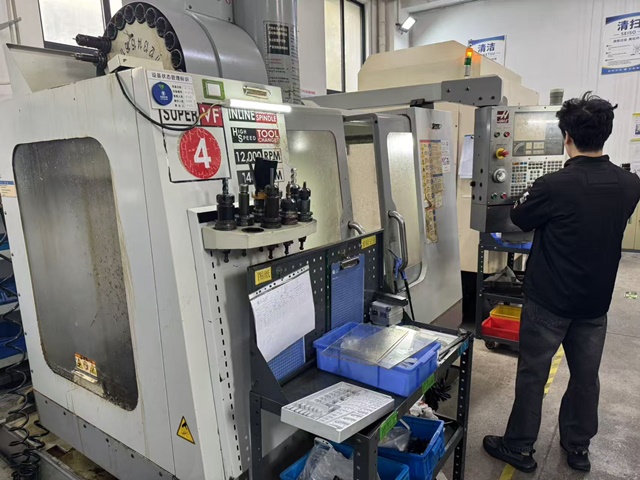
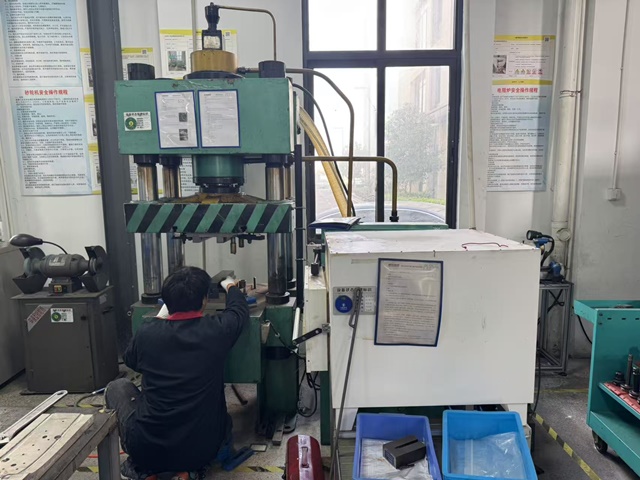
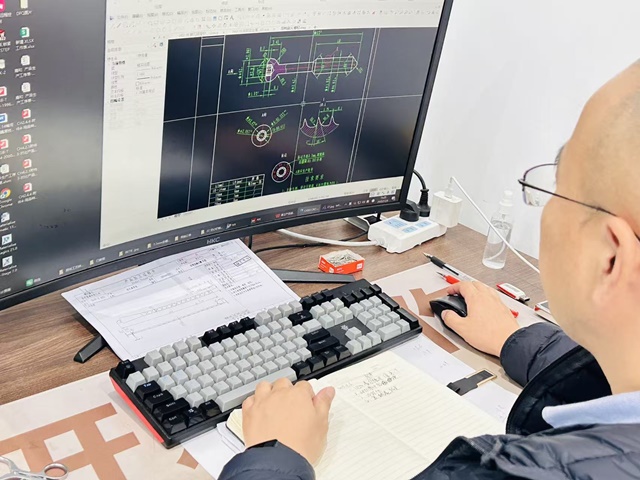
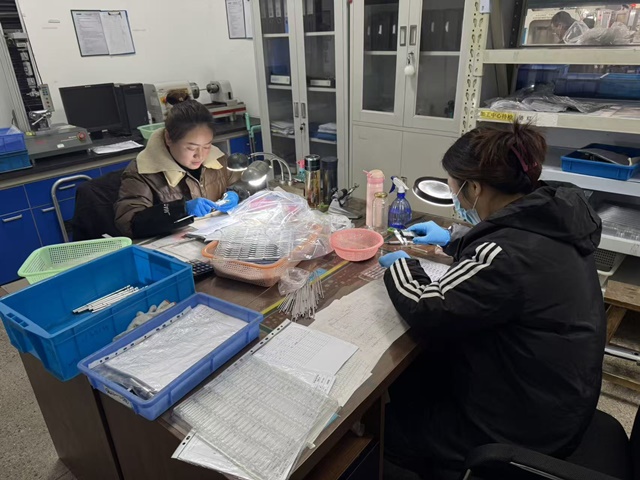
Operating from our state-of-the-art 18,500㎡ facility founded in 2016, we integrate the entire value chain: from raw material verification using high-grade medical titanium alloys (Ti-6Al-4V ELI conforming to ASTM F136 standards) to final sterile packaging. Supported by an in-house engineering team of 85 R&D specialists and a strict QC department with 42 inspectors, our manufacturing process matches the quality of top European and American brands.
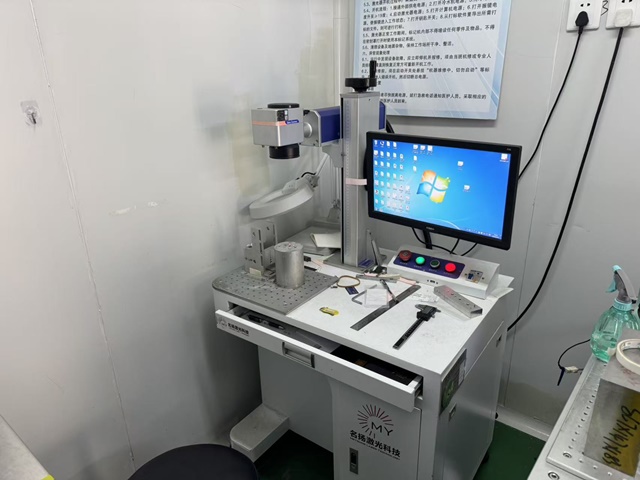
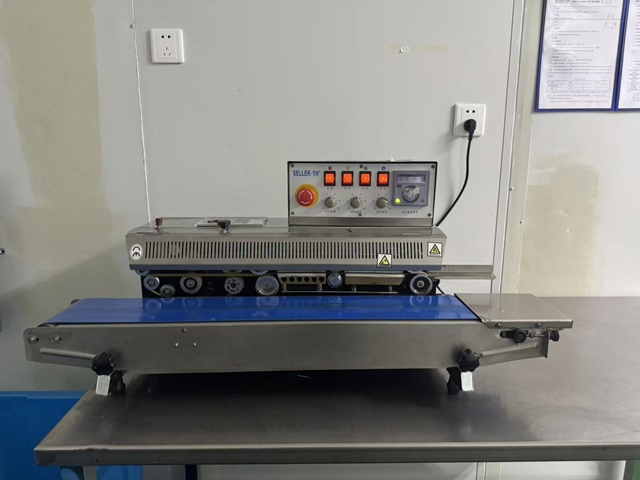
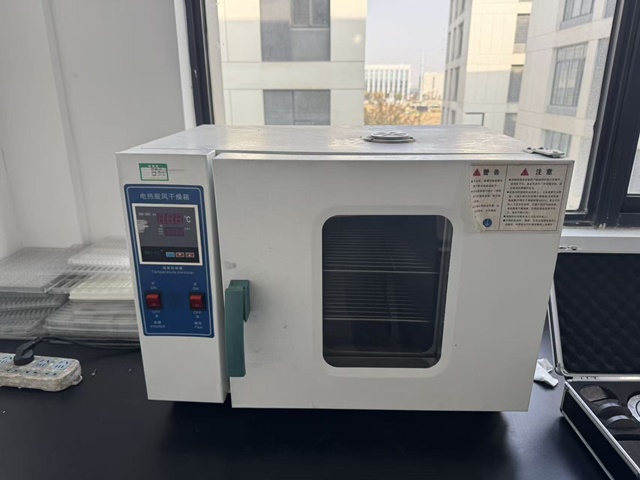
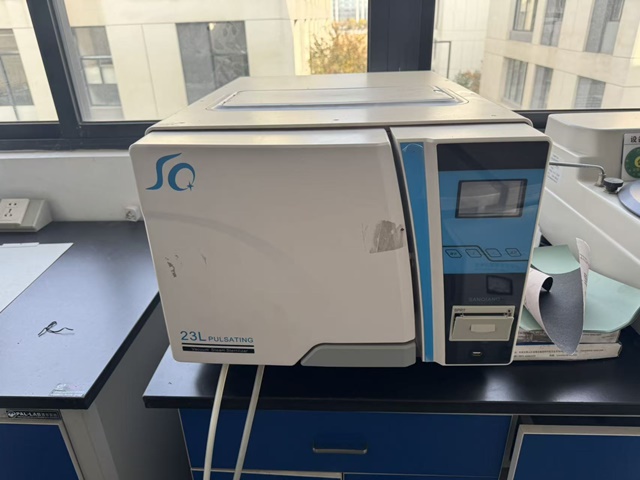
Take a look inside Osteora's testing laboratories and production floors. Every implant is tracked from raw titanium billet to final shipping carton.
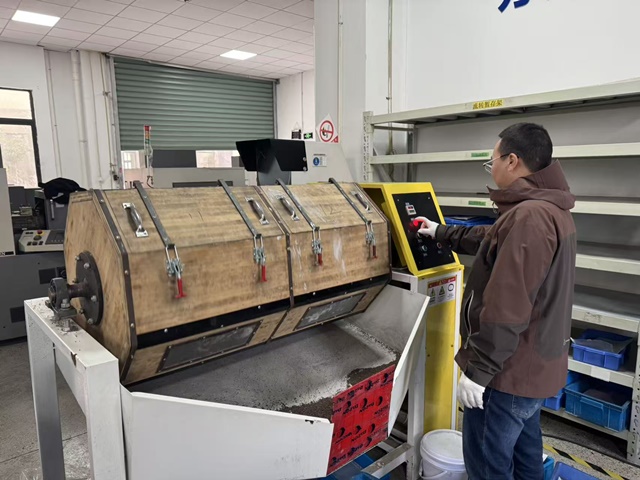
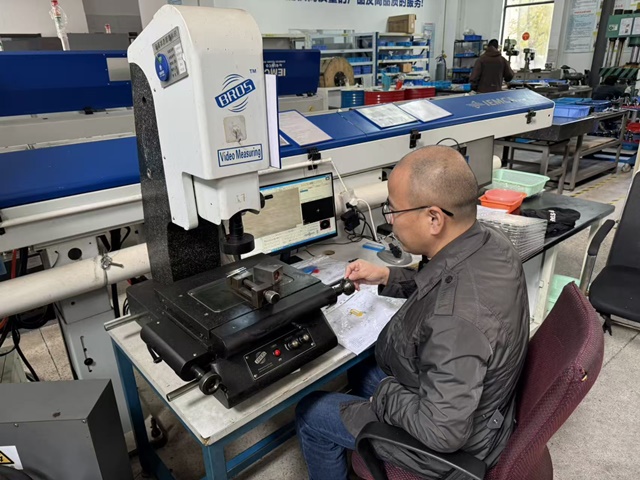
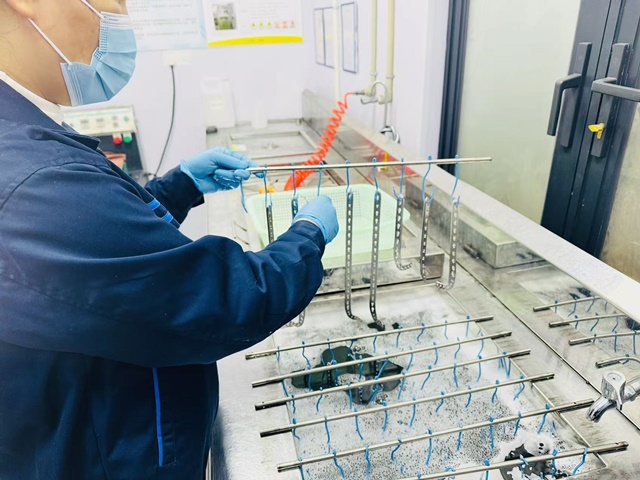
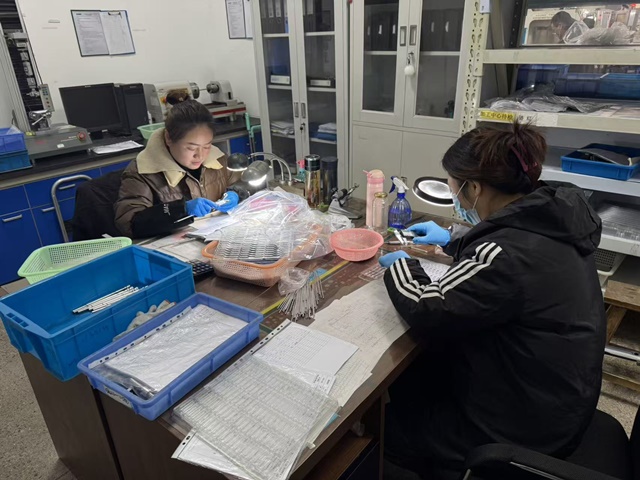
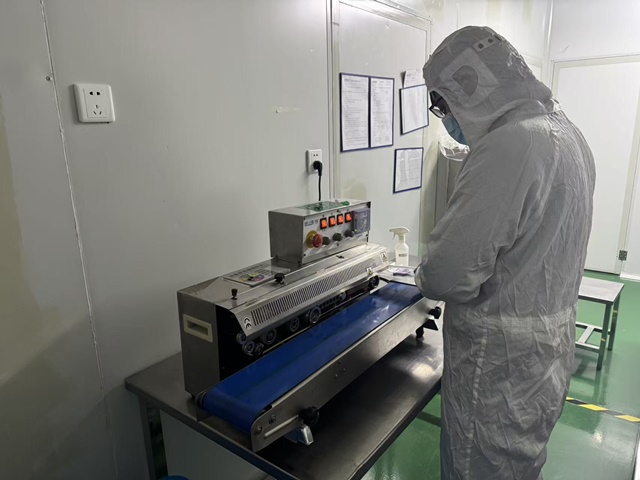
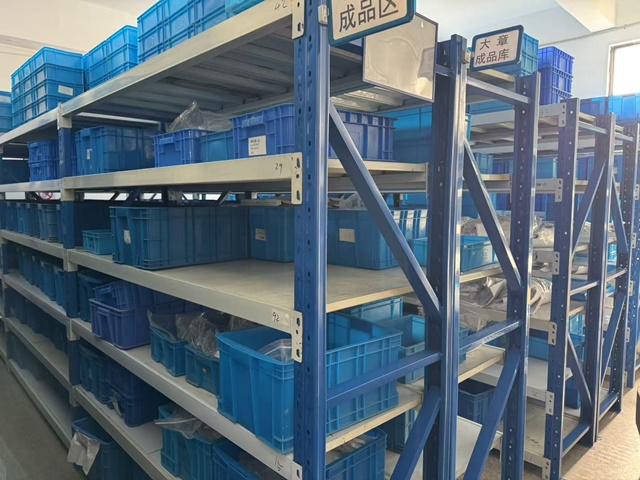
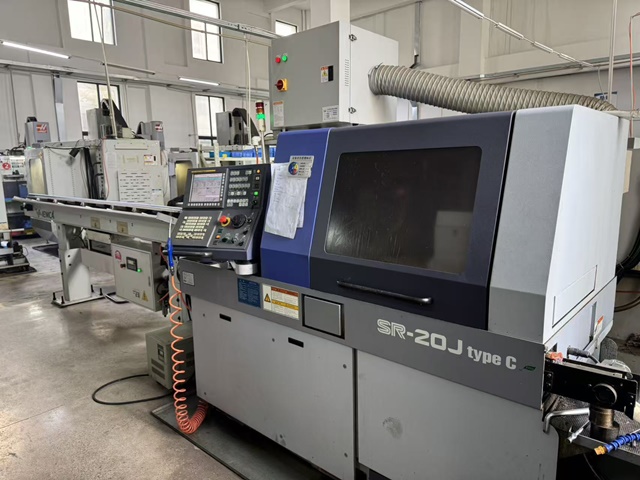
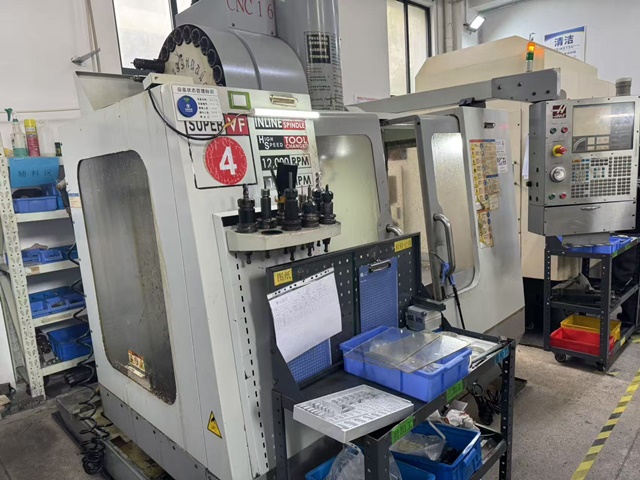
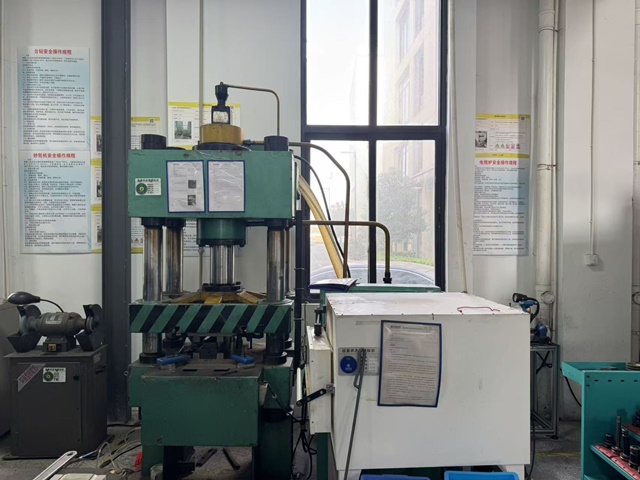
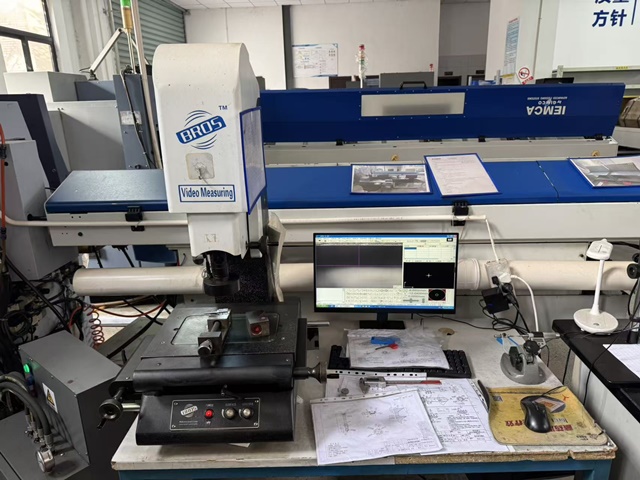
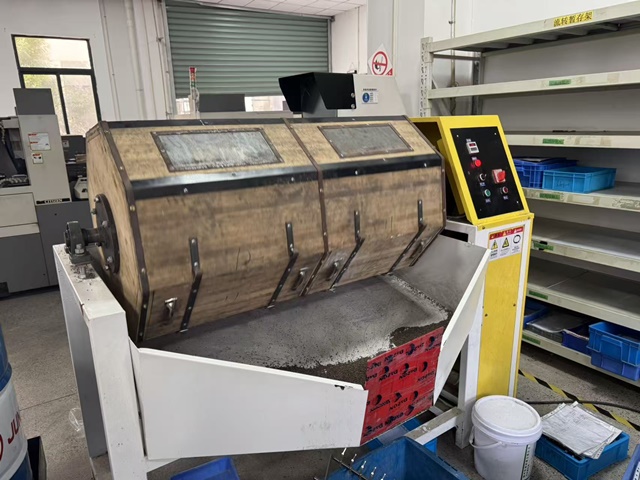
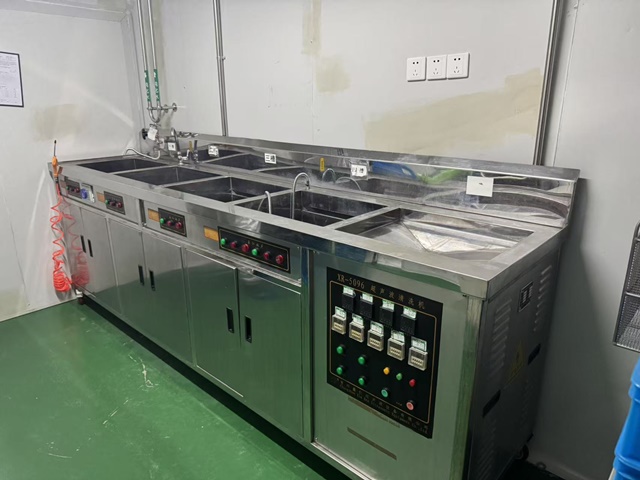
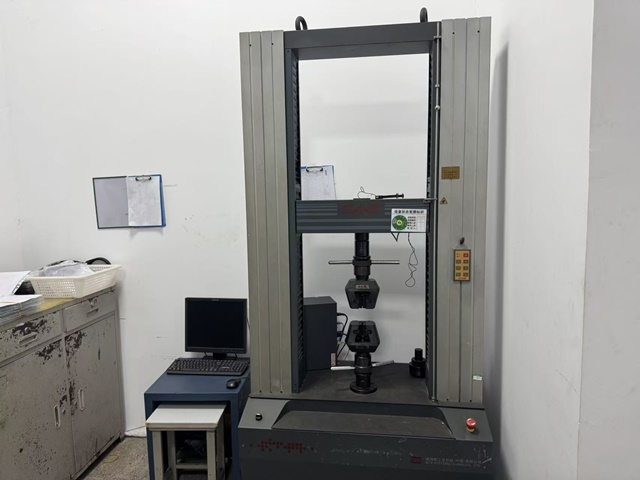
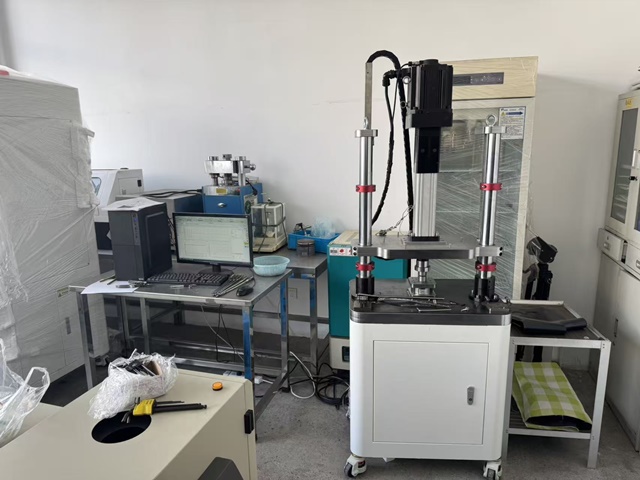
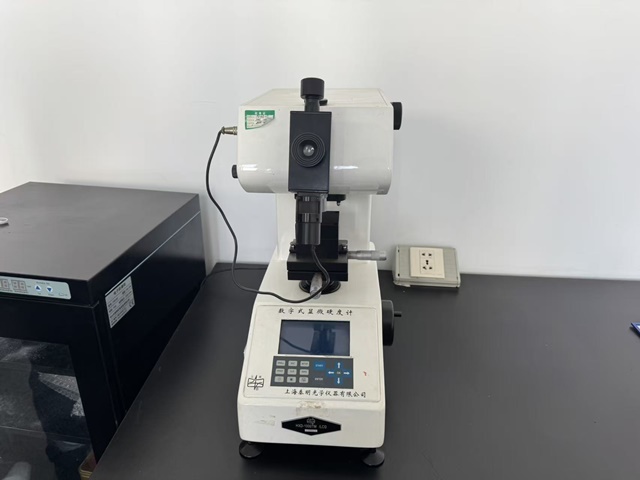
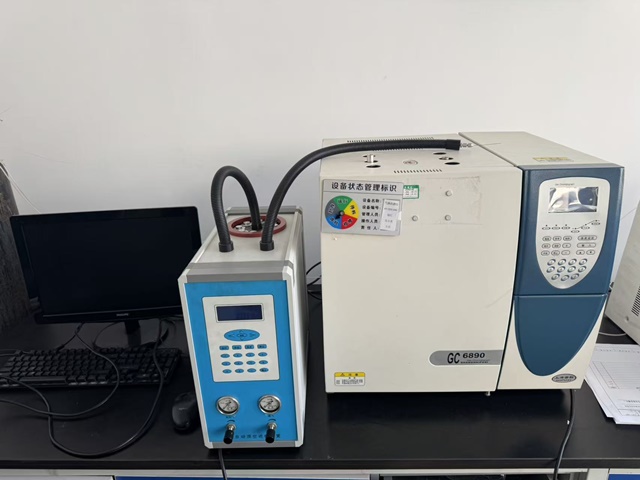
Importing medical devices into Kenya requires strict adherence to regulatory protocols. In Kenya, the governing authority is the Pharmacy and Poisons Board (PPB). Orthopedic implants, as long-term surgically invasive load-bearing components, are classified as high-risk medical devices (Class III).
Osteora facilitates this regulatory pathway for Kenyan importers by providing complete documentation packages. Our registration assistance files include:
Timely logistics are essential in emergency orthopedic care. Osteora has optimized its supply chain to ensure reliable deliveries. With an established logistics network operating out of main Chinese cargo ports, we offer flexible shipping arrangements to the port of Mombasa or directly via air freight to Jomo Kenyatta International Airport (NBO) in Nairobi.
Additionally, our inventory management protocols help mitigate global shipping fluctuations. By maintaining raw material reserves and offering custom manufacturing plans, we reduce lead times for custom product orders to under 30 days. This reliability supports consistent stocking patterns for our regional partners.
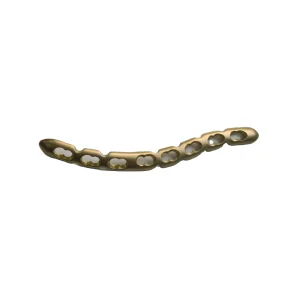
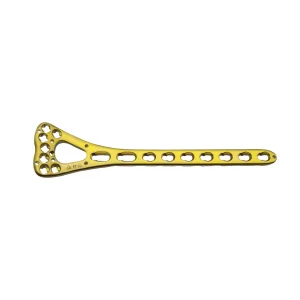
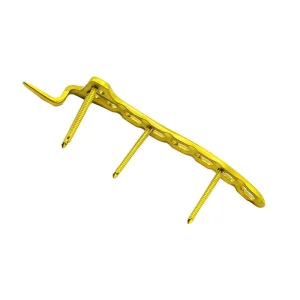
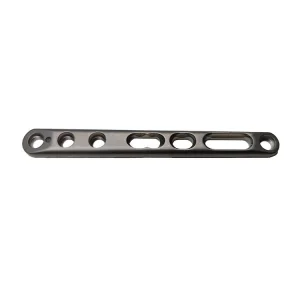
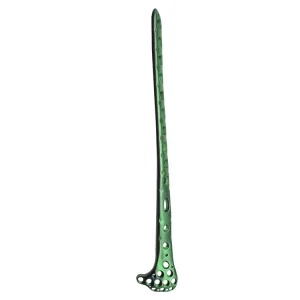
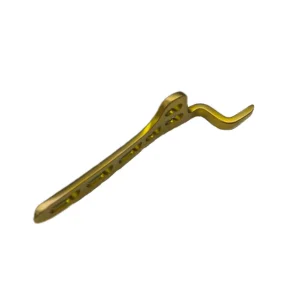
Explore our CE-certified osteosynthesis implant options, designed to fit patients of diverse skeletal sizes.
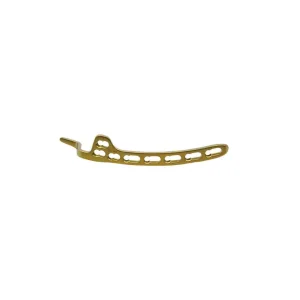
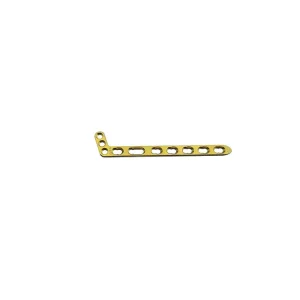
Essential details regarding product registration, clinical evaluation, and customized ordering for the East African market.
Yes. All Osteora trauma implants conform to ISO 13485 quality systems and hold CE certifications. We provide the complete technical documentation package—including biocompatibility test logs, material certificates, and design files—required for product registration with the Kenyan Pharmacy and Poisons Board (PPB).
Our trauma products are manufactured from high-grade medical titanium alloys (Ti-6Al-4V ELI) conforming to ASTM F136, as well as medical-grade stainless steel options. Titanium is preferred in the Kenyan market due to its superior biocompatibility, low magnetic resonance artifacting, and elastic modulus closest to human cortical bone tissue.
Yes. Supported by our team of 85 R&D engineers, we offer extensive OEM/ODM solutions. This includes custom sizing, customized anatomical geometries, personalized packaging layouts, laser-marking logo integration, and instrument tray setups.
Standard catalog products are dispatched from our warehouse within 7–14 days. Custom manufacturing cycles typically require 30 days. Air shipments to JKIA (Nairobi) arrive in 5–8 days, while ocean freight routes to Mombasa Port take approximately 25–35 days depending on the shipping line schedule.
We perform mechanical testing, including tension, shear, bending, and multi-million cycle dynamic fatigue testing. Biocompatibility checks are performed in accordance with ISO 10993 guidelines, verifying that implants are non-toxic, non-pyrogenic, and support osteointegration.
Partner with a trusted manufacturer to deliver reliable clinical products to hospitals across East Africa.
Get Quotation & Free Samples