Osteora Osteora

Orthopedic Trauma Implant Factories & Exporters for the Kuwait Market

High-Compliance Titanium Trauma Fixation Systems and Anatomical Plates Sourced Direct from Certified Manufacturers Supporting Kuwait Ministry of Health Standards

Send Inquiry Now

Specialized Trauma Implants for Kuwait's Clinical Standards

Top-performing trauma plates designed for high-stress reconstructive surgeries, matching the stringent requirements of Kuwait MOH hospitals.
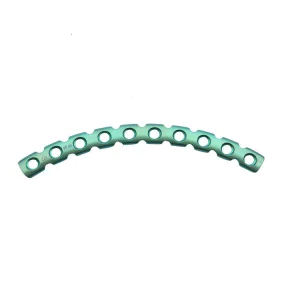
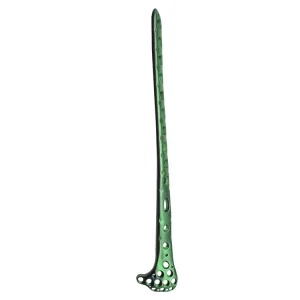
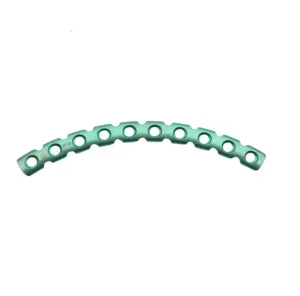
Kuwait Standard Titanium Maxillofacial Locking Plate

Kuwait Standard Maxillofacial Arc Locking Plate Orthopedic Implants and Interventional Materials Orthopedic Cage Plate Screw Fusion

View Tech Specifications
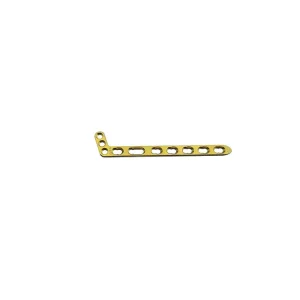
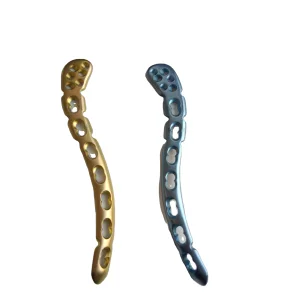
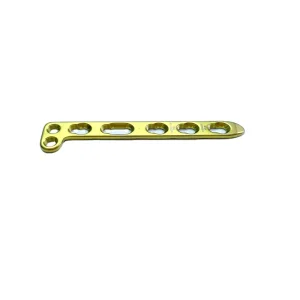
Anatomical Distal Radius Locking Plate for Kuwait Hospitals

Anatomical Titanium Implant Distal Radius Locking Plate for High-Demand Trauma Surgeries

View Tech Specifications
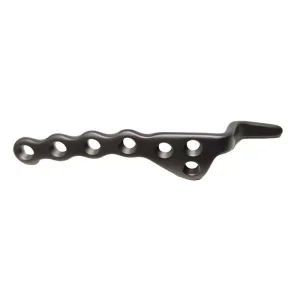
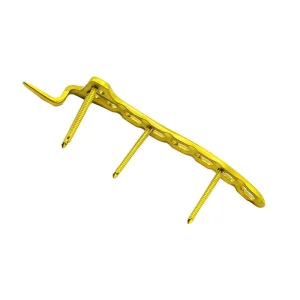
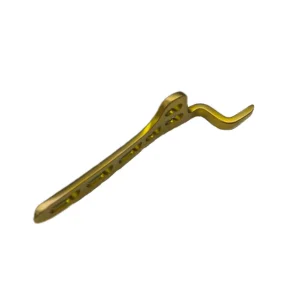
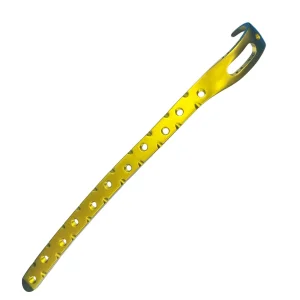
Kuwait Market Titanium Locking Clavicular Hook Plate

Osteora Titanium Locking Clavicular Hook Plate with Biocompatible Surface Treatment

View Tech Specifications
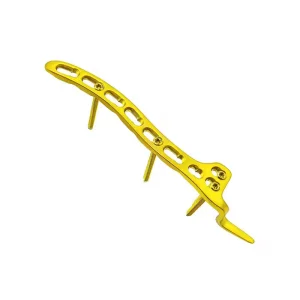
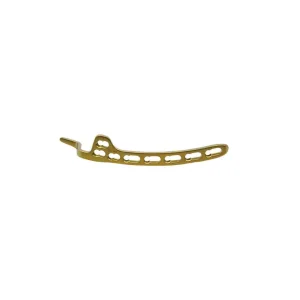
Small Fragment Clavicle Hook Plate for Trauma Centers

Surgical Titanium Trauma Locking Clavicle Hook Plate 3.5mm Hook Small Fragment Bone Implant Orthopedic

View Tech Specifications

Kuwait Orthopedic Trauma Market Landscape

Kuwait's healthcare sector is undergoing rapid expansion driven by the government's New Kuwait Vision 2035. The country features a dual-system medical framework consisting of advanced public healthcare managed by the Ministry of Health (MOH) and a rapidly growing private hospital sector. Orthopedic trauma clinics, notably inside the Sabah Medical District, Jahra Hospital, and Al-Razi Orthopedic Hospital, experience high demand for reliable reconstructive implants.

Unlike other regional markets, clinical practices in Kuwait require highly stable, biocompatible, and anatomically pre-contoured implant systems. The demand is heavily fueled by two factors:

  • High Traffic Volumes: Road traffic accidents on urban expressways frequently result in complex, high-energy bone fractures requiring complex plating systems.
  • Demographics & Comorbidities: High local prevalence of metabolic bone disorders, osteoporosis, and diabetes necessitates high-precision implants with exceptional primary stability and optimized lock-screw engagement to prevent secondary loosening.

Procuring entities in Kuwait look for manufacturers with ISO 13485 certification, reliable manufacturing facilities, and extensive technical files to ensure smooth GCTS (Gulf Central Committee for Drug Registration) and local MOH clearance.

Import Regulatory Compliance in Kuwait

To register orthopedic trauma plates and screws successfully under Kuwait's MOH regulatory department, medical exporters and local distributors must provide complete technical dossier sets:

  • Standard Certificates: CE Mark (MDR compliant) or US FDA 510(k) clearances.
  • ISO 13485: Proof of a robust Medical Devices Quality Management System.
  • Material Certifications: Sourcing traceability documents validating biocompatible titanium alloy conforming to ASTM F136 or ISO 5832-3 standards.
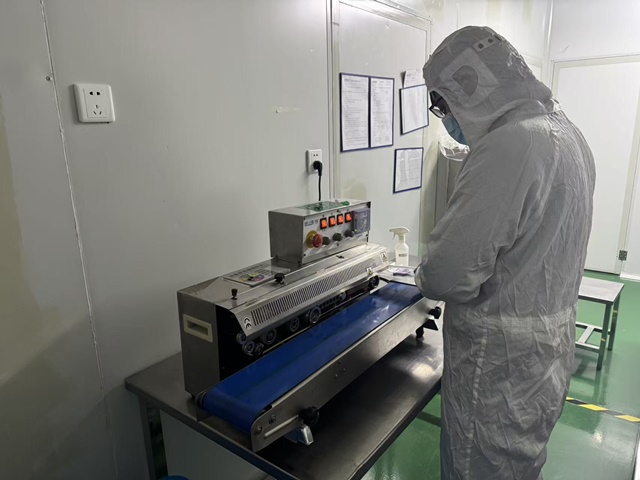
  • Sterilization Validation: Cleanroom bioburden controls and Gamma/EtO sterilization protocols.

Osteora's engineering and regulatory support divisions provide complete dossier files to help our Kuwaiti distributors navigate tenders efficiently.

Global Industry Trends: Advanced Biomaterials & Locking Technologies

The global orthopedic implant sector is evolving rapidly. Understanding technical design shifts is key to securing competitive advantage.

🧬

Anatomical Pre-Contouring

Modern surgical approaches prioritize minimally invasive plate osteosynthesis (MIPO). Plates must match bone anatomy natively, eliminating the need for intraoperative bending, which can compromise structural integrity and fatigue life.

⚙️

Multiaxial Locking Mechanics

Rigid angular stability is crucial. Polyaxial locking screws allow surgeons to redirect screws within a 30-degree cone, enabling targeted fixation of small bone fragments in complex peri-articular fractures.

🔬

Surface Nano-Texturing

Electrochemical anodization creates a uniform titanium oxide layer that increases corrosion resistance, reduces metal ion release, and improves cell attachment, leading to accelerated bone-implant integration.

18,500㎡
Production Area
85
R&D Design Engineers
42
Dedicated QA Inspectors
USD 14M
Max Annual Export

Why Source from China: Osteora's Manufacturing Advantage

Sourcing orthopedic implants directly from China allows distributors in Kuwait to access premium medical products with favorable margins. At Osteora, we balance cost efficiency and high quality using advanced industrial processes:

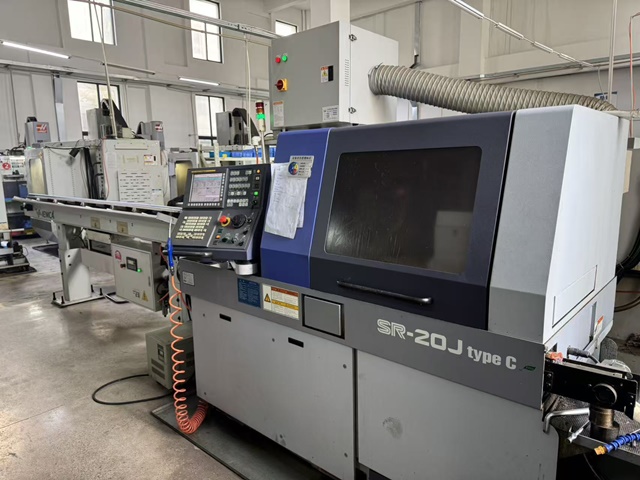
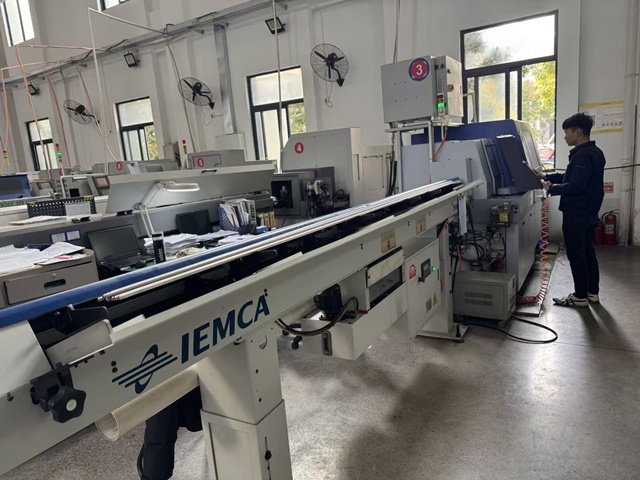
  • Swiss-Type Precision Machinery: Our micro-screws and detailed lock threads are machined on high-performance Swiss-type CNC lathes. This ensures dimensional tolerance controls down to ±0.005mm, guaranteeing perfect fitment of screws to locking plate holes.
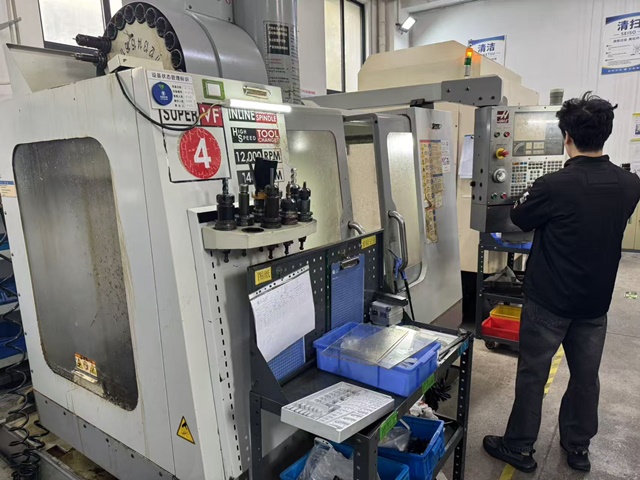
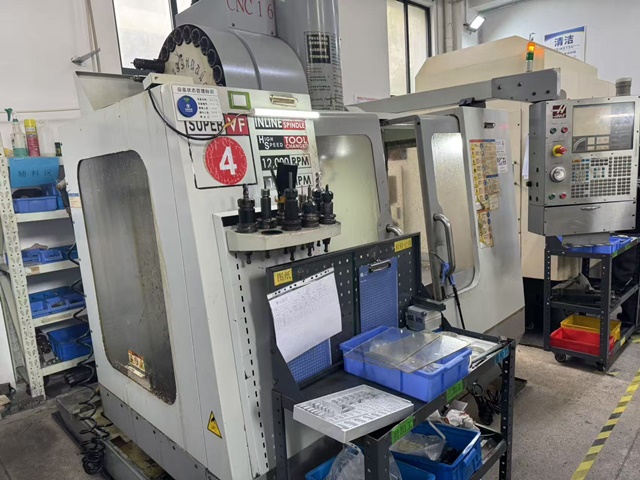
  • Advanced Haas Machining Centers: Multi-axis vertical milling centers process raw medical titanium blocks into complex plates with anatomical geometry, ensuring absolute component consistency.
  • Sourcing Scale: Backed by a verified network of 1,200 downstream and upstream partners, we source raw materials and validate tooling quickly, reducing production bottlenecks and export delays.
  • Customization Capabilities (OEM/ODM): With 85 R&D engineers, we customize plate lengths, screw profiles, color anodization schemes, and offer custom packaging/labeling to match local market requirements.

Material Integrity & Biocompatibility

Orthopedic implants require high structural reliability. Osteora uses medical-grade titanium alloy (Ti-6Al-4V ELI) conforming to ASTM F136 specifications. This material offers:

Property Clinical Value
Tensile Strength ≥ 860 MPa - prevents plate fracture under load
Modulus of Elasticity 110 GPa - reduces stress shielding, promotes bone healing
Elongation Rate ≥ 10% - allows necessary micro-motion stability

Advanced Manufacturing Facilities & QC Processes

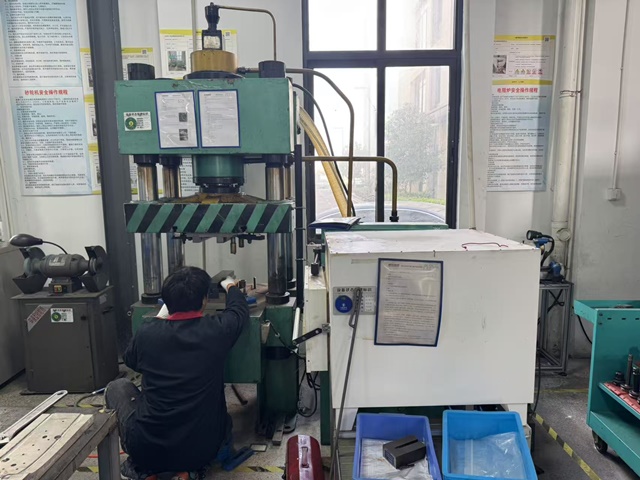
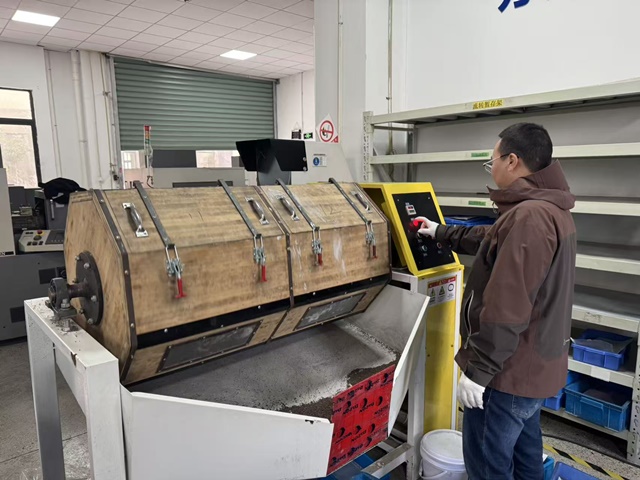
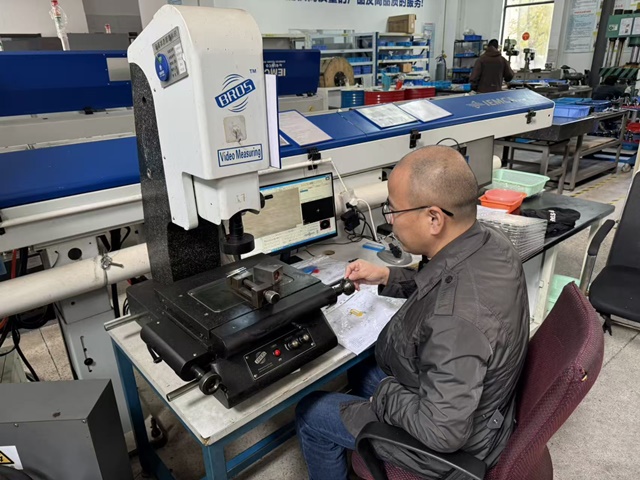
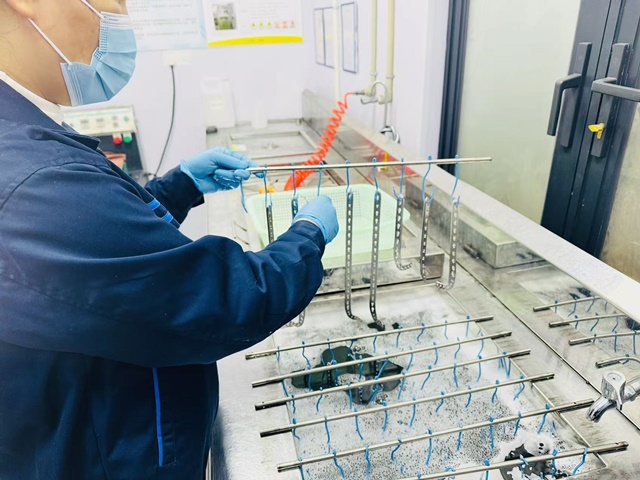
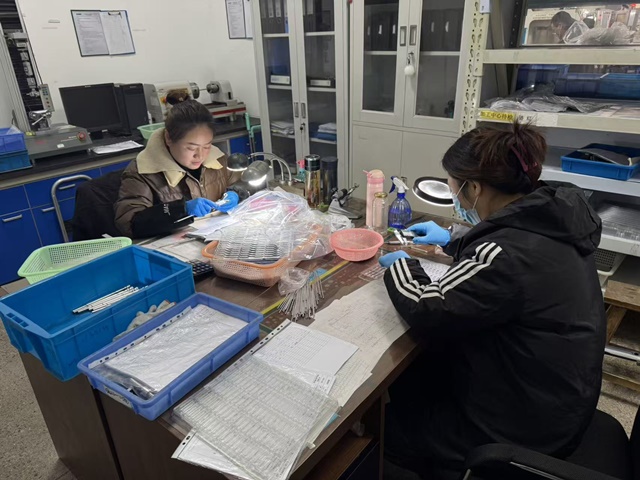
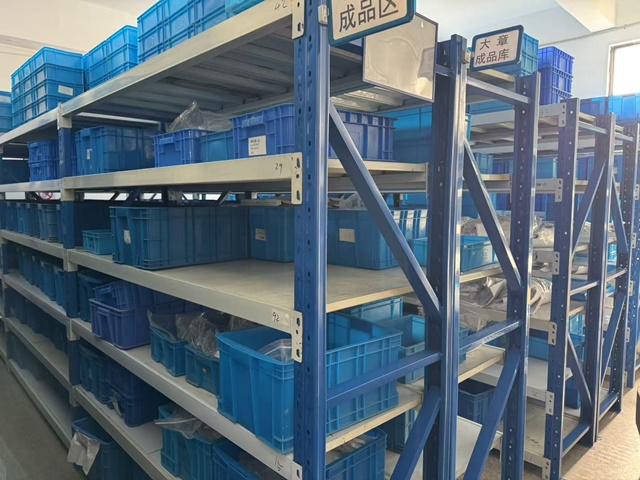
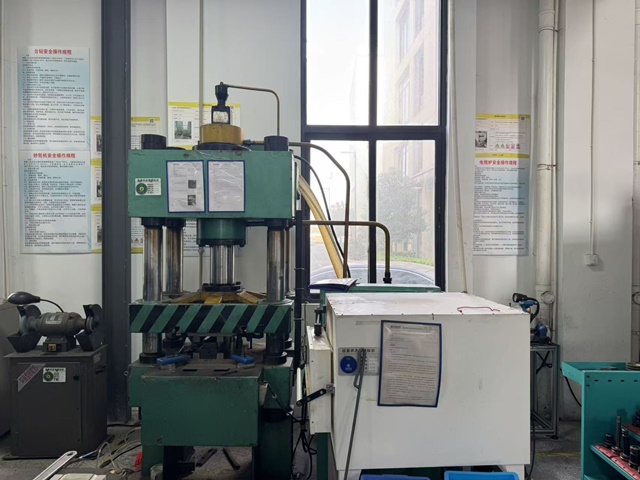
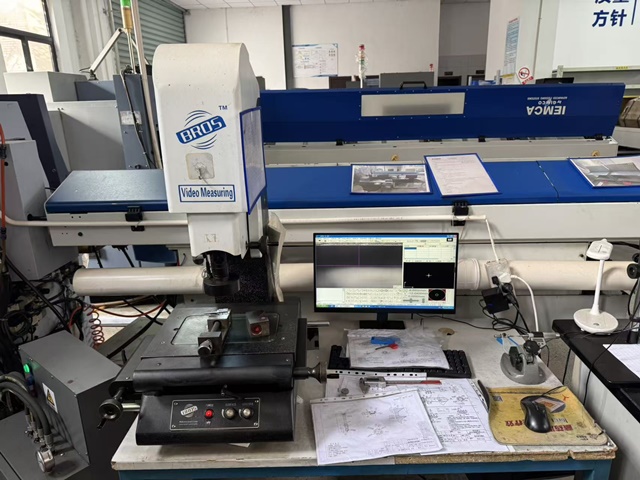
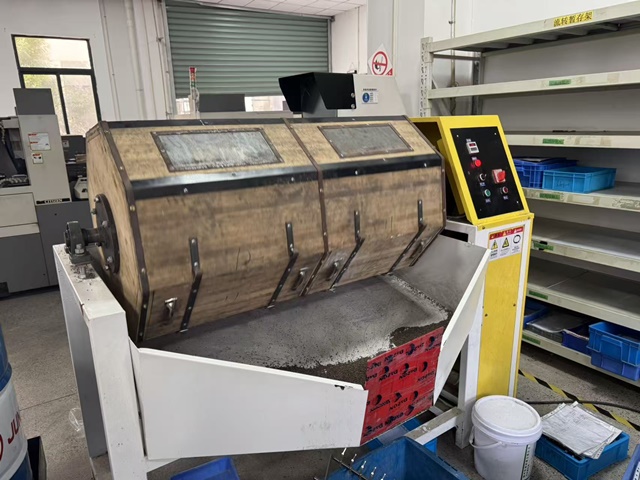
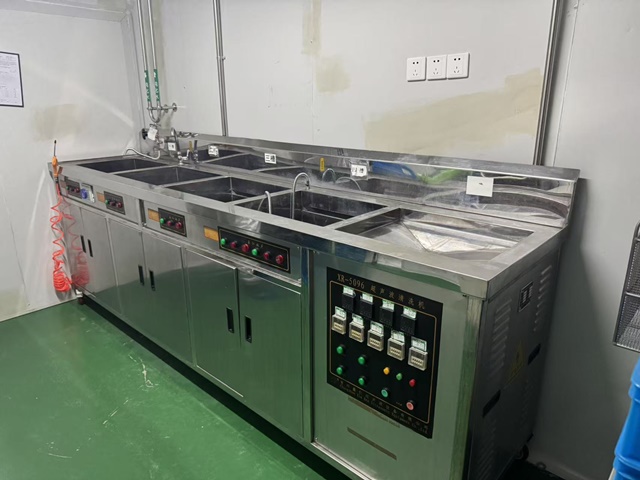
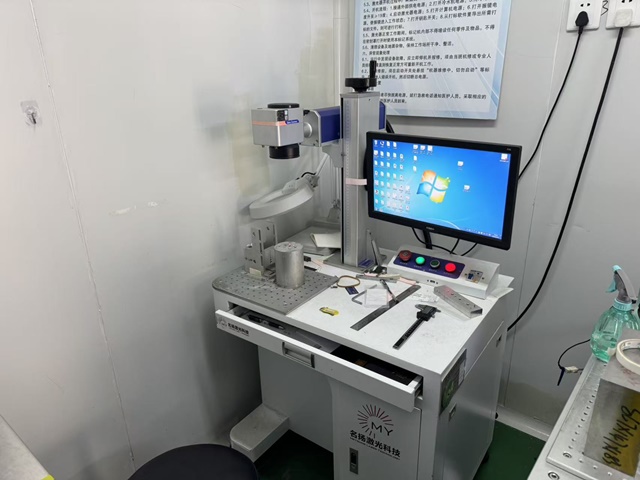
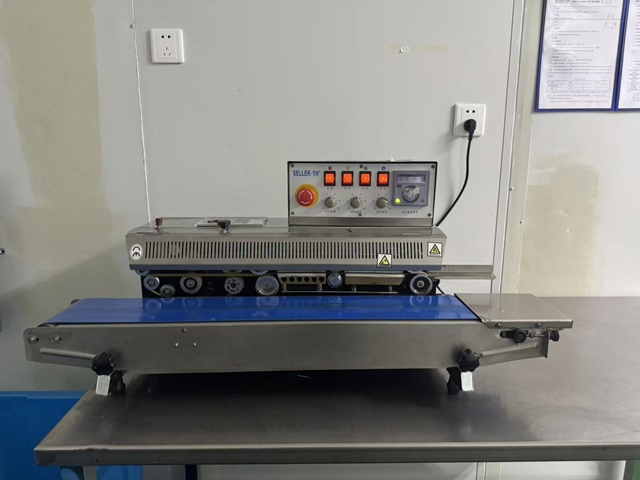
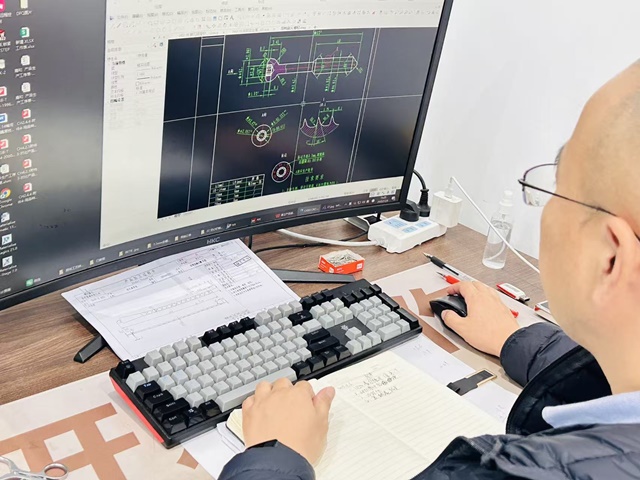
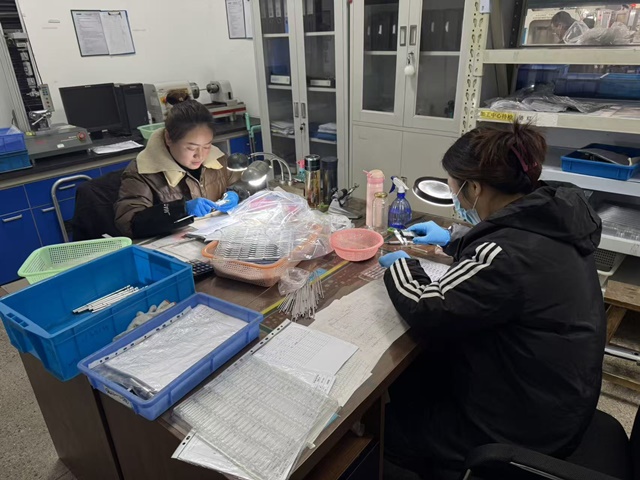
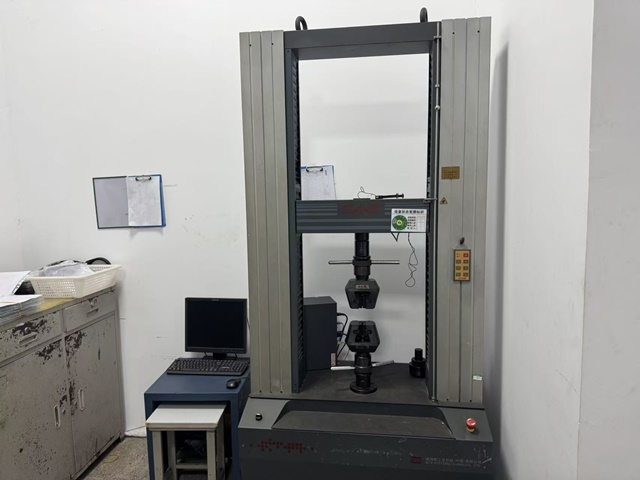
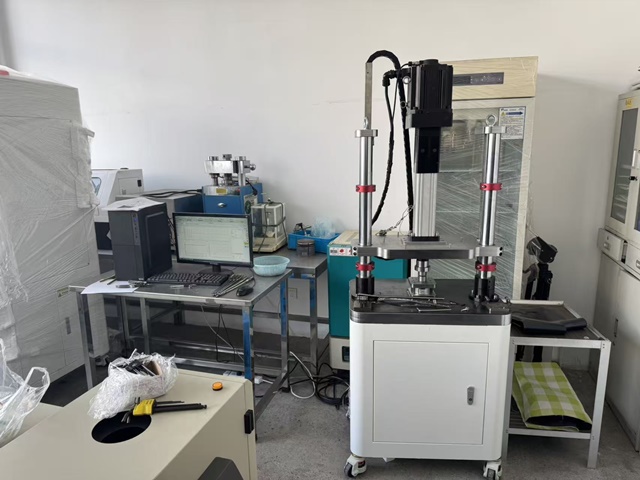
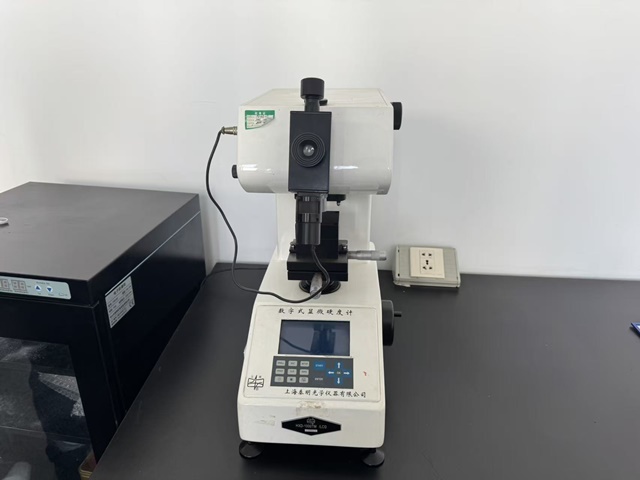
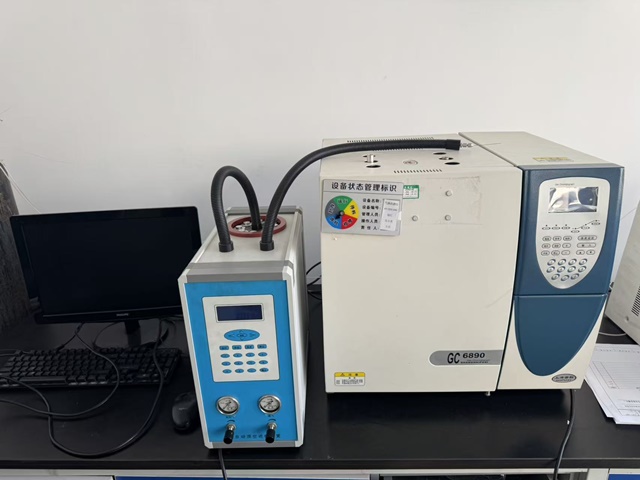
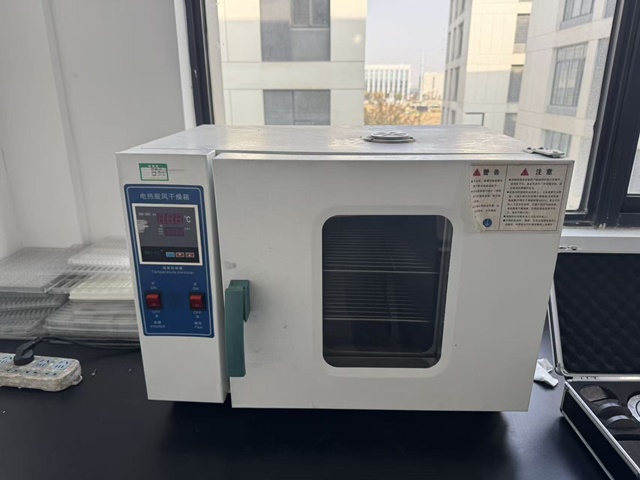
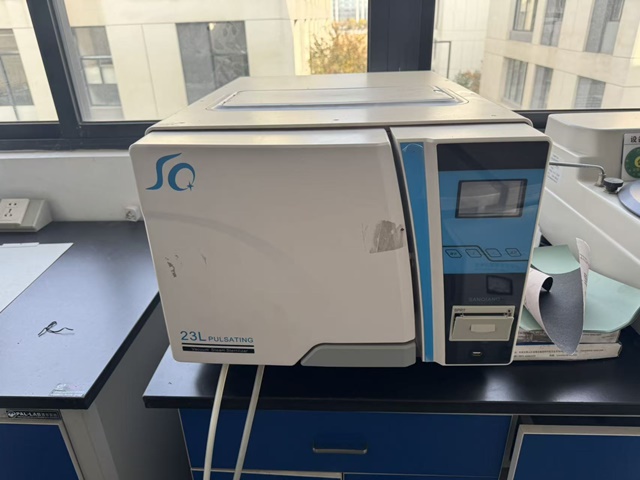
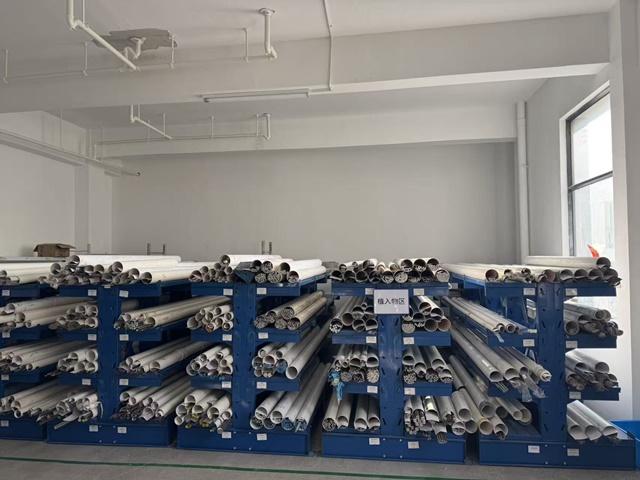
Under strict ISO 13485 oversight, Osteora operates a modern 18,500m² manufacturing facility. View our step-by-step production flow:
Comprehensive Trauma Implants Portfolio

Explore our full line of osteosynthesis trauma solutions, engineered from implant-grade titanium for stable fixation.
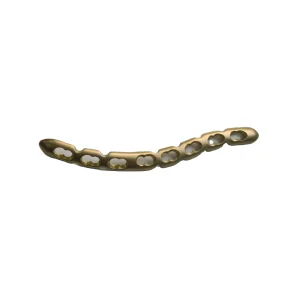
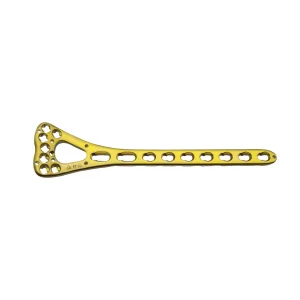
Kuwait Standard Reconstruction Compression Plate

3.5 mm Clavicle Reconstruction Compression Locking Plate Manual Power Orthopedic Implant for Trauma Bone Fracture Treatment

View Tech Specifications
Titanium Distal Radius Multiaxial Plate

Distal Radius Multiaxial Plate Titanium Bone Plate with Locking Screws for Anatomical Reconstruction

View Tech Specifications
Titanium Clavicle Plate Surgical Implants

Surgical-Grade 3.5mm Titanium Clavicle Plate Orthopedic Trauma Fixation Implants

View Tech Specifications
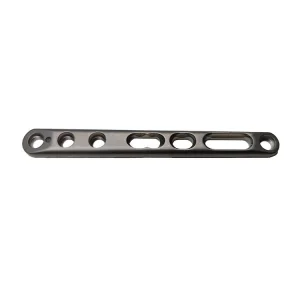
Titanium Alloy Orthopedic Pressure Locking Plate

Titanium Alloy Orthopedic Pressure Locking Plate ZXSD04 for Structural Compression Fixation

View Tech Specifications
Distal Tibia Locking Plate

Surgical Titanium Orthopedic Implants Orthopedic Distal Tibia Locking Plate 3.5 for Distal Fractures

View Tech Specifications
Micro Clavicula Hook Plate

Micro Plate Clavicula Locking Plate Hook Type Locking Bone Plate for Clavicular Hook Bone Locking Plate

View Tech Specifications
Proximal Humeral Locking Plate

Titanium Proximal Humeral Locking Plate Surgical Fracture Implants for Hospital Use Ortopedia

View Tech Specifications
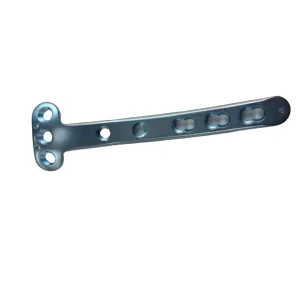
L-Shaped Locking Plate Distal Radius

Distal Radius Oblique L-Shaped Locking Plate II for Complex Epiphyseal Bone Reconstruction Fracture

View Tech Specifications
Superior Anterior Clavicle Plate Instrument

Manual Superior Anterior Clavicle Plate Lateral Extension Locking Instrument Steel Material Clavicular

View Tech Specifications
Medial Tibia Locking Compression Plate

Orthopedic Trauma Titanium Alloy Implant Medial Tibia Proximal Locking Compression Plate Class III

View Tech Specifications
Titanium Arc Locking Plate

Implant Bone Surgery Surgical Orthopedic Implants Titanium Implant Plate Orthopedic Arc Locking Plate

View Tech Specifications
Hip Proximal Femur Locking Plate

Large Fragment Hip Bone Proximal Femur Locking Plate Orthopedic Implant Trauma Trochanteric Fixation Healthcare Supply

View Tech Specifications

Clinical Application Scenarios in the Kuwaiti Healthcare Grid

Analyzing how Osteora's trauma implants meet regional clinical demands in Kuwaiti hospitals.

🏥

Public Hospital Trauma Centers

Public trauma wards handle high volumes of compound fractures. Our distal tibia and proximal femur locking plates provide stable, load-bearing fixation that supports early mobility protocols.

🩺

Specialized Reconstructive Surgery

At Al-Razi Orthopedic Hospital, specialized surgeons perform delicate joint reconstructive work. Our anatomical distal radius oblique L-shaped plates match bone surfaces closely, reducing manual contouring time in the OR.

Geriatric Fixation Needs

Fixing fractures in osteoporotic patients is highly challenging. Osteora's locking compression plates utilize combined locking/compression holes for secure fixation in low-density bone structures.

Frequently Asked Questions

Answers to technical and commercial questions about exporting orthopedic trauma systems to the Kuwaiti market.

Do Osteora implants comply with the registration standards of the Kuwait Ministry of Health?

Yes. Osteora operates under strict ISO 13485 quality standards. We provide complete technical files, material trace records, and sterilization validations to support local distributors registering products with the Kuwait MOH and meeting Gulf Health Council (GHC) requirements.

What specific grade of titanium is used in your orthopedic locking plates?

We use medical-grade Titanium Alloy (Ti-6Al-4V ELI) conforming to ASTM F136 and ISO 5832-3 standards. This material is chosen for its biocompatibility, mechanical fatigue life, and high strength-to-weight ratio.

Does Osteora provide OEM/ODM services for Kuwaiti medical brands?

Yes. Backed by our team of 85 R&D engineers, we offer full OEM/ODM services. This includes custom implant dimensions, private labeling, color anodization, and specialized surgical instrument set configuration.

What quality control checks are performed on products before shipping?

Our QA department employs 42 specialized inspectors. Testing covers dimensional verification, surface roughness assessment, chemical profiling using gas spectrometers, hardness tests via Vickers systems, and fatigue life testing using pulsating machines.

What is your typical production lead time for bulk orders to the Middle East?

Standard catalog orders are processed and ready for shipment in 30 to 45 days. OEM orders require 60 to 75 days depending on the customization scope. We leverage our network of 1,200 supply chain partners to maintain consistent shipping schedules.

How does the locking mechanism on your plates prevent screw backing-out?

Our locking plates feature threaded holes that engage directly with the threads on the screw head. This mechanical interlock creates a stable, fixed-angle construct that prevents screw back-out, even under repetitive postoperative loads.

Are your implants shipped sterile or non-sterile?

We export implants in both sterile (double-aseptic packaging, sterilized by Gamma radiation or Ethylene Oxide) and non-sterile configurations, according to the importer's local regulatory filings and preferences.

Secure High-Performance Trauma Implants for Your Hospital Network

Partner with Osteora Medical Devices Co., Ltd. for direct-from-factory orthopedic trauma plates, screws, and instrument systems tailored for Kuwaiti healthcare standards.

Send Inquiry Now