Osteora
Osteora
Osteora
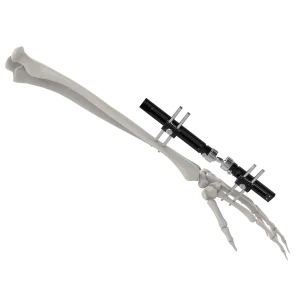
Highly adaptable orthopedic trauma fixators designed for immediate limb stabilization and complex orthopedic reconstructions in Algerian clinics and trauma departments.
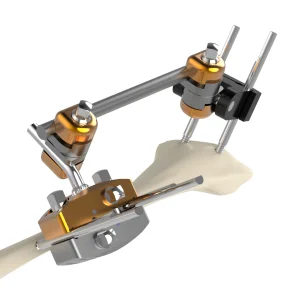
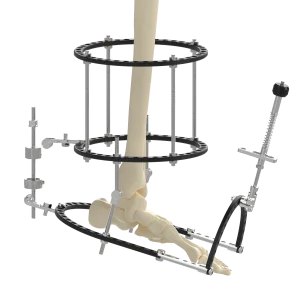
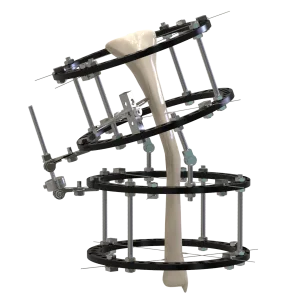
Algerian healthcare is modernizing rapidly. Driven by national strategies to expand medical self-sufficiency, public institutions like the Centre Hospitalier Universitaire (CHU) Mustapha Bacha and regional military health networks require a steady influx of high-grade orthopedic trauma implants. Trauma surgeries represent a major percentage of emergency room admissions in Algeria, heavily spurred by infrastructural growth, industrial expansion, and traffic incidents.
Consequently, orthopedic external fixation tools are dynamic necessities for local healthcare providers. External fixators offer rapid stabilization, low risk of soft-tissue damage, and adaptability in disaster medicine. For Algerian distributors, sourcing these implants requires navigating complex domestic compliance metrics, local customs policies, and importing frameworks regulated by the Algerian Ministry of Pharmaceutical Industry and the National Agency for Pharmaceutical Products (ANPP).
To import Class III medical implants (such as external fixators and locking plates) into Algeria, manufacturers must provide complete technical files showcasing:
Osteora ensures full supply chain traceability and documentation alignment to facilitate hassle-free customs clearance at major hubs like the Port of Algiers or Oran Port.
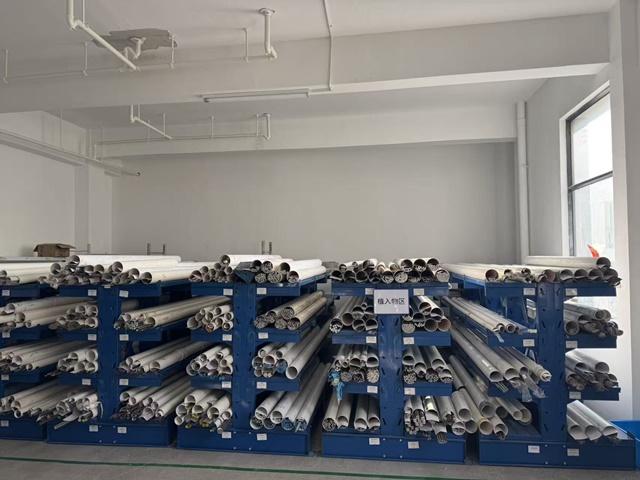
Under the specialized brand Osteora, we enforce a zero-tolerance quality inspection framework. Explore our integrated raw material processing, robotic CNC machining, and mechanical stress verification.
Founded in 2016, Osteora Medical Devices Co., Ltd. has established a strong reputation in the global orthopedic industry through continuous innovation and strict quality control standards. Supporting stable production capacity and reliable delivery performance, our supply chain includes approximately 1,200 certified partners. Our main customer base consists of hospitals, orthopedic clinics, surgical centers, and medical distributors across Europe, Southeast Asia, the Middle East, and South America.
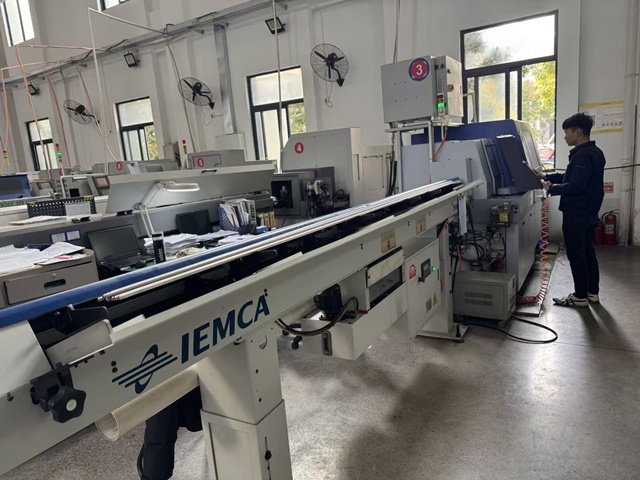
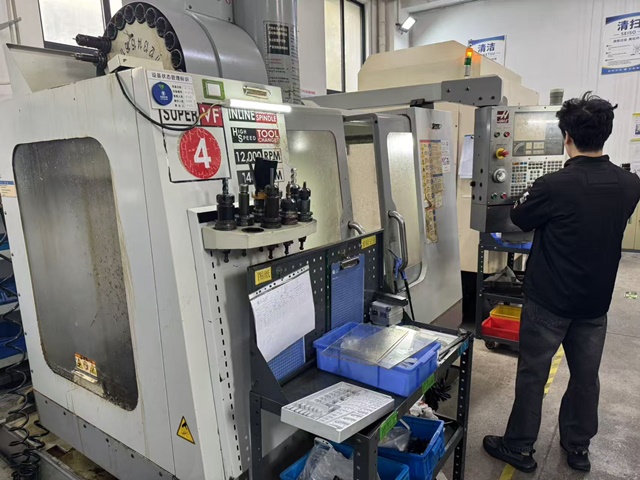
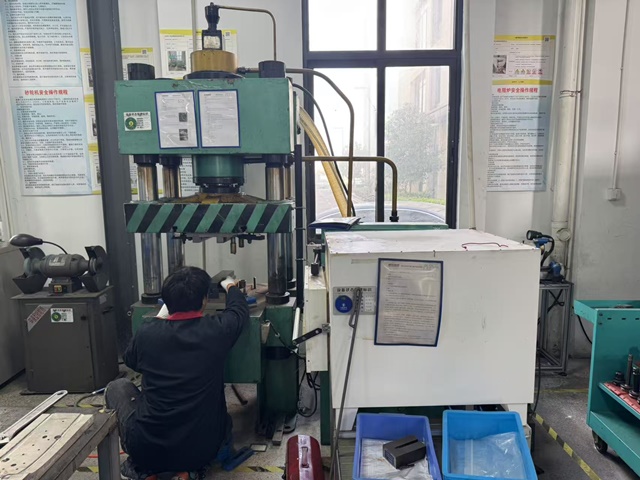
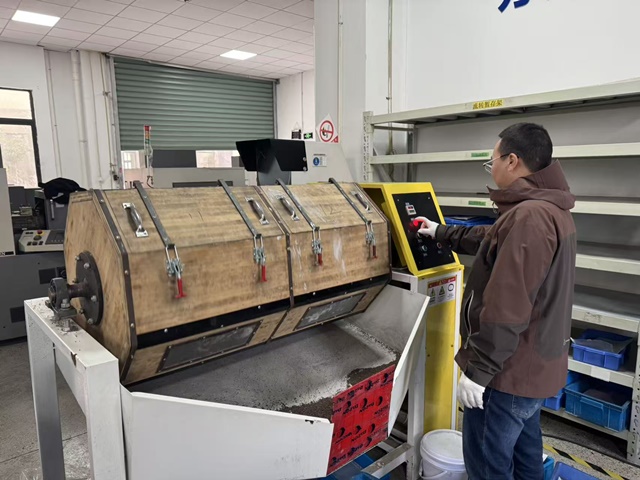
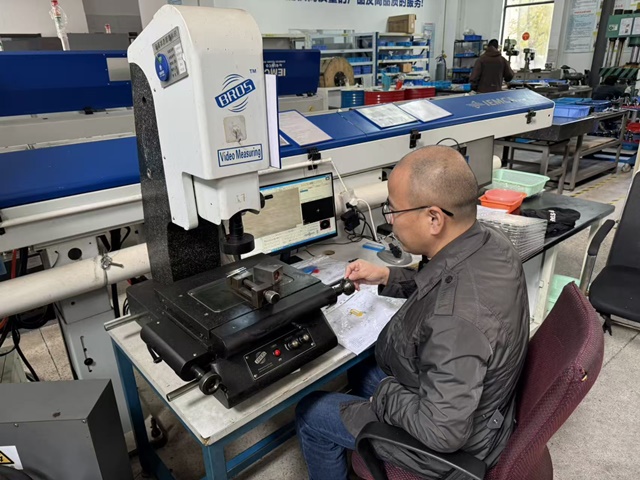
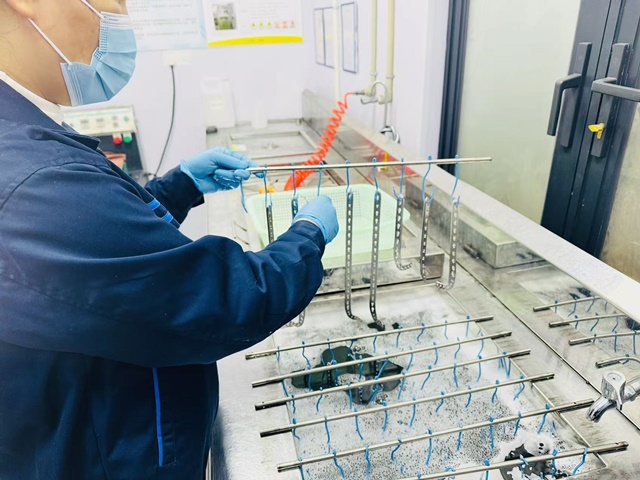
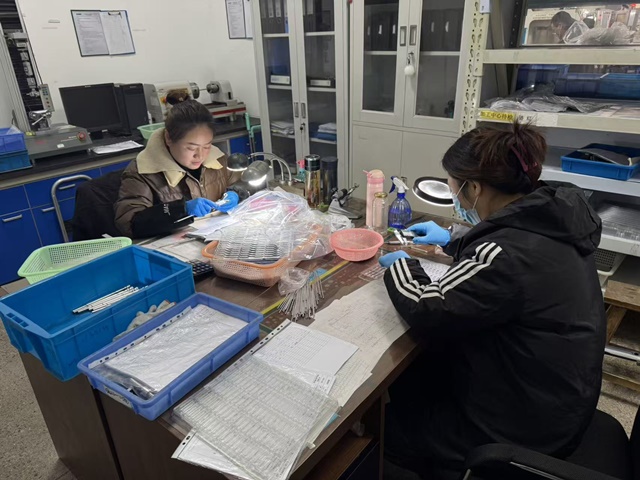
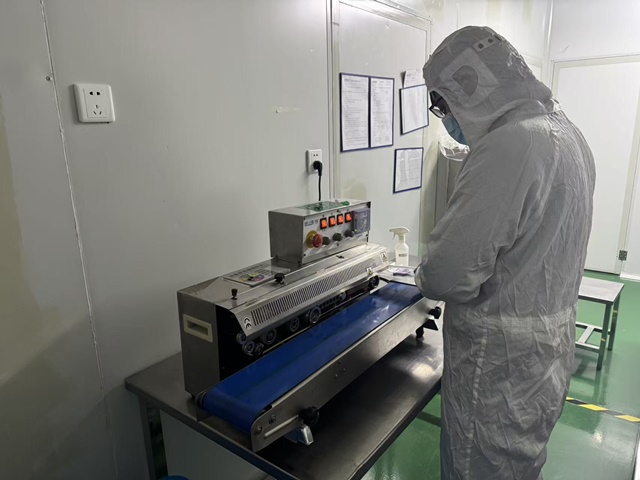
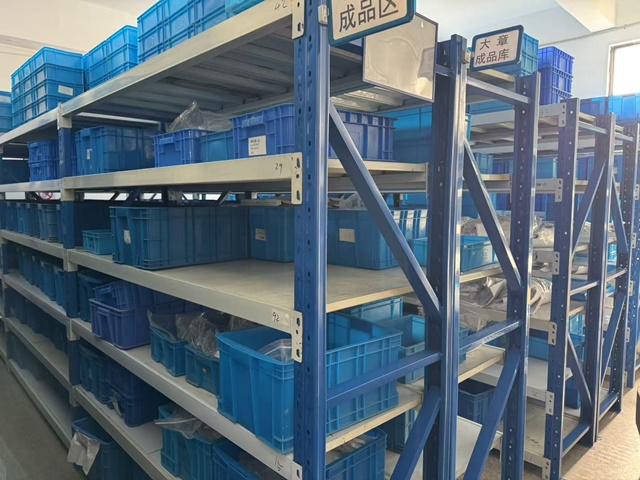
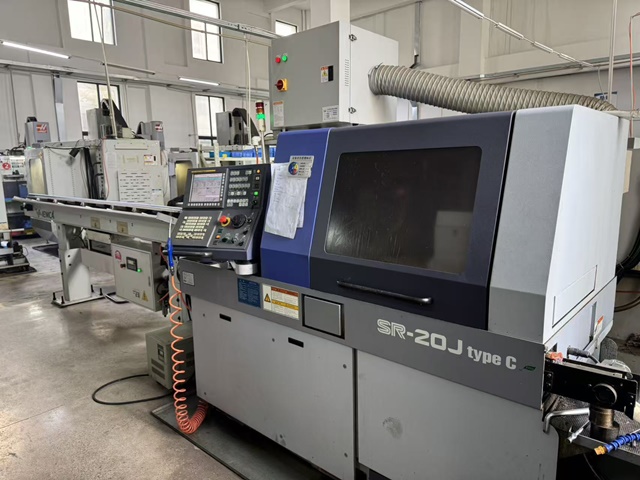
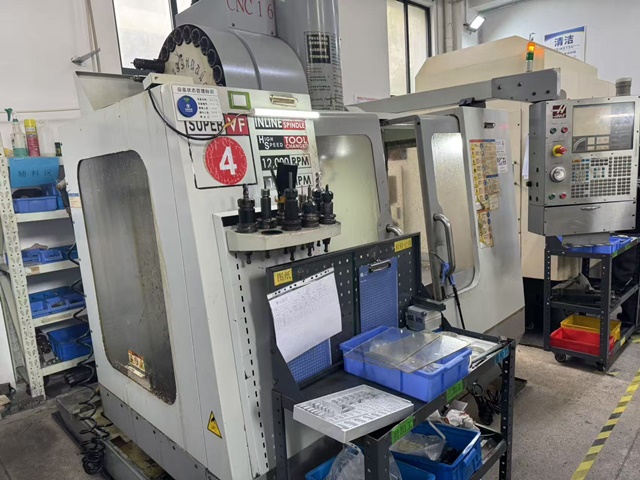
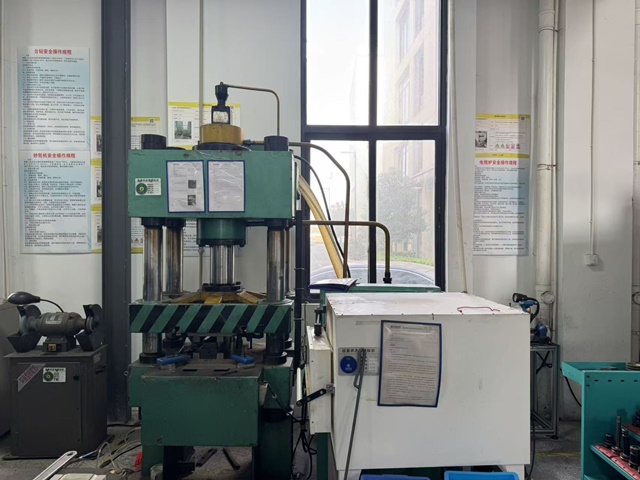
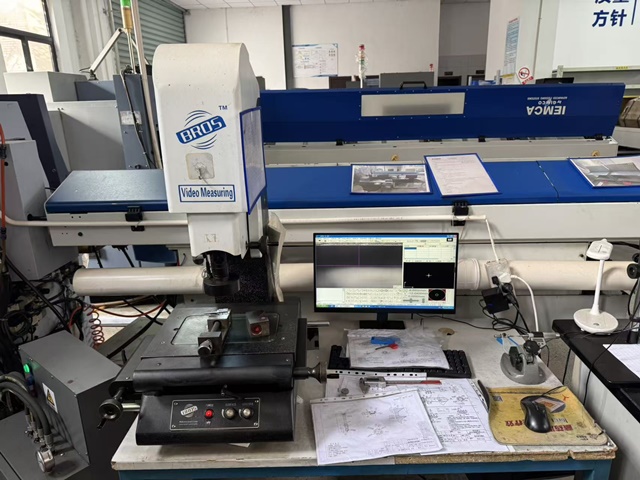
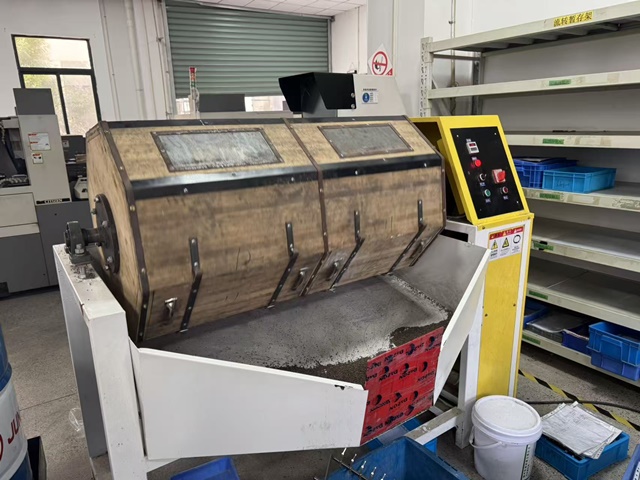
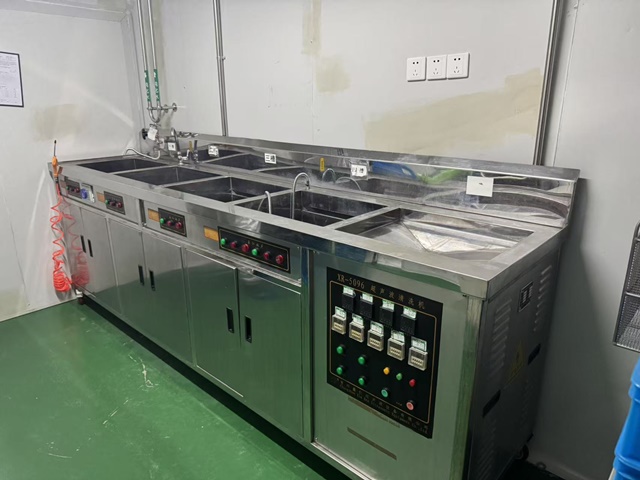
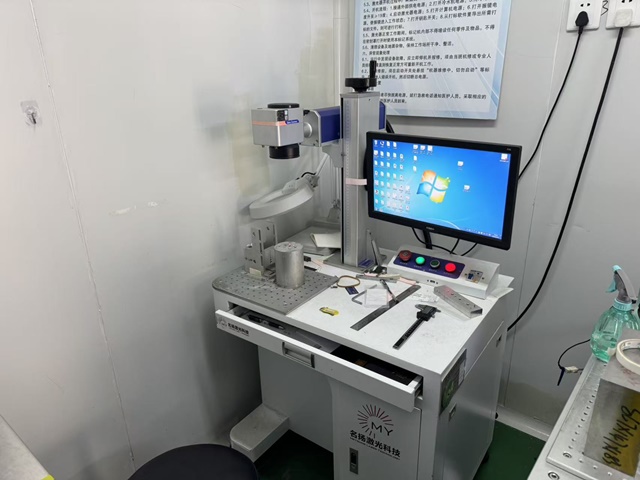
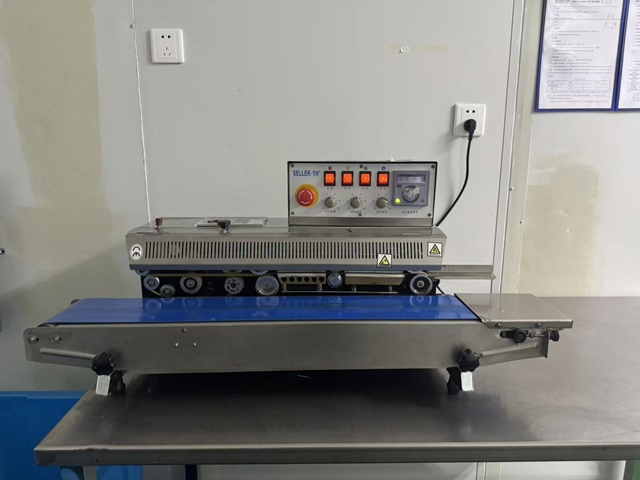
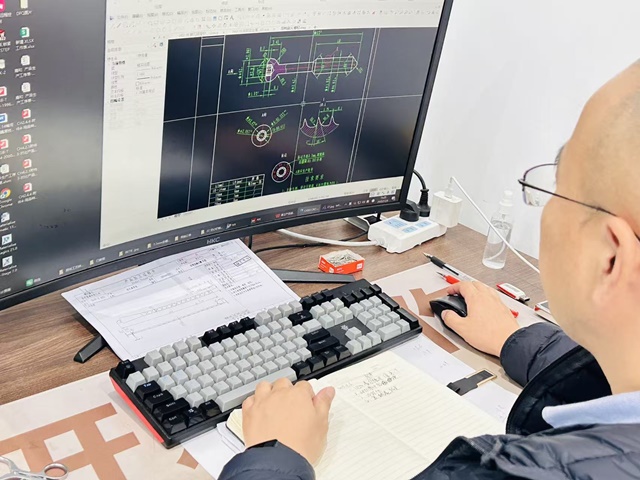
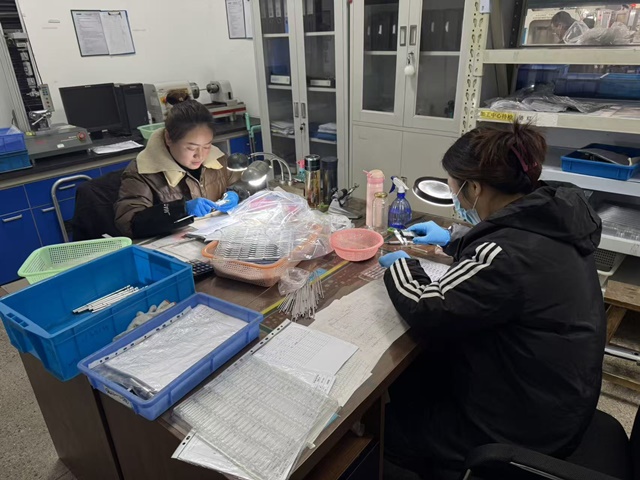
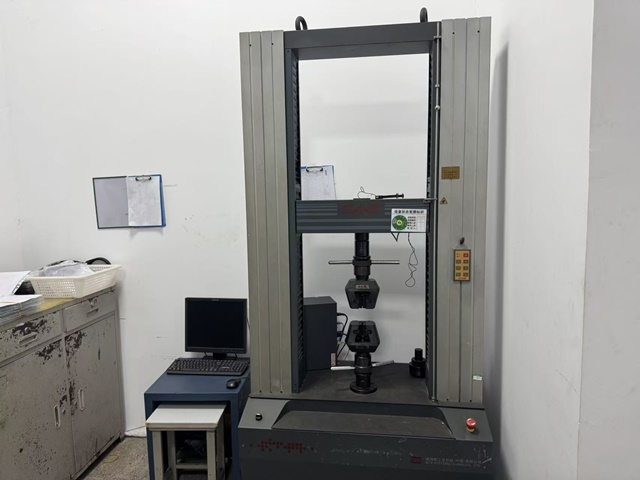
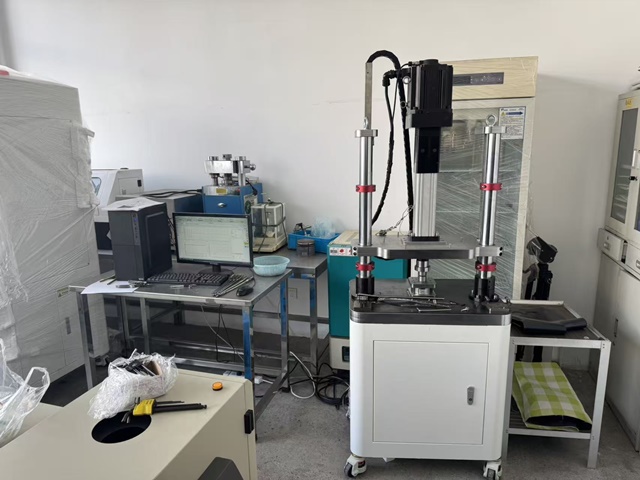
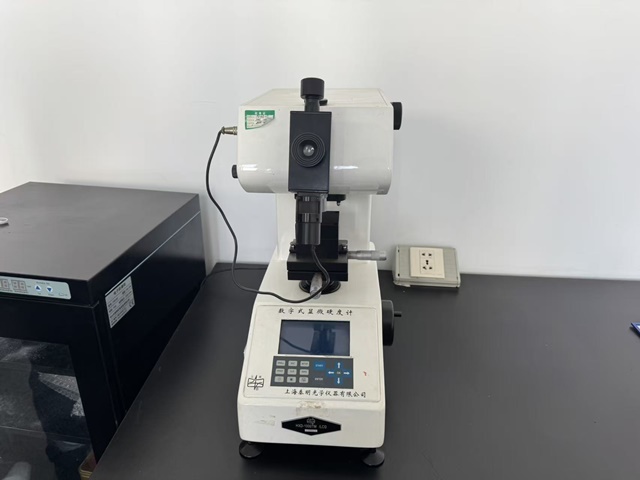
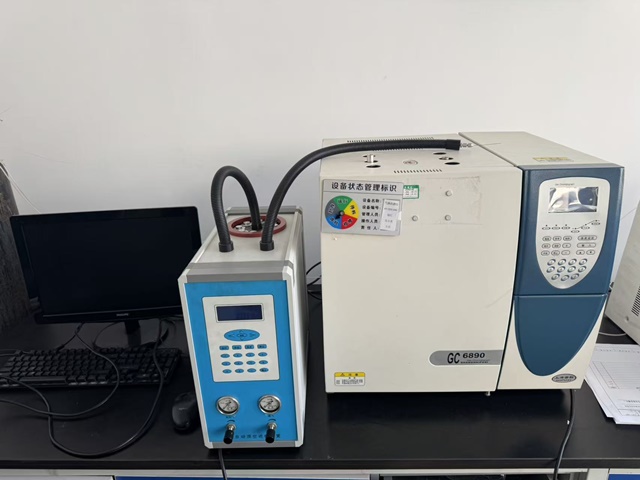
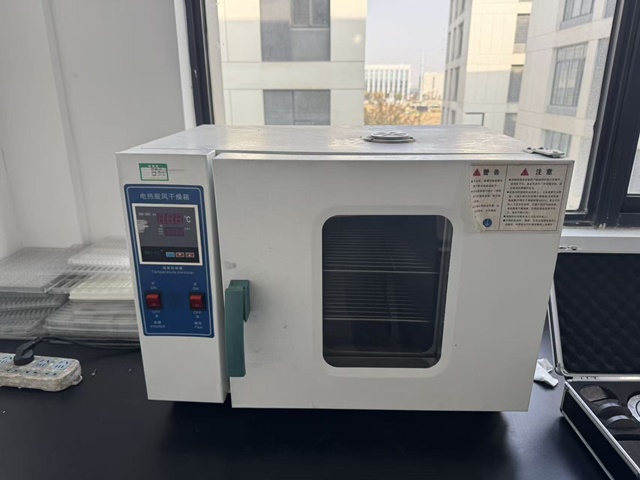
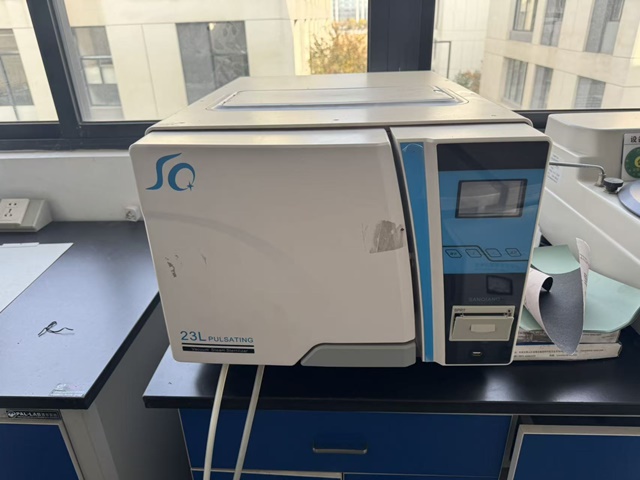
Bridging state-of-the-art orthopedics with highly competitive cost efficiency, ensuring robust supply channels for local hospitals.
We source top-tier Ti-6Al-4V ELI (Grade 23) titanium alloy and medical-grade 316LVM stainless steel. This guarantees optimal biocompatibility, maximum tensile strength, and high corrosion resistance, preventing implant fatigue under dynamic patient biomechanics.
With an active team of 85 R&D engineers, we customize pin sizes, rod configurations, and instrumentation layouts to meet specific trauma needs. We offer private labeling and bespoke packaging solutions to optimize medical brand portfolios in Algeria.
We work with global freight networks to provide flexible shipping options. From ocean cargo straight to Port of Algiers or Port of Oran to expedited air transport via Algiers Houari Boumediene Airport, we ensure rapid, document-compliant deliveries.
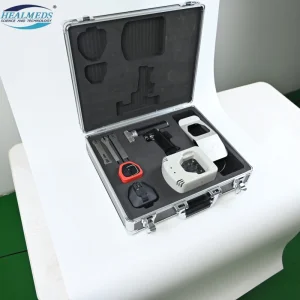
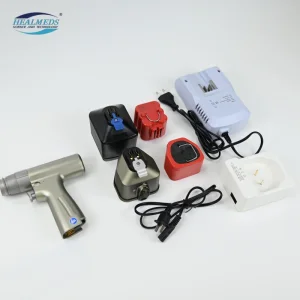
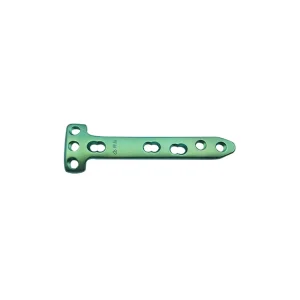
Examine our complete selection of Class III orthopedic hardware, implant systems, high-torque power instruments, and custom-engineered fixation instruments.
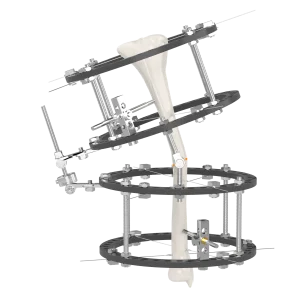
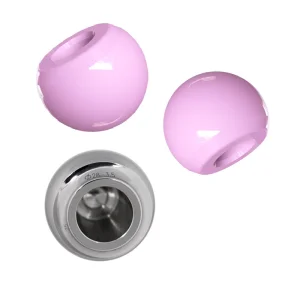
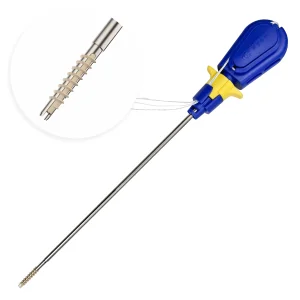
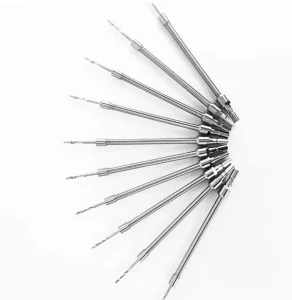
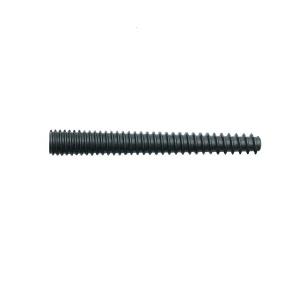
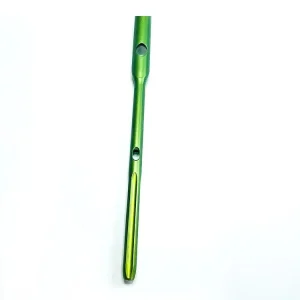
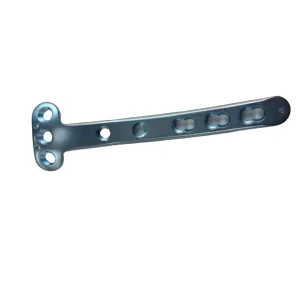
The global field of traumatology is transitioning toward minimally invasive surgeries and dynamic internal/external support systems. Today's surgeons seek fixators that balance physical stability with biological adaptability. Key advancements include:
Traditional steel rods block X-rays, making it harder to track bone healing. Replacing steel with carbon fiber composite rods allows clear imaging. This helps surgeons monitor callus formation in bone defects without removing the frame.
Building on the classic Ilizarov method, computerized hexapod adjusters use software to plan multi-axis deformity corrections. Doctors enter accurate radiographical variables, and the tool calculates daily strut adjustments. This helps correct complex limb discrepancies with millimeter-level precision.
Pin-tract infections are a common issue in external fixation. Advanced surface treatments, such as silver-ion plating or hydroxyapatite coatings on titanium pins, help reduce bacterial attachment. This lowers infection rates and ensures the pins stay securely anchored over long recovery periods.
Given the long distances between rural clinics and central tertiary hospitals (like CHU Mustapha Bacha or CHU Douera), providing reliable external fixation systems is essential. Carbon-rod modules and sturdy pin clamping systems keep constructs secure, reducing the need for emergency adjustments.
Key questions regarding compliance, manufacturing capabilities, and supply chain logistics for B2B orthopedics in Algeria.
Get in touch with our team today. We provide CE-certified implants, full regulatory documentation, and competitive pricing for the Algerian medical market.
Send Inquiry Now