Osteora
Osteora
Osteora
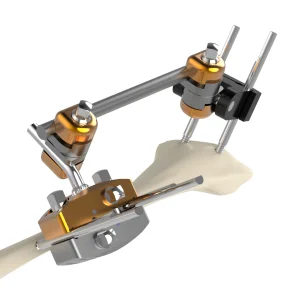
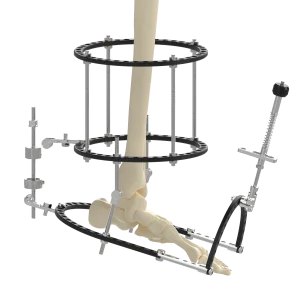
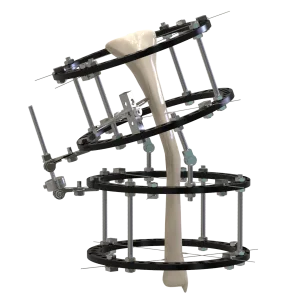
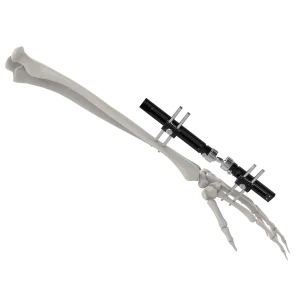
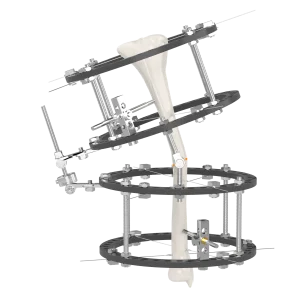
Select from our highly adaptive external fixator configurations optimized for acute tibial/femoral fractures, pelvic disruptions, and ankle reconstruction under local clinical setups.
In Nigeria, the demand for reliable, high-integrity orthopedic external fixation systems is driven by high rates of road traffic accidents (RTAs), industrial injuries, and complex orthopedic pathologies. According to clinical reports from tertiary centers such as the National Orthopaedic Hospital Dala, Kano, and the University College Hospital, Ibadan, high-energy tibial and femoral fractures constitute a massive portion of trauma admissions. These complex skeletal open fractures, classified under the Gustilo-Anderson Grade II and III frameworks, require prompt and stable temporary or definitive external fixation to mitigate the high risks of infection (osteomyelitis) and mal-union.
Furthermore, local surgeons are continuously faced with the challenge of treating structural bone losses and limb length discrepancies resulting from poorly managed non-unions, osteomyelitis, and congenital deformities. The clinical adaptability of modular external frames, especially the Ilizarov Ring Fixator and Linear Reconstruction Systems (LRS), serves as a frontline solution in limb salvage protocols. The availability of high-grade surgical titanium and modular stainless steel components at an optimal cost-to-benefit ratio is critical for the sustainability of Nigerian healthcare delivery.
A clinical study of orthopedic cases in West African trauma wards highlights why quality hardware matters:
| Fracture Profile | Recommended Fixation System | Clinical Priority |
|---|---|---|
| Gustilo Grade III Open Tibia | Hybrid Ring / Modular Hoffmann Type | Soft-tissue healing & stability |
| Pediatric Limb Discrepancy | Ilizarov Ring / Mini-Fixator | Controlled distraction osteogenesis |
| Diaphyseal Femur Non-union | Linear Reconstruction System (LRS) | High weight-bearing capacity |
| Articular Wrist Fractures | Mini External Wrist Fixator | Anatomical joint alignment |
*Osteora is committed to bridging the gap in supply chain availability by delivering direct cargo shipments containing critical instrumentation sets directly to Lagos, Port Harcourt, and Abuja hub airports.
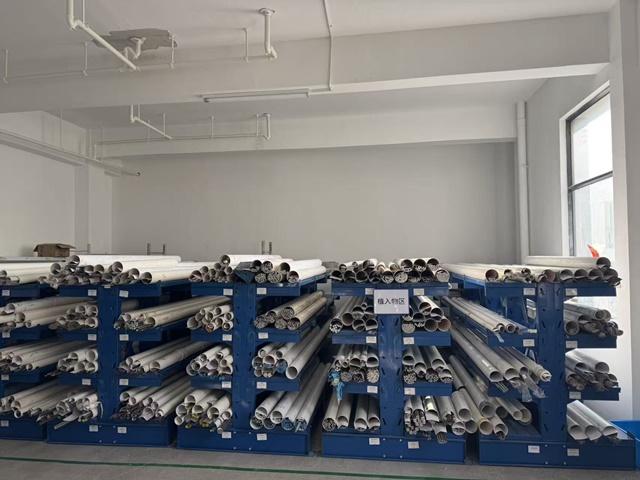
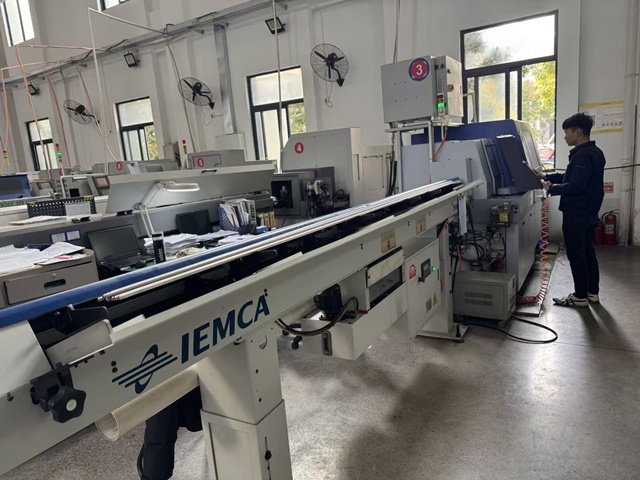
Founded in 2016, Osteora has established itself as an authoritative manufacturer, utilizing Swiss-type CNC lathes and strict quality inspection frameworks to export life-altering medical hardware globally.
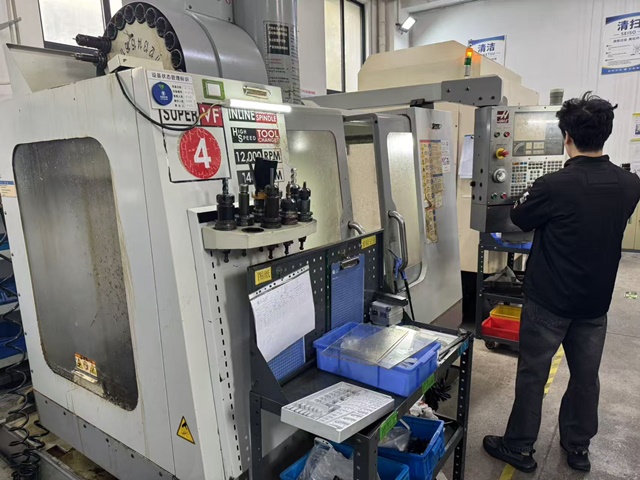
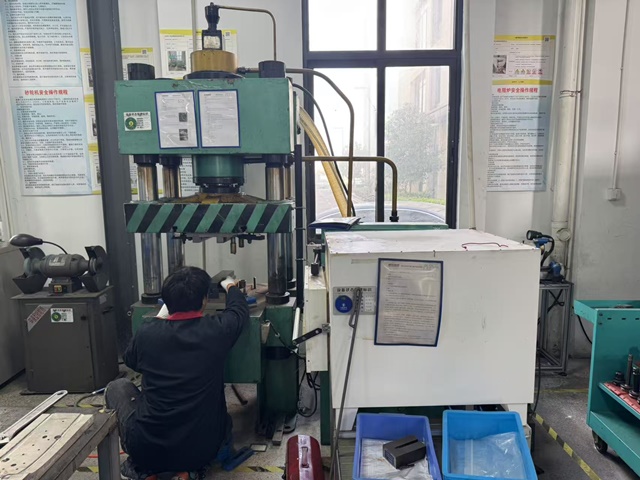
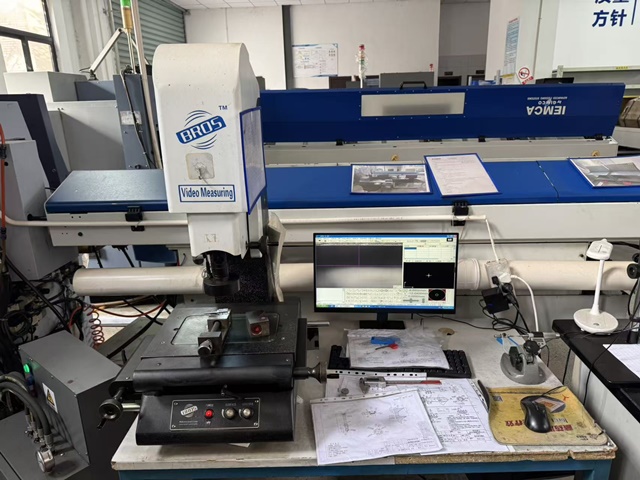
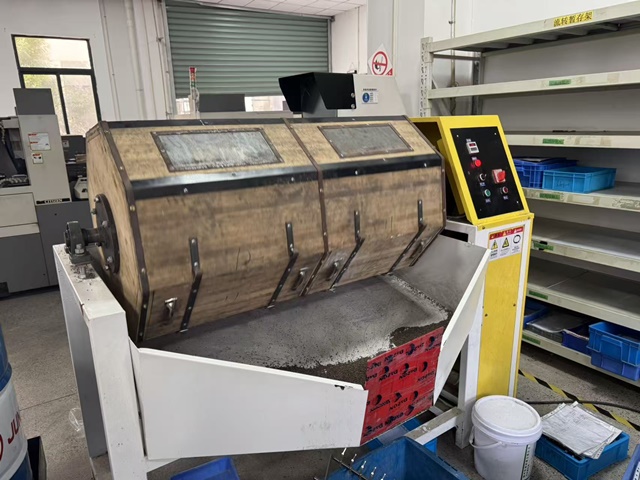
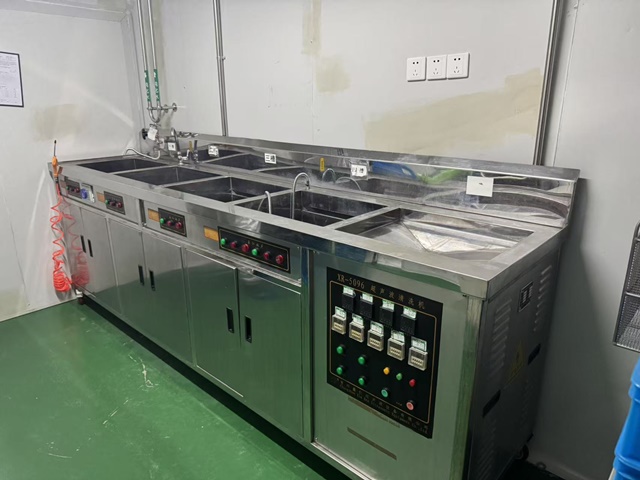
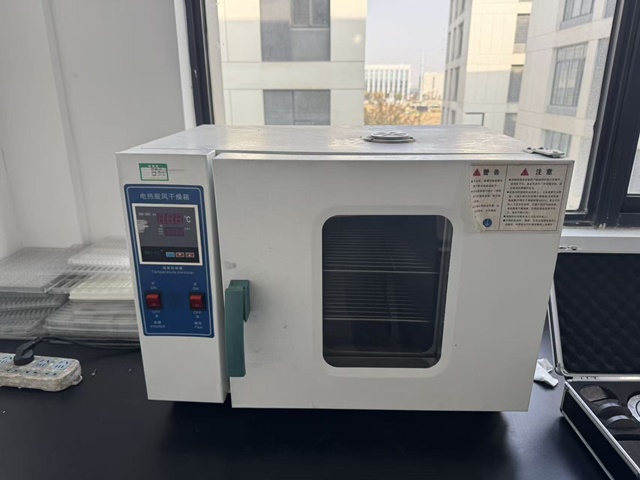
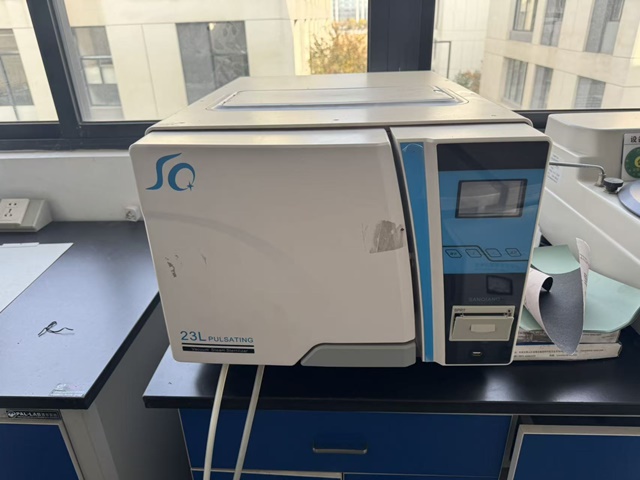
Every orthopedic implant that exits the Osteora facility undergoes strict testing to meet ISO 13485 regulations. From Swiss-type CNC lathes and Haas machining centers to physical fatigue and biocompatibility verification, discover our multi-tier production workflow below:
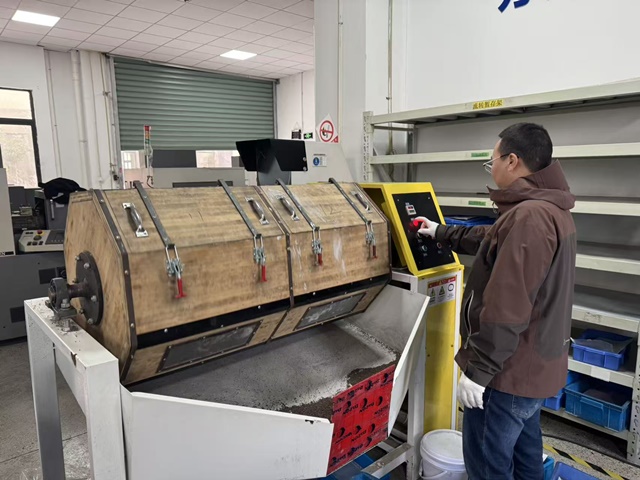
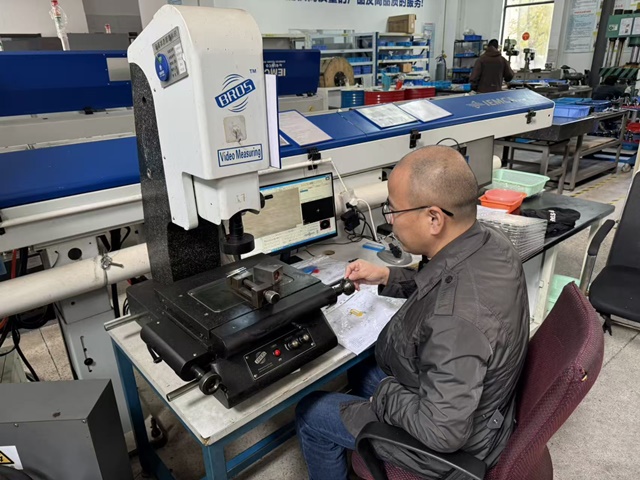
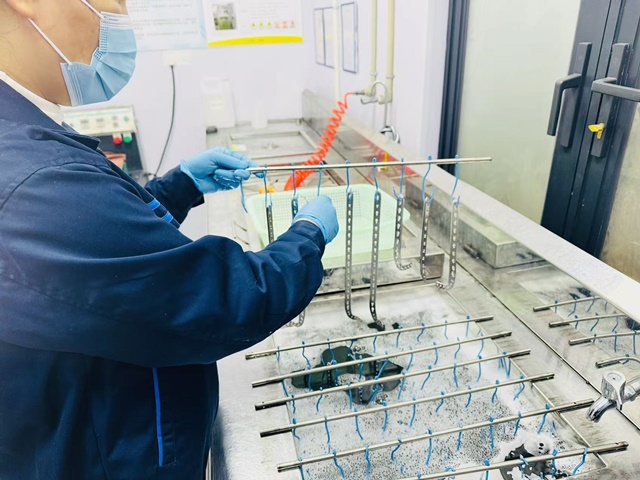
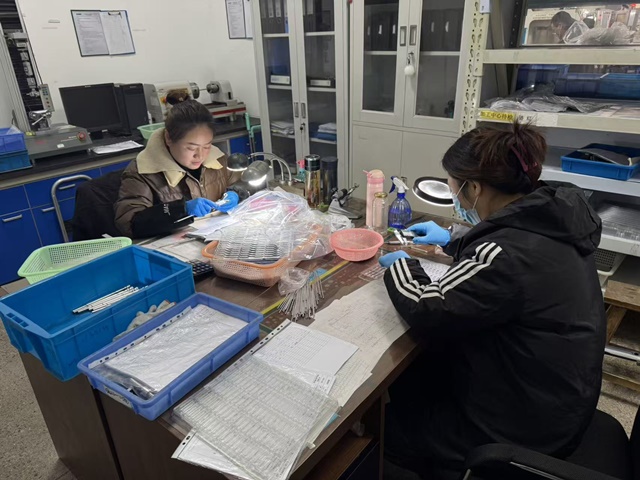
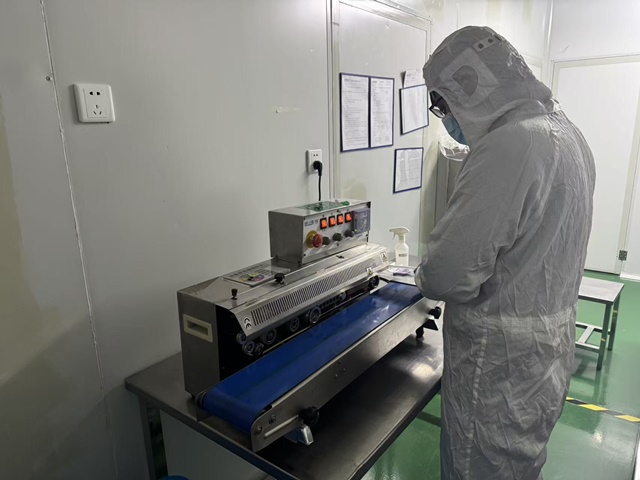
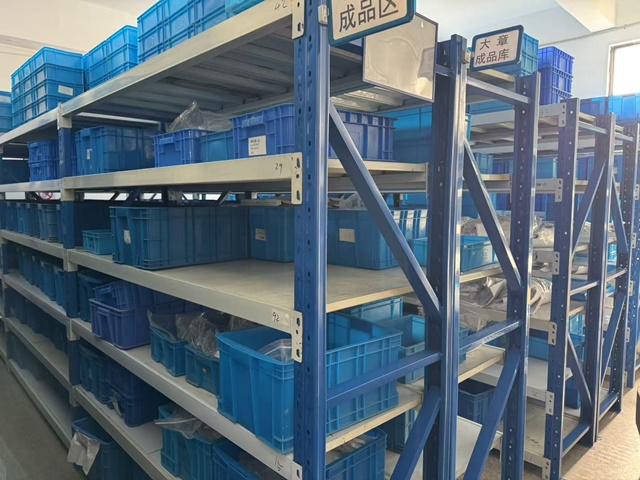
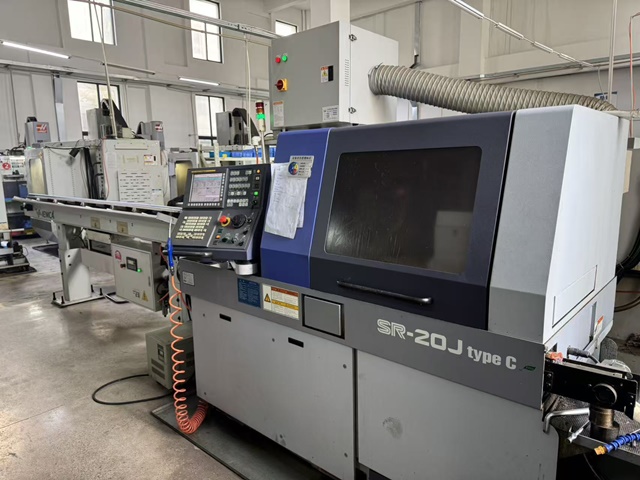
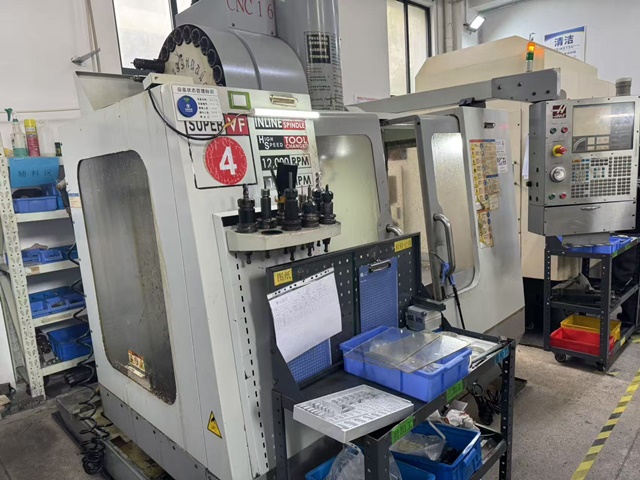
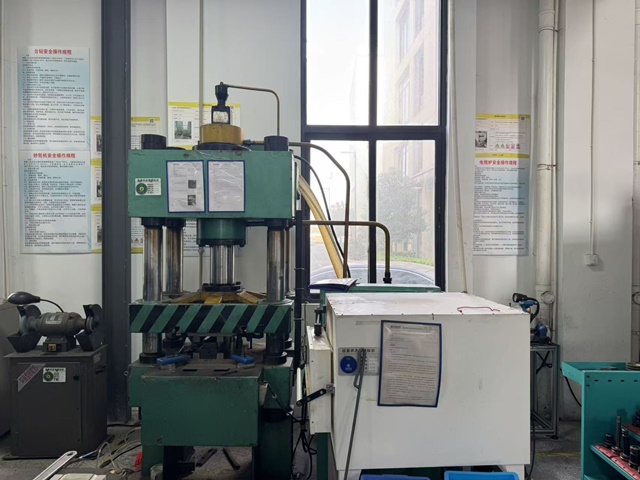
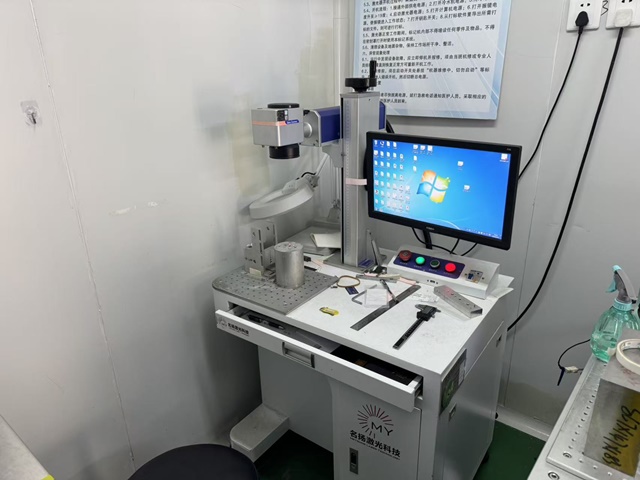
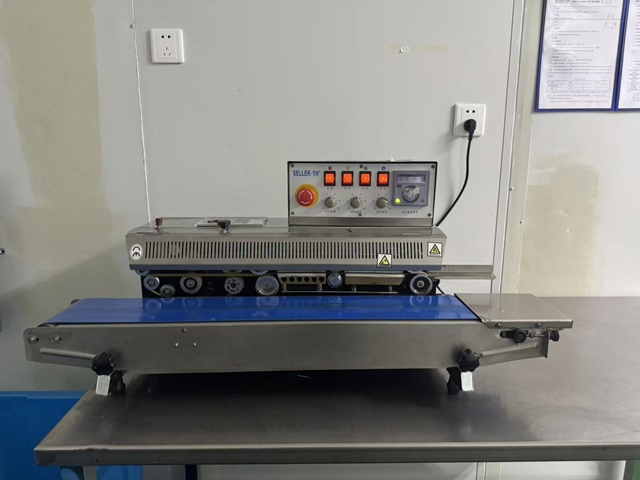
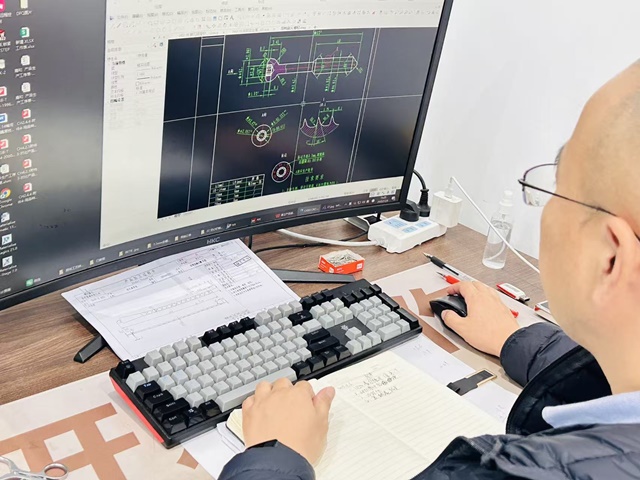
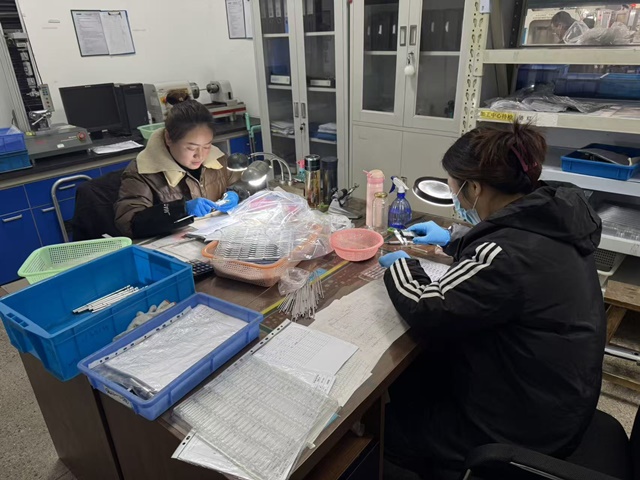
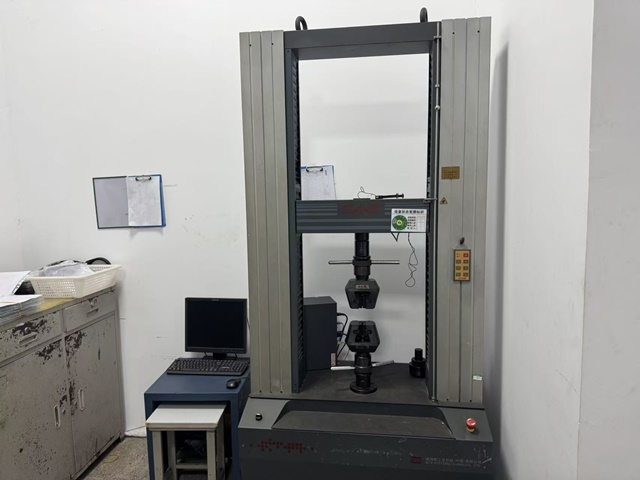
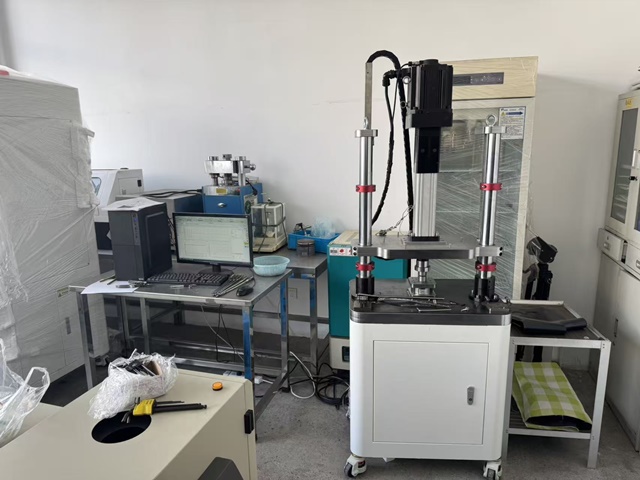
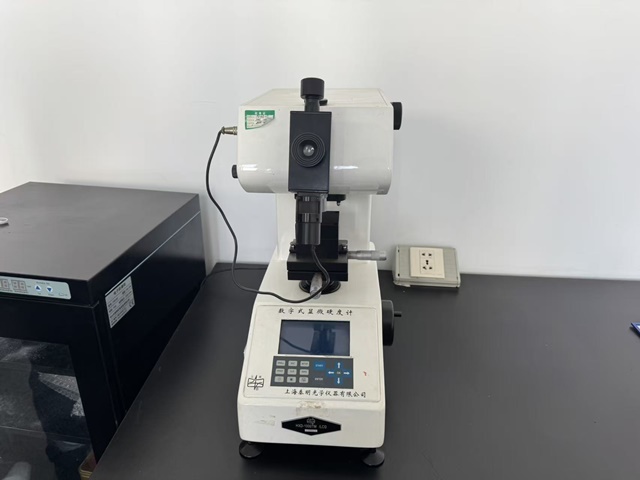
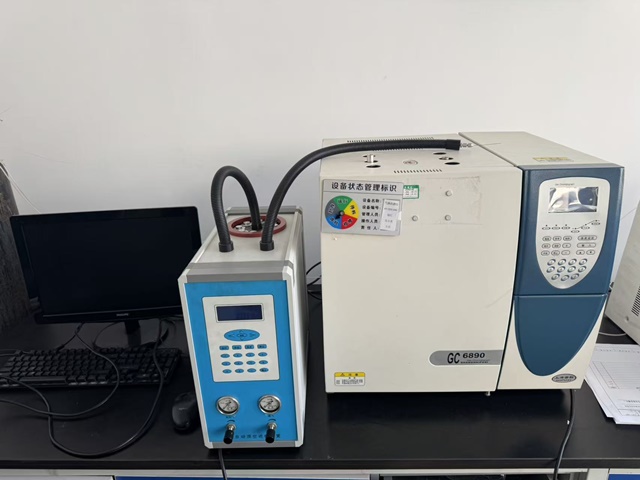
Osteora external fixator frames use Ti-6Al-4V Grade 5 titanium alloy and high-strength 316LVM medical stainless steel. These alloys are chosen for their excellent strength-to-weight ratio and mechanical compatibility with human cortical bone. The low modulus of elasticity of Grade 5 Titanium reduces "stress shielding" around bone pins, promoting secondary healing through natural callus formation.
In addition, the passive oxide film on titanium parts minimizes localized tissue reactivity, dramatically lowering the risk of pin track infections, a key challenge in regional Sub-Saharan clinical centers. The clamps, rods, and pin couplers are engineered with high tolerance margins to ensure stable fixation and prevent structural sliding during patient mobilization.
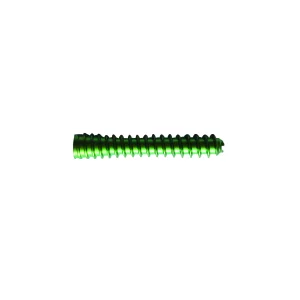
Our fixators feature micro-textured, dual-thread orthopaedic Schanz pins. The self-tapping profile prevents heat generation during insertion, preserving the viability of bone tissue. Anodized surface coatings are applied to color-code components, allowing quick, intuitive assembly during emergency orthopedic surgeries.
| Mechanical Testing Parameter | Standard Target | Osteora Performance Level |
|---|---|---|
| Tensile Strength (Titanium Alloy Gr5) | ≥ 860 MPa | 930 - 975 MPa (Exceptional ductility) |
| Fatigue Limit (Runout at 5 million cycles) | No structural failure | Passes ASTM F136 / ISO 5832-3 protocol |
| Thread Tightening Torque (Schanz Pin) | ≥ 4.5 N·m | Maintains stability up to 6.2 N·m |
| Biocompatibility (Cytotoxicity) | Non-toxic (Grade ≤ 1) | Grade 0 (Highly biocompatible) |
Our engineering lab tests every batch using our Vickers Hardness Tester and Gas Spectrometer to verify the chemical makeup of incoming raw materials before production begins.
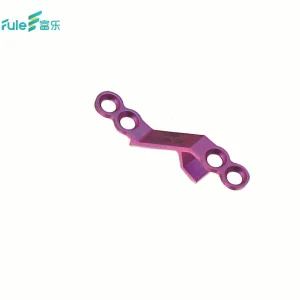
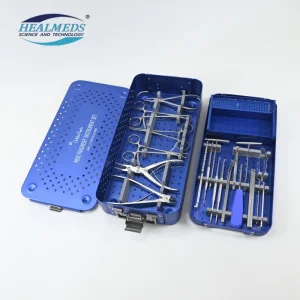
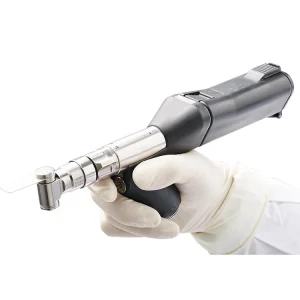
Below is our comprehensive portfolio of CE and ISO-certified implants and power tools, optimized for major medical centers and clinical distribution chains throughout Nigeria.
Navigating the regulatory landscape and medical device shipping protocols in West Africa requires a logistics partner with extensive experience. Osteora supports our Nigerian trading partners through all export phases. Our compliance team coordinates with local regulatory bodies to secure necessary documentation, simplifying local customs clearance at ports in Lagos and Port Harcourt.
We offer full administrative support, providing all documentation for Nigerian NAFDAC (National Agency for Food and Drug Administration and Control) registrations and SONCAP (Standards Organisation of Nigeria Conformity Assessment Programme) certification. This reduces transit and customs clearance delays, keeping your facility's inventory running smoothly.
With an 85-member R&D engineering department, Osteora offers customization services tailored to the requirements of the West African medical market:
Find quick answers regarding our clinical standards, material certifications, logistics support, and custom manufacturing solutions for the Nigerian market.
Partner with Osteora Medical Devices Co., Ltd. for direct factory supply lines, certified quality standards, and dedicated regulatory support tailored to the Nigerian market.
Send Inquiry Now