 Osteora
Osteora
Osteora
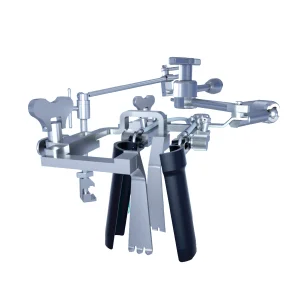
High-precision external fixation sets optimized for emergent surgical care in Saudi trauma clinics.
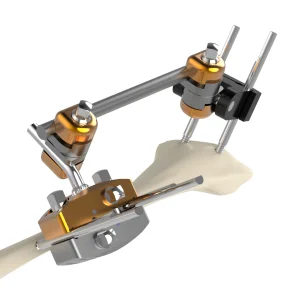
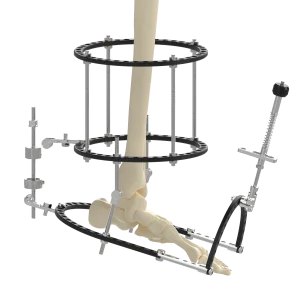
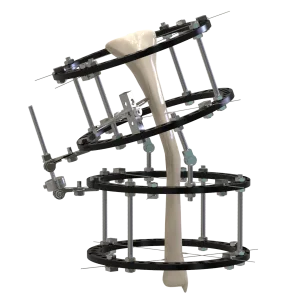
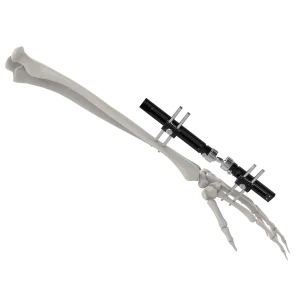
Under the framework of the Saudi National Vision 2030, the Kingdom’s healthcare infrastructure is shifting toward localized quality assurance, enhanced emergency medicine, and state-of-the-art trauma centers. Severe orthopedic trauma resulting from industrial development projects (such as NEOM, Red Sea, and Qiddiya) and complex transit road accidents requires fast, modular, and biomechanically stable external fixation solutions.
In Saudi Arabia, orthopedic surgeons and public hospitals managed by the Ministry of Health (MOH) and National Guard Health Affairs (NGHA) demand surgical instruments that minimize operation room time while ensuring exceptional post-operative stability. External fixation remains the primary choice for damage control orthopedics (DCO), temporarily stabilizing high-energy fractures before definitive open reduction and internal fixation (ORIF) can be safely executed.
How Osteora's advanced manufacturing techniques address the clinical challenges of complex compound fractures.
Utilizing Titanium Alloy (Ti-6Al-4V ELI) and Carbon Fiber rods to deliver optimal strength-to-weight ratios. The high radiolucency of carbon fiber allows surgeons to clearly monitor fracture healing under intraoperative fluoroscopy.
Modular snap-on couplers allow quick assembly and intraoperative adjustments. The biomechanics prevent stress shielding and encourage progressive micro-motion that accelerates natural callus formation.
Specially passivated finishes protect against aggressive cleaning agents. Designed to withstand repetitive autoclave cycles without degrading the mechanical properties or physical markings of the tools.
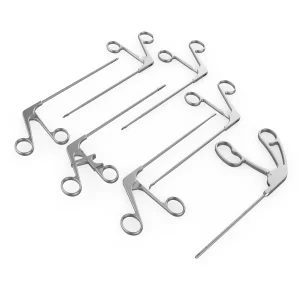
Expanding treatment scope from complex tibial deformities to arthroscopic knee & shoulder interventions.
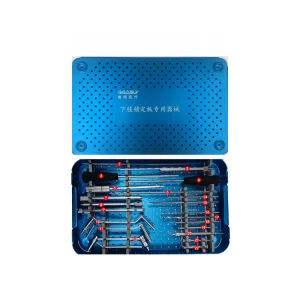
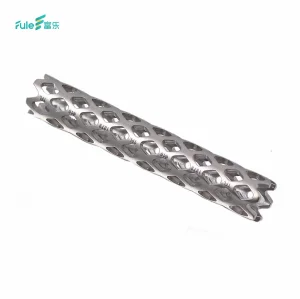
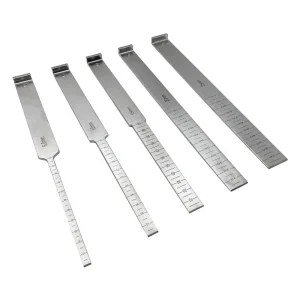
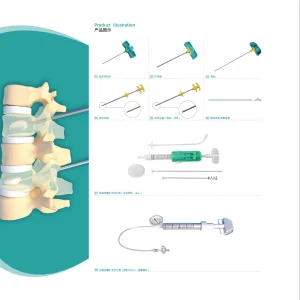
From raw medical-grade materials to calibrated mechanical stress testing: how we assure compliance with international standards.
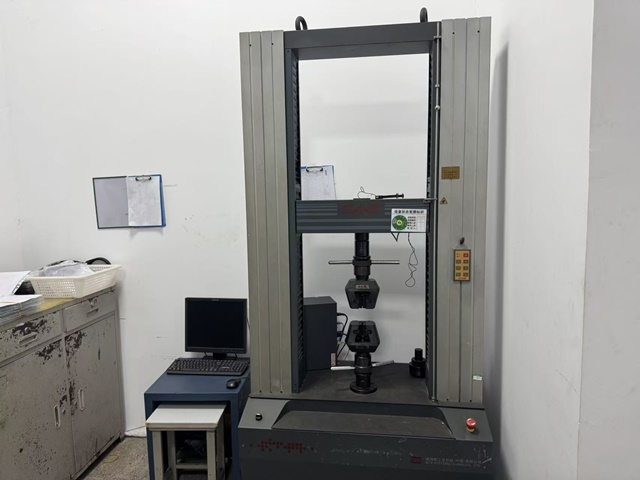
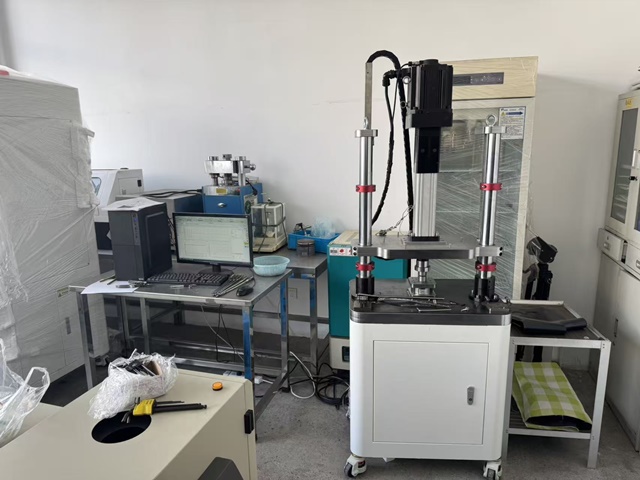
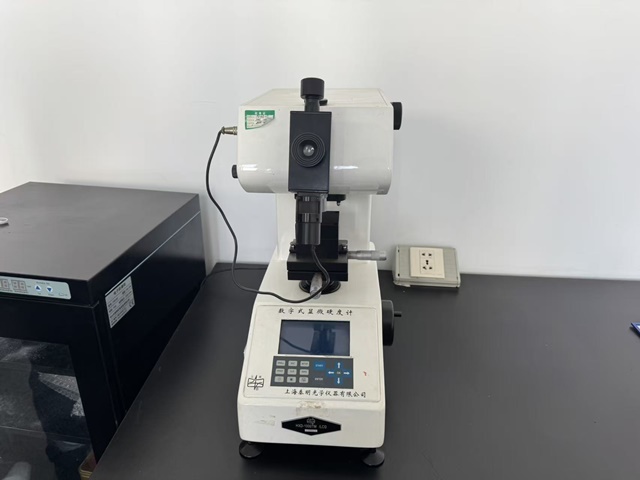
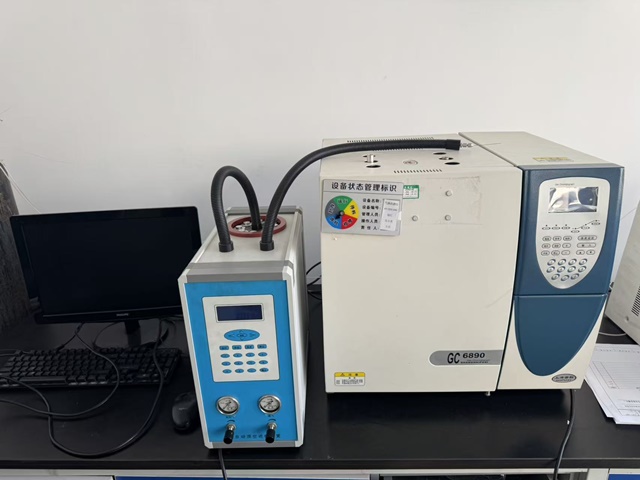
At Osteora Medical Devices Co., Ltd., we recognize that orthopedic implants demand zero-failure performance. Our integrated 18,500㎡ production floor implements a rigid quality assurance architecture including ISO 13485 compliance, in-process inspection, and final random sampling testing. Every single external fixator is verified for precise thread configurations, clamping force, and structural fatigue tolerance. Below is a comprehensive overview of our machinery, processing workflows, and laboratory diagnostic systems:
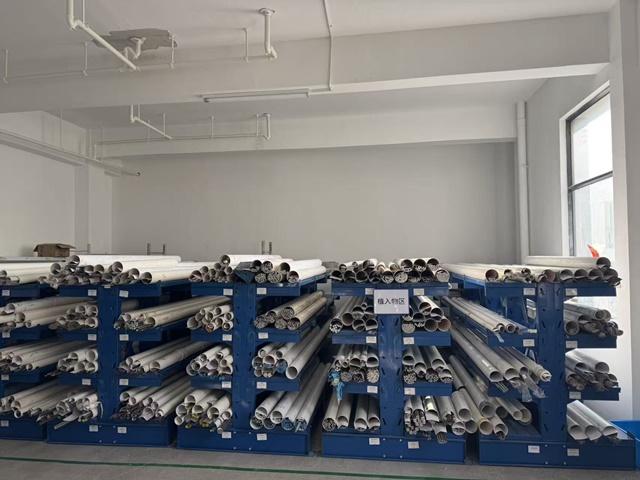
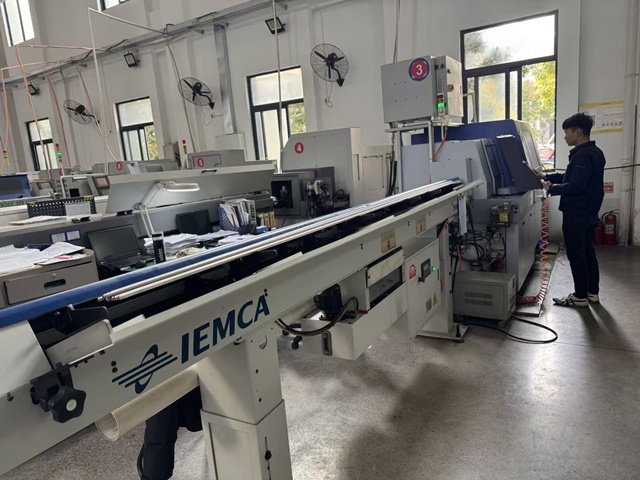
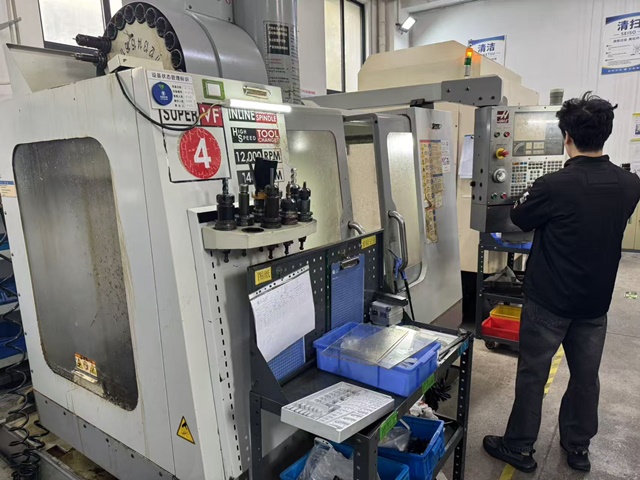
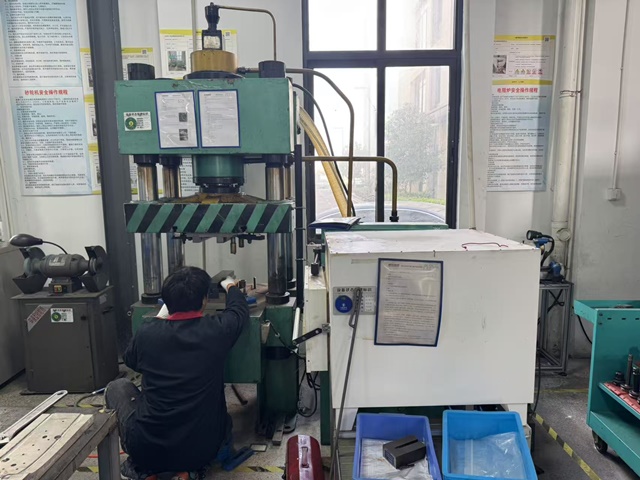
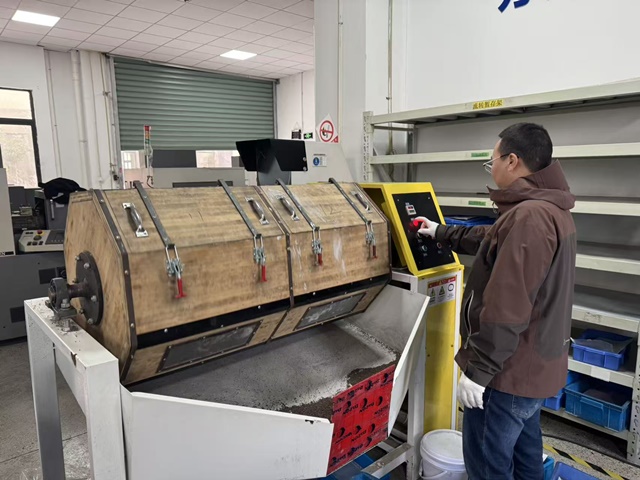
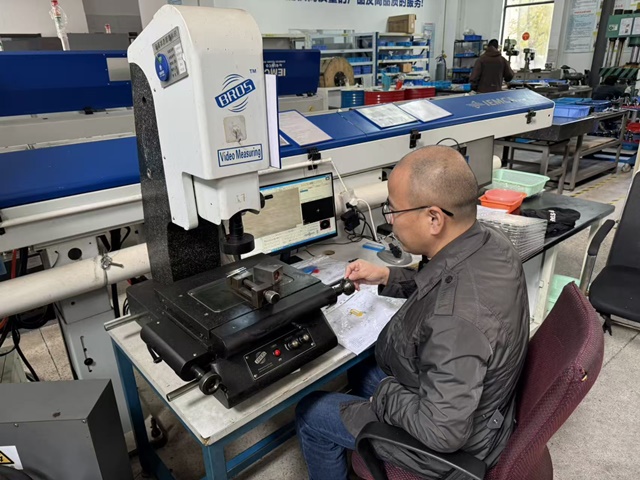
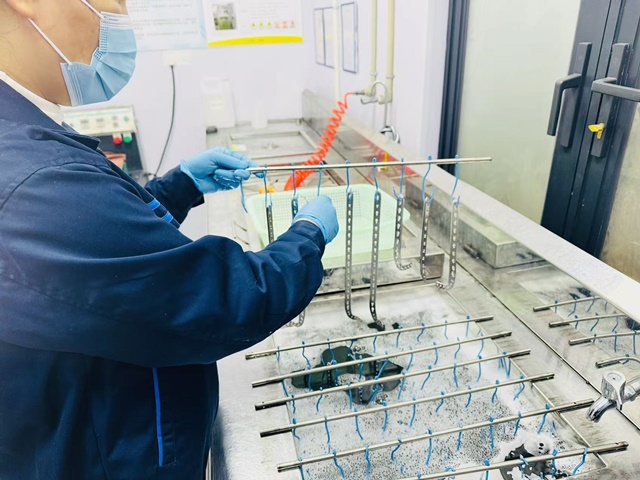
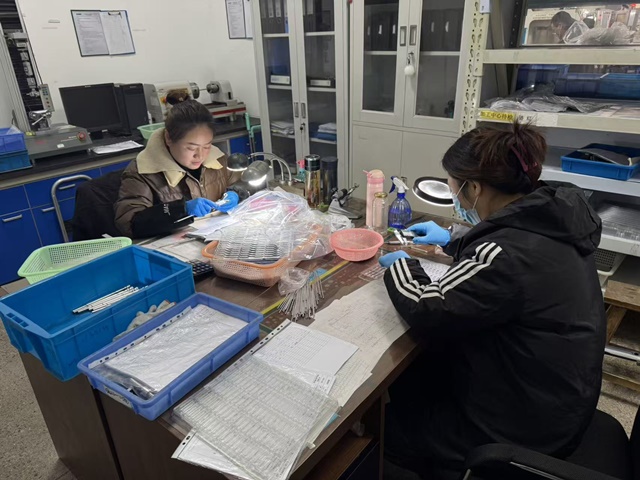
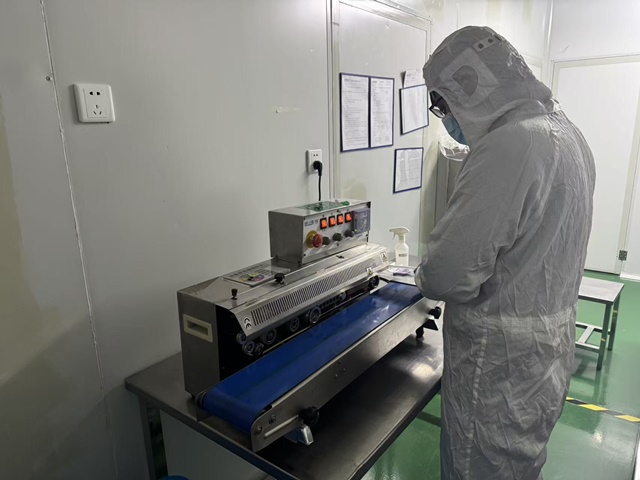
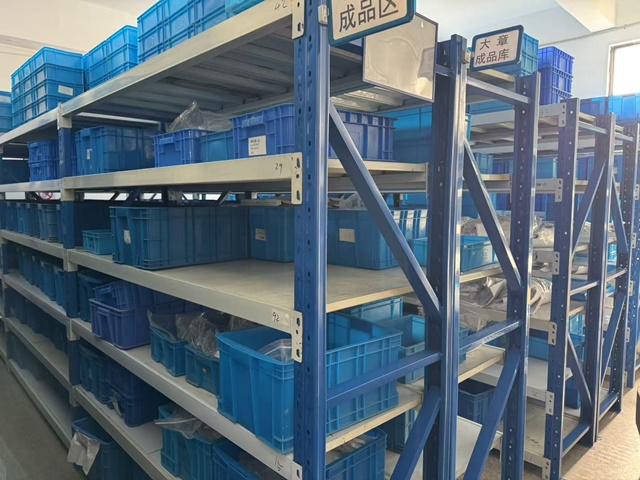
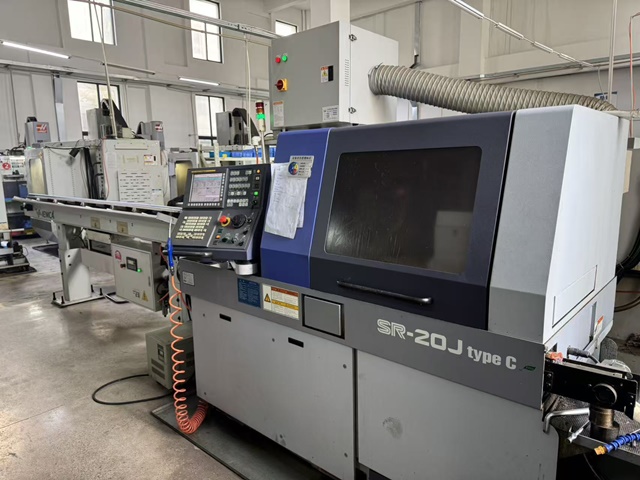
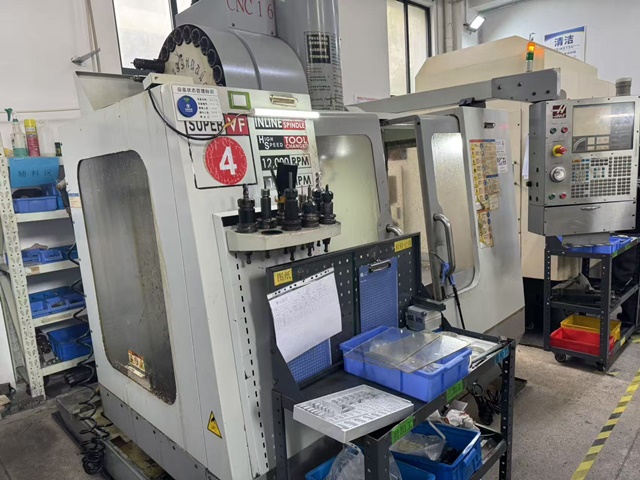
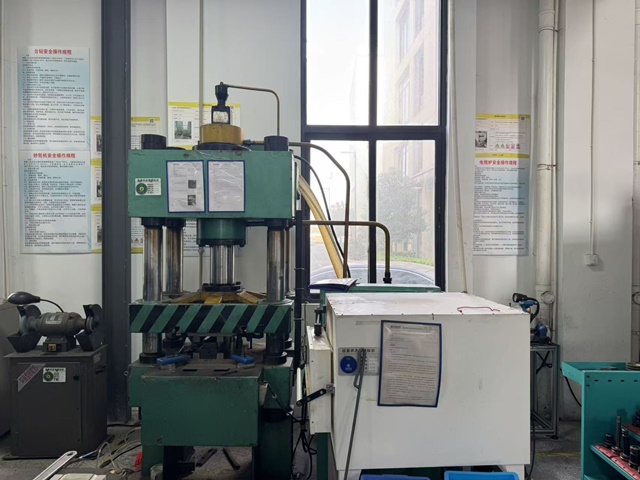
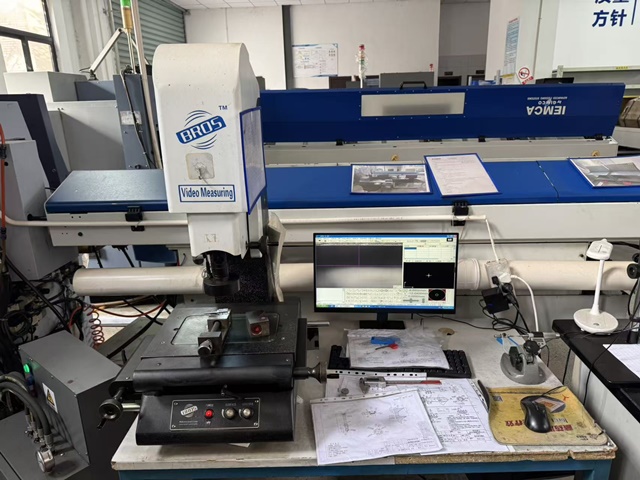
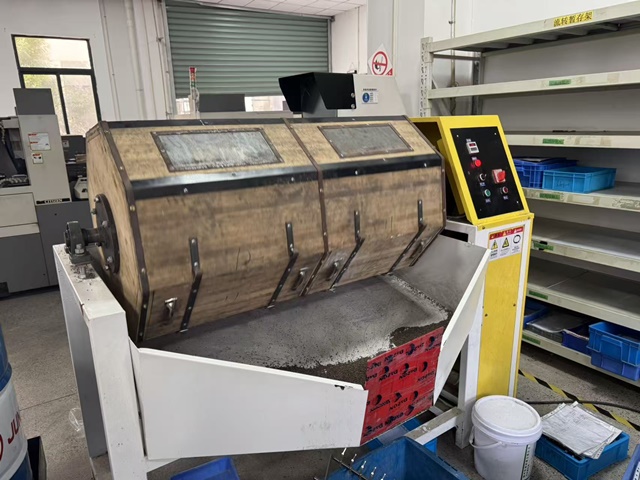
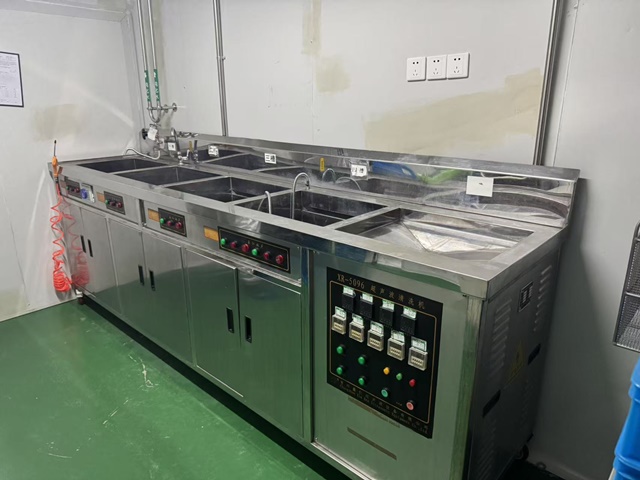
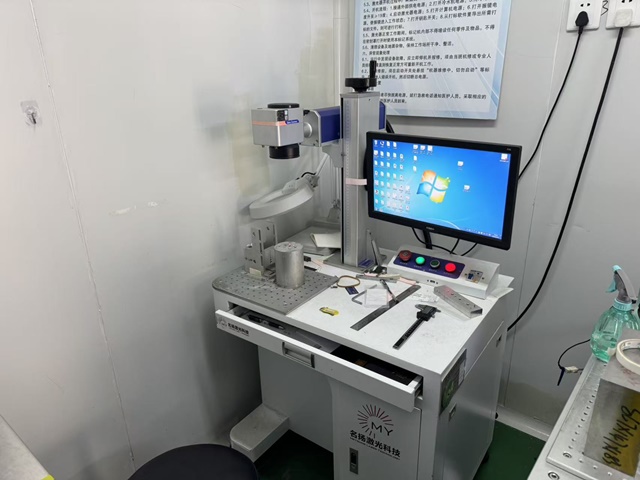
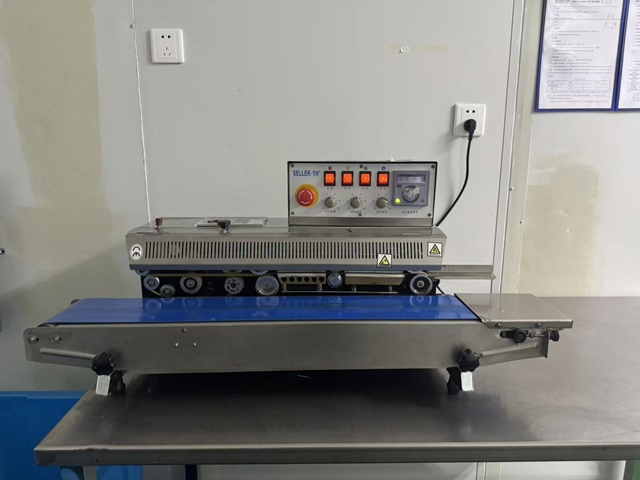
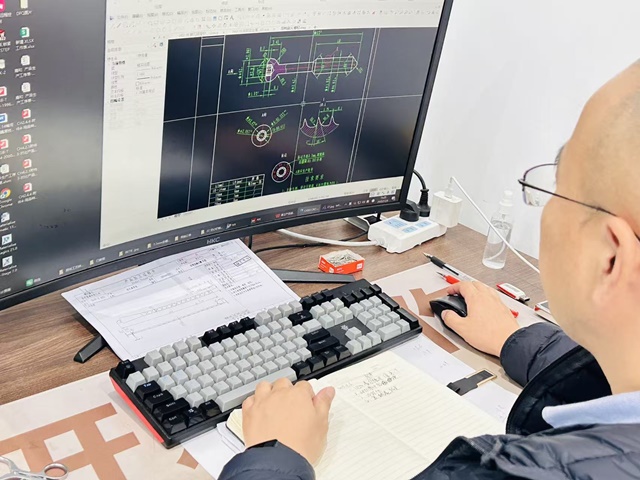
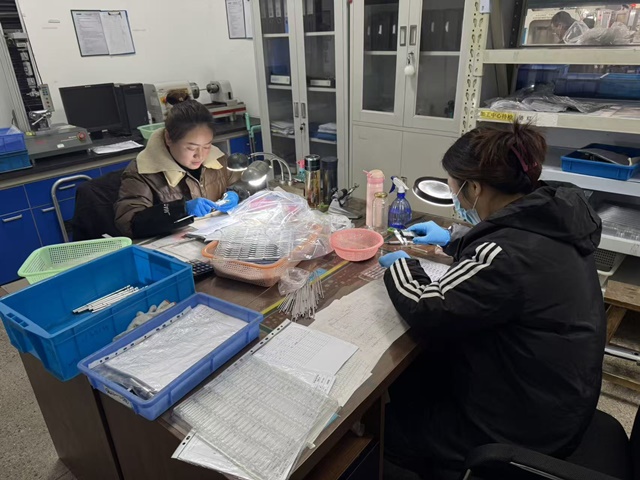
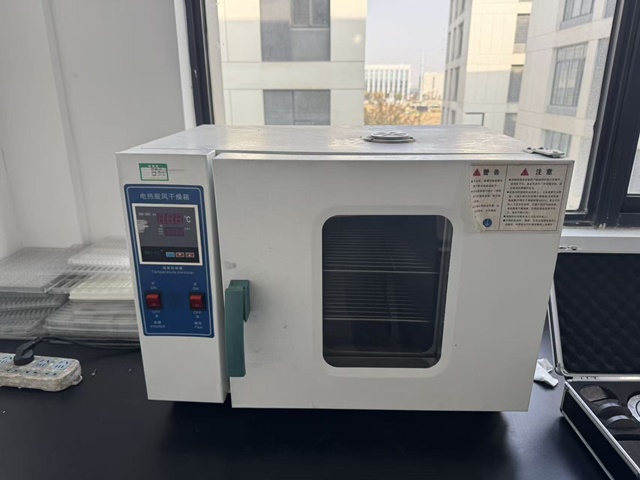
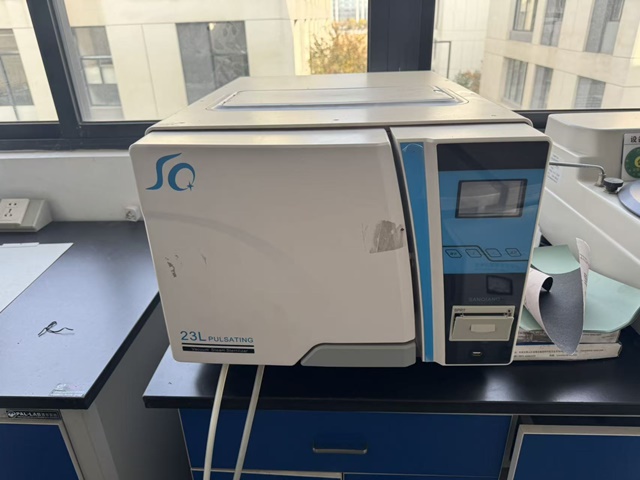
Navigating medical supply chains in the Middle East requires operational agility. With 8 years of dedicated export experience and a network of 1,200 certified upstream and downstream partners, Osteora guarantees stable deliveries to major hubs in Riyadh, Dammam, and Jeddah. Our annual export volume ranges between USD 6 million and 14 million, serving leading distributors and surgical centers.
We provide full documentation, including biocompatibility reports, certificate of origins, and packing lists to support fast customs clearance under the Saudi SABRE system. Furthermore, our engineering department offers extensive customization: from bespoke clinical tray configurations to pediatric-sized fixation clamps.
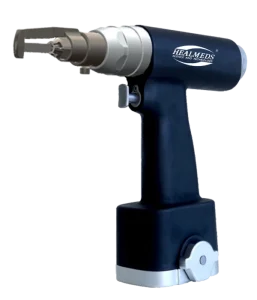
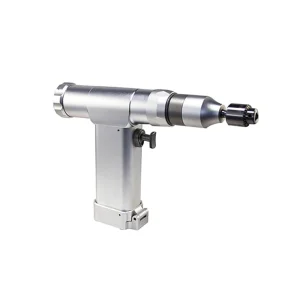
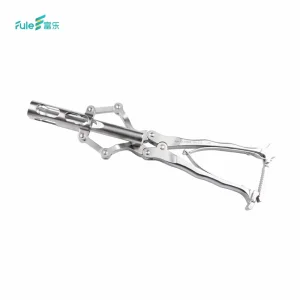
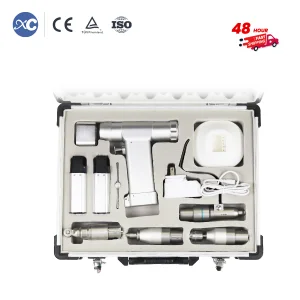
Medical-grade electric saws, spine instrumentation kits, and trauma devices engineered for specialized clinical demands.
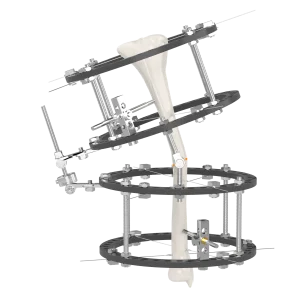
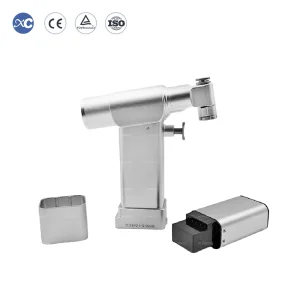
Key information regarding regulations, SFDA clearance, and material validation for Saudi medical procurement managers.
We provide our regional distributors in Riyadh and Jeddah with comprehensive technical files, including CE Class III certificates, ISO 13485 certification, biocompatibility verification reports (ISO 10993), and mechanical fatigue test results. This extensive data accelerates the Medical Devices Marketing Authorization (MDMA) processes through the Saudi Food and Drug Authority.
Our trauma external fixator rods are manufactured using Medical Grade 5 Titanium alloy (Ti-6Al-4V ELI) and carbon fiber composite materials. The pins and connections are precision-machined from high-strength surgical stainless steel (316LVM) to avoid tissue rejection and guarantee rigid construct stability under weight-bearing stresses.
Yes, our in-house engineering group consisting of 85 R&D specialists designs custom sizes, clamp layouts, and custom modular trays. These OEM/ODM solutions are tailored to local patient demographics and meet specific surgical preferences of clinical orthopedic centers.
Standard manufacturing and logistics dispatch cycles range from 20 to 35 days, depending on custom packaging specifications. All shipments are accompanied by SABRE platform conformity certificates to ensure immediate clearance upon arrival at Saudi sea and airports.
Every batch undergoes testing in our testing laboratory using dynamic biomechanical testers and Vickers hardness instruments. Our team of 42 QC inspectors subjects random samples to cyclic load testing, mimicking long-term physiological stress profiles to guarantee clinical reliability.
Get in touch with our commercial engineers today to request technical catalogues, pricing lists, or SFDA registration files.