Osteora
Osteora
Osteora
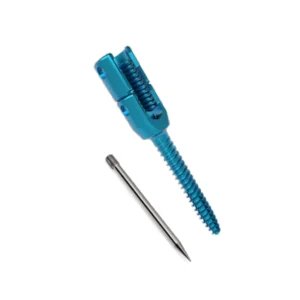
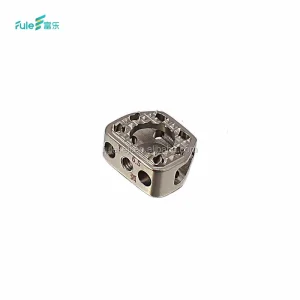
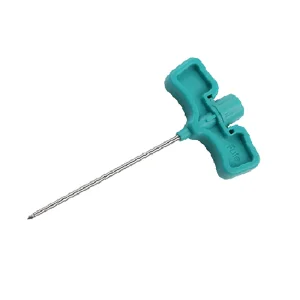
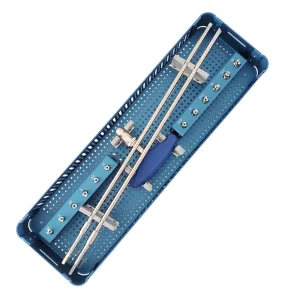
Explore our primary selection of orthopedic reconstruction systems, spinal fixation elements, and high-performance instruments designed for modern clinical applications.
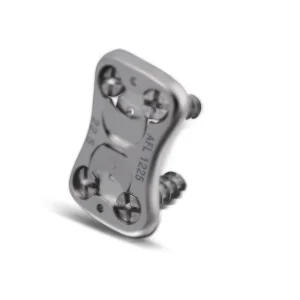
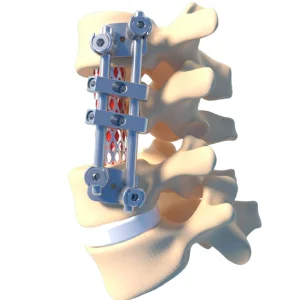
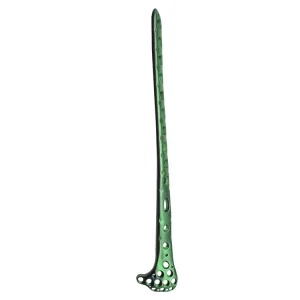
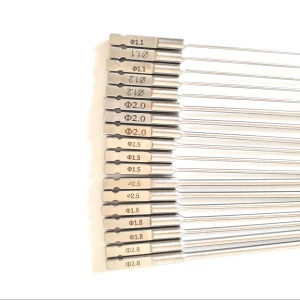
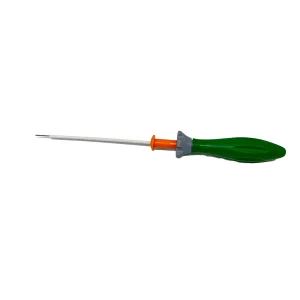
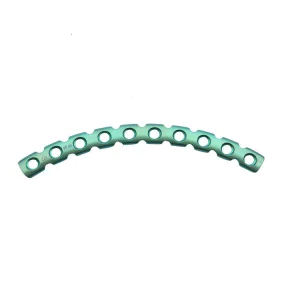
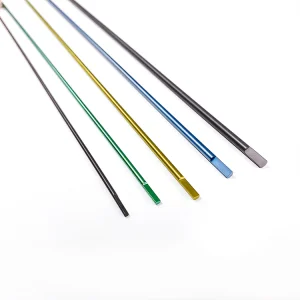
Osteora Medical Devices Co., Ltd. is a leading professional orthopedic implant and surgical solution manufacturer specializing in trauma, spine, and joint reconstruction systems under the brand Osteora.
Founded in 2016, the company has developed a strong reputation in the global orthopedic industry through continuous innovation and strict quality control standards. The facility covers an area of approximately 18,500㎡, supporting integrated production, assembly, and testing operations.
With 8 years of export experience and 12 years of industry expertise, Osteora has established stable cooperation with international distributors and hospitals across multiple regions. Annual export revenue ranges from USD 6 million to 14 million, reflecting steady global market growth.
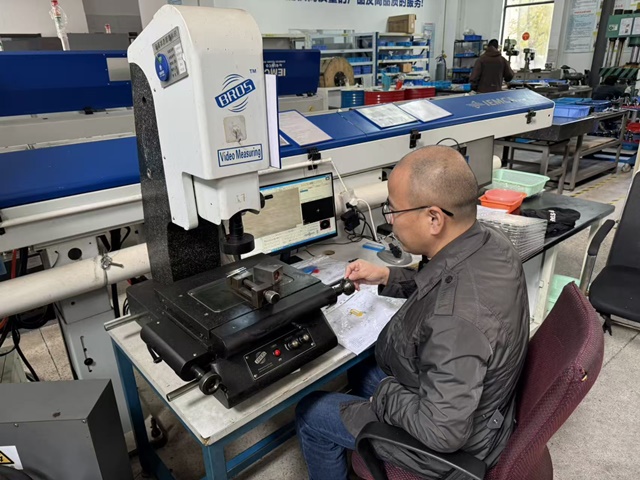
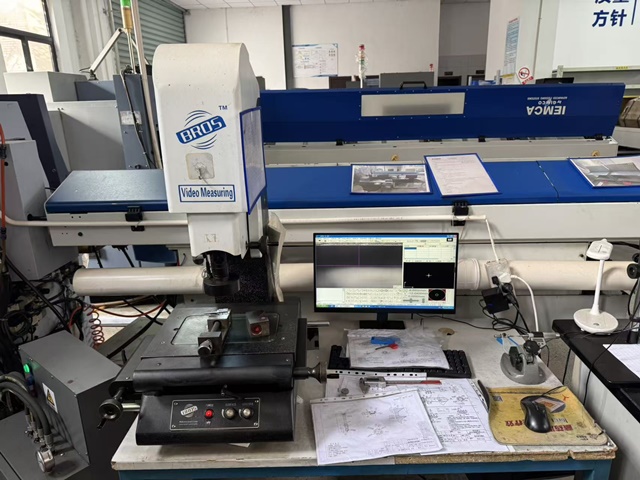
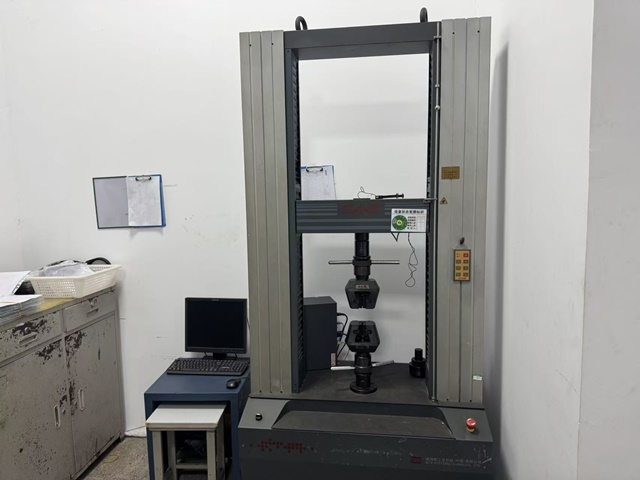
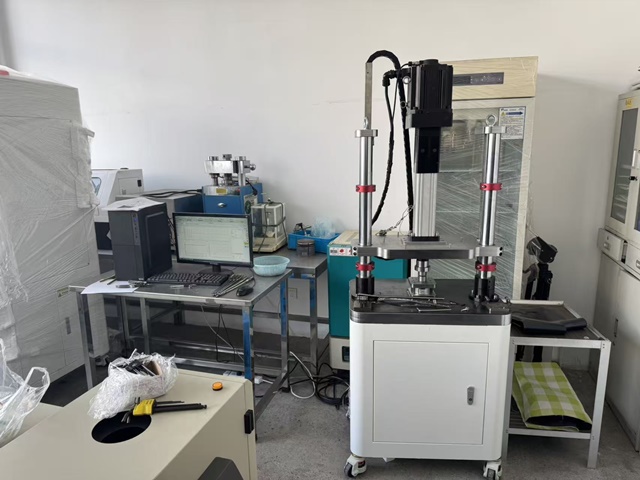
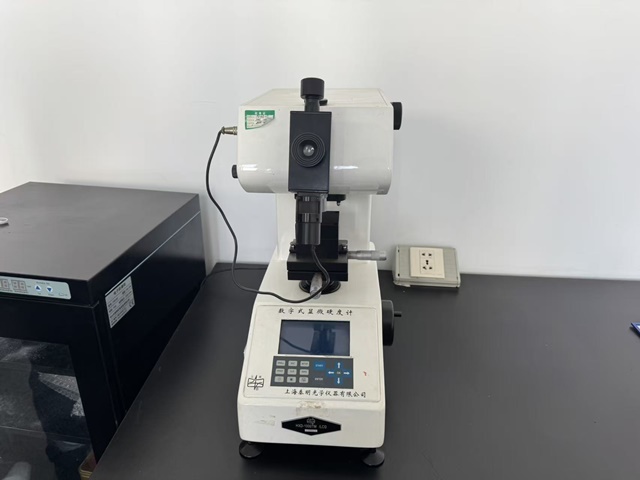
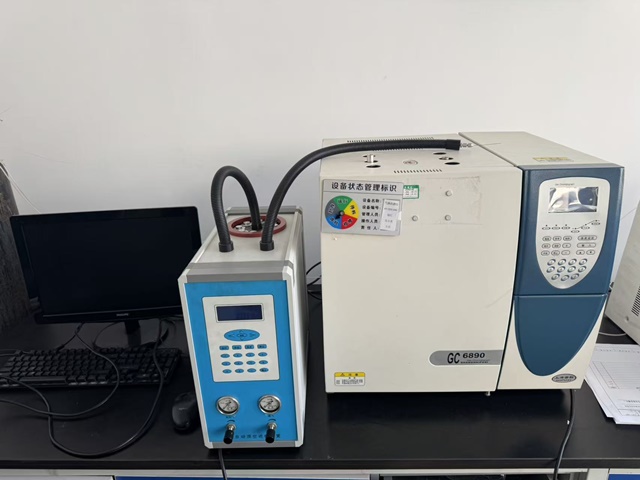
Osteora implements comprehensive quality assurance systems, including ISO 13485 compliance, in-process inspection, and final random sampling testing. Product inspection methods include dimensional measurement, mechanical fatigue testing, and biocompatibility validation.
Total Shoulder Arthroplasty (TSA) has evolved dramatically from early hemiarthroplasty configurations to high-performance anatomical and reverse shoulder reconstruction designs. As the clinical demand for active, long-lasting implants increases, the industry is witnessing a structural shift toward biomaterial engineering, stemless designs, and personalized patient geometries.
Anatomical designs replicate native shoulder biomechanics, relying on a functional rotator cuff. In contrast, Reverse Shoulder Arthroplasty (RSA) shifts the center of rotation medially and inferiorly, allowing the deltoid muscle to compensate for rotator cuff deficiencies. Our manufacturing platforms accommodate both systems with modular, patient-specific humeral and glenosphere matching.
Modern shoulder stems utilize high-strength titanium alloys (Ti-6Al-4V ELI) and highly cross-linked ultra-high-molecular-weight polyethylene (HXLPE) to minimize articular wear. Osteora is integrating 3D-printed porous trabecular titanium surfaces to accelerate osseointegration and provide immediate mechanical stability without bone cement.
Stemless shoulder implants represent the next clinical milestone. By preserving humeral bone stock and centering fixation in the metaphyseal bone, stemless configurations facilitate less invasive procedures, simplify potential revision surgeries, and reduce postoperative pain by avoiding intramedullary violations.
Global healthcare providers face double pressure: rising patient volume for joint arthroplasties and stricter budgetary constraints. Osteora bridges the gap by manufacturing high-durability total shoulder implants that lower hospital procurement costs while maintaining strict clinical equivalence to tier-one brand products.
| Parameters | Anatomical Shoulder | Reverse Shoulder (RSA) |
|---|---|---|
| Primary Indication | Osteoarthritis with intact cuff | Cuff tear arthropathy, severe fractures |
| Biomechanical Driver | Anatomical joint rotation center | Deltoid-powered medialized rotation |
| Humeral Stem Types | Standard stem, short stem, stemless | Standard stem, custom modular stem |
| Glenosphere Lateralization | N/A | 0mm, +2mm, +4mm lateralized configurations |
| Fixation Mechanism | Press-fit or cemented options | Central peg, locking screws for baseplate |
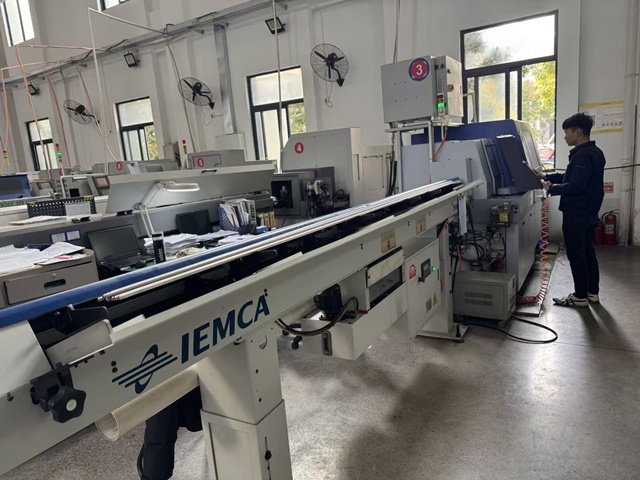
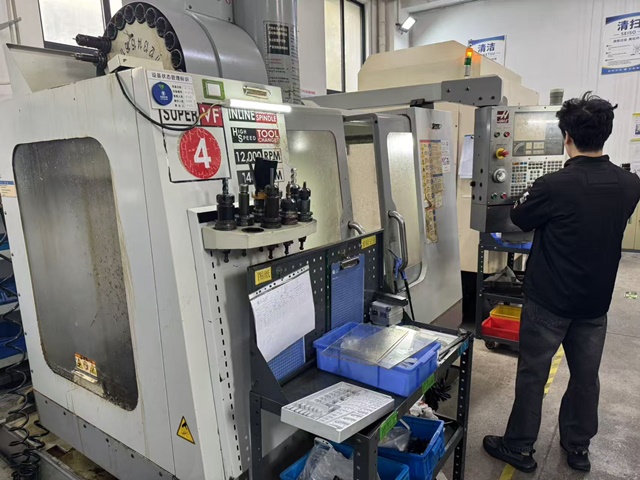
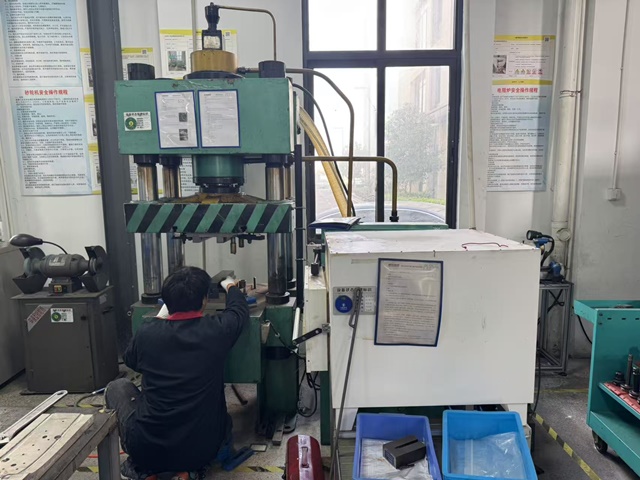
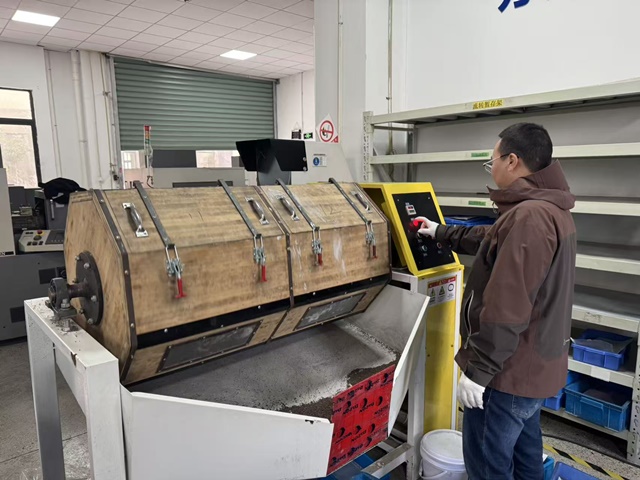
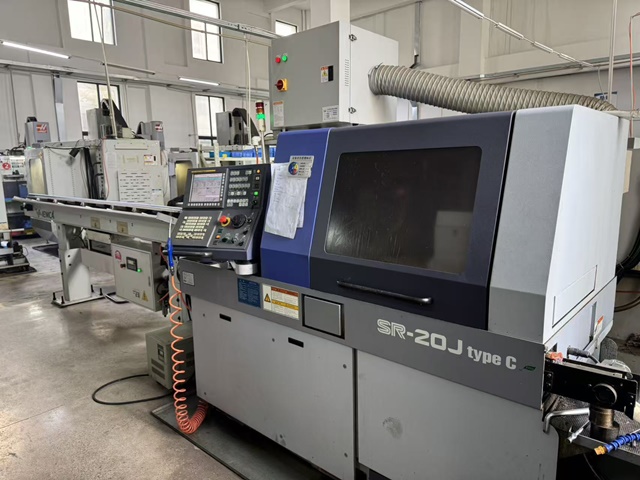
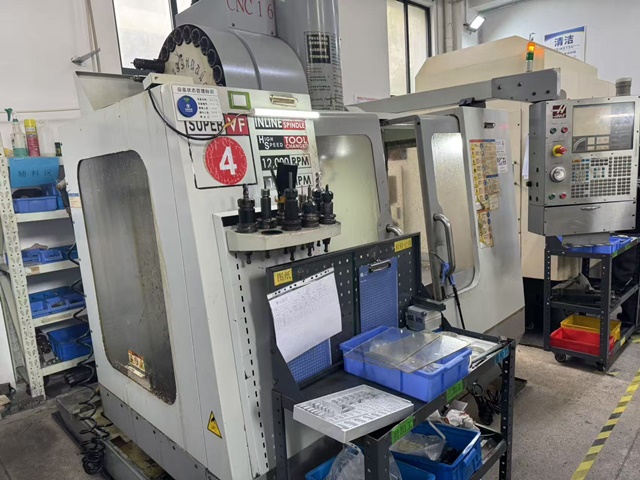
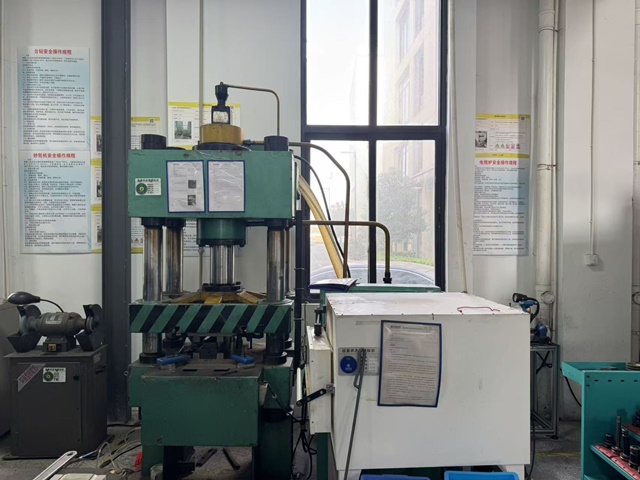
Operating from our state-of-the-art 18,500㎡ facility, Osteora leverages advanced manufacturing automation to execute micro-precision machining. Our production lines feature high-precision Swiss-type lathes, HAAS CNC machinery, automated cleaning stations, and advanced testing setups to achieve zero-defect quality levels.
Through multi-axis Swiss CNC milling and lathe equipment, we machine complex orthopedic geometries out of medical-grade titanium and cobalt-chrome alloys with tolerance limits restricted to <0.005mm.
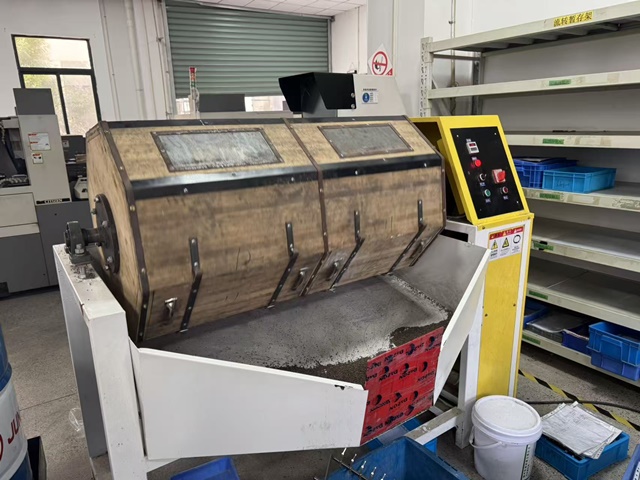
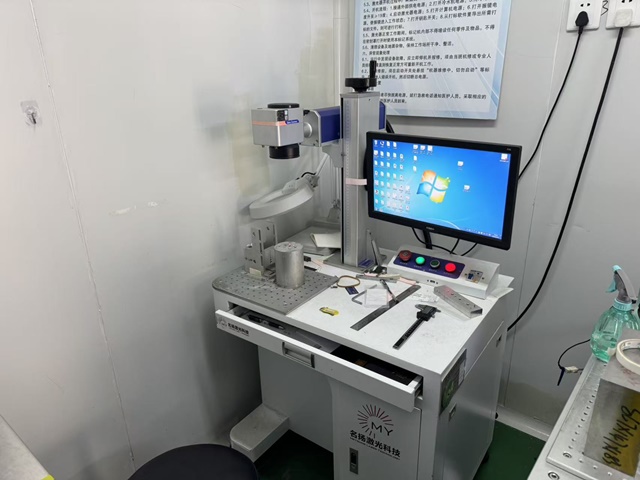
Our finishing department specializes in robotic polishing and precise chemical etching to create smooth articulating surfaces, paired with laser marking machines to ensure 100% component traceability.
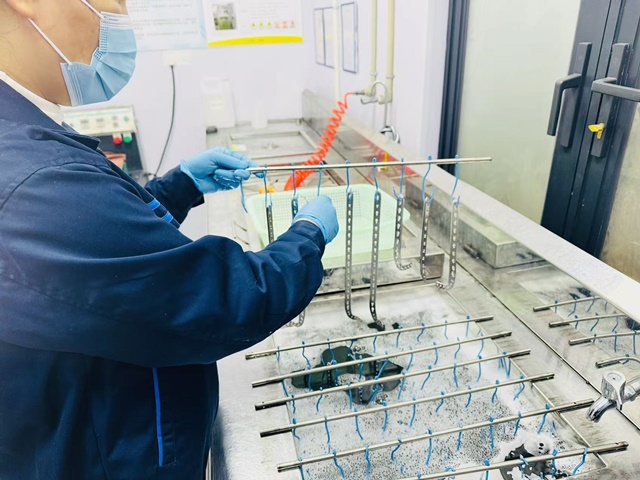
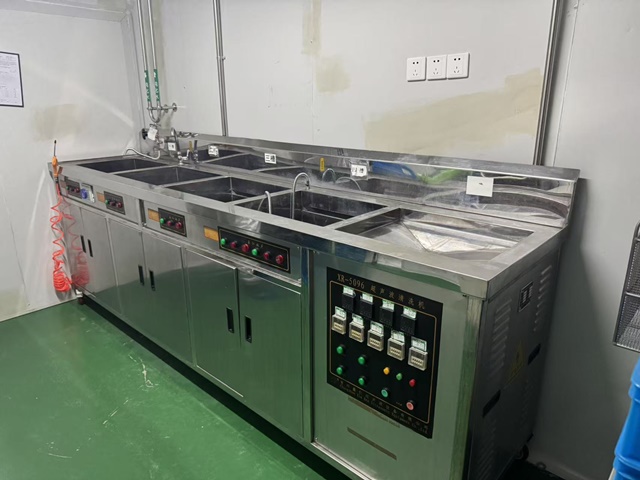
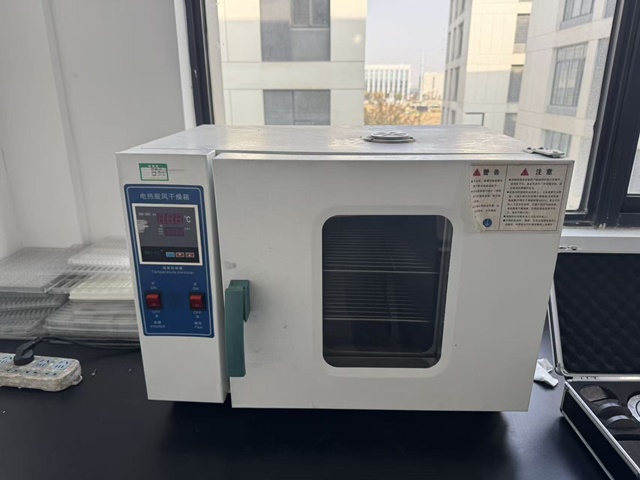
Implants undergo multi-stage ultrasonic washing and drying inside controlled environments, reducing particulate contamination risks to levels well below international regulatory minimums.
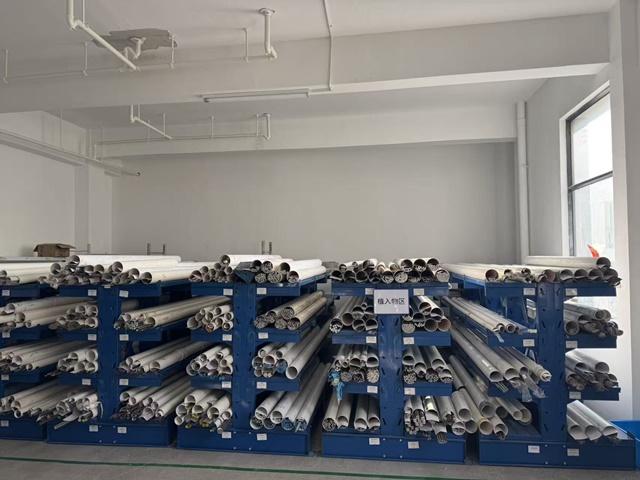
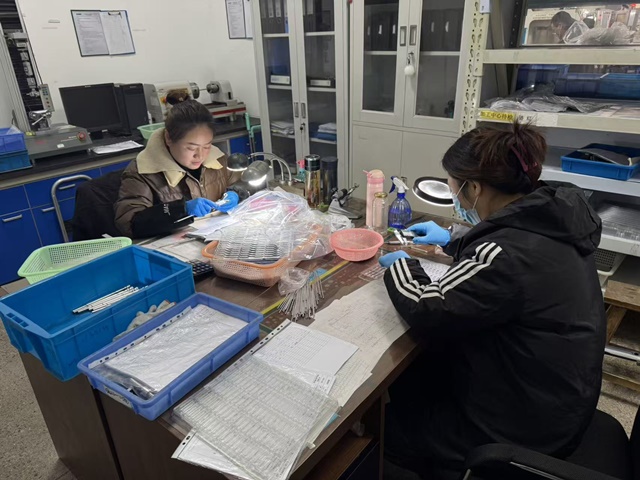
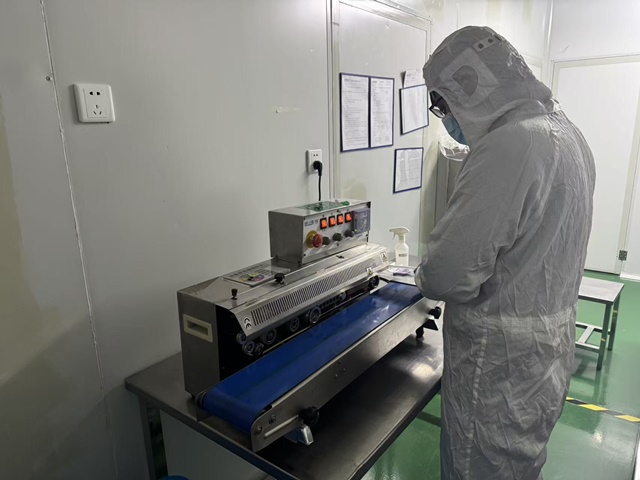
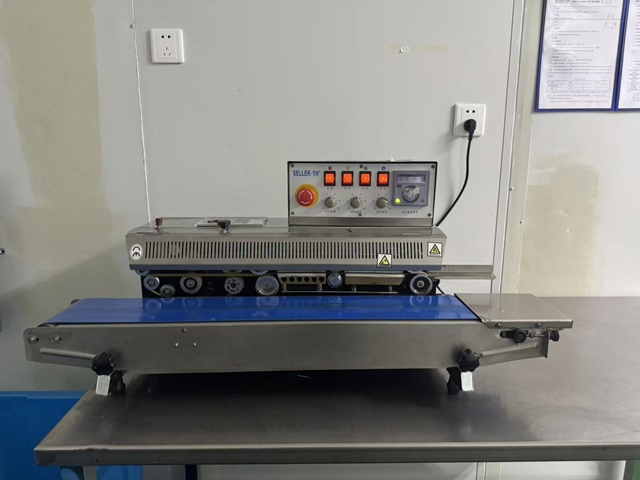
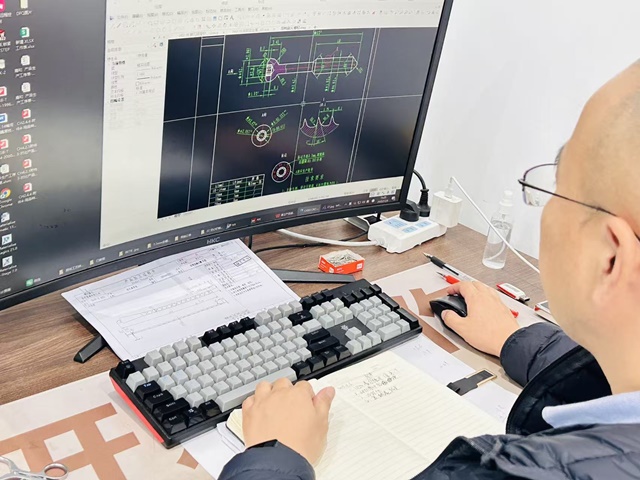
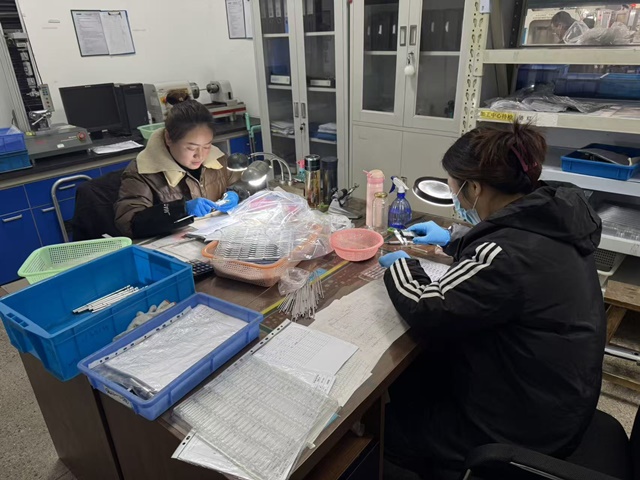
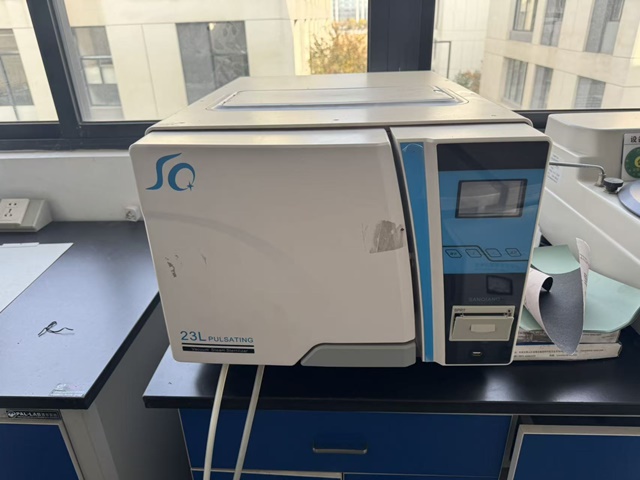
Every step of the Osteora manufacturing loop is carefully monitored. Below is a comprehensive look at our verified raw material stocking, production lines, processing machinery, and strict validation laboratory facilities.
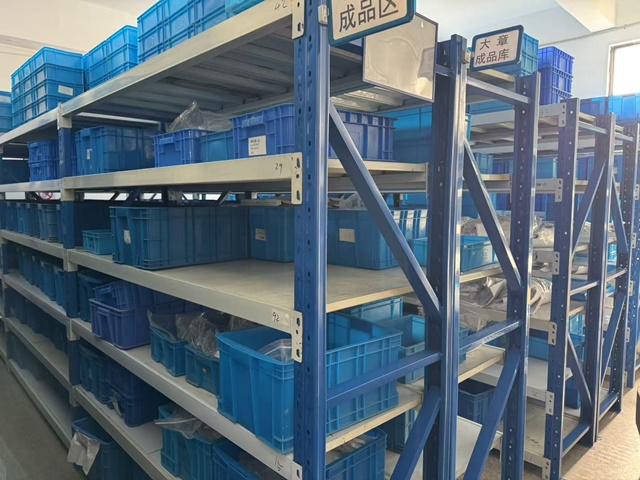
International medical device procurement is demanding. Procurement directors must manage complex variables including biomaterial biocompatibility, supply consistency, sterilization certifications, and legal import compliance. Osteora supports international B2B buyers with comprehensive clinical and logistic service suites.
Whether you require specialized humeral stem geometry, porous titanium coatings, or custom instrument trays, our 85 R&D engineers can translate clinical specifications into high-quality physical implants.
Backed by a network of 1,200 upstream and downstream partners, Osteora guarantees stable lead times and continuous inventory supply, preventing orthopaedic surgery cancelations caused by logistics backlogs.
Osteora assists buyers by providing detailed Technical Files, biocompatibility validation summaries, ISO 13485 certifications, and testing documentations required for regulatory registrations across global markets.
At Osteora, quality is not a final checkpoint; it is integrated into every step of development and manufacturing. Our 42 specialized quality control inspectors execute strict verification stages to confirm that every joint reconstruction component complies with clinical safety limits.
With over 8 years of dedicated export experience, Osteora has established successful partnerships with distributors, clinics, and hospital networks in Europe, Southeast Asia, the Middle East, and South America.
We provide local partners with training modules, clinical reference guides, and specialized registration assistance, helping them launch new systems quickly and successfully navigate regulatory approvals.
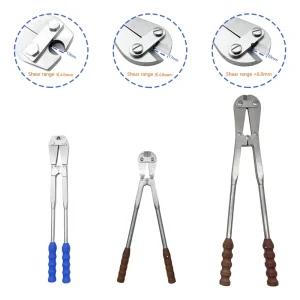
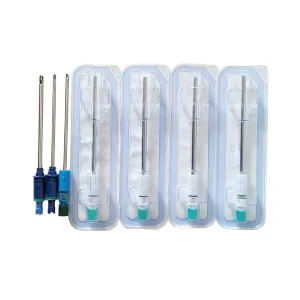
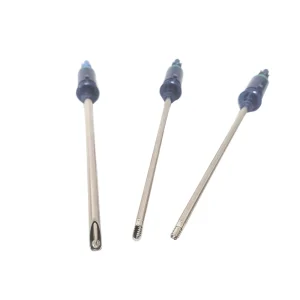
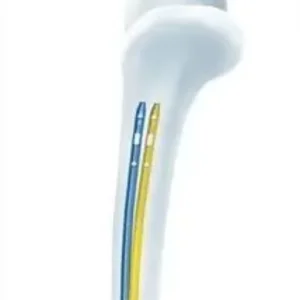
Our extended product range includes advanced spine hardware, sports medicine tools, power drill kits, and dynamic intramedullary nails.