Osteora
Osteora
Osteora
Explore our leading surgical screws, plates, and power drill innovations engineered for trauma and joint reconstruction.
In modern traumatology and reconstructive surgery, the accuracy and reliability of surgical drills dictate patient clinical outcomes. High-performance power tools are not merely auxiliary hardware; they are critical interfaces where mechanical precision meets human anatomy. As surgeons navigate complicated spinal fusions, complex articular fractures, and minimally invasive interventions, the demand for high-torque, ergonomic, and sterile-stable systems continues to scale globally.
Osteora Medical Devices Co., Ltd. stands at the forefront of this technological curve. Operating under our flagship brand Osteora, we have specialized in fabricating superior trauma, spine, and joint reconstruction systems. By marrying extensive clinical feedback with advanced metallurgical processing, we bridge the gap between high-complexity surgical demands and accessible commercial supply chains.
Leveraging over 8 years of dedicated medical export experience, Osteora has established secure pipelines across Europe, Southeast Asia, the Middle East, and South America. Our annual export footprint ranges between USD 6 million and 14 million, underscoring our reliability in meeting stringent import parameters globally.
Partnered with over 1,200 verified upstream and downstream suppliers to maintain absolute material traceability and supply chain resilience.
Analyzing key commercial dynamics, regional supply shifts, and the evolving technological paradigms of global surgical sectors.
The global orthopedic power tool and implant market is expanding rapidly, spurred by an aging population, rising sport-related trauma incidents, and the worldwide growth of modern healthcare infrastructure. Hospitals demand not only durability but high sterilization tolerance, requiring devices that withstand hundreds of autoclave cycles without torque decay.
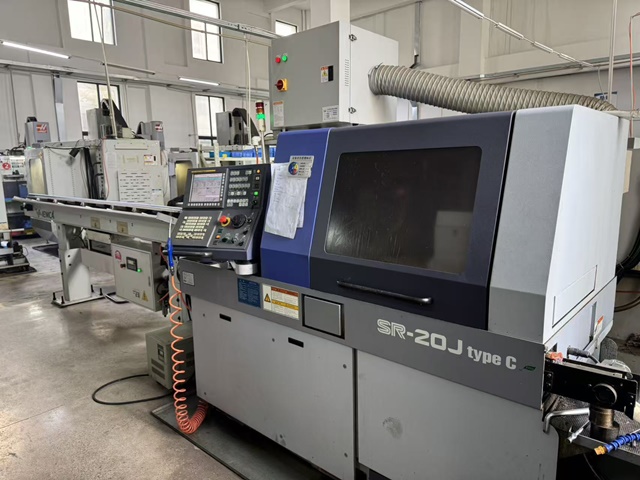
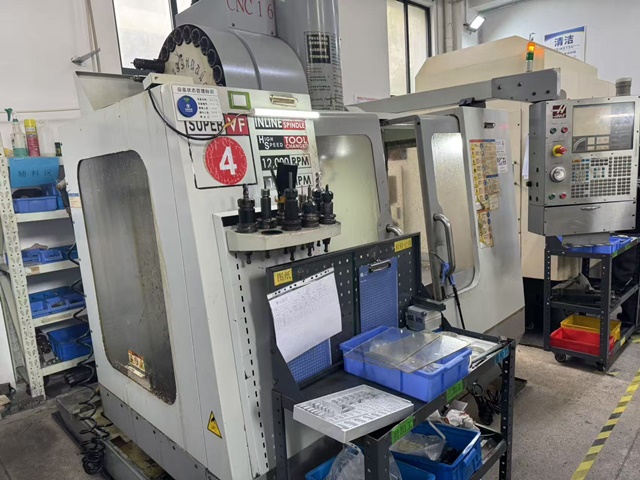
Chinese medical device manufacturing has transitioned from simple volume assembly to ultra-precise, state-of-the-art engineering. Through deep integration of HAAS CNC platforms and Swiss-type high-speed lathes, local factories deliver sub-micron tolerances. This hardware density, combined with integrated local supply chains, provides unmatched production agility.
Global procurement teams in Europe and the Americas are actively diversifying their supply configurations. Key criteria have shifted toward comprehensive technical dossier availability (dynamic biomechanical fatigue profiles), proven bio-compatibility, responsive OEM/ODM customization capabilities, and transparent factory validation records.
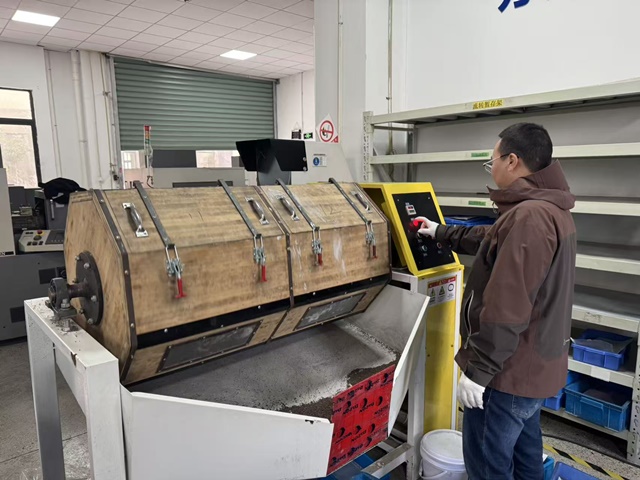
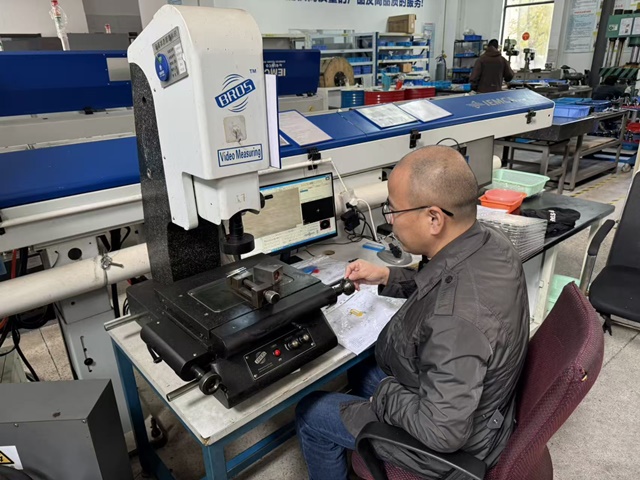
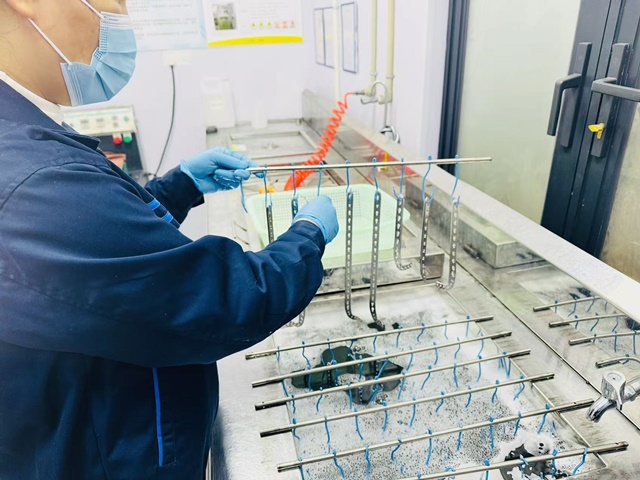
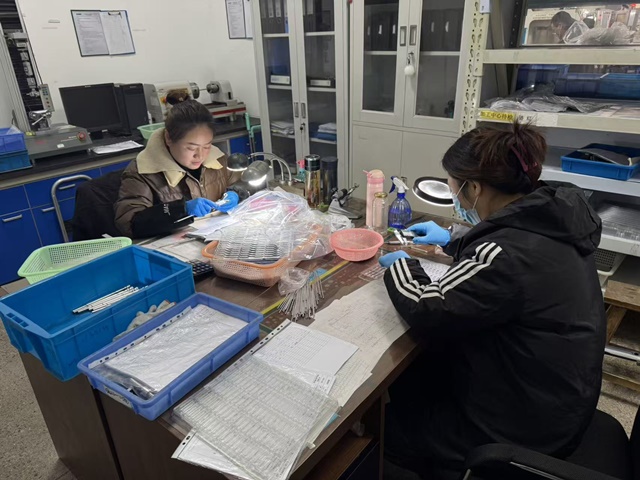
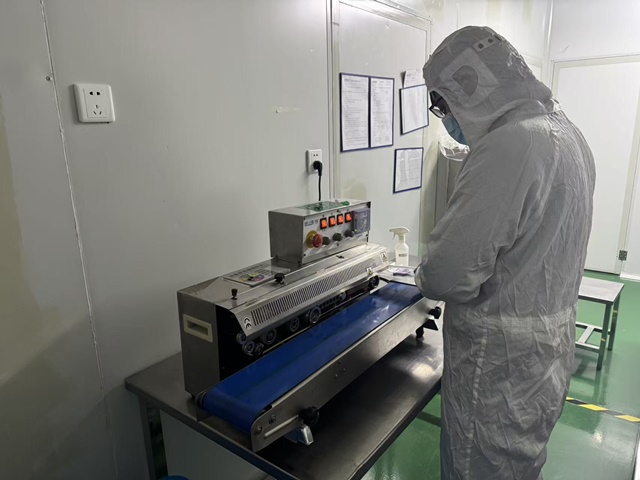
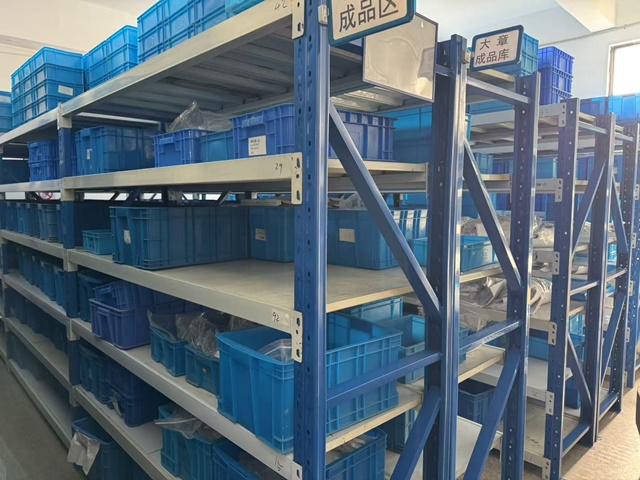
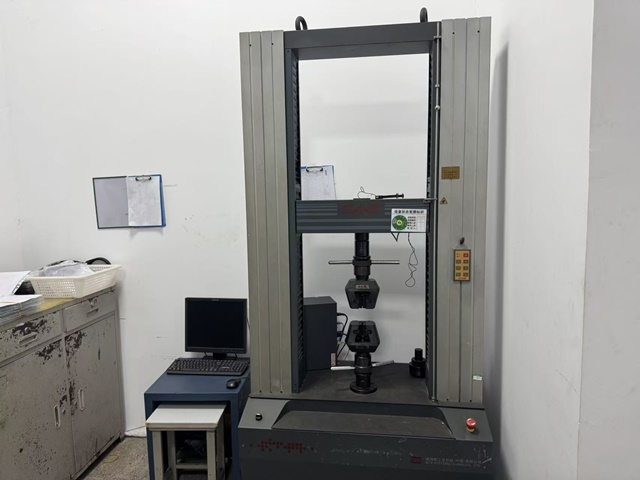
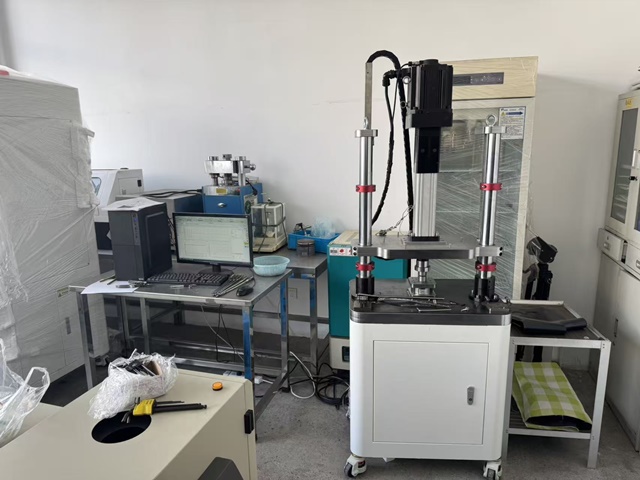
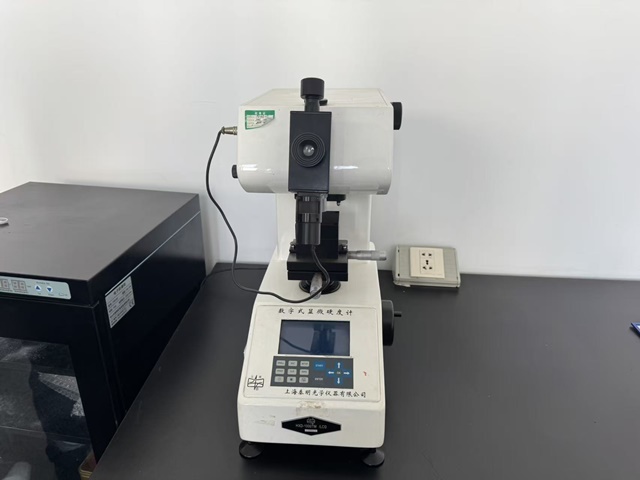
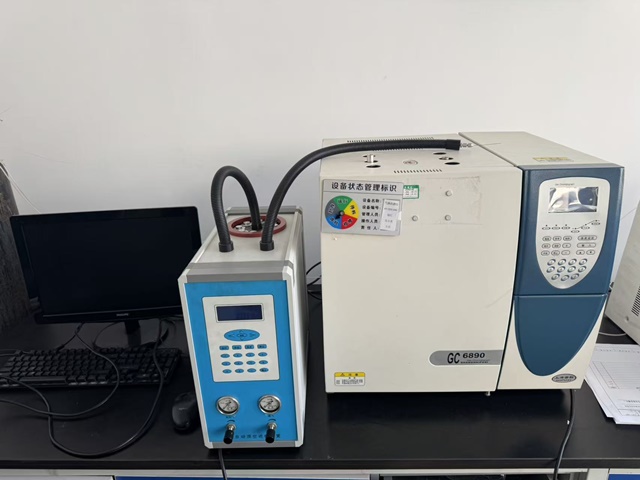
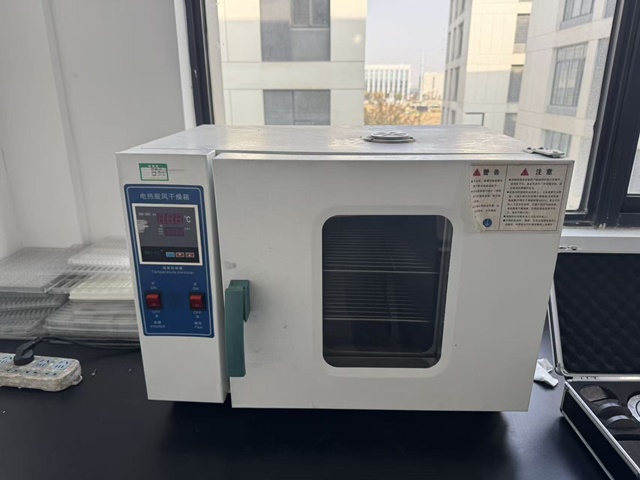
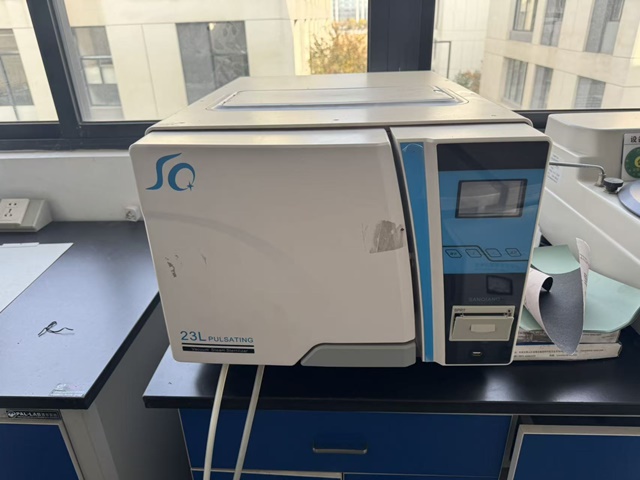
From medical raw materials to final mechanical validation: a step-by-step display of Osteora's quality assurance workflow.
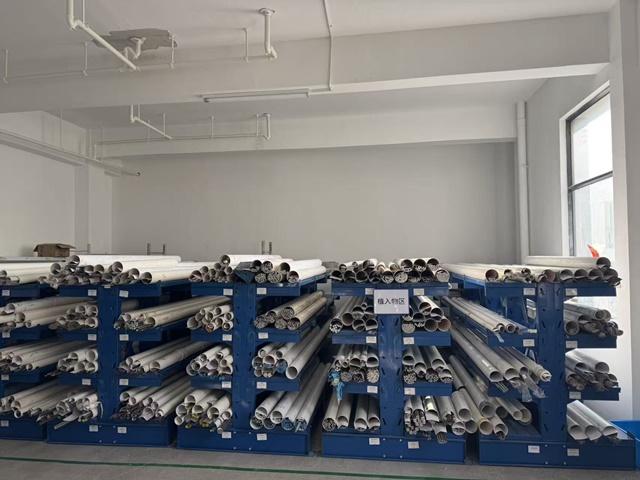
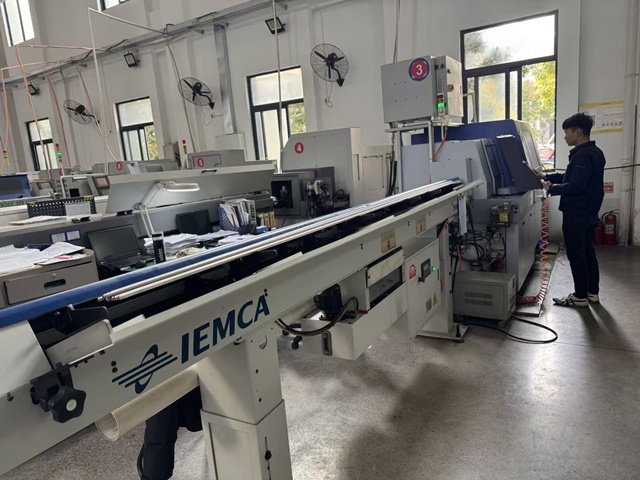
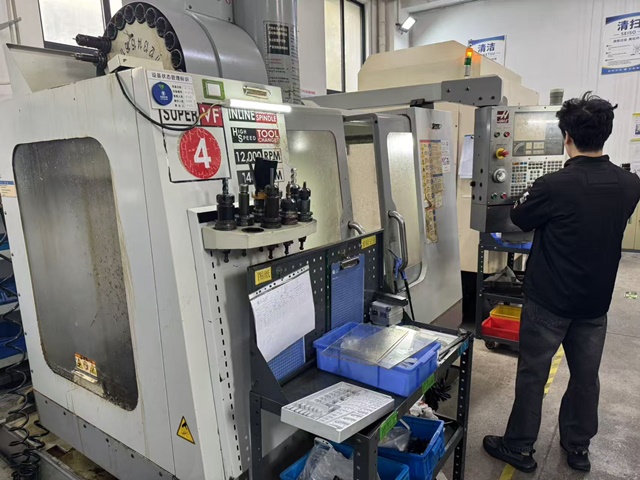
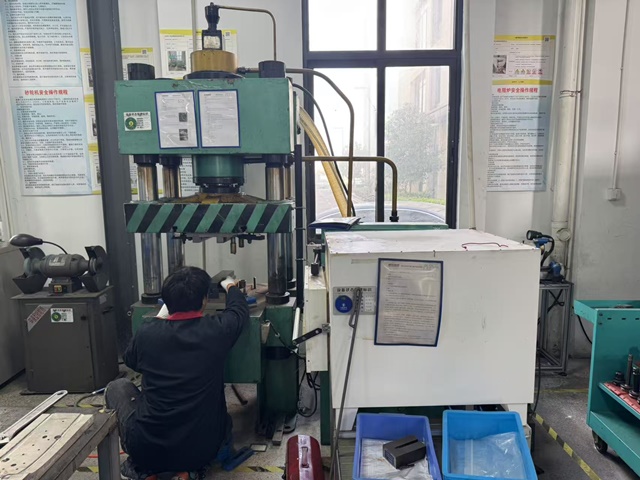
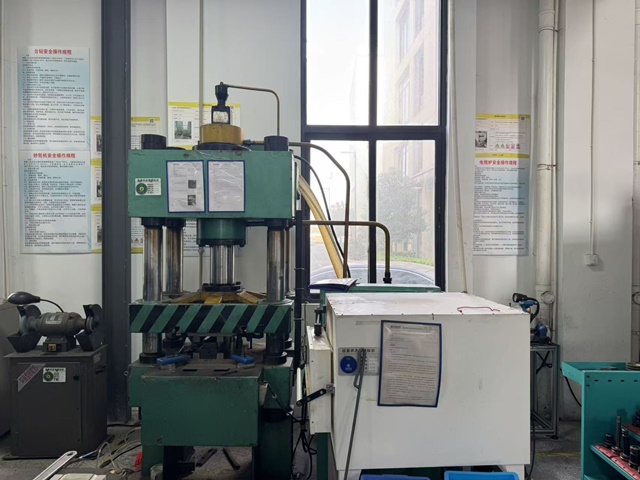
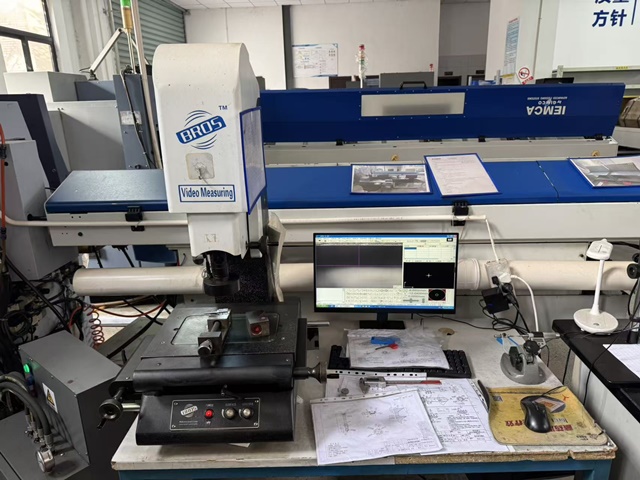
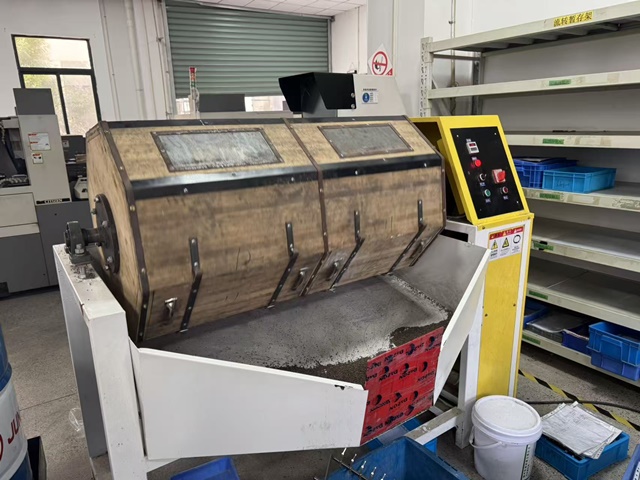
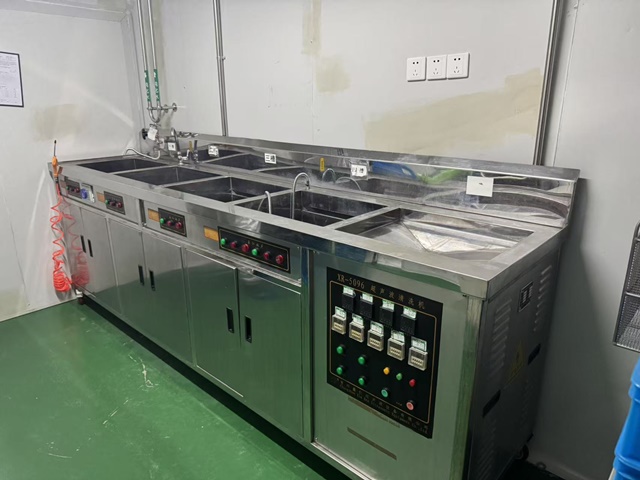
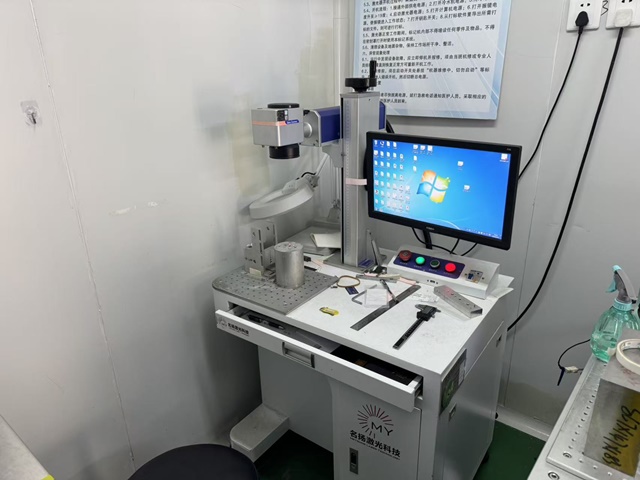
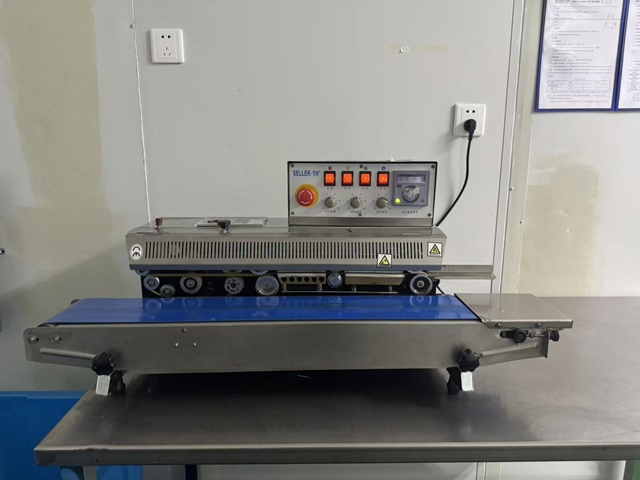
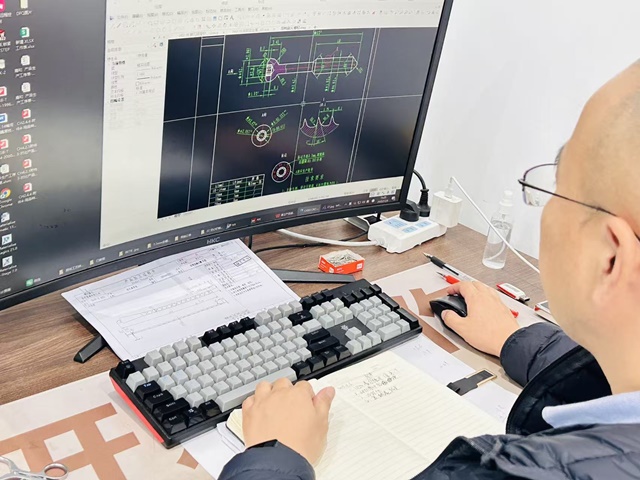
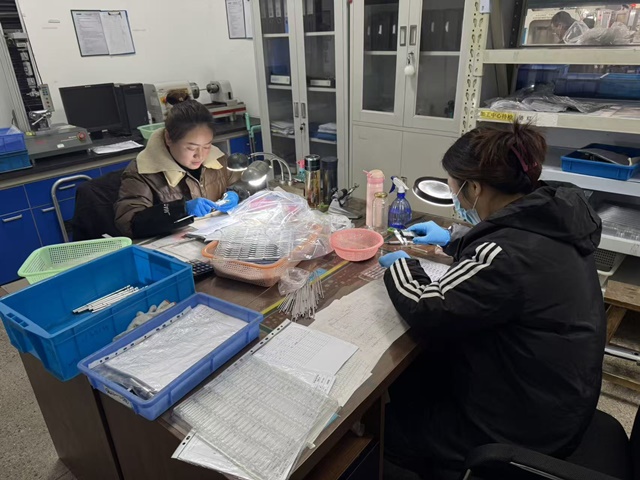
How modern orthopedic surgery centers utilize high-precision instrumentation across standard and complex anatomies.
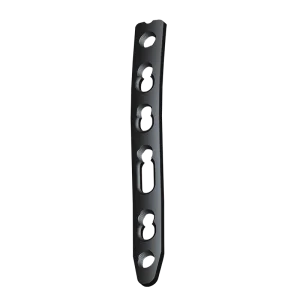
During severe articular fracture fixations (e.g., Distal Volar Radius), rapid fixation is critical. High-speed surgical drills equipped with quick-locking couplers allow trauma teams to transition from drilling to k-wire insertion without manual tool switching. This reduces ischemia times and minimizes overall surgical stress.
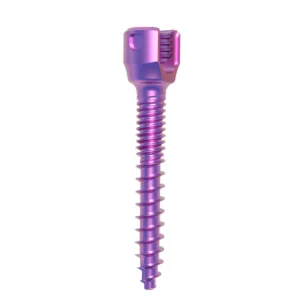
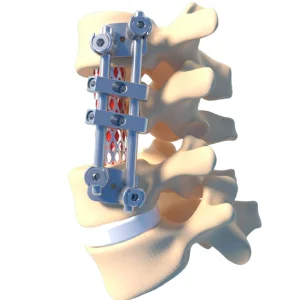
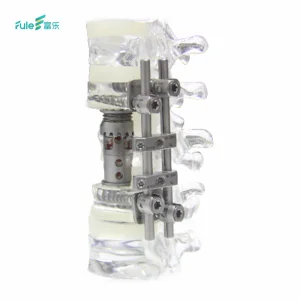
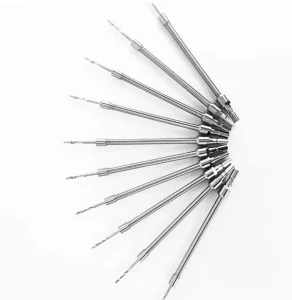
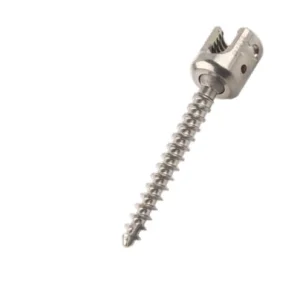
Deploying polyaxial pedicle screws demands exceptional visual feedback and steady mechanical torque. Flexible reamers and variable-depth drill bits ensure surgeons can prepare spinal channels safely, avoiding dural breaches while optimizing pullout strength in osteoporotic bone.
Standard veterinary practices require versatile, cost-effective power tools. The Animal Orthopedic Stryker Drill offers dual-purpose functionalities for smaller anatomical structures, maintaining autoclave efficiency and robust sealing against cleaning fluids.
As surgical methods shift toward minimally invasive procedures (MIS) and robotic-guided orthopedics, the hardware ecosystem is undergoing rapid evolution. Key technical developments include:
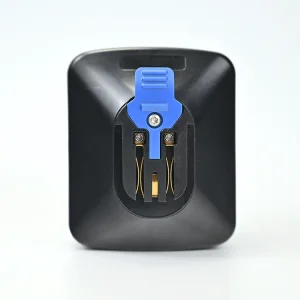
Traditional brushed motors suffer from brush wear and mechanical friction, generating significant heat during deep cortical bone drilling. Brushless motors mitigate this risk, extending battery runtimes and ensuring continuous torque delivery at lower operating temperatures.
Repeated exposures to high-pressure steam (134°C / 2.2 bar) damage inferior components. Modern surgical drills utilize high-grade silicone sealing rings, PEEK insulating sleeves, and corrosion-resistant coatings to prevent moisture ingress into critical internal circuits.
When evaluating overseas surgical drill and implant partners, healthcare distributors must enforce strict quality compliance guidelines:
Material certificates (CoC) matching melt batches for medical-grade Titanium and Stainless Steel.
Dynamic fatigue reports demonstrating safety margins under repeated loads (ASTM F1717 / ISO 12189).
Sterile barrier testing verifying shelf life parameters and resistance to transportation stress.
Answering major technical, regulatory, and shipping questions for healthcare procurement teams.
We use Ti-6Al-4V ELI (Extra Low Interstitial) Grade 5 titanium alloys conforming to ASTM F136 standards. This provides high tensile strength, fatigue resistance, and biocompatibility in orthopedic environments.
Yes. Our drills, reamers, and attachments are engineered to withstand repeated steam autoclave sterilization cycles (typically 134°C for 4–18 minutes at 2.2 bar) without losing sealing performance or motor torque.
Supported by 85 R&D engineers, we offer full design adjustments, sizing updates, surface anodization options, and private labeling. We support projects from initial 3D CAD modeling to final validation production.
We provide a 5-year warranty on spinal systems and selected intramedullary nails, along with a 2-year warranty on surgical instruments. Power tools and reaming tools come with a full 1-year product warranty coverage.
All shipments are provided with ISO 13485 quality credentials, CE certification declarations, Certificate of Origin (CoO) documents, and material analysis sheets to ensure straightforward customs processing.
Our QC team runs a structured process: raw material spectroscopy verification, dynamic in-process HAAS CNC tolerance checks, post-finishing dimensional inspections, and final random sampling audits before packaging.
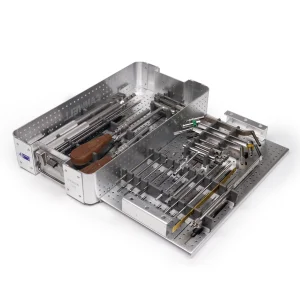
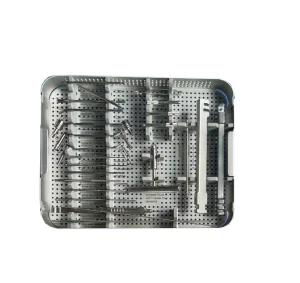
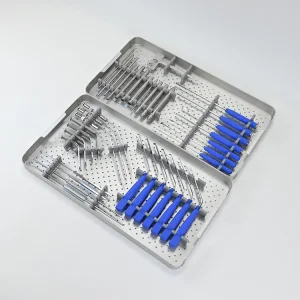
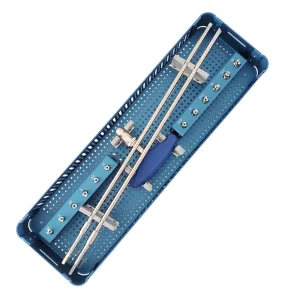
Yes. We organize specialized surgical instrument boxes containing all necessary plate styles, drivers, and guides according to custom surgeon requirements for trauma or spine surgeries.
For standard stocking orders, processing takes 7 to 15 days. Custom OEM/ODM designs requiring special tooling take about 30 to 45 days, depending on material complexity and design adjustments.
Explore our targeted selection of sports medicine sutures, guide instruments, flexible reamers, and spinal sets.
Consult with our orthopedic implant engineers, review our complete technical dossiers, and request direct factory pricing for your distribution region.
Connect with an Expert